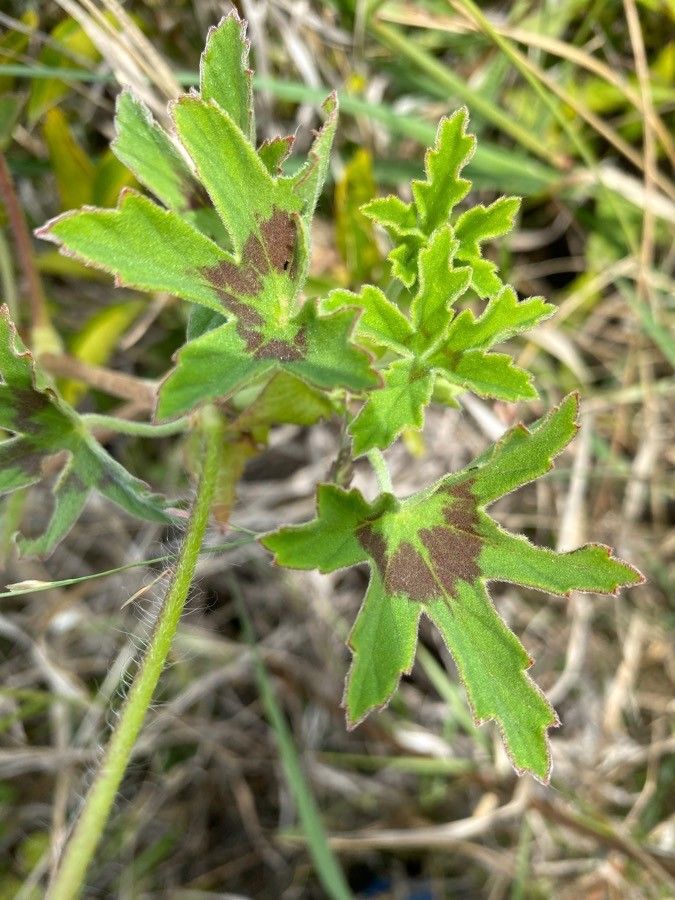
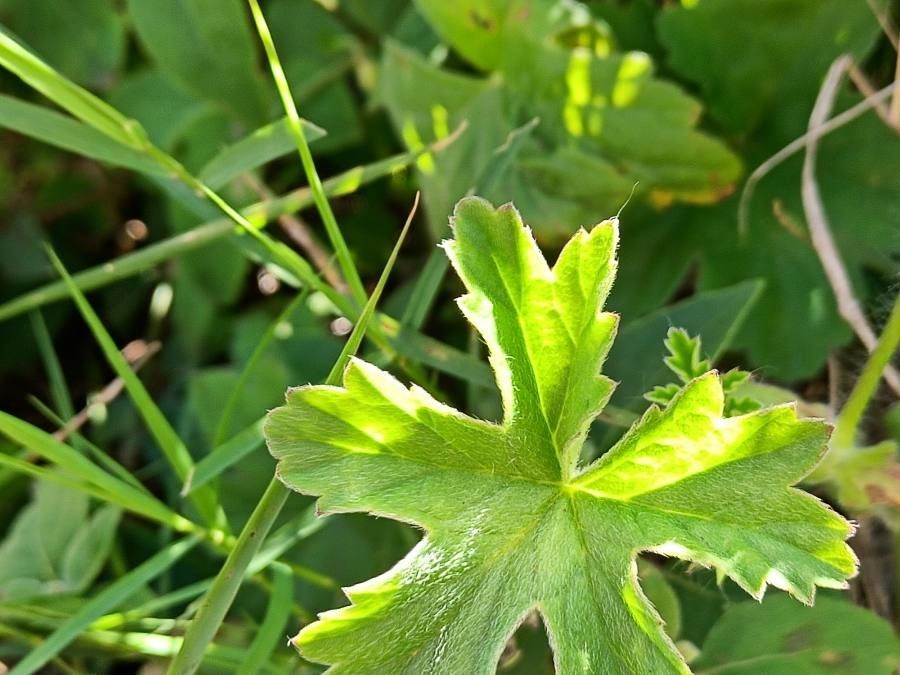
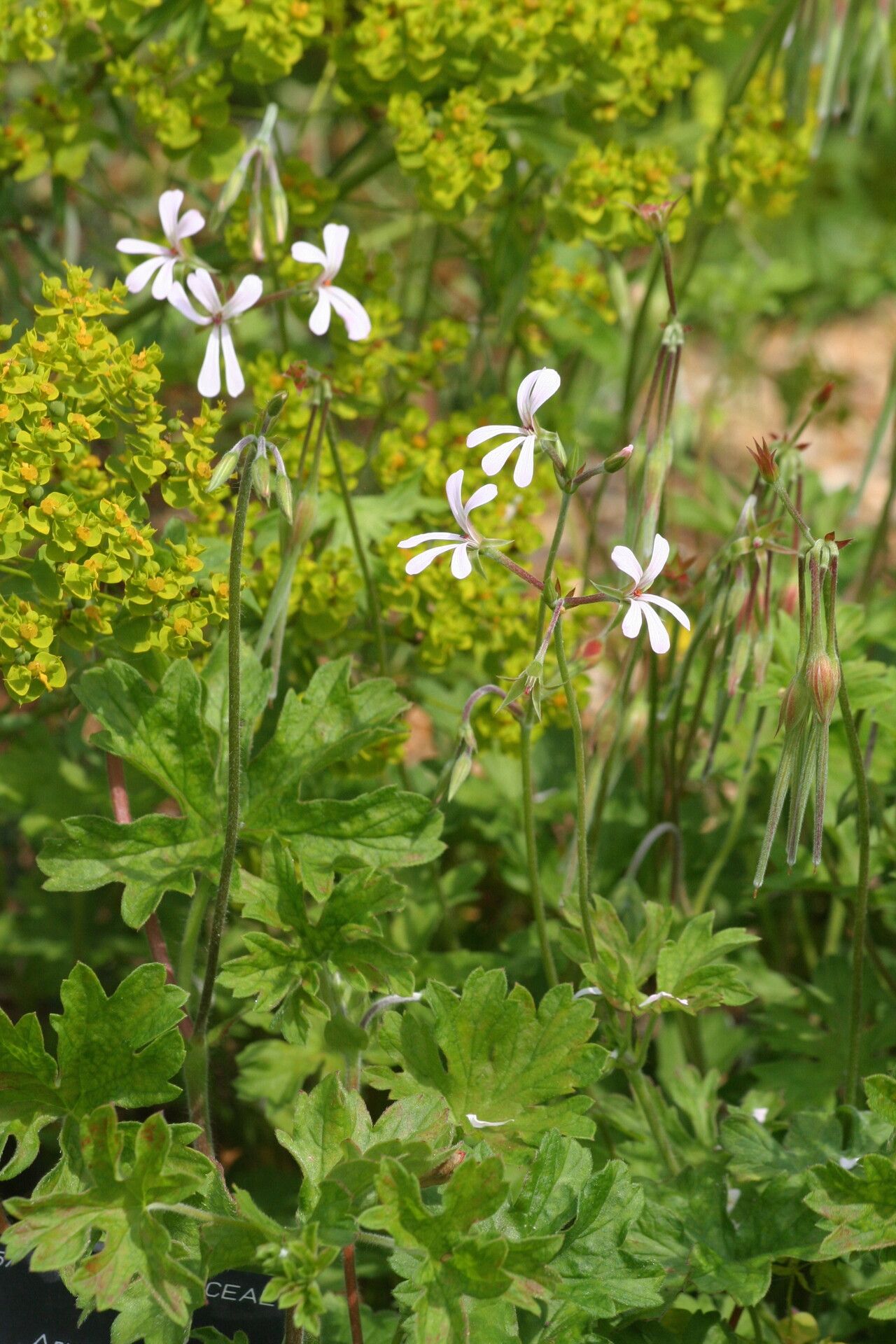
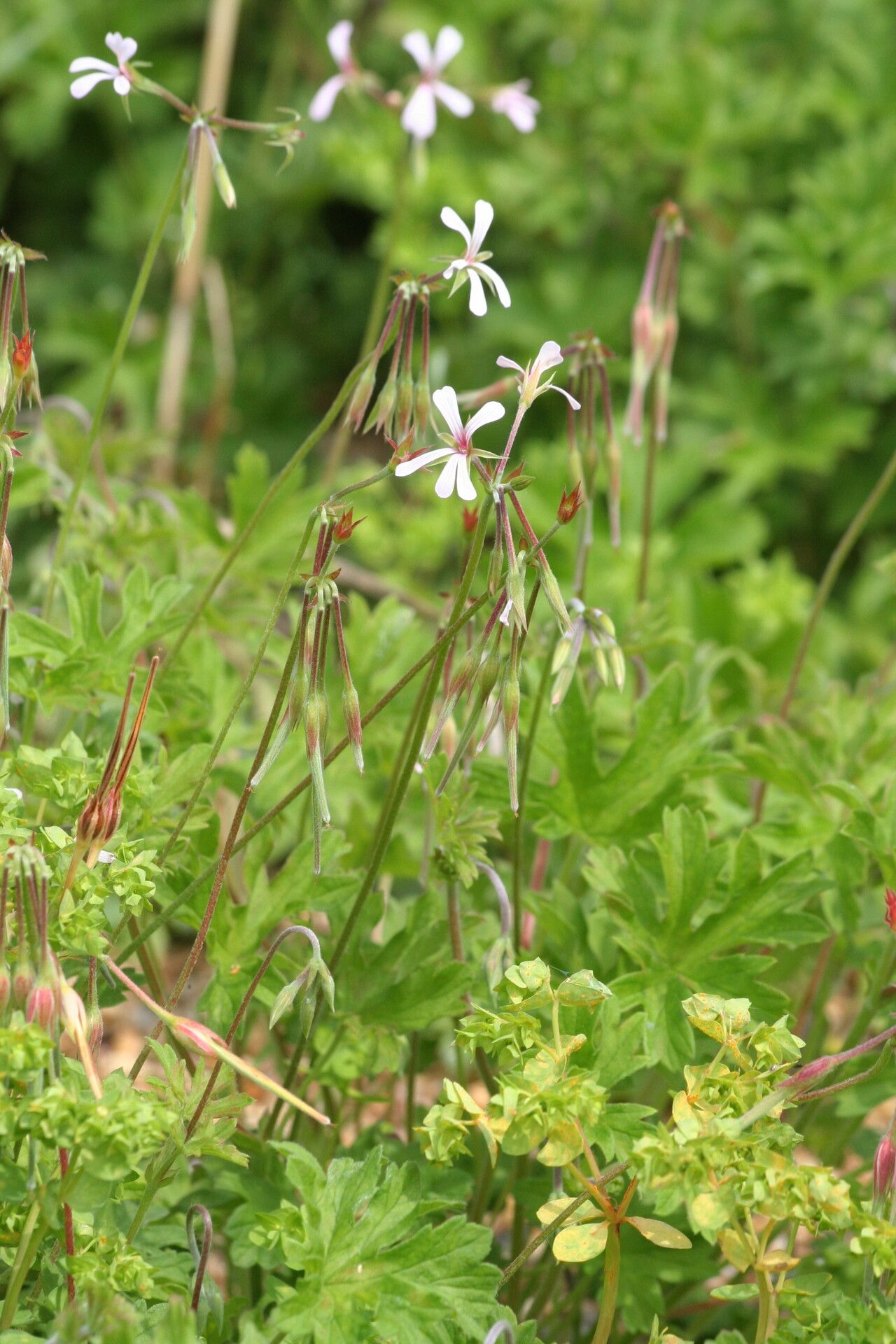
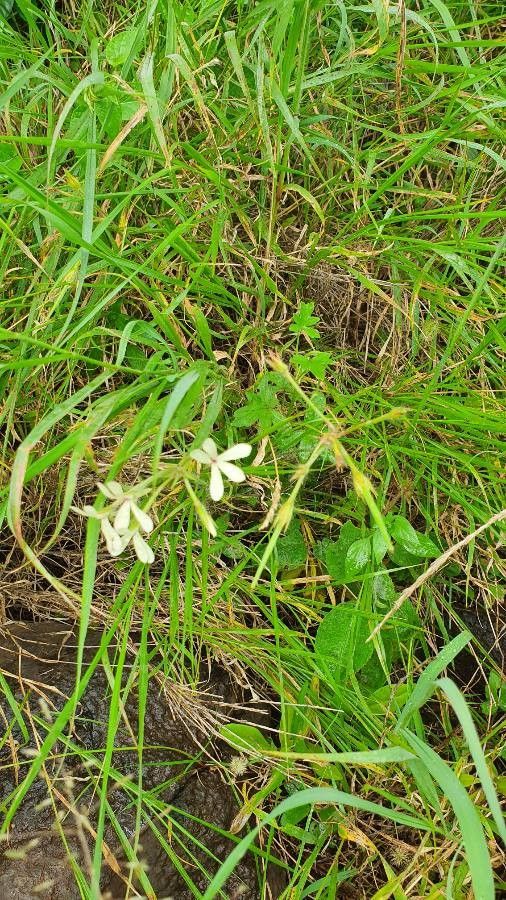
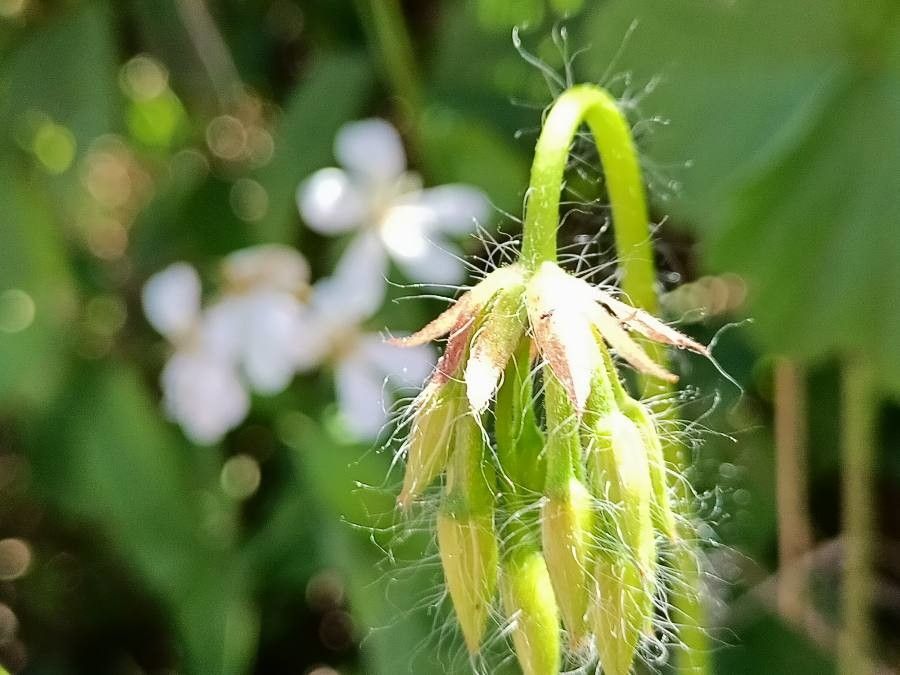
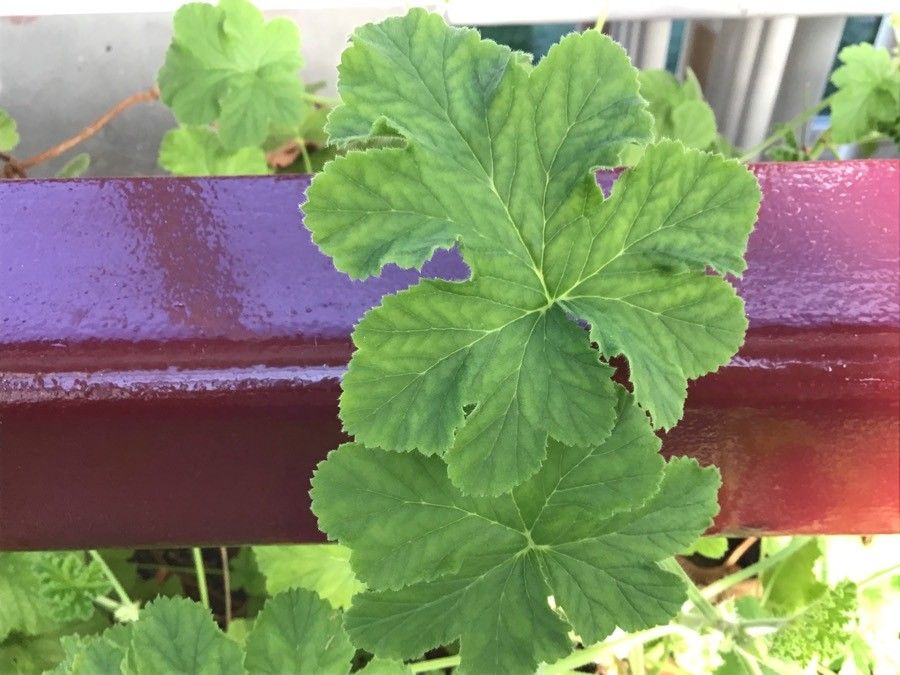
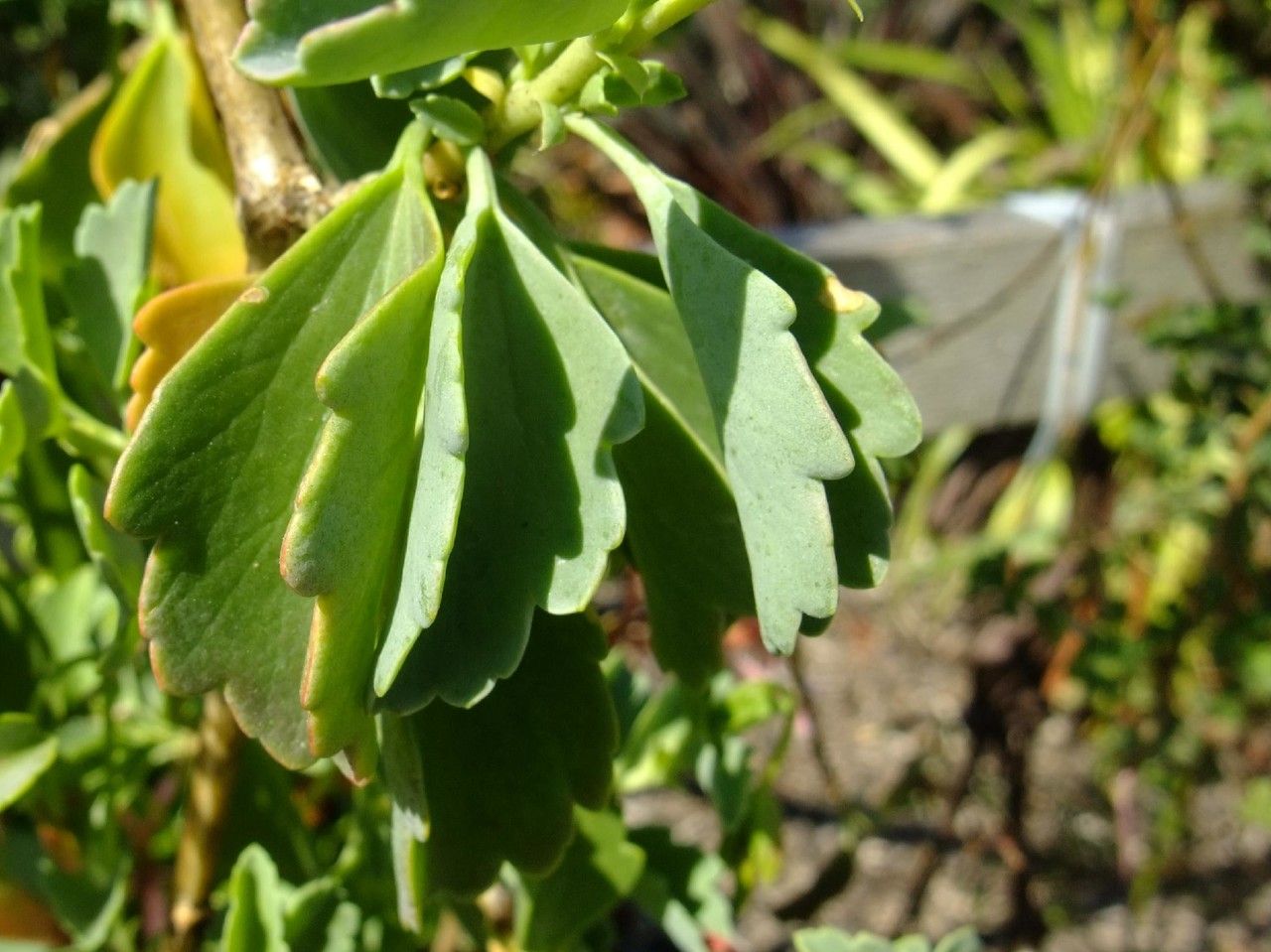
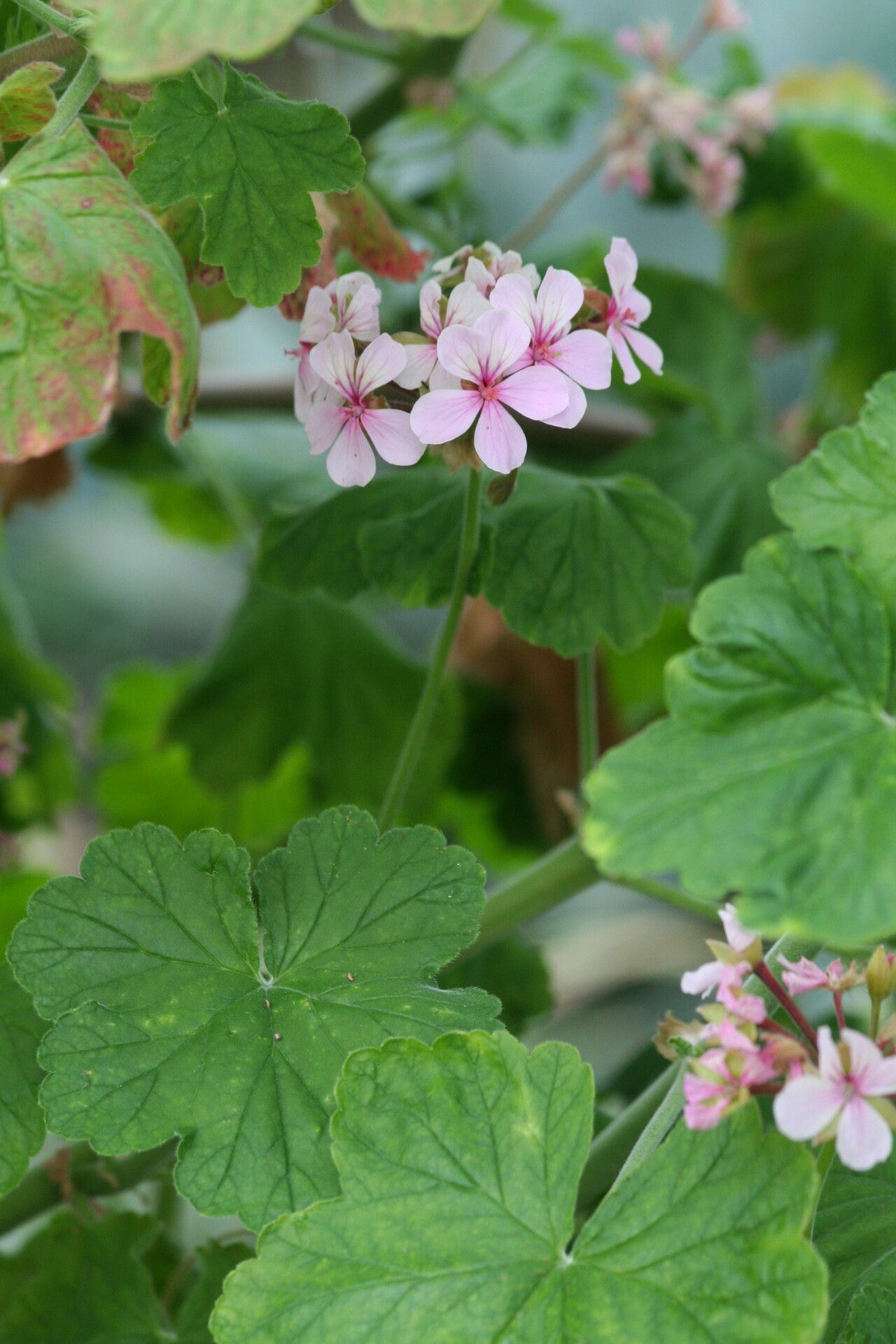
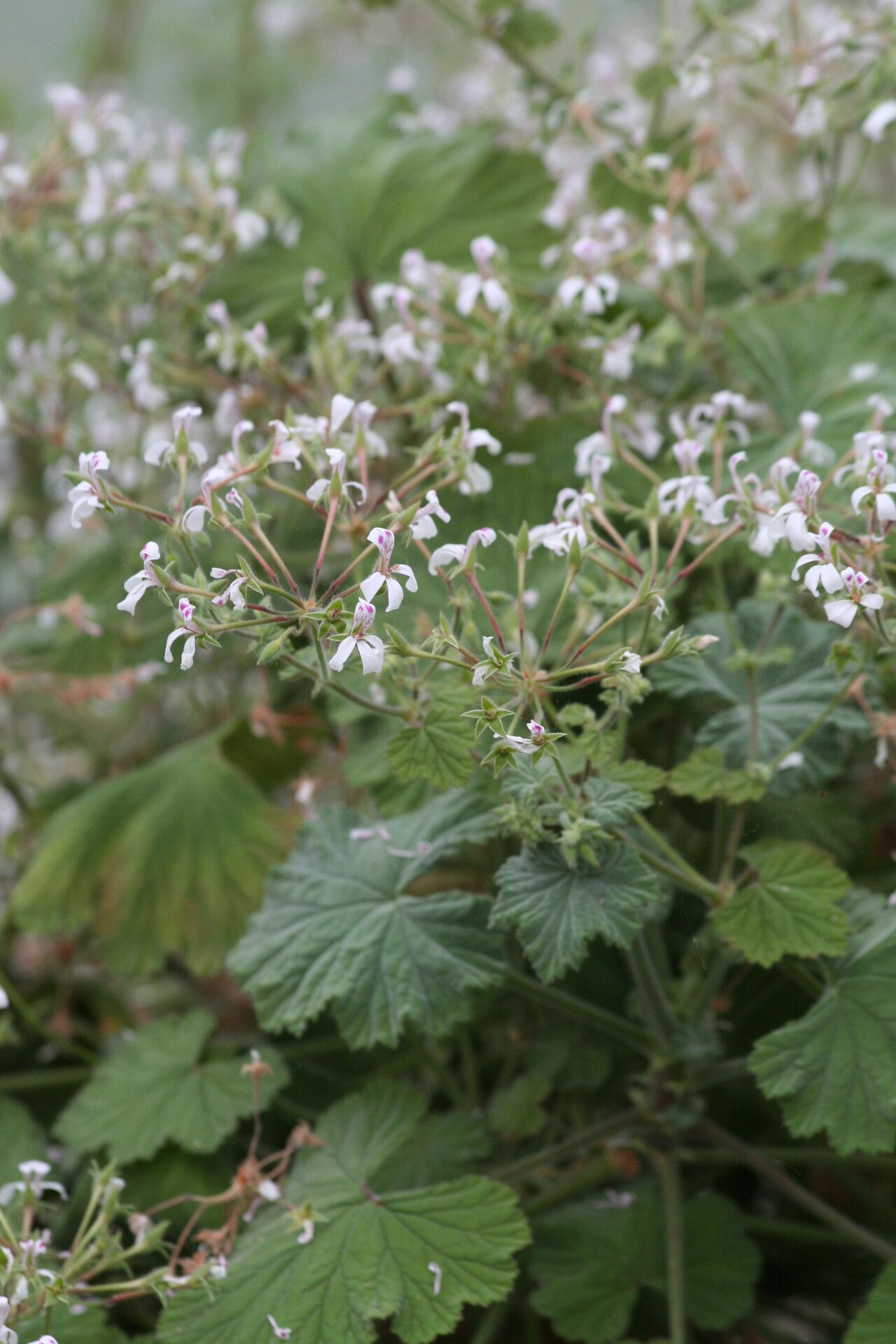
Lady's mantle-leaf pelargonium has good disease resistance and is generally not prone to illness. However, it can be affected by pests and diseases present in its environment. These infections are usually mild. In terms of care, the plant needs moderate maintenance. Regular pruning is required to keep a neat appearance and support healthy growth. Fertilizing can also help encourage flowering. This pelargonium is suitable for people with outdoor spaces like a garden or patio and does not demand extensive care experience. It may need more attention when grown indoors.
How to keep Pelargonium Alchemilloides.
Light
The perennial herbaceous plant, lady's mantle-leaf pelargonium, which prevails in areas such as meadows and grasslands, is characterized by its fondness for sunlight. Although it thrives best in full sun, it can adapt to locations with partial sunlight. This plant is native to open habitats.
Water
The lady's mantle-leaf pelargonium thrives in temperate climates, where it prefers consistently moist soil without becoming waterlogged. While it can tolerate moderate drought conditions, it's best to water it weekly to keep it healthy. Using rainwater is particularly beneficial for this ornamental plant, as it provides the right acidity and nutrient balance.
Temperature
The lady's mantle-leaf pelargonium is native to areas where temperatures range from 68 to 100.4 °F (20 to 38 ℃). It does best in those conditions. To ensure optimal growth across seasons, keep its ambient temperature within that range.
Fertilizer
The optimal period to provide nutrients to a Lady's mantle-leaf pelargonium is during the start of spring, a time when it transitions out of its dormant stage and begins to grow actively. Feeding it with fertilizer yields essential nutrients required for its robust growth. Even though the Lady's mantle-leaf pelargonium doesn't require excessive amounts of fertilization, administering it once a year can improve its lifespan and stimulate the production of healthier, more long-lasting blossoms.
Pruning
To keep your Lady's Mantle Leaf Pelargonium flourishing, make sure to prune it regularly in early spring. This helps remove dead stems and encourages new growth. When pruning, cut just above the leaf nodes to promote branching and improve air circulation, which reduces the risk of disease. Always use clean, sharp tools for the best results. By doing so, you'll enjoy a healthier and more vibrant garden display.
Botanical profile.
- Plant Type
- Herb
- Life Cycle
- Perennial
- Genus
- Pelargonium
- Family
- Geraniaceae
- Hardiness Zone
- 10-11
- Mature Height
- 15 cm to 30 cm
- Mature Spread
- 49 cm
- Leaf Color
- Green
- Leaf Type
- Semi-evergreen
- Flower Color
- White, Pink
- Flower Size
- 1.02 cm to 2.03 cm
- Bloom Time
- All year round
- Planting Time
- Spring, Summer, Autumn
- Harvest Time
- All year round
- Native Area
- Lesotho, Mozambique, South Africa, Eswatini, Zimbabwe
Other names.
Reader questions.
What are the sun requirements for Lady's mantle-leaf pelargonium?
Lady's mantle-leaf pelargonium (Pelargonium alchemilloides) thrives under specific sunlight conditions. Plants described as needing 'Full sun' require above 6 hours of sunlight daily, while those categorized under 'Partial sun' need about 3-6 hours of sunlight. It's important to observe the movement of sunlight through your garden to find the ideal spots for planting. Ensuring the right balance of light and shade is crucial for the happiness and health of your plants.
What is the ideal temperature range for growing Lady's mantle-leaf pelargonium?
Lady's mantle-leaf pelargonium, known botanically as Pelargonium alchemilloides, prospers in temperature ranges between 68 to 100.4 °F (20 to 38 °C). This plant is indigenous to regions that experience these temperature conditions. For optimal growth throughout different seasons, it is vital to maintain the surrounding temperature within this specified range.