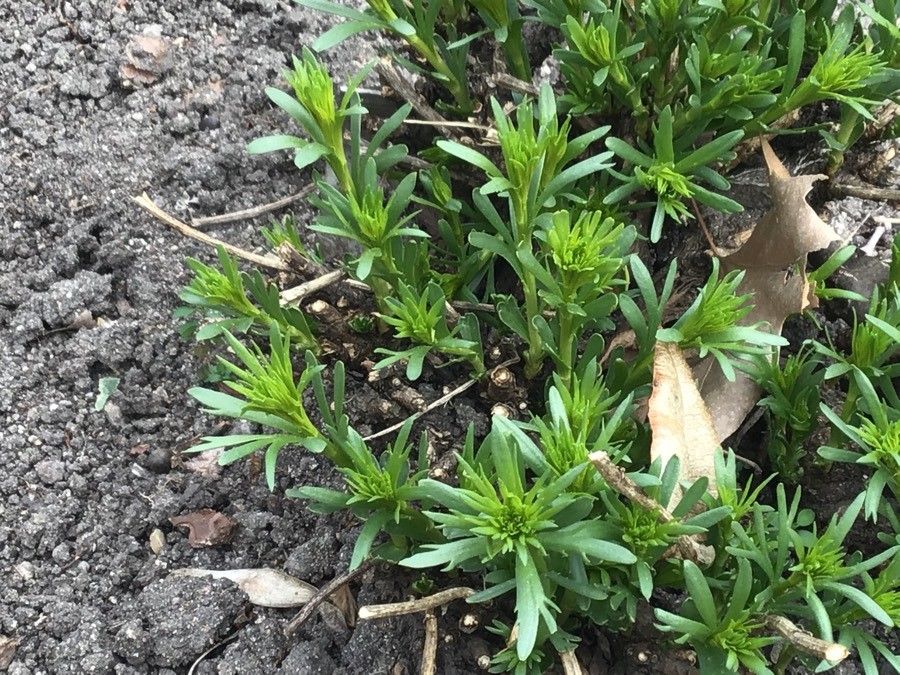
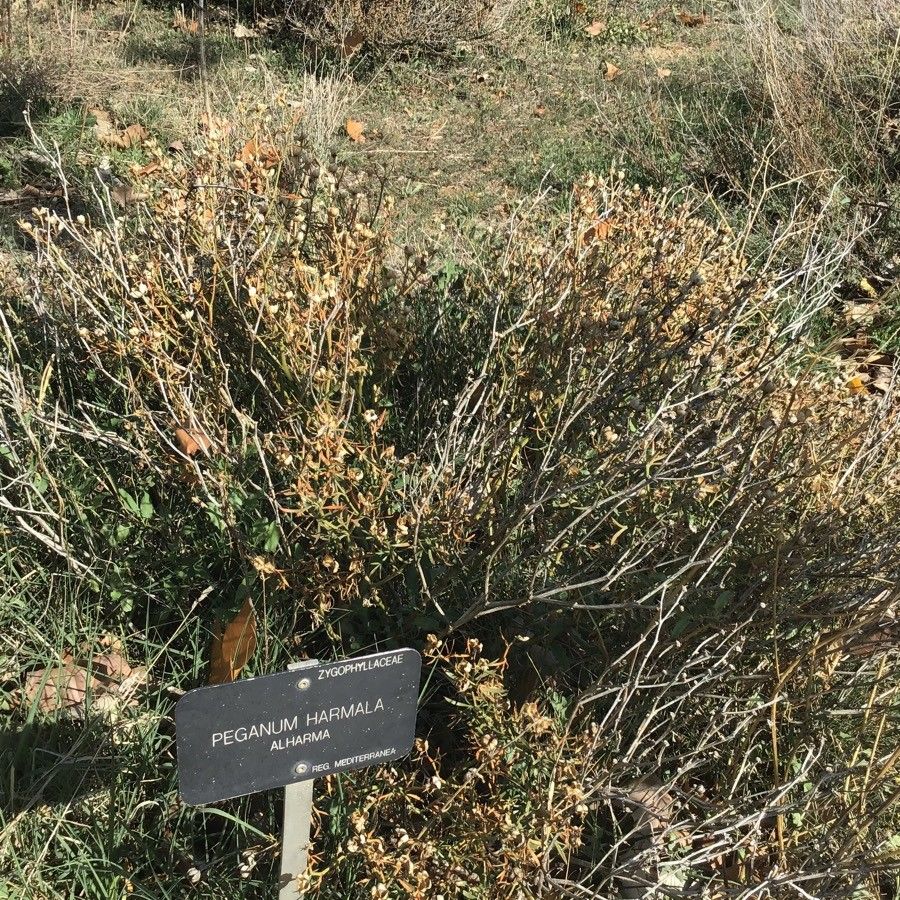
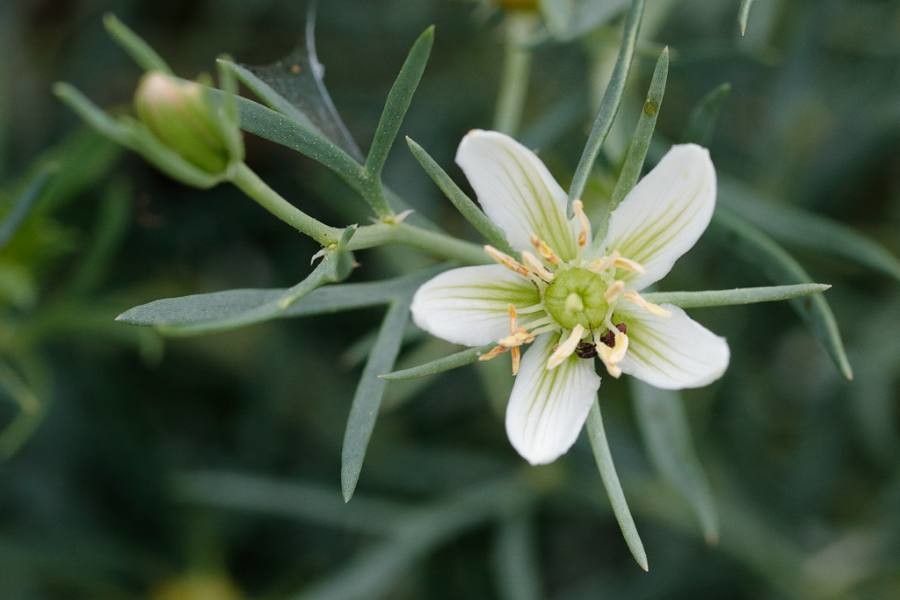
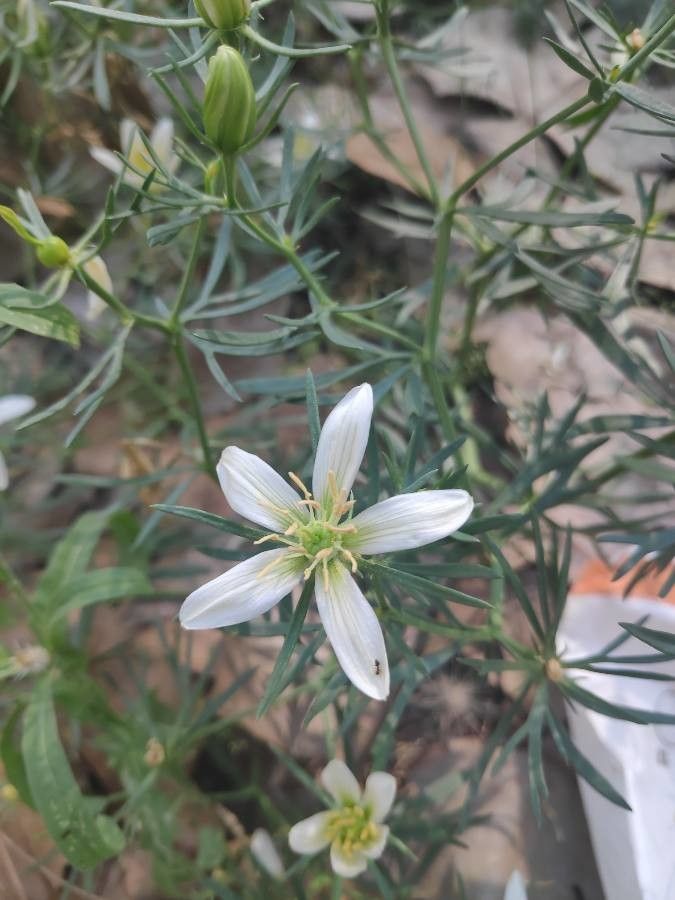
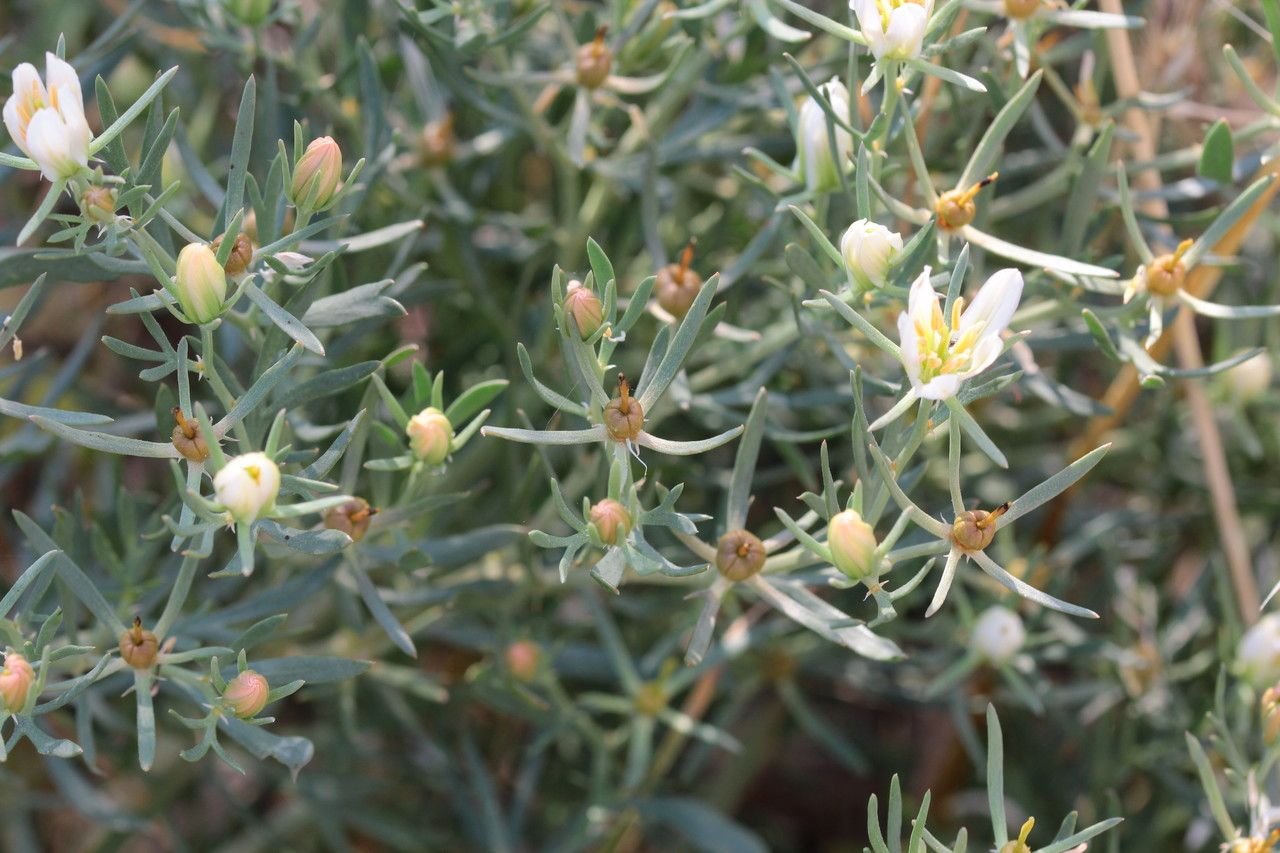
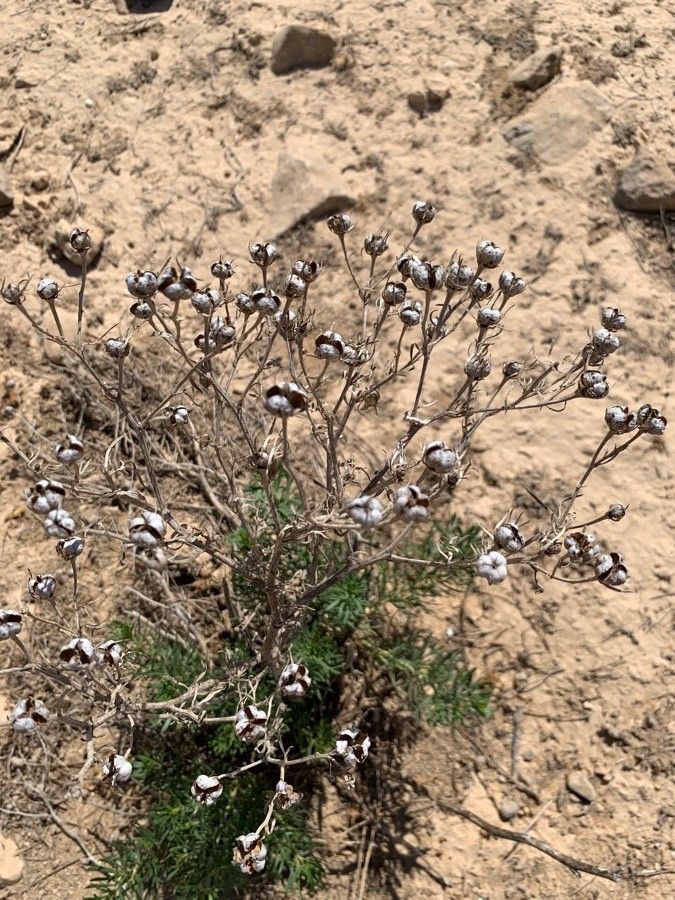
Peganum harmala, commonly known as Syrian rue, is a perennial plant that belongs to the Nitrariaceae family. Native to the Mediterranean region and parts of Asia, it has been used for medicinal and spiritual purposes for centuries. The plant can grow up to 1 meter tall and produces small white or yellow flowers that bloom in the summer.
The seeds of Peganum harmala contain various alkaloids, including harmine, harmane, and harmaline. These alkaloids have psychoactive properties and are used in traditional medicine as antidepressants, anti-inflammatory agents, and antispasmodics.
In addition to its medicinal uses, Peganum harmala has a history of being used in spiritual practices by various cultures. Burning or smoking the seeds is believed to induce visions or enhance meditation practices.
However, it is important to note that consuming high doses of Peganum harmala can be toxic, causing symptoms such as nausea, vomiting, diarrhea, tremors, seizures, respiratory depression, coma, and even death. Therefore, it should only be consumed under medical supervision by trained professionals who are familiar with its effects on human physiology.
Wild rue has strong resistance to disease and is generally not susceptible to illnesses. However, it can be affected by pests and diseases present in its surroundings. These problems are usually not serious. Regarding care, this plant needs moderate maintenance. It requires regular pruning to preserve a good appearance and promote healthy growth. Fertilizing can also help encourage flowering. Wild rue is suitable for anyone with outdoor space, such as a garden or patio, and does not demand extensive care experience. It may need more attention when grown indoors.
How to keep Peganum Harmala.
Light
Wild rue grows best when it gets plenty of sunlight throughout the day. This need for sun encourages the plant's growth and overall health. In its natural habitat it thrives under intense light, which is important at every stage of growth. Too little or too much light can hinder its healthy development.
Water
Wild rue is well-suited to arid environments, demonstrating excellent drought tolerance. It prefers well-draining soil and needs to be watered weekly. Typically grown outdoors in full sun, wild rue has adapted to conserve water effectively in hot conditions with limited moisture.
Temperature
Wild rue is a plant native to temperate regions that requires temperatures of 59 to 95 °F (15 to 35 ℃) for optimal growth. In colder climates, adjusting indoor temperatures during Autumn and Winter is advised.
Fertilizer
For Wild rue, the primary time to fertilize is in early spring when the flowers are developing. The proper fertilizer promotes better blooms and helps Wild rue produce attractive flowers. Fertilizing in early spring secures excellent flowering during the season and supplies energy for dormant growth phases.
Pruning
Wild rue thrives in well-drained soil and is tolerant of drought conditions. It also contains alkaloids. To promote healthy growth, prune the plant from early to late spring. This includes thinning out dense areas to improve air circulation. Avoid heavy pruning; instead, focus on young stems. Cut them back to a healthy node to enhance flowering and vigor.
Botanical profile.
- Plant Type
- Herb
- Life Cycle
- Perennial
- Genus
- Peganum
- Family
- Nitrariaceae
- Hardiness Zone
- 7-10
- Mature Height
- 30 cm to 76 cm
- Mature Spread
- 49 cm
- Leaf Color
- Green
- Leaf Type
- Deciduous
- Flower Color
- White
- Flower Size
- 2.03 cm to 3.05 cm
- Bloom Time
- Late spring, Early summer, Mid summer
- Planting Time
- Spring, Summer, Autumn
- Harvest Time
- Mid summer, Late summer, Early fall
- Native Area
- Libya, Egypt, Turkey, India, Pakistan, Morocco, Yemen, Uzbekistan, Russia, Iraq, Romania, Saudi Arabia, Tajikistan, Tunisia, Cyprus, Bulgaria, Armenia, Greece, Ukraine, Lebanon, Serbia, Afghanistan, Syria, Kyrgyzstan, Kazakhstan, Italy, Spain, Mongolia, Iran, Algeria, Kuwait, Turkmenistan
Other names.
Reader questions.
How should I water my Wild rue to make sure it grows well?
To properly water the Wild rue plant, it is recommended to use filtered water at room temperature. Tap water may contain harmful particles for the plant, so filtering it is preferable. It is important to avoid using cold water, as the Wild rue is accustomed to warm climates and cold water could negatively affect it. Additionally, it is best to avoid overhead watering, as it can cause issues with the plant's foliage. Instead, directly apply the filtered room temperature water to the soil until it is fully saturated. This method of soaking the soil is beneficial for the plant as it helps moisturize the roots and allows them to spread through the soil to gather the necessary nutrients.
What are the sunlight requirements for Wild rue?
Wild rue thrives with an abundance of sun exposure, requiring above 6 hours of direct sunlight each day to promote growth and overall health. This requirement is crucial throughout all stages of its development, as both lack and excess of light can hinder its healthy growth. It's recommended to observe how sunlight moves through your garden to select spots that offer an ideal balance of light and shade, ensuring your plants are happy and healthy.
What are the optimal temperature conditions for growing Wild rue?
Wild rue, or Peganum harmala, thrives in temperate regions and requires temperatures between 59 to 95 °F (15 to 35 °C) for optimal growth. In colder climates, it's advised to adjust indoor temperatures during Autumn and Winter to meet these requirements. Despite its strong cold resistance, precautions should be taken when winter temperatures are expected to drop below -15°C by covering the plant with protective materials such as soil or straw. Additionally, watering the plant abundantly before the first freeze in autumn to keep the soil moist can help prevent drought and water scarcity during colder months.
What should I do if I give too much or too little water to my Wild rue plant?
Both overwatering and underwatering can harm your Wild rue, but overwatering is more common. When there is excessive watering, the stems and leaves of the plant may wilt and turn yellow. Overwatering for an extended period can also lead to root rot, mold, and mildew, which are fatal to the plant. Underwatering is less likely for the Wild rue due to its tolerance for drought. However, it is still a possibility, and symptoms include brittle and brown leaves. It's crucial to identify signs of overwatering promptly. Some diseases caused by overwatering, like root rot, may not be reversible if not addressed promptly. If you notice early signs of overwatering, reduce your watering schedule and check the soil's drainage. Replace any poorly draining soil with a loose, well-draining potting mix. If you observe signs of underwatering, simply water more regularly until the symptoms improve.
How can artificial lighting support the growth of Wild rue indoors?
When natural sunlight is insufficient, particularly in winter or less sunny spaces, artificial lighting can be a vital solution for Wild rue. Indoor plants benefit from adequate lighting, with LEDs being a popular choice due to their ability to provide specific wavelengths needed for growth. The general guidance for artificial light intensity is 30-50W/sq ft for full sun plants, 20-30W/sq ft for partial sun plants, and 10-20W/sq ft for full shade plants. The light source should be placed 12-36 inches above the plant to mimic natural sunlight, and the duration should replicate the plant species' natural daylight hours, usually between 8-12 hours per day.
How does Wild rue react to low temperatures?
Wild rue is notably cold-tolerant, best suited to temperatures above 15°C. It can withstand winters where temperatures stay above -10°C but requires protection when temperatures fall below -15°C. Although the plant may not show noticeable changes during the winter at these lower temperatures, there can be a significant decrease in the sprouting activity or a complete absence of sprouting in the following spring. If this occurs, it's recommended to remove any parts of the plant that have failed to sprout.
How many times should I water my Wild rue plant?
If your Wild rue plant is in a pot, the most precise way to determine if it needs water is by checking the soil's moisture level. Just plunge your finger into the soil and see if the first two to three inches are dry. If they are, then it's time to water. For Wild rue plants grown in the ground outdoors, the same method can be used. When you find that the top few inches of soil have dried out, it's time to water. In the spring and early fall, this usually means watering once a week. However, during extremely hot weather, you may need to increase the frequency to two or more times per week. Despite this, mature and well-established Wild rue plants have an impressive ability to tolerate drought conditions.
What are the symptoms of inappropriate lighting conditions in Wild rue?
Symptoms of inadequate lighting in Wild rue include smaller new leaves, leggy or sparse growth, faster leaf drop, slower or halted new growth, lighter-colored new leaves, chlorosis, sunscald, leaf curling, wilting, and leaf scorching. These signs indicate that the plant is either receiving too little or too much light, impacting its ability to photosynthesize effectively and maintain healthy growth.
What should be done if Wild rue is exposed to high temperatures?
During the summer, Wild rue should ideally be kept below 35°C to avoid heat stress. Exposure to temperatures above 41°C can lead to the leaves becoming lighter in color, curling, and becoming susceptible to sunburn. In severe cases, the plant might wilt and dry out completely. To mitigate damage from high temperatures, trim away the sunburned and dried-up parts of the plant. Relocating the plant to a shaded area or using a shade cloth to protect it from the midday and afternoon sun can help. Furthermore, watering the plant in the morning and evening will help keep the soil moist and reduce heat stress.
How much water does my Wild rue plant require?
To water your Wild rue effectively, don't hold back on the amount of water you use. Make sure the top few inches of soil are dry before watering, and then give the plant a good, thorough watering, making sure to completely saturate the soil. You should add enough water for it to flow through the drainage holes at the bottom of the pot. If you don't see any excess water draining out, then you most likely haven't watered enough. However, be careful not to let the water accumulate in the soil, as that can be harmful to the plant. On the other hand, if you notice that water isn't draining properly, it could be a sign of poorly draining soil, which is bad for the plant's health and should be avoided. If the plant is outside, it should receive about 1 inch of rain per week, which will provide sufficient moisture.
What solutions can help improve the growth of Wild rue under poor lighting conditions?
To support healthy growth under poor lighting conditions, progressively move your Wild rue to locations with at least 6 hours of direct sunlight daily, utilizing south-facing windows for indoor plants. Additionally, consider using artificial lights for at least 8 hours daily if natural sunlight is inadequate. For outdoor plants, gradually move them to sunnier locations each week, avoiding sudden changes to prevent sunburn. Reducing obstructions, such as pruning overshadowing trees, and transplanting smaller plants to sunnier spots with good drainage, can also enhance light exposure. Note that parts of the plant suffering from insufficient sunlight may not recover, but new growth will be healthy with improved lighting.
How do I water my Wild Rue as it grows?
The water needs of the Wild rue can vary depending on its growth stages. When your Wild rue is in its early years or has just been transplanted, it requires more water than usual. During these stages, the plant focuses on developing new roots, which require extra moisture for optimal growth. After a few seasons, the Wild rue will require less water. Additionally, during the bloom period, when the plant is producing flowers, it may need more water due to the increased demand for moisture.