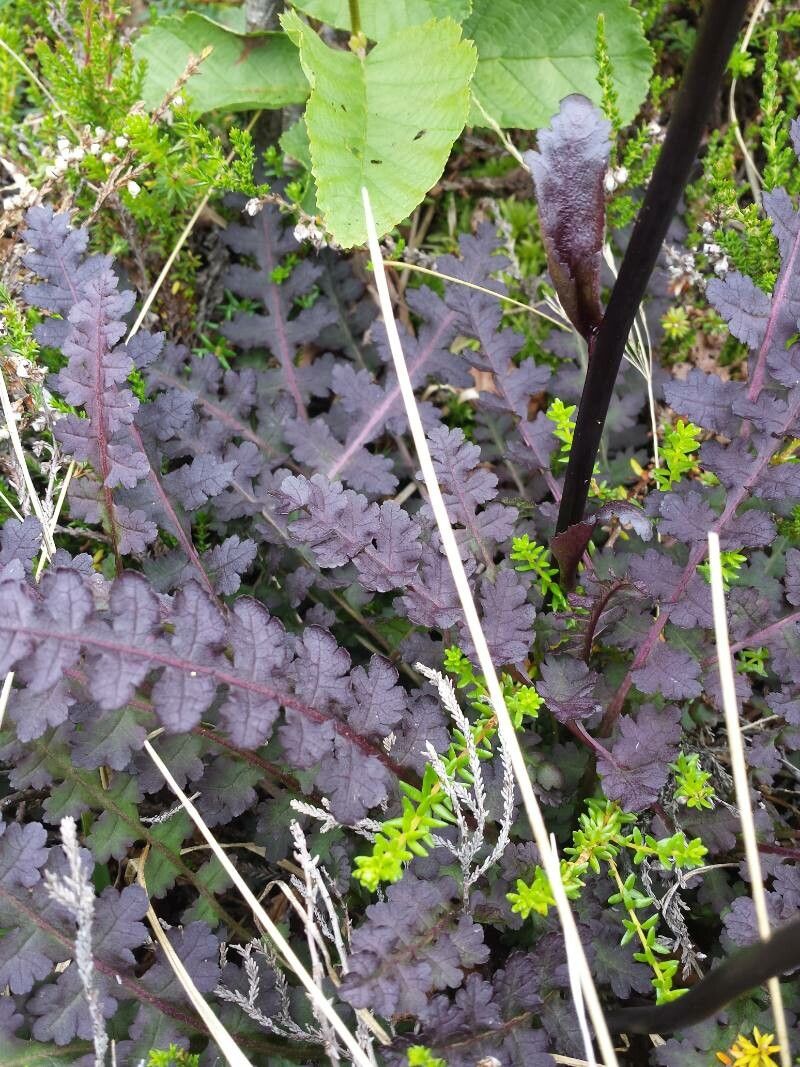
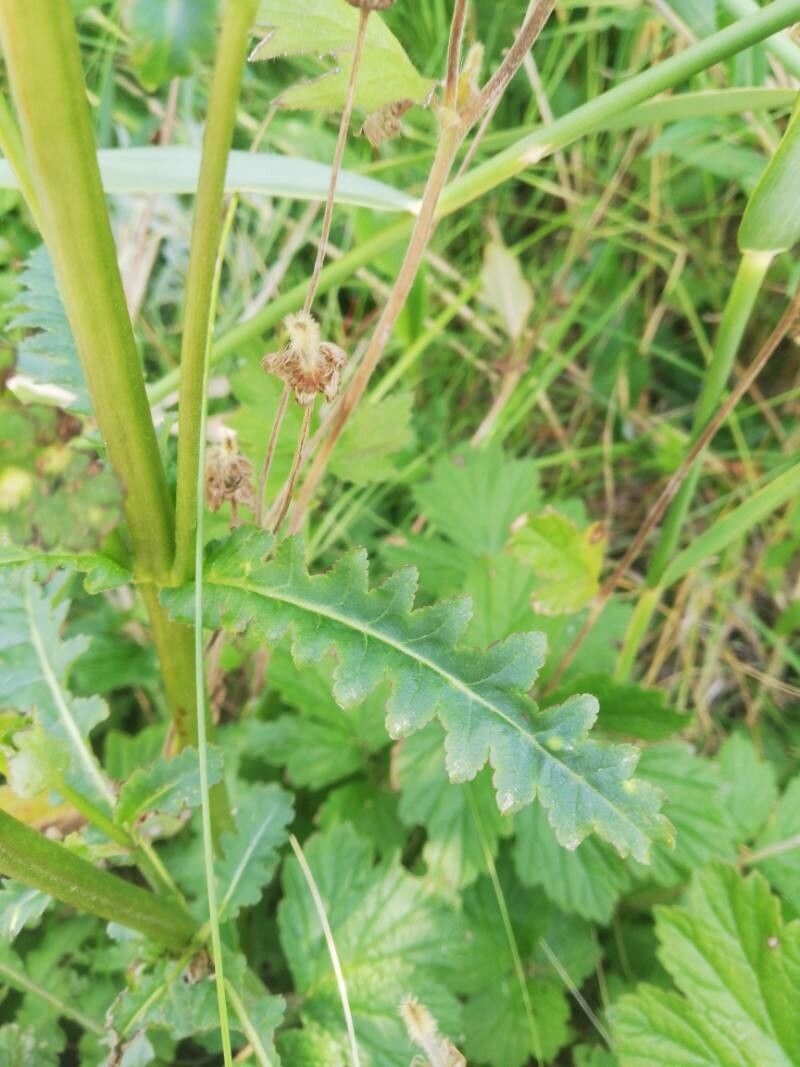
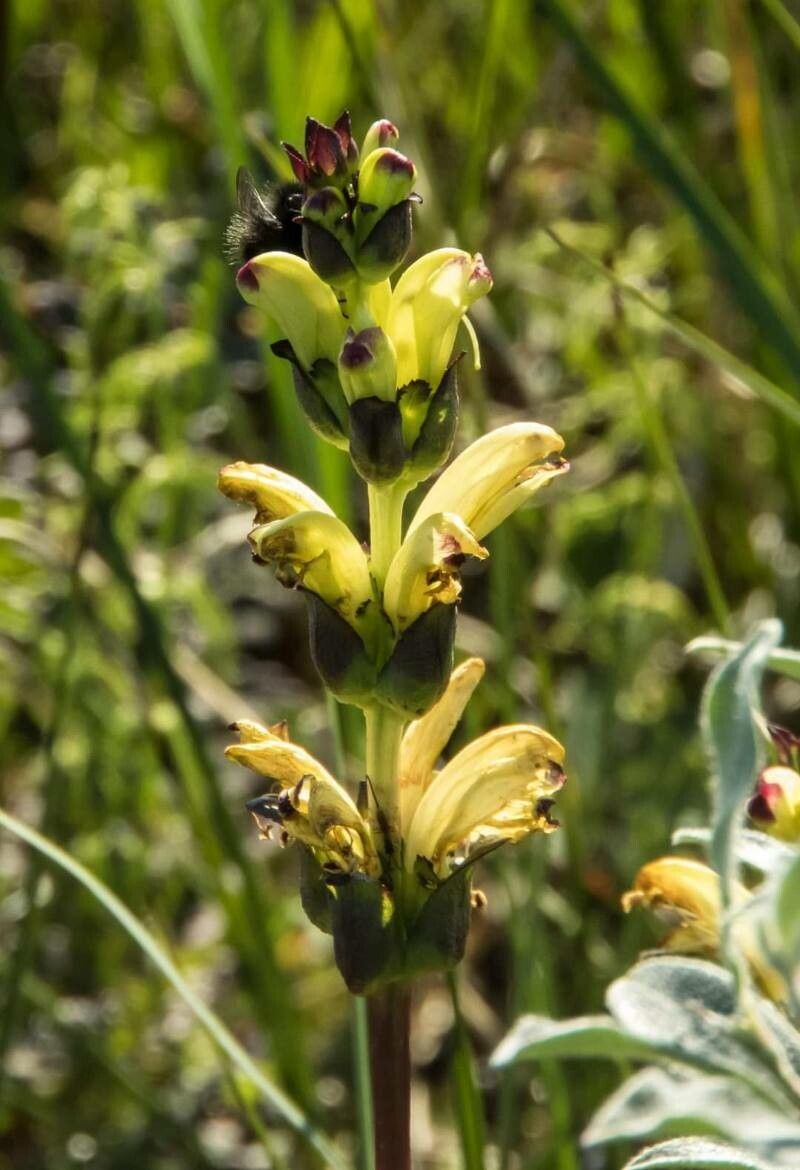
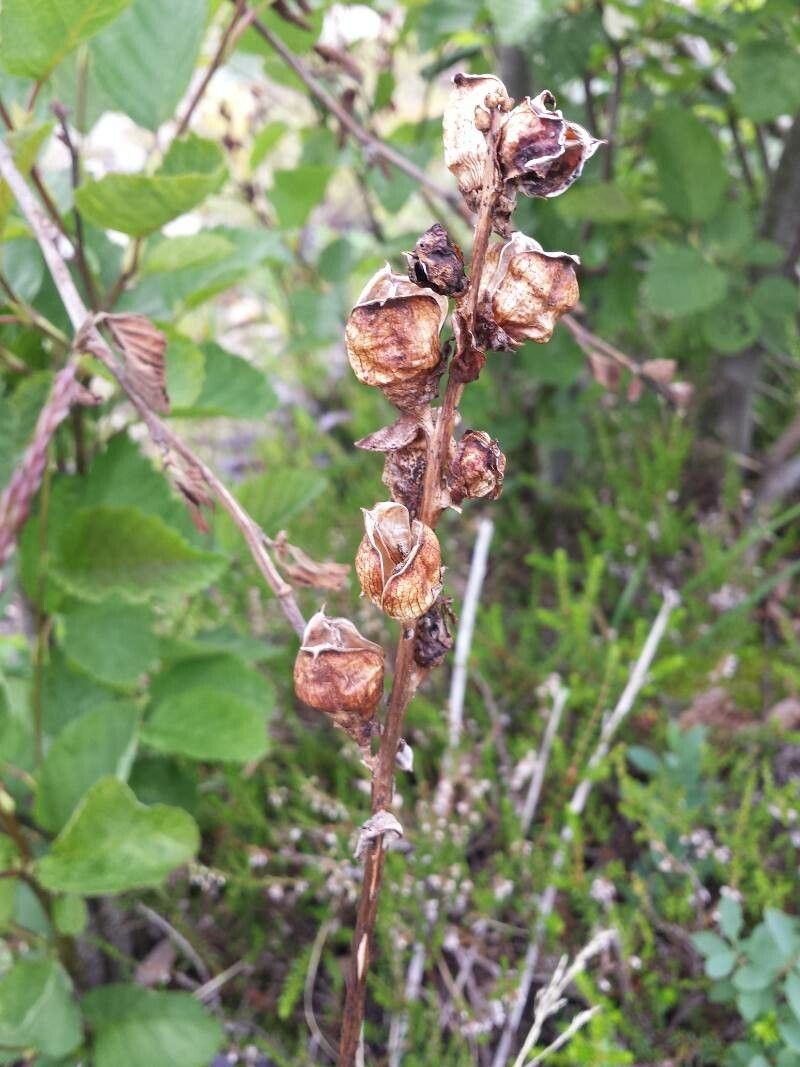
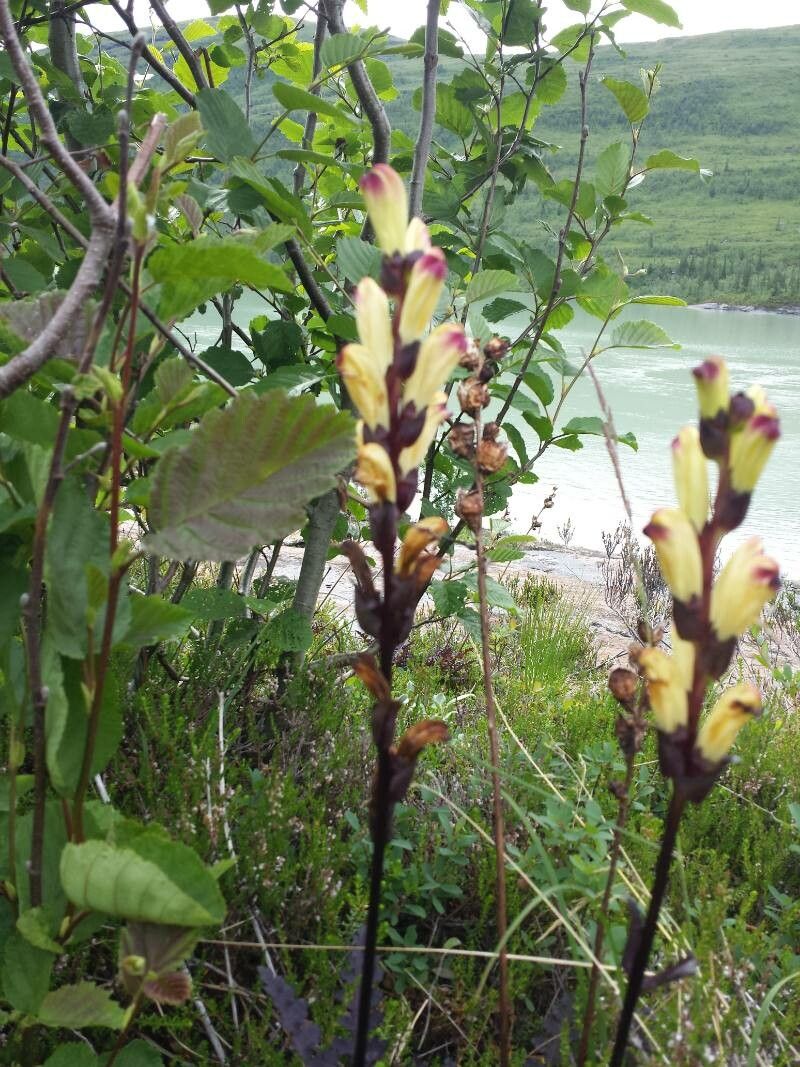
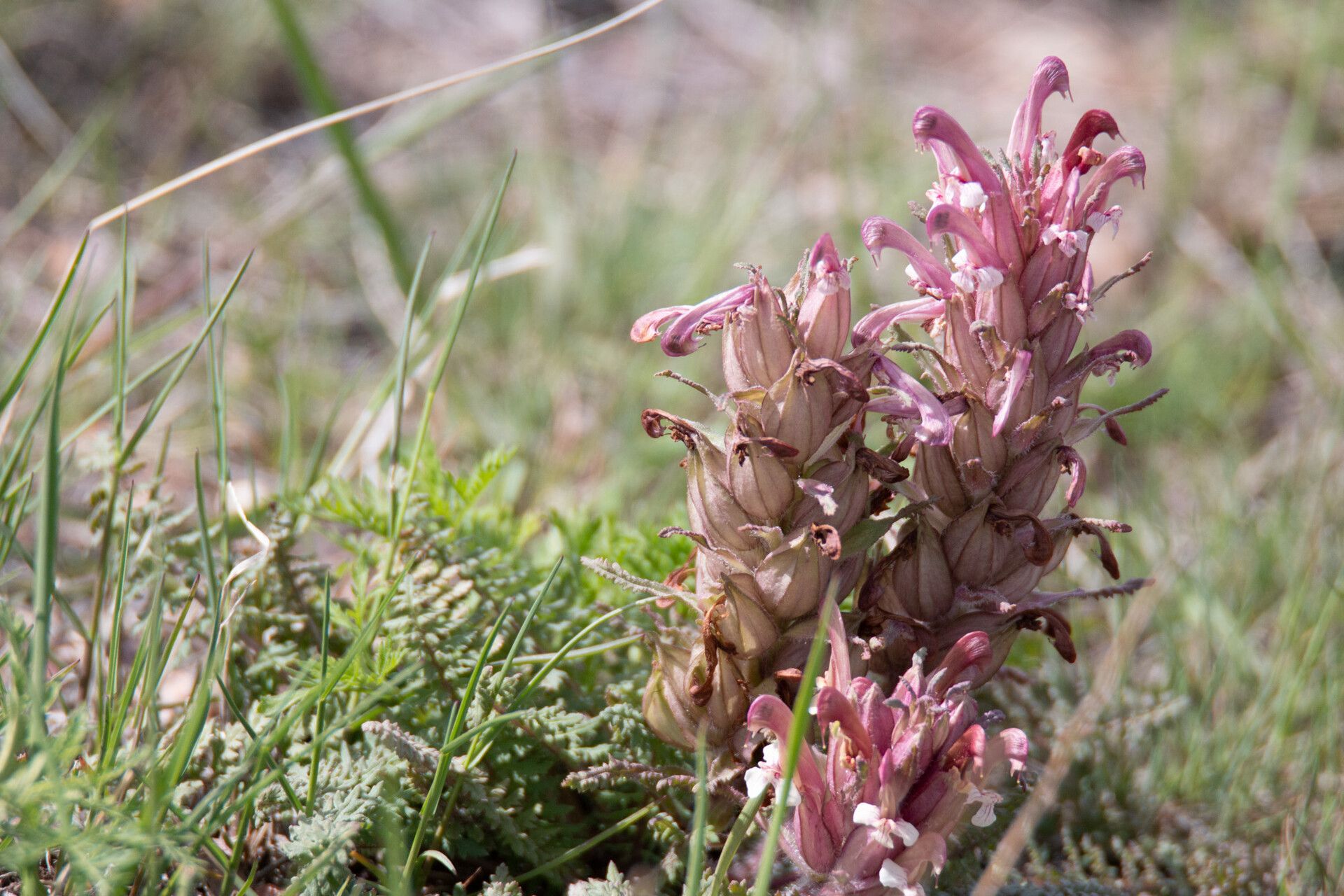
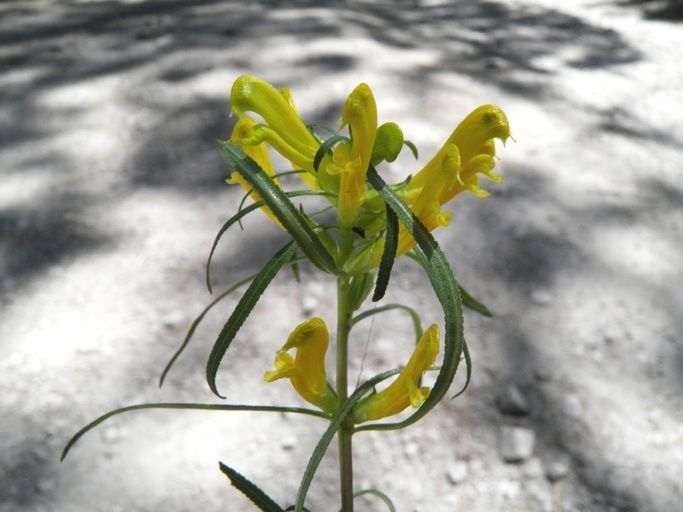
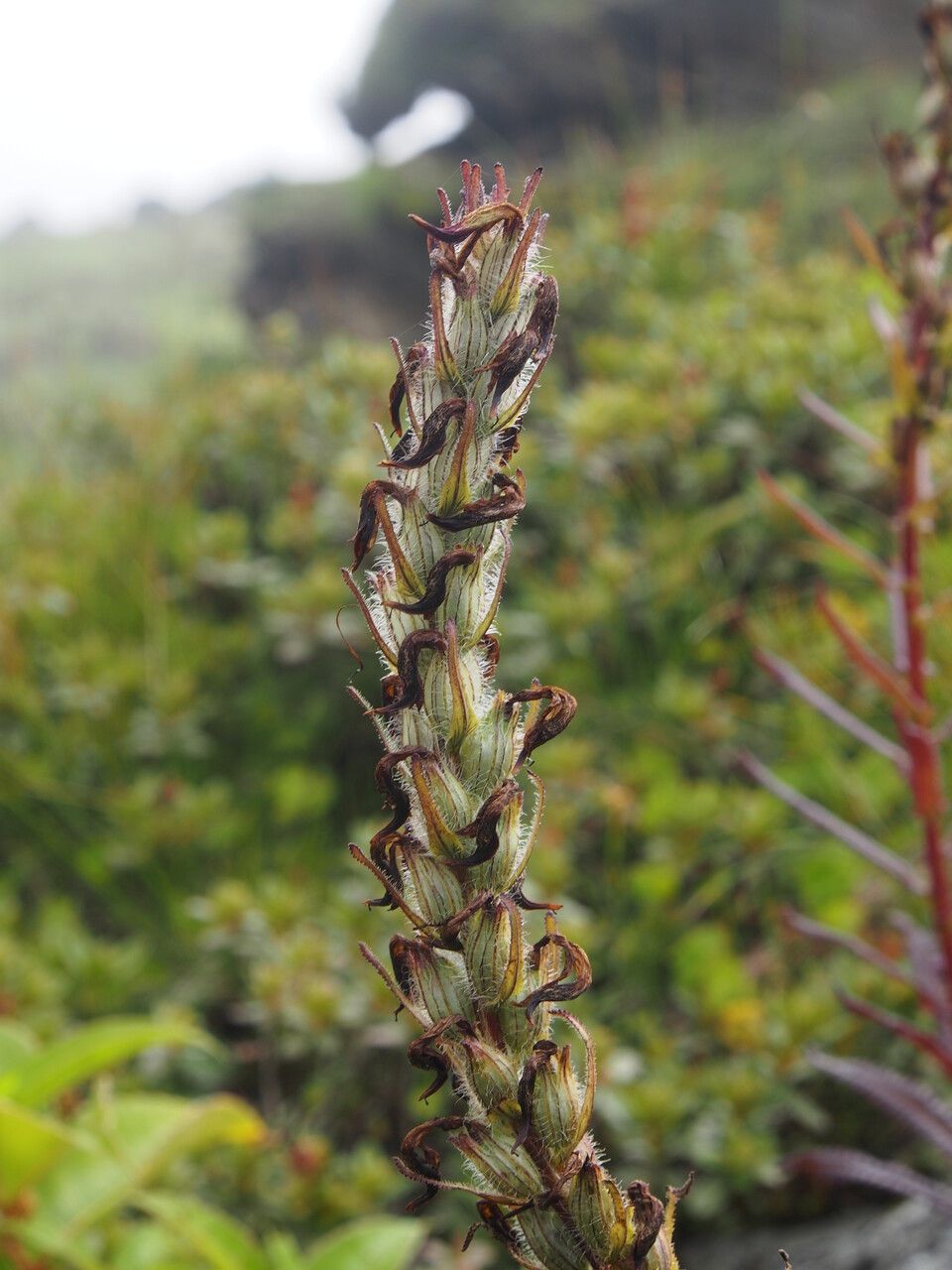
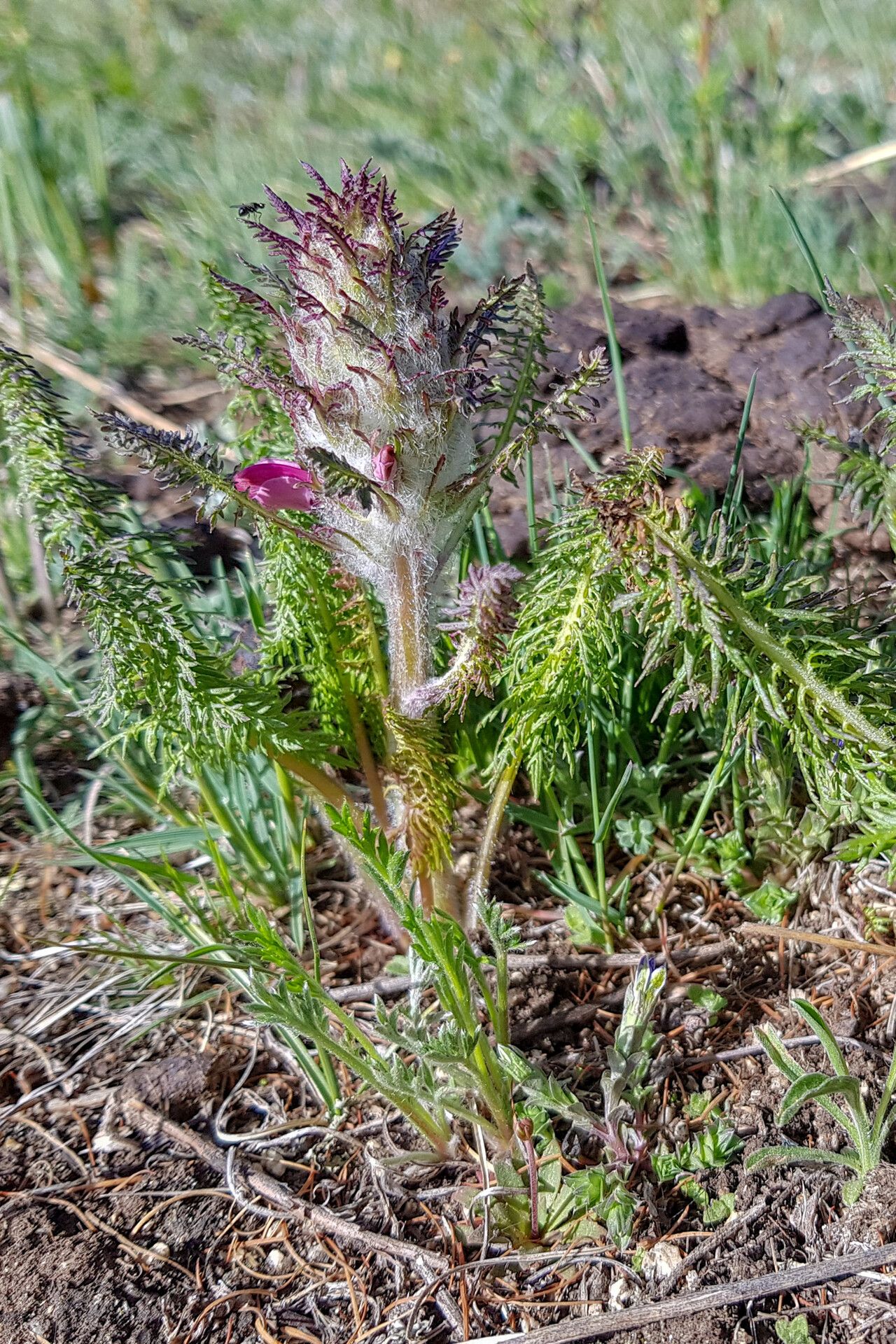
Pedicularis sceptrum-carolinum, commonly known as moor-king or moor-king lousewort, is a plant species in the genus Pedicularis.
Moor king lousewort has strong resistance to diseases and is generally not prone to them. However, it can be affected by pests and diseases present in its surroundings, and these infections are usually mild. Regarding care, this plant requires moderate maintenance. It should be pruned regularly to maintain a good appearance and healthy growth, and fertilizing can help encourage flowering. Moor king lousewort is suitable for anyone with outdoor space, such as a garden or patio, and does not demand much experience in plant care. It may need more attention when grown indoors.
How to keep Pedicularis Sceptrum Carolinum.
Light
Moor king lousewort is native to habitats like forest understories and rocky areas, where it grows in natural shade. It prefers partial sun but can tolerate full sun or full shade, reflecting its hardy, adaptable nature.
Water
The Moor King Lousewort thrives in consistently moist environments, preferring damp conditions while also being able to tolerate moderate droughts. To keep the soil evenly moist without causing waterlogging, it is advisable to water it weekly. This plant is best suited for outdoor settings where it can benefit from natural rainfall, making it an ideal choice for rain gardens due to its ability to handle occasional wet conditions.
Temperature
Moor king lousewort is fairly adaptable to temperature, capable of withstanding higher heat and large temperature fluctuations. In hot conditions, attention should be paid to watering and providing adequate shade to avoid sunburn. Conversely, Moor king lousewort has limited cold tolerance. It can endure a certain amount of chill, but very low temperatures can cause frost damage.
Fertilizer
The best time to fertilize a Moor king lousewort is in early spring, as it breaks dormancy and starts active growth. Fertilizing supplies essential nutrients for healthy development. Although Moor king lousewort has fairly low fertilizer requirements, an annual feeding can help its survival and encourage stronger, longer-lasting flowers.
Pruning
Moor king lousewort, which thrives in wetland habitats, needs pruning from early to late spring. Trim away dead stems and thin out overcrowded areas to improve airflow and prevent fungal infections. Regularly remove wilted flowers to extend the blooming period. With proper care, moor king lousewort retains its ornamental value and promotes healthy growth.
Botanical profile.
- Plant Type
- Herb
- Life Cycle
- Perennial
- Genus
- Pedicularis
- Family
- Orobanchaceae
- Hardiness Zone
- 3-7
- Mature Height
- 40 cm to 76 cm
- Mature Spread
- 20 cm to 40 cm
- Leaf Color
- Green, Dark Green
- Leaf Type
- Deciduous
- Flower Color
- Yellow, Gold
- Flower Size
- 2.03 cm to 3.05 cm
- Bloom Time
- Early summer, Mid summer
- Planting Time
- Spring, Summer
- Harvest Time
- Late summer, Early fall
Other names.