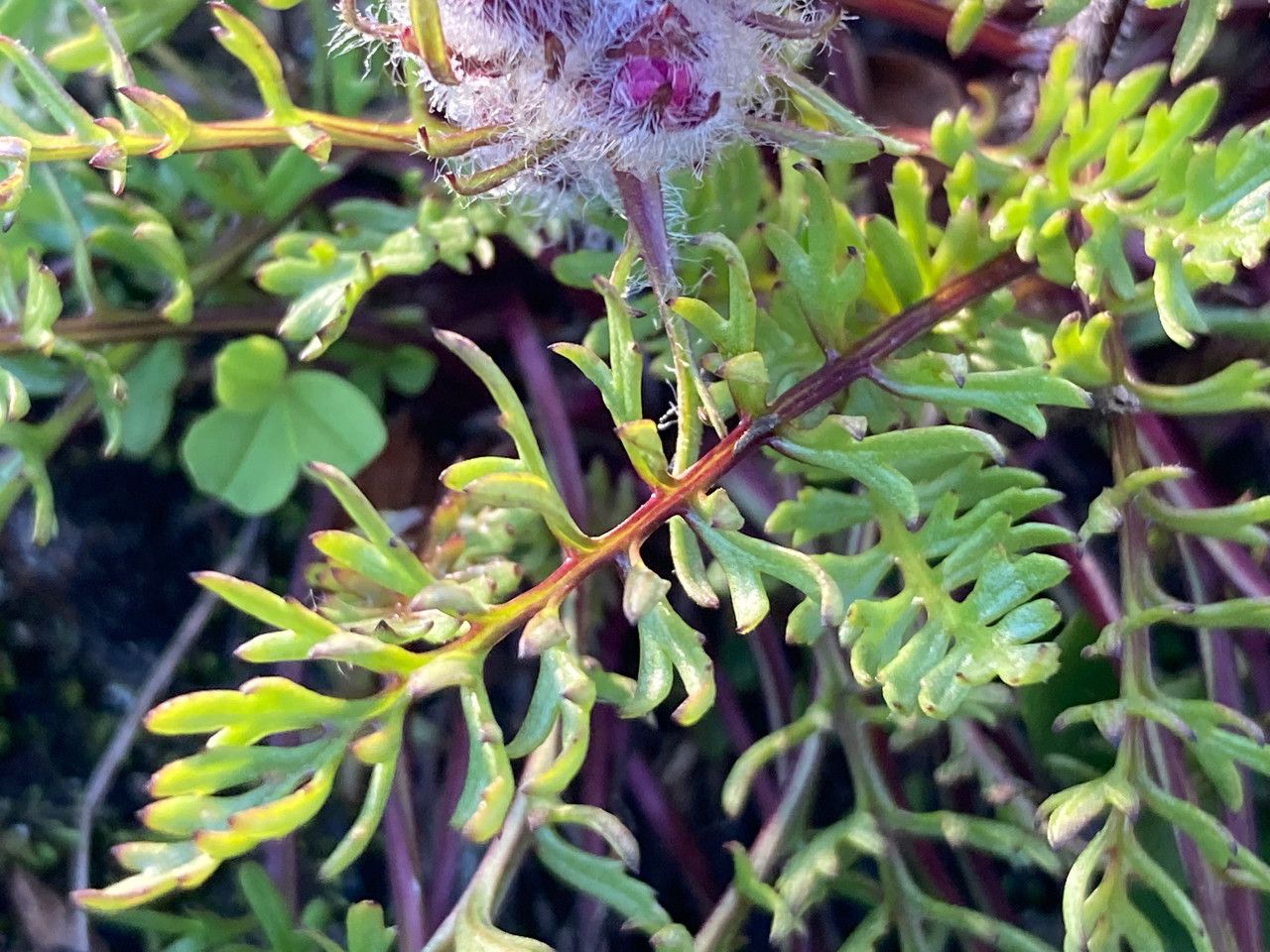
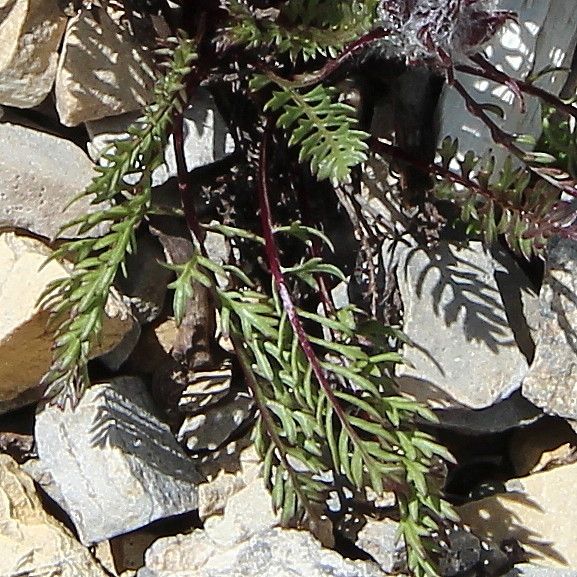
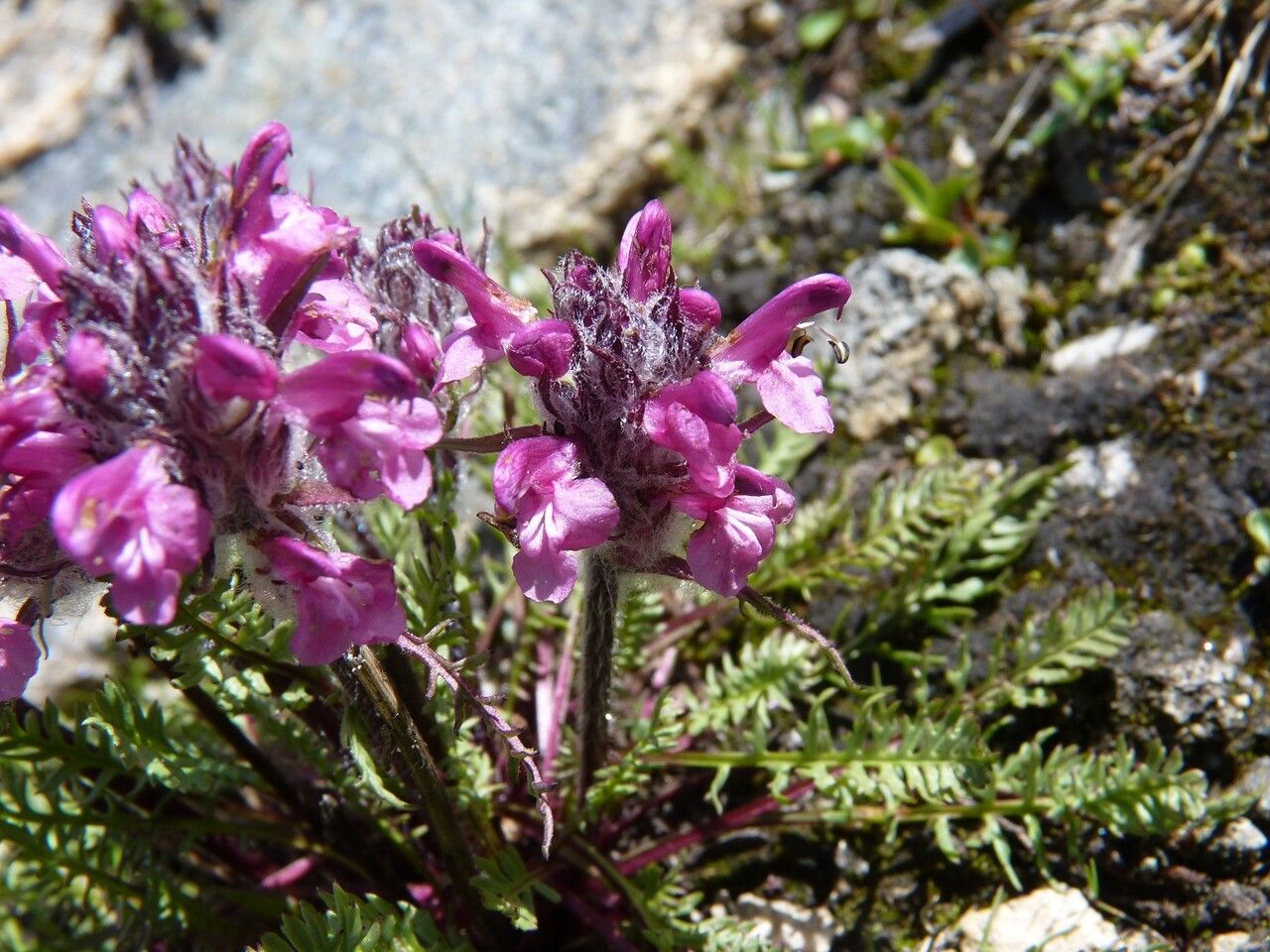
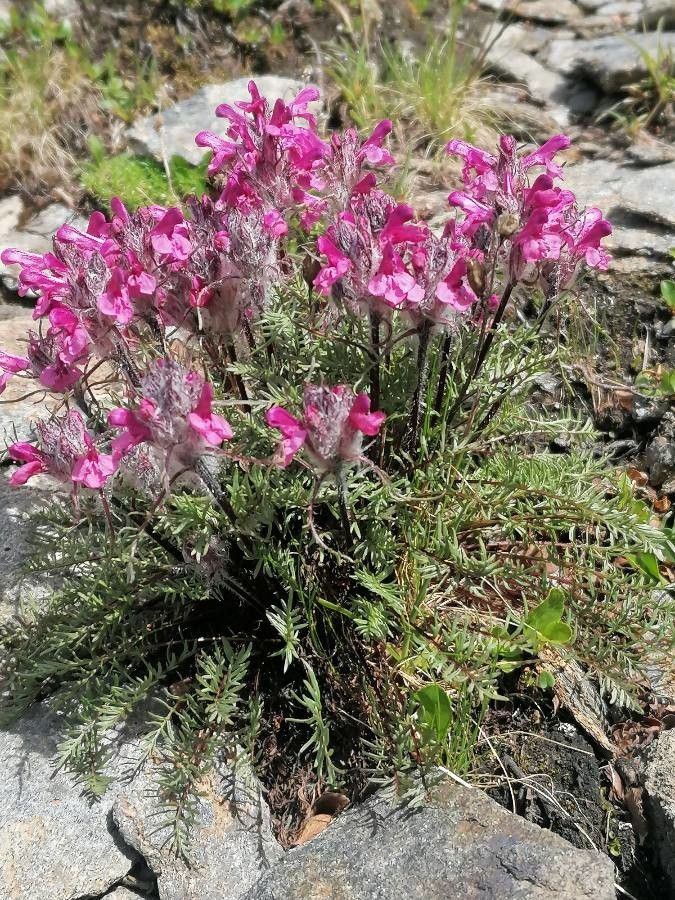
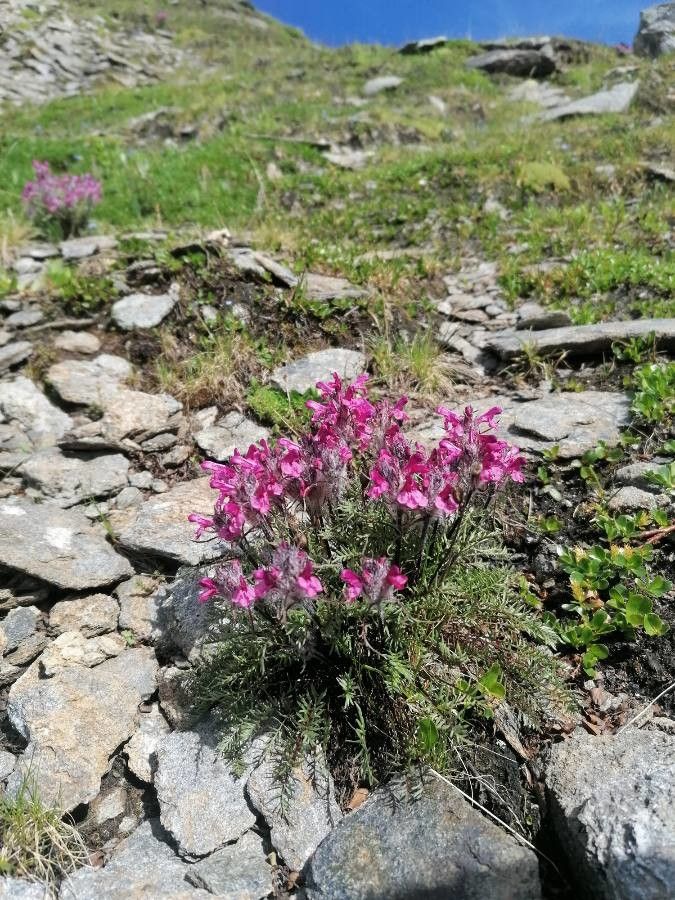
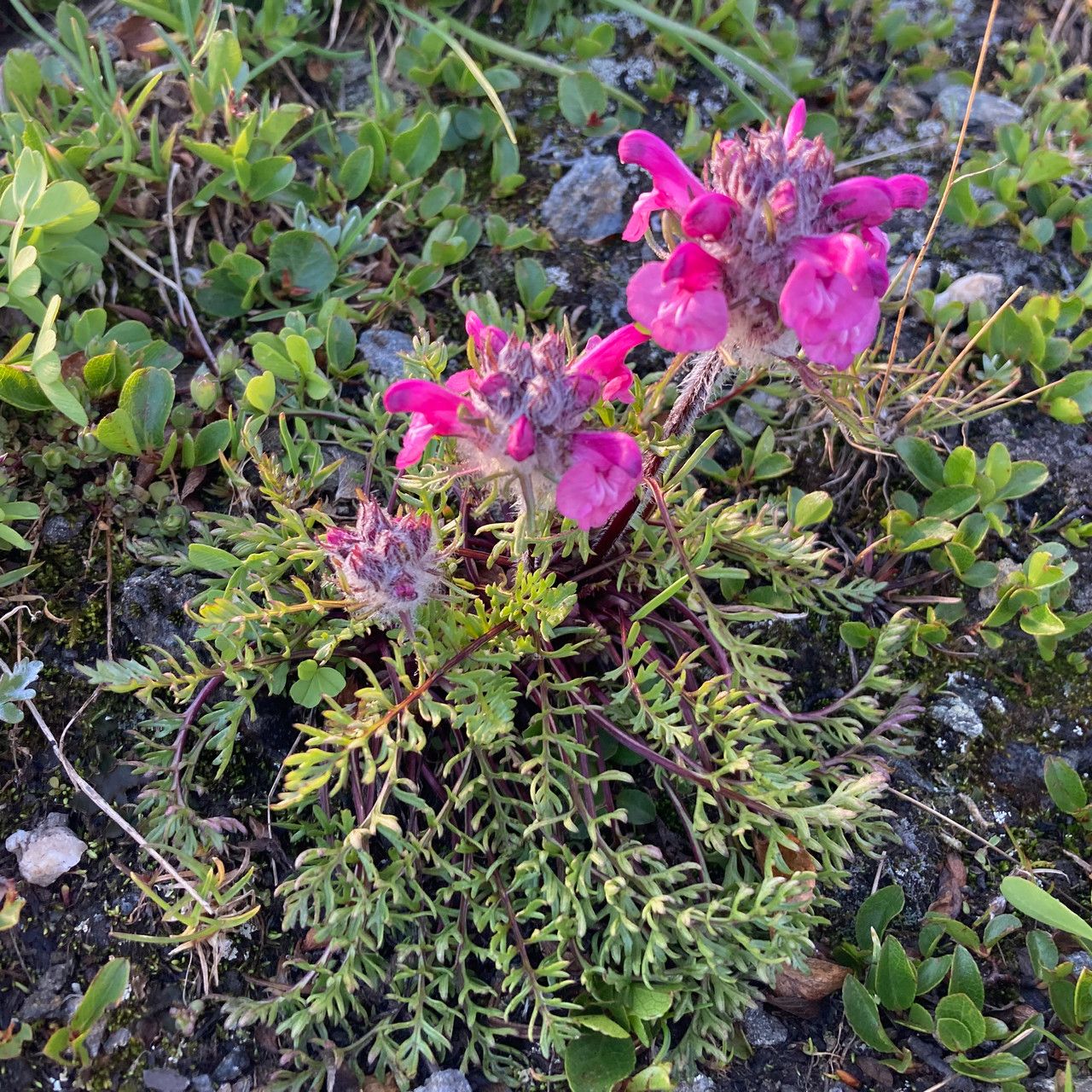
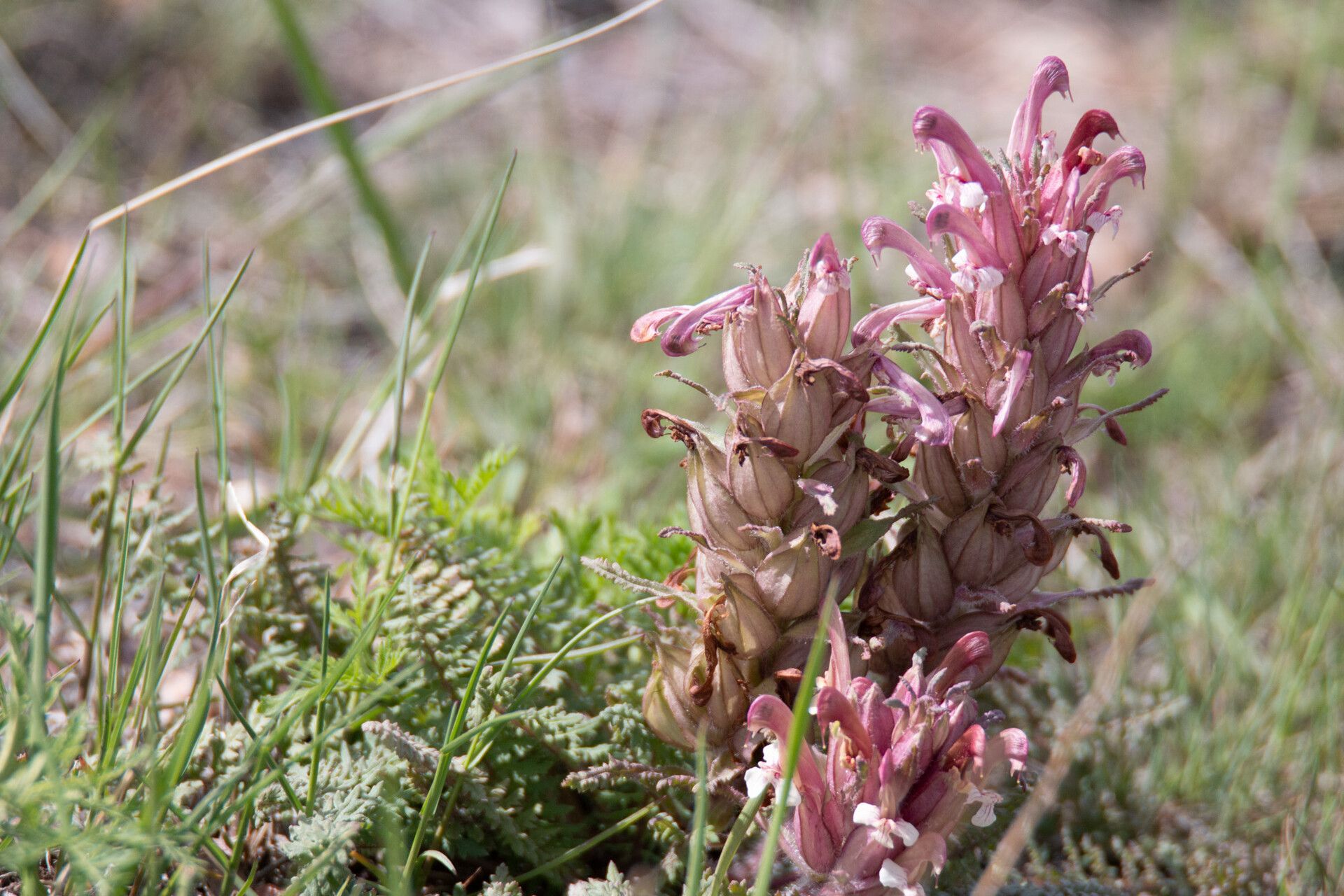
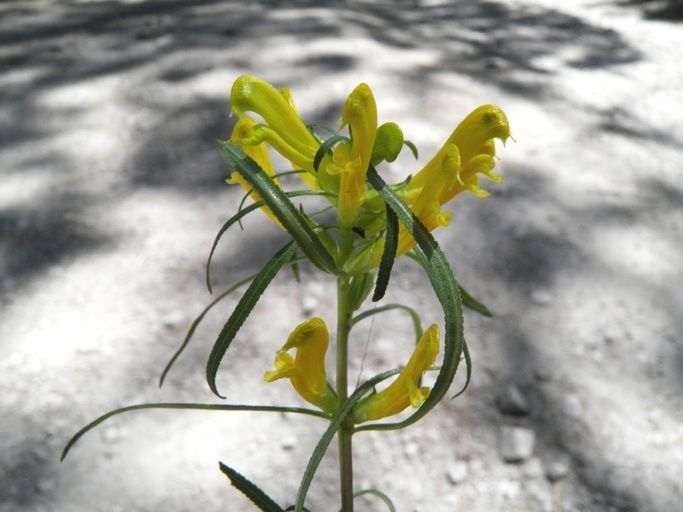
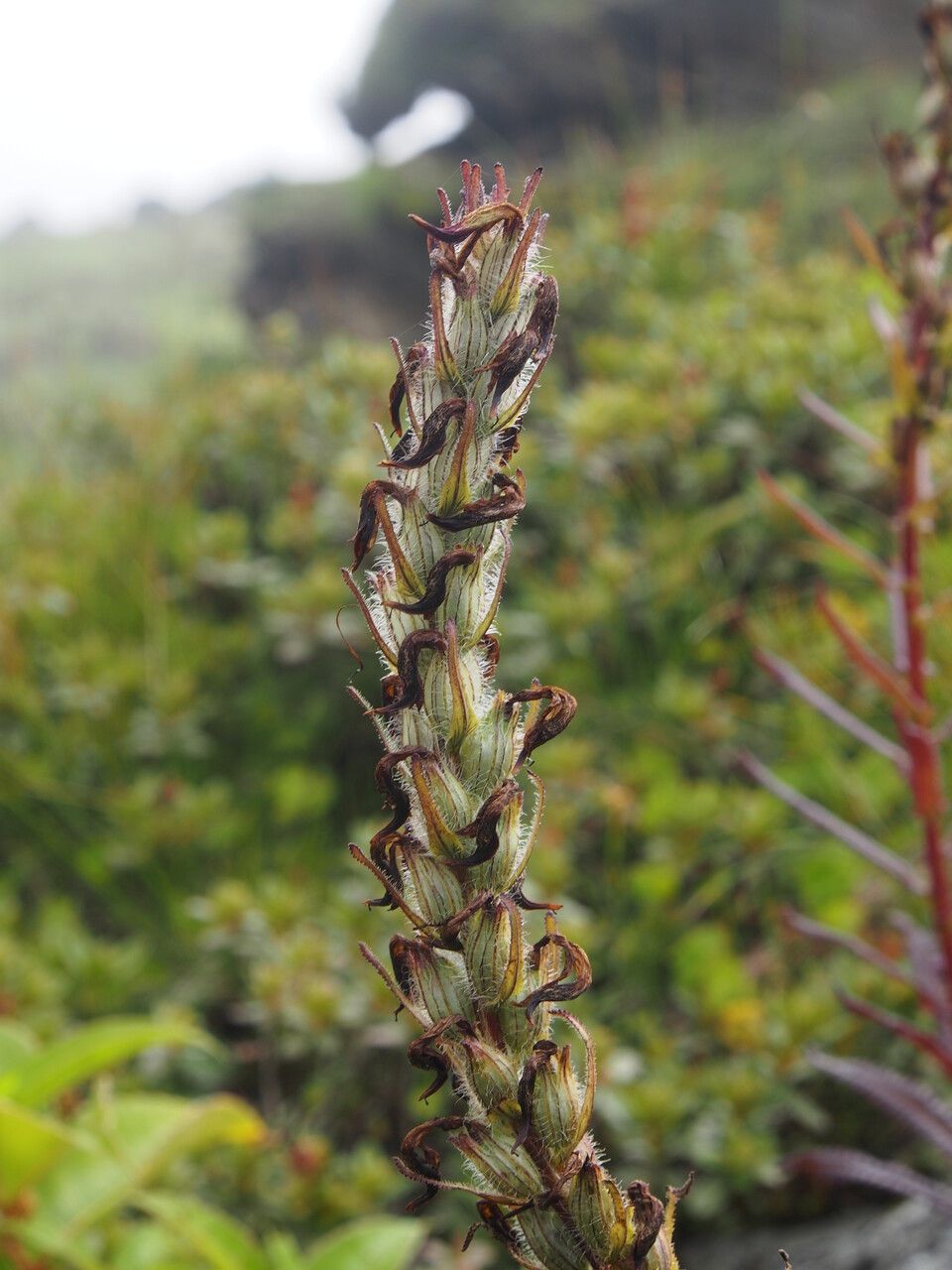
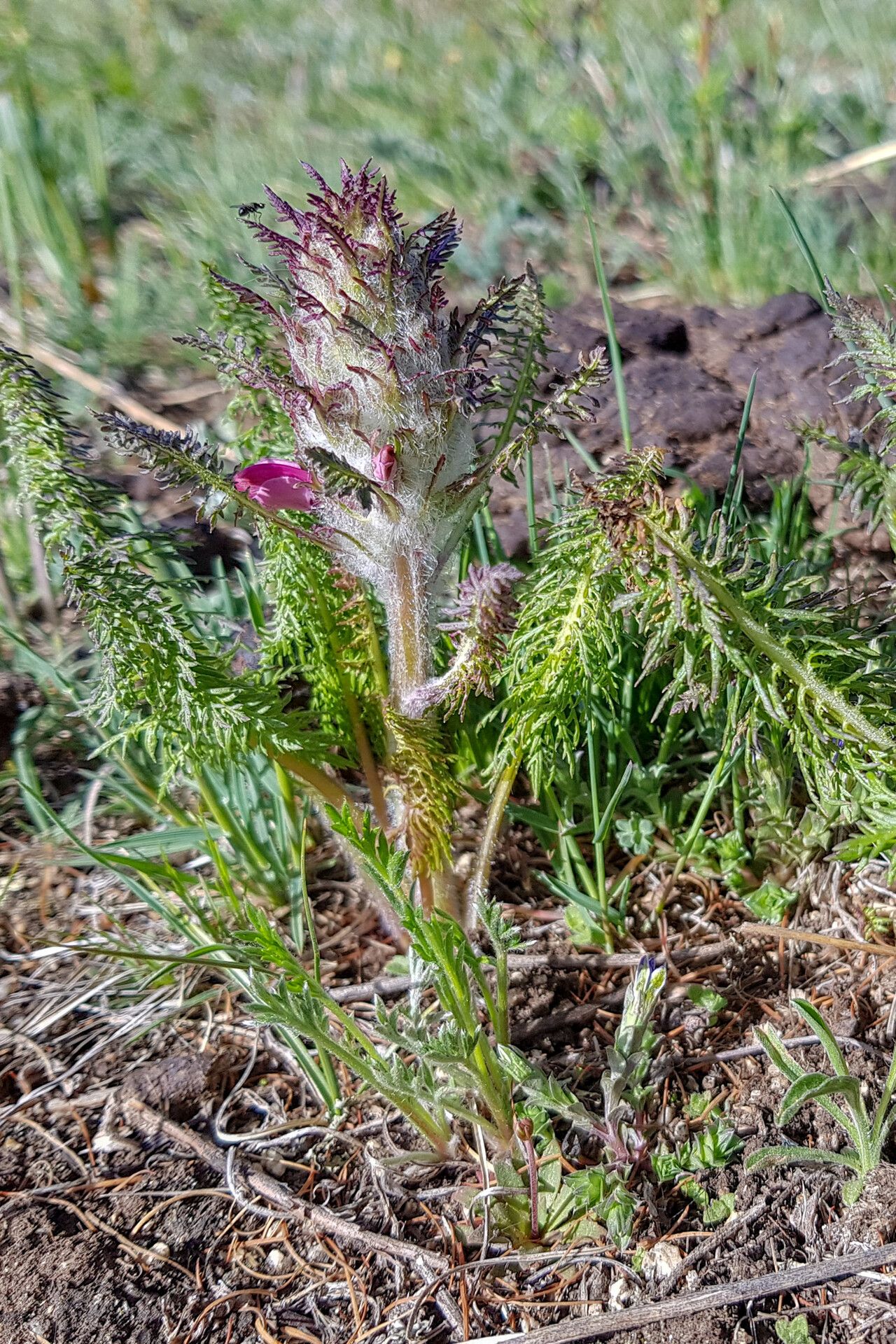
Pink lousewort has strong resistance to disease and is generally not prone to illness. That said, it can be vulnerable to pests and pathogens present in its environment. Such infections are typically mild. Regarding care, this plant needs moderate maintenance. It should be pruned on a regular basis to preserve an attractive appearance and healthy growth. Applying fertilizer can also encourage flowering. Pink lousewort is well suited for anyone with outdoor space, like a garden or patio, and does not demand extensive gardening experience. It may need more attention when cultivated indoors.
How to keep Pedicularis Rosea.
Fertilizer
One fertilizer application in spring is generally enough for Pink lousewort, although repeated feedings can enhance growth. Apply fertilizer every month to month and a half. Fertilization improves the leaves' appearance and function, helping maintain uniform color and a healthy texture. It also encourages root development and increased nutrient uptake, supporting the plant's long-term health.
Pruning
To encourage healthy growth, pink lousewort benefits from pruning in early to late spring. Focus on removing any dead or diseased stems during this time. Light trimming after the plant has bloomed can help improve air circulation and promote better flowering in the future. Make sure to sterilize your tools to prevent the spread of disease. Overall, pruning not only improves the plant's appearance but also promotes its healthy growth.
Botanical profile.
- Plant Type
- Herb
- Life Cycle
- Perennial
- Genus
- Pedicularis
- Family
- Orobanchaceae
- Hardiness Zone
- 3-7
- Leaf Type
- Deciduous
Other names.