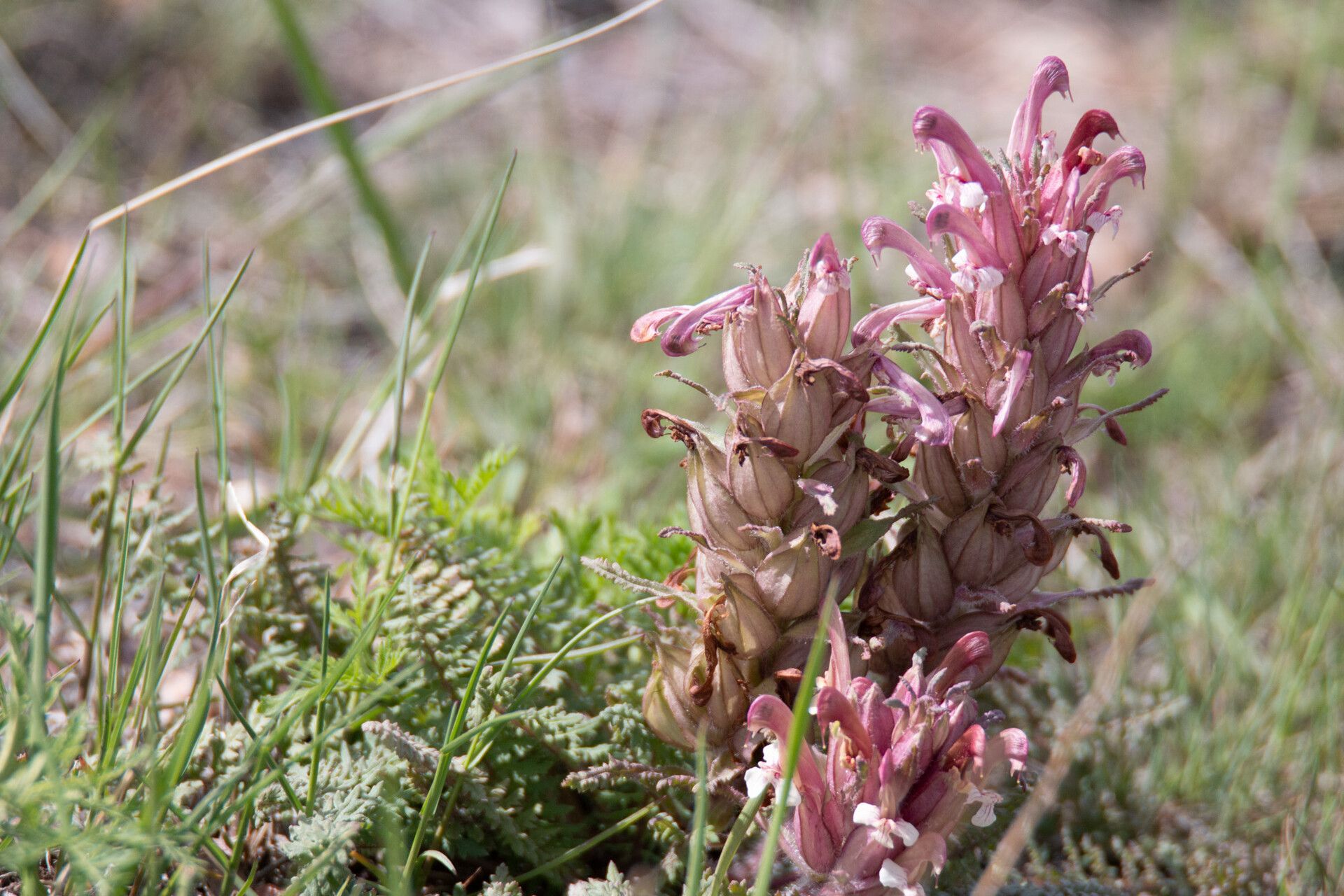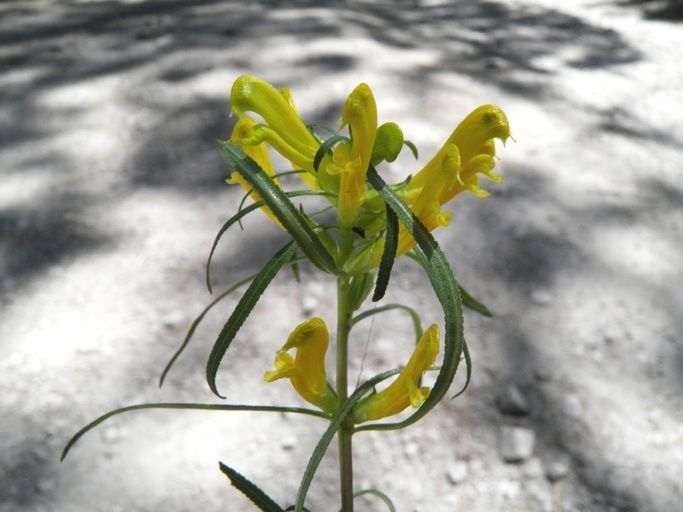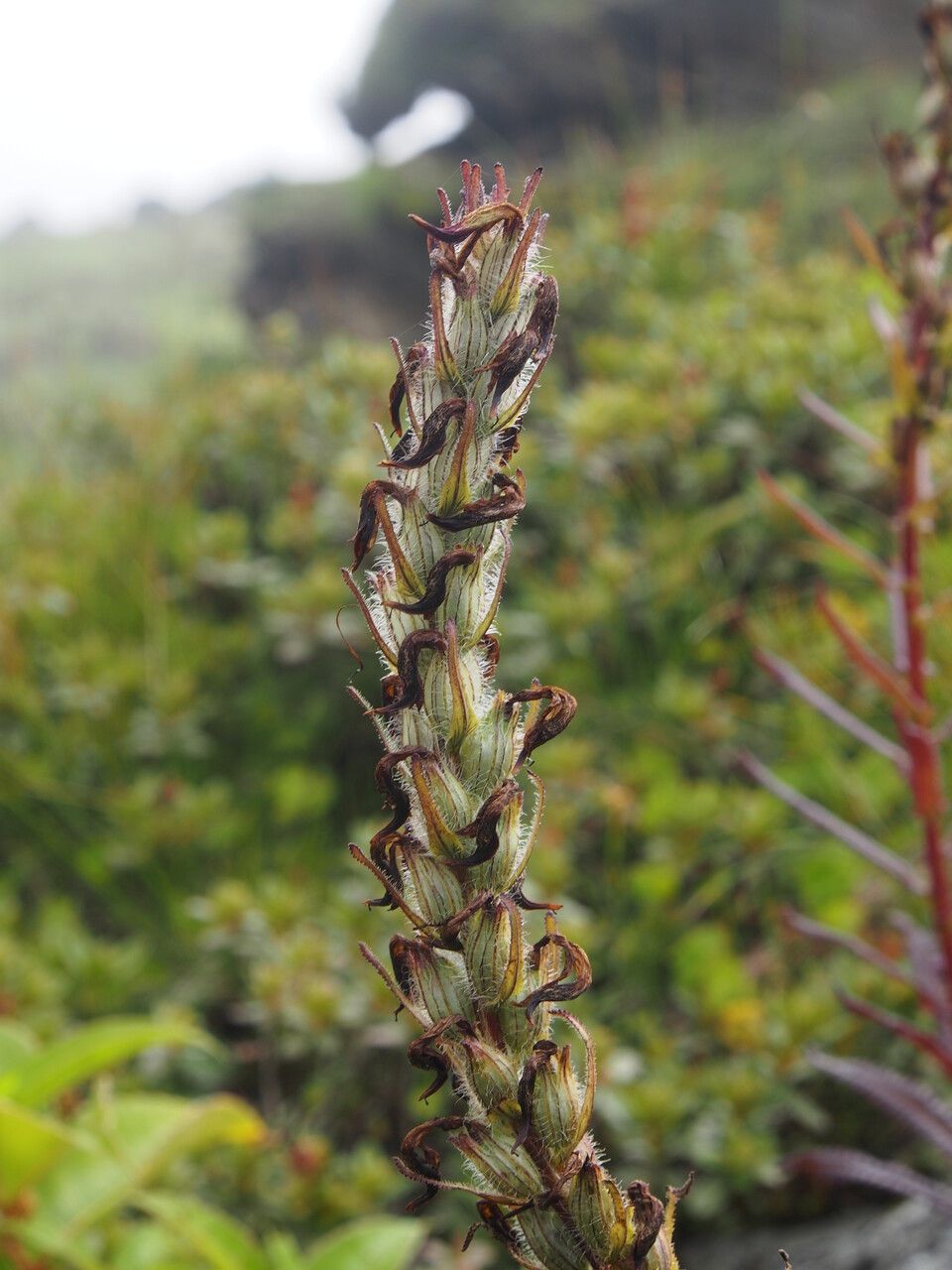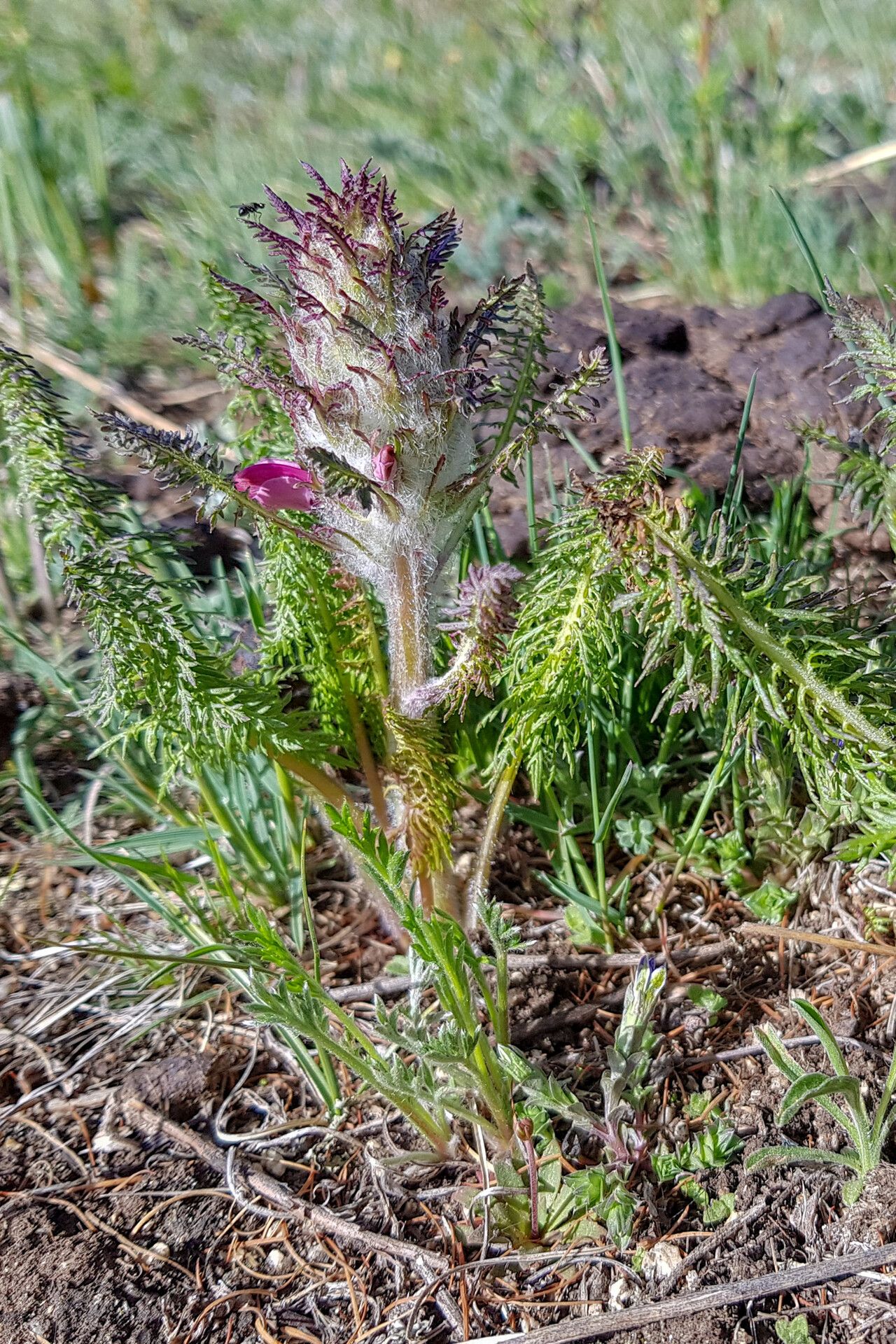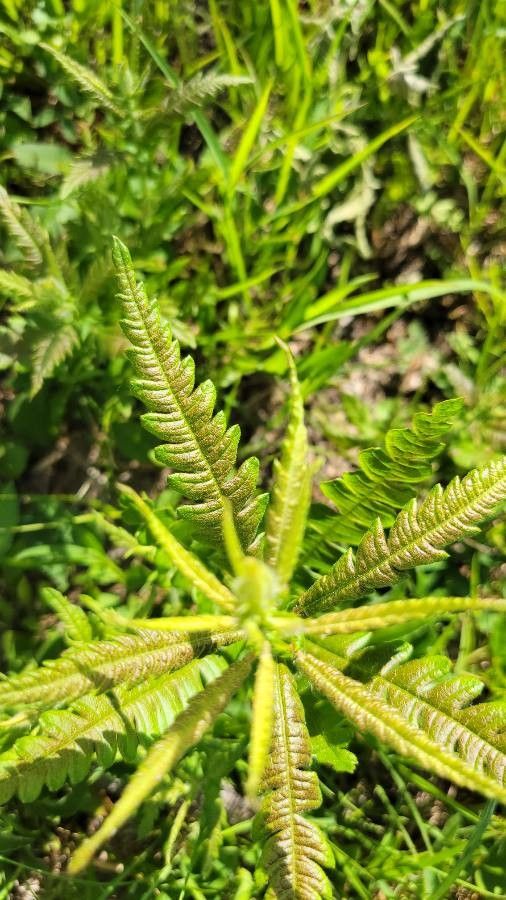
Pedicularis lanceolata, the swamp lousewort, is a species of flowering plant native to the Midwestern and Northeastern United States and southern Canada. It is most often found in base-rich wetlands such as fens, springs, and wet meadows.It produces a spiral of cream-colored flowers in late summer through fall.
Swamp lousewort shows strong resistance to disease and is typically not vulnerable to illnesses. Still, it can be affected by pests and diseases present in its environment. Such infections are typically mild. Regarding care, the plant demands moderate maintenance. It should be pruned regularly to preserve an attractive appearance and healthy growth. Applying fertilizer can also encourage blooming. Swamp lousewort is well suited for anyone with outdoor areas like a garden or patio and does not need extensive plant-care experience. It may need more attention if kept indoors.
How to keep Pedicularis Lanceolata.
Light
Swamp lousewort naturally occurs in habitats like forest understories or rocky areas, where it exists in natural shade. It prefers partial sun but can adapt to full sun or deep shade, showing its versatile and hardy character.
Temperature
Swamp lousewort typically grows in native habitats where temperatures range from 32°F (0°C) to 90°F (32°C). Its preference for this range indicates it can resist freezing and tolerate mild heat. Seasonal temperature adjustments may be needed to replicate its natural habitat.
Fertilizer
A single application of fertilizer in spring is generally sufficient for Swamp lousewort, though repeated feedings can maximize growth. Feed every month to every month and a half. Fertilization improves the leaves’ appearance and function, helping maintain even color and a healthy texture. It also promotes root development and nutrient absorption for long-term plant health.
Pruning
Swamp lousewort is a perennial plant characterized by its lance-shaped leaves and tubular flowers. It requires minimal pruning to maintain its health and appearance. To promote better air circulation, remove any dead stems in early to late spring. Since swamp lousewort naturally maintains a tidy appearance, heavy pruning is not needed. These simple practices help ensure the plant's overall health and enhance its floral display.
Botanical profile.
- Plant Type
- Herb
- Life Cycle
- Perennial
- Genus
- Pedicularis
- Family
- Orobanchaceae
- Hardiness Zone
- 3-7
- Mature Height
- 30 cm to 91 cm
- Mature Spread
- 20 cm to 30 cm
- Leaf Color
- Green
- Leaf Type
- Semi-evergreen
- Flower Color
- Yellow, Cream
- Flower Size
- 1.52 cm to 2.03 cm
- Bloom Time
- Mid summer, Late summer, Early fall
- Planting Time
- Spring, Summer, Autumn
- Harvest Time
- Early fall, Mid fall
Other names.
Reader questions.
What is the ideal temperature range for swamp lousewort?
Swamp lousewort, also known by its botanical name Pedicularis lanceolata, thrives in temperatures that range from 32°F (0°C) to 90°F (32°C). This wide range shows its adaptability to both cold environments and mild heat. To ensure its health and growth, it's crucial to try and mimic these conditions, especially if you are growing it in a region that experiences temperatures outside this range. Swamp lousewort's resilience to freezing temperatures means it typically does not need extra frost protection during winter. However, it's beneficial to water the plant generously before the first freeze of autumn to ensure the soil remains moist into the winter, aiding the plant during the colder months.
How should I care for swamp lousewort in extremely cold temperatures?
Swamp lousewort is notable for its exceptional cold tolerance, capable of withstanding winter temperatures well below freezing. However, it's important to ensure that the environment does not drop below -35°C (-31°F), as this can lead to decreased sprouting or even a failure to sprout in the spring. If you notice that some parts of the plant have not sprouted when warmer temperatures return, you should trim away these non-sprouting parts to encourage new growth and maintain the plant's health.
What should I do if the swamp lousewort is exposed to high temperatures?
Swamp lousewort's growth can be adversely affected when exposed to temperatures above 32°C (90°F), leading to an increased risk of rot and other heat-related damages. If you find your plant has been subjected to high temperatures, you should immediately trim any sunburned or dried parts to prevent further damage. Relocating the plant to a shaded area or employing a shade cloth can offer protection from the intense midday and afternoon sun. Additionally, watering the plant during the cooler morning and evening hours helps keep the soil adequately moist, mitigating the stress caused by high temperatures.