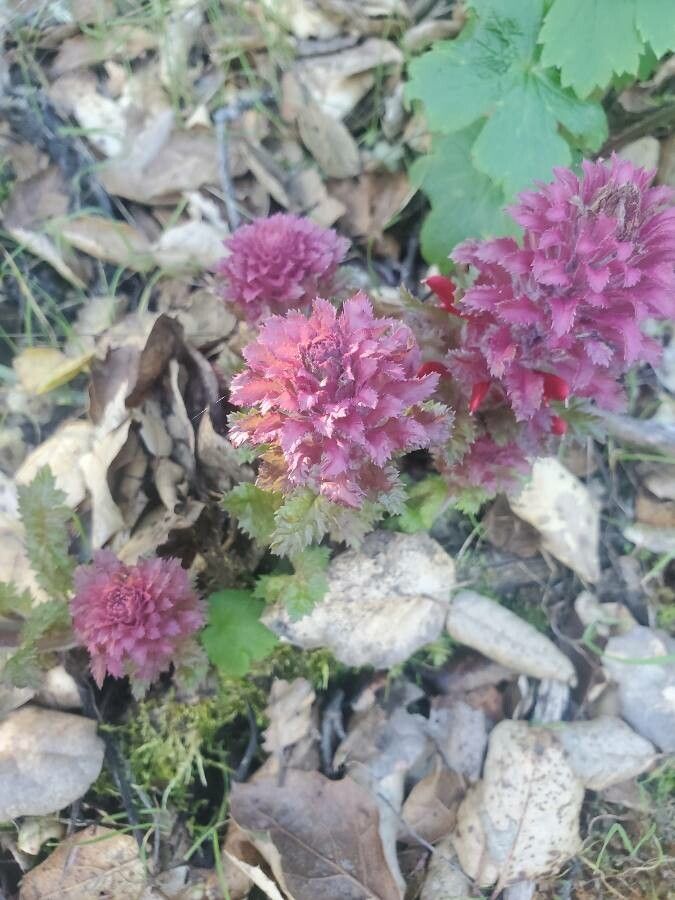
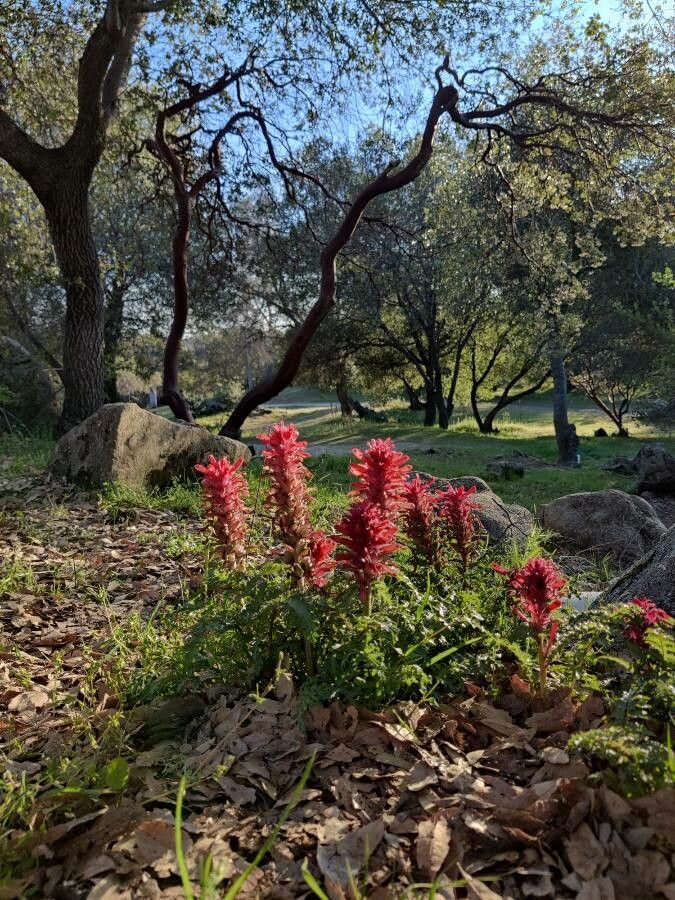
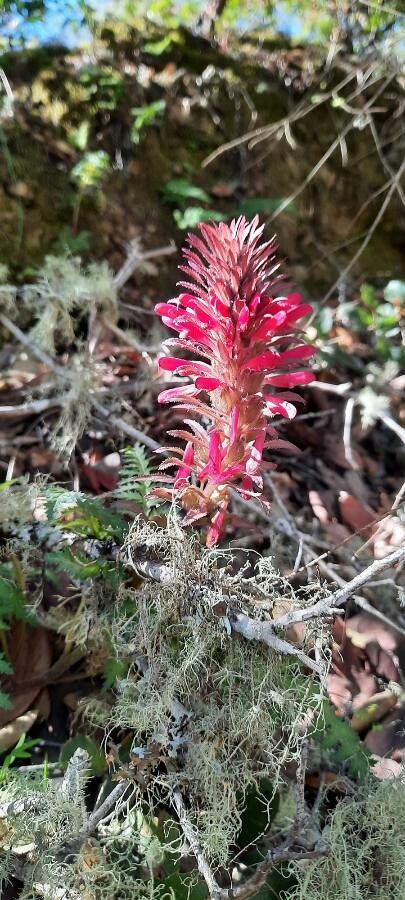
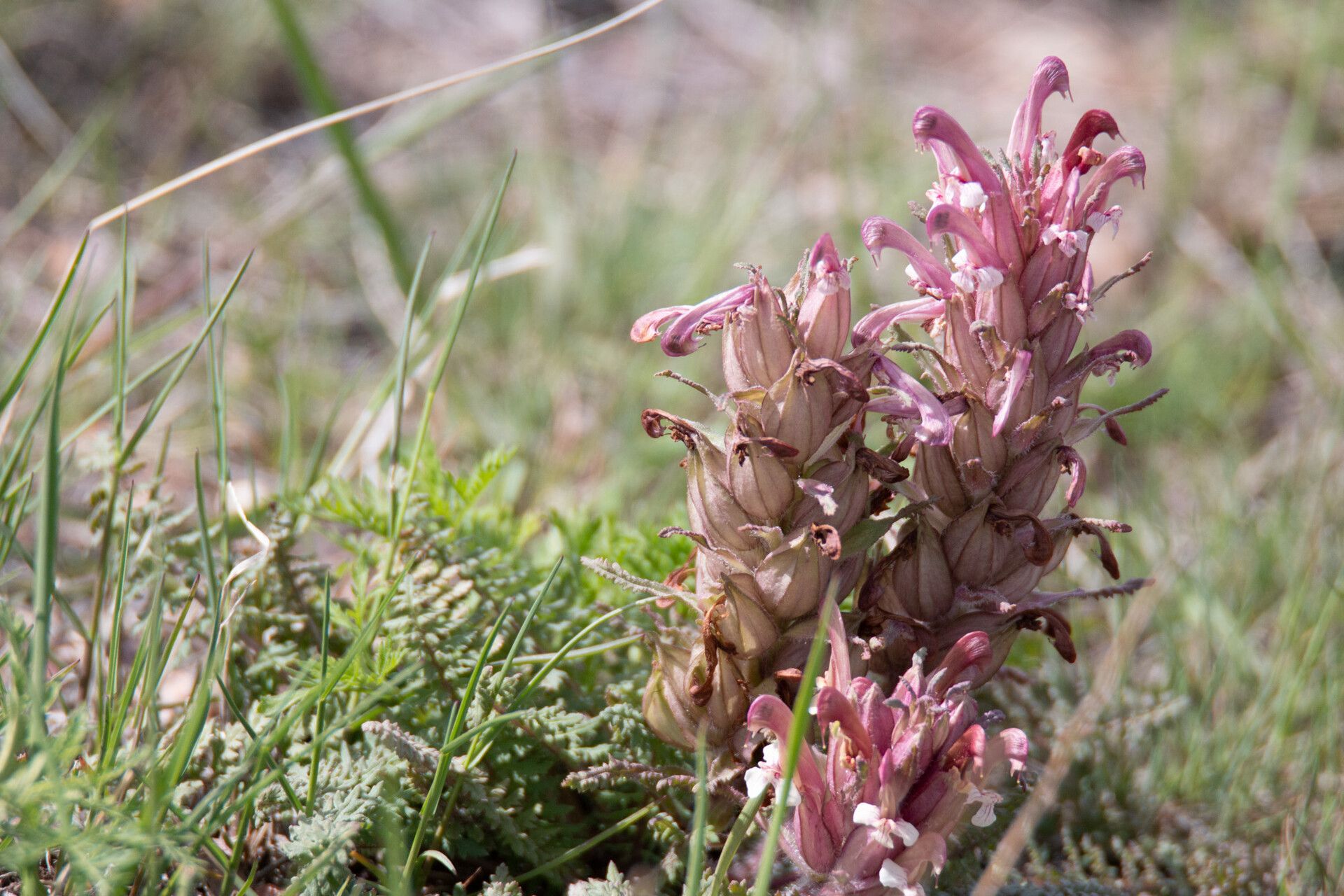
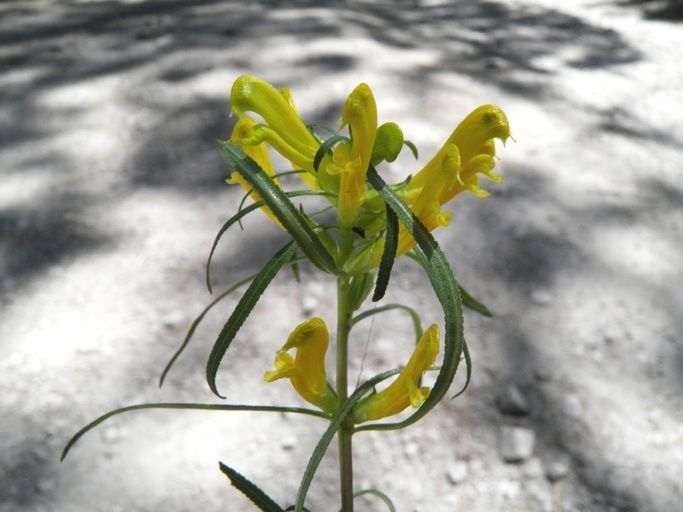
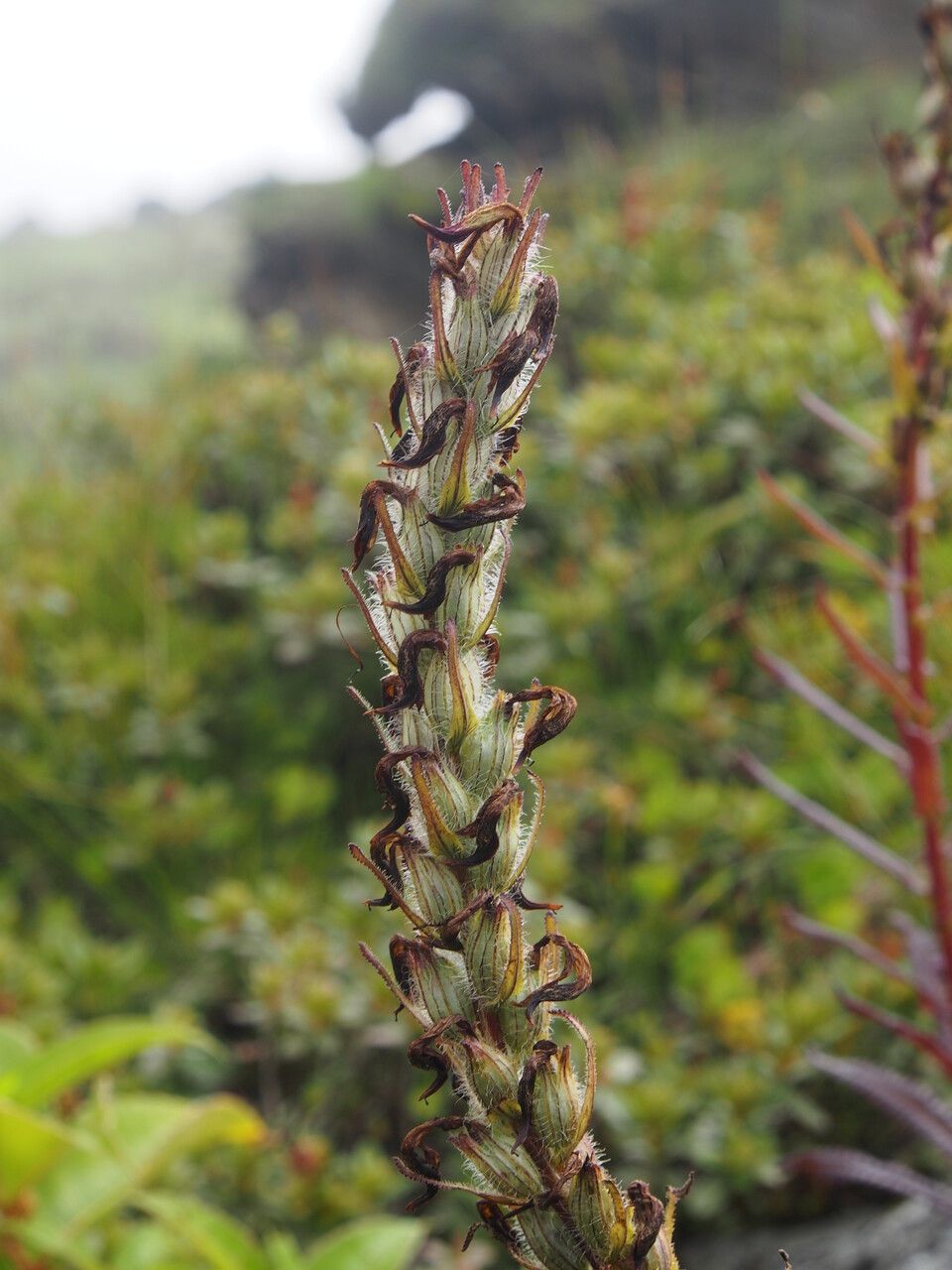
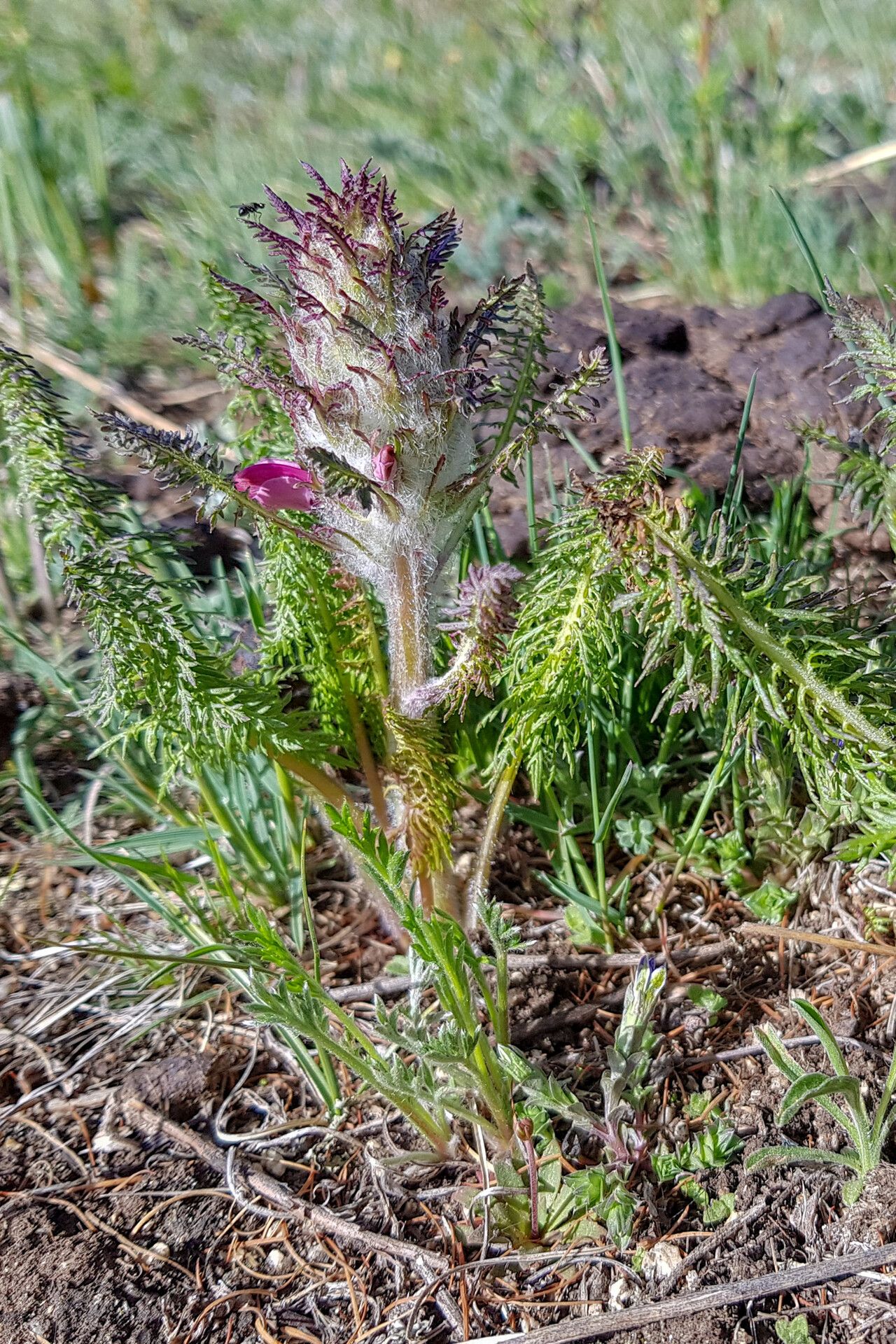
Pedicularis densiflora, commonly known as Indian warrior or warrior's plume, is a perennial herbaceous plant belonging to the family Orobanchaceae. Native to western North America, it thrives in various habitats, including meadows, forests, and rocky slopes.
The plant can grow up to 60 cm tall and is easily recognizable by its bright red flowers, which are arranged in dense spikes at the top of the stem. Its leaves are deeply divided into narrow segments, giving them a feathery appearance.
For centuries, indigenous peoples have used Indian warrior for medicinal purposes. The plant contains several compounds with anti-inflammatory properties that have been utilized to treat ailments such as headaches, fever, and muscle pain.
Indian warrior also plays a crucial role in ecological systems. It provides food for pollinators like bees and butterflies, and serves as an important food source for deer during the winter months when other vegetation is scarce.
Despite its cultural significance and ecological importance, Indian warrior populations have been declining due to habitat loss caused by human activities such as logging and development. Conservation efforts are currently underway to protect this unique species from further decline.
Indian warrior is fairly resistant to disease and generally does not tend to get sick. However, it can be vulnerable to pests and diseases present in its environment. These infections are typically not severe. For care, this plant needs moderate maintenance. It should be pruned on a regular basis to keep a good appearance and support healthy growth. Fertilizing can also assist in encouraging flowering. Indian warrior is appropriate for anyone with outdoor space, such as a garden or patio, and does not demand extensive gardening experience. It may need extra care when kept indoors.
How to keep Pedicularis Densiflora.
Light
Indian warrior thrives when it receives plentiful daylight for the majority of the day, as in its natural habitats. It can also survive in dimmer situations where the day's light is reduced. The amount of light it gets influences its optimal growth and health. Too much or too little light can disrupt its normal growth cycle.
Water
The Indian warrior plant thrives in high humidity, resembling the moist environment of its woodland origins. To keep the soil moist without overwatering, water it weekly. As an herbaceous perennial, the Indian warrior does well when grown outdoors, where it can benefit from natural rainfall to meet its growth cycles and seasonal water requirements.
Temperature
Indian warrior thrives in habitats with average temperatures of 68 to 95 °F (20 to 35 ℃). In cool seasons, consider keeping indoor temperatures warmer to encourage growth.
Fertilizer
The best time to fertilize an Indian warrior is in early spring, as it emerges from dormancy and starts active growth. Fertilizing supplies essential nutrients for healthy development. Although the Indian warrior has relatively low fertilizer requirements, annual applications can improve its survival and encourage better, longer-lasting flowers.
Pruning
To keep the Indian warrior plant healthy and attractive, it's best to prune it from early to late spring. Start by removing spent flowers and shaping the plant. Focus on cutting away any dead or damaged stems to improve air circulation and reduce the risk of disease. This pruning process enhances the plant's flowering and overall vitality while maintaining its appealing appearance.
Botanical profile.
- Plant Type
- Herb
- Life Cycle
- Perennial
- Genus
- Pedicularis
- Family
- Orobanchaceae
- Hardiness Zone
- 9
- Mature Height
- 15 cm to 61 cm
- Mature Spread
- 20 cm to 30 cm
- Leaf Color
- Gray, Red, Silver
- Leaf Type
- Semi-evergreen
- Flower Color
- Red
- Flower Size
- 5.08 cm to 30.48 cm
- Bloom Time
- Early spring, Mid spring
- Planting Time
- Autumn
- Harvest Time
- Late spring, Early summer
- Native Area
- Mexico
Other names.
Reader questions.
How should I water my Indian warrior plant?
To best care for the Indian warrior plant, follow these guidelines: - Opt for filtered water instead of tap water when watering. Tap water may contain harmful particles that can impact the plant's health. - Ensure that the water used is at room temperature or slightly warmer. Cold water can be a shock to the plant, considering its warm natural habitat. - Avoid watering the plant from above. Doing so can lead to complications with the foliage. Instead, apply filtered room temperature water directly to the soil until it is fully saturated. - Soaking the soil is beneficial for the Indian warrior plant as it helps moisten the roots and aids in their continued spread through the soil, enabling the collection of essential nutrients.
What are the sunlight requirements for an Indian warrior plant?
The Indian Warrior plant, known botanically as Pedicularis densiflora, thrives best when exposed to abundant daylight, mirroring its native habitat conditions. It requires full sun, meaning above 6 hours of direct sunlight, for optimal growth but can also manage in partial sun conditions, which is about 3-6 hours of sunlight. Ensuring the plant receives the correct balance of light is crucial for its growth and health. Too much or too little light can disrupt its normal growth cycle. Especially for indoor situations, when natural light is inadequate, artificial lighting can be a beneficial supplement, mimicking natural sunlight conditions to promote healthier and faster plant growth.
What is the ideal temperature range for Indian warrior?
Indian warrior (Pedicularis densiflora) thrives in environments where the average temperature ranges between 68 to 95°F (20 to 35°C). To encourage growth, it's important to maintain a warmer indoor temperature during cool seasons. The plant has some cold tolerance and typically doesn't require additional measures when the temperature is above 0°C. However, if temperatures are expected to drop below freezing, temporary cold protection measures such as wrapping the plant in plastic film, fabric, or other materials should be taken, removing them once temperatures rise again.
What do I need to do if I give my Indian warrior plant too much or too little water?
Overwatering is a common issue that can harm your Indian warrior plant. It causes wilting, yellowing leaves, and can lead to diseases like root rot, mold, and mildew. Underwatering is less common but still possible, resulting in brittle, brown leaves. It's important to identify signs of overwatering early and reduce watering immediately. Assess the soil quality and replace it with well-draining potting mix if necessary. If your plant is receiving too little water, simply increase watering until signs of dehydration are gone.
How can artificial lighting be used for Indian warrior plants?
For Indian Warrior plants grown indoors where natural sunlight is scarce, especially during winter or in less sunny spaces, artificial lighting serves as an essential growth support. LED lights are recommended due to their capacity to provide specific light wavelengths needed by plants. The amount of artificial light required varies: full sun plants need 30-50W/sq ft, partial sun plants 20-30W/sq ft, and full shade plants 10-20W/sq ft. The artificial light source should be placed 12-36 inches above the plant, and it's important to mimic the plant species' natural daylight hours, typically 8-12 hours per day.
How does Indian warrior respond to low temperatures and what should be done?
Indian warrior has moderate tolerance to low temperatures, thriving best when the temperature is above 20°C. It should be kept above 0°C during winter, and if the temperature falls below -5°C, the leaves may start to droop. In mild cases, the plant can recover, but in severe cases, leaves will wilt and eventually fall off. To protect the plant from low temperatures, trim off frost-damaged parts, wrap the plant with non-woven fabric or cloth, and construct a wind barrier to shield it from cold winds.
How many times should I water my Indian warrior?
To determine if your Indian warrior plant needs water, there are different methods depending on whether it is in a pot or planted in the ground outdoors. If it is in a pot, you can stick your finger into the soil and if the top two to three inches are dry, it's time to water. If it is planted in the ground, the same method applies - when the first few inches of soil are dry, it needs water. Typically, in the spring and early fall, watering once a week is sufficient. But during hot weather, you may have to water it twice a week or even more often. However, it's important to note that mature Indian warrior plants are incredibly resilient and can tolerate periods without water.
What are common symptoms of inappropriate light conditions in Indian warrior plants?
When Indian Warrior plants are not provided with their ideal light conditions, several symptoms can manifest. Insufficient light can lead to small leaves, leggy or sparse growth, faster leaf drop, slower or halted new growth, and lighter-colored or pale new leaves, indicating nutrient deficiencies. Excessive sunlight, however, can cause chlorosis (yellowing of leaves), sunscald, leaf curling as a defense against water loss, wilting, and leaf scorching, characterized by brown, dry edges on leaves. These symptoms reflect the plant's struggle with either too much or too little light exposure.
How does Indian warrior respond to high temperatures and what are the recommended solutions?
In the summer, it's crucial to keep Indian warrior below 35°C as temperatures exceeding 38°C can lead to lighter leaf color, dry and withered leaf tips, curling leaves, and increased susceptibility to sunburn. To manage these issues, trim away sunburned and dried parts, relocate the plant to a shaded area during the midday and afternoon sun, or use a shade cloth. Additionally, watering the plant in the morning and evening helps keep the soil moist and supports the plant in high temperatures.
How much water does my Indian warrior require?
To properly water your Indian warrior plant, don't hold back on the amount of water you provide. Wait until the top two to three inches of soil are dry, and then give it a good, deep watering. Make sure to saturate the soil completely, allowing excess water to drain out through the bottom holes of the pot. If you don't see any excess water coming out, you might not have given enough water. However, be careful not to let water accumulate in the soil, as this can be harmful to the plant. On the other hand, if water doesn't drain properly from the pot, it could indicate that the soil isn't draining well, which is not good for the plant's health. If the plant is outside, it should receive about 1 inch of rain per week, which is enough.
How can you optimize light conditions for Indian warrior plants?
Optimizing light conditions for Indian Warrior plants involves adjusting their exposure to sunlight, whether they are grown indoors, outdoors, or in the ground. For indoor plants, gradually move them to receive at least 6 hours of direct sunlight daily, utilizing south-facing windows and artificial lights as necessary. For outdoor plants, it's crucial to acclimatize them to sunnier spots gradually, to prevent sunburn. Ground-planted species may benefit from reducing obstructions (e.g., through pruning) and transplantation to sunnier locations with better drainage during their dormant period, typically late winter or early spring. Addressing these factors appropriately can encourage healthy growth following the increased light exposure.
How do I water my Indian warrior plant as it grows?
The water needs of the Indian warrior vary depending on growth stages. In the initial years or after transplanting to a new location, more water is required. During these stages, the plant focuses on establishing new roots for future growth, which requires extra moisture. As the Indian warrior matures, it will need less water. Additionally, during the bloom period, when the plant is developing flowers, it may require more water to support the flower's growth.