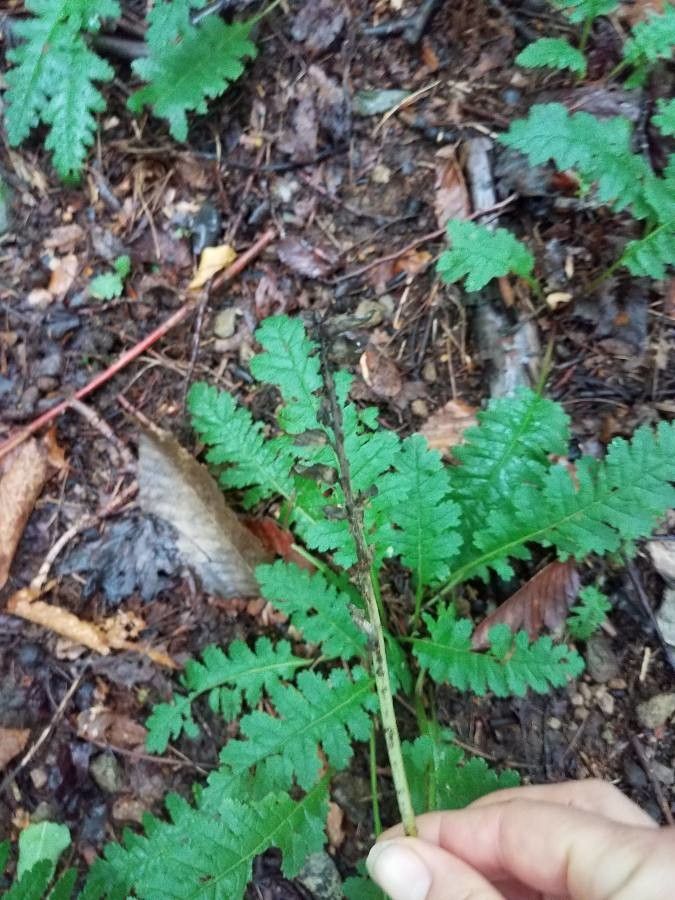
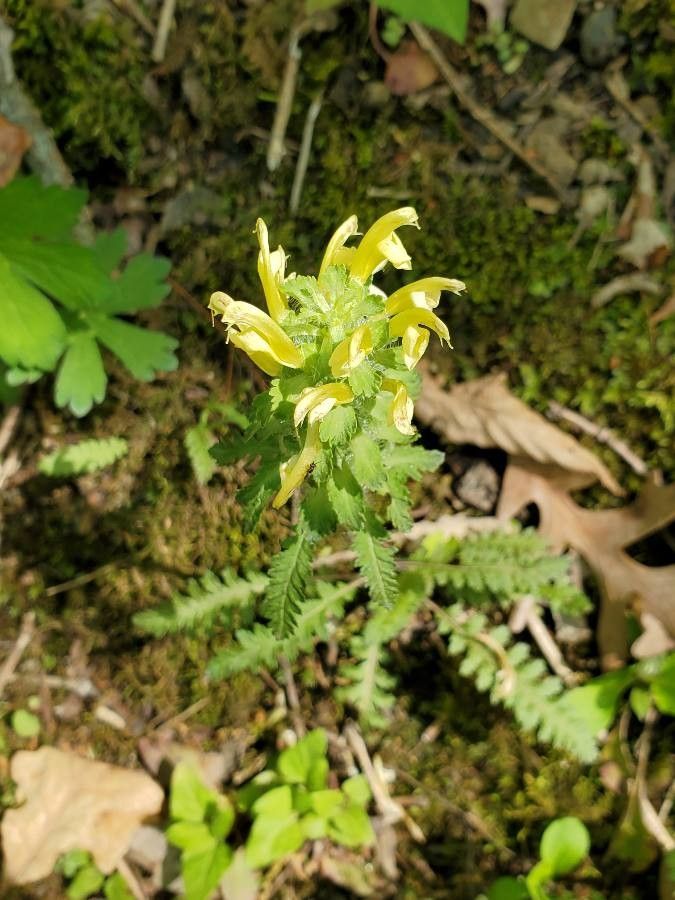
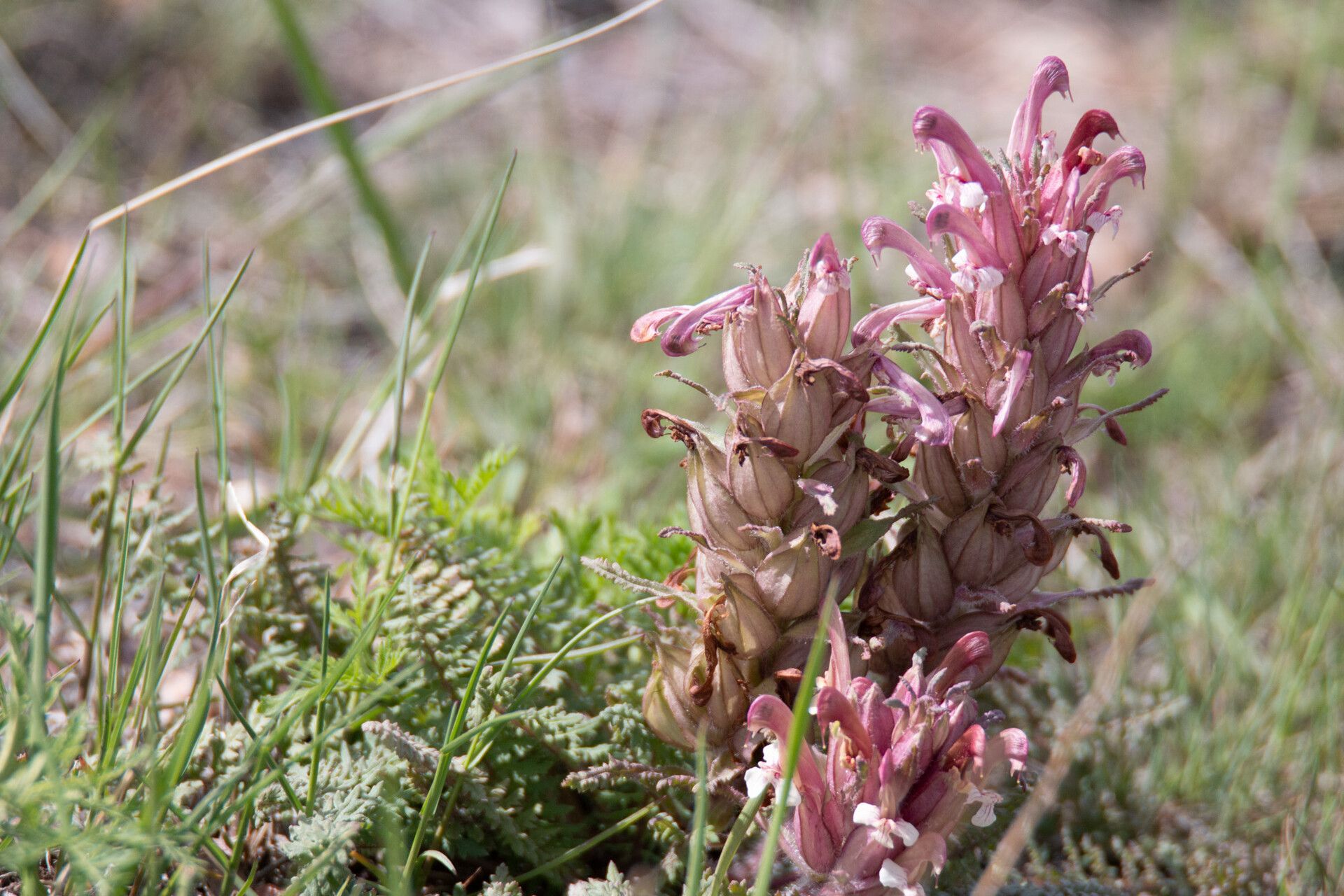
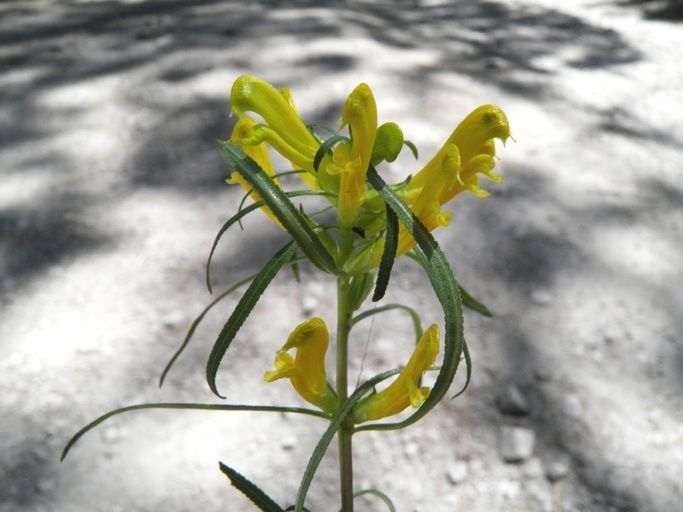
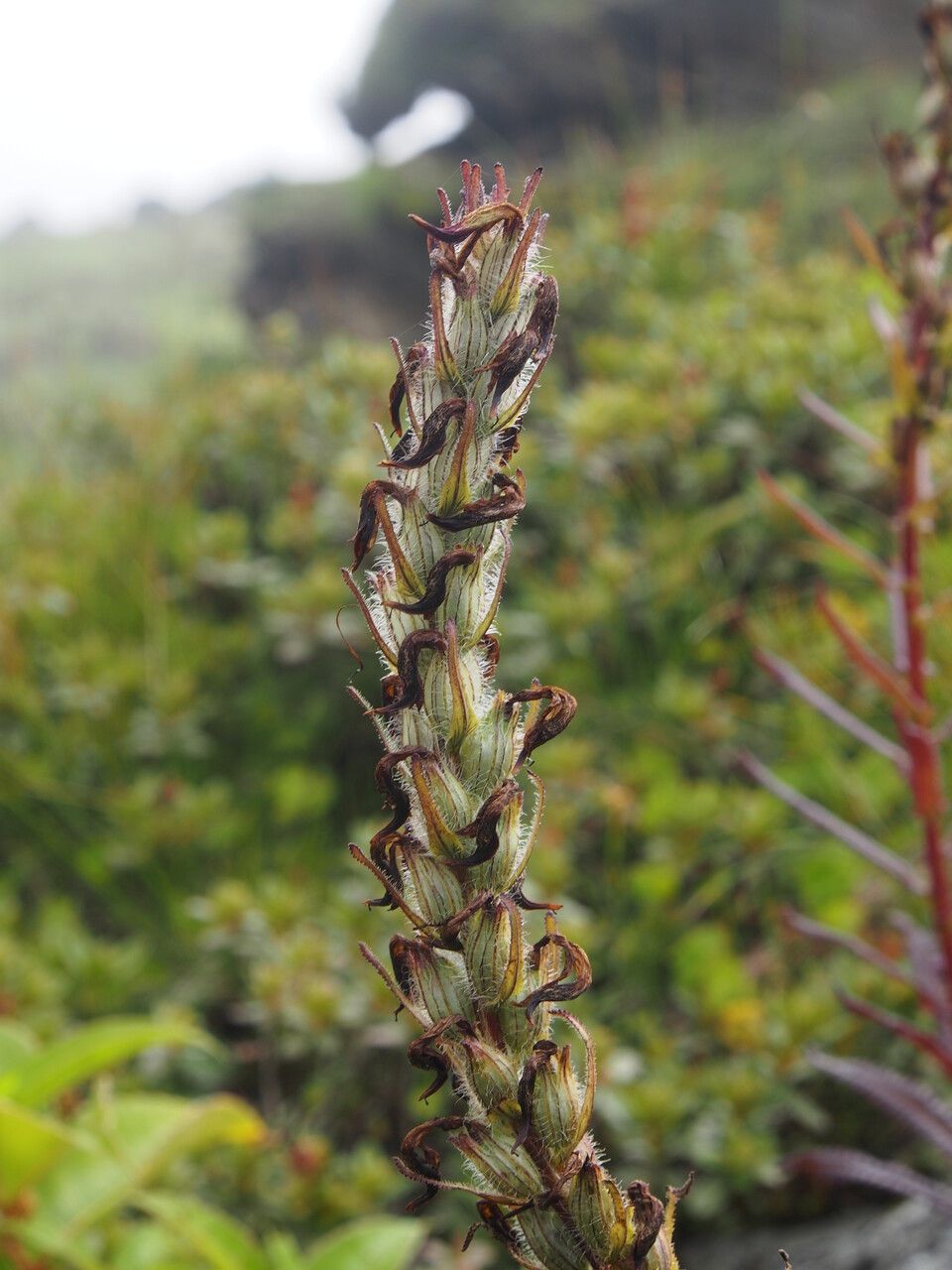
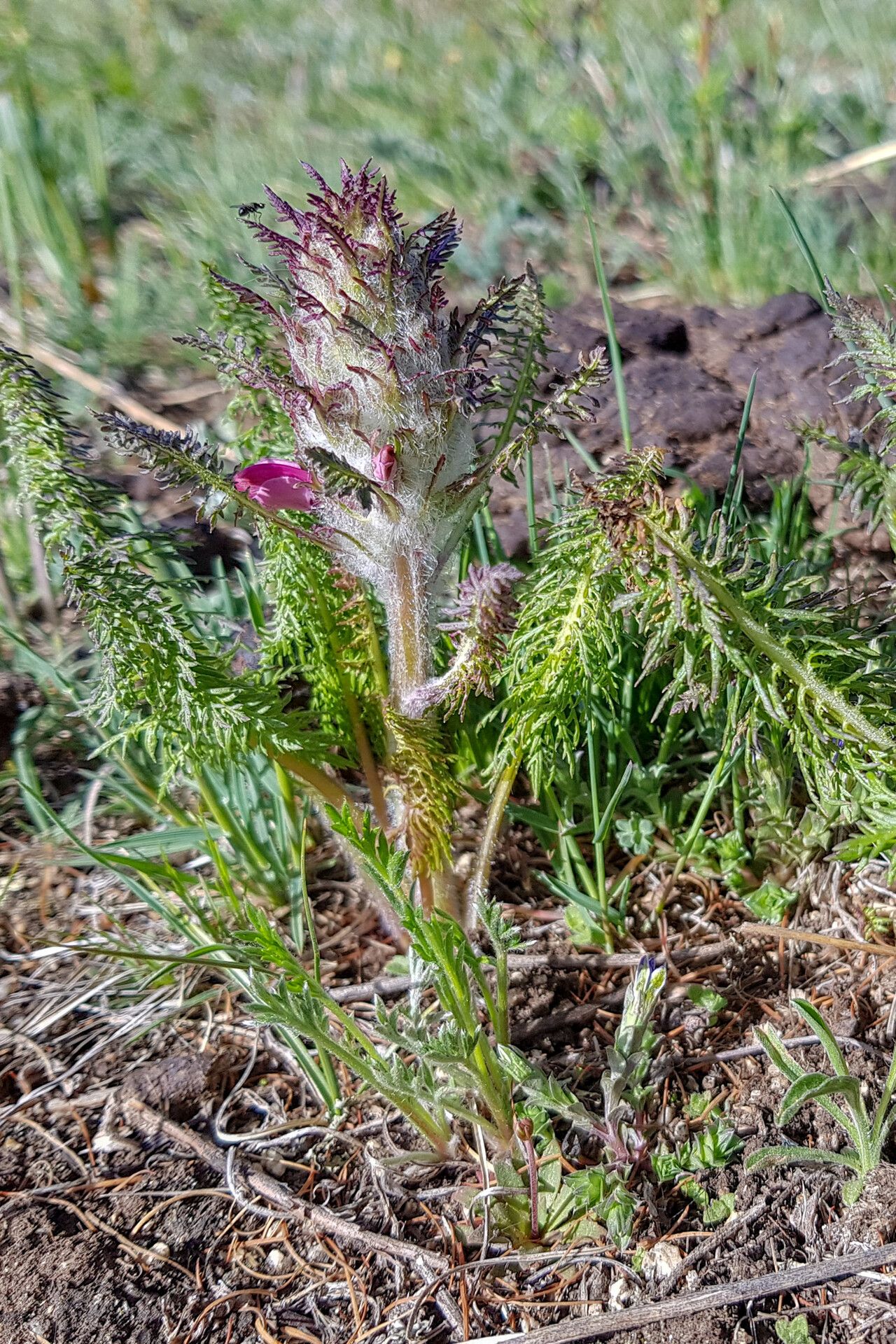
Pedicularis canadensis, commonly called Canadian lousewort or wood betony, is a flowering plant in the family Orobanchaceae. It is native to North America, where it is found in southeastern Canada, the eastern United States, and eastern Mexico. It has a wide-ranging natural habitat, being found in mesic to dry, forests, woodlands, and prairies.
Canadian Lousewort is fairly disease-resistant and generally not prone to illnesses. However, it can be affected by pests and diseases present in its surroundings; such infections are typically mild. In terms of care, the plant requires moderate maintenance. Regular pruning is needed to maintain a good appearance and promote healthy growth. Fertilizing can also help encourage flowering. Canadian Lousewort is suitable for anyone with outdoor space, such as a garden or patio, and does not demand extensive gardening experience. It may need more attention if grown indoors.
How to keep Pedicularis Canadensis.
Light
Canadian Lousewort does best with moderate sunlight and can tolerate increased sun if needed. Native to areas where light is filtered through tree canopies, it can cope reasonably well in abundant light. That said, excessive solar intensity can negatively affect its optimal growth and health.
Water
Native to moist woodlands, Canadian Lousewort thrives in consistently moist soil and requires weekly watering. Although it's typically found outdoors, it greatly benefits from natural rainfall, which supports its flowering phase and helps maintain optimal soil moisture levels.
Humidity
This plant needs special care because it loves high humidity levels of 60-80% or more. The best way to achieve this is by placing a humidifier near the plant. Daily misting is also essential! Make sure the room has good ventilation.
Temperature
Canadian Lousewort is native to habitats with a wide temperature range and grows best between 32 and 89.6 °F (0 to 32 °C). Seasonal adjustments may be necessary for optimal growth. Consider providing shade during summer's peak heat.
Fertilizer
For Canadian Lousewort, the primary time to fertilize is in early spring when flowers are forming. The appropriate fertilizer promotes better blooms and helps Canadian Lousewort produce attractive flowers. Fertilizing in early spring ensures excellent flowering during the season and supplies energy for dormant growth phases.
Pruning
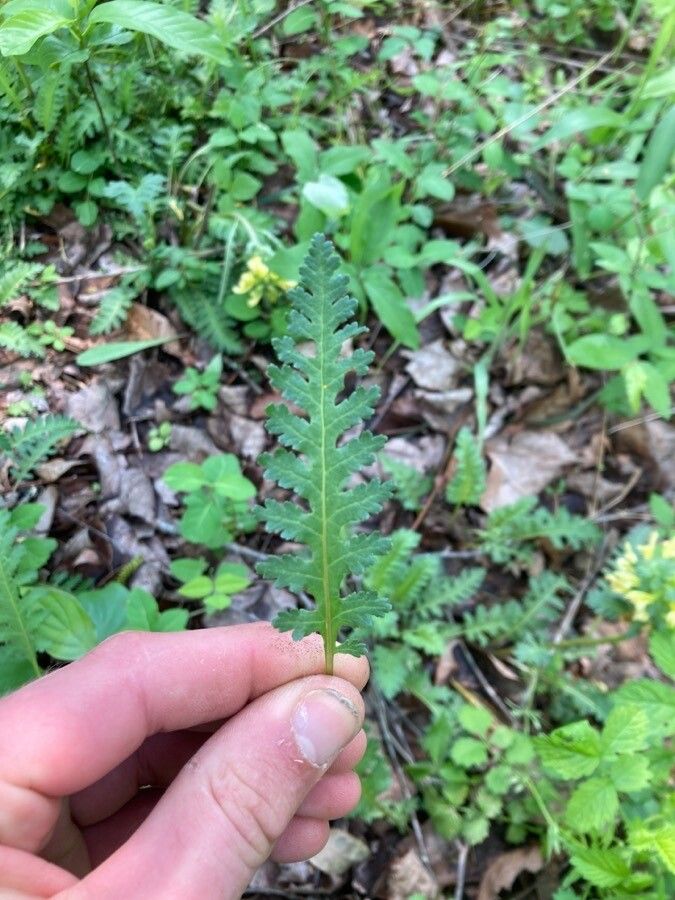
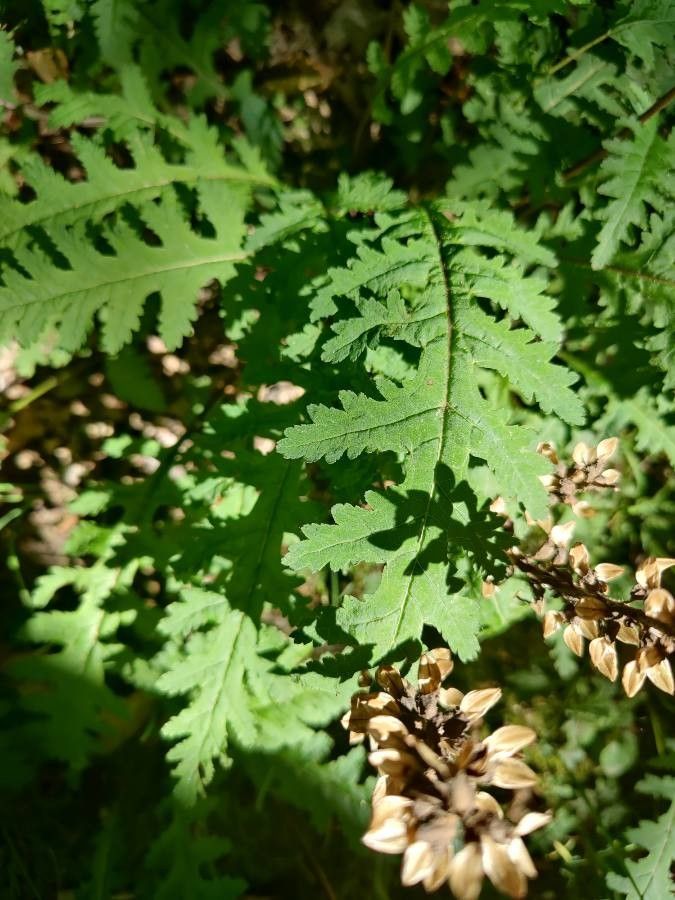
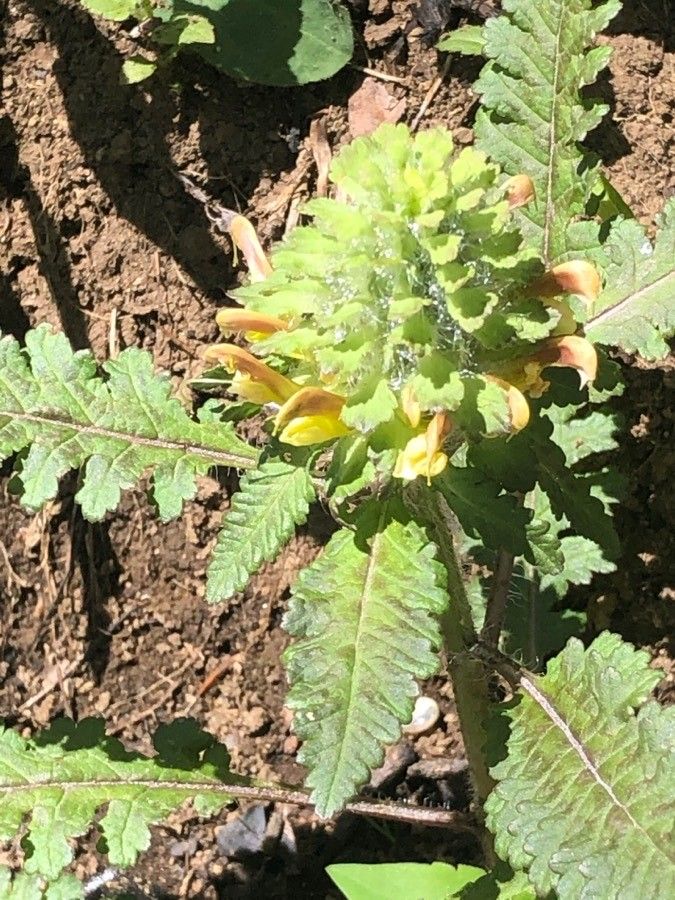
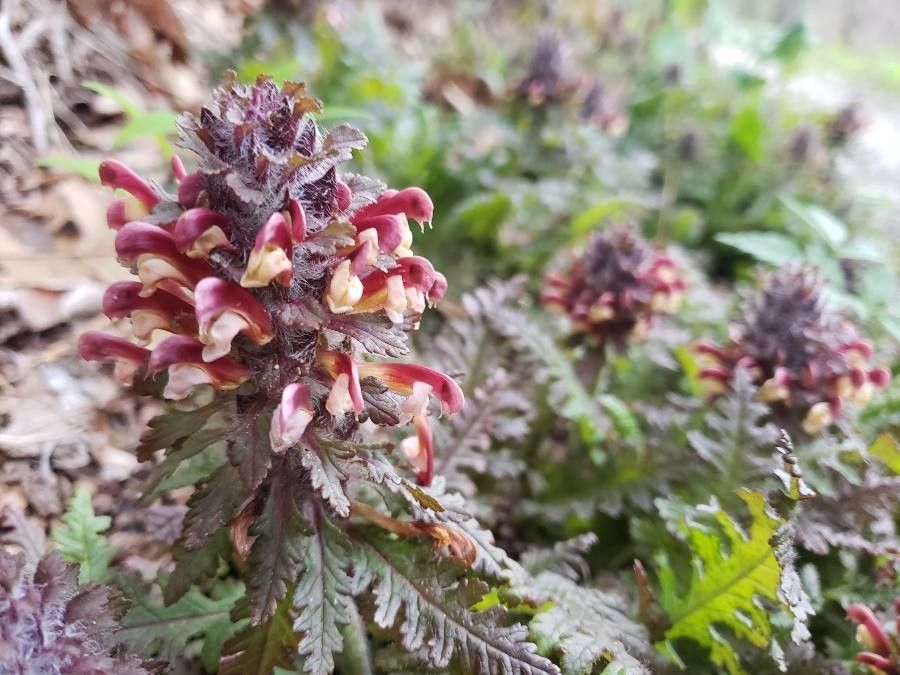
The Canadian Lousewort is known for its fern-like leaves and hooded flowers. To support healthy growth, it's important to prune the plant from early to late spring. This involves cutting back dead stems and removing spent flowers, which encourages the plant to rebloom. Regular pruning also improves air circulation, prevents overcrowding, and helps maintain the plant’s shape.
Botanical profile.
- Plant Type
- Herb
- Life Cycle
- Perennial
- Genus
- Pedicularis
- Family
- Orobanchaceae
- Hardiness Zone
- 3-7
- Mature Height
- 30 cm to 46 cm
- Mature Spread
- 30 cm
- Leaf Color
- Green
- Leaf Type
- Semi-evergreen, Deciduous
- Flower Color
- Yellow
- Flower Size
- 2.54 cm
- Bloom Time
- Early spring, Mid spring
- Planting Time
- Spring, Summer
- Harvest Time
- Late spring, Early summer
- Native Area
- Mexico
Other names.
Reader questions.
How should I water my Canadian Lousewort plant?
To properly water the Canadian Lousewort, use filtered water at room temperature or slightly warmer. Tap water may have harmful particles, so filtered water is preferred. This plant is accustomed to a warm environment, so avoid using cold water to prevent shock. Additionally, don't water from above as it may cause issues with the foliage. Instead, thoroughly soak the soil with filtered room temperature water. This helps moisten the roots and promotes their growth and nutrient absorption.
What are the sunlight requirements for Canadian Lousewort?
Canadian Lousewort thrives with moderate exposure to sunlight, ideally in conditions that mimic its native environment where sunlight filters through tree canopies. It can handle partial sun of about 3-6 hours of sunlight daily and also adapt to full sunlight conditions beyond 6 hours. However, an excess of direct sunlight could negatively impact its growth and health. It's important to observe the movement of sunlight in your garden to ensure you pick spots that provide an optimal balance of light and shade, catering to the happiness and health of your Canadian Lousewort.
What is Canadian Lousewort and where is it native to?
Canadian Lousewort, botanically known as Pedicularis canadensis, is native to environments that experience a wide temperature range. This plant thrives best in temperatures ranging from 32 to 89.6 °F (0 to 32 °C), indicative of its adaptability to various climates. It necessitates seasonal adjustments to ensure optimal growth, demonstrating its capacity to flourish under diverse environmental conditions.
What do I do if I give my Canadian Lousewort too much or too little water?
Overwatering is a common problem for Canadian Lousewort and can cause wilting, yellowing, and diseases like root rot, mold, and mildew. Underwatering is less common but can lead to brittle, brown leaves. It's important to notice signs of overwatering early to prevent irreversible damage. Reduce watering if you see early signs or improve soil drainage. If underwatering occurs, simply water more regularly.
How should I use artificial lighting for Canadian Lousewort?
When natural sunlight is not sufficient, especially during winter or in less sunny spots, artificial lighting is an effective solution for Canadian Lousewort. Opt for LED lights which can be customized to supply the specific wavelengths needed by your plants. Full sun plants require 30-50W per square foot, partial sun plants need 20-30W per square foot, and full shade plants need 10-20W per square foot of artificial light. The light source should be placed 12-36 inches above the plant, and you need to mimic natural daylight hours, usually aiming for 8-12 hours of light per day to promote healthier growth.
How does Canadian Lousewort cope with seasonal temperature changes?
To cope with seasonal temperature changes, Canadian Lousewort requires specific care during summer and winter. During the peak heat of summer, providing shade can help manage its exposure to excessive temperatures, ensuring it remains within its optimal growth temperature range. In contrast, Canadian Lousewort is remarkably cold-tolerant, negating the need for additional frost protection during winter. However, watering the plant generously before the first freeze of autumn is recommended to keep the soil moist. This preparatory step helps prevent drought and water scarcity for the plant during the colder months, facilitating better conditions for winter survival and early spring growth.
How frequently do I need to water my Canadian Lousewort?
If your Canadian Lousewort is in a pot, the most precise way to determine if it needs water is to stick your finger into the soil. If the top two to three inches of soil feel dry, it's time to water. If you're growing the Canadian Lousewort outdoors in the ground, you can use a similar method to test the soil. Again, if the top few inches of soil are dry, it's time to water. Generally, during spring and early fall, you'll need to water about once a week using this method. However, in extremely hot weather, watering may need to be increased to about twice a week or more. Nonetheless, mature, well-established Canadian Lousewort plants can withstand drought well.
What are the signs of insufficient light for Canadian Lousewort?
If Canadian Lousewort is grown indoors with insufficient light, several symptoms might appear including smaller new leaves, leggy or sparse growth, quicker leaf drop, halted growth, lighter-colored new leaves, and symptoms of chlorosis, sunscald, leaf curling, wilting, and leaf scorching. These symptoms indicate a lack of adequate sunlight necessary for the plant's photosynthesis and overall well-being. It's crucial to address these signs by adjusting the plant's exposure to light.
What are the temperature thresholds for Canadian Lousewort, and how can you address temperature-related issues?
Canadian Lousewort has specific temperature thresholds that influence its sprouting and overall health. It is extremely cold-tolerant, capable of withstanding temperatures down to -35°C. Below this temperature, the plant may not show immediate signs of distress, but sprouting in spring could be adversely affected, leading to reduced or absent growth. Addressing this involves removing any parts that have failed to sprout once spring arrives. Conversely, Canadian Lousewort struggles with high temperatures above 32°C, leading to halted growth and an increased risk of rot. Solutions include trimming sunburned and dried-up parts, moving the plant to a shaded location or using a shade cloth, and ensuring the soil remains moist by watering in the morning and evening. These steps help mitigate the effects of extreme temperatures, ensuring the plant's health and vitality.
How much water does my Canadian Lousewort plant need?
To properly water your Canadian Lousewort, don't be afraid to give it a generous amount of water. Make sure that the first two to three inches of soil are dry before watering, and then give the plant a thorough soaking. You should add enough water to completely saturate the soil and cause excess water to flow through the drainage holes at the bottom of the pot. If you don't see any excess water draining out, it means you haven't watered enough. However, be careful not to let water accumulate in the soil, as this can harm the plant. On the other hand, if water doesn't drain properly from the pot, it may indicate poorly draining soil, which is not good for the plant's health. If the plant is outside, it typically only needs about 1 inch of rainfall per week.
How can I address and improve sunlight exposure for Canadian Lousewort?
To optimize sunlight exposure for Canadian Lousewort, gradually shift the plant to sunnier locations each week, aiming for 3-6 hours of direct sunlight daily. This gradual adaptation helps the plant get accustomed to changing light conditions. For indoor plants that are large or difficult to move, consider supplementary artificial lighting, keeping lamps on for at least 8 hours daily. If dealing with outdoor plants, move them to better-lit spots gradually to avoid sunburn. Additionally, if trees block sunlight, pruning might be necessary. For smaller plants, transplanting during their dormant period to a sunnier location with good drainage can significantly enhance sunlight reception. Note that parts of the plant that suffered from insufficient light may not recover, but new growth should be healthy with improved light conditions.
How should I water my Canadian Lousewort as it grows?
The water needs of the Canadian Lousewort can vary depending on its growth stages. During the first few years of its life, or when it has been recently transplanted, it requires more water than usual. This is because it is focusing its energy on developing new roots that will support future growth. These new roots need a bit more moisture to thrive. As the plant matures, it will require less water. Another growth stage that requires more water is during the bloom period. Flower development consumes a significant amount of moisture, so it is important to provide additional water during this time.