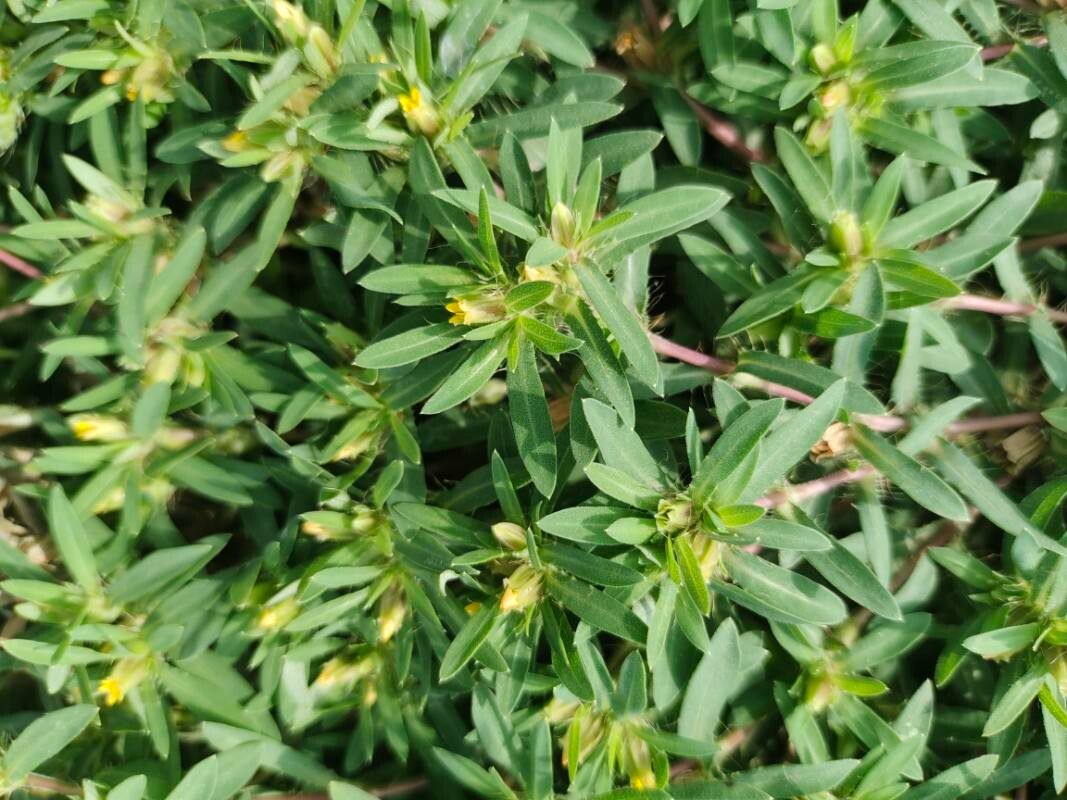
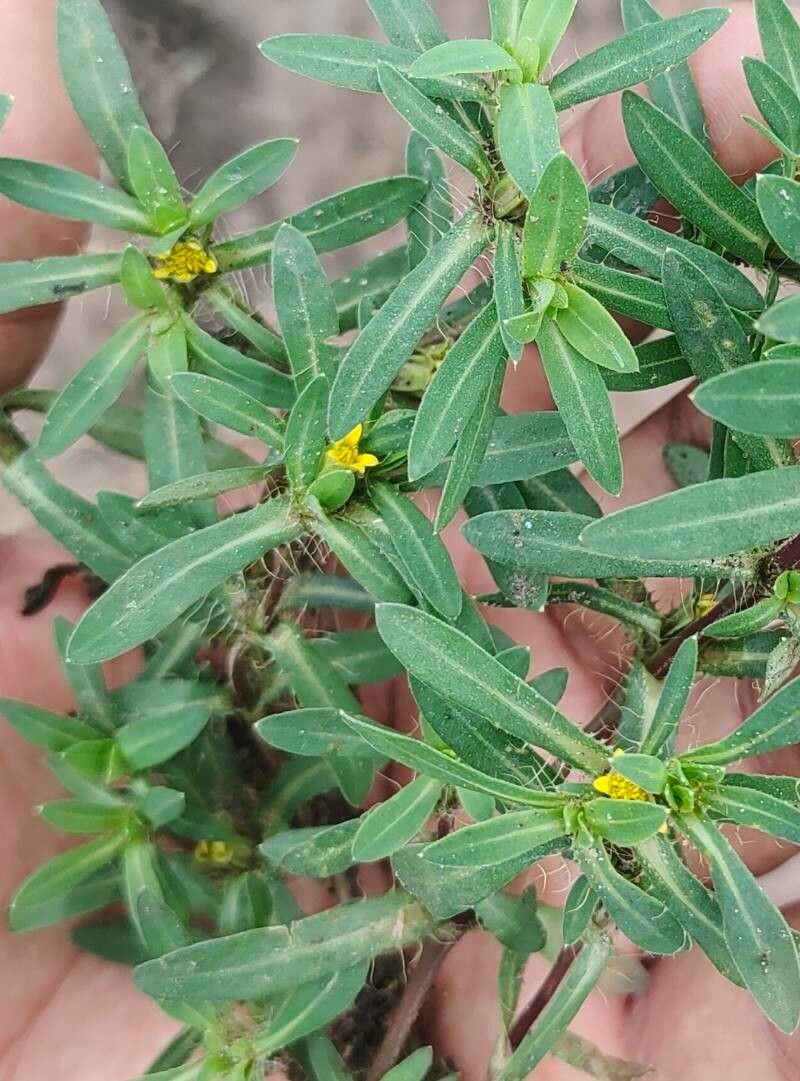
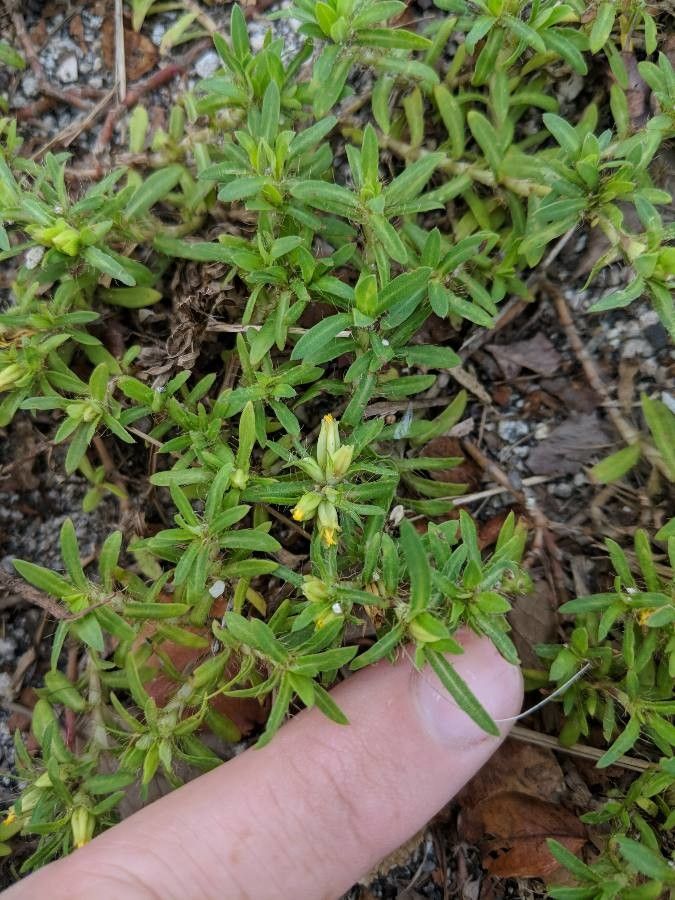
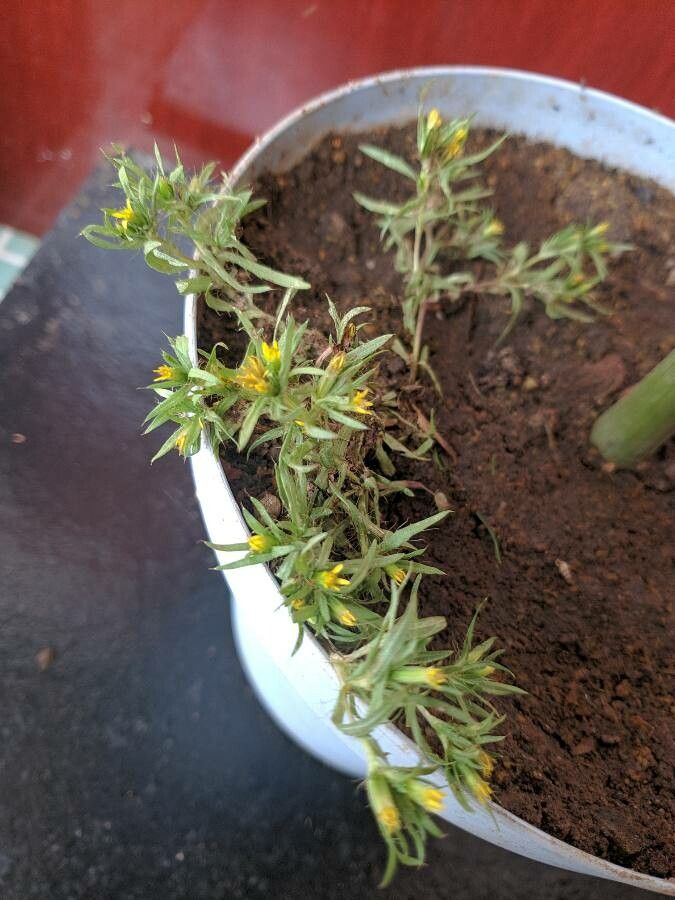
Pectis prostrata, commonly known as spreading chinchweed, is a low-growing perennial plant in the Asteraceae family. Native to North and South America, it thrives in diverse habitats such as deserts, grasslands, and rocky slopes.
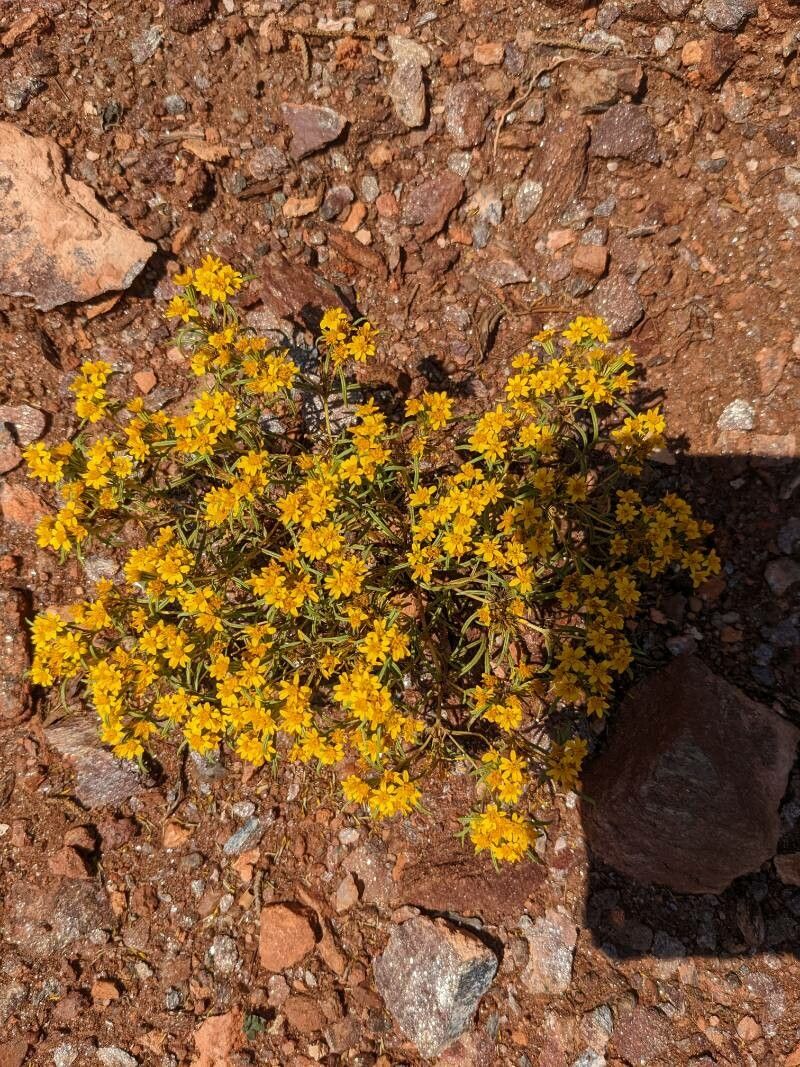
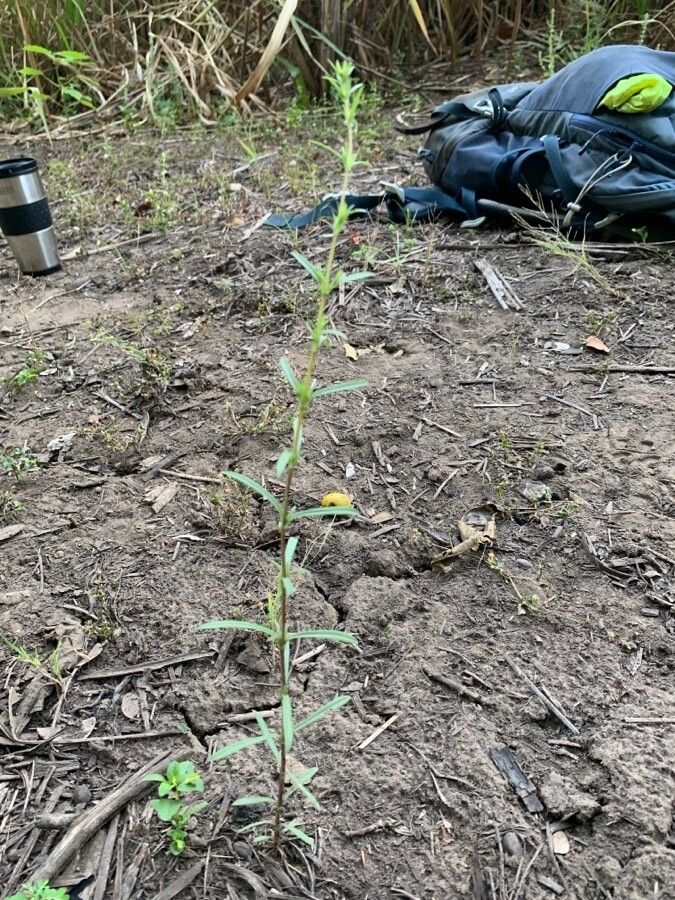
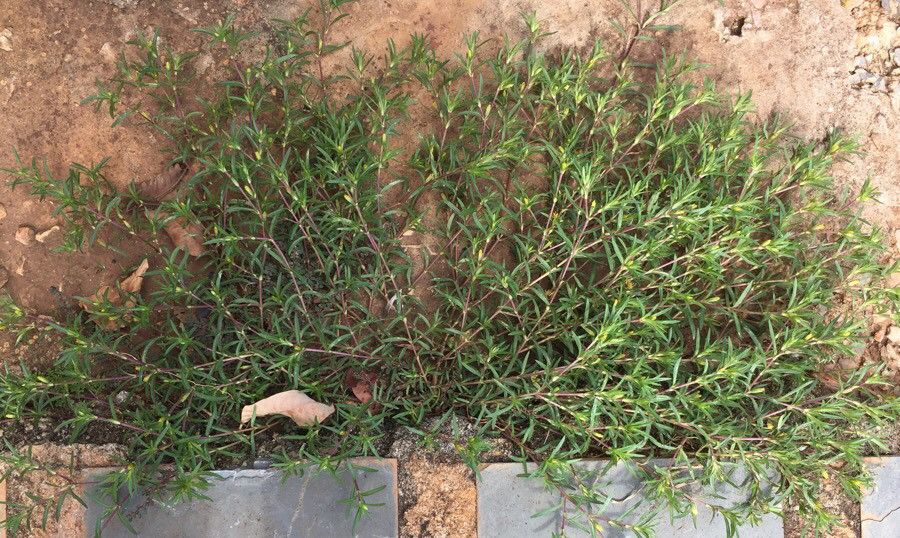
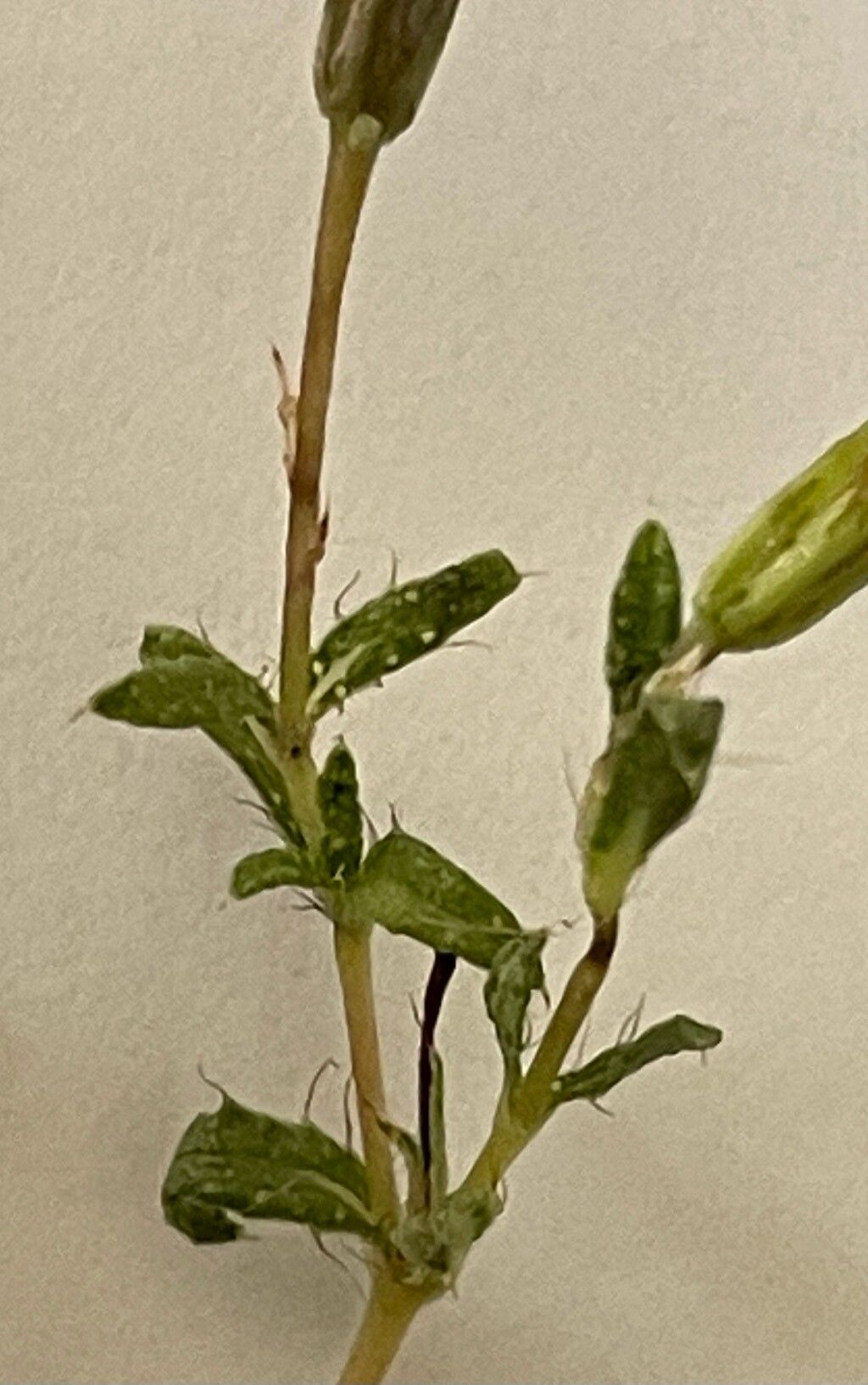
This plant exhibits a spreading growth habit with stems reaching up to 30 cm in length. The leaves are small, narrow, and grayish-green, while the flowers are yellow, featuring five petals arranged in a daisy-like shape.
Traditionally, Native American tribes have used Pectis prostrata for medicinal purposes to treat various ailments including fever, coughs, colds, and stomach problems. The plant contains compounds like flavonoids that possess anti-inflammatory properties.
In addition to its medicinal uses, Pectis prostrata is valuable for erosion control, as it can grow on rocky slopes where other plants struggle to survive. It also serves as an essential food source for pollinators such as bees and butterflies.
In summary, Pectis prostrata is a significant plant species due to its ecological importance and medicinal benefits.
Spreading chinchweed is fairly disease-resistant and usually does not suffer from illnesses. However, it can be affected by pests and diseases present in its environment. These problems are typically mild. With regard to care, this plant requires moderate maintenance. It should be pruned regularly to keep a tidy appearance and support healthy growth. Fertilizing can also help encourage flowering. Spreading chinchweed is suitable for anyone with an outdoor area, such as a garden or patio, and does not demand extensive plant-care experience. It may need extra attention when grown indoors.
How to keep Pectis Prostrata.
Light
Spreading chinchweed comes from bright, open environments and prospers in full sun. It can tolerate partial sun but prefers direct sunlight for optimal growth. This annual and biennial plant is known for its sun-loving nature.
Temperature
Spreading chinchweed comes from tropical areas, where conditions are generally warm and humid. As a result, it is well adapted to high temperatures and humidity. It does not respond well to sudden temperature changes and prefers a steady thermal environment, so preventing temperature fluctuations indoors is important. It usually cannot tolerate cold and requires warmer conditions to grow. If the ambient temperature falls too low, the plant may stop growing or even die.
Fertilizer
Spreading chinchweed benefits from frequent, mild applications of fertilizer to encourage healthy leaf growth. Fertilize Spreading chinchweed about once a month during the summer. Nitrogen is essential for foliage, and supplying nitrogen-rich sources helps Spreading chinchweed thrive.
Pruning
Spreading chinchweed is a low-growing herb known for its aromatic qualities and bright yellow flowers. To maintain its shape, remove dead stems, and enhance air circulation, it's best to prune the plant from early to late spring. Regular pruning not only encourages bushier growth but also helps prevent disease. Be sure to use clean, sharp tools to minimize the risk of infections.
Botanical profile.
- Plant Type
- Herb
- Life Cycle
- Annual
- Genus
- Pectis
- Family
- Asteraceae
- Hardiness Zone
- 9-11
- Mature Height
- 10 cm to 30 cm
- Mature Spread
- 15 cm to 40 cm
- Leaf Color
- Green
- Leaf Type
- Deciduous
- Flower Color
- Yellow
- Flower Size
- 0.51 cm to 0.76 cm
- Bloom Time
- Summer, Fall
- Planting Time
- Spring, Summer
- Harvest Time
- Mid summer, Late summer, Fall, Early winter
- Native Area
- Colombia, Bahamas, Belize, Cuba, Honduras, Mexico, Guatemala, Venezuela, El Salvador, Nicaragua, Costa Rica, Panama
Other names.