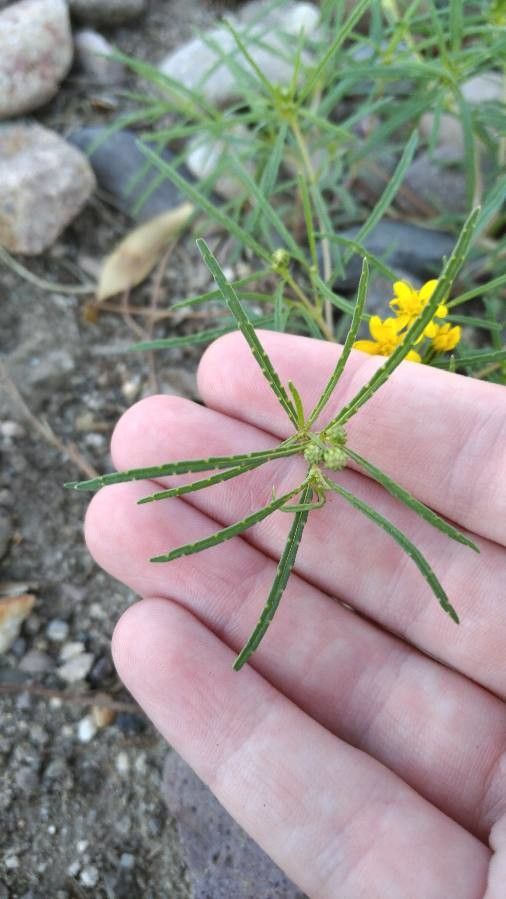
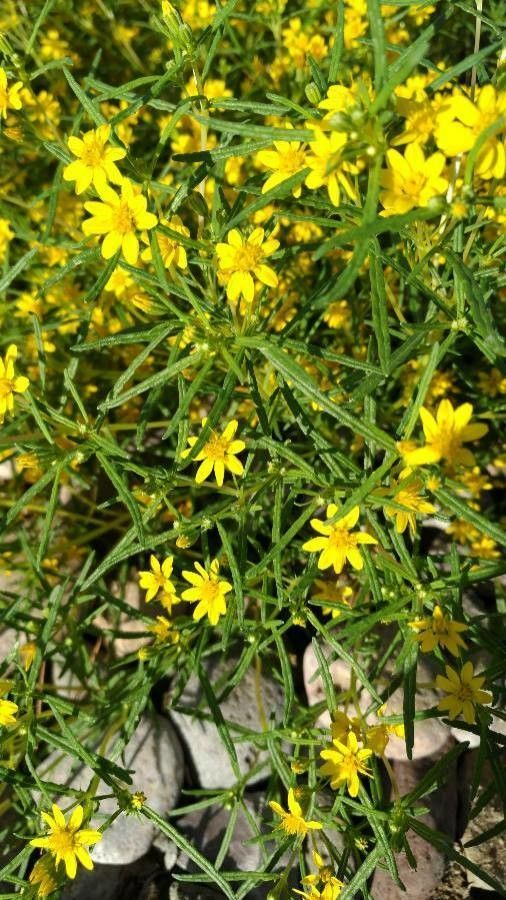
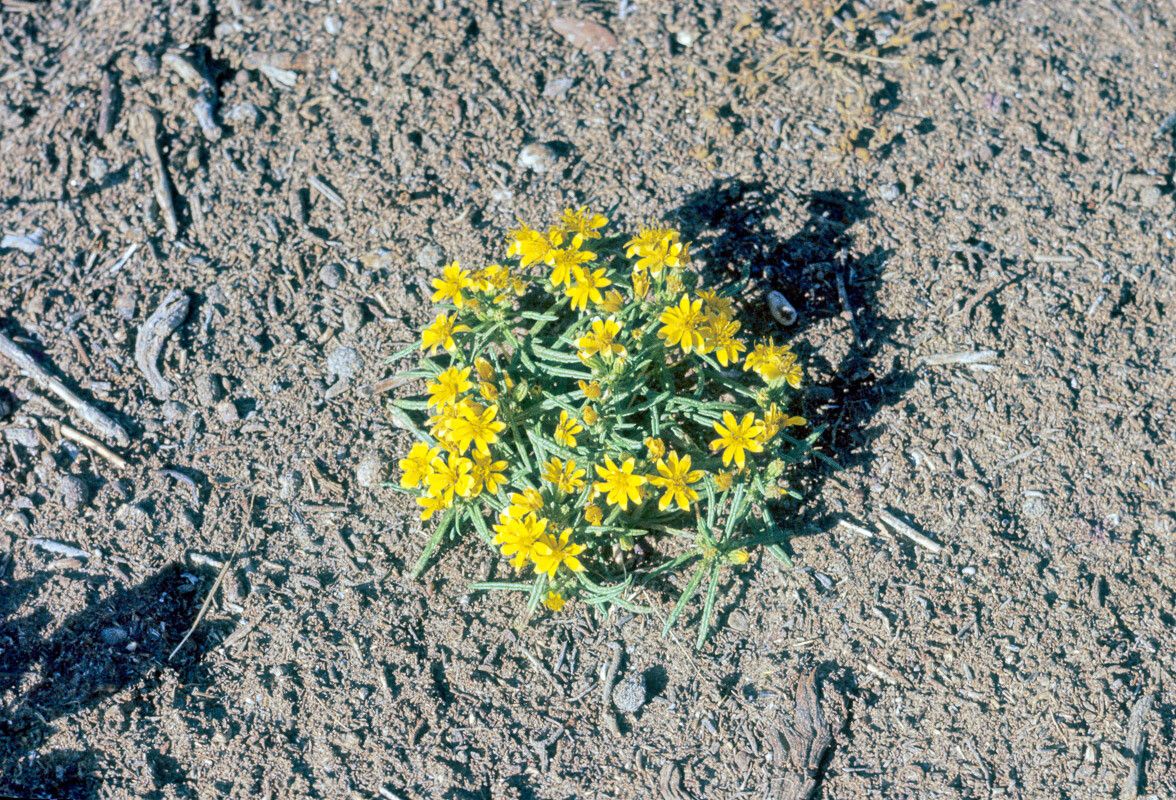
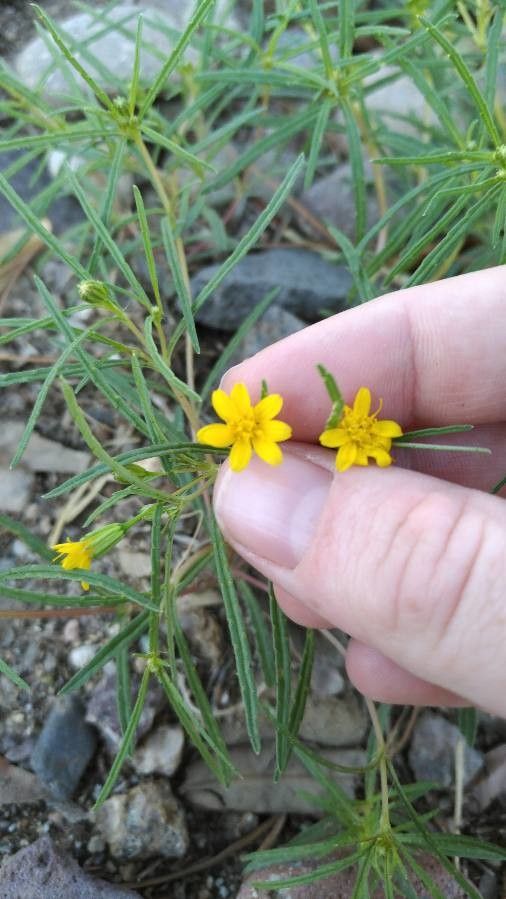
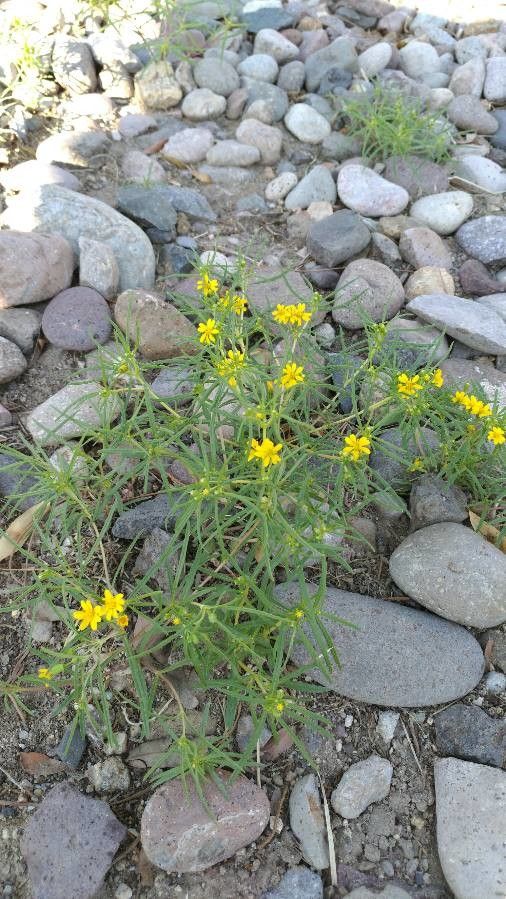
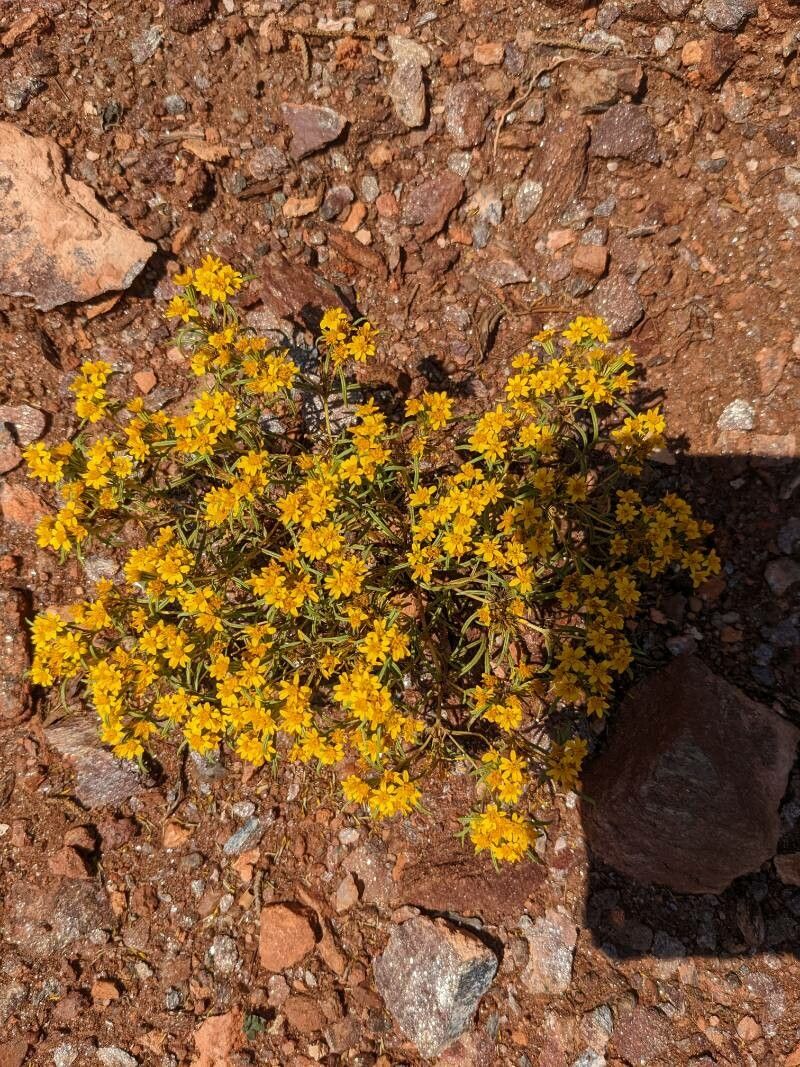
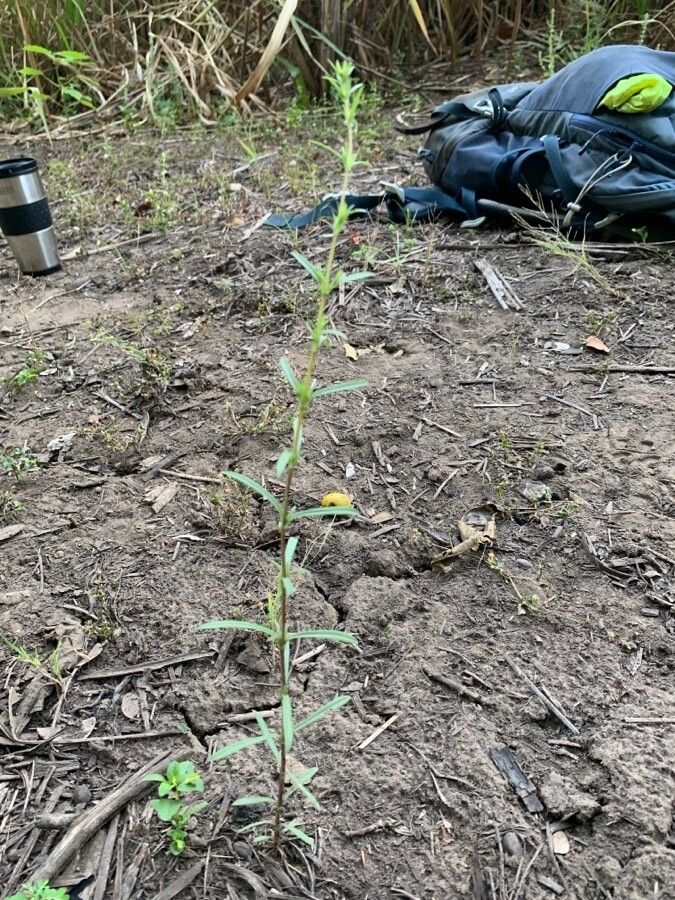
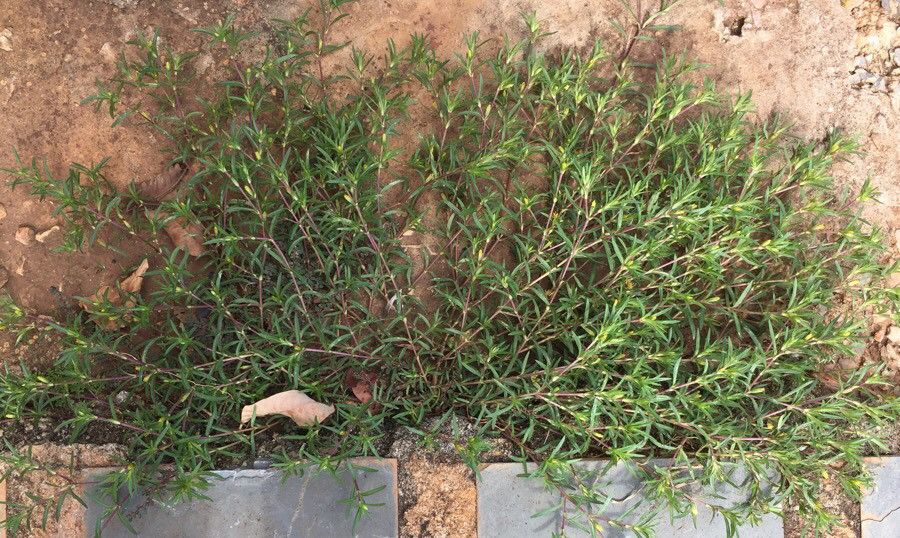
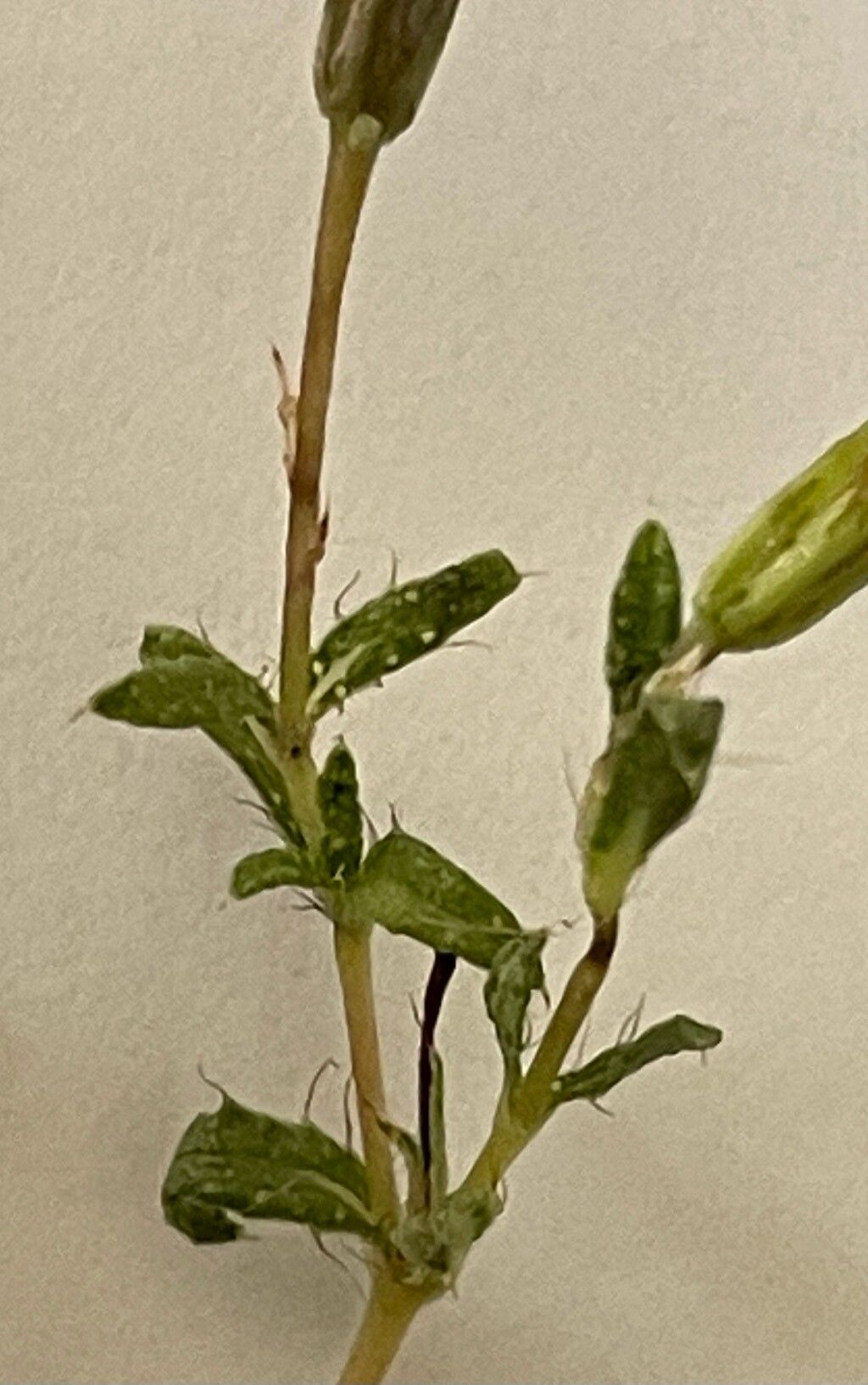
Pectis papposa is a species of flowering plant in the family Asteraceae. It is native to North America, where it occurs in the southwestern United States as far east as Texas, and in northern Mexico. Common names include cinchweed, common chinchweed, many-bristle chinchweed, and many-bristle fetid-marigold.This is a host plant of the beet leafhopper.
Manybristle chinchweed is fairly disease-resistant and generally not prone to illnesses. However, it can be vulnerable to pests and diseases present in its surroundings. These infections are typically not severe. In terms of care, this plant needs moderate maintenance. It should be pruned regularly to keep a pleasing appearance and encourage healthy growth. Fertilizing can also help stimulate flowering. Manybristle chinchweed is suitable for anyone with outdoor space, such as a garden or patio, and does not require much care experience. It may need more attention when grown indoors.
How to keep Pectis Papposa.
Light
Manybristle chinchweed comes from well-lit, open habitats and does best in full sun. It will tolerate some partial shade but favors direct sunlight for optimal growth. This plant, which occurs as both an annual and a biennial, is noted for its preference for sunny conditions.
Water
The manybristle chinchweed is well adapted to arid environments, making it highly drought-tolerant and capable of thriving in dry conditions. To support its growth, water the plant once a week. It prefers full sun exposure, and its growth is influenced by the seasonal rainfall patterns of its native habitat.
Temperature
Manybristle chinchweed originates from areas where temperatures generally fall between 68 and 100 °F (20 to 38 ℃). As a result, it is adapted to comparable thermal conditions. Seasonal adjustments may be necessary if temperatures deviate significantly from its preferred range.
Fertilizer
Manybristle chinchweed responds well to regular, diluted fertilizer applications to encourage healthy leaf development. Fertilize Manybristle chinchweed about once a month during the summer. Nitrogen is essential for foliage, and supplying nitrogen-rich sources helps Manybristle chinchweed thrive.
Pruning
Manybristle chinchweed is a low-growing desert annual known for its bright yellow blooms and aromatic foliage. For best results, prune it from early to late spring. This includes removing spent flowers and trimming any overgrown or leggy stems. Regular pruning not only enhances its ornamental appeal but also promotes vigorous growth and abundant flowering.
Botanical profile.
- Plant Type
- Herb
- Life Cycle
- Annual
- Genus
- Pectis
- Family
- Asteraceae
- Hardiness Zone
- 9-11
- Mature Height
- 5 cm to 20 cm
- Mature Spread
- 15 cm to 37 cm
- Leaf Color
- Green
- Leaf Type
- Semi-evergreen
- Flower Color
- Yellow
- Flower Size
- 2.54 cm
- Bloom Time
- Mid summer, Late summer, Early fall, Mid fall
- Planting Time
- Spring, Summer, Autumn
- Harvest Time
- Fall
- Native Area
- Mexico
Other names.
Reader questions.
What are the sunlight requirements for Manybristle chinchweed?
Manybristle chinchweed thrives in environments that offer full sun, requiring above 6 hours of sunlight daily for optimal growth. It can also tolerate partial sun, which means about 3-6 hours of sunlight a day, but it prefers full exposure to sunlight. When planning where to place your Manybristle chinchweed, either in a garden or as an indoor plant, consider that the plant originates from bright, open environments. Observing how sunlight moves through your space can help in choosing the right spot that offers a good balance of light and shade, ensuring the plant's health and happiness.
What is the preferred temperature range for Manybristle chinchweed?
Manybristle chinchweed thrives in temperatures typically ranging from 68 to 100 °F (20 to 38 °C). It is a heat-loving plant that benefits from being in thermal conditions similar to its native regions. During the colder months, especially in autumn, it's advisable to move outdoor-grown Manybristle chinchweed indoors, placing it near a bright window but away from direct heat sources. Keeping the temperature above 20°C during winter supports its growth, while any exposure to temperatures close to 0°C can be harmful.
How can artificial lighting be used for Manybristle chinchweed indoors?
Artificial lighting is essential for the growth of indoor plants like Manybristle chinchweed when natural sunlight is insufficient, especially during winter or in less sunny spaces. LED lights are recommended for their ability to be customized to provide specific wavelengths of light needed by your plants. Full sun plants, including Manybristle chinchweed, require 30-50W/sq ft of artificial light. The light source should be placed 12-36 inches above the plant to mimic natural sunlight and should be left on for 8-12 hours per day, depending on the specific needs of the plant species.
How does low temperature affect Manybristle chinchweed, and what are the solutions?
Manybristle chinchweed is not tolerant of low temperatures and thrives best when the temperature is consistently above 20°C. Exposure to temperatures below 0°C is detrimental, and dropping below -5°C can cause the leaves to lighten in color. Frost damage may result in the plant's leaves turning brown or black and exhibiting symptoms such as wilting and drooping. To remedy this, trim off the frost-damaged parts and move the plant to a warm, sunlit indoor area away from heaters or air conditioning vents, which can dry out the air excessively.
What are the symptoms of light deficiency in Manybristle chinchweed?
When Manybristle chinchweed is grown indoors or in conditions with inadequate light, it may display various symptoms indicating a struggle with light deficiency. These symptoms include smaller new leaves, leggy or sparse growth, faster leaf drop, slower or no new growth, and lighter-colored new leaves. Additionally, the plant can suffer from chlorosis, where leaves lose their green coloring and turn yellow, sunscald which damages the plant tissue, leaf curling as a defense mechanism against excessive sunlight, wilting due to water loss from overexposure to sunlight, and leaf scorching characterized by dry, crispy leaf edges. These symptoms point to the critical need for sufficient lighting for Manybristle chinchweed's health and growth.
What should be done if Manybristle chinchweed is exposed to high temperatures?
During the hot summer months, it's crucial to ensure that the temperature around Manybristle chinchweed does not exceed 38°C. Exposure to temperatures above 43°C can result in lighter leaf color and increased susceptibility to sunburn. To manage this, remove sunburned or dried parts of the plant. Relocate it to a spot that is shaded during the peak sun hours of midday and afternoon. Additionally, watering the plant in the morning and evening can help keep the soil adequately moist, helping the plant cope better with high temperatures.
How can I address symptoms of light deficiency in Manybristle chinchweed?
To address light deficiency in Manybristle chinchweed, gradually introduce more sunlight or artificial light. For indoor plants, moving them to a sunnier location or using a south-facing window can help increase sunlight exposure. Artificial lighting, like desk lamps or professional grow lights, should be used for at least 8 hours per day. For outdoor plants, find the best sunlight spot and move the plants gradually to prevent sunburn. Removing obstructions or transplanting smaller plants to sunnier locations can also improve light access. Although parts of the plant affected by insufficient light might not recover, new growth should be healthy following these adjustments.