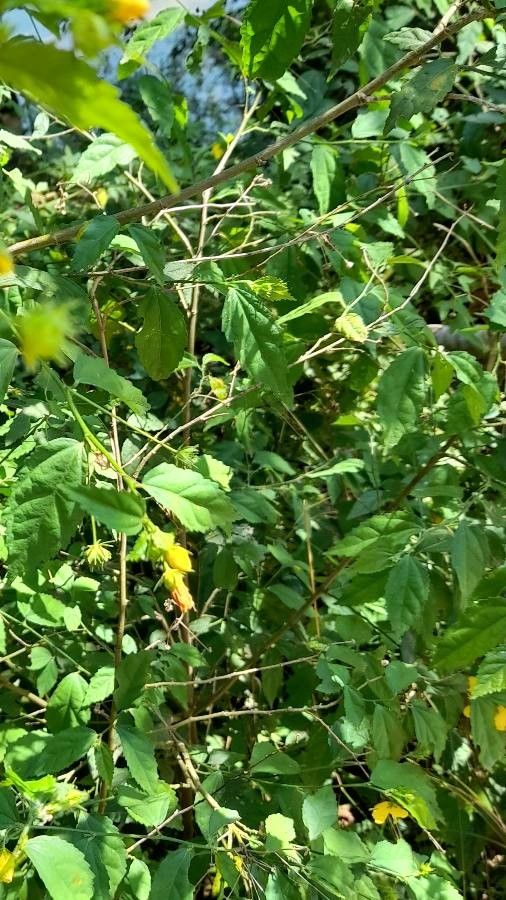
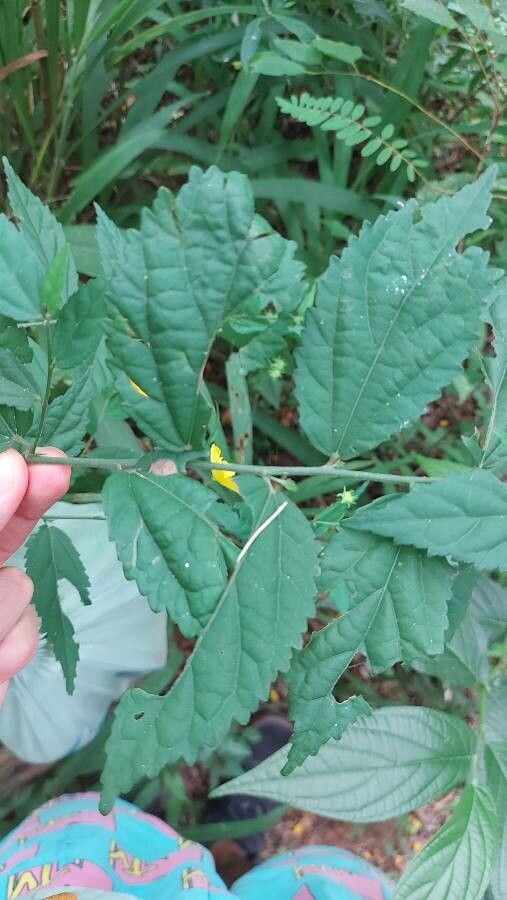
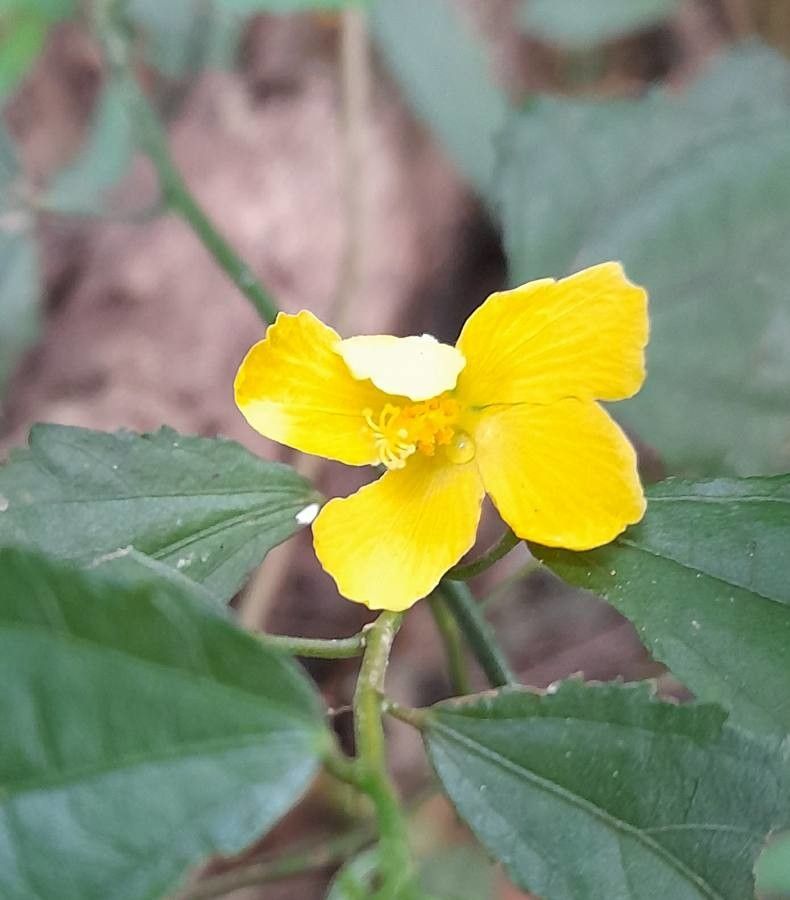
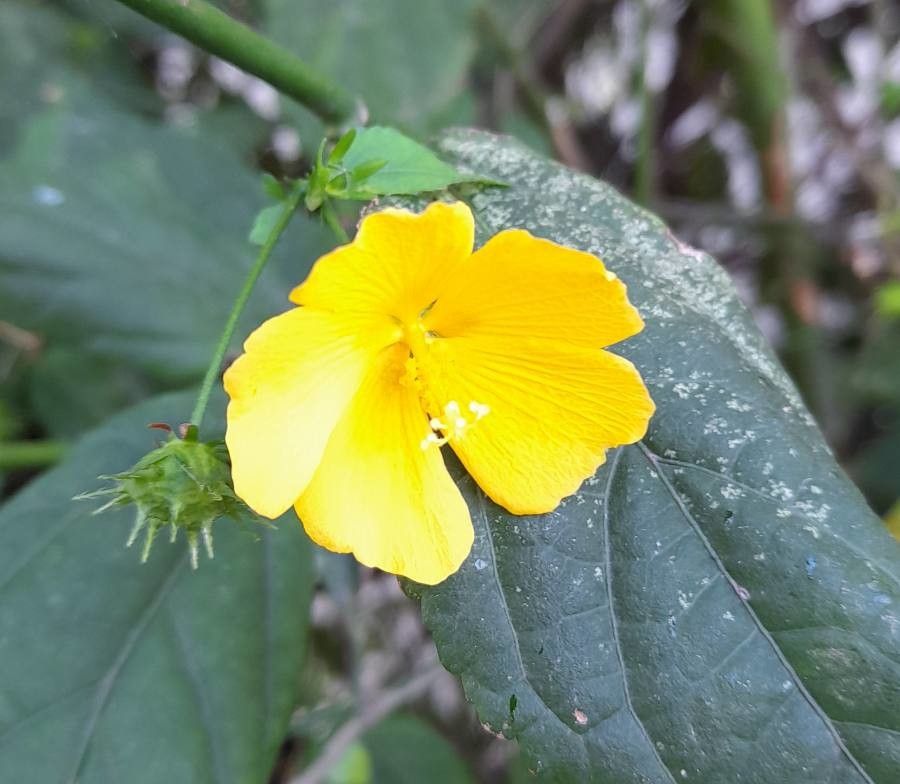
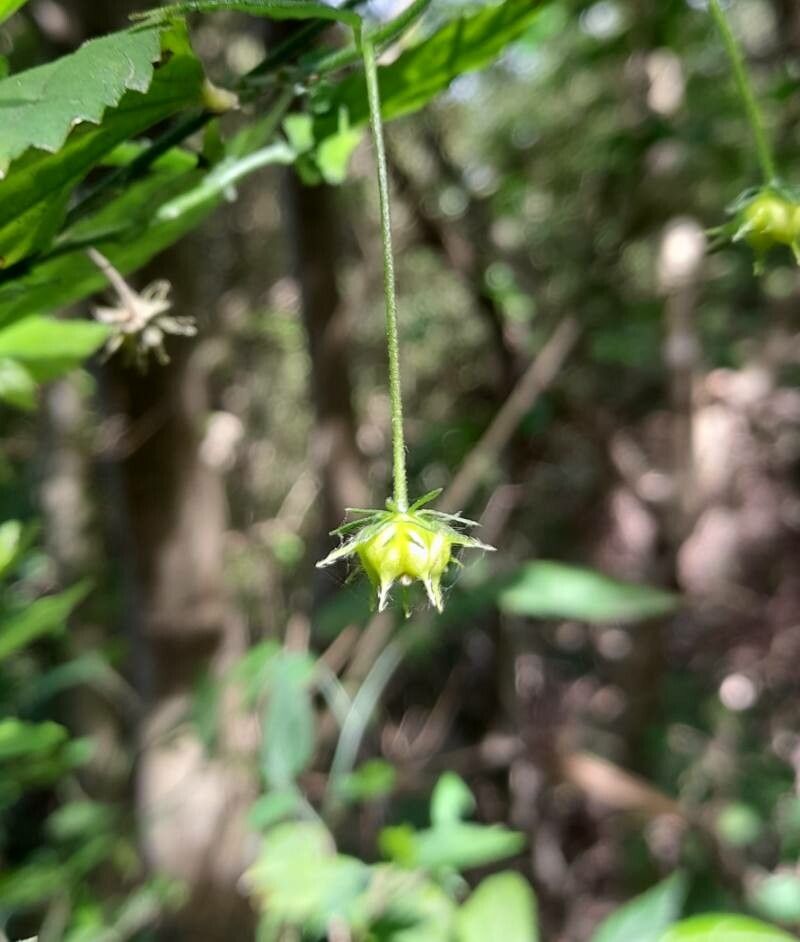
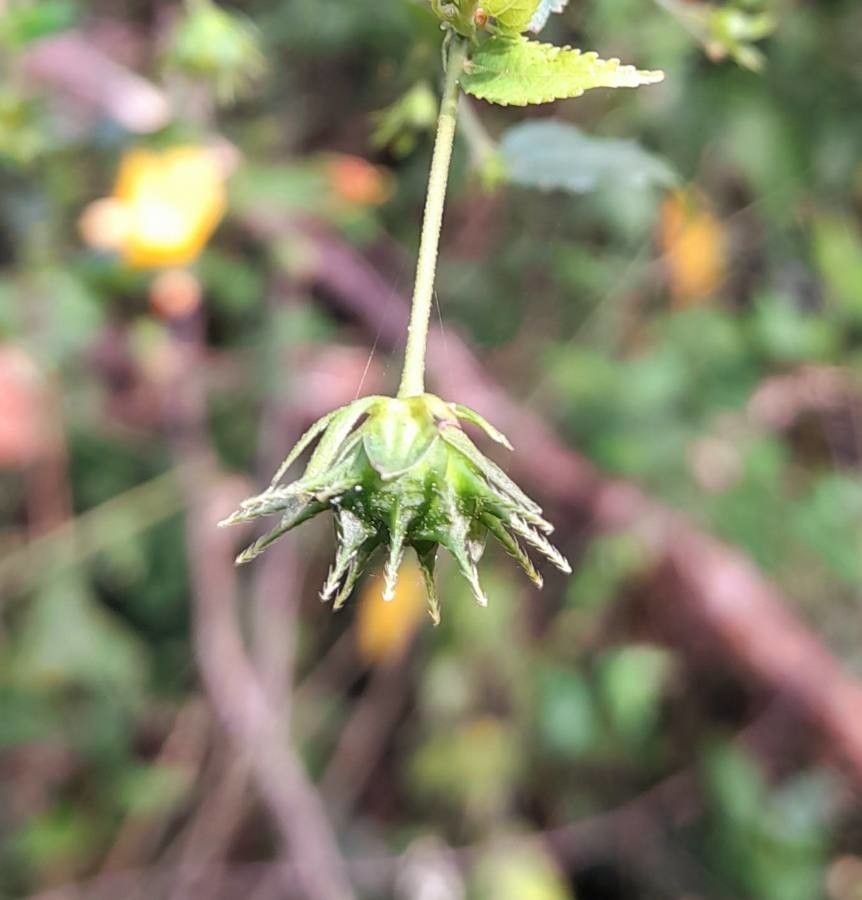
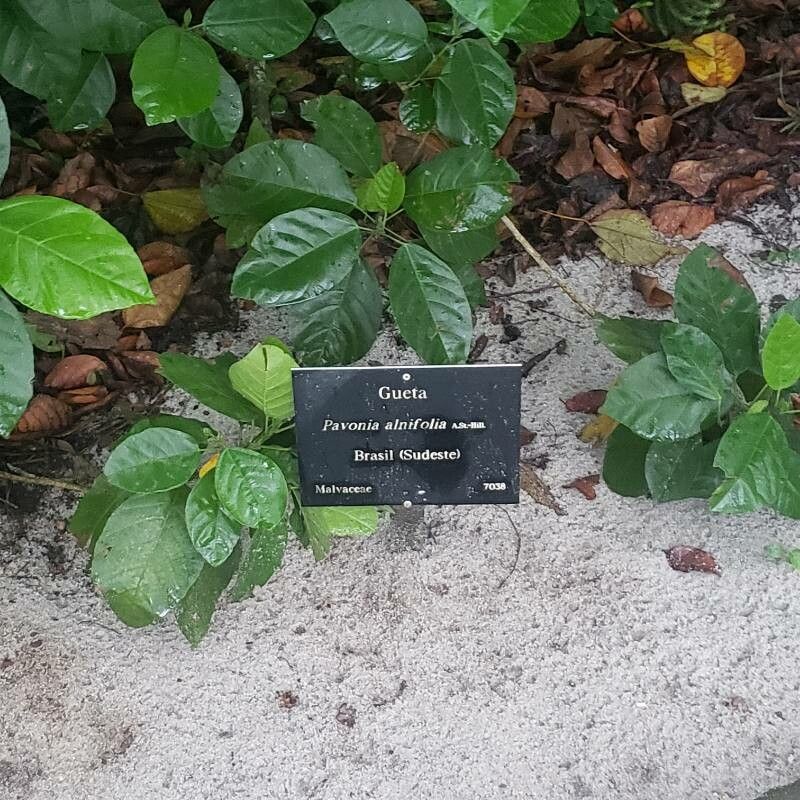
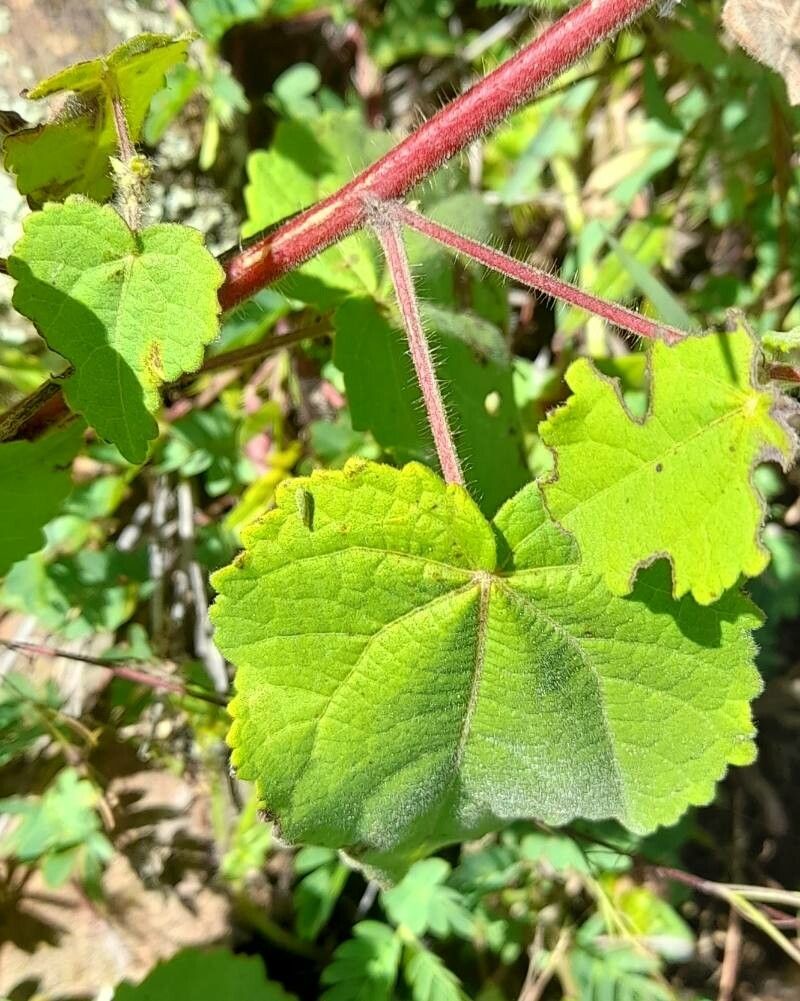
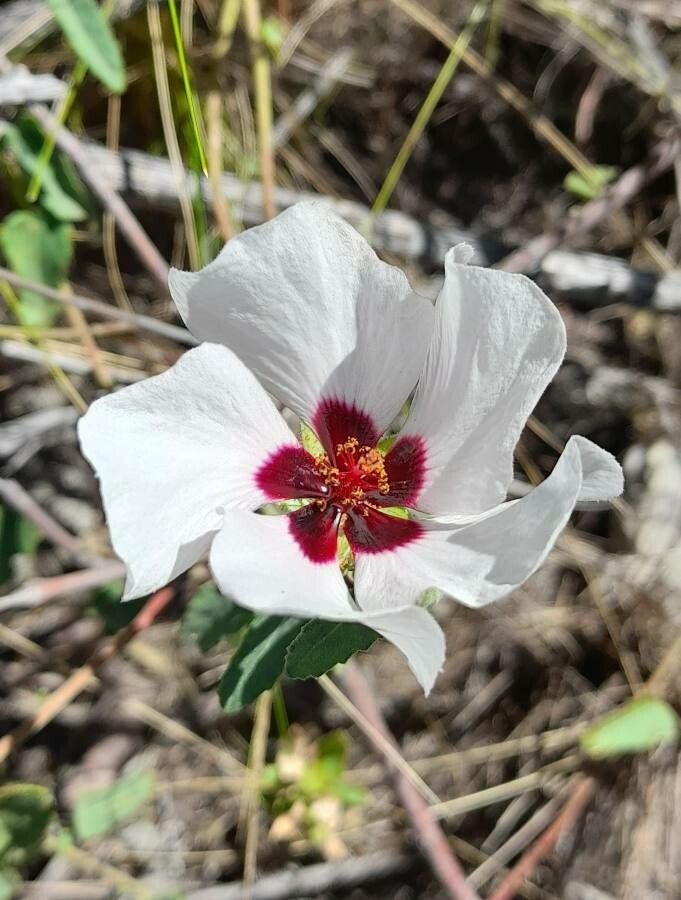
Shell flower is resistant to diseases and is generally unlikely to suffer from them. In terms of care, the plant is fairly low-maintenance. When grown outdoors it needs only minimal watering, and larger plants typically do not require pruning. Smaller plants, however, should be trimmed after they finish blooming. Shell flower is suitable for anyone with outdoor space, such as a garden or deck, and does not require much experience in plant care.
How to keep Pavonia Sepium.
Light
The shell flower thrives with plenty of light, becoming vigorous and healthy when it gets many hours of sun each day. Partially lit spots are acceptable, though full sun produces the best growth. Excessive sunshine can scorch the plant, while too little light can stunt its development. Its native habitat favored abundant light.
Water
The shell flower is well-suited for dry periods, as it thrives in environments with limited moisture. Its roots are designed to store water, enabling it to withstand drought conditions. For optimal care, water the plant sparingly—approximately every 2 to 3 weeks—and allow the soil to dry out between waterings. Its growth is influenced by rainfall; during wetter seasons, it requires even less watering.
Temperature
Shell flower comes from tropical areas, where the climate is generally warm and humid. As a result, it is adapted to high temperatures and moisture. It is sensitive to sudden temperature shifts and prefers a stable thermal environment, so avoiding indoor temperature fluctuations is important. It normally cannot tolerate cold conditions and needs warmer temperatures to grow. If the ambient temperature falls too low, the plant may stop growing or even die.
Fertilizer
The best time to fertilize a Shell flower is in early spring as it breaks dormancy. This stimulates overall growth and the development of flowers. Fertilization improves foliage, stems, and branches and encourages blooms that are large, vibrant, and long-lasting. It helps transfer nutrients from the roots to the flowers and enhances the plant’s health and resistance to disease.
Pruning
Shell flowers are known for their vibrant blooms and lush foliage. To enhance their appearance and promote a healthier shape, it is best to prune them in early spring. This involves removing dead stems and thinning out crowded branches. To ensure optimal ornamental appeal, focus on the plant's natural growth habit and follow reputable horticultural guidelines for best practices.
Botanical profile.
- Plant Type
- Shrub
- Life Cycle
- Perennial
- Genus
- Pavonia
- Family
- Malvaceae
- Hardiness Zone
- 9-11
- Mature Height
- 3.05 m
- Mature Spread
- 49 cm to 91 cm
- Leaf Color
- Green, Dark Green
- Leaf Type
- Semi-evergreen
- Flower Color
- Pink
- Flower Size
- 3.05 cm to 5.08 cm
- Bloom Time
- Summer, Early fall, Mid fall
- Planting Time
- Spring, Summer, Autumn
- Harvest Time
- Late summer, Fall, Early winter
- Native Area
- Brazil, Bolivia
Reader questions.
What are the sun requirements for Shell Flowers?
Shell Flowers require full sun exposure of more than 6 hours of sunlight to flourish, but they can also tolerate partial sun, which is about 3-6 hours of sunlight. It's crucial to observe the movement of sunlight through your garden to ensure plants receive the ideal balance of light and shade, aligning with their natural needs for optimal growth.
What is the botanical name of the Shell flower?
The botanical name of the Shell flower is Pavonia sepium.
What are the essentials for growing Shell Flowers successfully?
Growing Shell Flowers successfully hinges on providing them with ample sunlight, as they thrive in conditions that replicate their natural, light-abundant habitats. While these plants can grow in partially illuminated locations, achieving the best growth requires full sunlight. Be cautious of too much sun, which can lead to leaf scorch, or too little, which can stunt the plant's growth. In spaces with inadequate natural light, especially during winter, artificial lighting such as LED lamps can be a significant aid. These should provide 30-50W/sq ft for full sun plants, 20-30W/sq ft for partial sun plants, and 10-20W/sq ft for full shade plants. Correct positioning and duration of artificial light mimic natural conditions and promote healthy growth.
What are common symptoms of inadequate sunlight in Shell Flowers?
When Shell Flowers don't receive enough sunlight, they may exhibit symptoms like smaller new leaves, leggy or sparse growth, faster leaf drop, slowed or ceased growth, lighter-colored new leaves, or even chlorosis, where leaves lose their green color. Excessive sunlight can cause symptoms such as sunscald, leaf curling, wilting, and leaf scorching. These signs indicate that the plant is struggling to photosynthesize efficiently, which impacts their health and growth.
How can you address sunlight-related issues for Shell Flowers?
To optimize Shell Flower growth under inadequate lighting, gradually increase their exposure to sunlight to at least 6 hours daily, preferably through a south-facing window or by using artificial lights like grow lights or lamps for at least 8 hours per day. For outdoor plants, it's essential to move them to sunnier spots progressively to prevent sunburn. If sunlight is obstructed, reducing barriers like pruning trees can help. For smaller plants, consider transplanting during their dormant periods to places with better light conditions and drainage. Note that parts of the plant damaged due to poor light may not recover, but new growth should be healthy with improved lighting conditions.