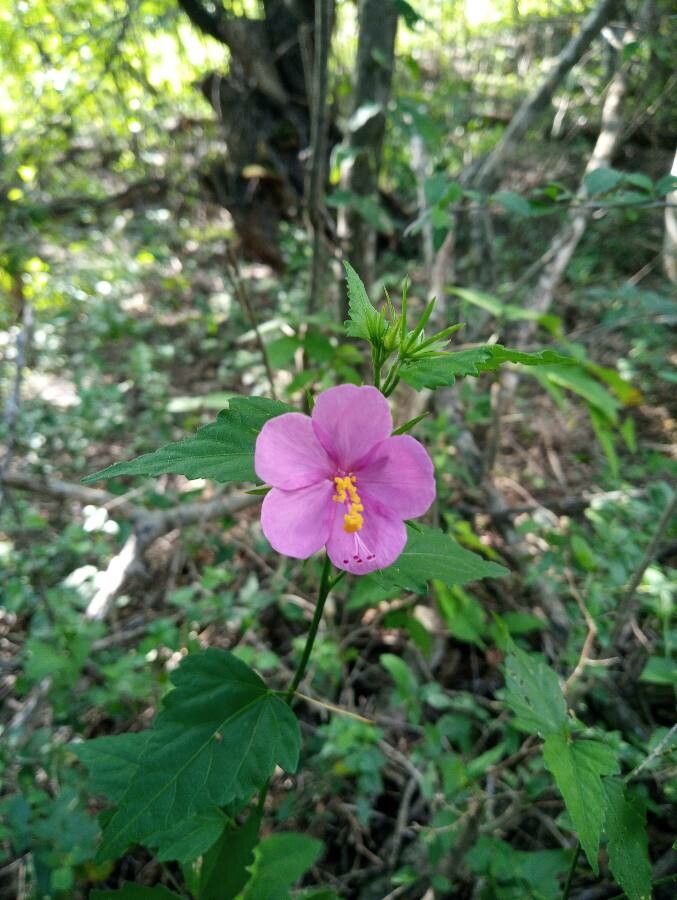
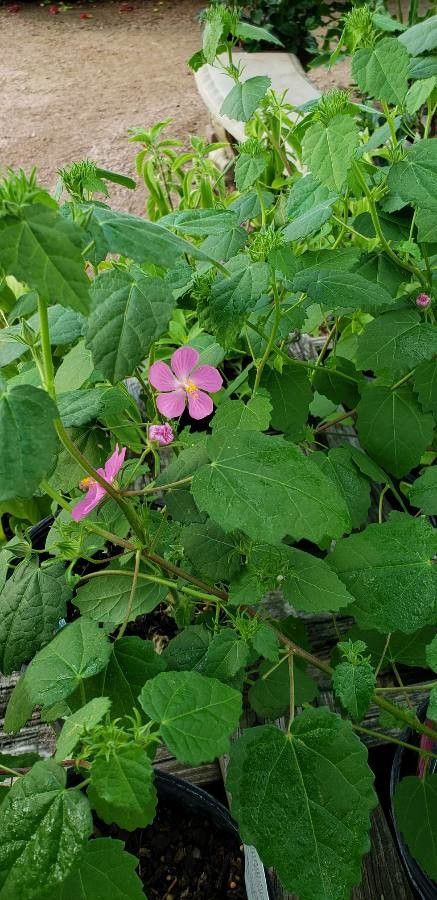
Pavonia lasiopetala, commonly known as the Rock Rose or Rose Pavonia, is a flowering plant species in the Malvaceae family. Native to Mexico, it can be found in various regions, including Chihuahua and Durango. This plant typically grows up to 1 meter in height and has a shrub-like appearance with woody stems.
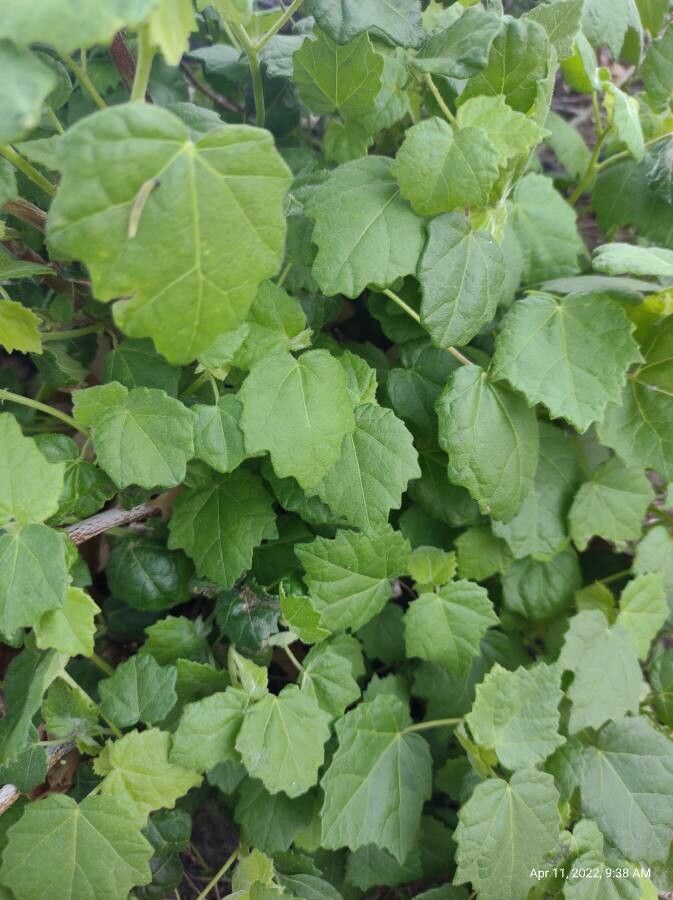
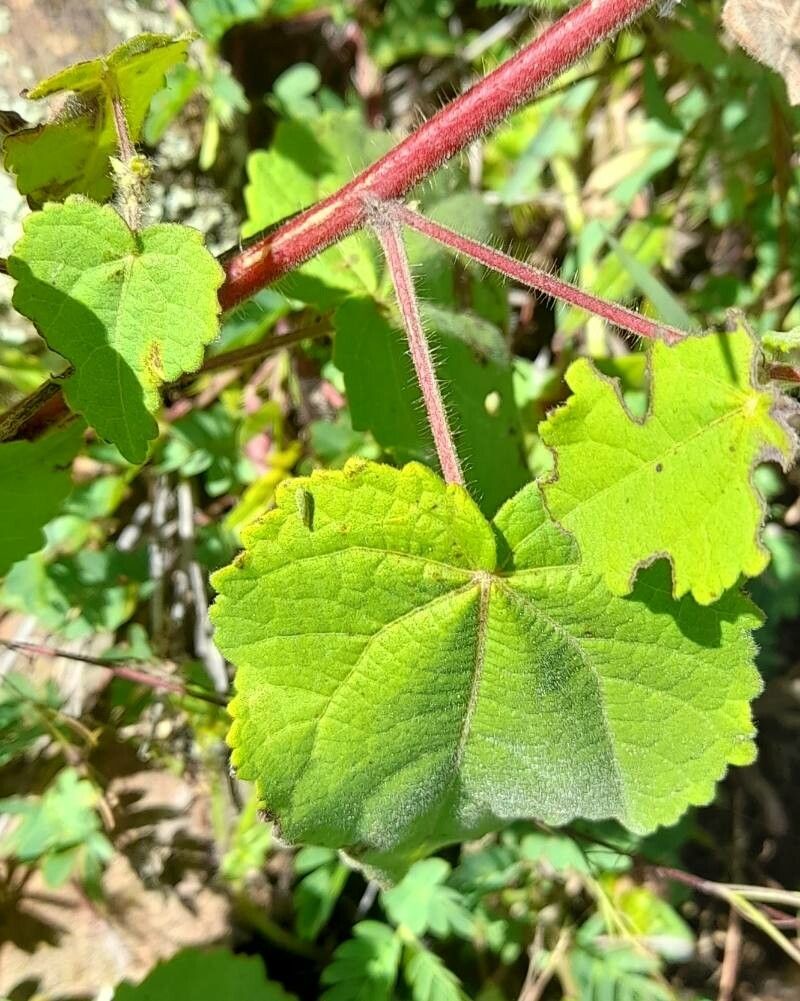
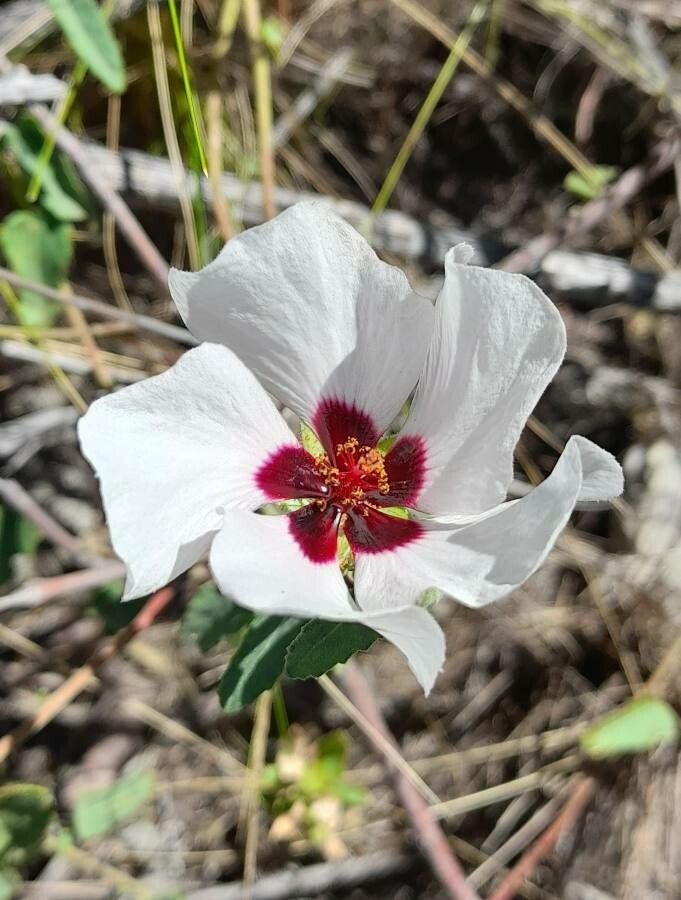
The leaves of Pavonia lasiopetala are dark green with a velvety texture on both sides. Its flowers are pink or purple, featuring five petals that form a cup-like shape. Blooming from late spring through early fall, these flowers attract pollinators such as bees and butterflies.
Pavonia lasiopetala prefers well-drained soil and full sun exposure but can tolerate partial shade. Once established, it is drought-tolerant but benefits from occasional watering during prolonged dry spells.
Among indigenous communities, this plant has various medicinal uses, including treating respiratory ailments like coughs, colds, bronchitis, asthma, and sore throat, due to its anti-inflammatory properties.
Overall, Pavonia lasiopetala is an attractive ornamental shrub that enhances garden beauty while also offering medicinal benefits for those who use it in traditional remedies.
Texas Swamp-Mallow shows good resistance to disease and is generally not prone to illnesses. As for care, the plant is fairly low-maintenance. When grown outdoors it needs only light watering, and larger specimens usually do not require pruning. Smaller plants, however, should be trimmed after they finish blooming. Texas Swamp-Mallowt is appropriate for anyone who has outdoor space—like a garden or a deck—and does not demand extensive care experience.
How to keep Pavonia Lasiopetala.
Light
Texas Swamp-Mallow thrives on plentiful sunlight, with its growth and vigor closely tied to sun exposure. While it can cope with a mix of sun and shade, steady sunlight benefits it the most. Low light may inhibit its growth, whereas abundant sun does not damage its health.
Water
The Texas Swamp-Mallow thrives in moist environments and prefers consistent moisture. Although it can tolerate moderate drought, weekly watering helps keep it well-hydrated. As an outdoor plant, it needs to be monitored during dry spells to support its growth, with a particular preference for rainwater.
Temperature
Texas Swamp-Mallow is native to areas with moderate to high temperatures, preferring between 59 to 100 °F (15 to 38 ℃). In colder climates, seasonal adjustments may be needed to maintain optimal growth.
Fertilizer
Timing is important for fertilizing Texas swamp-mallow. Apply fertilizer in early spring and repeat once a month through early summer. Fertilizer encourages attractive blooms and supplies energy during both dormant periods and active growth.
Pruning
The Texas Swamp-Mallow, famous for its vibrant pink flowers, requires minimal but strategic pruning in late spring after it has finished blooming. Focus on removing any dead, damaged, or overcrowded stems to encourage growth and improve air circulation. This promotes healthier flowering and helps maintain a balanced structure, which reduces the risk of diseases and pests.
Botanical profile.
- Plant Type
- Shrub
- Life Cycle
- Perennial
- Genus
- Pavonia
- Family
- Malvaceae
- Hardiness Zone
- 8-11
- Mature Height
- 1.22 m
- Mature Spread
- 91 cm
- Leaf Color
- Green, Blue
- Leaf Type
- Evergreen, Deciduous
- Flower Color
- Pink, Purple
- Flower Size
- 3.81 cm
- Bloom Time
- All year round
- Planting Time
- Autumn
- Harvest Time
- All year round
- Native Area
- Mexico
Other names.
Reader questions.
What is the ideal temperature range for Texas Swamp-Mallow?
Texas Swamp-Mallow thrives in environments with moderate to high temperatures, ideally between 59 to 100 °F (15 to 38 °C). In these conditions, it can grow optimally, adjusting its needs seasonally in colder climates to maintain its health and vigor.
Does Texas Swamp-Mallow need protection from cold temperatures?
Texas Swamp-Mallow has some degree of cold tolerance and typically does not require additional protective measures if the temperature stays above -5°C. However, if temperatures are expected to drop below -5°C, it's essential to temporarily protect the plant using plastic film, fabric, or other materials to shield it from the cold. These protective coverings should be removed once temperatures rise to prevent any potential damage from overheating or excessive moisture.
How does Texas Swamp-Mallow react to low temperatures and how can it be protected?
At low temperatures, particularly when it drops below 15°C, Texas Swamp-Mallow has a moderate tolerance but may start showing distress signs such as drooping leaves when temperatures fall below -10°C. In mild cases, the plant can recover, but severe cold may result in wilting and leaf loss. To protect the plant in cold weather, remove any frost-damaged parts and wrap the plant in non-woven fabric or cloth, also considering a wind barrier for extra protection against cold winds.
What should be done if Texas Swamp-Mallow experiences high temperatures?
During the summer, it's important to ensure Texas Swamp-Mallow remains below 38°C to avoid stress from high temperatures. Exceeding 43°C may cause the leaves to lighten in color, tips to dry out, leaves to curl, and increase susceptibility to sunburn. To mitigate these effects, trim away any sunburned or dried parts of the plant, relocate it to a shaded area or use shade cloth during the intense midday and afternoon sun, and water the plant in the morning and evening to maintain moist soil conditions.