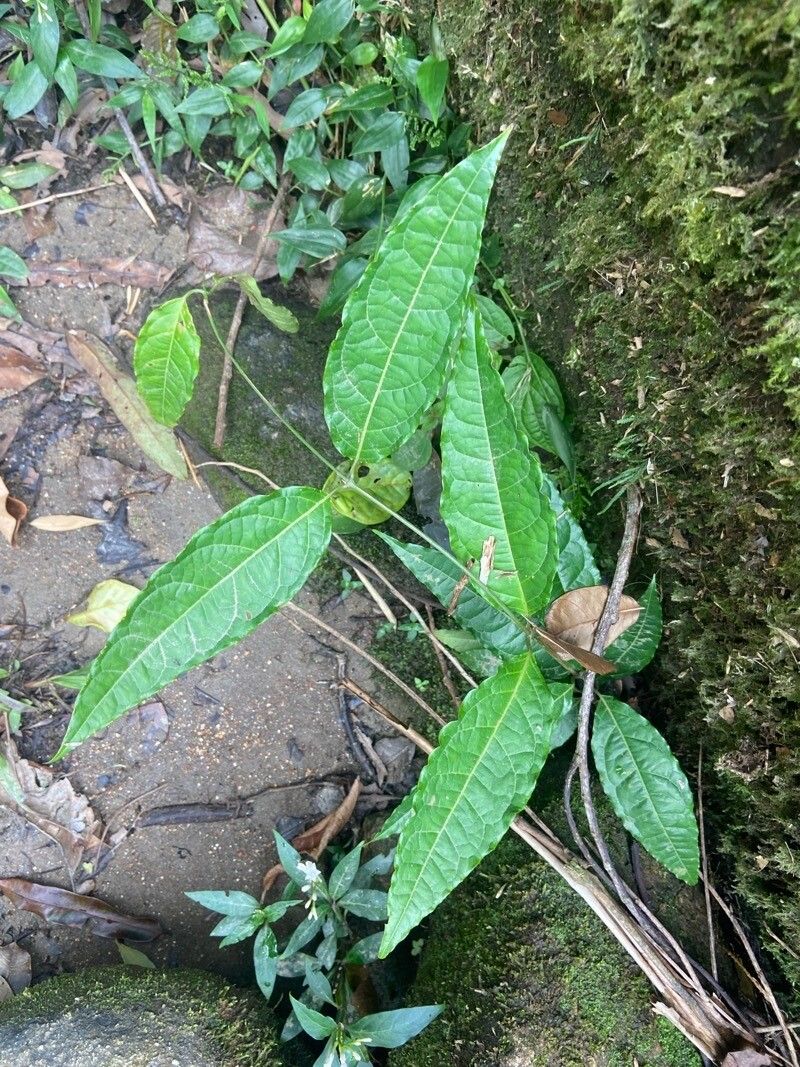
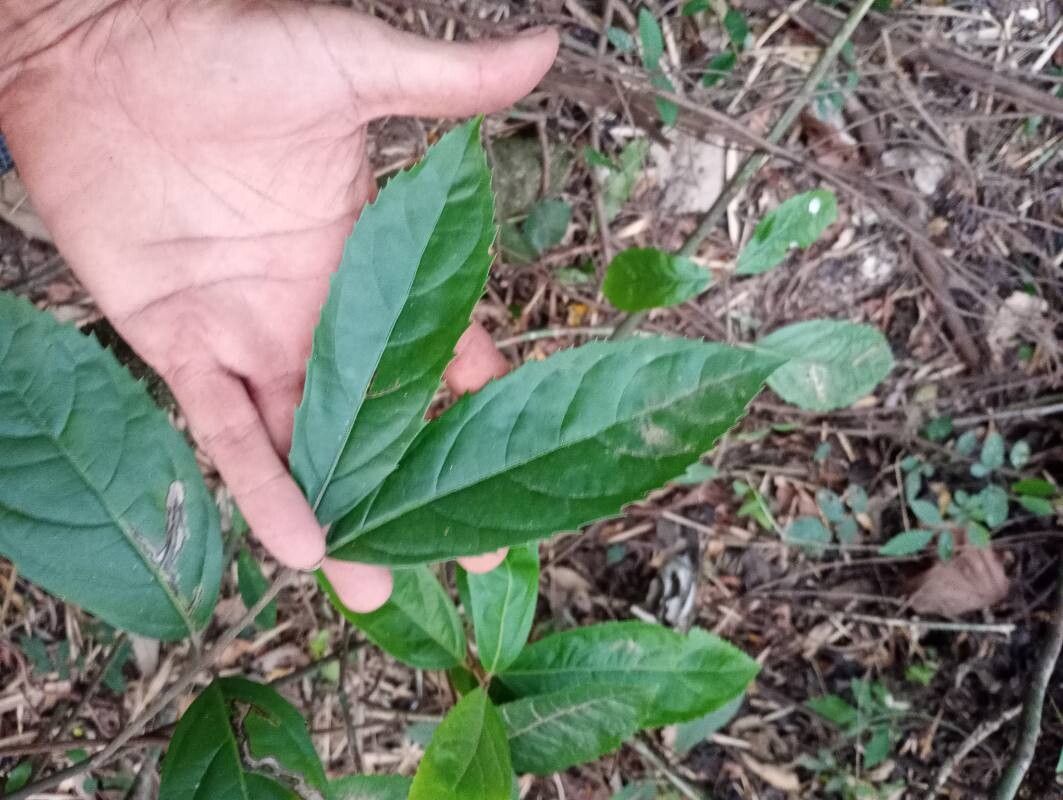
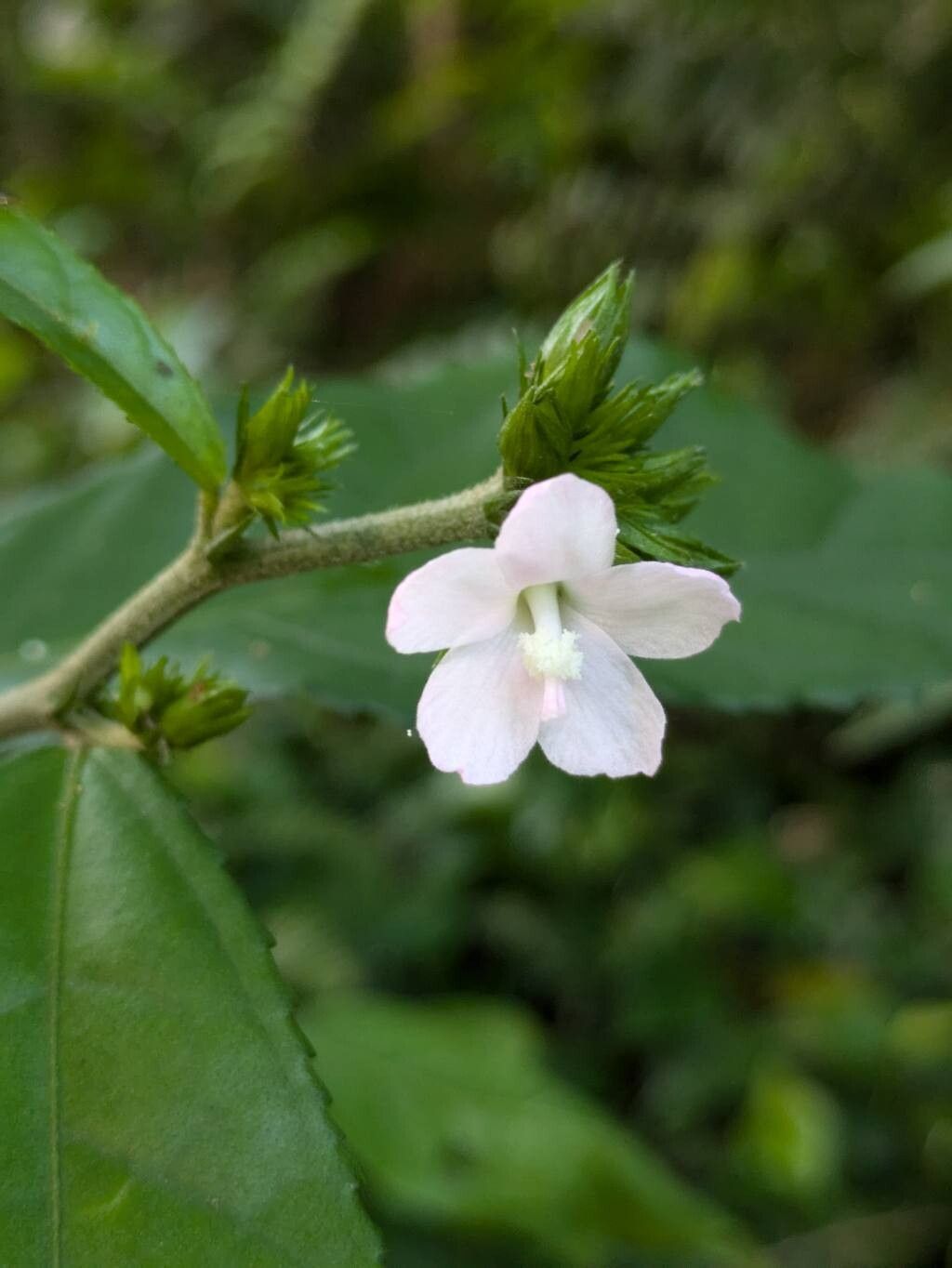
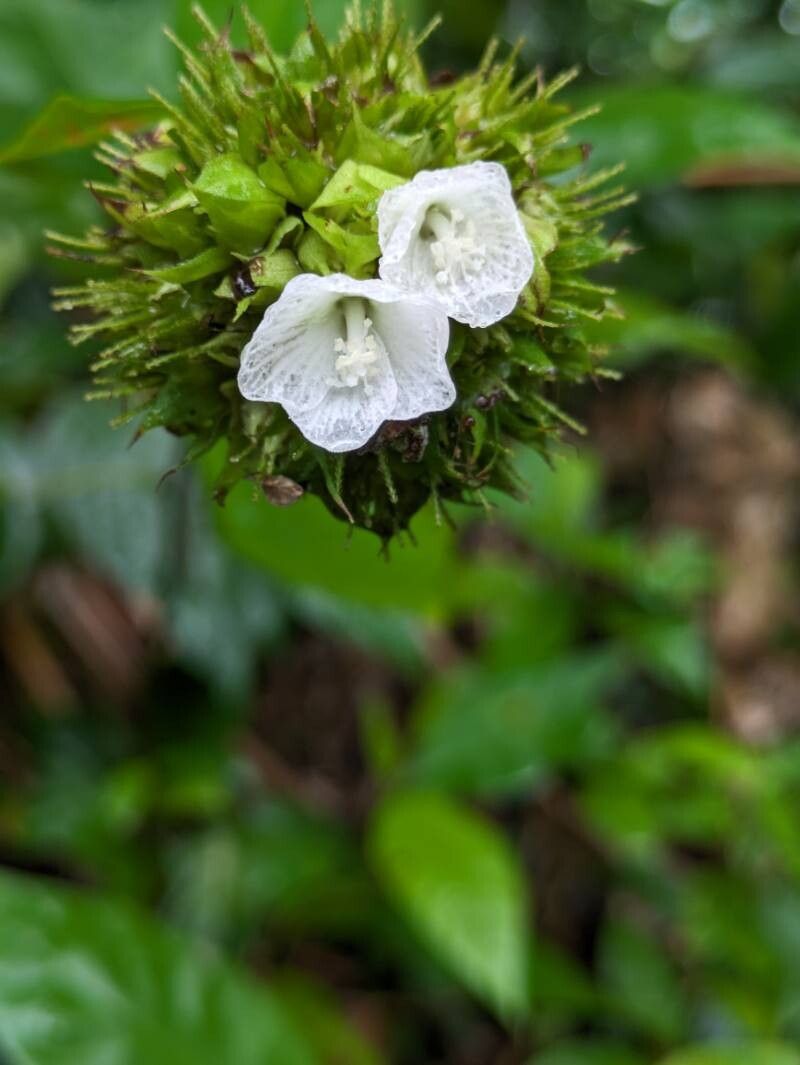
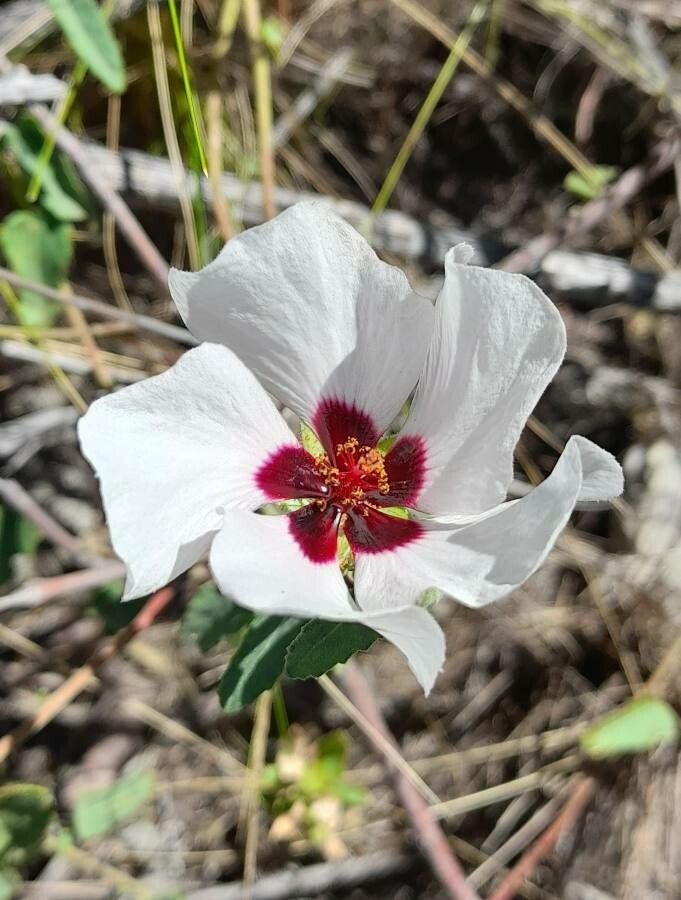
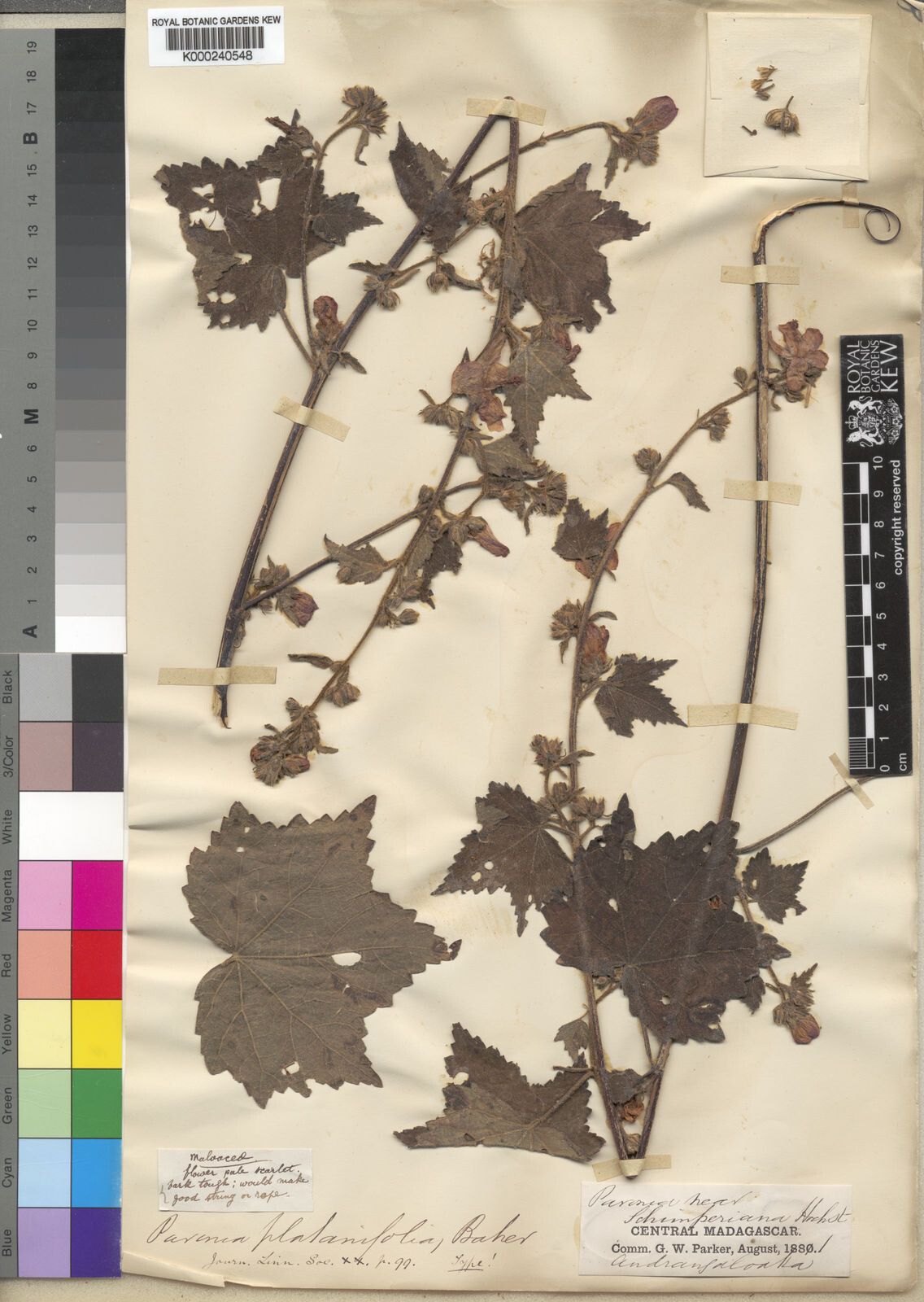
Anamu shows strong resistance to disease and is typically not susceptible to illnesses. Regarding care, this plant is relatively low-maintenance. Planted outdoors it needs only minimal watering, and larger specimens usually do not require pruning. Smaller plants, however, should be pruned after they have bloomed. Anamut is suitable for anyone with an outdoor area, such as a garden or deck, and does not demand much prior care experience.
How to keep Pavonia Fruticosa.
Light
Anamu comes from open habitats, such as sunlit meadows and forest margins, which provide abundant light. It prefers full sun but can also tolerate partial sun, adapting well to a range of sunlight conditions.
Temperature
Anamu comes from tropical areas, where the weather is usually warm and humid. Consequently, it is well suited to high heat and humidity. It does not tolerate sudden temperature shifts and prefers a consistent temperature, so avoiding indoor temperature fluctuations is important. It generally cannot withstand cold and needs warmer conditions to grow. If the ambient temperature falls too low, the plant may stop growing or even die.
Fertilizer
An ideal time to fertilize an Anamu is in early spring when it comes out of dormancy. This encourages overall growth and flower development. Fertilization improves the foliage, stems, and branches, while encouraging flowers that are large, vibrant, and long-lasting. It helps move nutrients from the roots to the flowers and enhances the plant’s health and resistance to disease.
Pruning
Anamu is a plant known for its aromatic leaves and small white flowers. To promote healthy growth, prune it in early spring by removing dead branches and thinning it to improve airflow. Light trimming helps encourage denser foliage and more blooms while also deterring pests. Always use clean, sharp tools to ensure you don't damage the plant.
Botanical profile.
- Plant Type
- Shrub
- Life Cycle
- Perennial
- Genus
- Pavonia
- Family
- Malvaceae
- Hardiness Zone
- 10-11
- Mature Height
- 0.91 m to 2.13 m
- Mature Spread
- 49 cm to 91 cm
- Leaf Color
- Green, Dark Green
- Leaf Type
- Evergreen
- Flower Color
- Pink
- Flower Size
- 5.08 cm to 6.35 cm
- Bloom Time
- All year round
- Planting Time
- Spring, Summer, Autumn
- Harvest Time
- All year round
- Native Area
- Colombia, Cuba, Bolivia, Venezuela, Peru, Guyana, Brazil, Ecuador, Costa Rica, Panama, Jamaica
Other names.
Reader questions.
How much sun does Anamu require?
Anamu, known botanically as Pavonia fruticosa, thrives in various sunlight conditions. To ensure optimal growth, places receiving full sun, which is defined as more than 6 hours of sunlight a day, are ideal. However, Anamu can also grow well in partial sun, requiring about 3 to 6 hours of sunlight daily. It's important to observe the movement of sunlight through your garden to find locations that offer a suitable balance of light and shade, which will contribute to the plants' wellbeing.
What is Anamu's botanical name?
The botanical name for Anamu is Pavonia fruticosa. Anamu is known by this scientific designation, which classifies it within the botanical taxonomy.