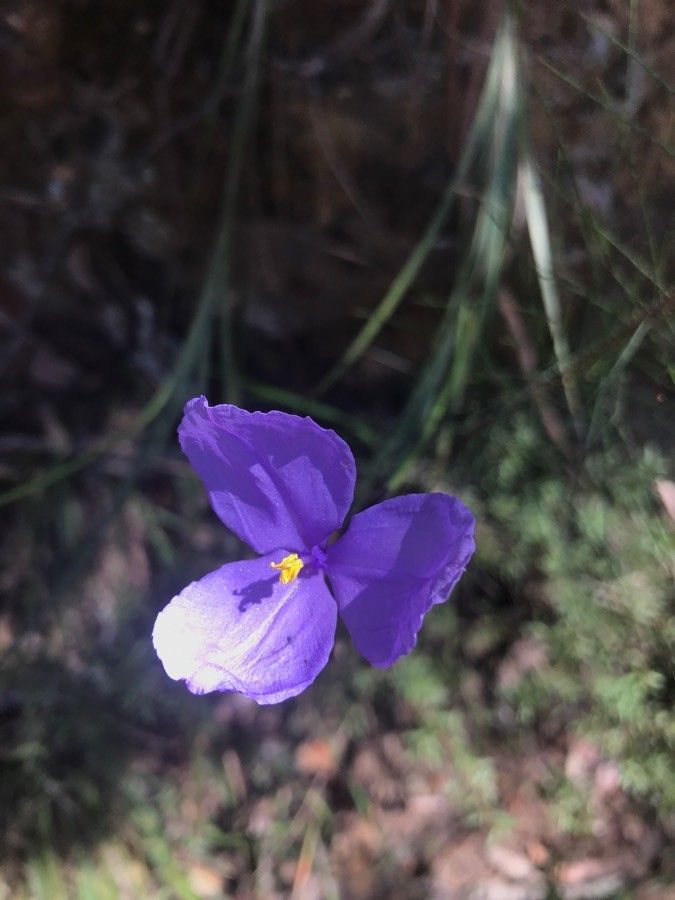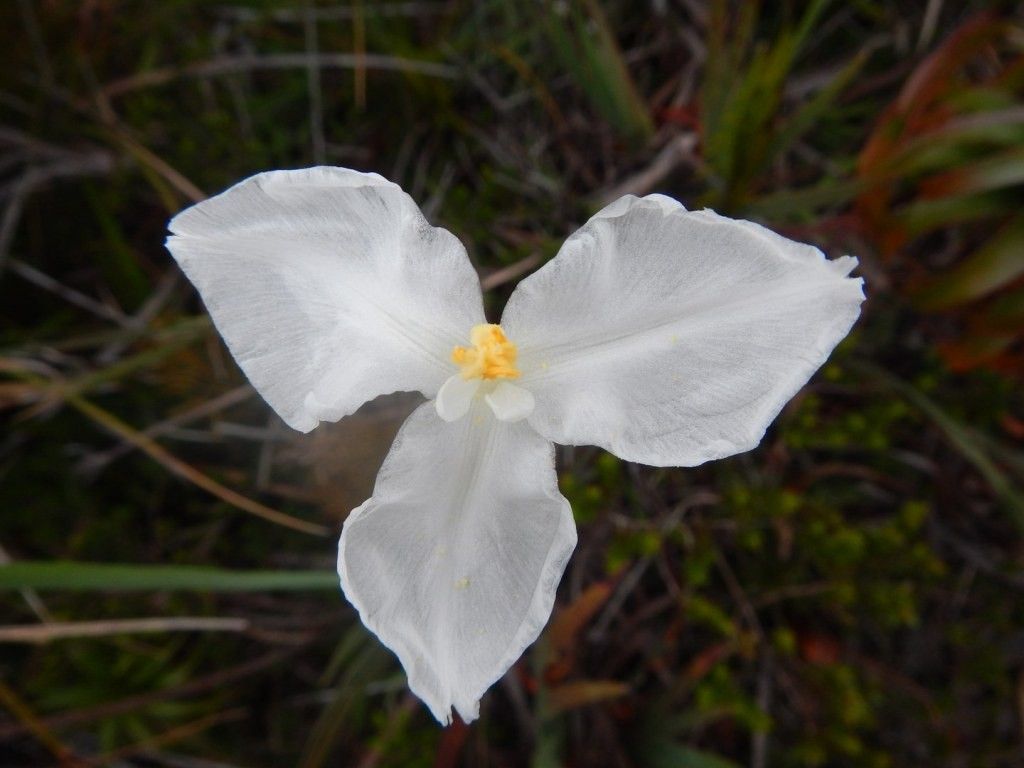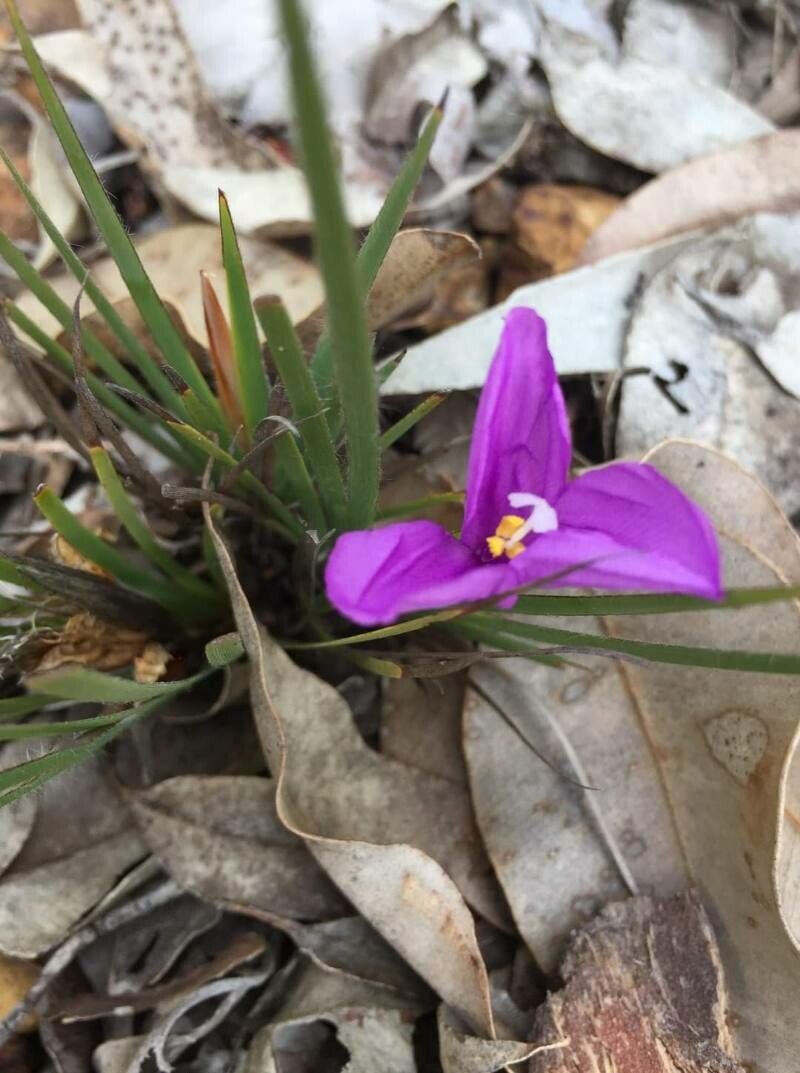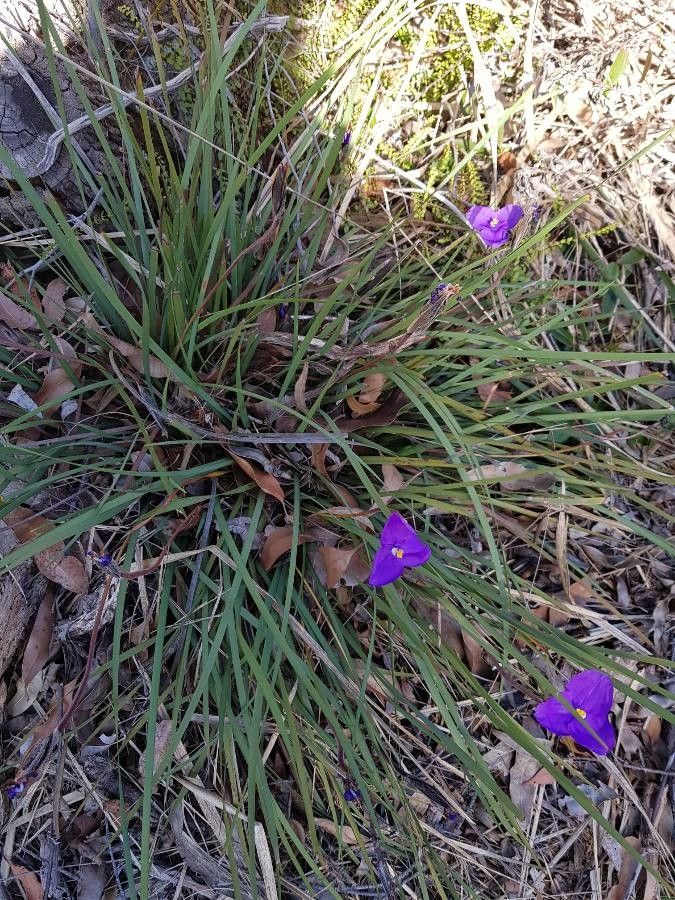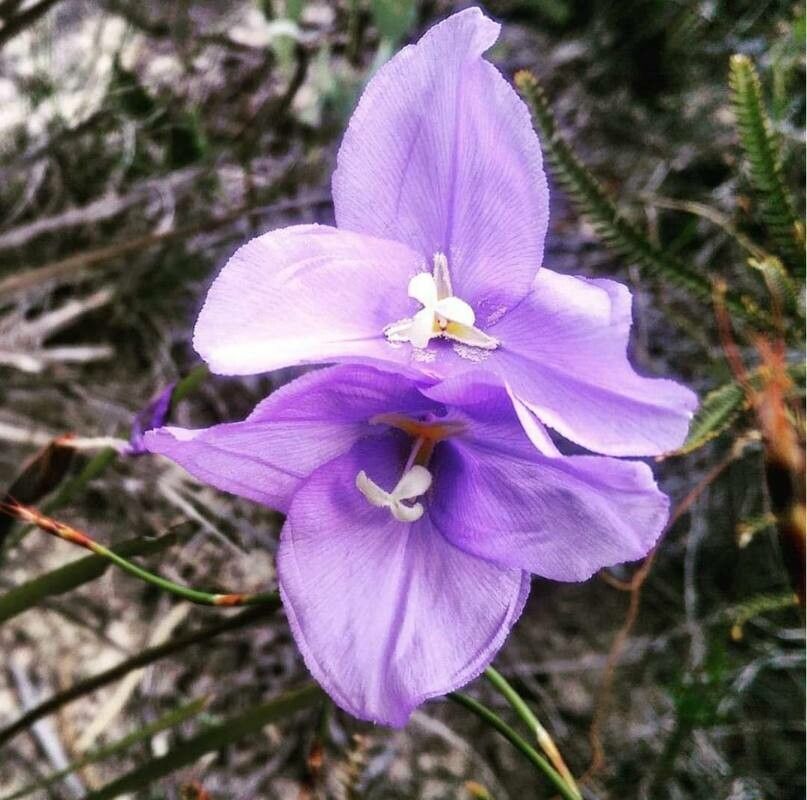
Patersonia occidentalis, commonly known as purple flag, or long purple-flag, is a species of flowering plant in the family Iridaceae and is endemic to southern Australia. It is a tufted, rhizome-forming perennial with narrow, sharply-pointed, strap-like leaves, egg-shaped, bluish violet sepals and a cylindrical capsule. The Noongar name for the plant is komma.
Purple flag is fairly disease-resistant and generally not prone to illness. Still, it can be affected by pests and diseases present nearby, though these problems are usually mild. Regarding care, this plant needs moderate maintenance. It should be pruned regularly to preserve a neat appearance and healthy growth. Fertilizing can also encourage flowering. Purple flag is well suited for anyone with an outdoor area, like a garden or patio, and does not demand extensive care experience. It may need more attention if kept indoors.
How to keep Patersonia Occidentalis.
Light
Purple flag is a sun-loving, perennial herbaceous plant native to open habitats, commonly found in meadows and grasslands. It prefers full sun but can also tolerate partial sun.
Temperature
Purple flag can tolerate a wide range of temperatures, but its distribution can still be constrained by various combinations of moisture and heat. It grows best in warm summer climates with sufficient rainfall or watering. Extended stretches of cloudy, rainy weather or prolonged high temperatures can raise the likelihood of Purple flag dying. In winter, protecting it from cold can boost the plant’s survival rate.
Fertilizer
The best time to fertilize a Purple flag is in early spring, when it is coming out of dormancy and starting active growth. Fertilizing supplies essential nutrients for healthy development. While Purple flag has fairly low fertilizer requirements, applying fertilizer annually can improve its survival and encourage better, longer-lasting blooms.
Pruning
The purple flag plant benefits greatly from pruning in the spring. Focus on removing dead or damaged leaves and faded flower spikes to improve airflow and extend the blooming period. Regular pruning not only enhances the plant's vigor and shape but also helps prevent disease by using clean tools. This practice maintains the plant's aesthetic appeal and maximizes its flowering potential.
Botanical profile.
- Plant Type
- Herb
- Life Cycle
- Perennial
- Genus
- Patersonia
- Family
- Iridaceae
- Hardiness Zone
- 8-11
- Mature Height
- 30 cm to 61 cm
- Mature Spread
- 30 cm to 49 cm
- Leaf Color
- Dark Green
- Leaf Type
- Evergreen
- Flower Color
- Purple
- Flower Size
- 5.08 cm to 6.35 cm
- Bloom Time
- Mid fall, Late fall, Early winter
- Planting Time
- Spring, Summer
- Harvest Time
- Winter