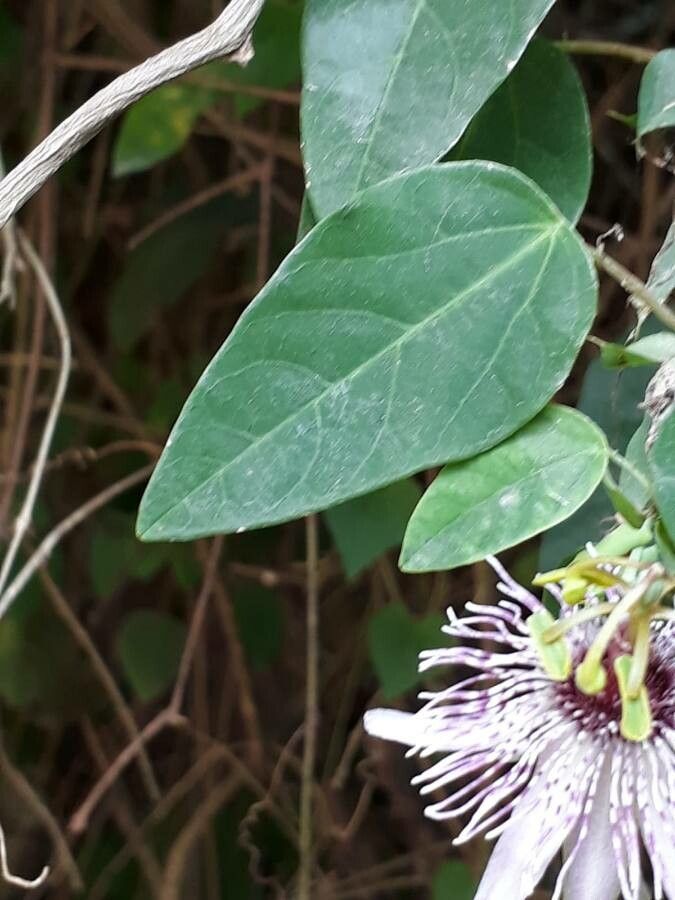
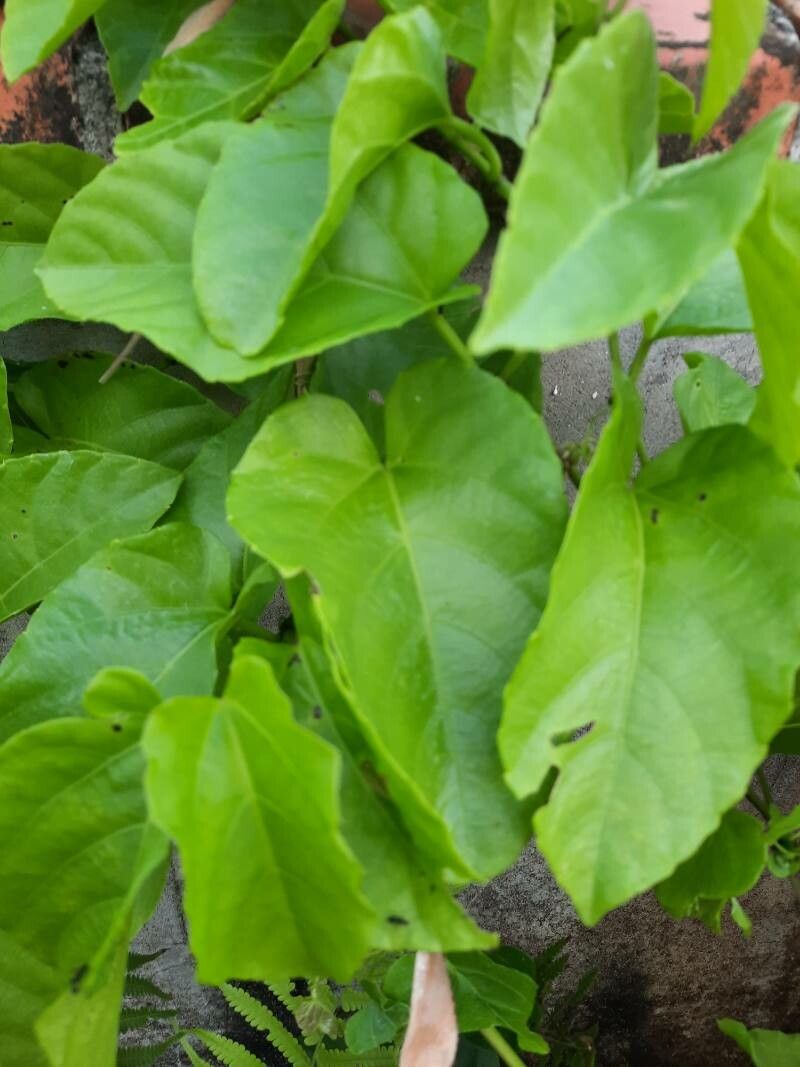
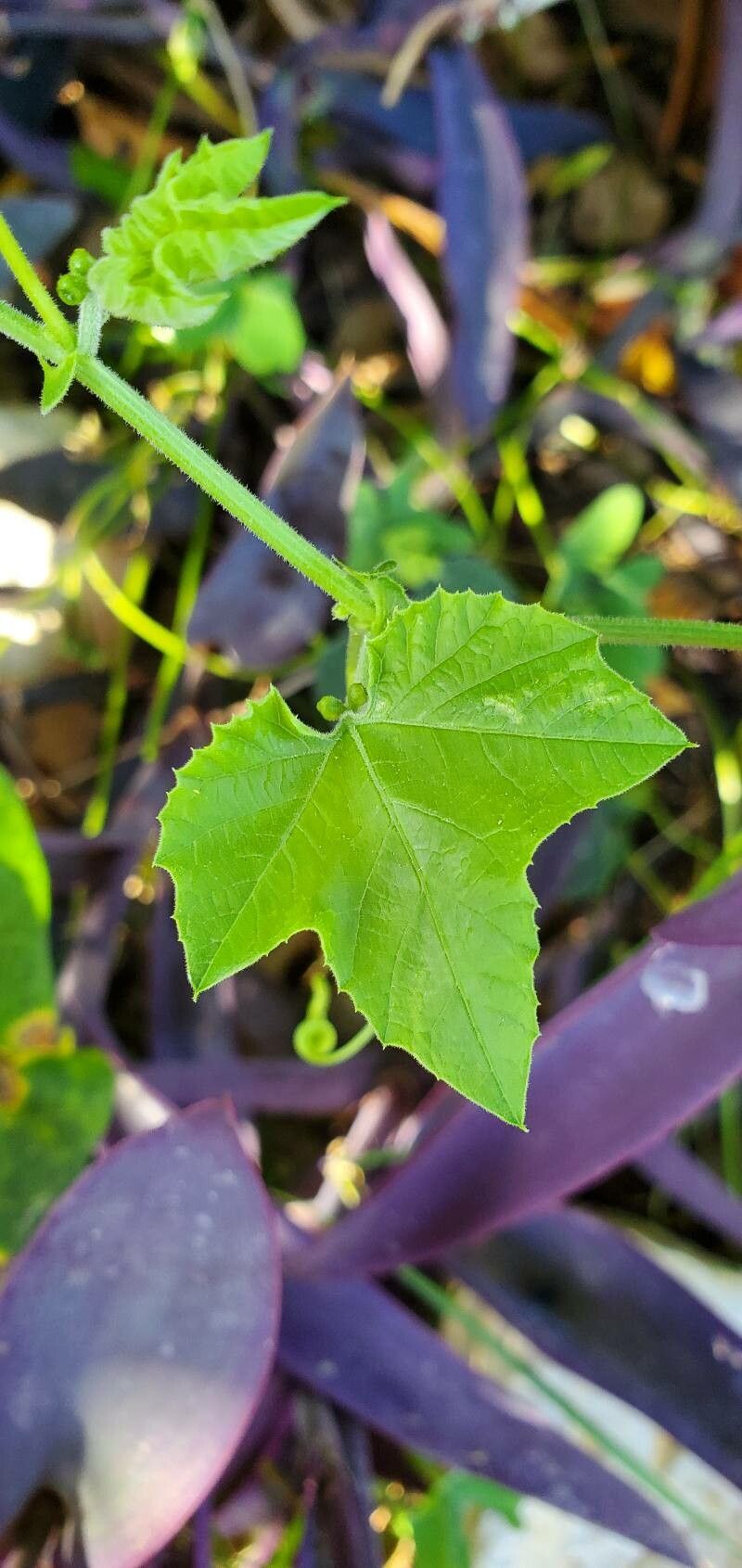
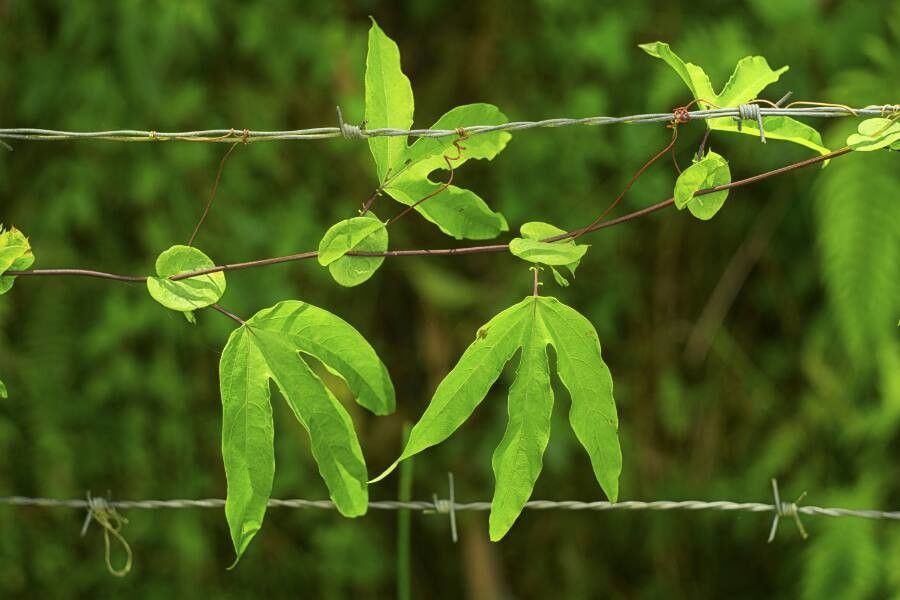
Passiflora serratifolia is a species of Passiflora from Suriname.
Passiflora serratifolia has strong disease resistance and usually does not tend to get diseases. However, it can be vulnerable to pests and diseases present in its surroundings, and these infections are typically not severe. In terms of care, this plant needs moderate maintenance. It requires regular pruning to keep a good appearance and support healthy growth. Fertilizing can also help encourage flowering. Passiflora serratifolia is suitable for anyone with outdoor space, such as a garden or patio, and does not demand extensive care experience. It may need more attention when grown indoors.
How to keep Passiflora Serratifolia.
Light
Passiflora serratifolia is native to habitats such as forest understories or rocky areas, where it occurs in naturally shaded conditions. It prefers partial sun but can adapt to full sun or full shade, showing its versatile and hardy nature.
Water
Passiflora serratifolia thrives in high humidity and needs consistently moist soil without becoming waterlogged. It requires weekly watering to stay hydrated, particularly during warmer months. This plant is usually grown outdoors so it can take advantage of natural rainfall.
Temperature
Passiflora serratifolia comes from tropical areas, where the climate is generally warm and humid. Consequently, it is well suited to high temperatures and humidity. It does not tolerate sudden temperature shifts and prefers a steady thermal environment, so avoiding temperature fluctuations indoors is important. It typically cannot endure cold and needs warmer conditions to grow. If the ambient temperature falls too low, the plant may stop growing or even die.
Fertilizer
Proper fertilization is essential for Passiflora serratifolia's health and appearance. Apply fertilizer during the summer, repeating the application monthly throughout the season. Nutrients fuel growth and help maintain the plant's parts. Fertilization improves Passiflora serratifolia's flower display, ensuring the best blooms.
Pruning
To ensure Passiflora serratifolia thrives, it is important to prune it in early spring. Focus on removing dead or damaged growth and thinning out branches to improve air circulation. This technique promotes vigorous growth and flowering, aligning with the plant's natural growth cycle. Additionally, make sure to use sharp, clean tools to prevent the spread of disease.
Botanical profile.
- Plant Type
- Vine, Herb
- Life Cycle
- Perennial
- Genus
- Passiflora
- Family
- Passifloraceae
- Hardiness Zone
- 9-11
- Mature Height
- 3.05 m to 6.1 m
- Mature Spread
- 2.13 m to 3.96 m
- Leaf Color
- Forest Green, Olive Drab
- Leaf Type
- Evergreen
- Flower Color
- Yellow, White
- Flower Size
- 6.35 cm to 7.62 cm
- Bloom Time
- All year round
- Planting Time
- Spring, Autumn
- Harvest Time
- All year round
- Native Area
- Belize, Honduras, Mexico, Guatemala, Nicaragua, Costa Rica
Reader questions.
What are the sunlight requirements for Passiflora serratifolia?
Passiflora serratifolia requires specific conditions of sunlight to thrive. For full sun exposure, it needs above 6 hours of sunlight daily. If the plant is in partial sun, about 3-6 hours of sunlight is sufficient. It's important to observe how sunlight moves through your garden throughout the day. Selecting the right spots that offer a harmonious balance of light and shade is crucial for the wellbeing of your Passiflora serratifolia, ensuring its happiness and healthy growth.