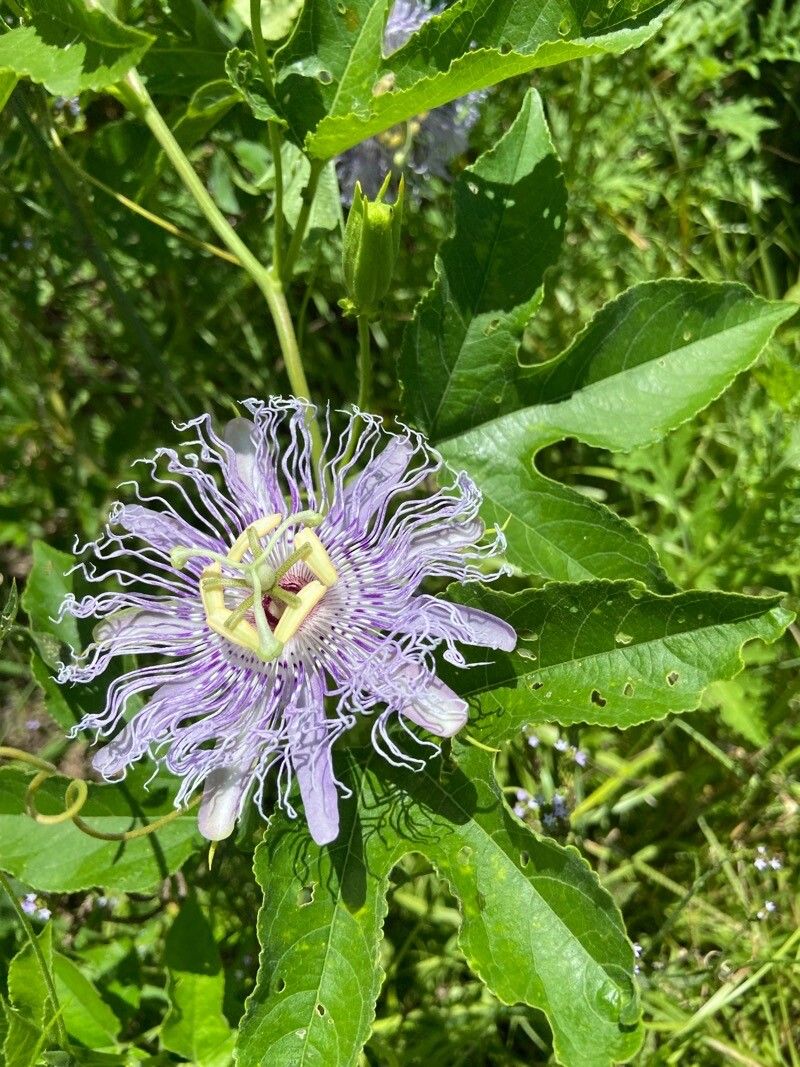
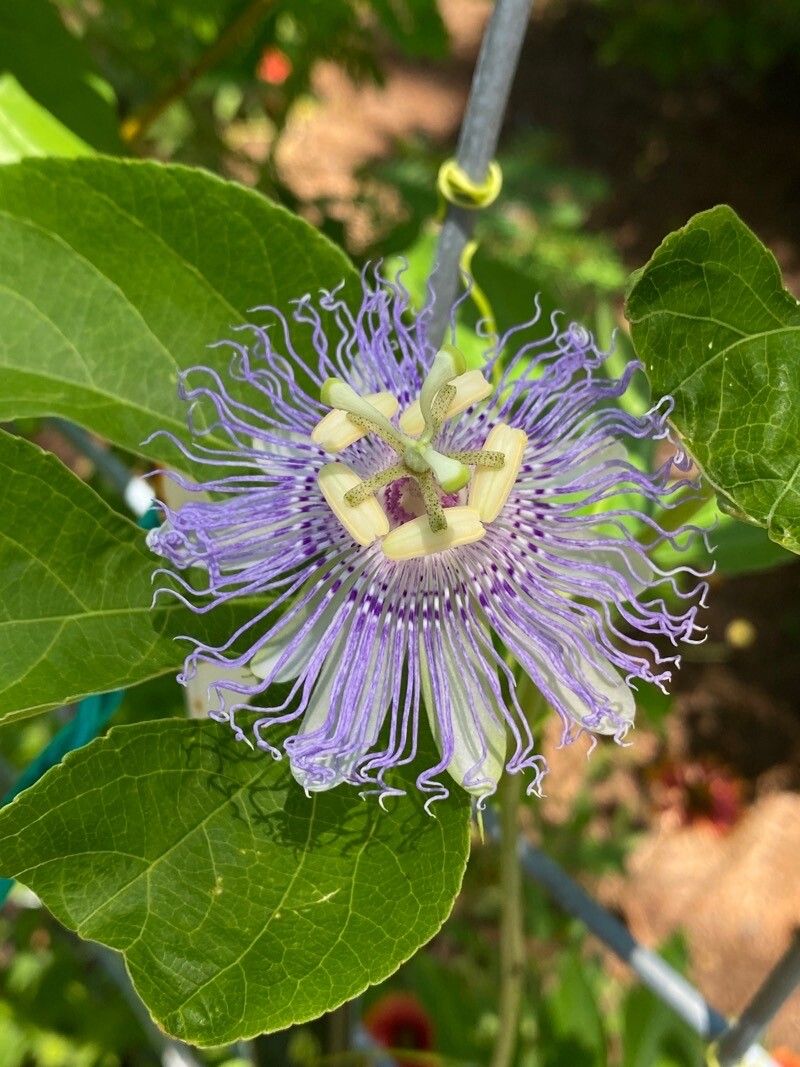
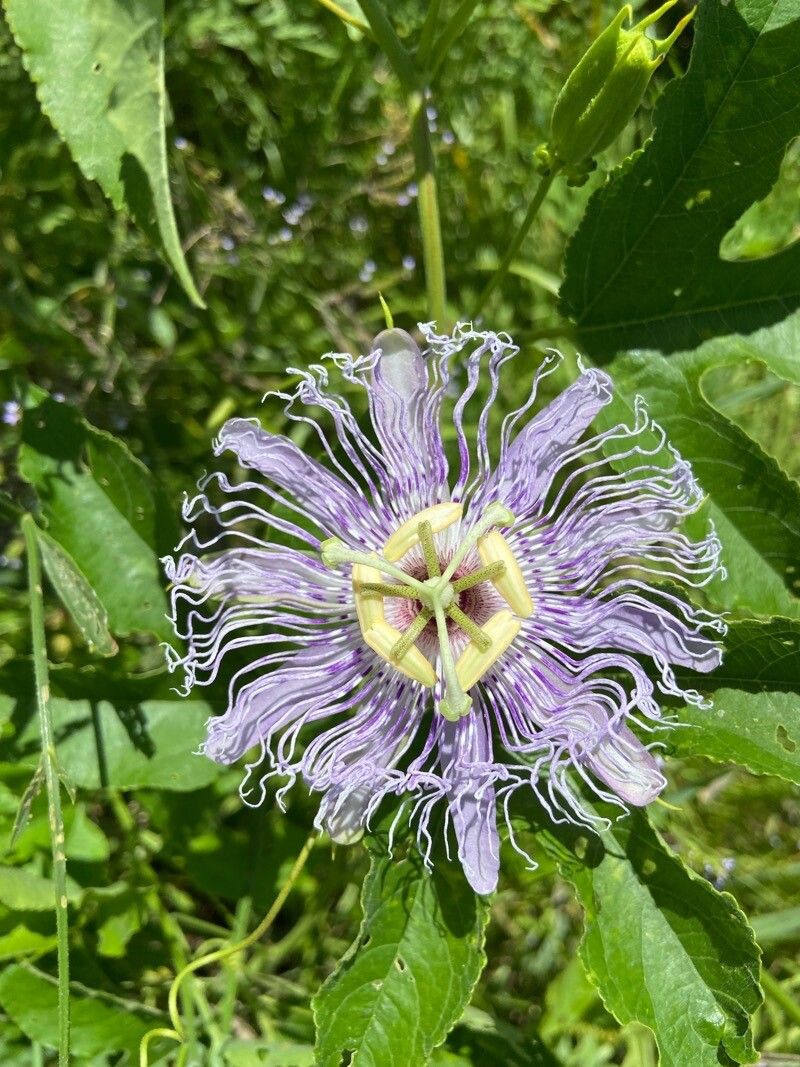
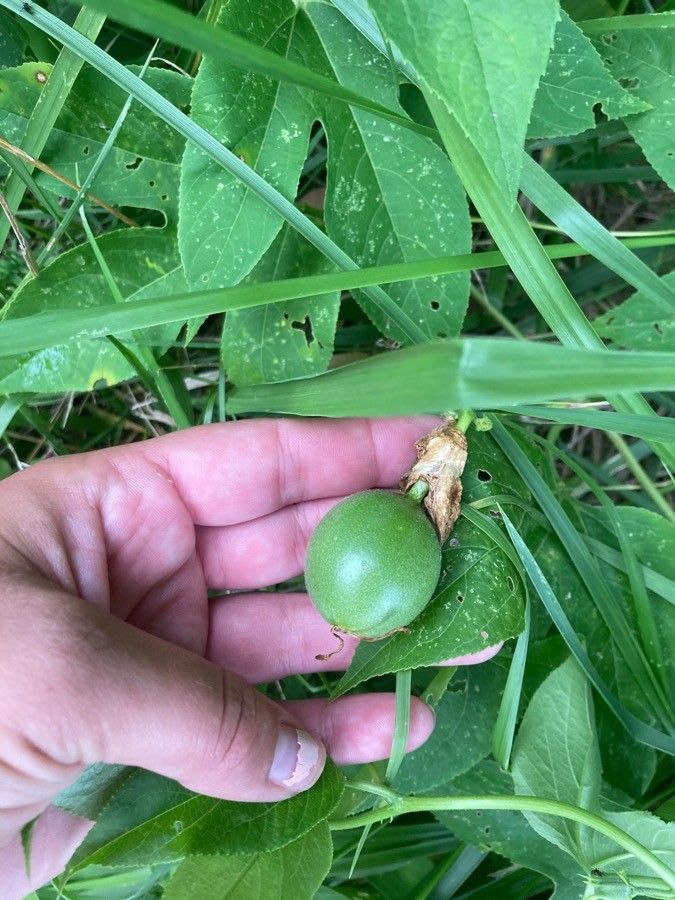
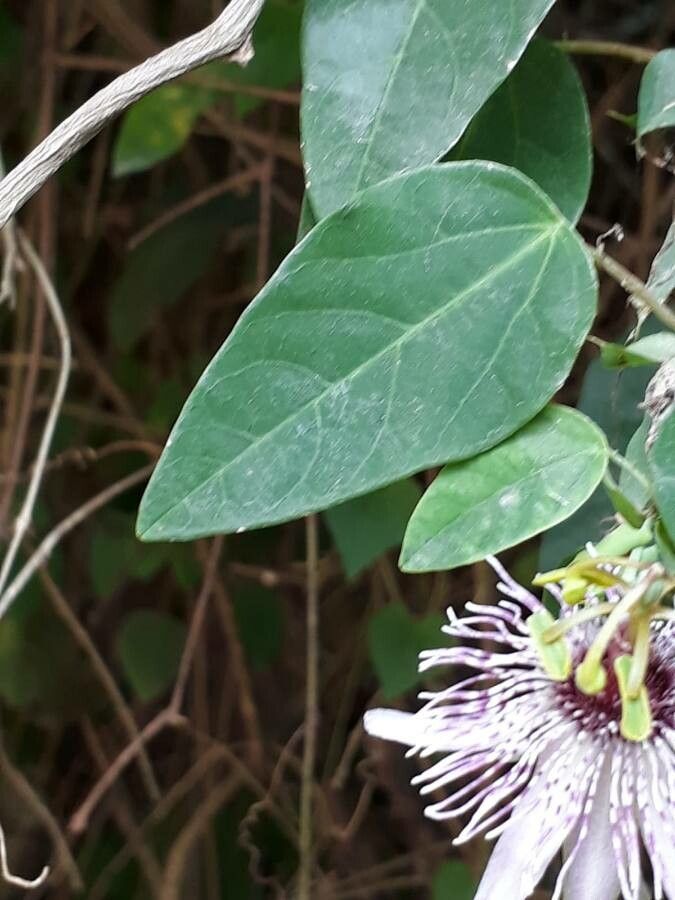
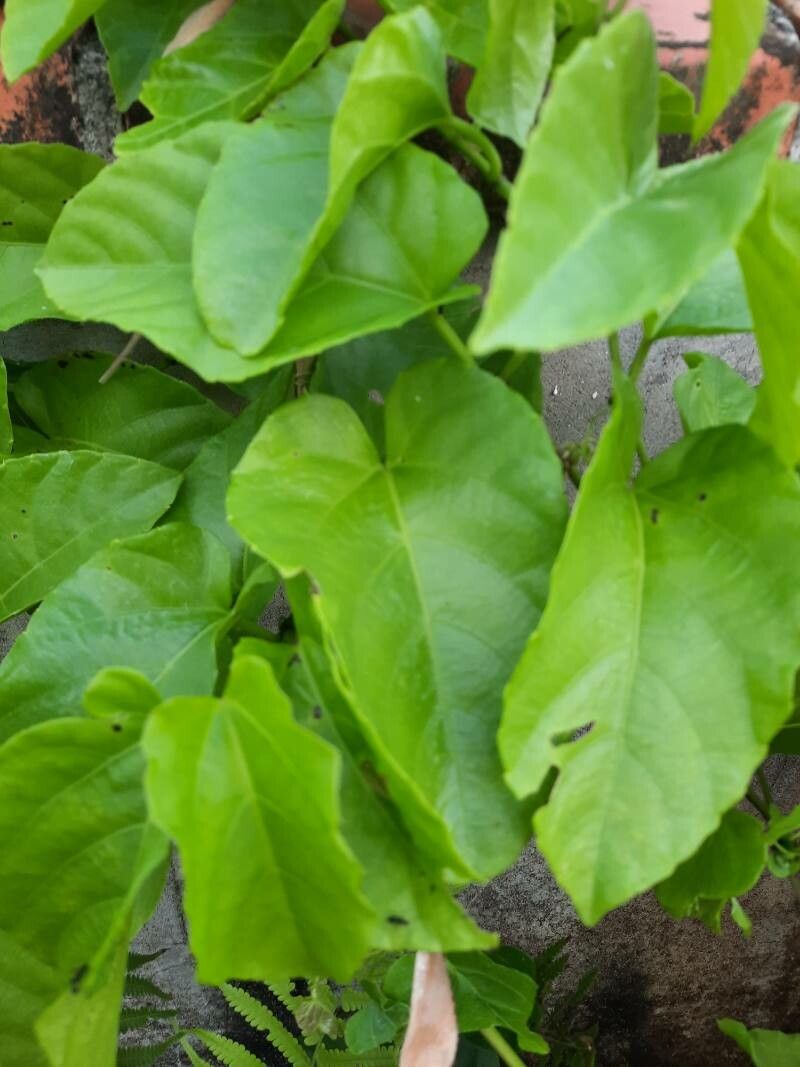
Passiflora incarnata, commonly known as the Maypop or Purple Passionflower, is a perennial vine native to the southeastern United States. It belongs to the Passiflora genus and features striking flowers that are typically purple or lavender in color. The plant can reach up to 30 feet in length and uses tendrils to climb and attach to other plants or structures.
The Maypop plant has been used for centuries by Native Americans for its sedative properties. Today, it continues to be a natural remedy for anxiety and insomnia, thanks to its calming effects on the nervous system.
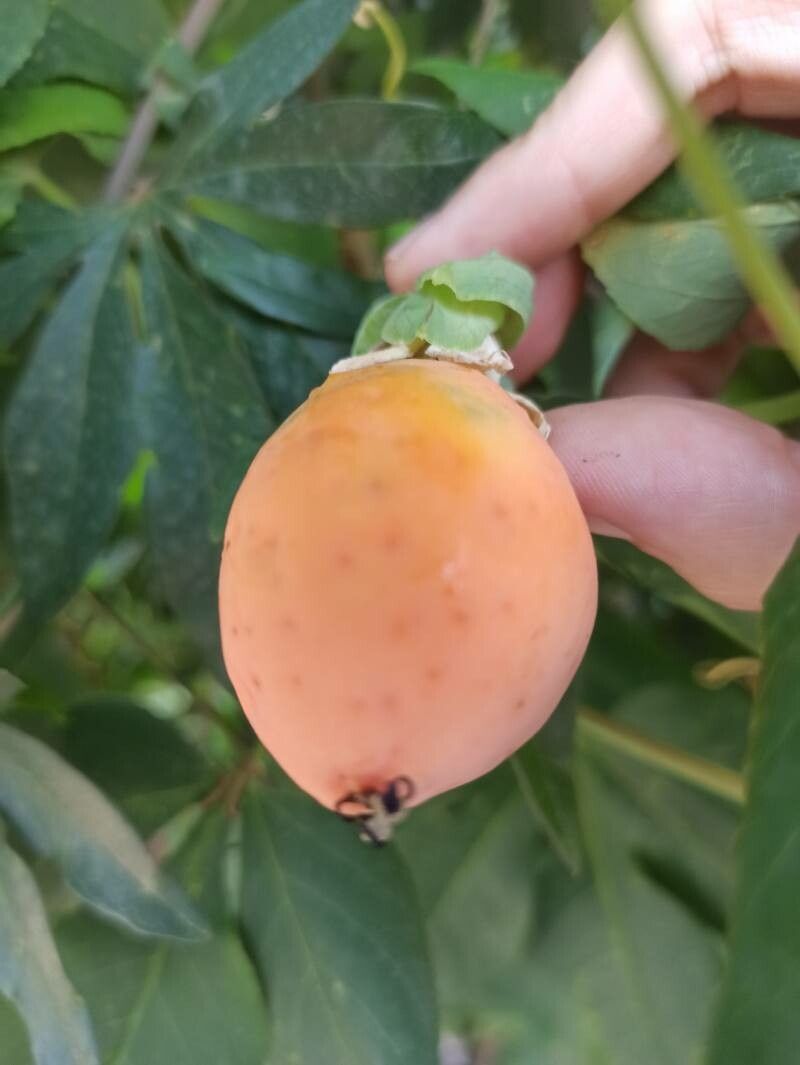
Beyond its medicinal uses, Passiflora incarnata is also an important food source for various insects, including butterflies and bees. While the plant's fruit is edible, it is not commonly consumed due to its tart taste.
Overall, Passiflora incarnata is a fascinating plant with both medicinal benefits and ecological significance in its native habitat.
The purple passionflower, also known as passion vine or simply passion, gets its name from an association with the Christian crucifixion story, as certain features of its flowers were once thought to symbolize elements of that narrative. Its purple blooms give it the name "purple passionflower." Additionally, since it grows in the wild, it is often referred to as "wild passion vine."
Botanical profile.
- Plant Type
- Vine, Herb
- Life Cycle
- Perennial
- Genus
- Passiflora
- Family
- Passifloraceae
- Hardiness Zone
- 9-12
- Mature Height
- 61 cm to 91 cm
- Mature Spread
- 91 cm
- Leaf Color
- Green
- Leaf Type
- Evergreen
- Flower Color
- White, Purple
- Flower Size
- 4.06 cm
- Bloom Time
- Mid spring, Late spring, Summer, Early fall
- Planting Time
- Spring
- Harvest Time
- Early spring, Mid spring, Summer, Fall, Winter
- Native Area
- Paraguay, Argentina, Bolivia, Venezuela, Brazil
Other names.