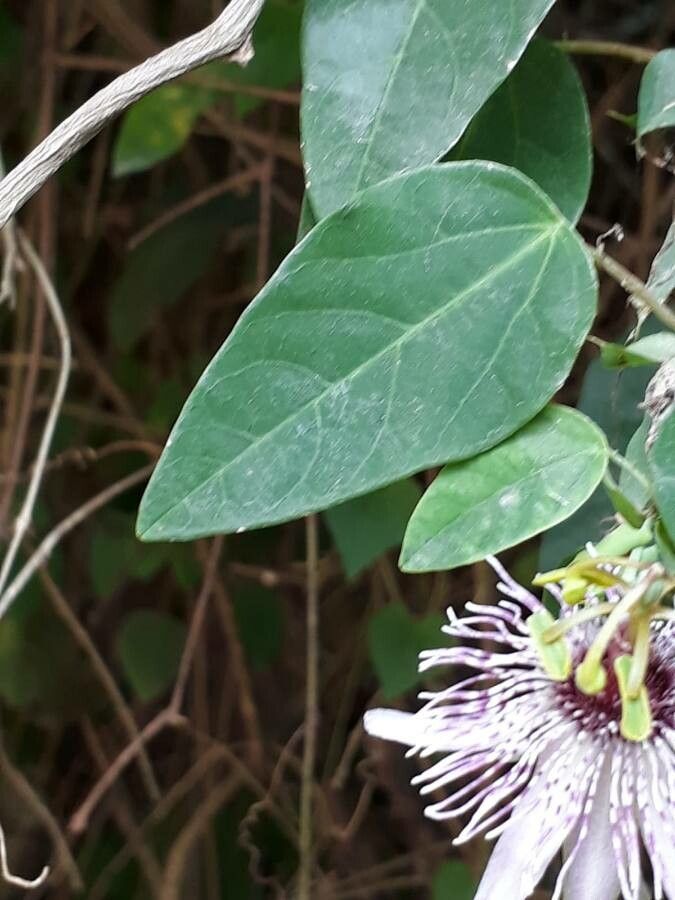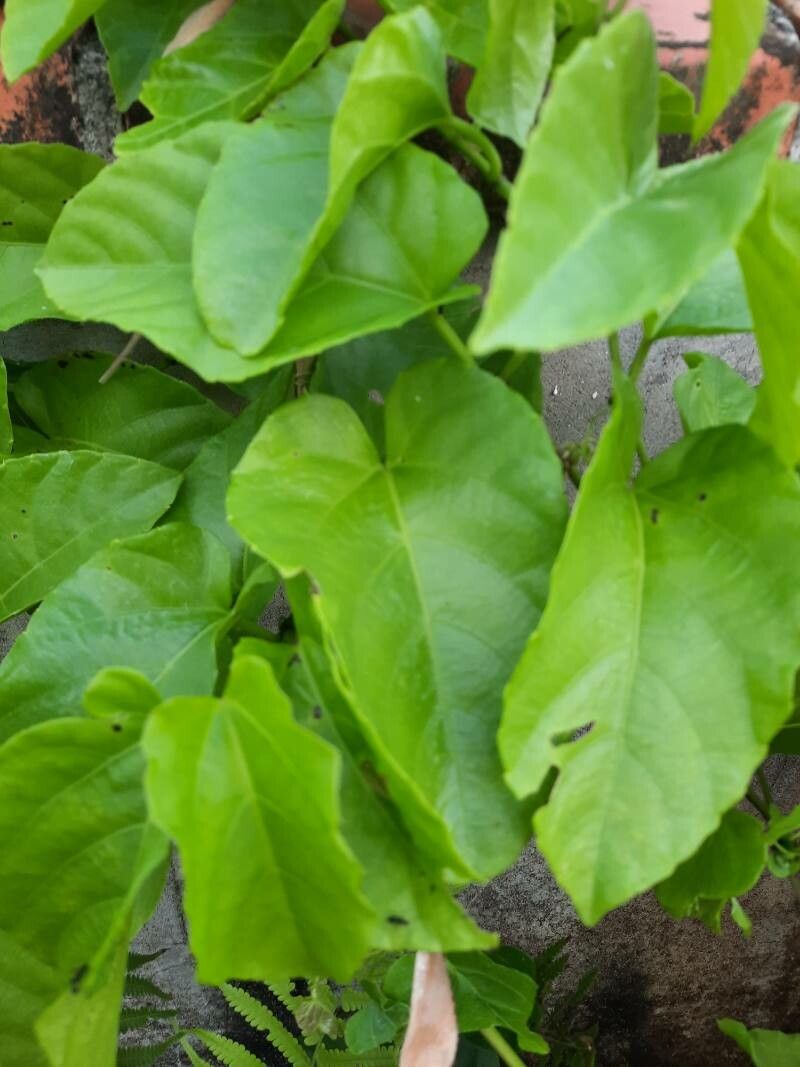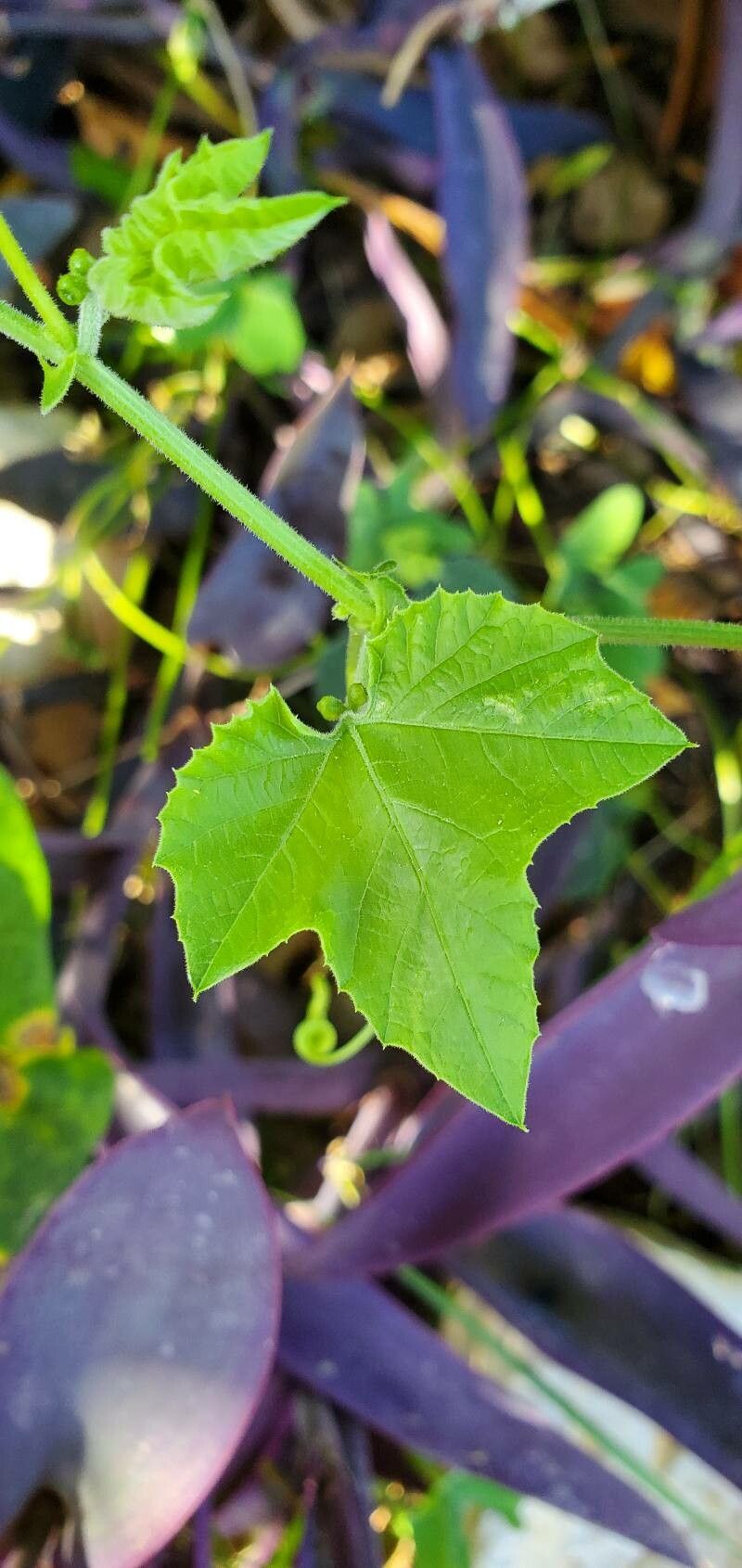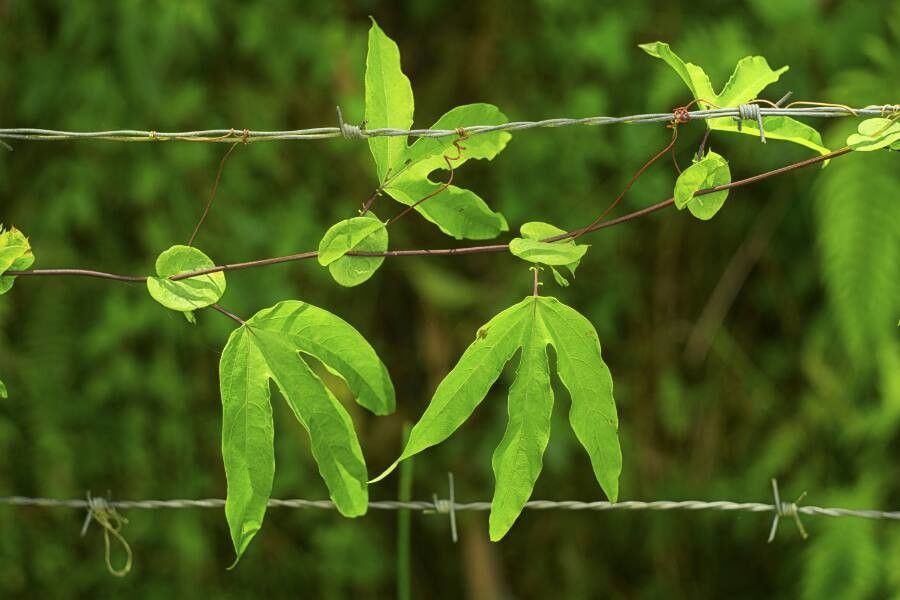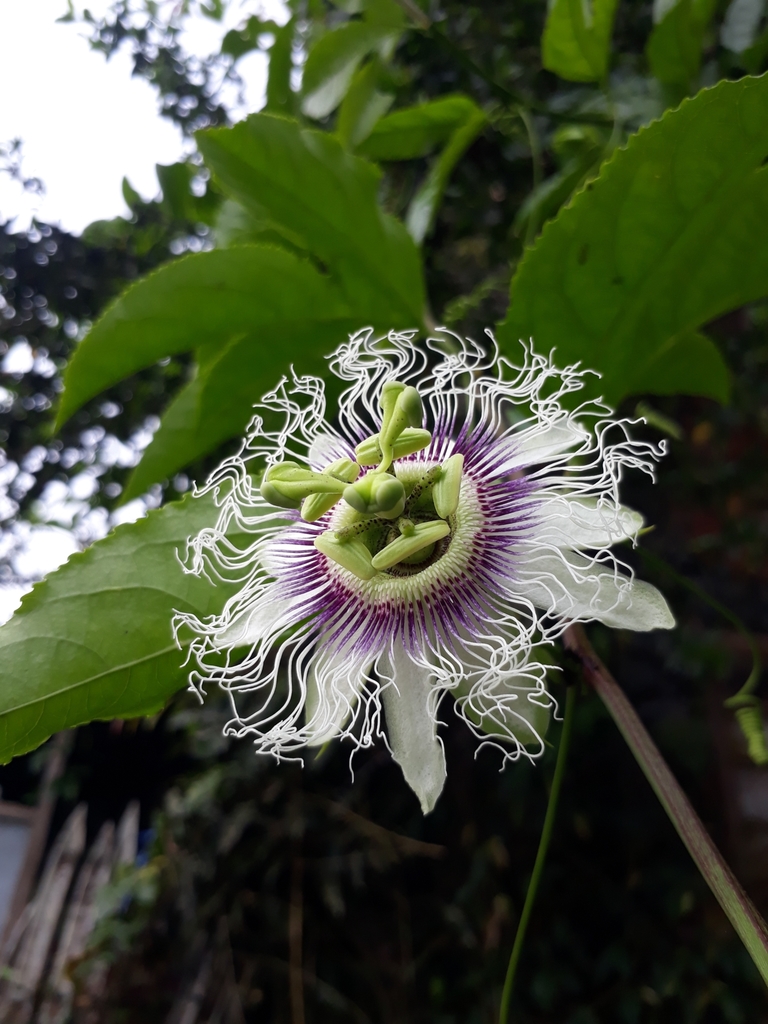
Passiflora edulis, commonly known as passion fruit, is a vine species native to South America. It is widely cultivated for its edible fruit, which boasts a unique flavor and aroma. The plant has large, three-lobed leaves and produces fragrant flowers that are typically purple or white. The fruit of the Passiflora edulis is round or oval and can range in color from yellow to dark purple when ripe. Inside, it contains numerous small seeds surrounded by juicy pulp, which can be eaten raw or used in making juice, jams, and desserts. Passion fruit is rich in vitamins A and C, as well as antioxidants that promote overall health. The Passiflora edulis plant requires warm temperatures, plenty of sunlight, and well-drained soil to thrive. However, it can be grown successfully both indoors and outdoors with proper care.
Passion fruit is fairly resistant to disease and usually doesn’t suffer many ailments. Nevertheless, it can be vulnerable to pests and diseases present in its environment. These problems tend to be mild. For maintenance, this plant requires a moderate level of care. It should be pruned regularly to preserve a neat appearance and promote healthy growth. Fertilizing can also aid in boosting flowering. Passion fruit is well suited for anyone with outdoor space, such as a garden or patio, and does not demand extensive care experience. When grown indoors, however, it may need more attentive care.
How to keep Passiflora Edulis.
Light
Passion fruit needs a lot of light to grow best, though it can still do reasonably well in moderate light. Originating from areas with continual sun exposure, its development can be impaired by either too little or too much light—too little produces weaker fruit, while too much causes leaf scorch.
Water
Passionfruit thrives in high humidity and prefers to be watered regularly, ideally once a week. It grows best outdoors in well-draining soil that can retain some moisture, similar to its natural tropical habitat. The plant is also moderately tolerant of short dry spells.
Humidity
This plant will thrive in moderate humidity, which is probably the level in your home. However, misting it a few times a week can be very beneficial. Make sure the room has good ventilation.
Temperature
Passion fruit grows best at temperatures from 68 to 100 ℉ (20 to 38 ℃), reflecting the subtropical conditions of its native habitat. In winter, it is advisable to protect the plant from frost and provide supplemental heat in colder areas.
Fertilizer
Use organic fertilizers (e.g., fish emulsion, compost) instead of chemical fertilizers for Passion fruit. Give young plants higher amounts of nitrogen and phosphorus in spring. Incorporate compost or fertilizer into the soil before or after planting. For mature plants, apply a balanced fertilizer or one aimed at specific deficiencies in spring. Nutrient deficiencies cause small leaves, short branches, yellow or bronze leaves, acidic fruits, premature fruit drop, and splitting.
Pruning
The common passionfruit is a vigorous climbing plant known for its intricate flowers and edible fruit. To encourage growth and improve fruit yield, prune the plant in early spring. Remove dead wood, thin out branches, and shape the shoots. Make sure to use sharp, clean tools to prevent disease and improve sunlight penetration.
Pot & Repot
Repot Passion fruit in early spring, selecting a container only slightly larger than the current one and with good drainage. Use a well-draining potting mix and place the root ball at the same level as before. Gently loosen any root-bound roots. After repotting, water thoroughly and place in a warm, shady spot. Regular pruning helps keep the size in check and encourages new growth.
Toxicity
Passiflora edulis contains a toxin called cyanogenic glycoside. This chemical can cause cyanide poisoning in high amounts. It's highest in very young, unripe fruits. Once the fruit is ripe, it's safe to eat. It can cause nausea and vomiting in humans and animals. Toxic parts of the plant are bitter and not usually eaten so poisoning is not common and rarely serious.
Further reading →
The toxicity and danger assessments provided are for reference only. We do not assure their accuracy, so it's crucial not to depend on them. Seek professional advice when necessary for accurate guidance.
Botanical profile.
- Plant Type
- Vine, Herb
- Life Cycle
- Perennial
- Genus
- Passiflora
- Family
- Passifloraceae
- Hardiness Zone
- 9-12
- Mature Height
- 61 cm to 91 cm
- Mature Spread
- 91 cm
- Leaf Color
- Green
- Leaf Type
- Evergreen
- Flower Color
- White, Purple
- Flower Size
- 4.06 cm
- Bloom Time
- Mid spring, Late spring, Summer, Early fall
- Planting Time
- Spring
- Harvest Time
- Early spring, Mid spring, Summer, Fall, Winter
- Native Area
- Paraguay, Argentina, Bolivia, Venezuela, Brazil
Other names.
Reader questions.
How should I water my Common passionfruit plant?
To properly water the Common passionfruit, it is recommended to use filtered water at room temperature. Tap water may have harmful particles that can affect the plant's health. Since the Common passionfruit originates from a warm climate, it is best to avoid using cold water as it can be a shock to the plant. Additionally, it is advisable to refrain from overhead watering to prevent foliage complications. Instead, apply filtered room temperature water directly to the soil until it is thoroughly soaked. This method benefits the plant by providing moisture to the roots, allowing them to spread and absorb necessary nutrients from the soil.
Why should I put fertilizer on my Common passionfruit?
If the soil in your area is rich, you may not need to use fertilizer. However, if the soil lacks nutrients, a Common passionfruit plant won't be able to produce enough leaves, flowers, and fruits. To determine the nutrient content of the soil, a soil test is recommended. Nutrient deficiencies in Common passionfruit can result in small leaves, short branches, yellowing or bronze-colored foliage, and fruits that are more acidic and less tasty. Certain nutrient deficiencies can also lead to premature fruit dropping or splitting.
What amount of sunlight does common passionfruit require for optimal growth?
Common passionfruit requires a significant amount of sunlight to thrive optimally, ideally thriving in full sun conditions which means it should receive above 6 hours of sunlight daily. However, it can also manage decently well in partial sun, receiving about 3-6 hours of sunlight. Being native to environments with constant sun exposure, insufficient or excessive light can hinder its growth, leading to lesser robust fruit or leaf scorch, respectively.
What are the ideal temperature conditions for Common passionfruit?
Common passionfruit, also known botanically as Passiflora edulis, flourishes in temperatures between 68°F to 100°F (20°C to 38°C), reflecting its native subtropical origin. During winter, it's critical to shield the plant from frost and provide extra warmth in cooler regions to maintain a conducive growth environment. The plant is extremely heat-loving; hence, it's advisable to bring it indoors during autumn to a spot near a bright window, albeit not too close to heaters, ensuring the temperature stays above 20°C to prevent any damage.
What should I do if I give too much or too little water to my Common passionfruit?
Both overwatering and underwatering can harm the health of your Common passionfruit, but overwatering is more commonly a problem. Too much water can cause wilting and yellowing of the stems and leaves. It can also lead to diseases like root rot, mold, and mildew, which can kill your plant. Underwatering is less common because the Common passionfruit can tolerate drought. However, it is still possible, and if it occurs, you may notice brittle and brown leaves. It is important to notice the signs of overwatering early. Some diseases caused by overwatering, like root rot, may not be fixable if you wait too long. If you see early signs of overwatering, reduce watering immediately. Check the quality of the soil. If it drains poorly, replace it with a loose, well-draining potting mix. If you notice signs of underwatering, simply water more regularly until the signs disappear.
When should I fertilize my Common passionfruit plant to get the best results?
To support the strong growth of young Common passionfruit, it is recommended to provide higher nitrogen and phosphorus fertilizer. The ideal time to apply fertilizer is during the spring of the first growing season. It is a good practice to mix compost or another fertilizer into the soil either before or right after planting. For mature plants, it is advisable to supplement with a balanced fertilizer or one that targets specific soil deficiencies in your region, as needed, during the spring and summer. Avoid fertilizing the Common passionfruit during the autumn or winter seasons.
How can artificial lighting support the growth of common passionfruit?
When natural sunlight is not sufficient, particularly during winter or in less sunny spaces, artificial lighting becomes crucial for the growth of indoor plants like common passionfruit. Adequate artificial lighting ensures faster, healthier growth. LED lights are recommended as they can be customized to provide the necessary wavelengths of light. The intensity of light needed varies: 30-50W/sq ft for full sun plants, 20-30W/sq ft for partial sun plants, and 10-20W/sq ft for full shade plants. It's important to place the light source 12-36 inches above the plant to mimic natural sunlight and adjust the lighting duration to replicate natural daylight hours, generally 8-12 hours per day.
How does low temperature affect Common passionfruit, and what are the solutions?
Common passionfruit is highly sensitive to low temperatures and thrives best above 20°C. Exposure to temperatures below 0°C is harmful, and further drops below -5°C can lighten the leaves' color. Following frost damage, the leaves may turn brown or black, showing signs of wilting and drooping. To mitigate these effects, trim off frost-damaged parts and immediately move the plant to a warmer, indoor environment. Placing it near a south-facing window ensures ample sunlight, but it's crucial to avoid proximity to heaters or air conditioning vents to prevent air dryness.
How often do I need to water my Common passionfruit plant?
If your Common passionfruit plant is in a pot, the most precise way to determine if it needs water is by checking the soil with your finger. If the top two to three inches of soil feel dry, it's time to water. The same method can be used if you're growing your Common passionfruit outdoors in the ground. When the first few inches of soil have dried out, it's time to water. Typically, during spring and early fall, watering once a week should be sufficient. However, during extremely hot weather, you may need to water twice or more per week. It's important to note that mature, well-established Common passionfruit plants can handle drought well.
When is the best time to not fertilize my Common passionfruit?
It is best to avoid fertilizing Common passionfruit after pruning or when it is experiencing disease, insect infestation, or any other form of stress. Fertilizer is helpful in treating soil with insufficient nutrients, but it cannot solve other problems that could affect Common passionfruit. It is important to properly diagnose the issue before applying fertilizer, as there may be an underlying cause that needs to be addressed. Additionally, refrain from fertilizing Common passionfruit during winter or during excessively hot and dry periods in the summer.
What are the signs of inadequate light exposure in common passionfruit?
Common passionfruit displays several indicators when experiencing insufficient light exposure. These include the growth of small, new leaves that are smaller in size compared to previous ones, leggy or sparse growth with longer spaces between the leaves or stems, leading to a weaker, stretched-out appearance, and early leaf drop to conserve resources. Slower or halted growth, lighter-colored new leaves, or signs of chlorosis, where leaves turn yellow due to a lack of chlorophyll, can also occur. Additionally, sunscald, leaf curling, wilting, and leaf scorching are signs of excessive light exposure.
How does high temperature affect Common passionfruit, and what are the solutions?
During the warmer months, it's important to keep Common passionfruit below 38°C to prevent heat stress. Temperatures exceeding 43°C can cause the leaves to lighten and increase susceptibility to sunburn. To address these issues, remove sunburned and dried parts, and relocate the plant to a shaded area, particularly away from the harsh midday and afternoon sun. Adequate watering in the morning and evening will help keep the soil moist, further aiding in the plant’s protection against high temperature.