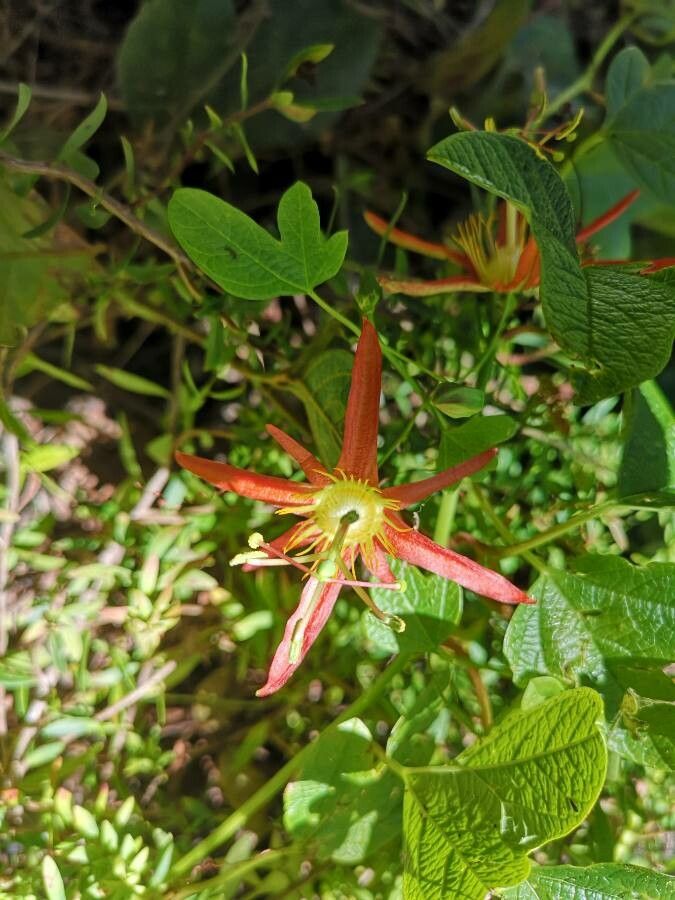
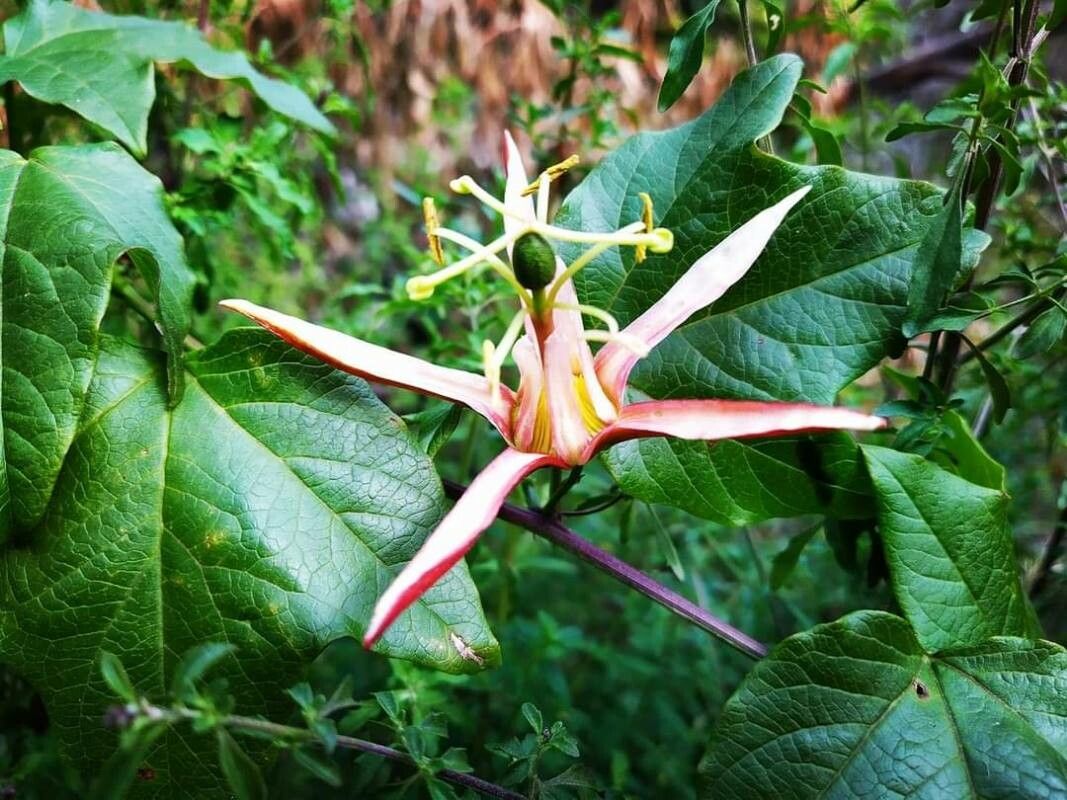
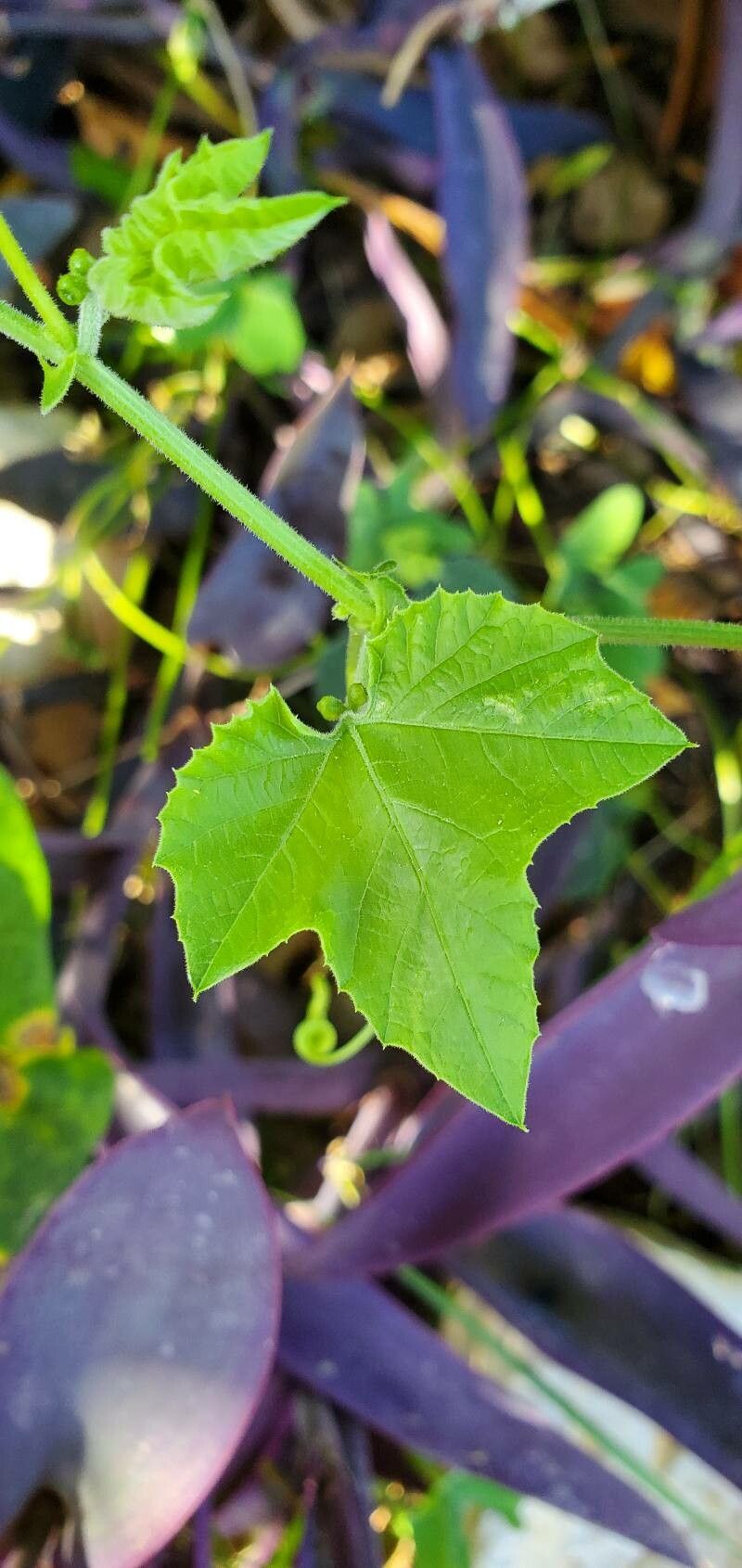
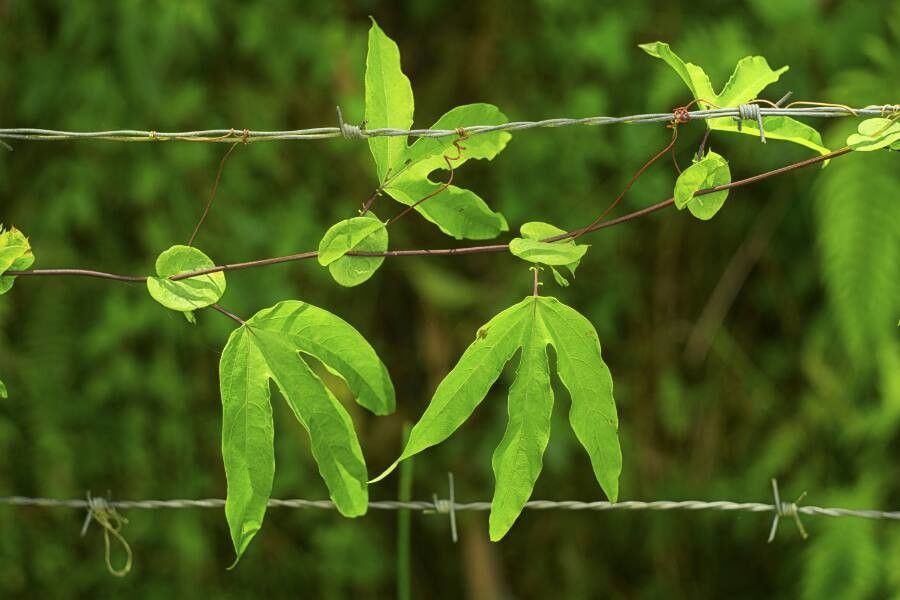
Passiflora cinnabarina, commonly known as the Cinnabar Passionflower, is a striking species of flowering plant in the Passiflora genus. Native to South America, it can be found in countries such as Brazil, Bolivia, and Peru. Typically growing as a vine or climber, this plant can extend up to 10 meters in length.
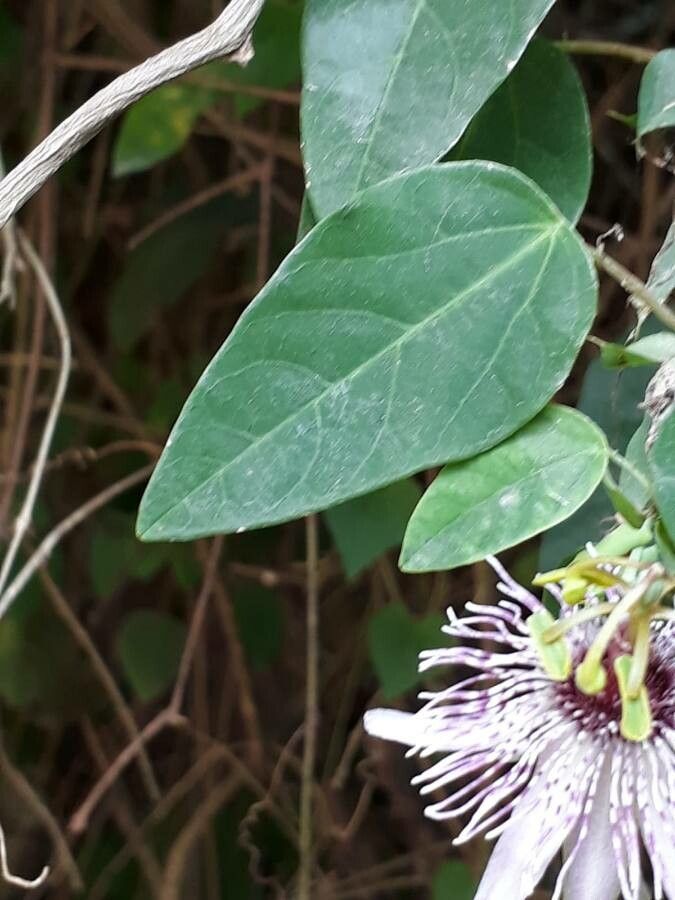
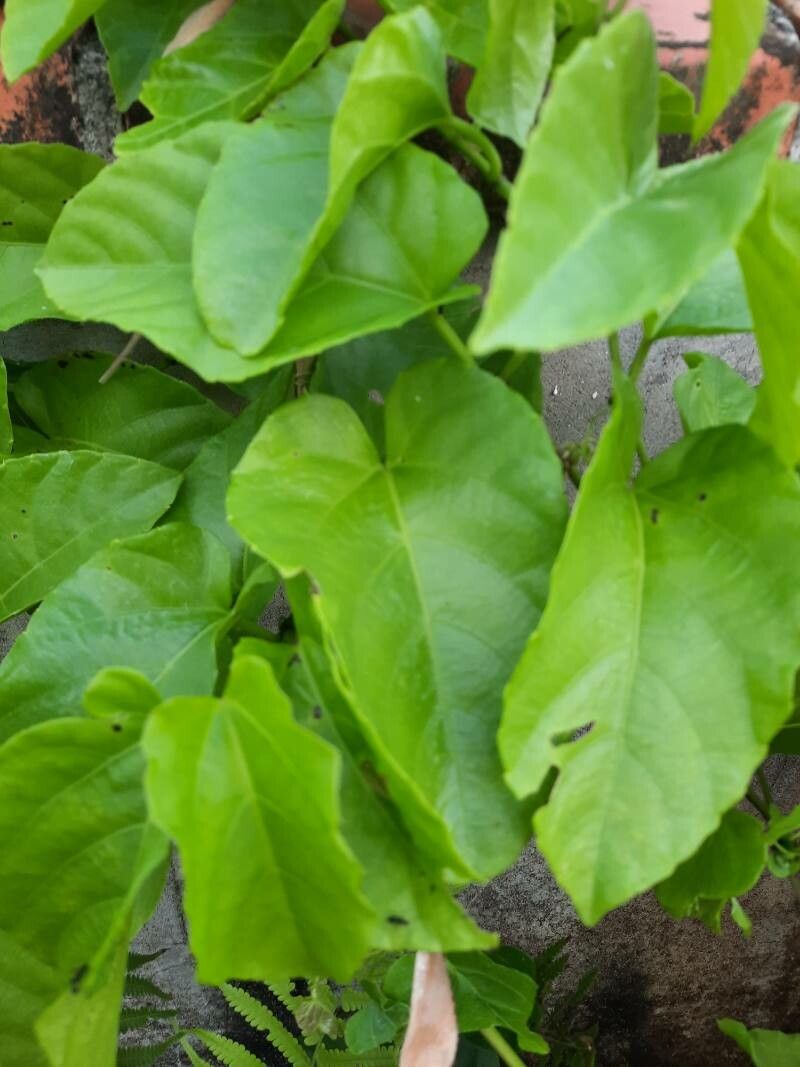
The leaves of Passiflora cinnabarina are dark green with serrated edges, arranged alternately along the stem. Its flowers are large and showy, featuring a unique structure with five petals that form a bowl-like shape around the reproductive organs. The petals range in color from bright red to orange-red, complemented by yellow-green filaments.
Passiflora cinnabarina is renowned for its medicinal properties, particularly its ability to reduce anxiety due to its sedative effects on the central nervous system. It has also been traditionally used to treat ailments such as insomnia, epilepsy, and hypertension.
The plant thrives in well-drained soil rich in organic matter and favors full sun exposure or partial shade for optimal growth. Propagation can be achieved through seeds or stem cuttings, best done in spring when temperatures begin to rise.
Overall, Passiflora cinnabarina is an attractive ornamental plant that adds vibrant color and beauty to any setting. Its numerous health benefits further contribute to its appeal, making it a valuable addition to any garden or landscape design project.
How to keep Passiflora Cinnabarina.
Water
Passiflora cinnabarina needs consistent moisture, particularly during germination. For mature plants, if they receive less than 1.5 inches (3.8 cm) of water each week, they should be watered twice a week. Be careful not to overwater, as excessive moisture can be harmful. Plants in containers dry out more quickly, so they may require even more frequent watering.
Fertilizer
To help Passiflora cinnabarina thrive, it requires regular fertilization with a high-quality, balanced fertilizer. Start fertilizing in the spring before new growth appears, and continue every five weeks until fall for the best blooming results.
Pruning
Passiflora cinnabarina features vibrant flowers and climbing vines. For the best results, prune it in early spring, cutting back up to one-third of the plant to maintain its shape and encourage new growth. Regular pruning helps improve air circulation and increases the production of blooms. Be careful to avoid heavy pruning during the flowering period, as this can hinder blooming. Always consult reliable sources for care instructions specific to this species.
Botanical profile.
- Plant Type
- Vine
- Genus
- Passiflora
- Family
- Passifloraceae
Other names.
Reader questions.
What are the sunlight requirements for Passiflora cinnabarina?
Passiflora cinnabarina thrives in conditions that match its natural habitat's sunlight exposure. It requires full sun, which means it needs more than 6 hours of sunlight daily, to flourish optimally. For those spots in your garden that get about 3-6 hours of sunlight, partial sun conditions can also support this plant. It's important to observe the play of sunlight across your garden throughout the day to find the ideal locations that offer a harmonious blend of light and shade. This careful selection will contribute significantly to the health and happiness of your Passiflora cinnabarina.