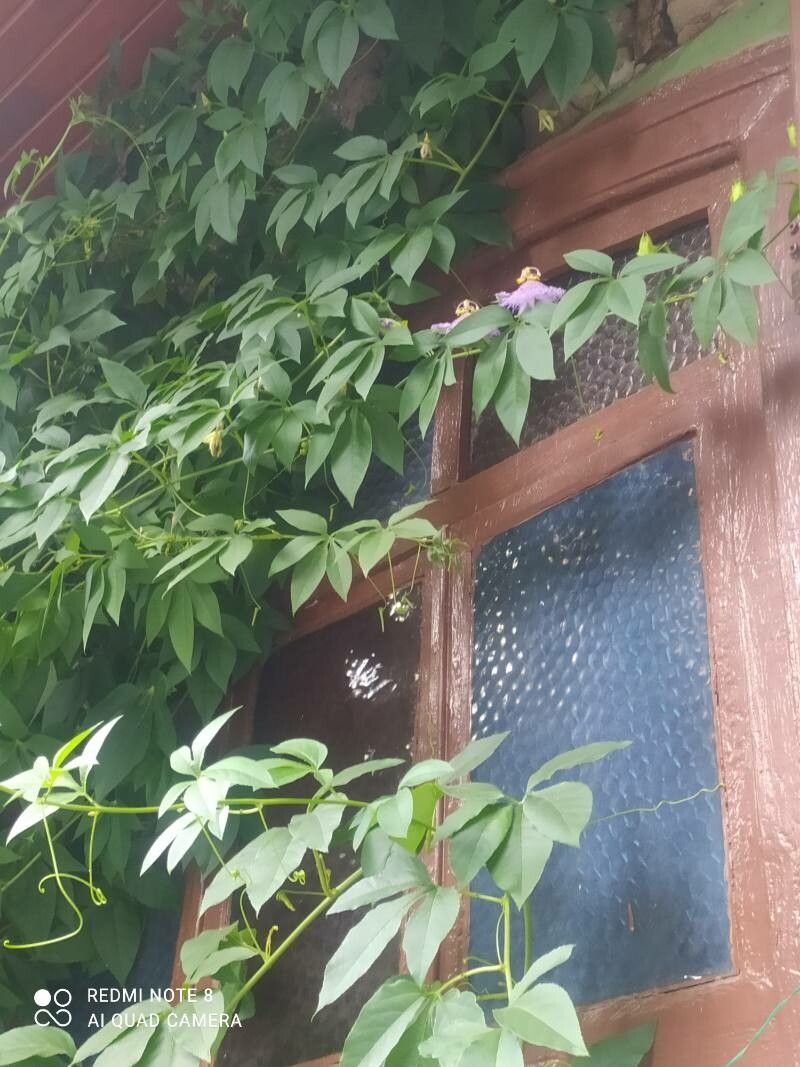
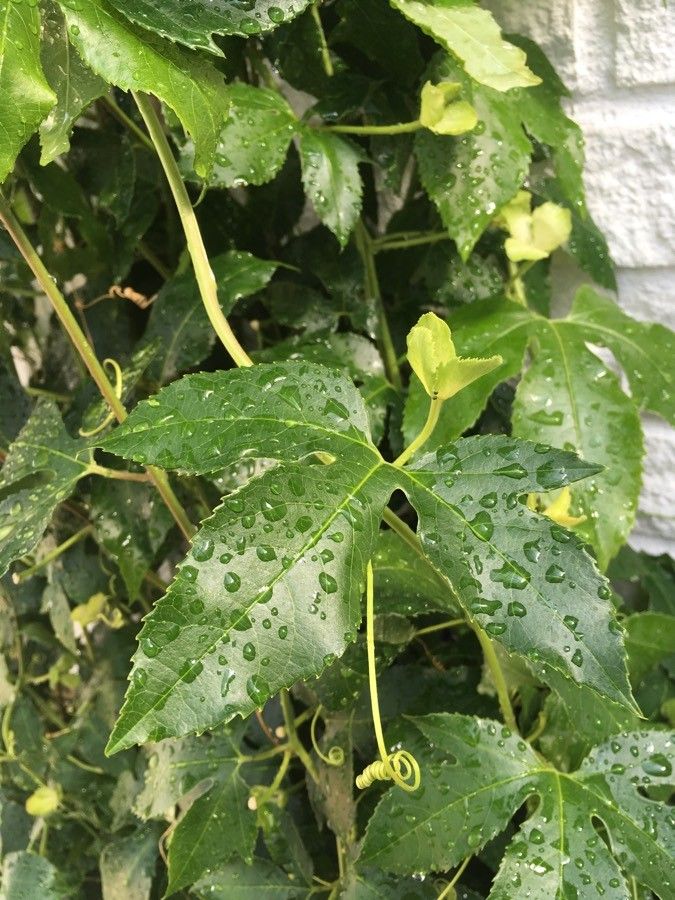
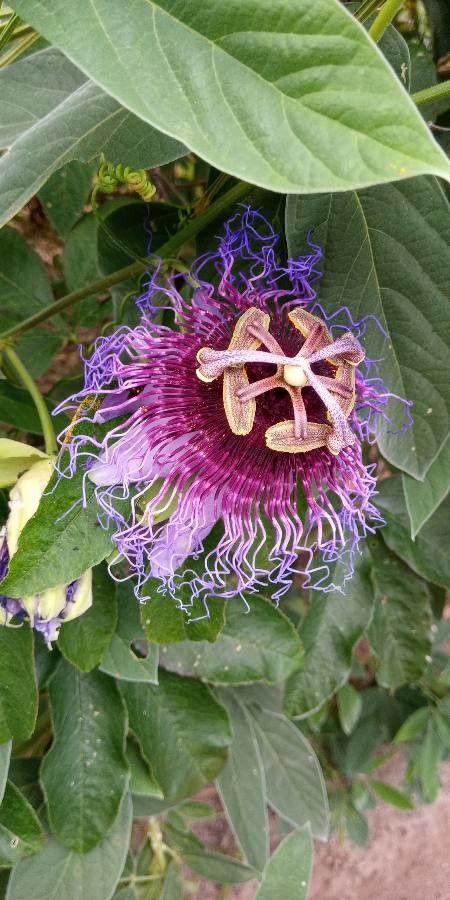
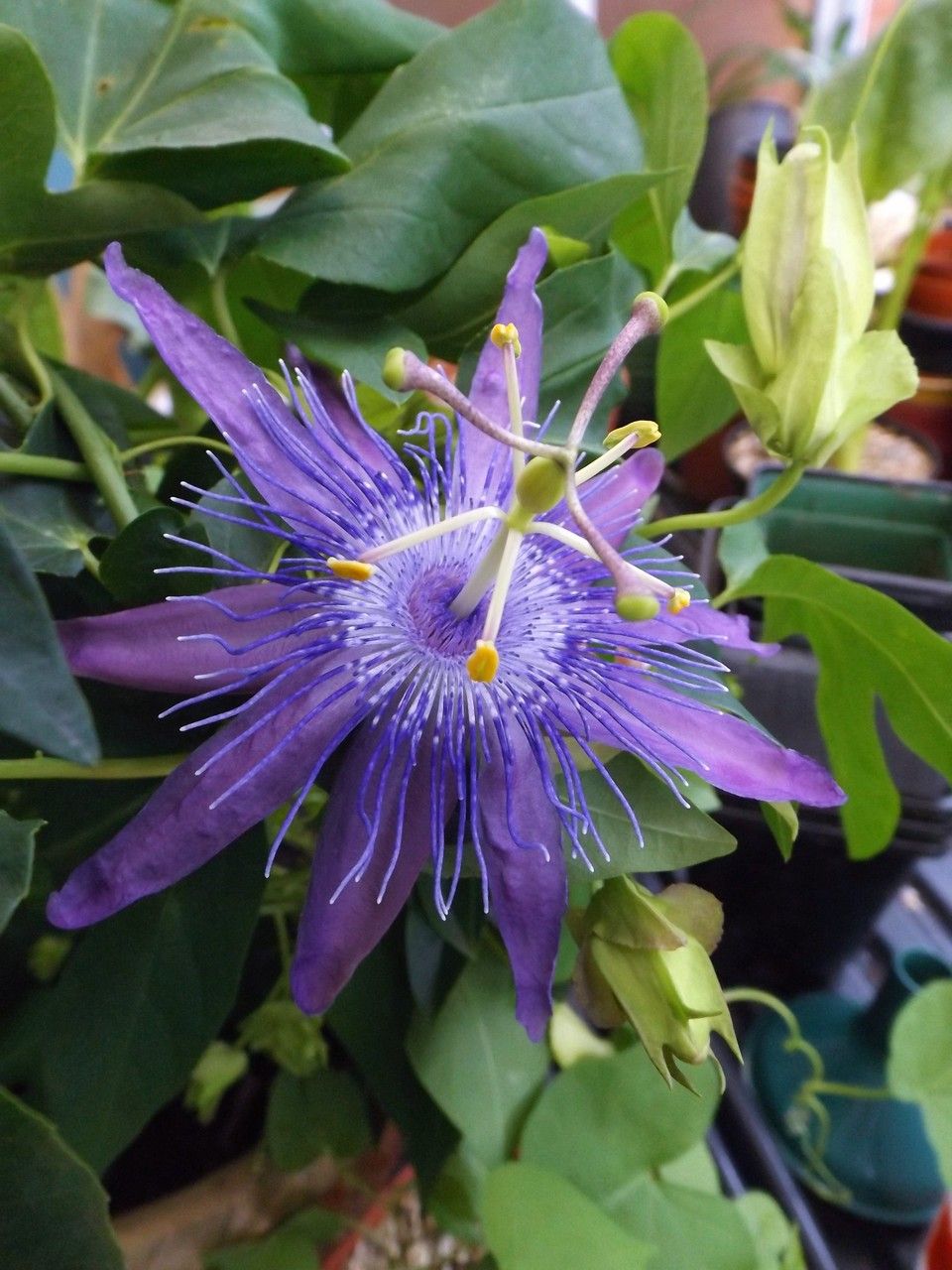
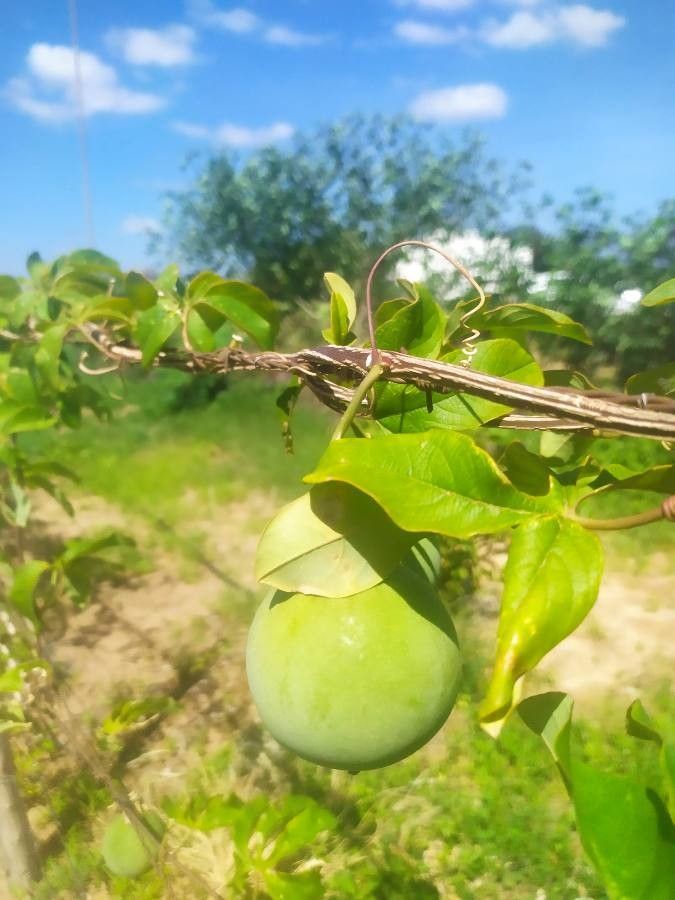
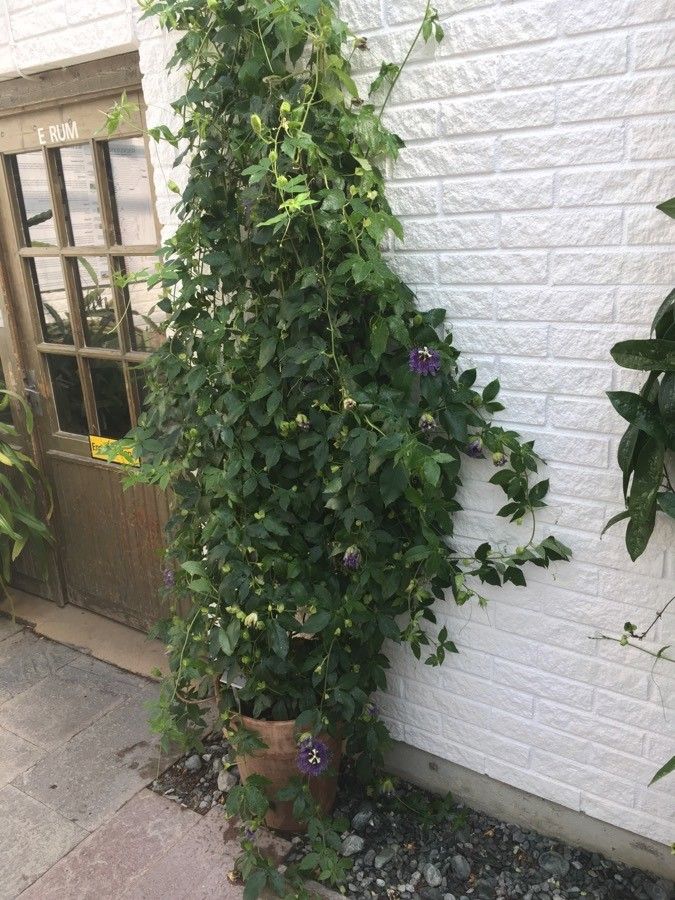
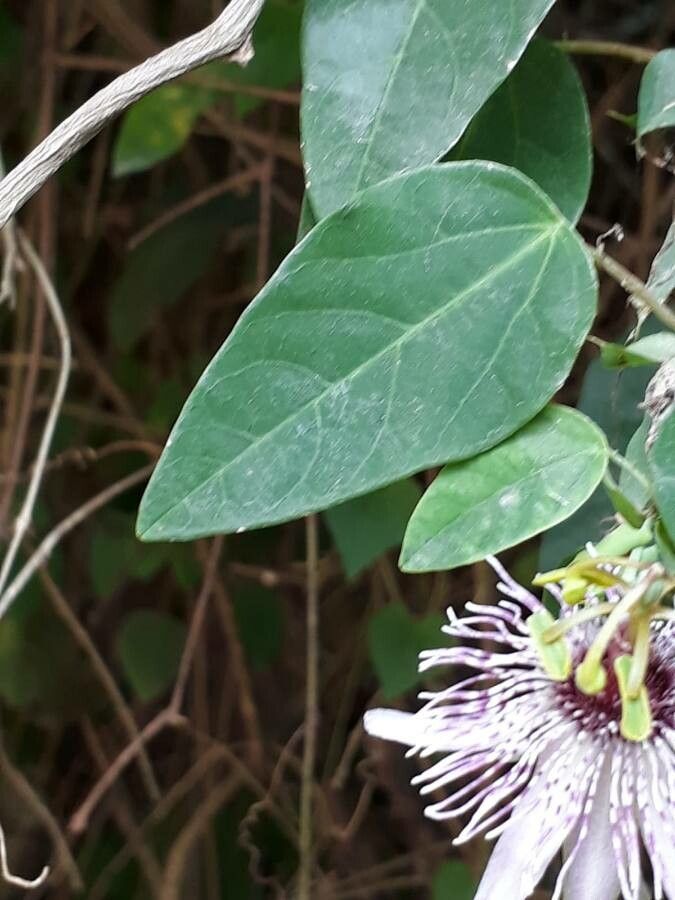
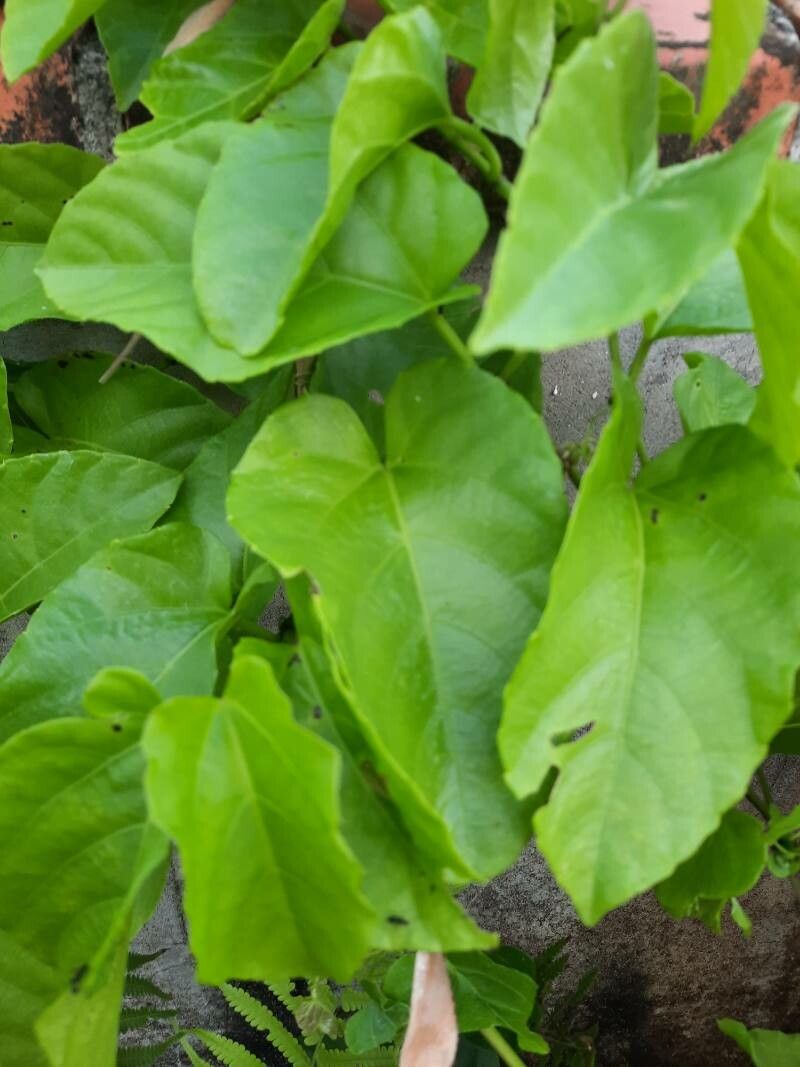
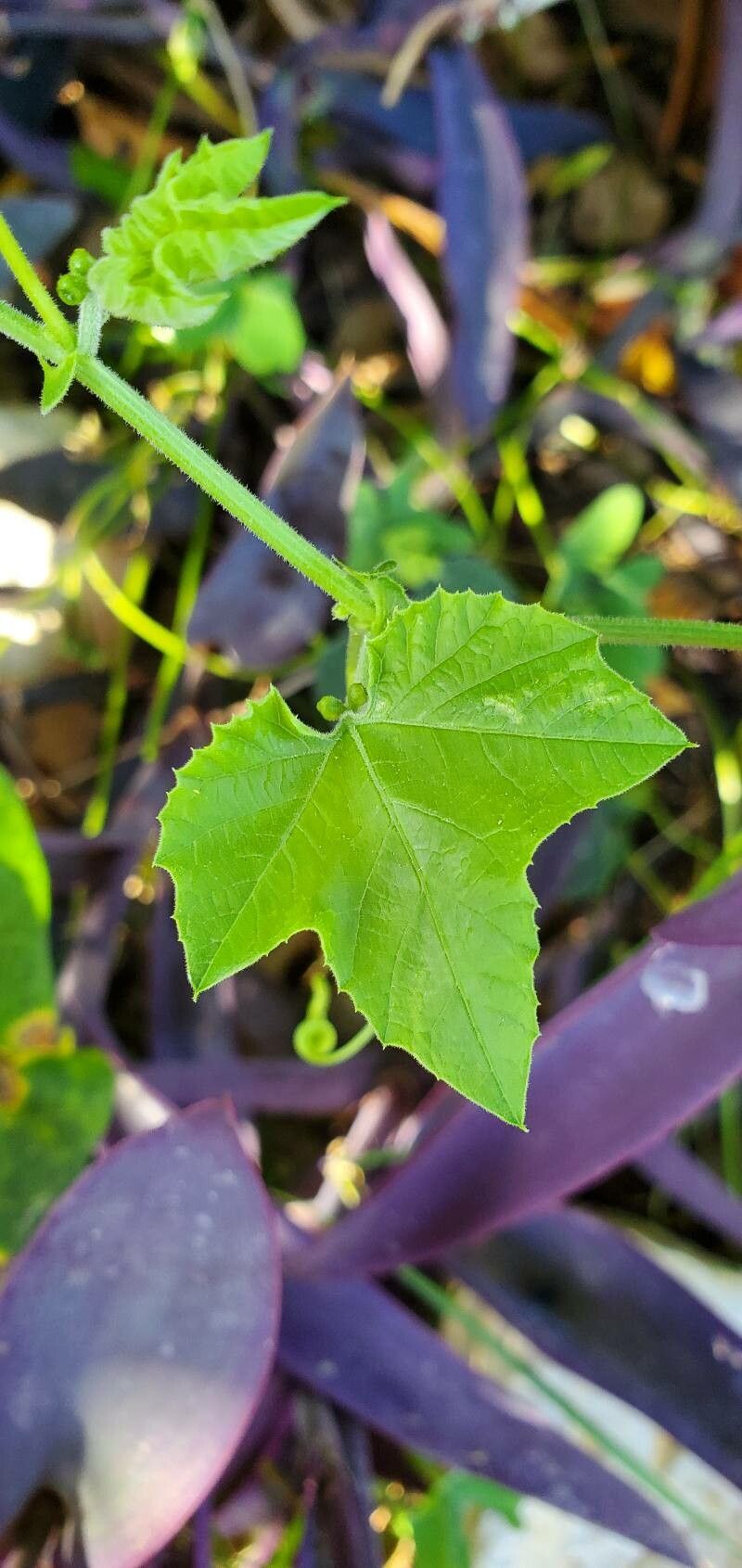
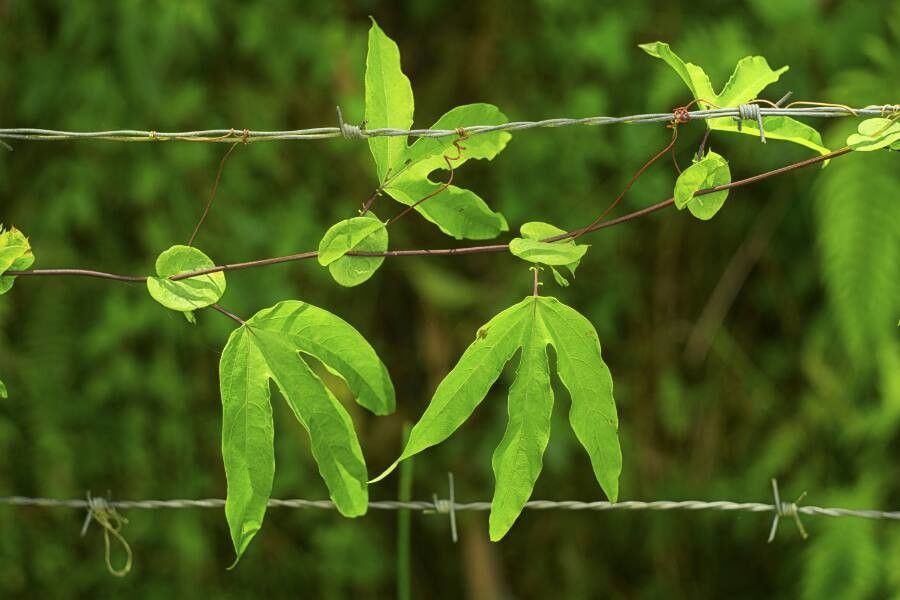
Passiflora cincinnata is a species of Passiflora from Brazil.
Crato passionvine has strong resistance to diseases and is typically not prone to them. Still, it can be affected by pests and diseases present in its environment, although such infections are generally mild. Regarding care, this plant needs a moderate level of maintenance. It should be pruned on a regular basis to preserve an attractive appearance and promote healthy growth. Applying fertilizer can also encourage flowering. Crato passionvine is appropriate for anyone with an outdoor area, like a garden or patio, and does not demand extensive gardening experience. It may need extra attention when cultivated indoors.
How to keep Passiflora Cincinnata.
Light
Crato passionvine is a perennial, herbaceous species that prefers sunny sites and originates from open habitats, frequently flourishing in meadows and grasslands. It favors full sun but can tolerate partial sun.
Water
Crato passionvine needs consistent moisture during germination. Once matured, these plants require watering twice a week if the weekly rainfall is less than 1.5 inches (38 mm). Be careful not to overwater, as too much moisture can damage the plant. Also, keep in mind that soil in containers dries out faster than soil in gardens.
Temperature
Crato passionvine comes from tropical areas, where the climate is generally warm and humid. As a result, it is well suited to high temperatures and humidity. It does not tolerate sudden temperature changes and prefers a stable thermal environment, so avoiding temperature fluctuations indoors is important. It usually cannot withstand cold temperatures and needs warmer conditions to grow. If the surrounding temperature falls too low, the plant may stop growing or even die.
Fertilizer
Use organic fertilizers (e.g., fish emulsion, compost) instead of chemical ones for Crato passionvine. Give young plants increased nitrogen and phosphorus in spring. Work compost or fertilizer into the soil either before planting or after planting. For mature plants, add a balanced fertilizer in spring or one tailored to a particular nutrient deficiency. Nutrient deficiency leads to small leaves, short branches, yellow or bronze foliage, acidic fruits, premature fruit drop, and splitting.
Pruning
The Crato passionvine is a vigorous climber admired for its intricate flowers and shiny, lobed leaves. To maintain its size, improve airflow, and encourage growth, it's best to prune it in early spring. Focus on removing dead or overcrowded branches while preserving the main stems to promote branching and abundant blooming.
Botanical profile.
- Plant Type
- Vine, Herb
- Life Cycle
- Perennial
- Genus
- Passiflora
- Family
- Passifloraceae
- Hardiness Zone
- 9-11
- Mature Height
- 4.88 m to 10.06 m
- Mature Spread
- 2.13 m to 3.96 m
- Leaf Color
- Green, Dark Green
- Leaf Type
- Evergreen
- Flower Size
- 7.62 cm to 11.43 cm
- Bloom Time
- Late spring, Summer, Early fall, Mid fall
- Planting Time
- Spring, Summer, Autumn, Winter
- Harvest Time
- Mid summer, Late summer, Fall, Early winter
- Native Area
- Brazil, Colombia, Bolivia, Venezuela
Other names.
Reader questions.
What are the sunlight requirements for Crato passionvine (Passiflora cincinnata)?
The Crato passionvine, also known as Passiflora cincinnata, thrives in varying amounts of sunlight. For full sun exposure, it requires more than 6 hours of sunlight daily. If placed in partial sun, it benefits from about 3-6 hours of sunlight. It's important to observe the movement of sunlight through your garden to find spots that provide the ideal balance of light and shade, ensuring the plants remain happy and healthy.
What is the Crato passionvine?
The Crato passionvine is known by its botanical name, 'Passiflora cincinnata'.
What is the additional advice for ensuring the happiness of my Crato passionvine (Passiflora cincinnata) in my garden?
When figuring out the best placement for your Crato passionvine (Passiflora cincinnata) in the garden, it's crucial to watch how sunlight moves through the area. Choosing the right spots that offer the perfect balance of light and shade throughout the day is essential for the wellbeing of your plants. This careful observation helps ensure that your plants, including the Crato passionvine, can thrive.