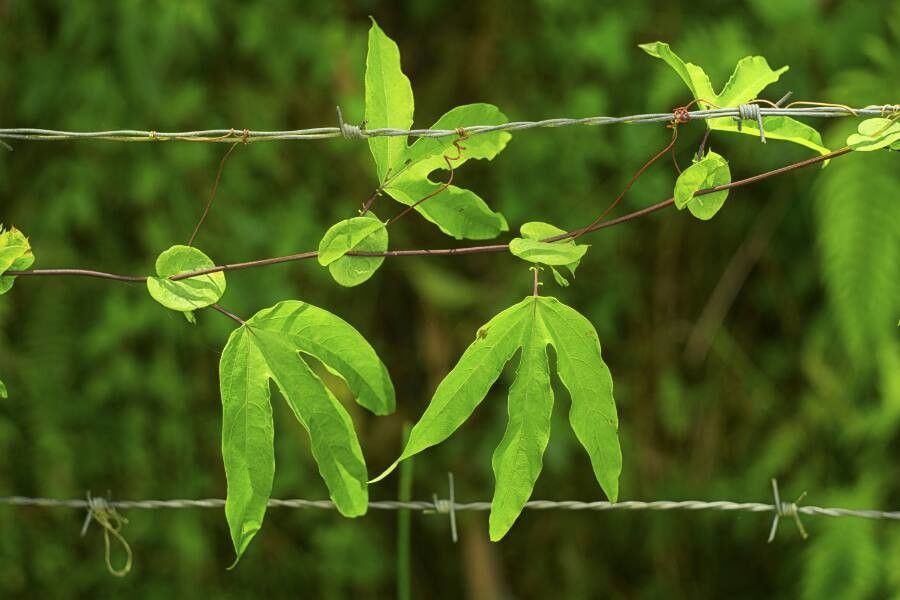
Passiflora bryonioides, commonly known as the pumpkin passionfruit, is a species of flowering plant in the Passiflora genus. Native to Central and South America, it can be found in countries such as Brazil, Colombia, Ecuador, and Peru. This plant is a vigorous climber capable of growing up to 10 meters long, using tendrils to attach to other plants or structures for support.
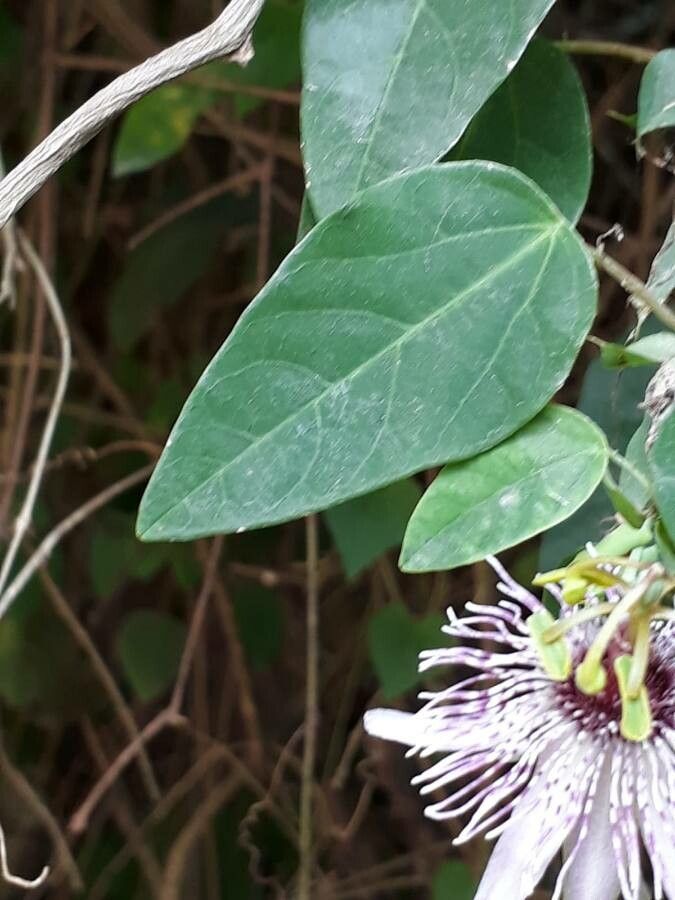
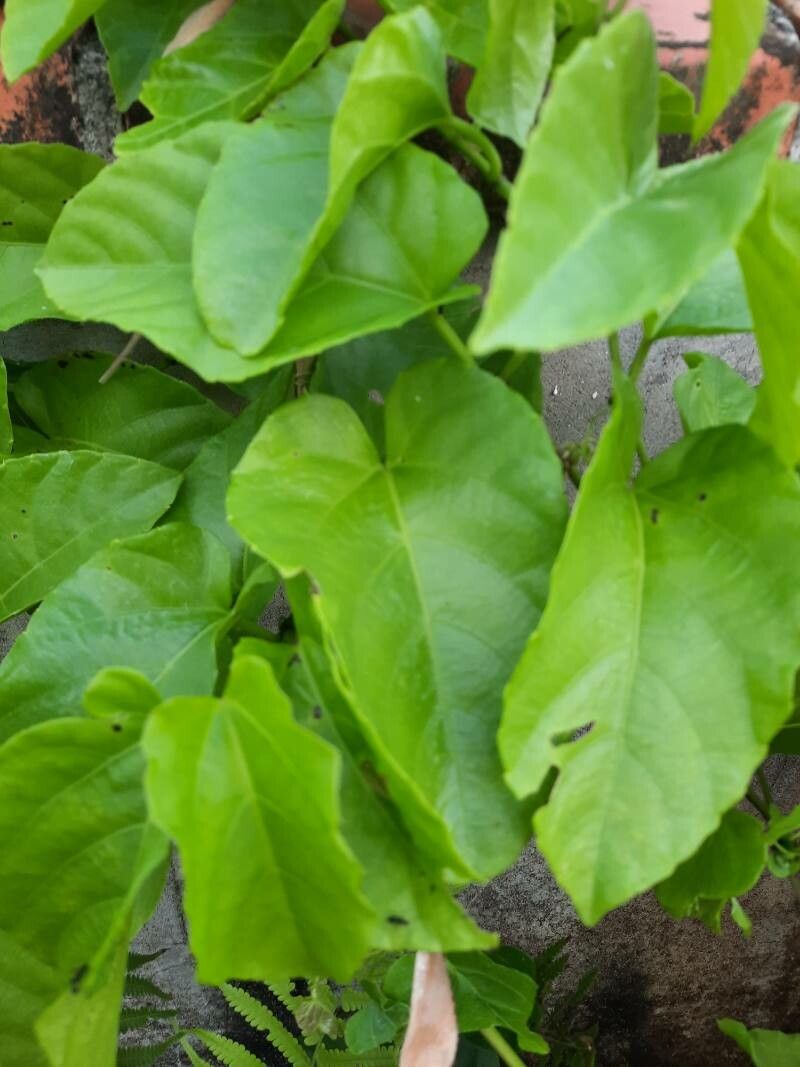
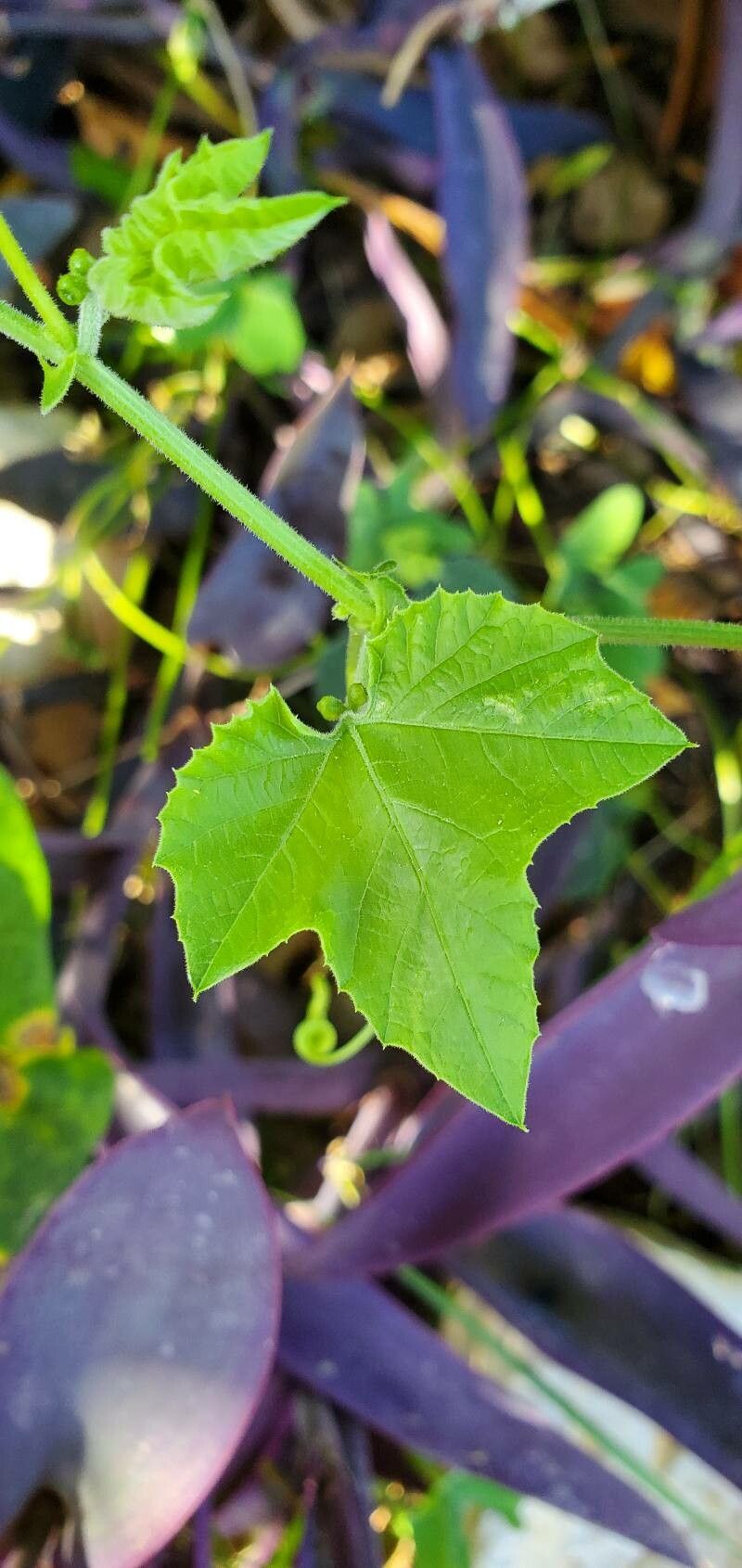
The leaves of Passiflora bryonioides are dark green with serrated edges and are arranged alternately along the stem. The large flowers, which can reach up to 10 cm in diameter, feature five white petals surrounding a central structure of filaments and stamens. The fruit, which is round or oblong in shape, has a hard outer shell that turns yellow when ripe.
For centuries, indigenous people have used passionfruit for its medicinal properties, including treatments for anxiety, insomnia, and asthma, among others. Traditional medicine practices have also utilized it for its anti-inflammatory properties.
Beyond its medicinal uses, Passiflora bryonioides has culinary applications. Its sweet-tart flavor makes it a popular ingredient in desserts and drinks.
Overall, this beautiful climbing vine offers both ornamental value and potential health benefits, making it an intriguing addition for any garden enthusiast seeking something unique!
Botanical profile.
- Genus
- Passiflora
- Family
- Passifloraceae