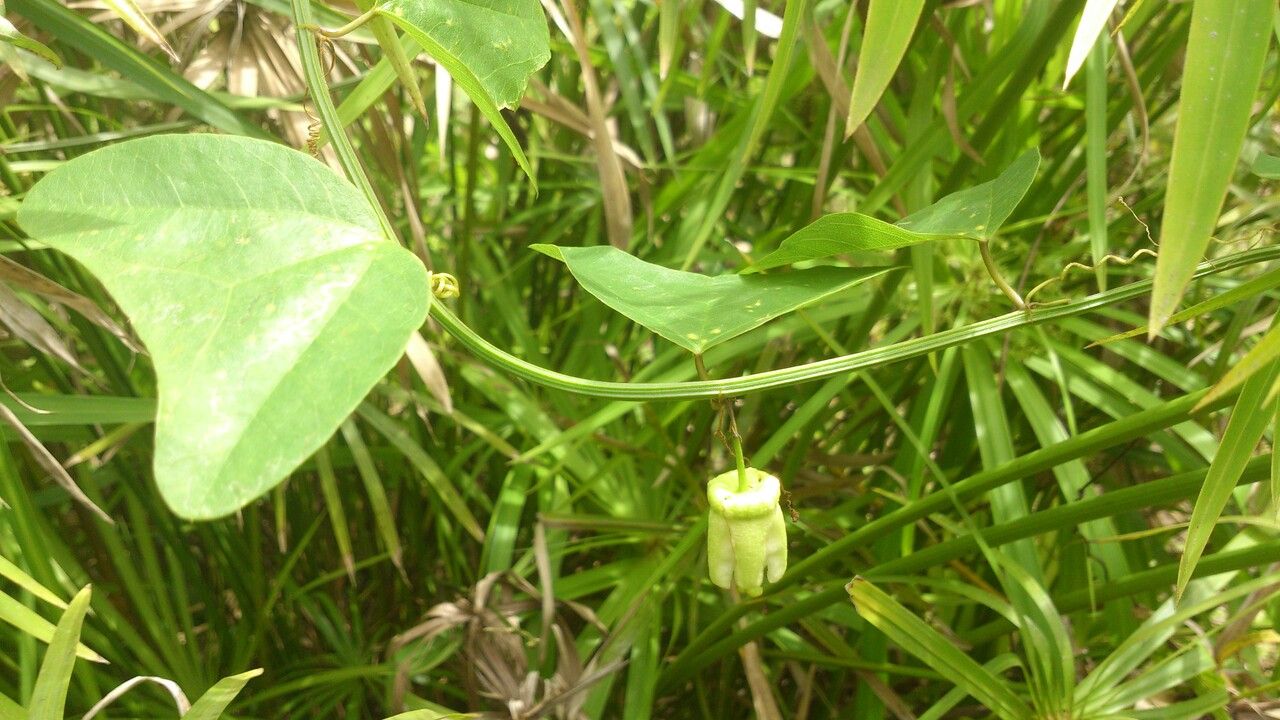
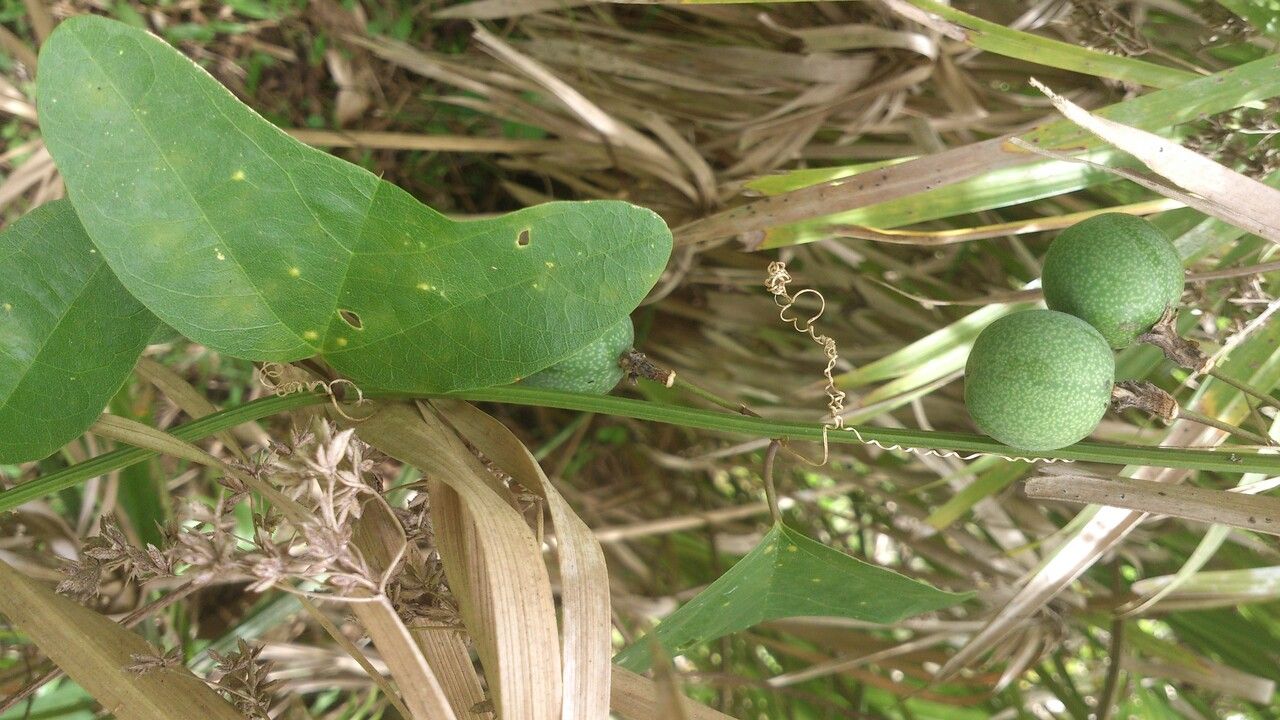
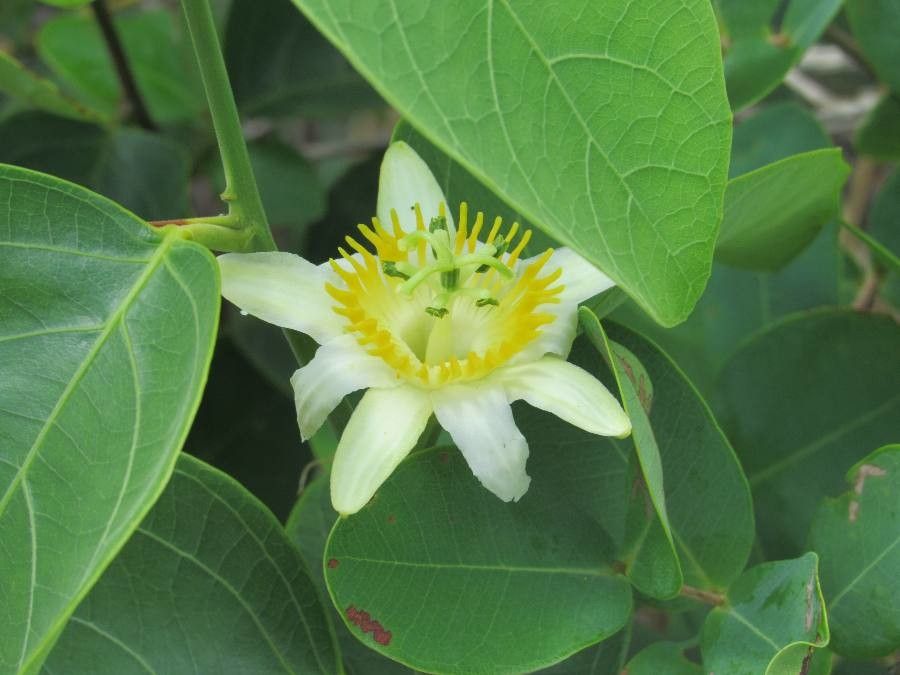
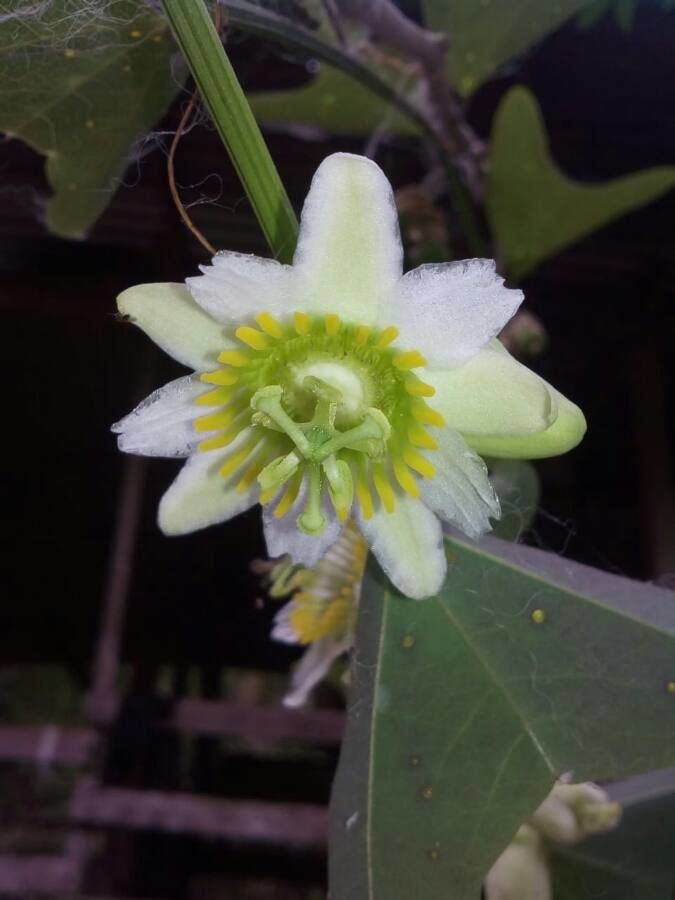
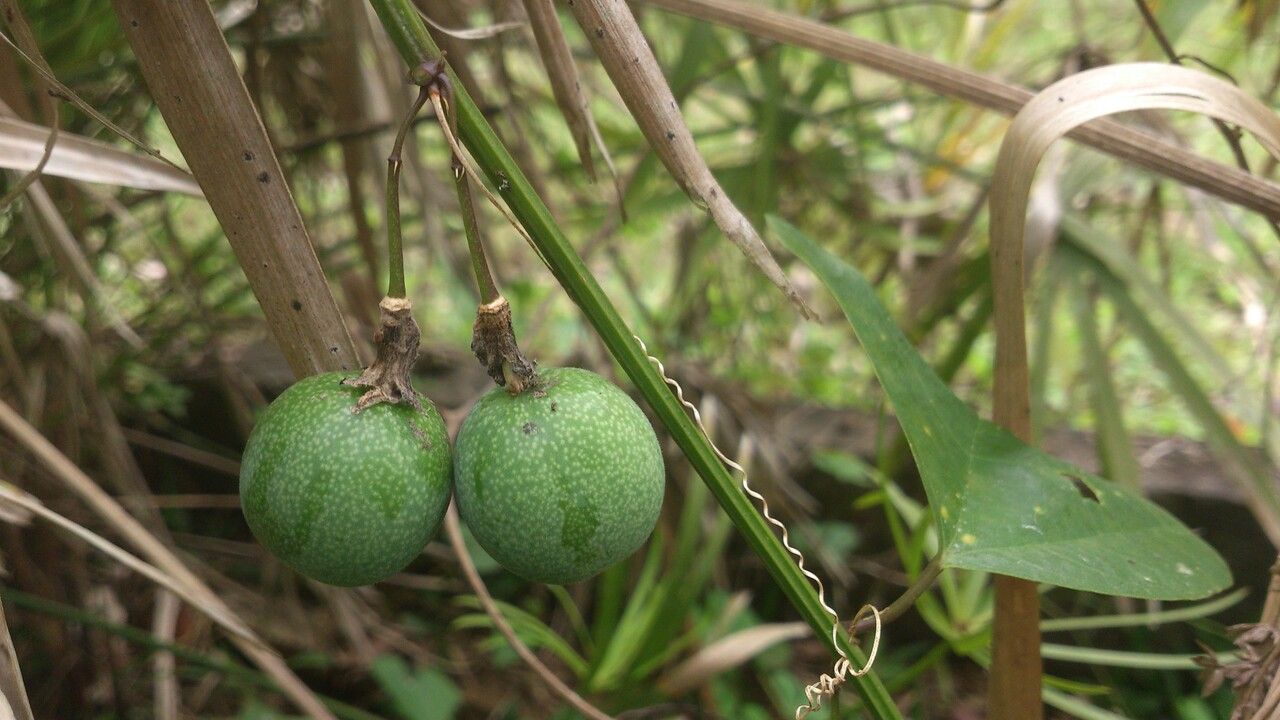
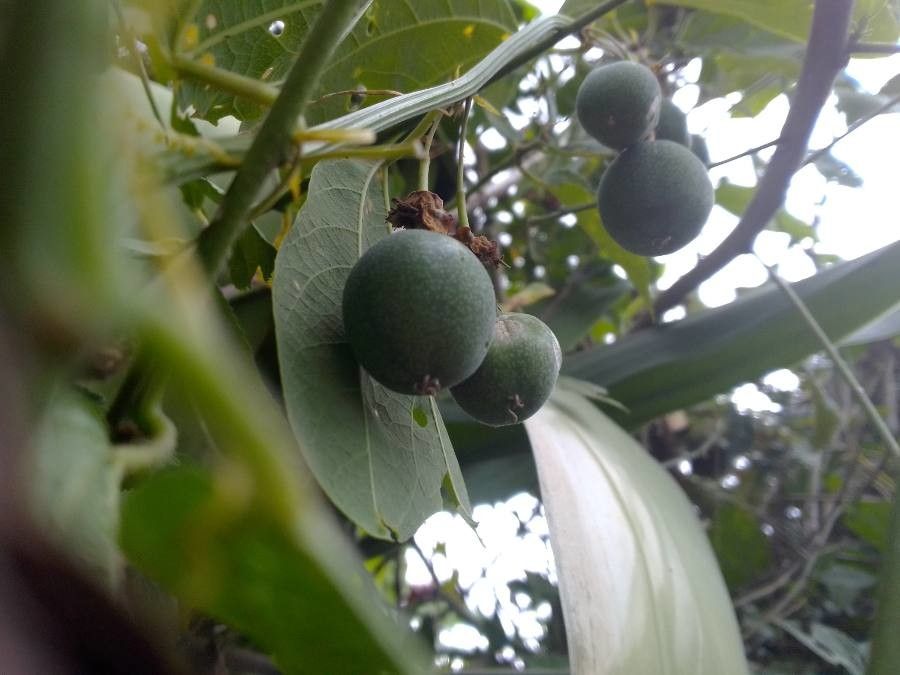
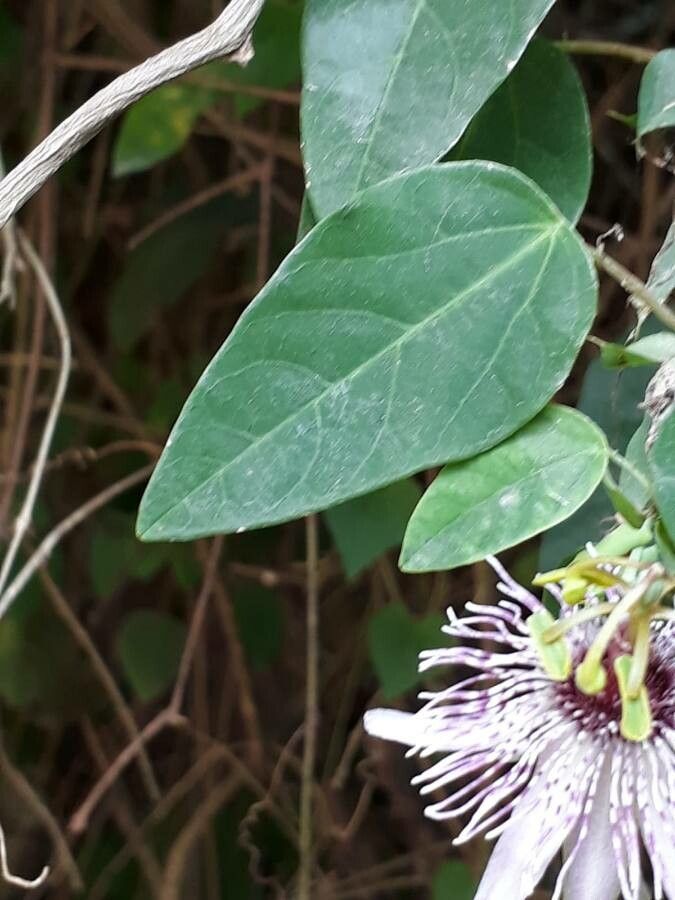
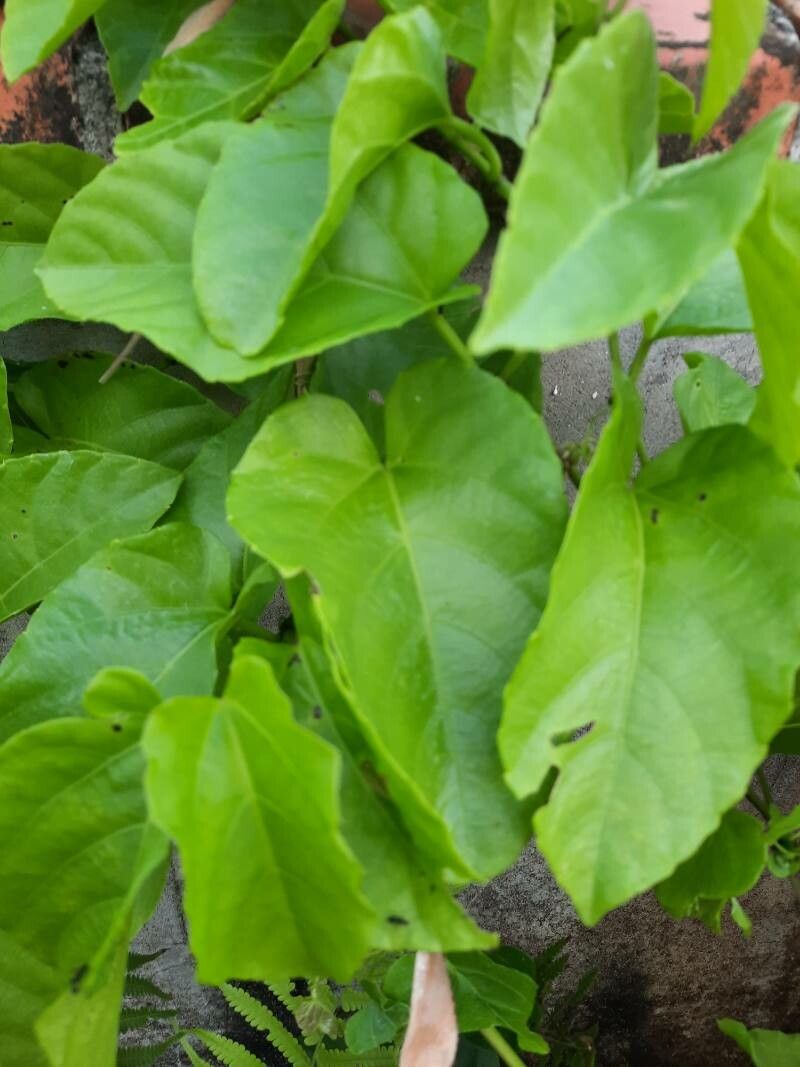
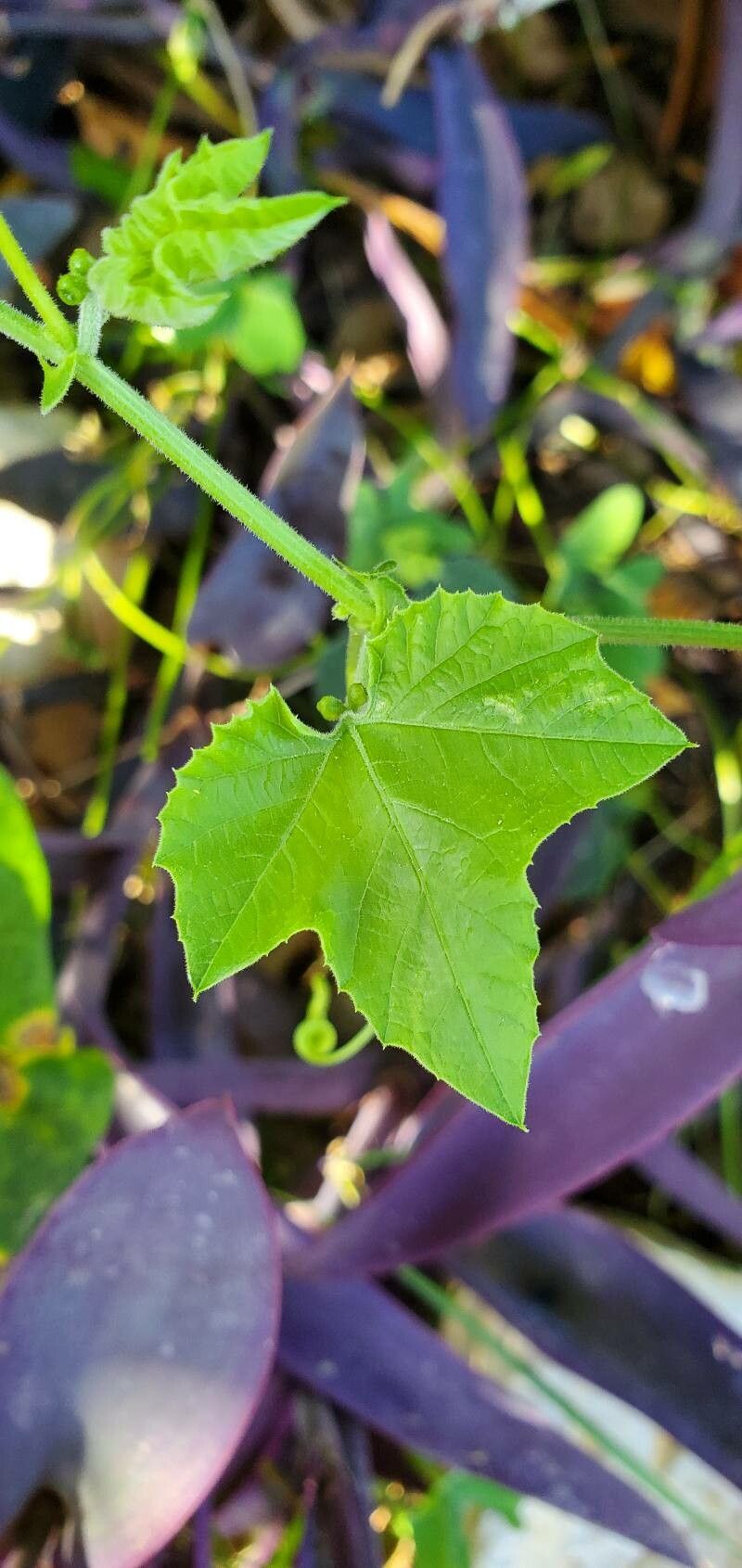
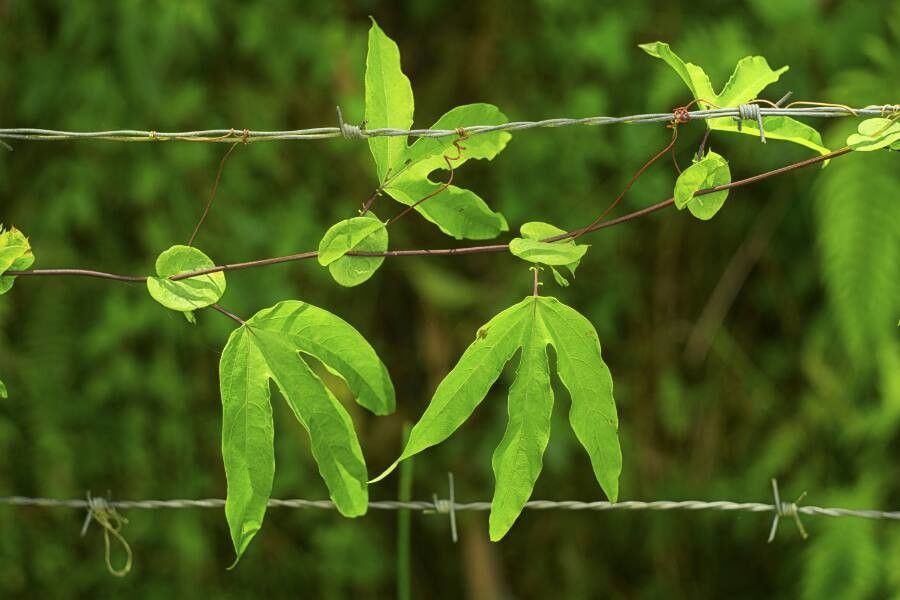
Passiflora biflora, the twoflowered passionflower, is a vine with paired peduncles and flowers up to 3.5 cm (1.4 in) wide. It is native to the New World from Mexico to Colombia and Venezuela. In Florida, P. biflora has been classified by the Exotic Pest Plant Council as a non-native species that has the "potential to disrupt native plant communities."
Two-flower passionflower is highly resistant to diseases and typically does not suffer from them. Regarding maintenance, this plant is fairly easy to care for. Outdoors it needs only light watering, and larger specimens usually do not require pruning. Smaller specimens, however, should be trimmed after they finish flowering. Two-flower passionflower is appropriate for anyone who has outdoor space, like a garden or a deck, and it does not demand extensive gardening experience.
How to keep Passiflora Biflora.
Light
Two-flower passionflower naturally occurs in habitats like forest understories or rocky sites, where it grows in natural shade. It prefers partial sun but can tolerate full sun or full shade, showing its hardy and versatile nature.
Temperature
Two-flower passionflower comes from tropical areas, where the climate is generally warm and humid. Because of this, it is adapted to high temperatures and humidity. It does not tolerate abrupt temperature shifts and prefers a stable temperature environment, so avoiding temperature fluctuations indoors is important. It typically cannot withstand cold and needs higher temperatures to grow. If the surrounding temperature falls too low, the plant may stop growing or even die.
Fertilizer
The best time to fertilize a Two-flower passionflower is in early spring as it breaks dormancy. This encourages overall growth and flower formation. Fertilizing improves the leaves, stems, and branches, while encouraging large, colorful, and long-lasting blooms. It also helps transport nutrients from the roots to the flowers and enhances the plant’s health and disease resistance.
Pruning
The two-flower passionflower thrives without pruning, but for a fuller appearance, it's best to prune it in late winter or early spring. Deadheading is not needed; simply remove any dead parts and shape the plant as desired. Always use clean, sharp tools and disinfect them to prevent the spread of disease.
Botanical profile.
- Plant Type
- Vine
- Life Cycle
- Perennial
- Genus
- Passiflora
- Family
- Passifloraceae
- Hardiness Zone
- 9-11
- Mature Height
- 3.05 m to 6.1 m
- Mature Spread
- 2.13 m to 3.96 m
- Leaf Color
- Dark Green, Forest Green
- Leaf Type
- Semi-evergreen
- Flower Color
- White, Green
- Flower Size
- 5.08 cm to 6.35 cm
- Bloom Time
- All year round
- Planting Time
- Spring, Summer, Autumn
- Harvest Time
- All year round
- Native Area
- Colombia, Bahamas, Belize, Honduras, Mexico, Guatemala, Venezuela, El Salvador, Nicaragua, Ecuador, Costa Rica, Panama
Other names.