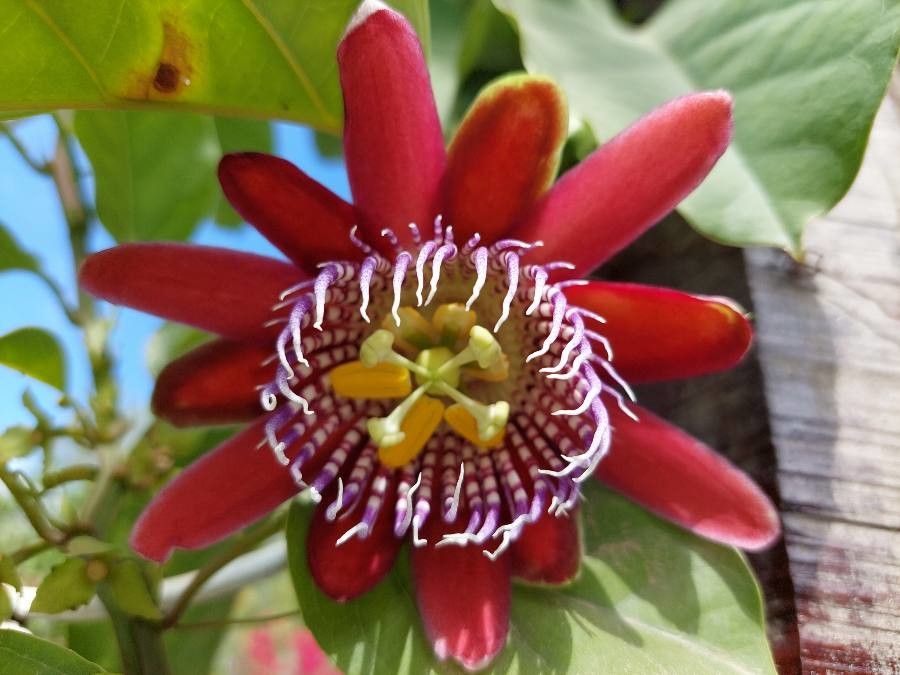
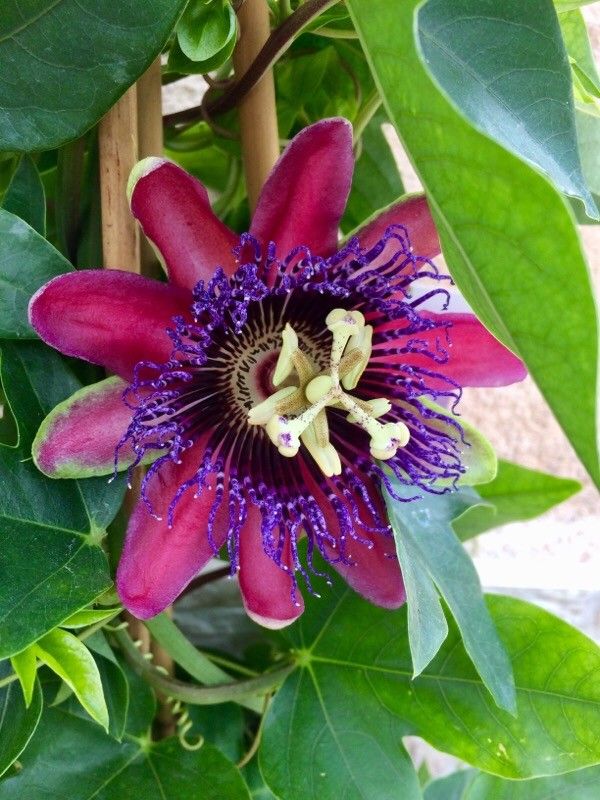
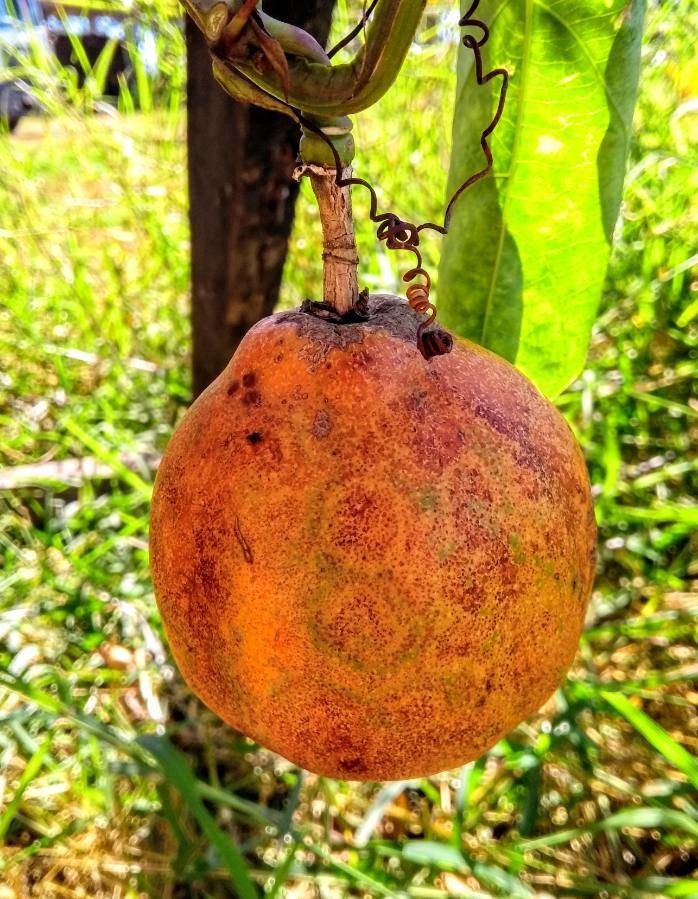
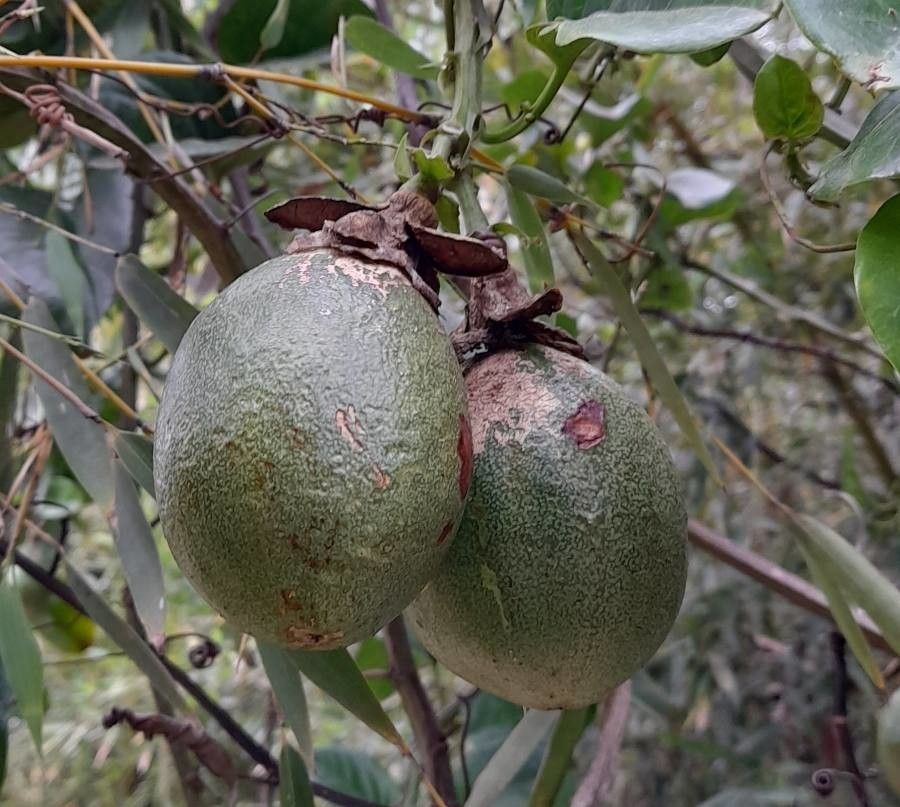
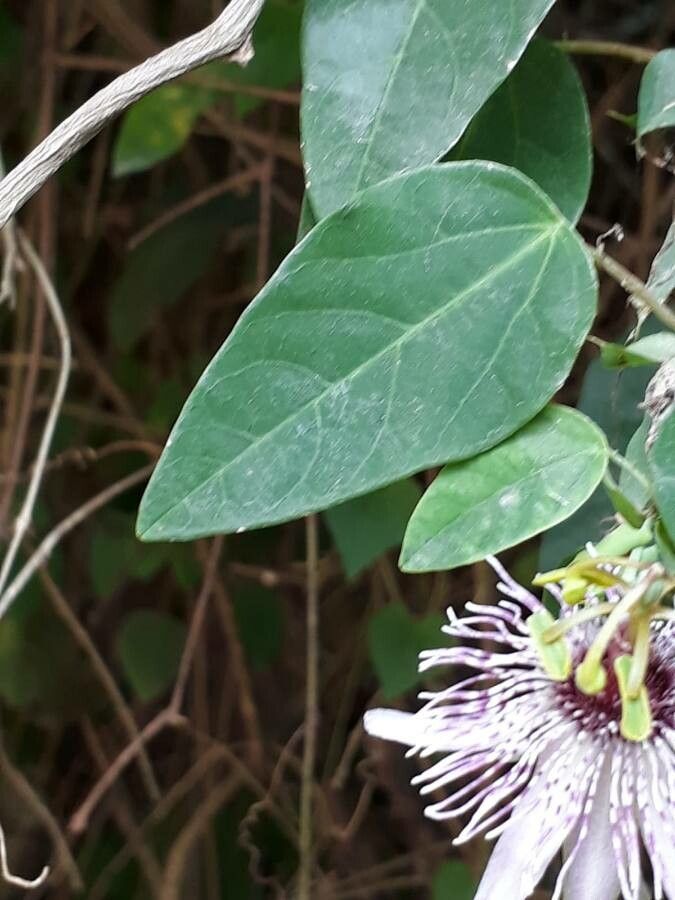
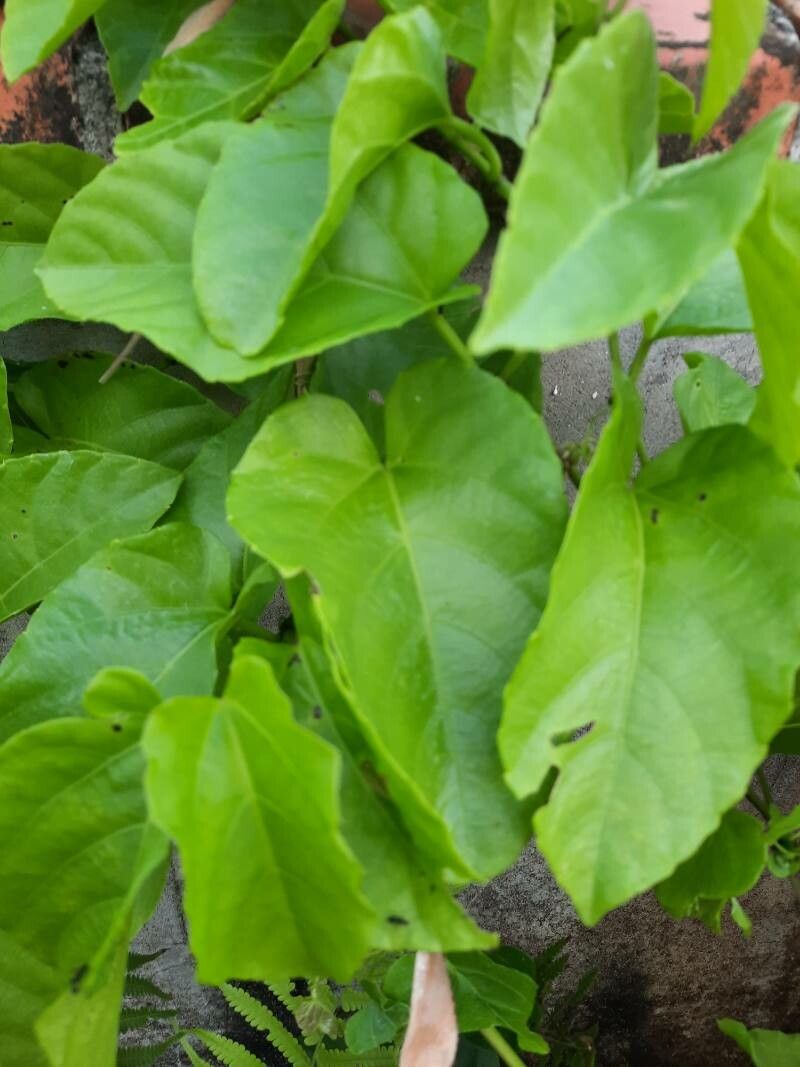
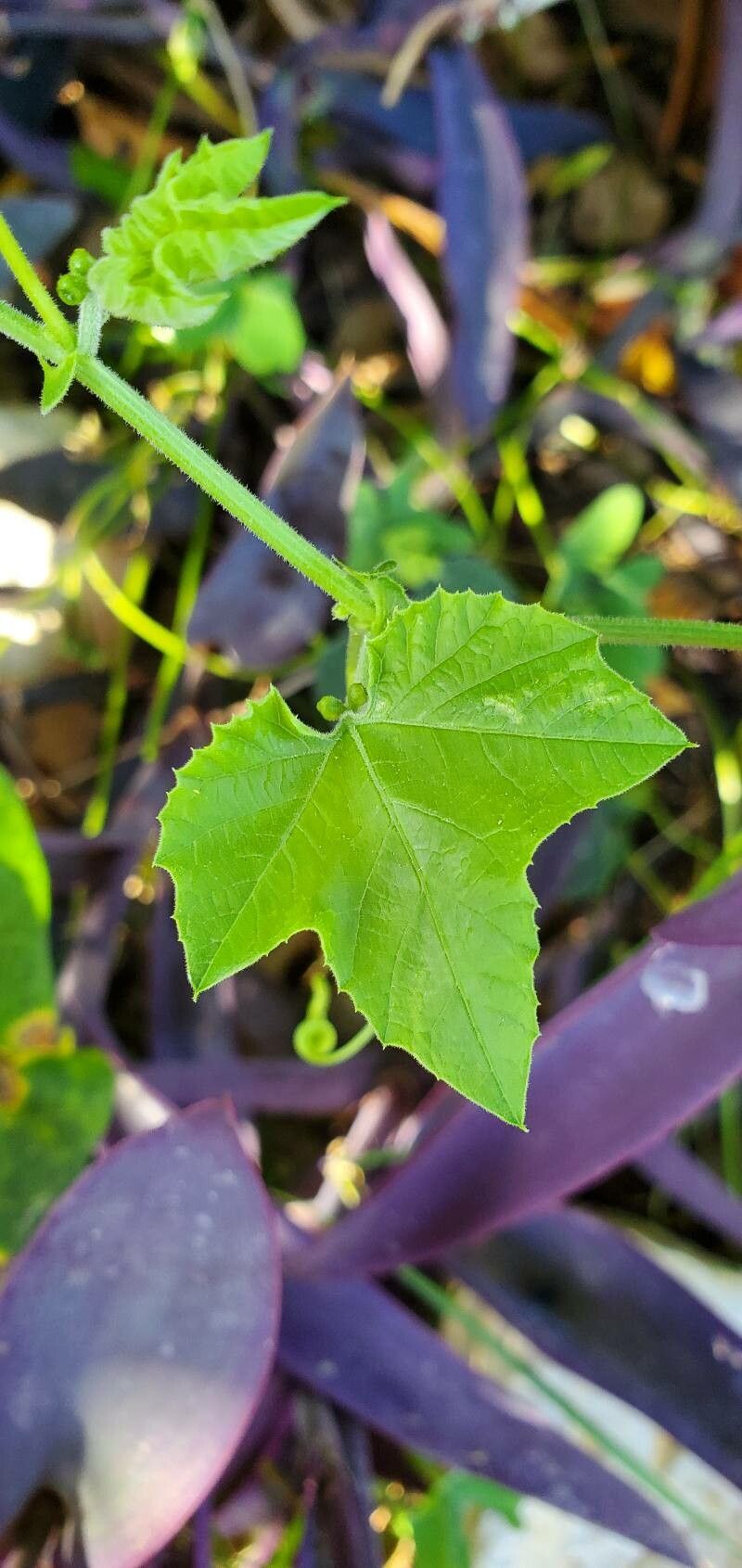
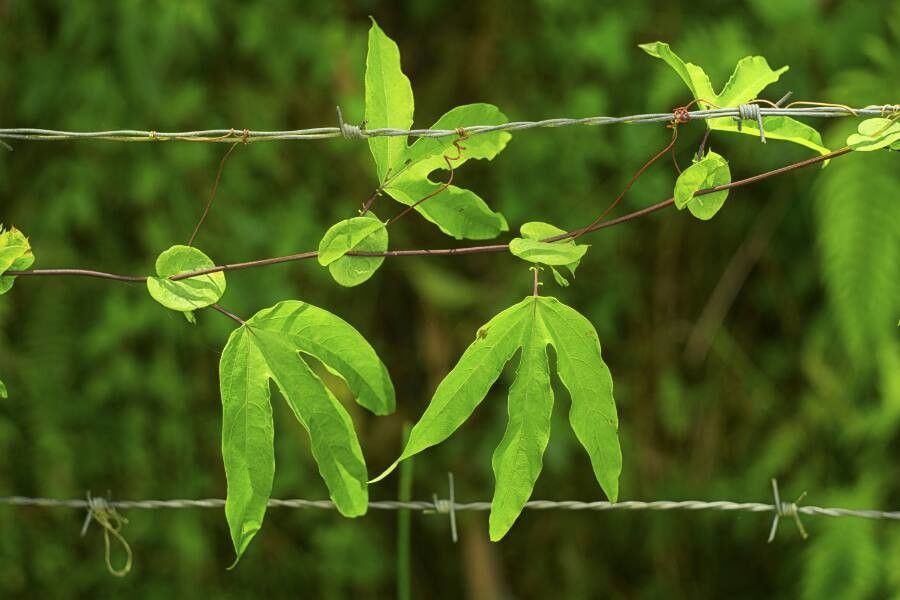
Passiflora alata, the winged-stem passion flower, is a species of flowering plant. It is an evergreen vine, growing to 6 m (20 ft) or more, which bears an edible type of passion fruit. It is native to the Amazon, from Peru to eastern Brazil.
Winged-stem passion flower is resistant to disease and generally not susceptible to illnesses. In terms of care, this plant is fairly low-maintenance. When grown outdoors it needs only light watering, and larger specimens typically do not require pruning. Smaller plants, however, should be pruned after they finish flowering. Winged-stem passion flowert is appropriate for anyone with an outdoor area, such as a garden or deck, and does not demand much gardening experience.
How to keep Passiflora Alata.
Light
The winged-stem passion flower grows best when it receives unobstructed sunlight for most of the day. Although it can tolerate lower light levels, it performs best with abundant sun. Its native habitat—forest edges—provides comparable light conditions. Both too much and too little sunlight can suppress its growth and vigor.
Water
Originating from tropical regions, the winged-stem passion flower thrives in humid environments and requires regular moisture, although it has moderate drought tolerance. Watering it weekly helps maintain optimal health. Although it is often grown indoors, the winged-stem passion flower benefits from higher humidity levels, which promote lush growth and vibrant blooms.
Temperature
Winged-stem passion flower is native to habitats with temperatures ranging from 68 to 100 °F (20 to 38 ℃). It grows best in these ambient temperatures. For optimal growth and health, adjust the temperature to reflect seasonal changes.
Fertilizer
Use organic fertilizers (for example, fish emulsion or compost) instead of chemical fertilizers for the winged-stem passion flower. Give young plants higher amounts of nitrogen and phosphorus in spring. Work compost or fertilizer into the soil either before or after planting. For established plants, apply a balanced fertilizer or one targeted to specific nutrient deficiencies in spring. Nutrient deficiency results in small leaves, short shoots, yellow or bronze foliage, acidic fruits, premature fruit fall, and splitting.
Pruning
The winged-stem passion flower is a vine that grows well without the need for pruning. However, pruning in late winter or early spring can help it grow more fully. It isn't necessary to remove spent flowers, but you should remove any dead parts and trim the plant to maintain its shape. Always use clean, sharp pruning tools and disinfect them to prevent the spread of disease.
Pot & Repot
Repot the winged-stem passion flower every 2 to 3 years in the spring. Choose a slightly larger pot to accommodate its rapid growth and reduce the risk of overwatering. After repotting, place the plant in bright, indirect light and maintain consistent moisture to promote a quick recovery.
Botanical profile.
- Plant Type
- Vine
- Life Cycle
- Perennial
- Genus
- Passiflora
- Family
- Passifloraceae
- Hardiness Zone
- 9-11
- Mature Height
- 6.1 m
- Mature Spread
- 3.96 m
- Leaf Color
- Green, Blue
- Leaf Type
- Evergreen
- Flower Color
- Red, Purple, White
- Flower Size
- 10.16 cm to 12.70 cm
- Bloom Time
- Late spring, Summer, Early fall, Mid fall
- Planting Time
- Summer
- Harvest Time
- Fall, Early winter, Mid winter
- Native Area
- Brazil, Ecuador, Peru
Other names.
Reader questions.
What's the best way to water my Winged-stem passion flower?
To ensure excellent root development, place a garden hose at the base of the plant without directly spraying the leaves. If the plant is outdoors and exposed to direct sunlight, remember to water the leaves more often. Use bubblers or soaker hoses to moisten the roots of each plant, and consider using soaker hoses to cover the entire garden or bed when adding or removing plants to encourage deep root growth. Make sure to drain excess water and allow the soil to dry before watering again. Water at ground level to prevent diseases. On a sunny day, it's beneficial to spray the entire bush with water. Whether in a pot or in the ground, keep in mind that Winged-stem passion flower prefers deep watering rather than light sprinkling.
Why should I put fertilizer on my Winged-stem passion flower?
If the soil in your area is rich, fertilizing may not be necessary. However, if the soil lacks nutrients, a Winged-stem passion flower will struggle to produce enough leaves, flowers, and fruits. To determine the soil's nutrient levels, a soil test is recommended. Nutrient deficiency in Winged-stem passion flower can result in small leaves, short branches, yellowing or bronze leaves, and less flavorful fruits that are more acidic. Certain nutrient deficiencies can also cause premature fruit dropping or splitting.
What are the sunlight requirements for Winged-stem passion flower?
Winged-stem passion flower thrives best in full sun, defined as receiving above 6 hours of sunlight daily, but it can also tolerate partial sun, meaning about 3-6 hours of sunlight. The optimal growth of this plant is observed when it is exposed to unobstructed sunlight for the majority of the day, mimicking its natural habitat on the edges of forests. Both overexposure and underexposure to sunlight can adversely affect its growth and vitality. It's important to observe how sunlight moves through your garden to find spots that offer the perfect balance of light and shade for your plants.
What is the optimal temperature range for Winged-stem passion flower?
Winged-stem passion flower thrives in environments with temperatures between 68 to 100 °F (20 to 38 °C). This heat-loving plant performs best within this temperature range, and it's important to adjust the temperature accordingly with seasonal changes to ensure optimal growth and health. During winter, maintaining temperatures above 20°C is beneficial, while temperatures approaching 0°C can be detrimental to the plant.
What do I do if I give too much/not enough water to the Winged-stem passion flower?
An overwatered Winged-stem passion flower can show signs such as yellowing leaves, leaf drop, and wilting. The plant may also appear dull and unhealthy, with mushy stems. If these signs are present, it's recommended to adjust your watering schedule. Wilting can also indicate under watering, which is characterized by crispy and dry leaves. To address this, check the soil moisture level and provide a thorough watering if needed. While sufficient water will help the plant recover, it may still exhibit dryness and yellowing leaves due to root damage. Once the plant returns to normal, the yellowing will cease. When caring for a Winged-stem passion flower indoors, be cautious of overwatering and watch for black spots. If present, allow the soil to dry out by withholding watering for a few days. Overwatering can lead to root rot, so consider transferring the plant to a different pot if discolored and slimy roots are observed. When planting the Winged-stem passion flower outdoors, ensure adequate soil moisture by checking the moisture level with your fingers. If the soil feels too dry, it may indicate under watering. In such cases, it's important to provide proper watering to aid in the plant's recovery.
When should I fertilize my Winged-stem passion flower to get the best results?
To support the strong leaf and root development of young Winged-stem passion flower plants, it is recommended to provide them with higher nitrogen and phosphorus fertilizer. The most suitable time for fertilizing is during the spring of their first growing season. It is advisable to mix compost or another fertilizer into the soil before or immediately after planting. For mature plants, it is necessary to supplement their nutrient needs every few years during the spring and summer, using either a balanced fertilizer or one that addresses specific deficiencies in the local soil. It is important to avoid fertilizing the Winged-stem passion flower during the autumn or winter.
How do I use artificial lighting for Winged-stem passion flower indoor growth?
When natural sunlight is insufficient for your Winged-stem passion flower, especially during winter or in less sunny indoor spaces, artificial lighting can be an effective remedy. Optimal growth under artificial lights requires selecting the right type of light, such as LED lights, which are popular for their customizability to provide specific wavelengths needed by plants. The intensity of artificial light needed varies: full sun plants require 30-50W/sq ft, partial sun plants 20-30W/sq ft, and full shade plants 10-20W/sq ft. The distance between the light source and the plant should be 12-36 inches to mimic natural sunlight adequately. Ensure that your plants receive 8-12 hours of light per day to mimic natural daylight hours closely.
How should Winged-stem passion flower be cared for during cold weather?
In cold weather, Winged-stem passion flower requires specific care due to its preference for warm temperatures. If the temperature drops below the preferred range, especially during winter, it's recommended to bring outdoor-grown plants indoors and place them near a bright window, ensuring they are kept at a certain distance from heaters to avoid damage. This plant is not tolerant of low temperatures, and it should be kept above 0°C to prevent harm. If temperatures fall below -5°C, the leaves may lighten in color, eventually turning brown or black, with symptoms such as wilting and drooping appearing. In such cases, frost-damaged parts should be trimmed off, and the plant should immediately be moved to a warm environment for cold protection, ideally near a south-facing window while avoiding placement near heaters to prevent air dryness.
How frequently should I water my Winged-stem passion flower?
The Winged-stem passion flower prefers deep and infrequent watering, especially when grown in pots. Since the soil in pots dries out faster, it's important to soak them in a gallon of water each time. In cold regions, watering should be done every 3 to 5 days, ideally in the morning when the soil is dry. You can check if watering is needed by feeling the soil - if the top 2-3 inches are dry, it's time to give the plant a thorough watering. During hot days, you may need to check the moisture daily to prevent the soil from drying out too quickly. For garden plants, irrigation is also necessary, especially in hot climates where watering once a week is recommended. Pay attention to the soil moisture and avoid overwatering if there's already sufficient rainfall. To conserve water, add mulch about 3 to 4 inches deep around outdoor plants during spring and fall. In sandy soil, more frequent watering is necessary due to its fast-draining nature. However, with clay soil, watering can be less frequent to allow the plant to dry out for 2-3 days and avoid root rot. Keeping track of watering dates on a calendar can help ensure that plants are watered on time. If you notice drooping leaves, it might be an indication that watering is needed.
When is it not a good idea to fertilize my Winged-stem passion flower?
To ensure the health of your Winged-stem passion flower, it is important to avoid fertilizing it after pruning, when it is already dealing with disease or insects, or when it is stressed in any other way. It's worth noting that fertilizer can only address insufficient nutrients in the soil and cannot rectify other issues that may affect your plant. Therefore, it is crucial to accurately diagnose the problem before considering fertilizer as a solution. Additionally, it is advisable to refrain from fertilizing your Winged-stem passion flower during the winter months or during exceptionally hot and dry periods in the summer.
What signs indicate a Winged-stem passion flower is not receiving enough sunlight?
The Winged-stem passion flower shows several clear signs when it's not getting enough sunlight, especially when grown indoors. These include the development of smaller leaves, leggy or sparse growth, faster leaf drop, a halt in new growth, the appearance of lighter-colored new leaves, and symptoms of chlorosis. The plant may also exhibit sunscald, leaf curling, wilting, or leaf scorching if it receives too much sunlight. These symptoms highlight the plant's struggle with inadequate light conditions.
What steps should be taken if a Winged-stem passion flower experiences high temperatures?
During summer, it's crucial to monitor and adjust the conditions for Winged-stem passion flower to prevent heat stress, as it should be kept below 38°C. When temperatures exceed 43°C, the plant may become more susceptible to sunburn, with the leaves' color lightening. To address this, trim away the sunburned and dried-up parts of the plant. Moving the plant to a location that offers shade during the midday and afternoon sun can help provide protection. Additionally, watering the plant in the morning and evening helps to keep the soil moist and supports the plant's well-being during high-temperature periods.