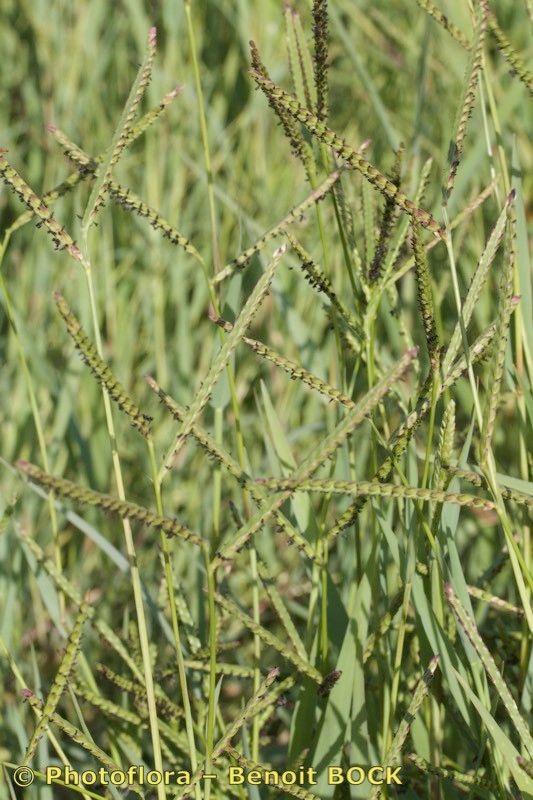
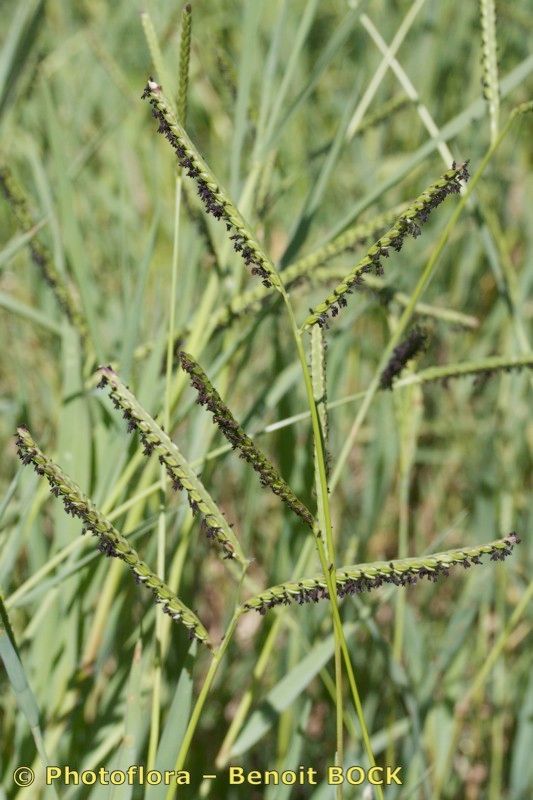
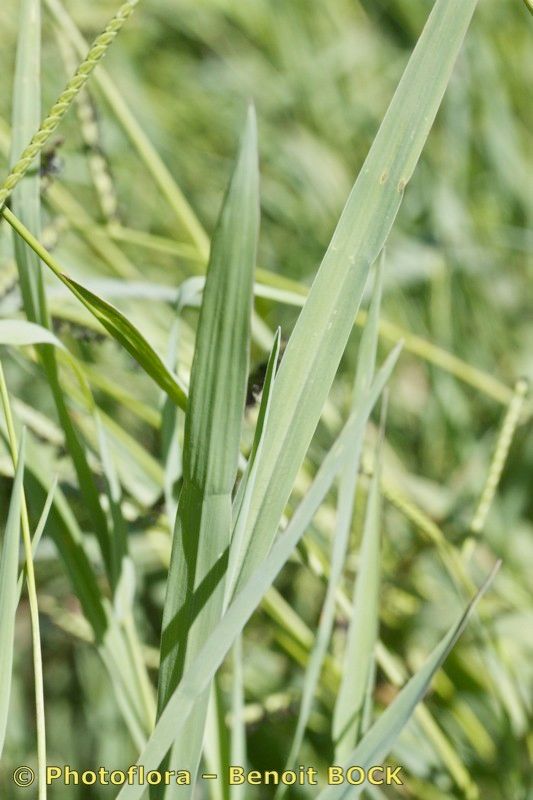
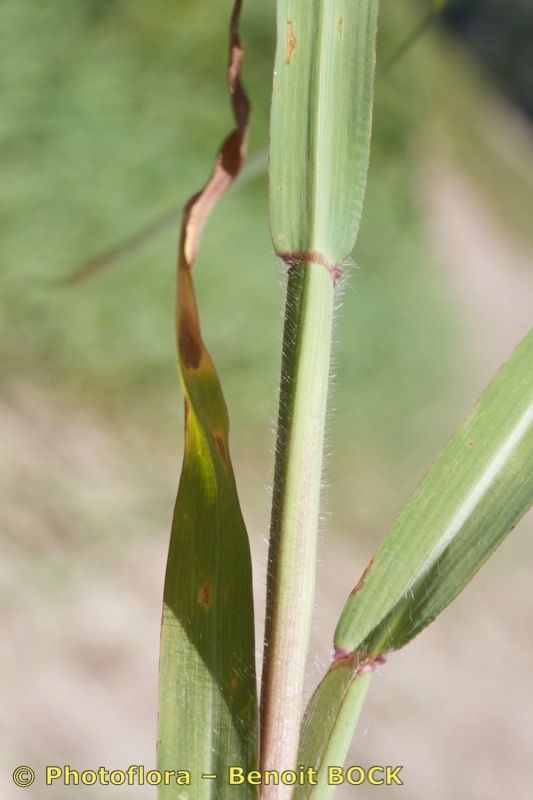
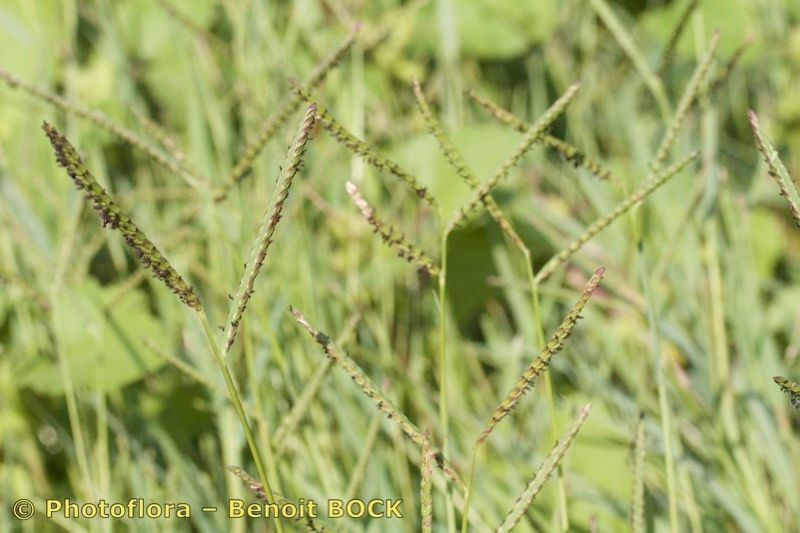
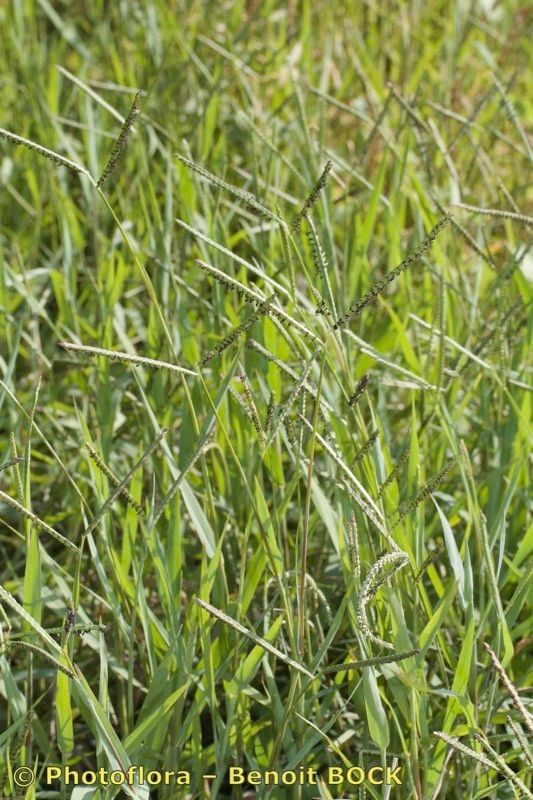
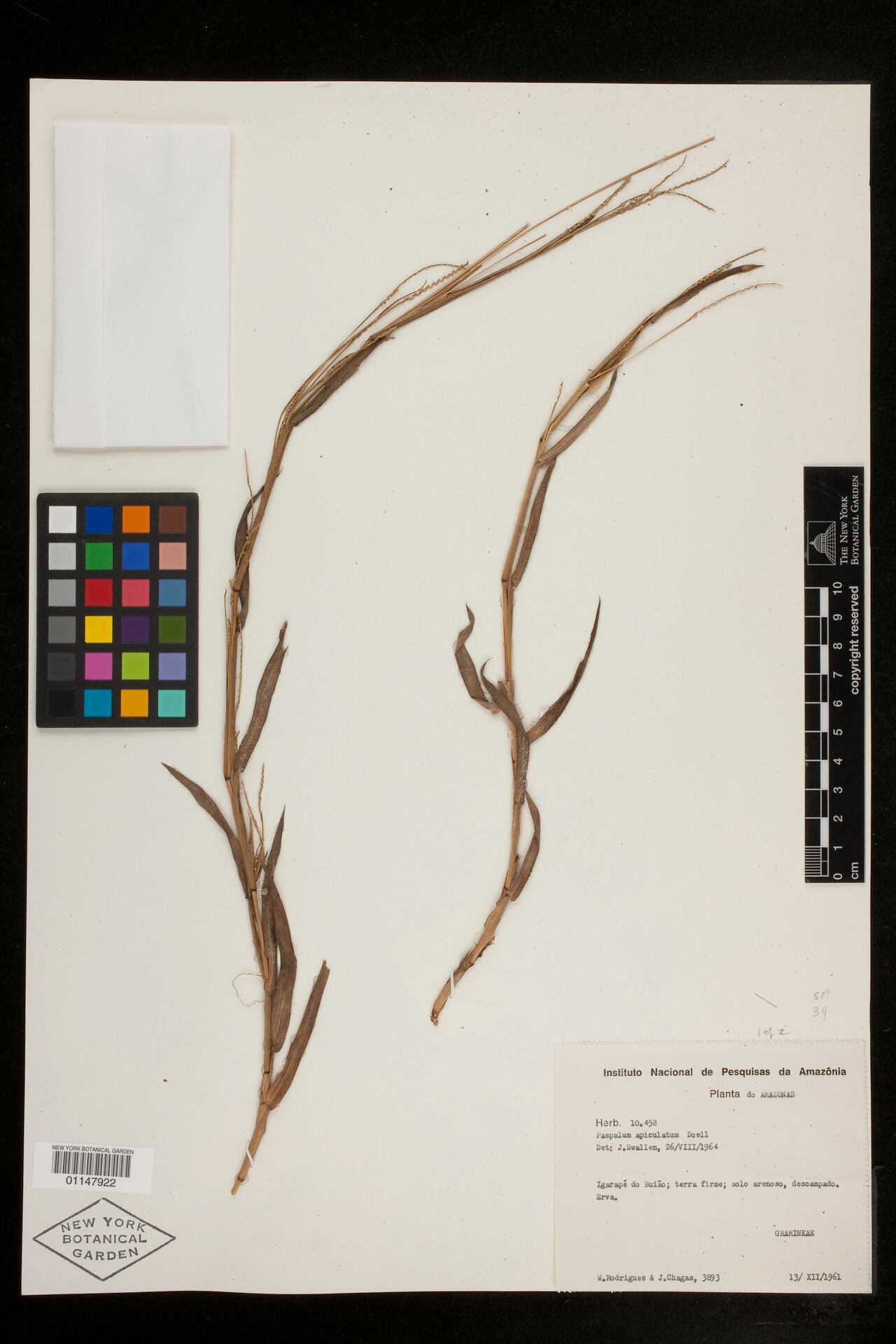
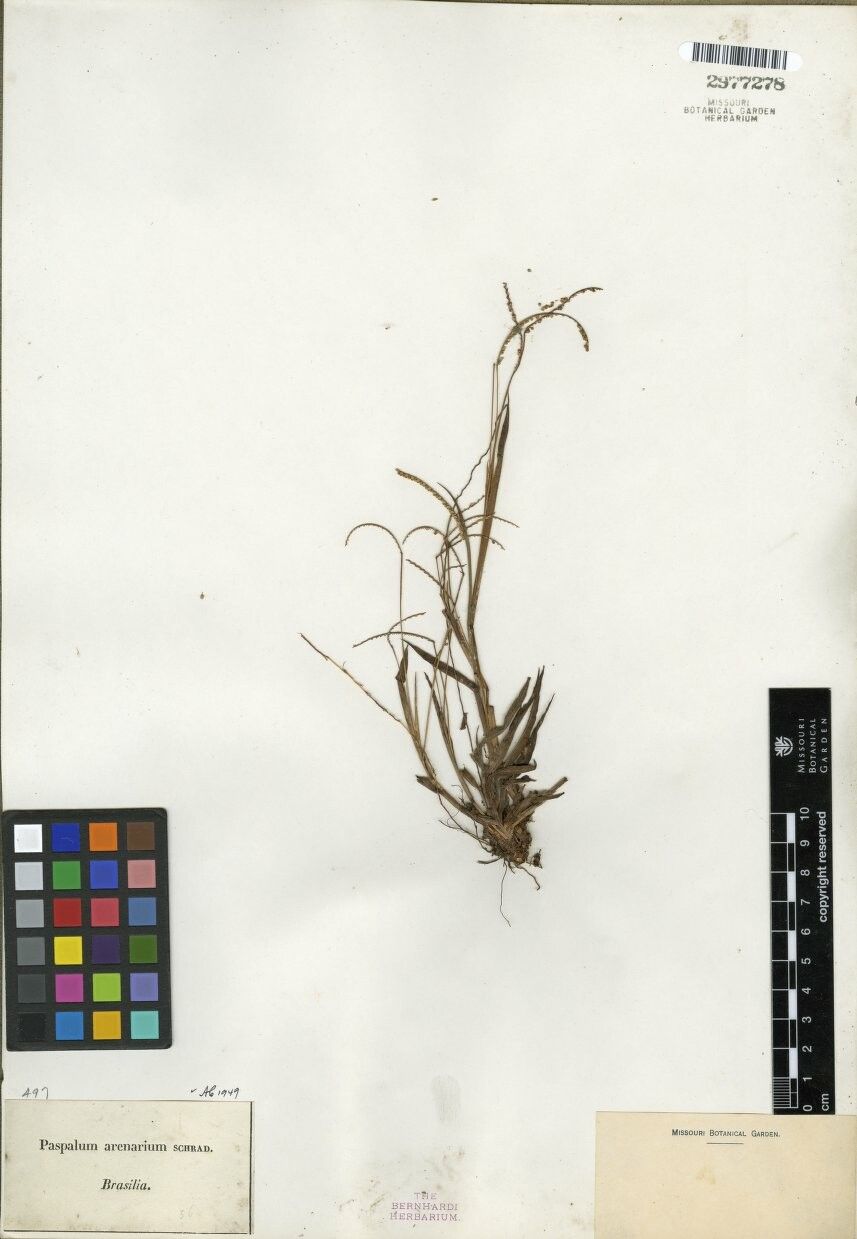
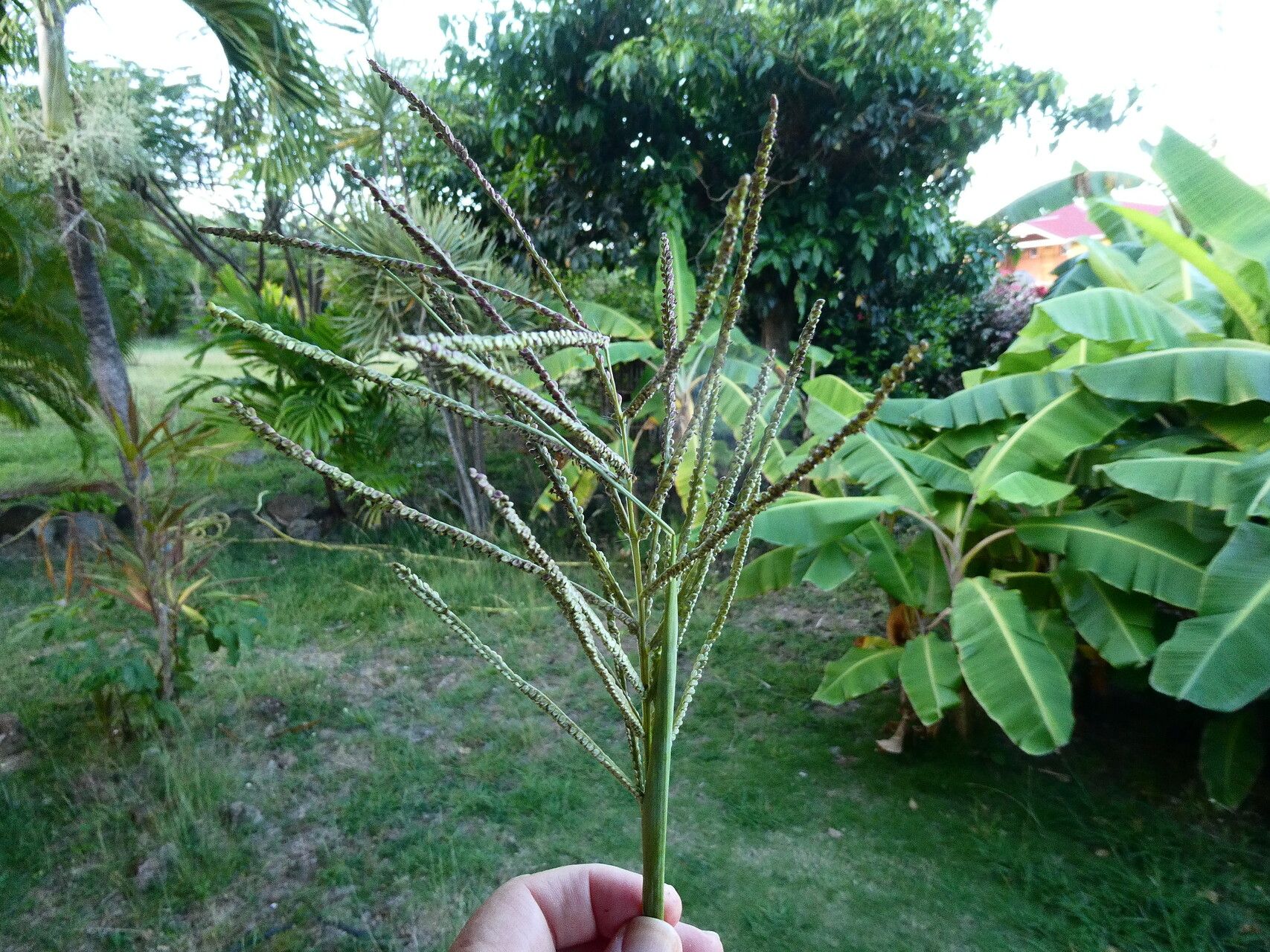
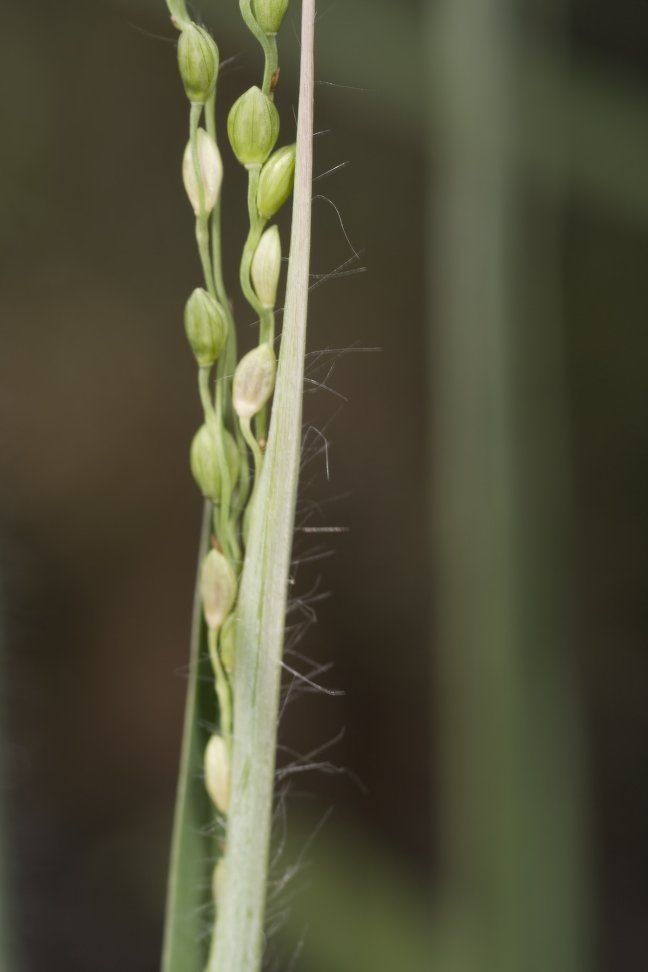
Knotgrass shows strong resistance to disease and generally does not tend to develop illnesses. Nevertheless, it can be vulnerable to pests and diseases present in its environment. Such infections are typically mild. Regarding upkeep, this plant needs a moderate level of maintenance. It should be pruned on a regular basis to preserve an attractive form and support healthy growth. Applying fertilizer can also assist in encouraging blooms. Knotgrass is well suited to anyone who has an outdoor area, like a garden or a patio, and does not demand extensive plant-care experience. It may need additional attention if cultivated indoors.
How to keep Paspalum Paucispicatum.
Light
Knotgrass thrives in strong sunlight but can also tolerate medium levels of sun exposure. Its native habitats are those with abundant sun, so its growth is enhanced in well-lit areas. A lack of light could impede its growth, and too much light could potentially lead to damage.
Temperature
Knotgrass shows excellent resilience to temperature, with an ability to handle hotter temperatures and more significant temperature fluctuations. It is crucial to monitor watering and supply appropriate shading to prevent sunburn when temperatures soar. On the other hand, Knotgrass doesn't cope well with colder temperatures. Although it can survive moderate cold, extreme cold temperatures can result in damage from frost.
Fertilizer
Typically, Knotgrass only requires one application of fertilizer in the spring, but growth can be optimized through multiple feedings. Frequent feeding every four to six weeks can be beneficial. Fertilization improves the look and function of the leaf, ensuring constant color and a healthy texture. Furthermore, it boosts root growth and nutrient uptake, promoting long-term health of the plant.
Botanical profile.
- Plant Type
- Herb
- Life Cycle
- Perennial
- Genus
- Paspalum
- Family
- Poaceae
- Hardiness Zone
- 8-11
- Mature Height
- 30 cm to 46 cm
- Mature Spread
- 49 cm to 91 cm
- Leaf Color
- Green, Dark Green
- Leaf Type
- Semi-evergreen
- Flower Color
- Green, White, Yellow, Pink, Purple, Red, Brown, Black
- Flower Size
- 2.54 cm
- Bloom Time
- Summer, Early fall, Mid fall
- Planting Time
- Spring, Summer, Autumn
- Harvest Time
- Late summer, Fall, Early winter
- Native Area
- Belize, Mexico, Guatemala, Peru, Dominican Republic, Trinidad and Tobago, Panama, Jamaica, Uruguay, Bahamas, Cuba, Paraguay, Argentina, Haiti, Bolivia, Venezuela, Brazil, Guyana, El Salvador, Nicaragua, Ecuador, Suriname, Costa Rica