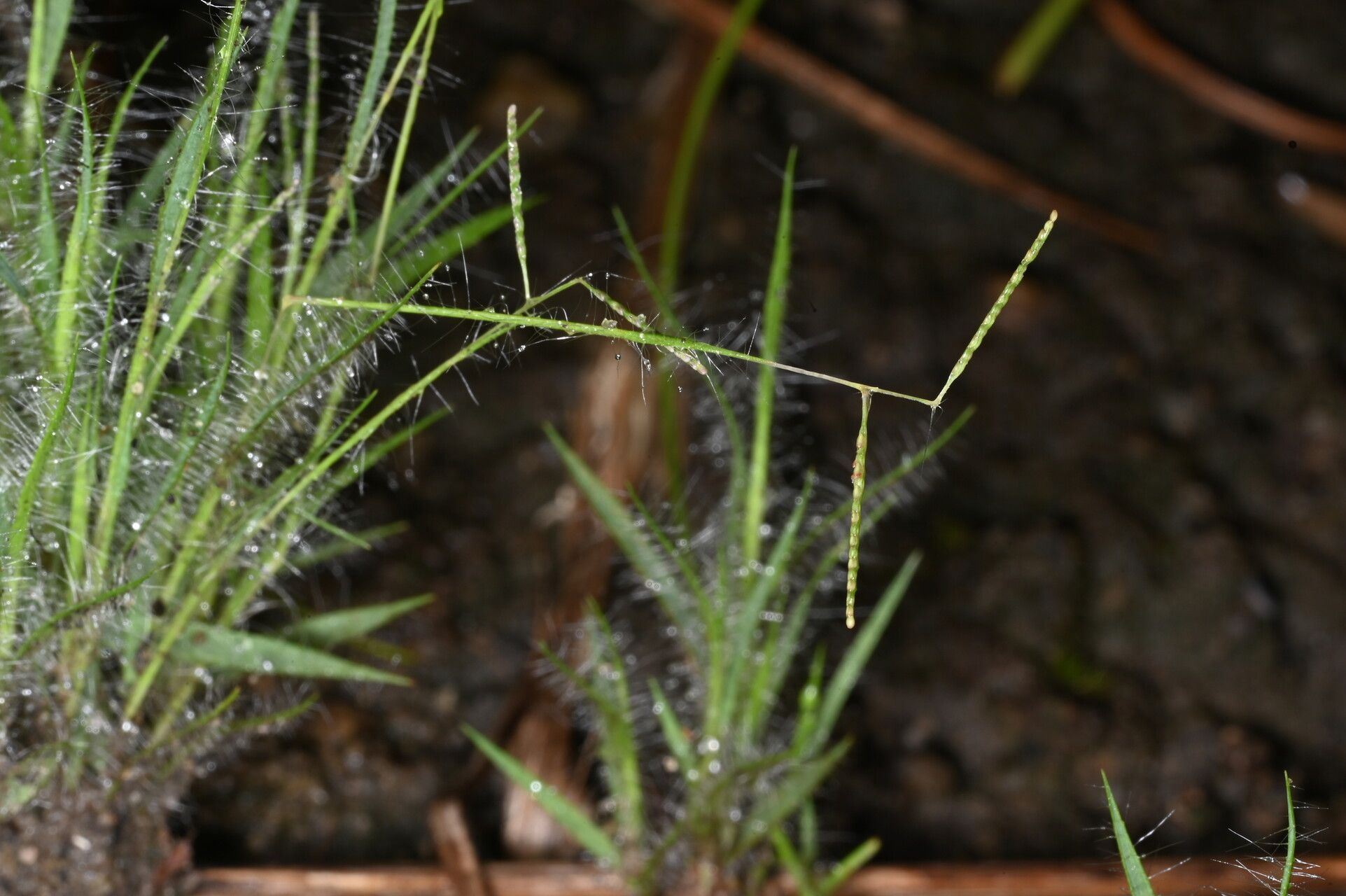
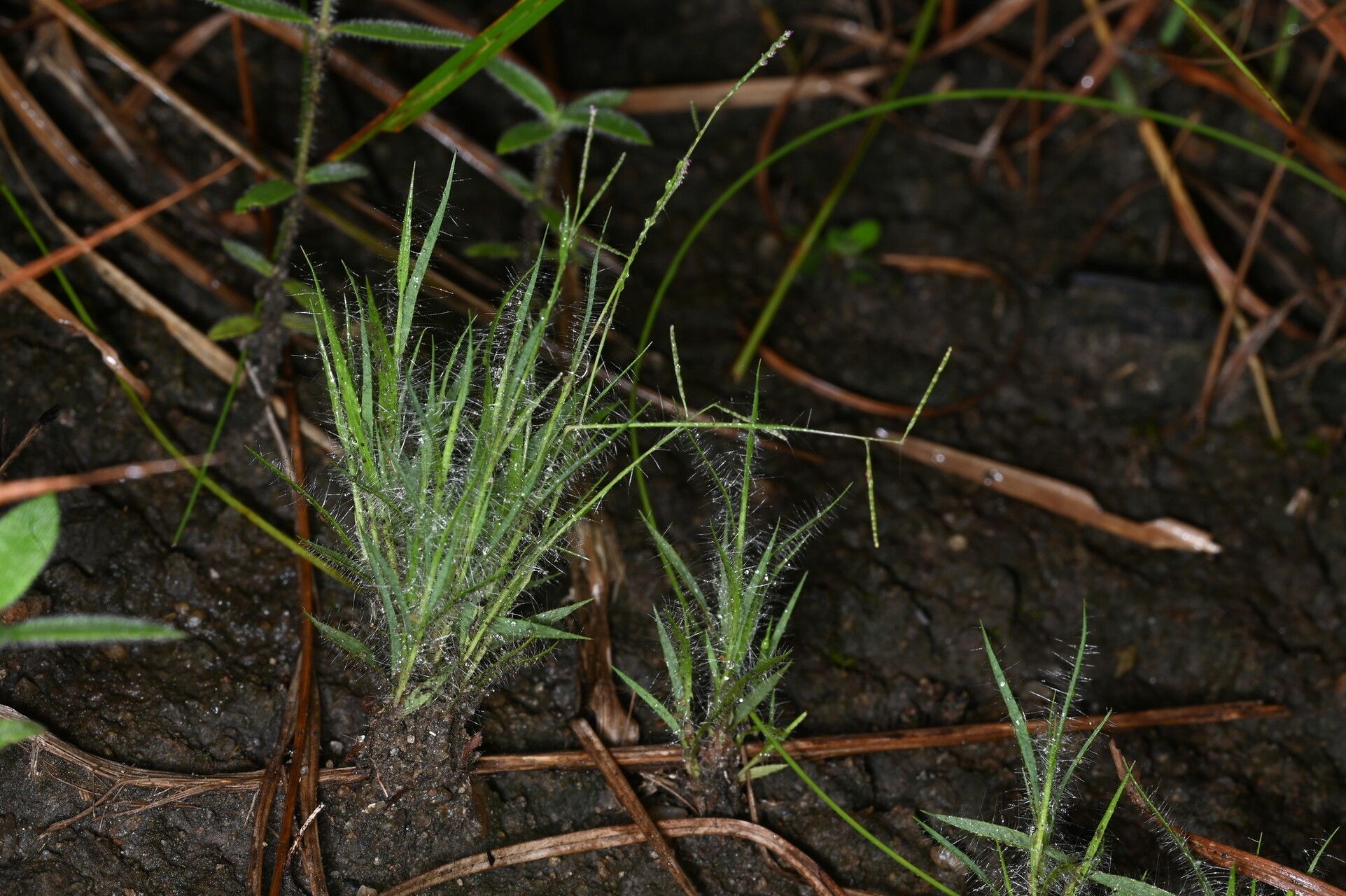
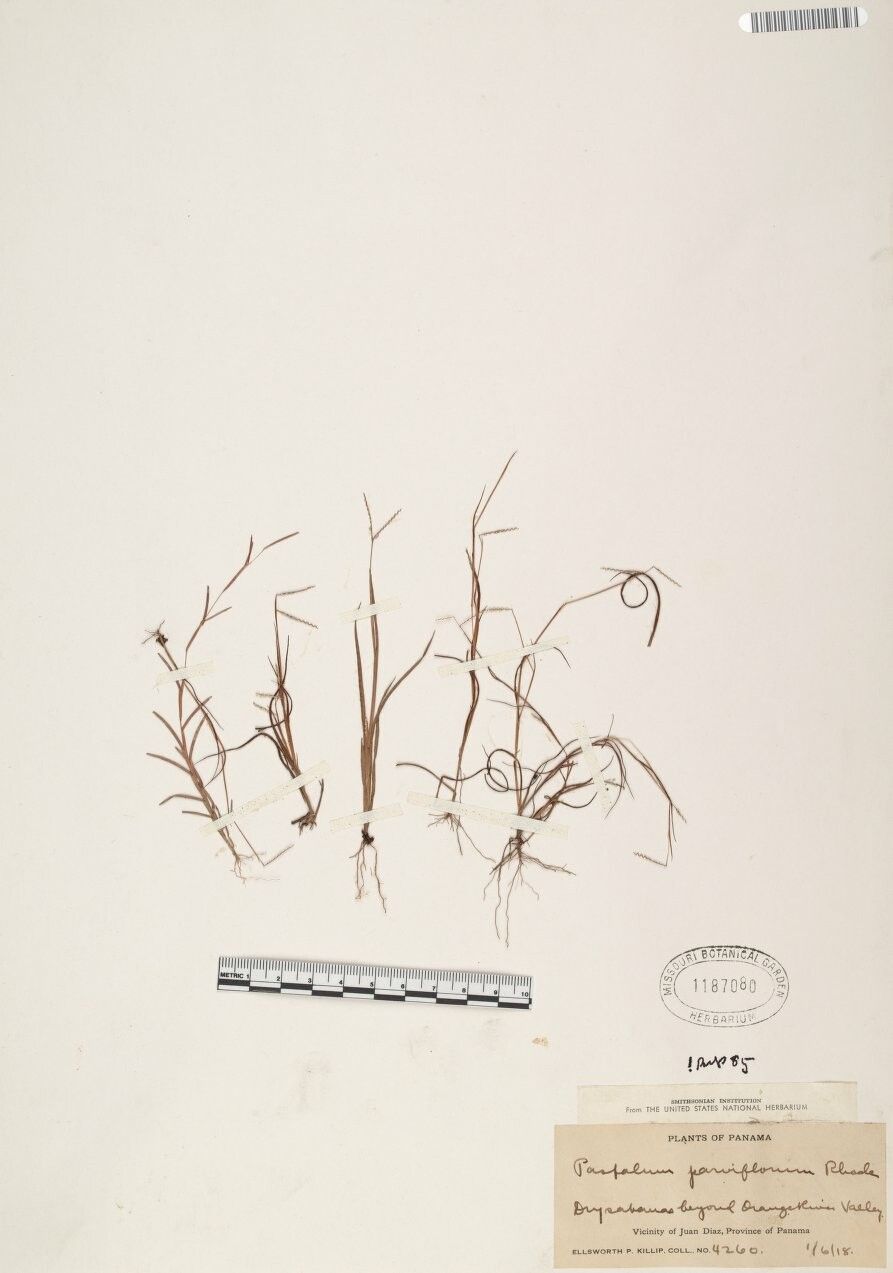
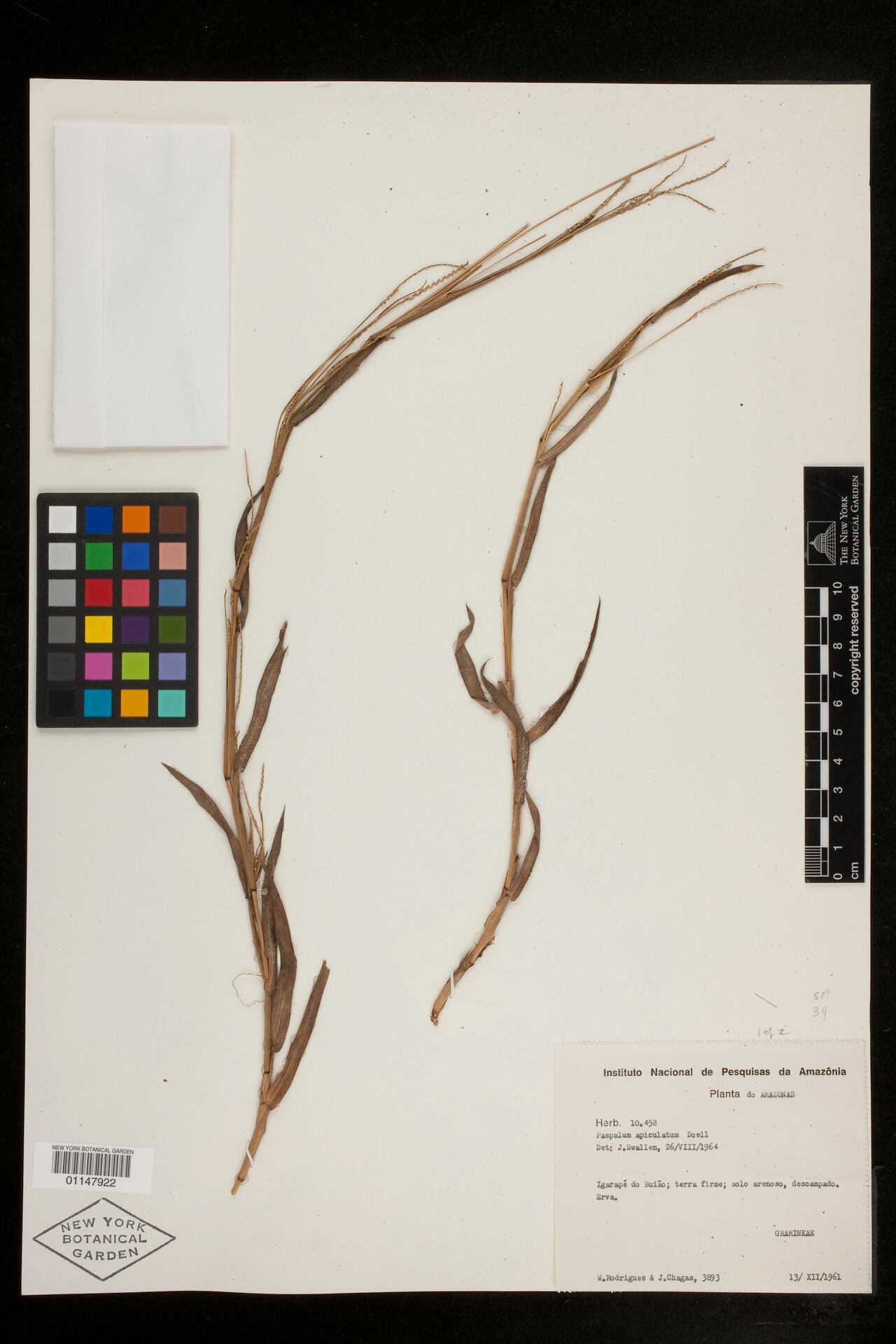
Smut grass is disease-resistant and is generally not vulnerable to illnesses. With respect to care, this plant is fairly low-maintenance. When grown outdoors it needs only light watering, and larger plants typically do not need pruning. Smaller plants, however, should be pruned after they have finished blooming. Smut grasst is well suited to anyone with outdoor space, such as a garden or deck, and does not call for substantial gardening experience.
How to keep Paspalum Parviflorum.
Light
Smut grass, deriving from a habitat that flourishes with generous solar light, tends to favor areas bathed in sunlight all day long. This behavior is critical for the plant's development and vitality. Constant exposure to light through all its stages of growth proves advantageous, while a lack or excess of it can have unfavorable impacts on its health.
Temperature
Smut grass is a flora that thrives in a native habitat with temperatures ranging from 68 to 100.4 °F (20 to 38 ℃). Its optimal growth occurs in temperate climates. Adjustments in temperature based on the region are critical to suit the yearly needs of this plant.
Fertilizer
Smut grass is a type of grass that flourishes in the summer season and becomes dormant in winter. For it to grow thickly, maintain its bright green hue, and withstand pressure factors like intense heat, dry spells, and chills, fertilization is very important. Undeveloped grass areas deteriorate, become sparse, and attract undesired grass varieties, weeds, bugs, and diseases.
Botanical profile.
- Plant Type
- Grass
- Life Cycle
- Perennial, Annual
- Hardiness Zone
- 8-11
- Mature Height
- 91 cm
- Mature Spread
- 20 cm to 40 cm
- Leaf Color
- Green
- Leaf Type
- Semi-evergreen
- Flower Color
- Yellow, Green, Brown
- Flower Size
- 1.52 cm
- Bloom Time
- Summer, Early fall, Mid fall
- Planting Time
- Spring
- Harvest Time
- Late summer, Fall, Early winter
- Native Area
- Belize, India, Malaysia, Mexico, Guatemala, Dominican Republic, Fiji, Jamaica, Uruguay, Paraguay, Indonesia, Haiti, Argentina, Venezuela, Brazil, Chile, Honduras, Georgia, Peru, Philippines, Panama, Colombia, Bahamas, Bolivia, Japan, El Salvador, Nicaragua, Singapore, Ecuador, Costa Rica, Gabon
Other names.