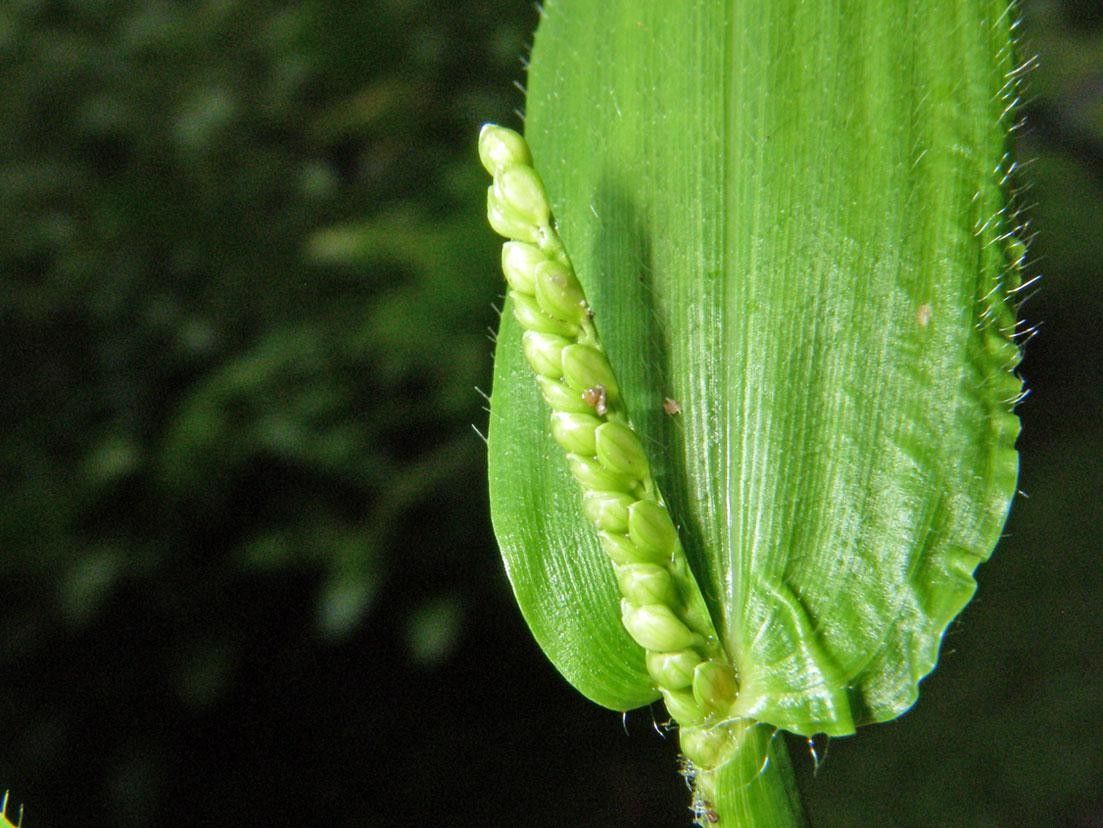
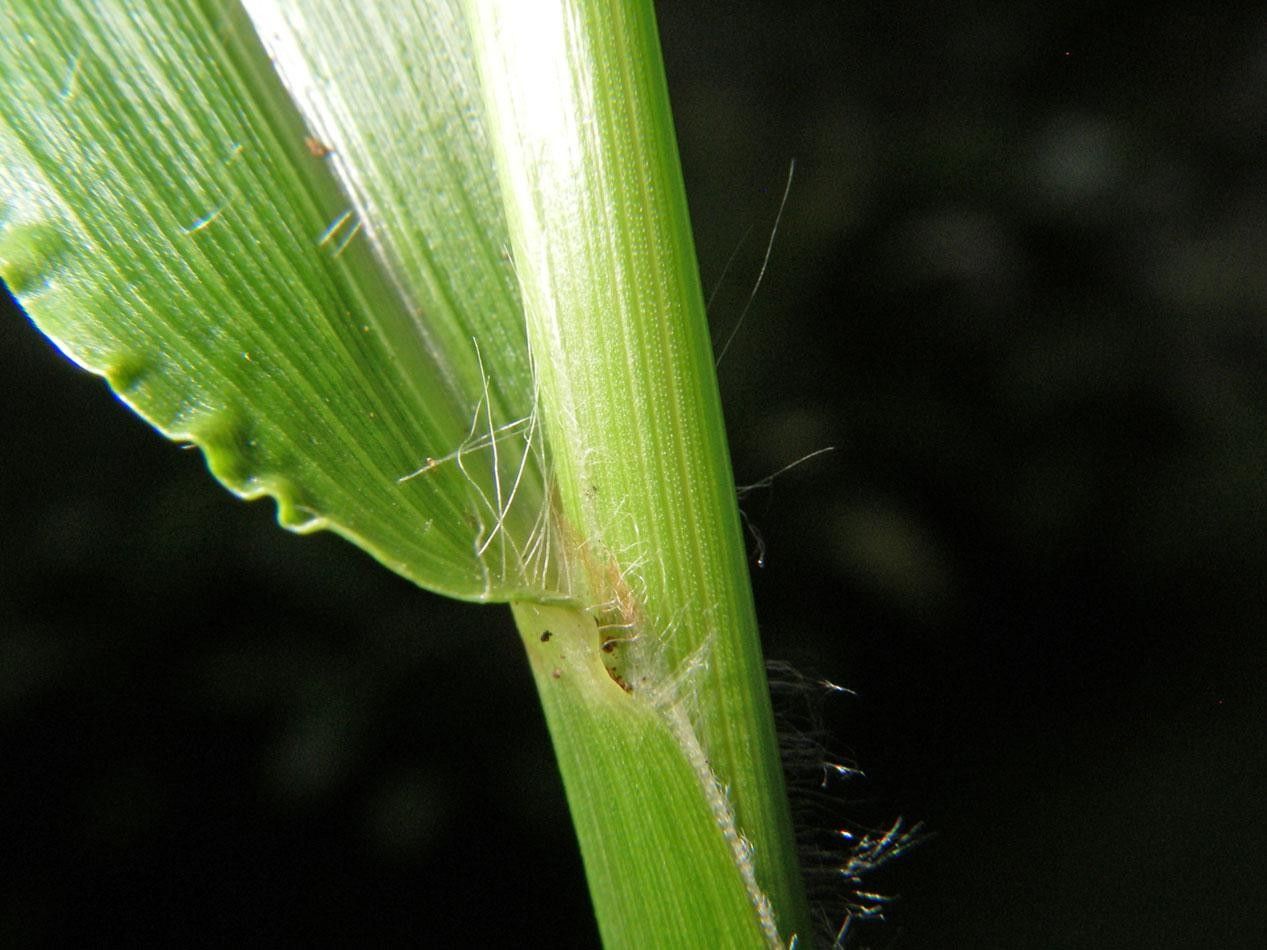
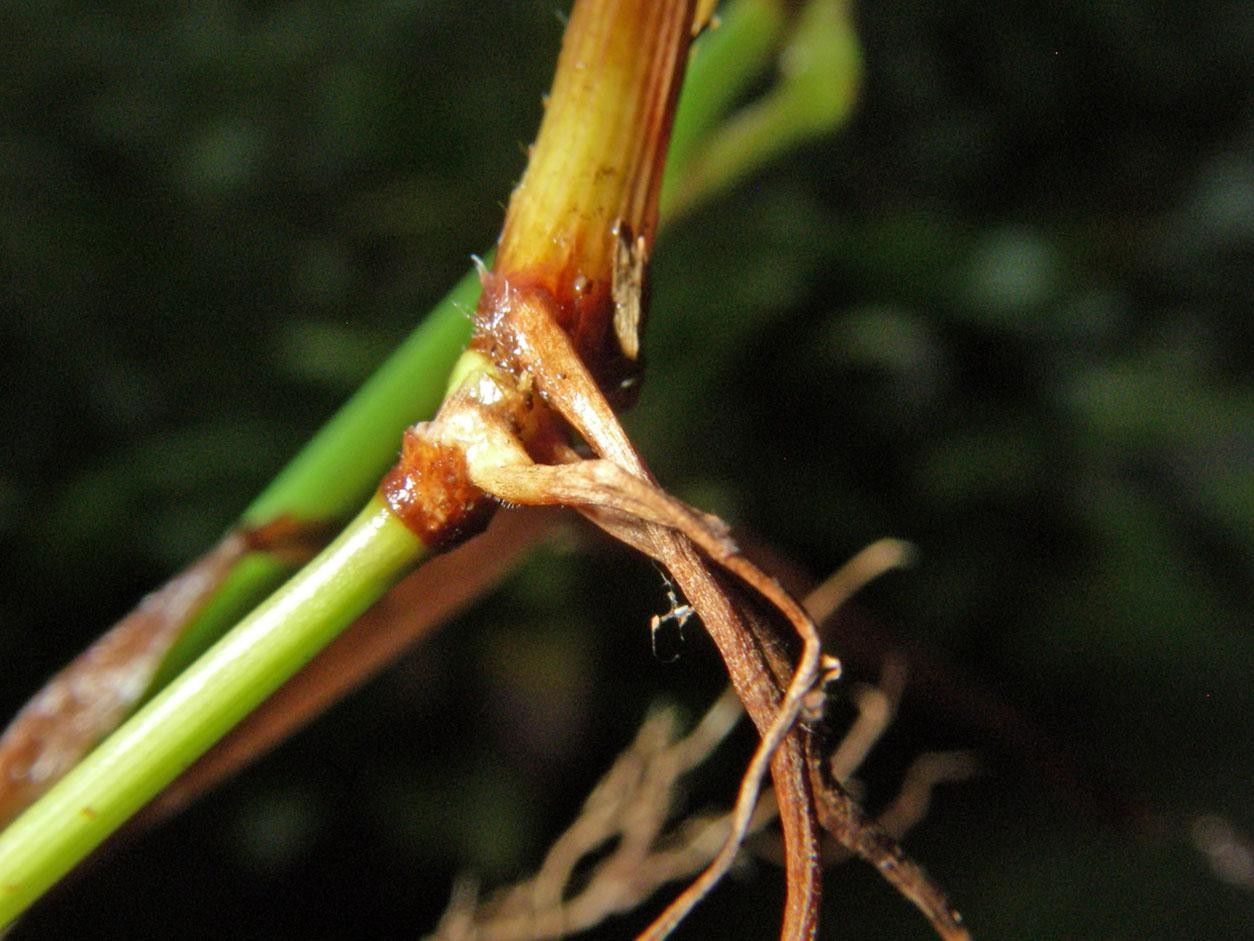
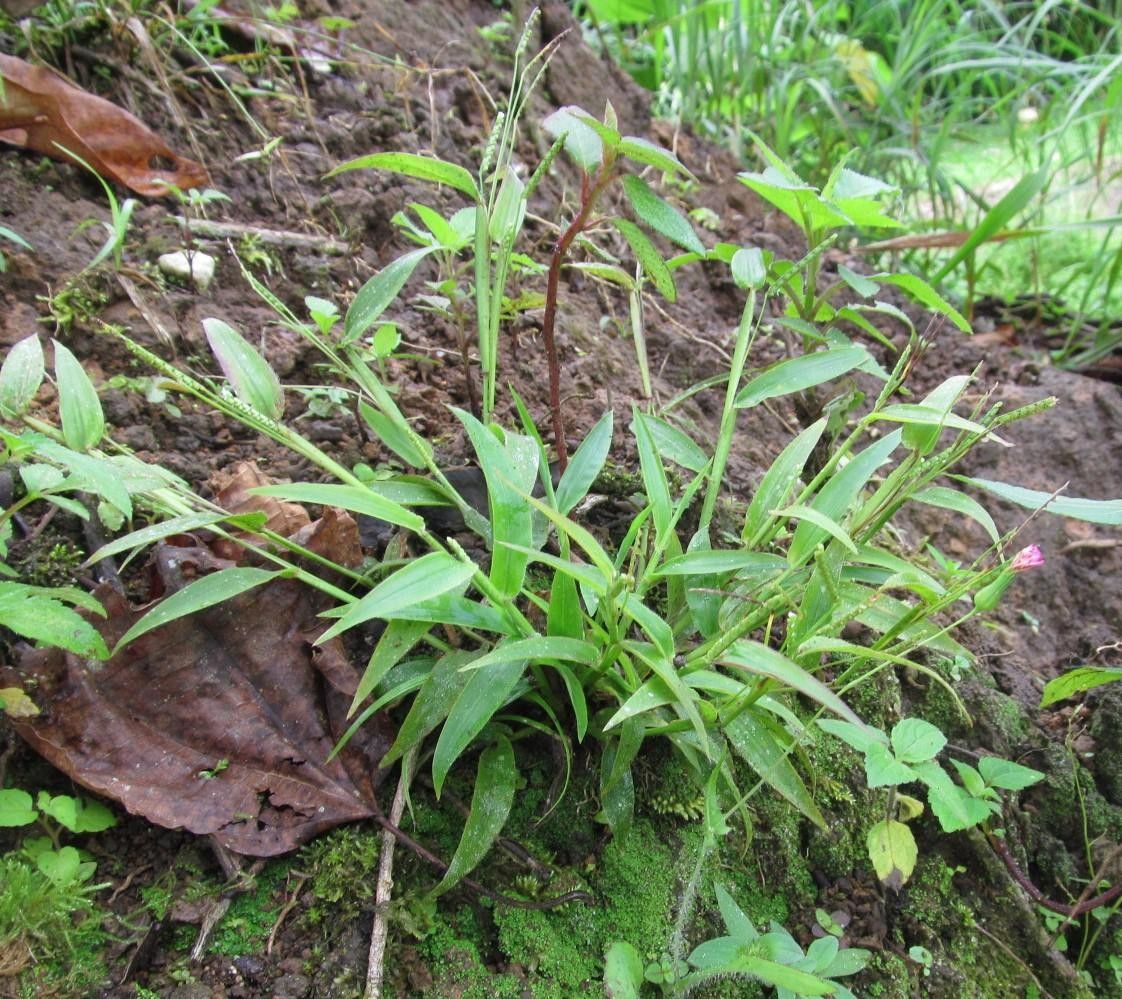
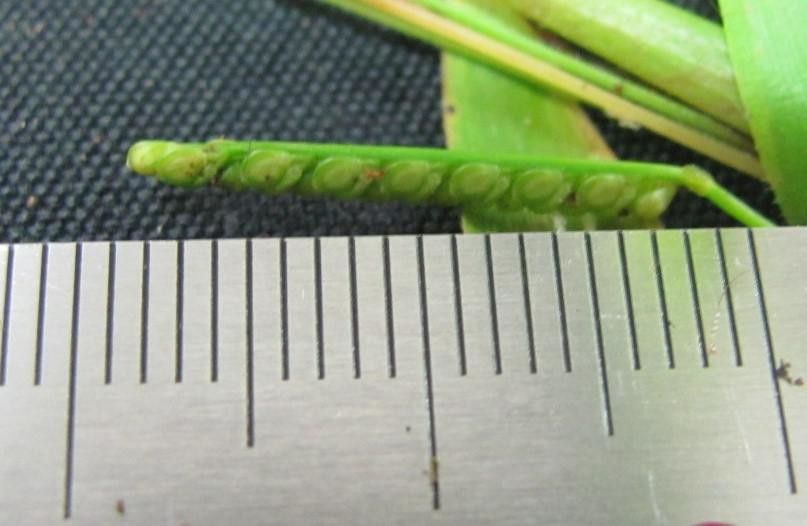
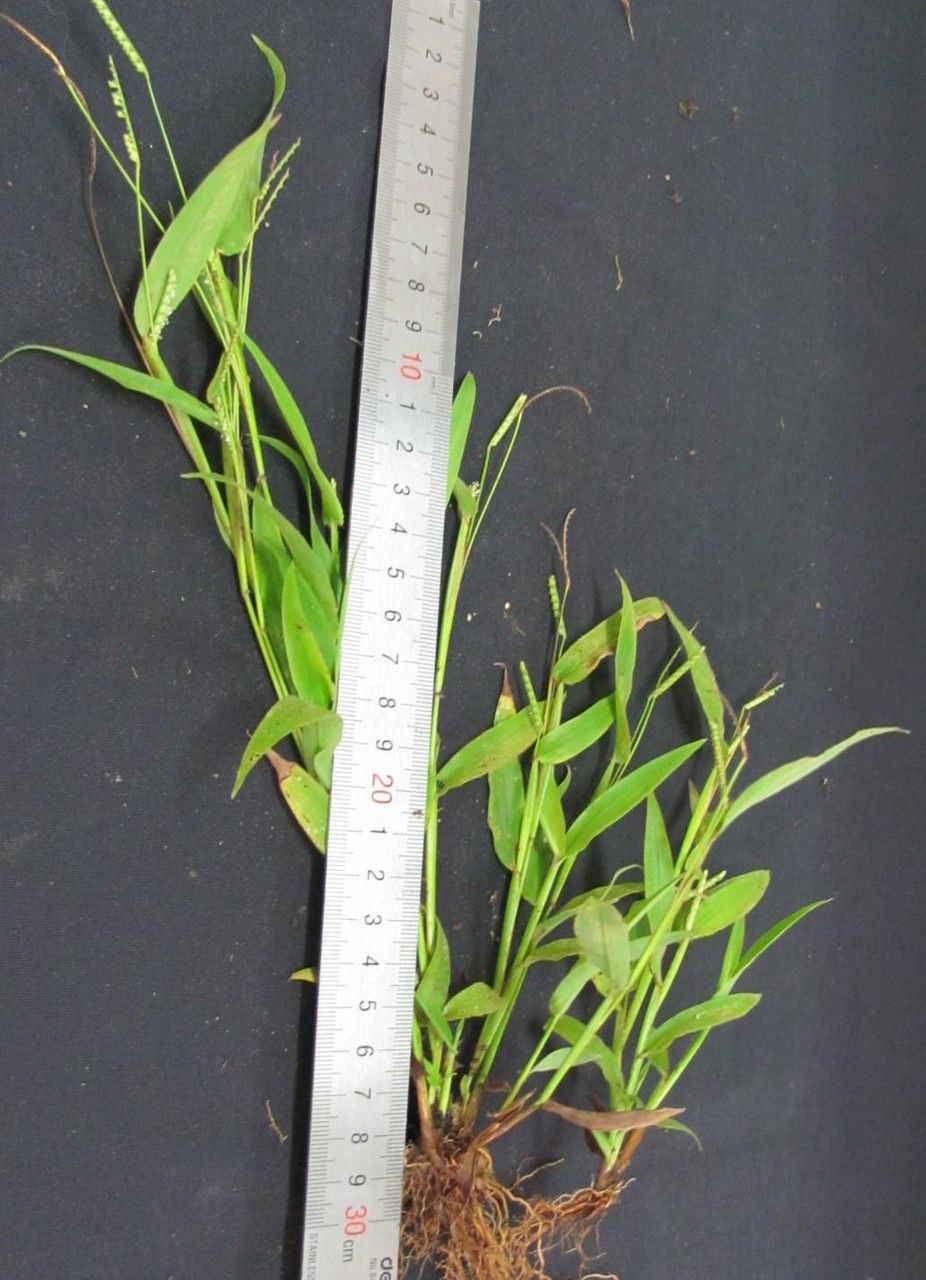
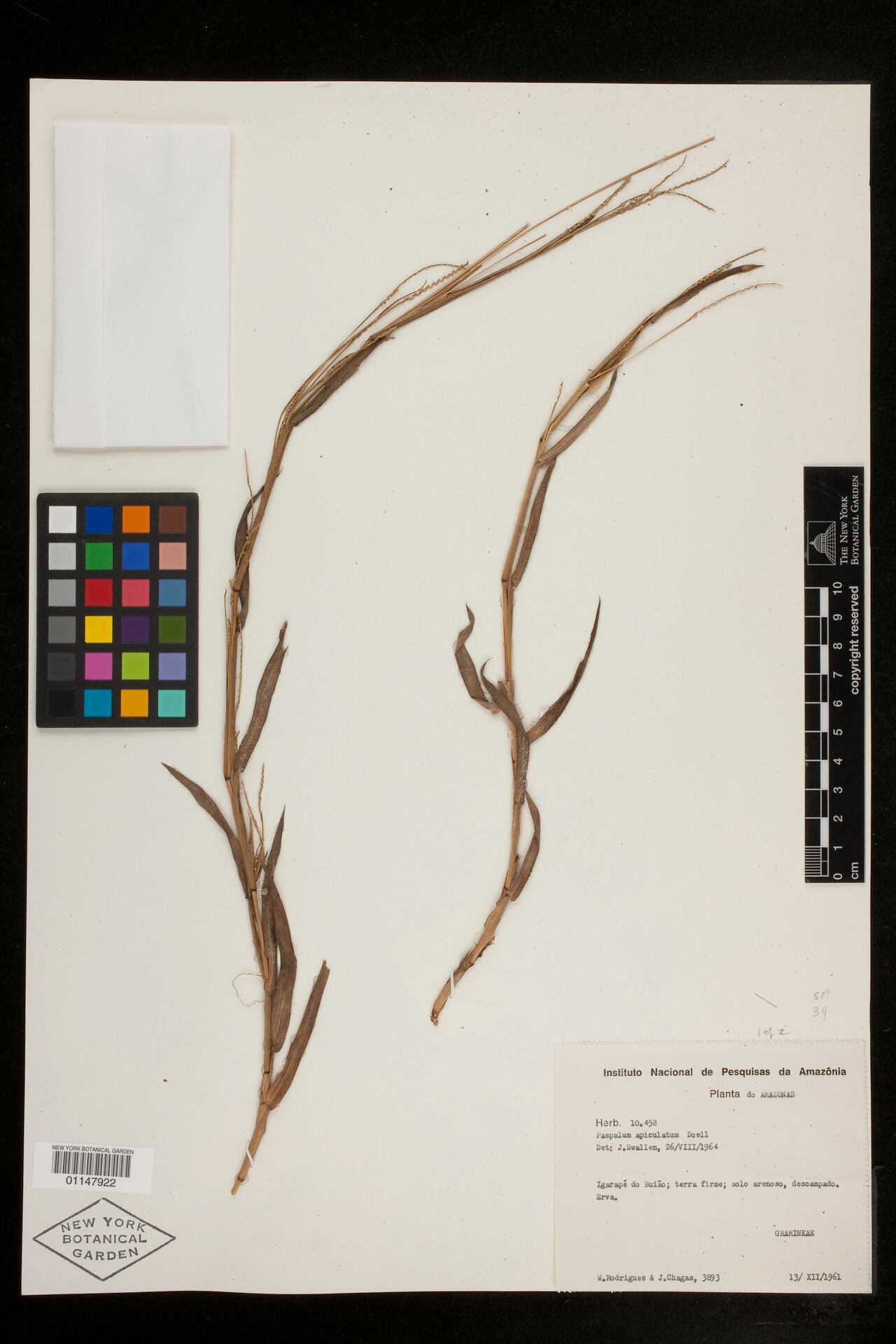
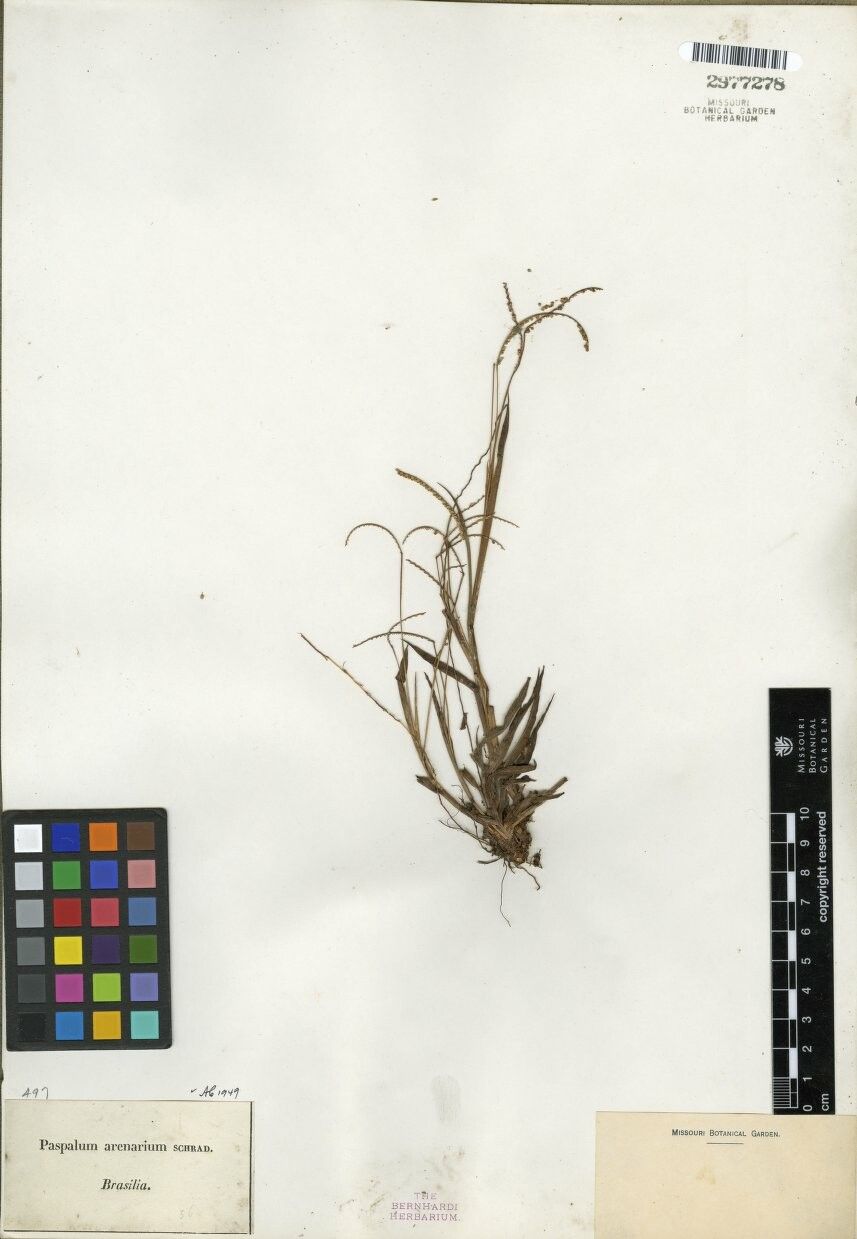
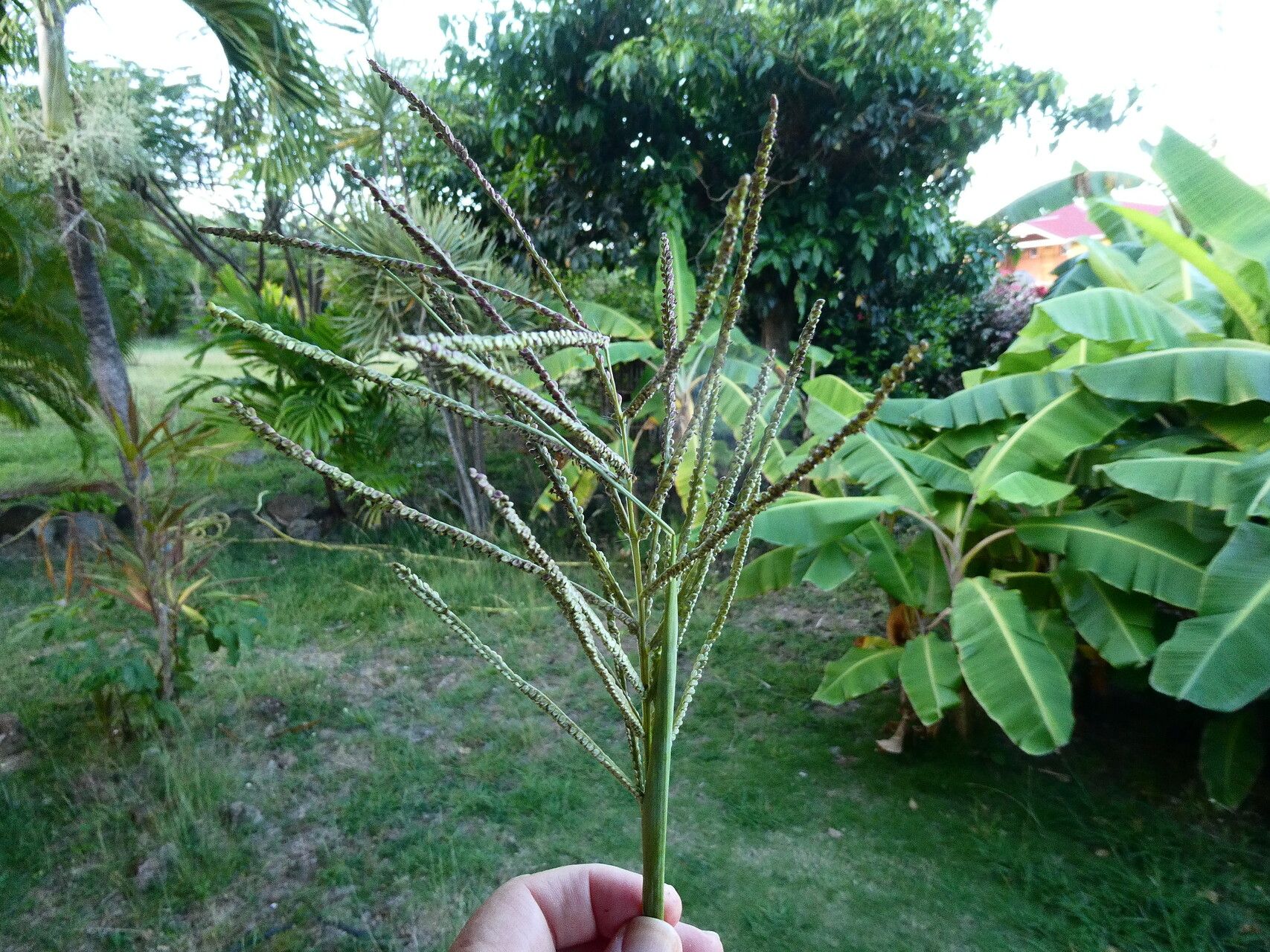
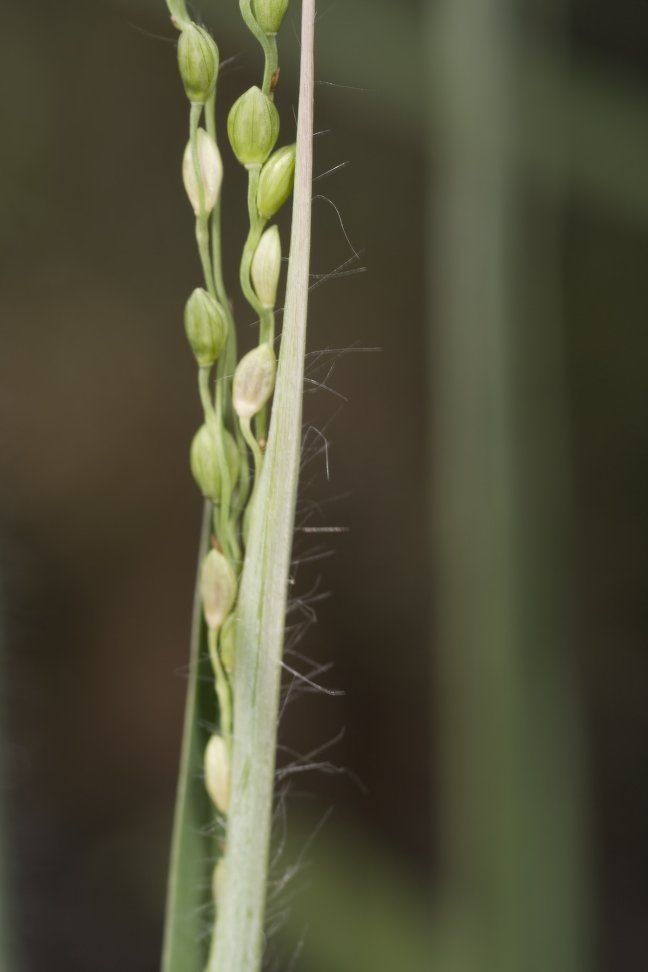
Brownseed paspalum has strong resistance to disease and is generally not prone to illnesses. However, it can be vulnerable to pests and diseases present in its environment. These problems are usually mild. Regarding upkeep, this plant needs moderate care. It should be pruned regularly to preserve its appearance and support healthy growth. Fertilizing can also encourage flowering. Brownseed paspalum is appropriate for anyone with an outdoor area, such as a garden or patio, and does not demand extensive gardening experience. It may need more attention if grown indoors.
How to keep Paspalum Decumbens.
Light
Brownseed paspalum performs best when exposed to full sunlight for most of the day but can tolerate reduced light for stretches. Seasonal changes may mean you need to move it between outdoors and indoors to keep its light levels adequate. A lack of sufficient light can limit its growth and overall health.
Temperature
Brownseed paspalum adapts well to heat, tolerating high temperatures and considerable temperature fluctuations. In hot conditions, attention should be given to irrigation and supplying appropriate shade to prevent sunburn. Conversely, Brownseed paspalum is relatively sensitive to cold; although it can endure some chill, very low temperatures can cause frost damage.
Fertilizer
One fertilizer application in spring is typically enough for Brownseed paspalum, though several applications can boost growth. Apply fertilizer every month to a month and a half. Fertilizing improves the appearance and function of the leaves, helping maintain even color and a healthy texture. It also promotes root development and nutrient uptake for the plant's long-term health.
Botanical profile.
- Plant Type
- Herb
- Life Cycle
- Perennial
- Genus
- Paspalum
- Family
- Poaceae
- Hardiness Zone
- 8-11
- Mature Height
- 0.3 m to 1.22 m
- Mature Spread
- 30 cm to 61 cm
- Leaf Color
- Dark Green
- Leaf Type
- Semi-evergreen
- Flower Color
- Yellow, Green, Purple, Brown
- Flower Size
- 0.15 cm to 0.20 cm
- Bloom Time
- Summer, Early fall, Mid fall
- Planting Time
- Spring, Summer
- Harvest Time
- Late summer, Fall, Early winter
- Native Area
- Belize, Honduras, Mexico, Guatemala, Peru, Panama, Jamaica, Colombia, Cuba, Bolivia, Venezuela, Guyana, El Salvador, Nicaragua, Brazil, Costa Rica
Other names.