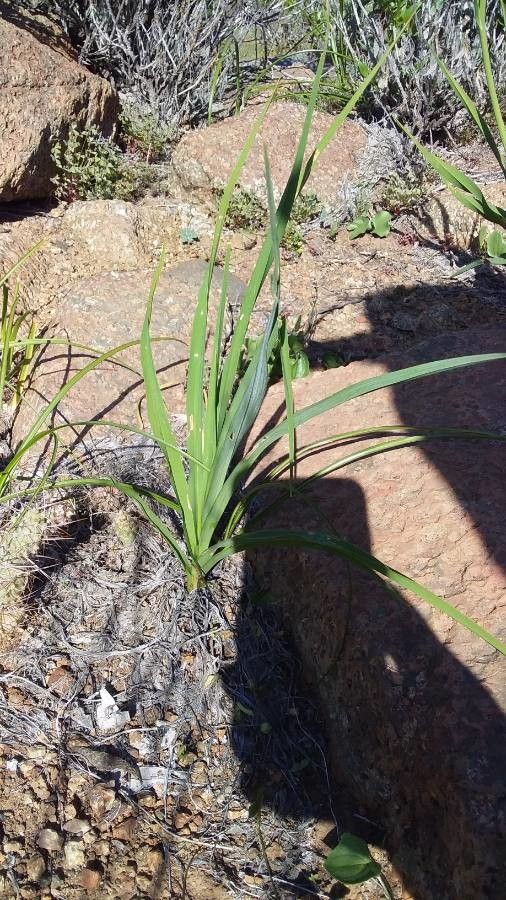
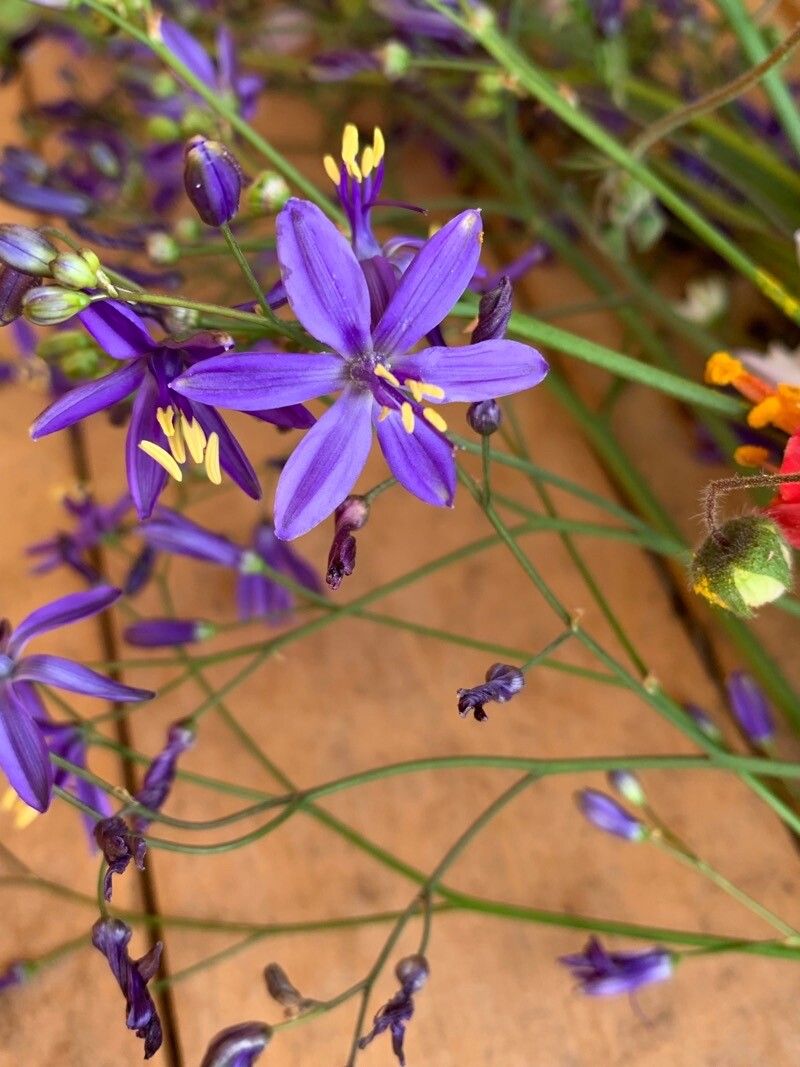
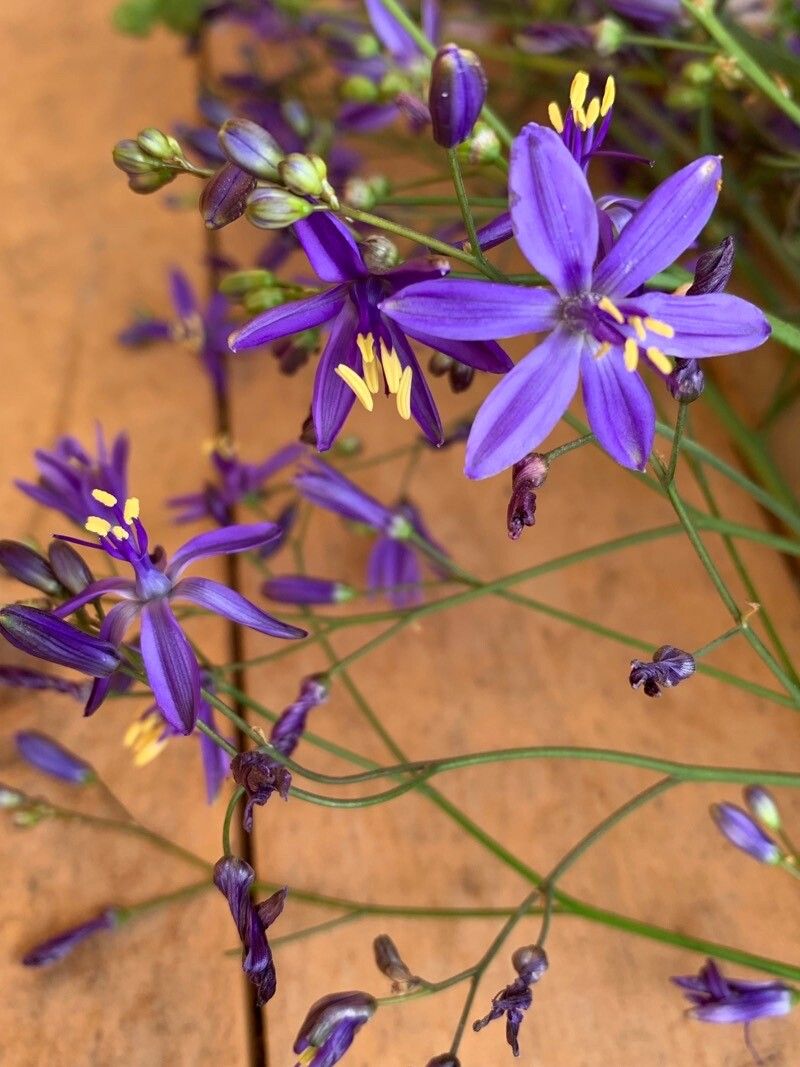
Pasithea is a genus of herbs in the family Asphodelaceae, subfamily Hemerocallidoideae, first described as a genus in 1832. It contains only one known species, Pasithea caerulea, native to Peru and Chile in South America.
Pasithea caerulea has strong resistance to disease and is typically not susceptible to illnesses. Nonetheless, it can be vulnerable to pests and diseases found in its environment. Such infections are generally mild. Regarding care, the plant needs a moderate level of maintenance. It should be pruned on a regular basis to preserve a neat appearance and support healthy growth. Applying fertilizer can also encourage flowering. Pasithea caerulea is appropriate for anyone with outdoor space, such as a garden or a patio, and does not demand extensive gardening experience. It may need more attention if cultivated indoors.
How to keep Pasithea Caerulea.
Light
Pasithea caerulea is native to habitats such as forest understories and rocky areas, where it occurs under natural shade. It prefers partial sun but can adapt to full sun or full shade, showing its hardy and versatile nature.
Water
Pasithea caerulea thrives in environments that mimic its natural habitat, needing consistent moisture and evenly damp soil without flooding. To maintain this balance, water it weekly. Usually cultivated outdoors, Pasithea caerulea demonstrates both resilience and beauty, particularly during the growing season when it receives sufficient hydration.
Temperature
Pasithea caerulea can tolerate a wide range of temperatures, yet its distribution may still be restricted by various combinations of moisture and heat. It grows best in warm summer climates with sufficient rainfall or watering. Extended periods of cloudy, rainy weather or prolonged high temperatures increase the chance that Pasithea caerulea will die. In winter, adequate protection from cold can enhance the plant's survival rate.
Fertilizer
The best time to fertilize Pasithea caerulea is in early spring, when it is coming out of dormancy and starting active growth. Fertilization supplies essential nutrients for healthy development. Although Pasithea caerulea has fairly low fertilizer requirements, applying fertilizer yearly can improve its survival and encourage better, longer-lasting flowers.
Pruning
Pasithea caerulea is known for its vibrant blue flowers and clumping growth habit. To maintain its health and encourage blooming, it's important to prune the plant in early spring. Start by removing any dead stems, then thin out crowded areas, and shape the plant as needed. Regular pruning helps keep the plant healthy and enhances its flowering. Be sure to use clean tools, avoid making excessive cuts, and promptly address any diseased parts.
Pot & Repot
Pasithea caerulea benefits from being repotted every 2 to 3 years, preferably in early spring. Choose a pot that is slightly larger than the current one. After repotting, make sure the plant is well-watered and placed in indirect light. This will help reduce transplant shock and encourage healthy growth.
Botanical profile.
- Plant Type
- Herb
- Life Cycle
- Perennial
- Genus
- Pasithea
- Family
- Asphodelaceae
- Hardiness Zone
- 8-10
- Mature Height
- 61 cm
- Mature Spread
- 61 cm
- Leaf Color
- Green
- Leaf Type
- Deciduous
- Flower Color
- Blue
- Flower Size
- 2.03 cm to 3.05 cm
- Bloom Time
- Mid spring, Late spring
- Planting Time
- Spring, Summer, Autumn
- Harvest Time
- Early summer, Mid summer
Other names.