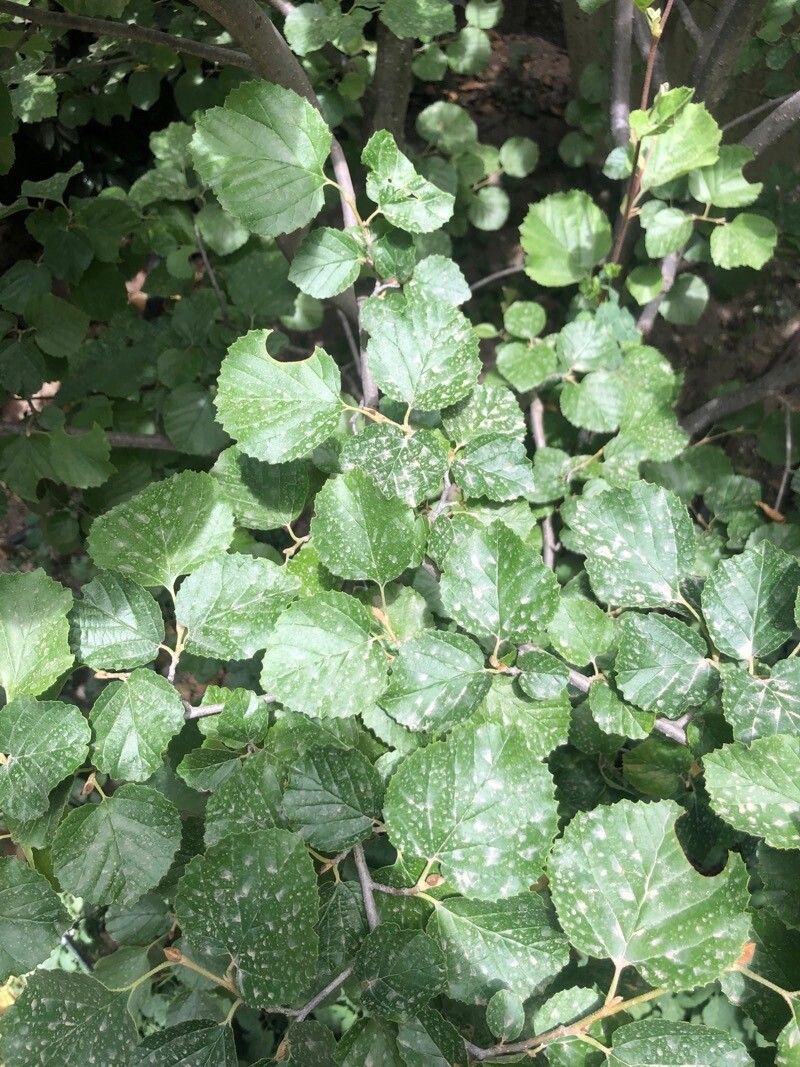
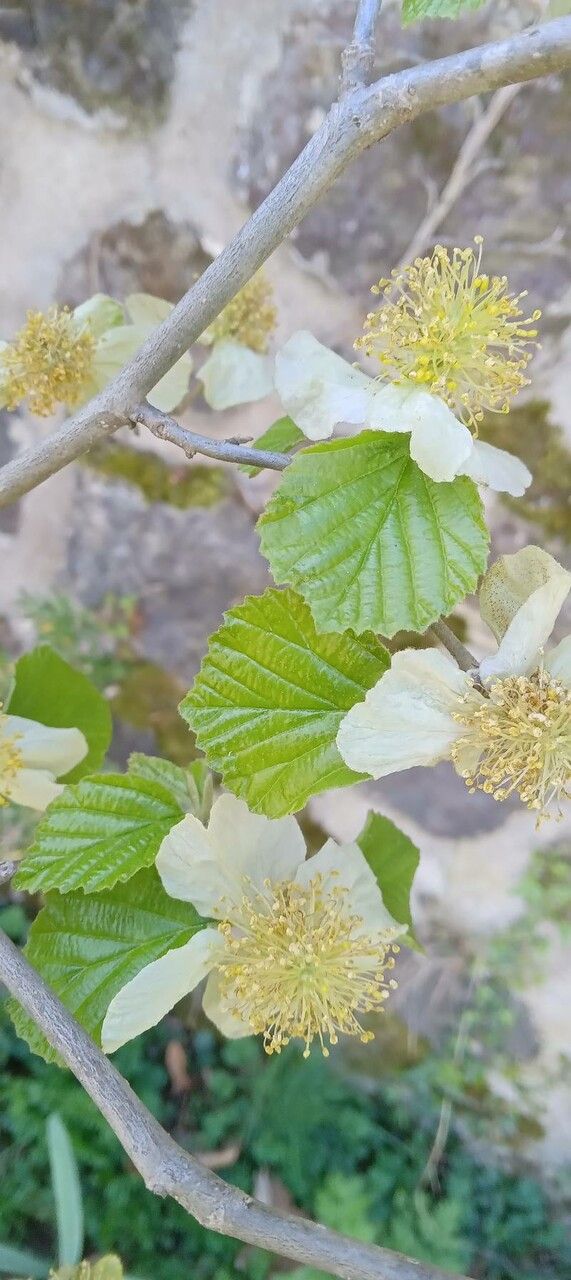
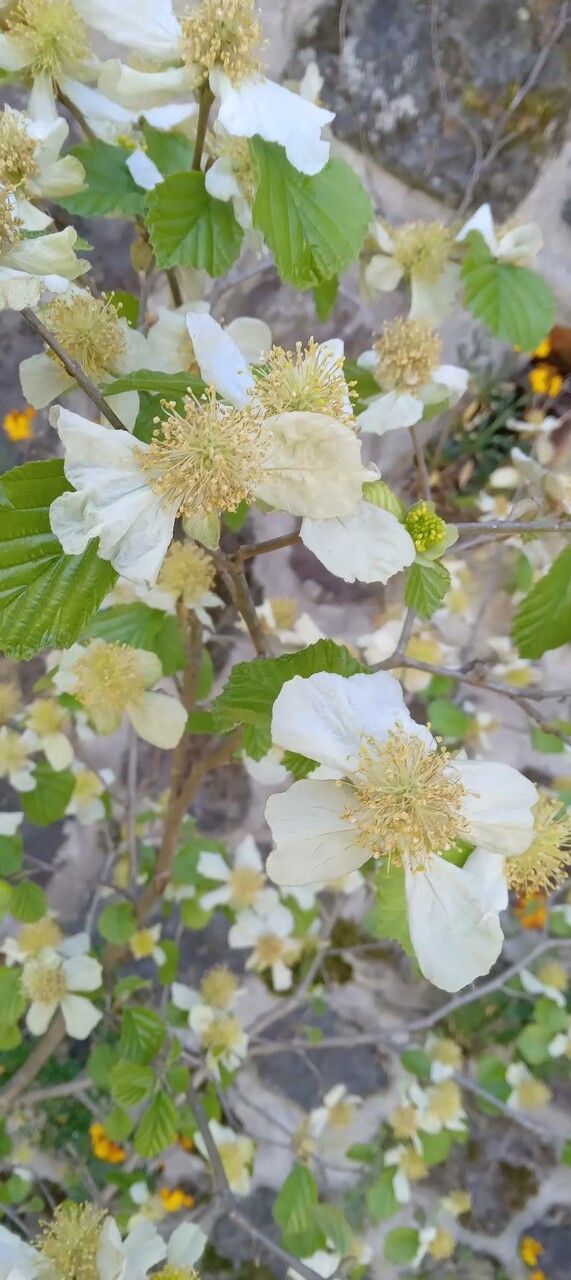
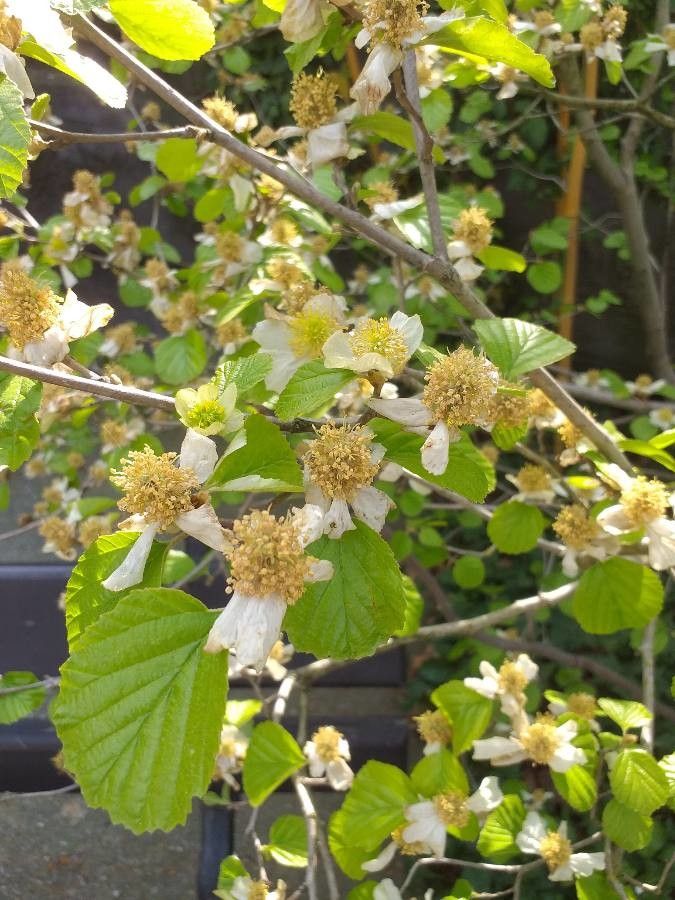
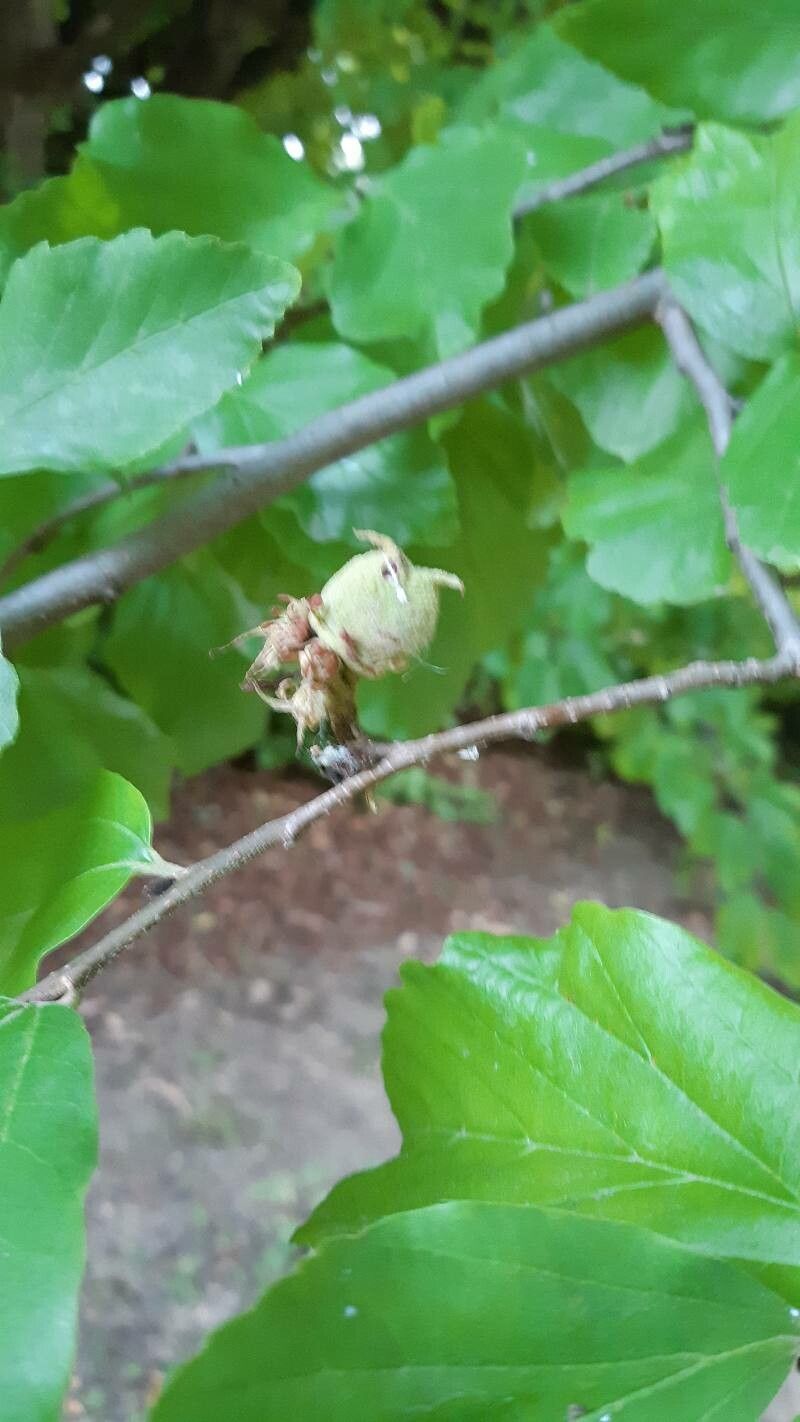
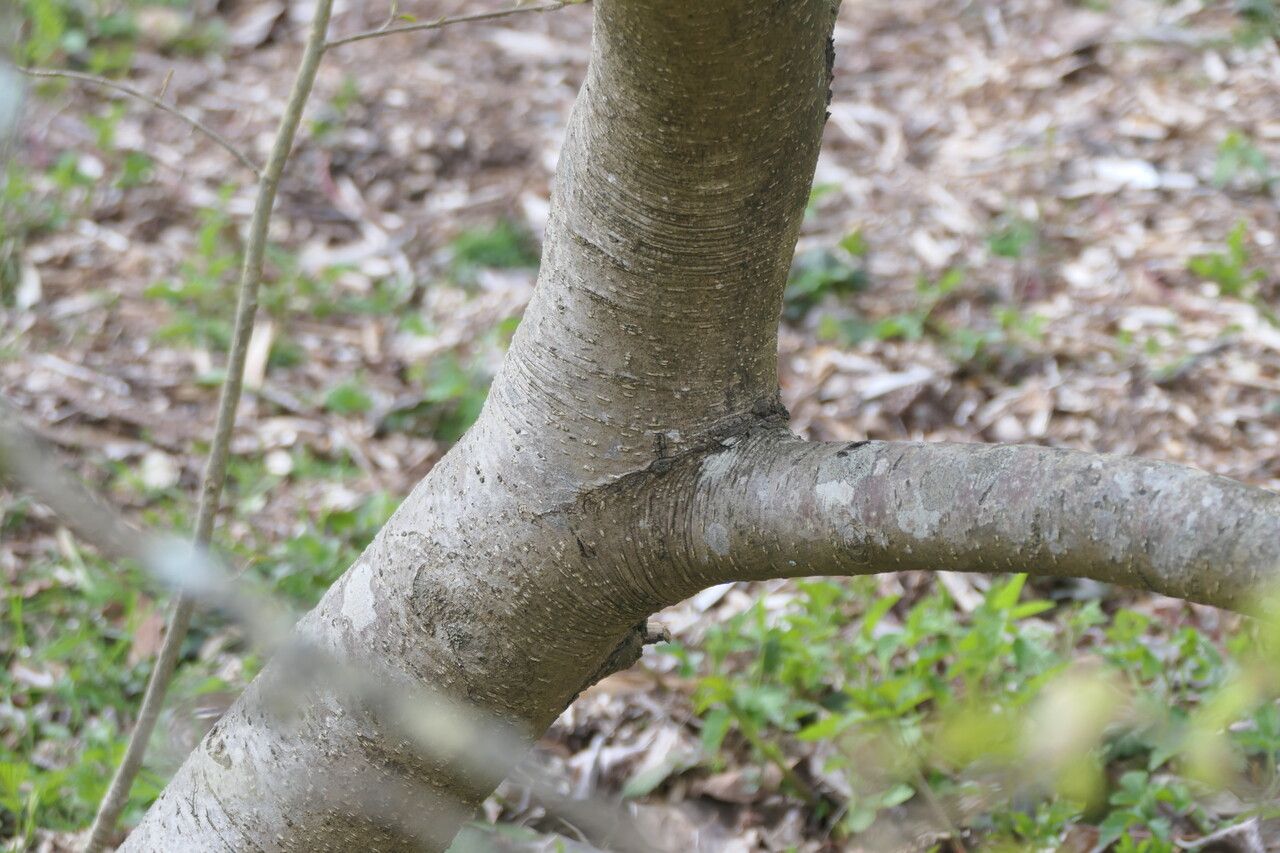
Parrotiopsis jacquemontiana is a species of deciduous shrub or small tree in the witch hazel family, native to the western Himalayas, particularly Kashmir, Murree, Hazara, the Swat District, and Kurram, at altitudes from 1200 to 2800 meters. It grows to 6 meters (20 feet) in height by 4 meters (13 feet) wide, with hermaphrodite flowers borne in dense tufts of stamens from April to June. Its wood is strong and often used for handles, walking sticks, etc. Twigs are used for baskets and rope.
Jacquemontia parrotiopsis is resistant to disease and typically not susceptible to illnesses. Regarding care, this plant is fairly low-maintenance. Planted outdoors it needs only light watering, and larger specimens usually do not require pruning. Smaller plants, however, should be cut back after they have finished blooming. Jacquemontia parrotiopsist is appropriate for anyone with an outdoor area, such as a garden or deck, and does not call for extensive care experience.
How to keep Parrotiopsis Jacquemontiana.
Light
Jacquemontia parrotiopsis performs best with abundant sunlight, though it can continue to grow in moderate light. Its native environment reflects this preference for open areas with plenty of illumination. However, both excessive and insufficient light can have harmful effects, such as impaired development and stunted growth.
Water
Jacquemontia parrotiopsis, native to the sub-Himalayan regions, thrives with moderate moisture and can tolerate short dry periods. To keep the soil consistently moist without waterlogging, water the plant every 1-2 weeks. This species is well-adapted to seasonal rainfall patterns, which enhances its growth cycles and improves its ability to uptake water efficiently.
Temperature
Jacquemontia parrotiopsis is highly adaptable to a wide range of climatic conditions, from scorching summers to cold winters. It still has a preferred temperature range for healthy growth. If temperatures rise too far, the plant becomes vulnerable to heat and humidity stress, which can kill it. Where temperatures get close to the lower limit of its cold tolerance, providing insulation to protect the plant is necessary.
Fertilizer
The timing of fertilization is important for Jacquemontia parrotiopsis. Apply fertilizer in early spring and continue once a month until early summer. Fertilizer encourages attractive blooms and supplies energy during both dormant and active growth phases.
Pruning
Jacquemontia parrotiopsis thrives when pruned in early spring. Pruning should involve removing dead branches and shaping the plant for aesthetic appeal. This helps encourage denser foliage and enhances flowering. Regular maintenance is key to preserving the plant’s size and shape, fostering robust growth before the new season begins.
Botanical profile.
- Plant Type
- Tree, Shrub
- Life Cycle
- Perennial
- Genus
- Parrotiopsis
- Family
- Hamamelidaceae
- Hardiness Zone
- 5-8
- Mature Height
- 3.05 m to 6.1 m
- Mature Spread
- 2.13 m to 3.96 m
- Leaf Color
- Green
- Leaf Type
- Deciduous
- Flower Color
- White
- Flower Size
- 1.02 cm to 2.03 cm
- Bloom Time
- Early spring, Mid spring
- Planting Time
- Spring, Summer, Autumn
- Harvest Time
- Early summer, Mid summer
- Native Area
- Pakistan, India, Afghanistan
Reader questions.
What are the sunlight requirements for Jacquemontia parrotiopsis?
Jacquemontia parrotiopsis needs full sun, which means it requires more than 6 hours of direct sunlight daily, but it can also tolerate partial sun, about 3-6 hours of sunlight. It's crucial to observe how sunlight moves through your garden to ensure the plant gets a perfect balance of light and shade for optimal growth. This plant thrives best under conditions of abundant solar exposure, indicative of its native habitat, which favors open areas rich in sunlight.
How can artificial lighting be used for Jacquemontia parrotiopsis?
When natural sunlight is insufficient, especially during winter or in less sunny spaces, artificial lighting becomes essential for the growth of Jacquemontia parrotiopsis indoors. LEDs are recommended because they can provide specific light wavelengths needed by plants. Full sun plants like Jacquemontia parrotiopsis require 30-50W/sq ft of artificial light. The light source should be placed 12-36 inches above the plant to mimic natural sunlight, and the duration should mimic natural daylight hours, typically 8-12 hours per day.
What are the symptoms of inadequate sunlight for Jacquemontia parrotiopsis?
Inadequate sunlight for Jacquemontia parrotiopsis can lead to symptoms such as smaller new leaves, leggy or sparse growth, faster leaf drop, slower or no new growth, and lighter-colored new leaves. Chlorosis, sunscald, leaf curling, wilting, and leaf scorching are also signs of too much sunlight. These symptoms indicate either insufficient light exposure leading to poor chlorophyll production and nutrient deficiencies or overexposure to sunlight causing damage to the plant's tissues.
What solutions are available for Jacquemontia parrotiopsis experiencing light issues?
To address light issues for Jacquemontia parrotiopsis, gradually increasing sunlight exposure to at least 6 hours daily is key, using a south-facing window for indoor plants and considering artificial lighting if necessary. Outdoors, find the best sunlight spot and adapt the plant gradually to avoid sunburn. Reducing obstructions such as branches that block sunlight or transplanting to a brighter location with good drainage can also help. However, note that parts of the plant damaged by insufficient light may not recover, but new growth will be healthy after adjusting light exposure.