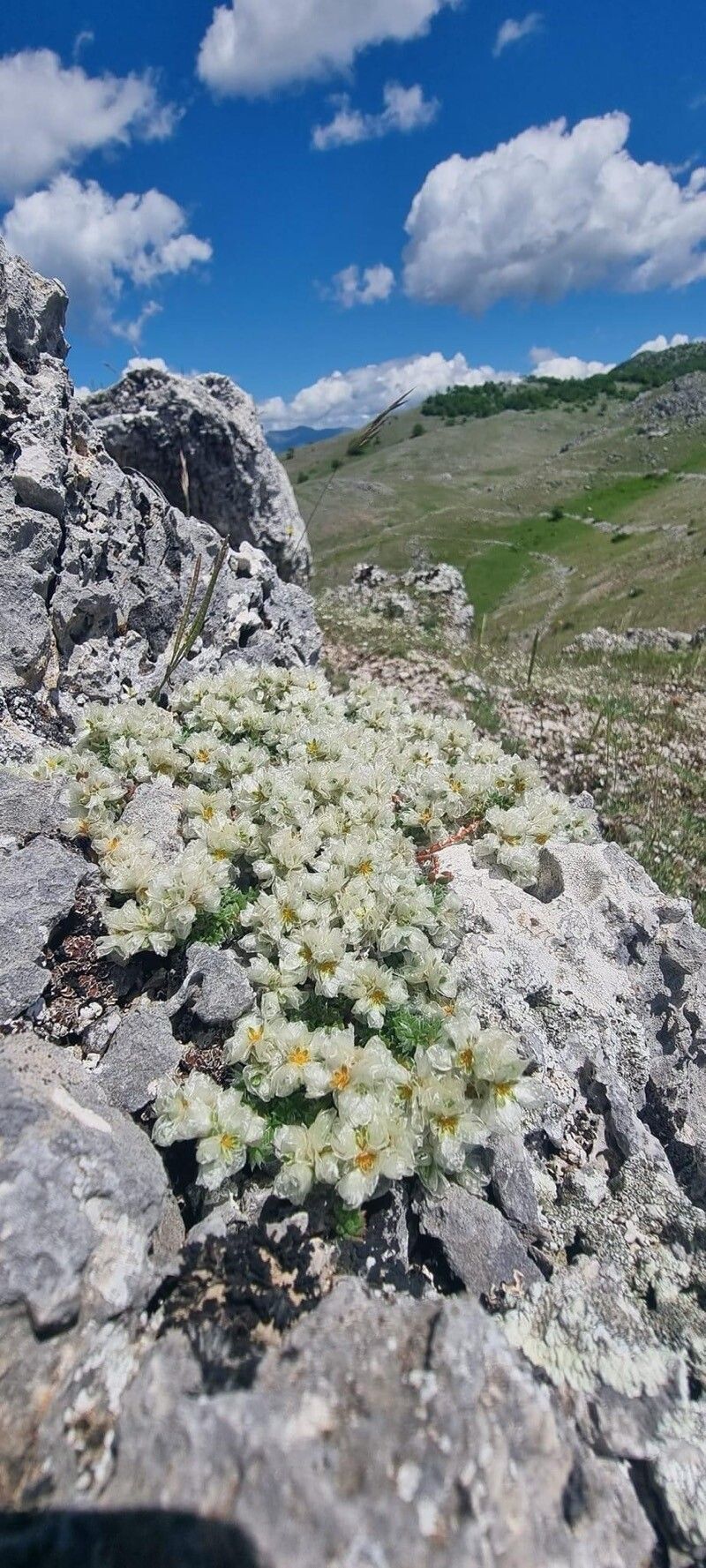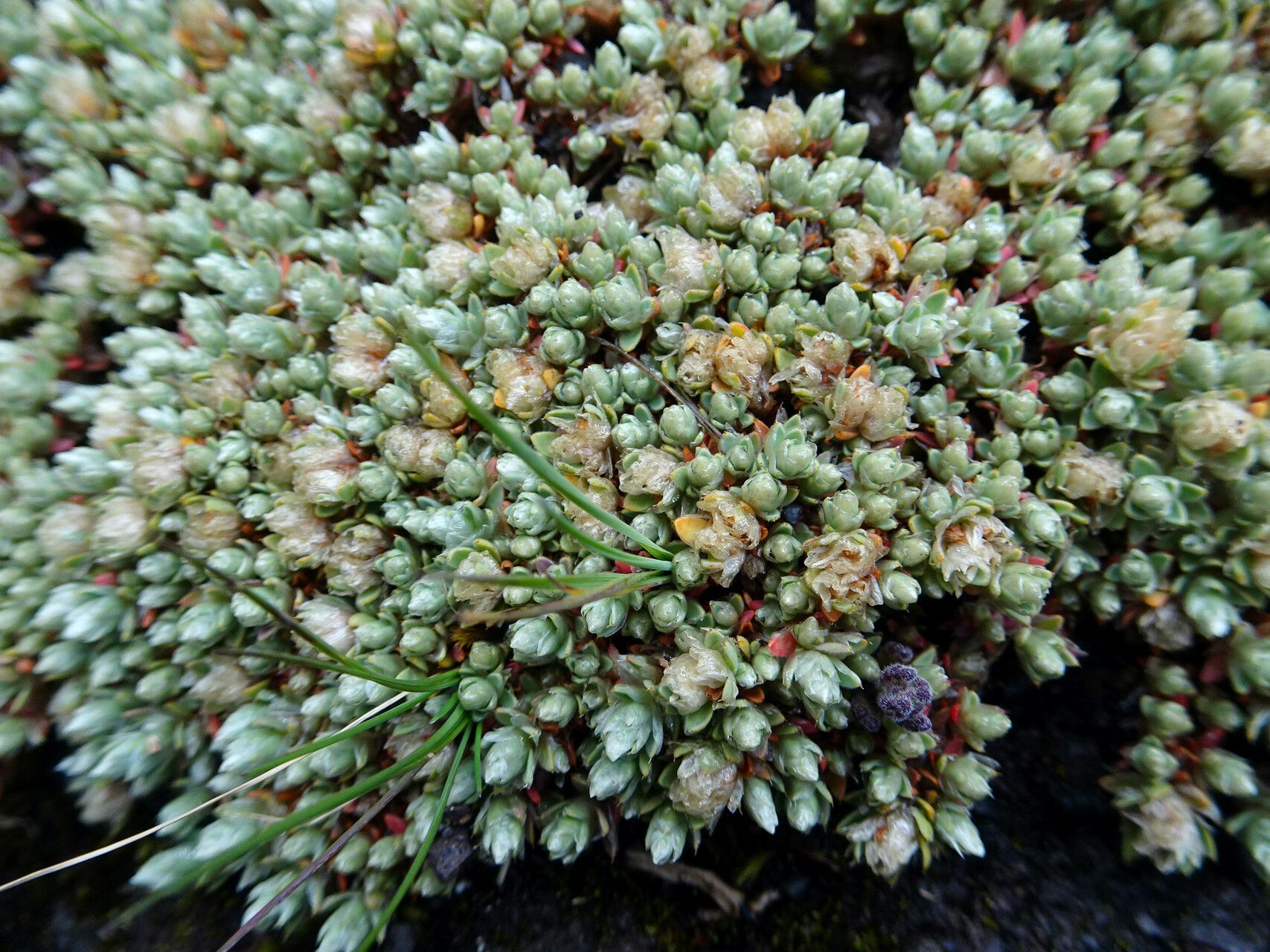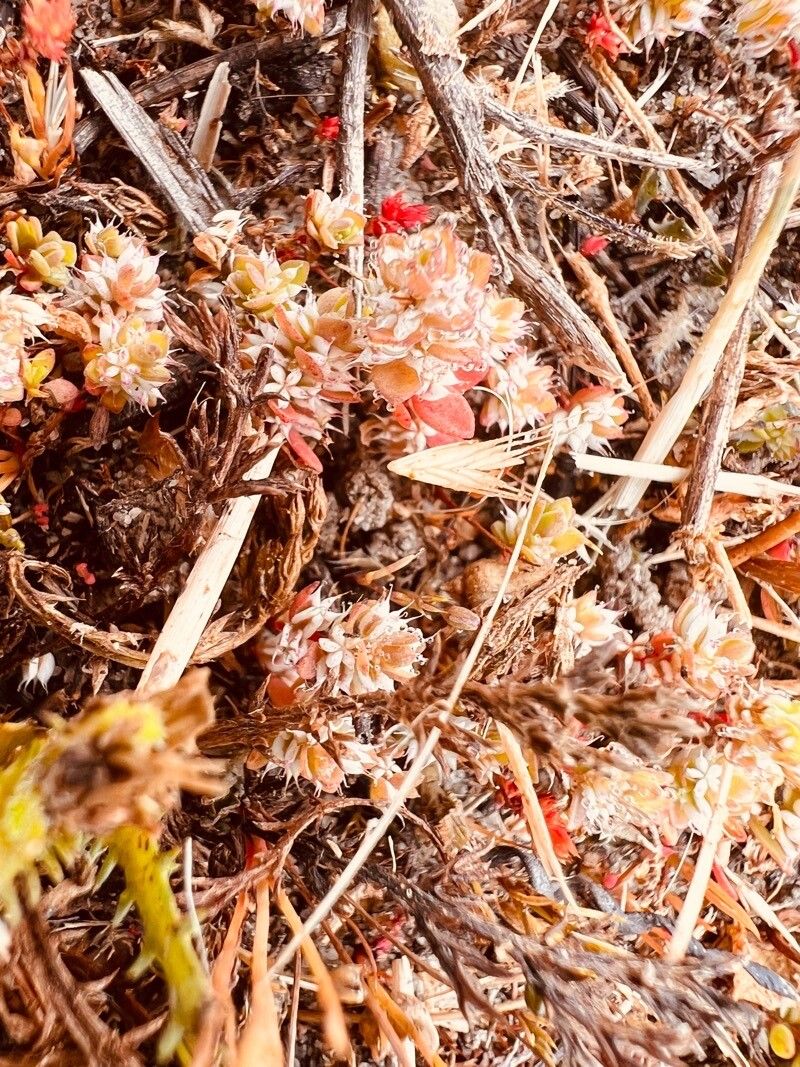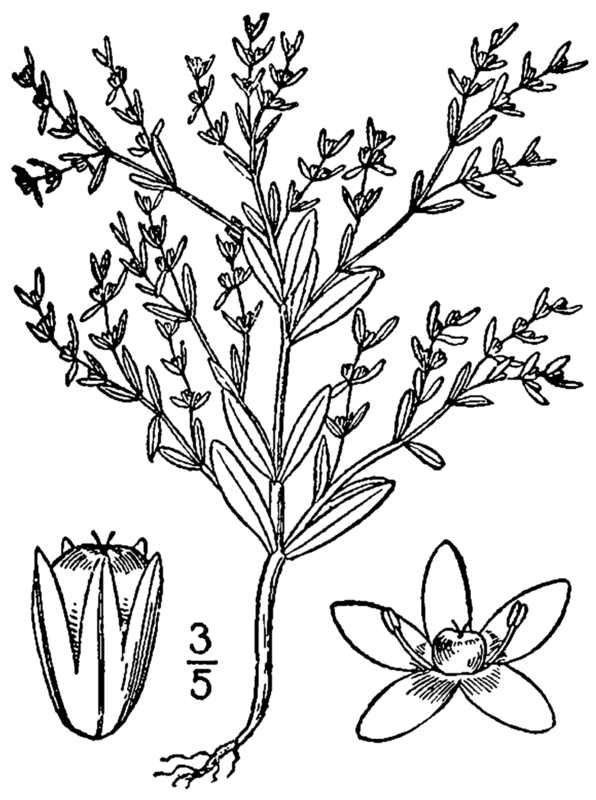
Paronychia fastigiata, commonly known as rock nailwort or forked nailwort, is a small herbaceous plant belonging to the Caryophyllaceae family. Native to North America, this plant typically grows prostrately and reaches up to 10 cm in height. Its leaves are small, narrow, and linear with pointed tips.
The flowers of Paronychia fastigiata are small and inconspicuous, featuring five white or pinkish petals that bloom from June through August. The plant produces fruit in the form of capsules containing numerous tiny seeds.
Paronychia fastigiata thrives in dry, rocky habitats such as cliffsides, rocky outcrops, and gravelly soils. It can also be found in disturbed areas like roadsides or abandoned fields.
Traditionally, Native American tribes have used this plant for medicinal purposes, particularly for treating skin conditions such as eczema and psoriasis.
In summary, Paronychia fastigiata is an intriguing little perennial herb that can add diversity to rock gardens or other dry garden settings. Besides its aesthetic value, it also offers medicinal benefits for those who seek them out.
How to keep Paronychia Fastigiata.
Pruning
Hairy forked nailwort, characterized by its tufted growth and hairy stems, benefits from pruning in early to late spring. By removing dead stems, you can improve the plant's health, air circulation, and overall growth. Regular shaping helps maintain a compact form, ensuring that hairy forked nailwort stays vigorous and healthy throughout the growing season.
Botanical profile.
- Plant Type
- Herb
- Genus
- Paronychia
- Family
- Caryophyllaceae
- Bloom Time
- Spring, Summer, Fall