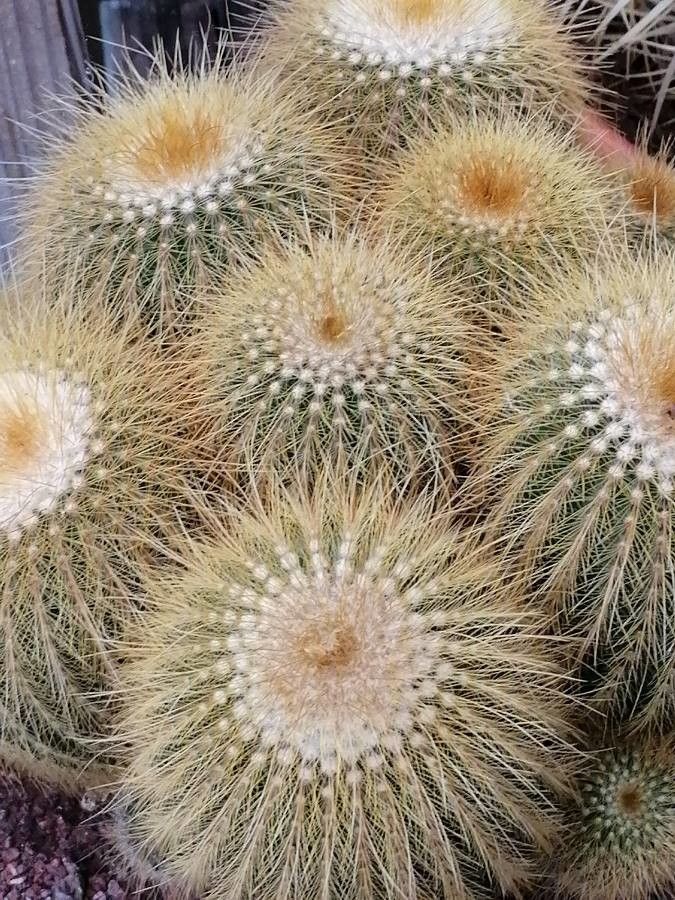
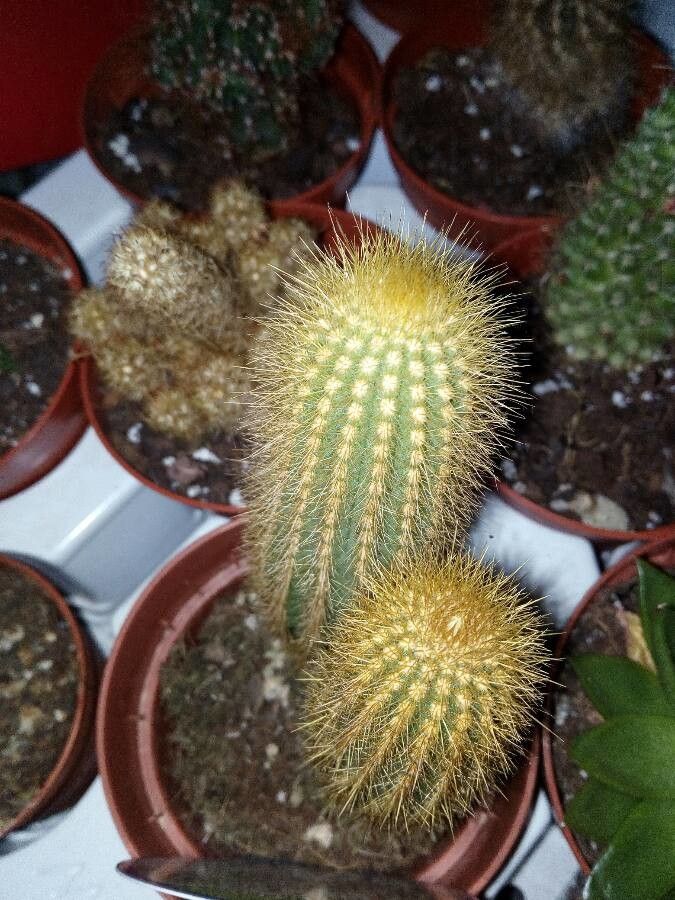
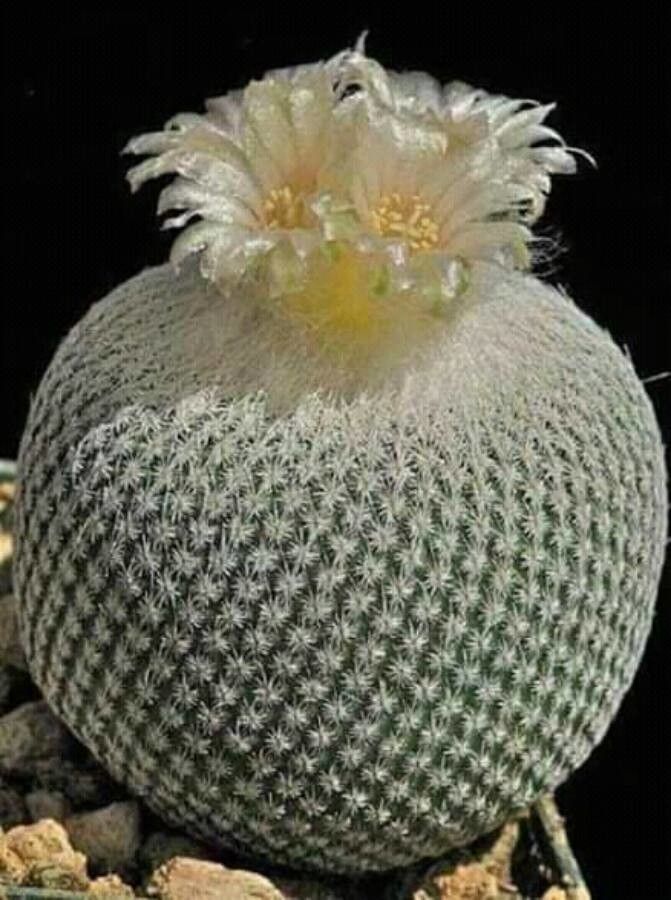
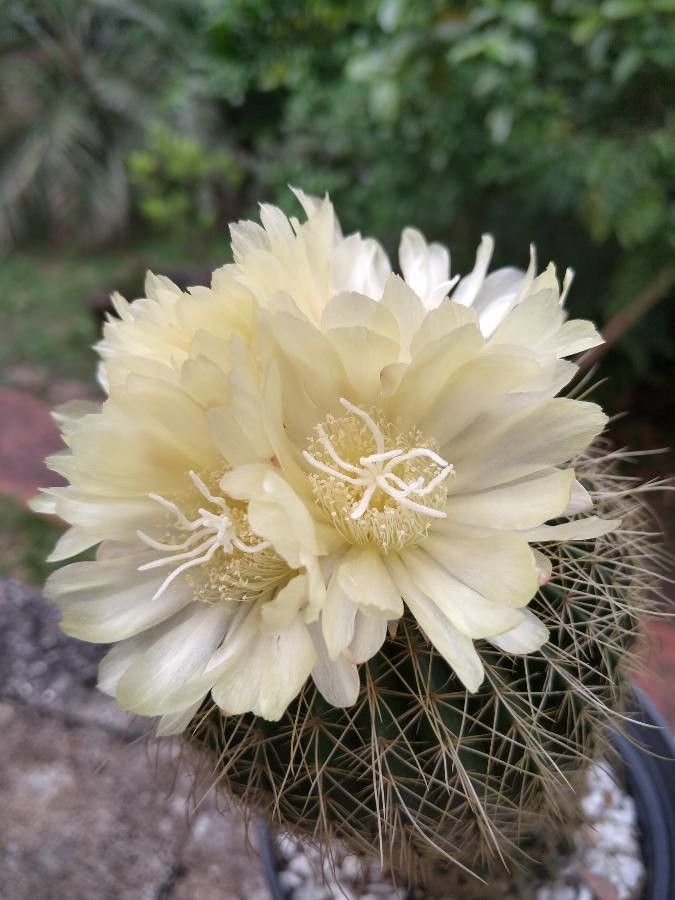
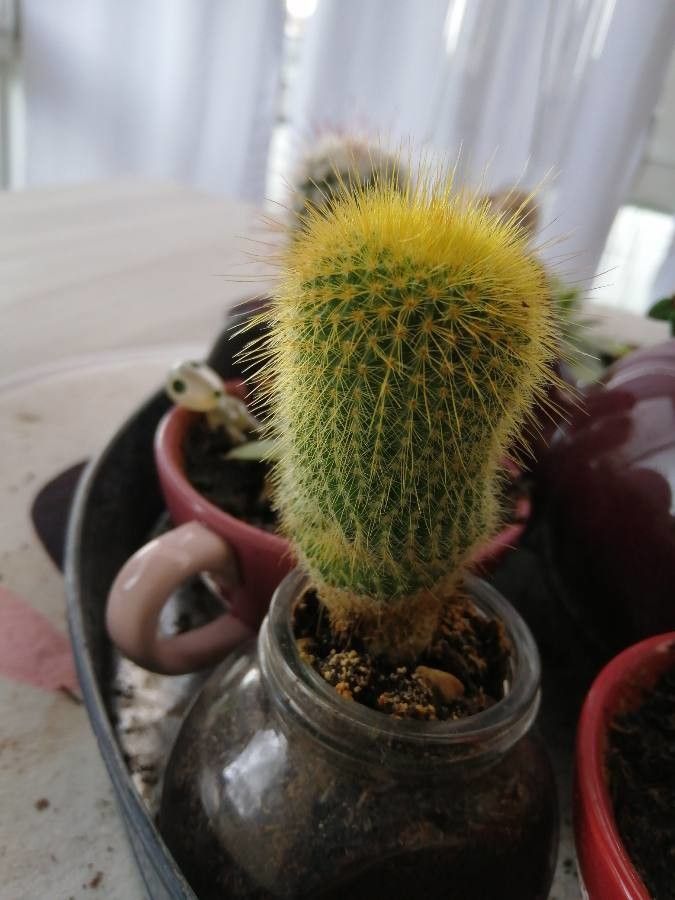
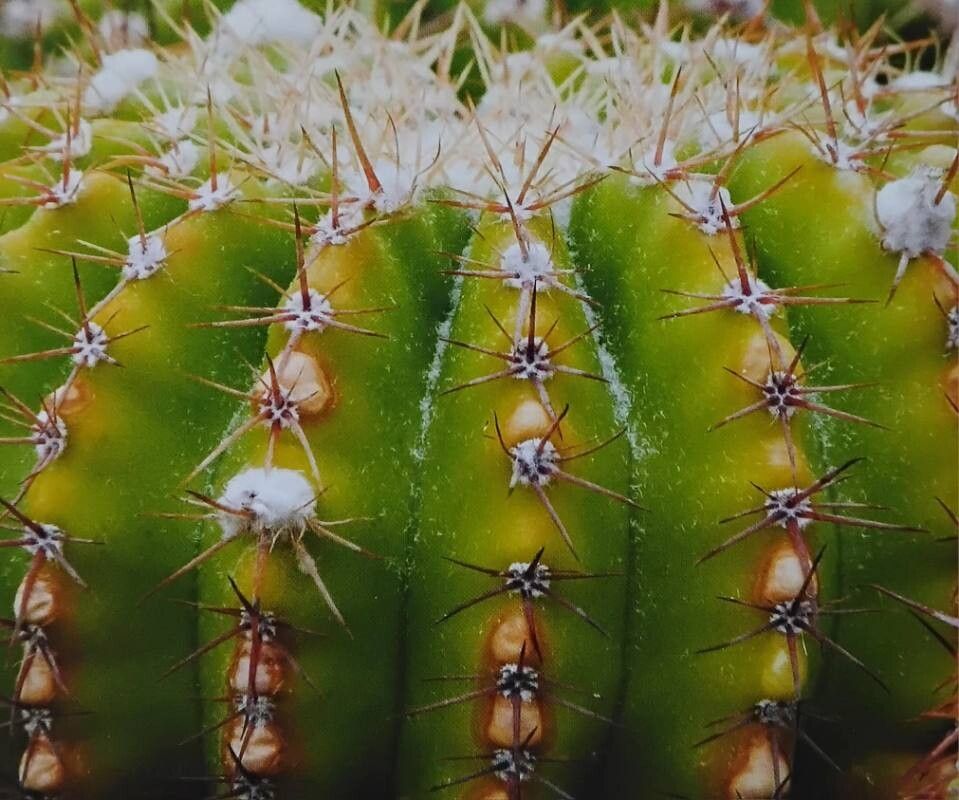
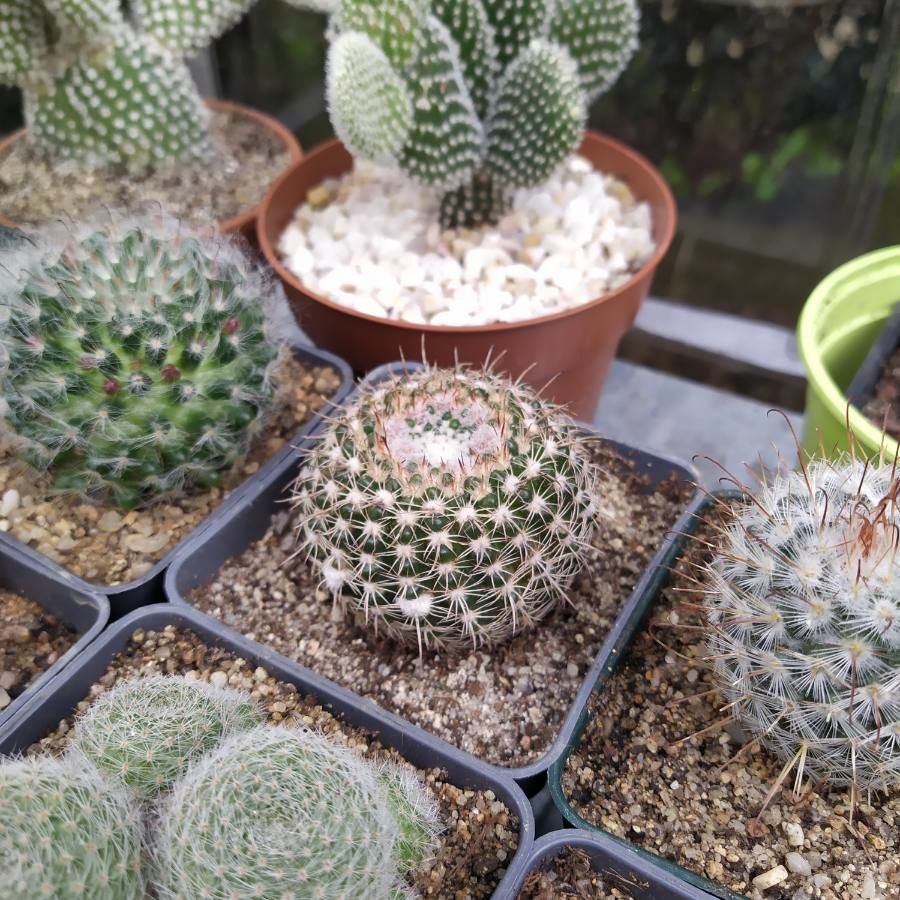
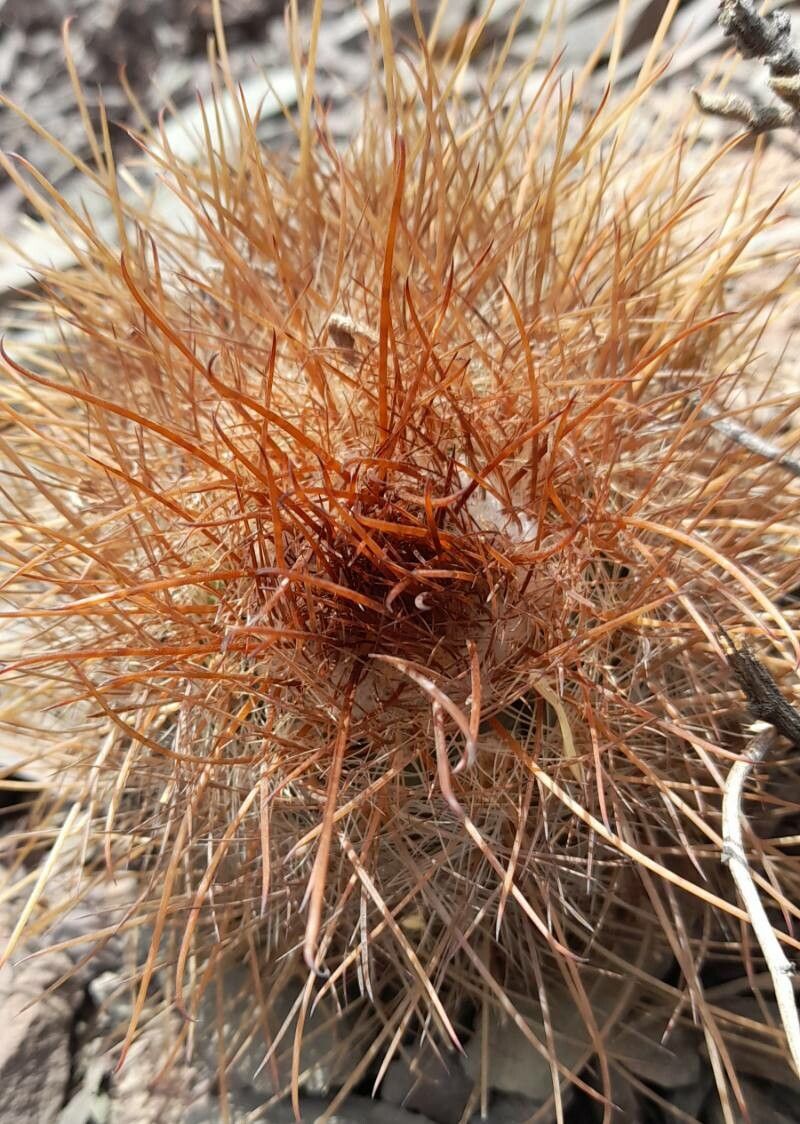
Parodia leninghausii is a cactus species native to South America, specifically in Argentina, Bolivia, and Paraguay. This small, globular cactus can grow up to 10 cm (about 4 inches) in height and 8 cm (approximately 3 inches) in diameter. It features numerous ribs with small areoles that produce spines in shades ranging from yellow to brownish-red. During the summer, it blooms with bright yellow flowers that are about 3 cm (around 1 inch) wide.
Parodia leninghausii is easy to grow and requires minimal care. It thrives in well-draining soil with good airflow and needs bright sunlight exposure for at least six hours a day. While the plant can tolerate high temperatures, it needs protection from frost during the winter months.
In cultivation, Parodia leninghausii is often used as an ornamental houseplant due to its attractive appearance and low maintenance needs. Its small size makes it ideal for growing on windowsills or as part of a succulent garden display.
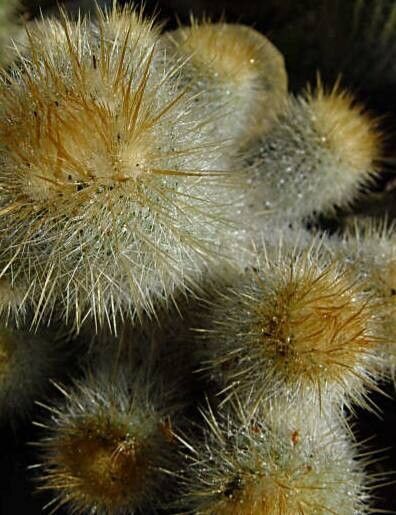
The lemon ball cactus is often seen as more approachable than most other cacti. Its long, yellowish spines resemble hairs rather than sharp cactus needles. While it does have stiffer spines closer to its surface, they are still less dangerous than those of other species. Additionally, the lemon ball cactus thrives with less direct sunlight and can tolerate more water compared to most cacti. FUN FACT · FROM THE LIBRARY
Overall, Parodia leninghausii is an intriguing cactus species with unique physical characteristics, making it a popular choice among succulent plant collectors worldwide.
The lemon ball cactus has a name that might suggest a connection to real lemons, but there isn't one. When young, these cacti are round in shape, resembling a ball. Their yellow flowers and hair-like spines are reminiscent of the bright color of a lemon. As they mature, lemon ball cacti develop a columnar shape, yet they continue to maintain their vibrant yellow hue.
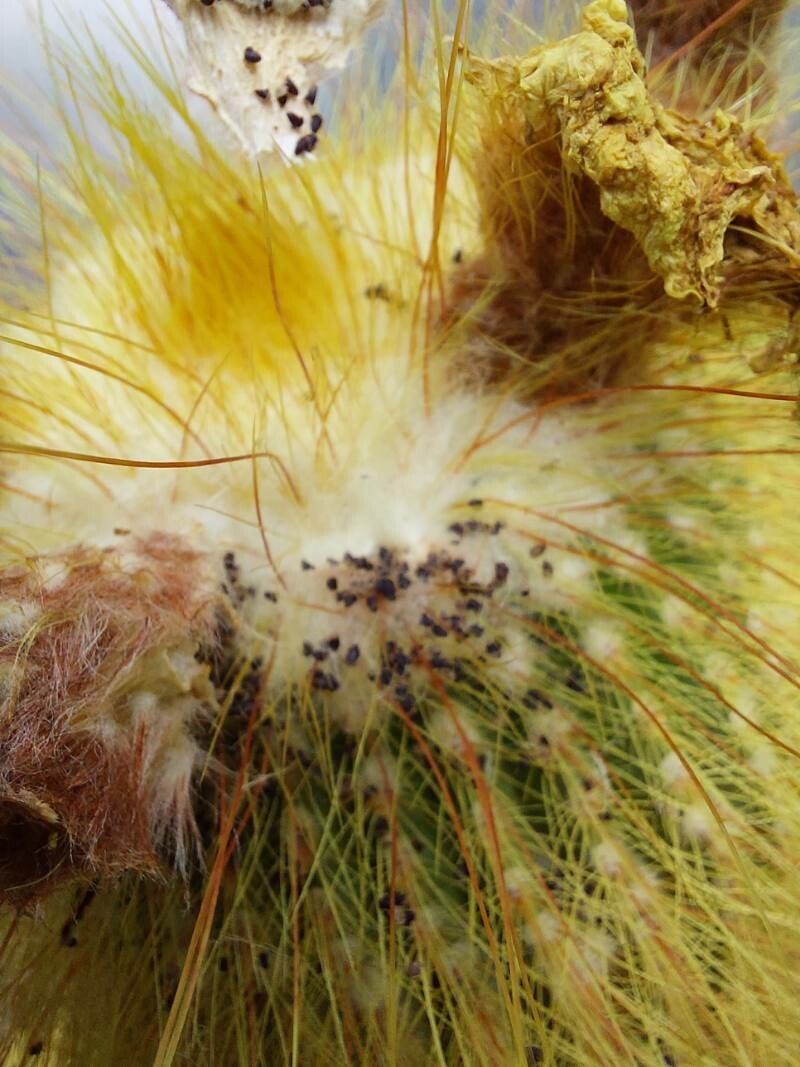
Lemon ball cactus has strong resistance to disease and does well under routine care, not becoming ill easily. However, it can be vulnerable to mealybugs, which may cause some harm but are typically not a serious threat. Regarding care, Lemon ball cactus tolerates drought and does not need frequent watering. It can go long periods without water and requires little fertilizer. That said, it is very prone to root rot if light levels are poor and it is overwatered. Overall, Lemon ball cactus is a good choice for people who want to spend less time on plant care, but it remains important to know and meet its basic needs. It is especially suitable for those who are away for long stretches or tend to forget to water regularly.
How to keep Parodia Leninghausii.
Light
The lemon ball cactus grows best with abundant light, roughly equivalent to full-day sun exposure. This level of light is essential for healthy growth and development. It can tolerate some shade, but excessive shade may result in poor growth. It comes from regions that receive a plentiful amount of light.
Water
The lemon ball cactus is a drought-tolerant evergreen plant that thrives in arid environments with minimal water needs. It only requires watering once every three weeks, allowing it to effectively conserve its foliage year-round and survive long dry periods.
Humidity
This plant prefers dry conditions, so don't mist it. However, watering it less often can also thrive in higher humidity.
Temperature
Lemon ball cactus originates from temperate climates and therefore prefers temperatures between 68 to 100 °F (20 to 38 °C). It adapts to seasonal temperature variations but should be protected from extreme cold during winter for optimal growth.
Fertilizer
Light doses of fertilizer once or twice a year during the growing season are enough for Lemon ball cactus. Avoid fertilizing in winter and summer when it is dormant. Reduce fertilizer for repotted plants and wait a couple of months after repotting before fertilizing. Fertilizing supports healthy growth and encourages blooms.
Pruning
The lemon ball cactus needs very little pruning. Simply remove any withered flowers and branches so the plant can direct its nutrients to promote healthy growth.
Pot & Repot
Repot the Lemon ball cactus in spring or summer, selecting a pot slightly larger than the current one with good drainage. Use a well-draining, sandy or gritty cactus mix. Handle it carefully to avoid the spines. Allow the cactus to dry out before repotting to prevent root rot. After repotting, wait for a week before watering to allow the roots to heal.
Botanical profile.
- Plant Type
- Succulent
- Life Cycle
- Perennial
- Genus
- Parodia
- Family
- Cactaceae
- Hardiness Zone
- 9-11
- Mature Height
- 91 cm
- Mature Spread
- 11 cm
- Leaf Color
- Light Green
- Leaf Type
- Evergreen
- Flower Color
- Yellow, Gold
- Flower Size
- 5.08 cm
- Bloom Time
- Late spring, Early summer, Mid summer
- Planting Time
- Spring, Summer, Autumn
- Harvest Time
- Mid summer
Other names.
Reader questions.
What are the sunlight requirements for a Lemon Ball Cactus?
The Lemon Ball Cactus, or Parodia leninghausii, thrives best under full sun, which means it requires more than 6 hours of sunlight daily. It can also tolerate partial sun, about 3-6 hours of sunlight, but for optimal growth and development, abundant daylight exposure is essential. While it can endure some shaded conditions, too much shade may result in poor growth outcomes. It's worthwhile to observe how sunlight moves through your garden, selecting spots that provide the right balance of light and shade, thereby ensuring your plants are happy and healthy.
What is the ideal temperature range for Lemon ball cactus?
The Lemon ball cactus, also known as Parodia leninghausii, thrives in temperate climates, preferring temperatures between 68 to 100 °F (20 to 38 °C). It adapts well to varying seasonal temperatures but requires protection from extreme cold during the winter months. When temperatures dip below 0°C, the plant should be moved indoors to continue its cultivation, ideally near a south-facing window to maximize sunlight exposure. If natural light is insufficient, supplemental lighting can be utilized. As the temperature falls below 20°C, the cactus’s growth slows, necessitating a reduction or complete cessation of watering to prevent root rot. Outdoor plants should not be watered in low temperatures, and measures like temporary greenhouse setups or wrapping in plastic film or fabric may be considered for insulation.
How should artificial lighting be used for indoor Lemon Ball Cacti?
For indoor Lemon Ball Cacti that can't get enough natural sunlight, especially during winter or in less sunny locations, artificial lighting is a great solution. LED lights are recommended due to their ability to provide specific wavelengths of light needed for healthy growth. Full sun plants should have 30-50 watts per square foot, partial sun plants require 20-30 watts per square foot, and full shade plants need 10-20 watts per square foot. The artificial light source should be placed 12-36 inches above the plant, mimicking natural sunlight as closely as possible and ensuring the plant receives 8-12 hours of light per day.
How does Lemon ball cactus react to temperatures below 20°C?
The Lemon ball cactus performs best in temperatures above 20°C. When exposed to lower temperatures, its growth begins to slow, signaling the need to reduce or halt watering to avoid root rot. During winter, it's crucial to keep the plant above 0°C to prevent damage. Exposure to temperatures below -5°C can weaken the plant, leading to wilting and increased susceptibility to root rot. Even mild frost damage might not show immediate symptoms, but affected plants will gradually wither over a week. In such cases, frostbitten areas and possibly rotted roots should be trimmed off. Affected plants can be propagated through cuttings if necessary and should be relocated to a warmer indoor setting with ample sunlight or supplemented lighting.
What are the symptoms of insufficient light in Lemon Ball Cacti?
Lemon Ball Cacti may exhibit several symptoms when exposed to suboptimal lighting conditions. These include developing smaller leaves than normal, leggy or sparse growth due to elongation of the spaces between leaves or stems, faster leaf drop as the plant tries to conserve resources, slower or halted growth as the plant enters a survival mode, lighter-colored new leaves indicating a lack of chlorophyll, and various symptoms of overexposure like chlorosis, sunscald, leaf curling, wilting, and leaf scorching. These symptoms highlight the critical balance needed between adequate sunlight and protection from too much direct exposure.
What measures should be taken if Lemon ball cactus is exposed to high temperatures?
During the summer, it's crucial to ensure the Lemon ball cactus does not remain in temperatures over 38°C. Exposure to temperatures above 43°C halts the plant’s growth and leads to water loss, wilting, and an increased risk of sunburn. To mitigate damage from high temperatures, remove sunburnt and rotten parts of the plant. Provide protection from the intense afternoon sunlight until the plant recovers and resumes growth. For plants suffering from root rot as a result of overwatering or high heat, watering should be stopped until new roots form to support recovery.
What are the solutions for Lemon Ball Cacti experiencing light-related issues?
To address light-related issues in Lemon Ball Cacti, indoor plants can be gradually moved to sunnier locations, ensuring they receive at least 6 hours of direct sunlight daily or utilizing artificial lights for at least 8 hours daily. For outdoor plants, the key is to adjust their location gradually to avoid shock and sunburn, aiming for spots with ideal sunlight exposure. Ground plants can benefit from pruning nearby trees to reduce obstructions or transplanting during dormant periods to sites with sufficient sunlight and good drainage. It's important to note that while parts of the plant affected by previous insufficient sunlight might not recover, new growth should flourish with improved light conditions.