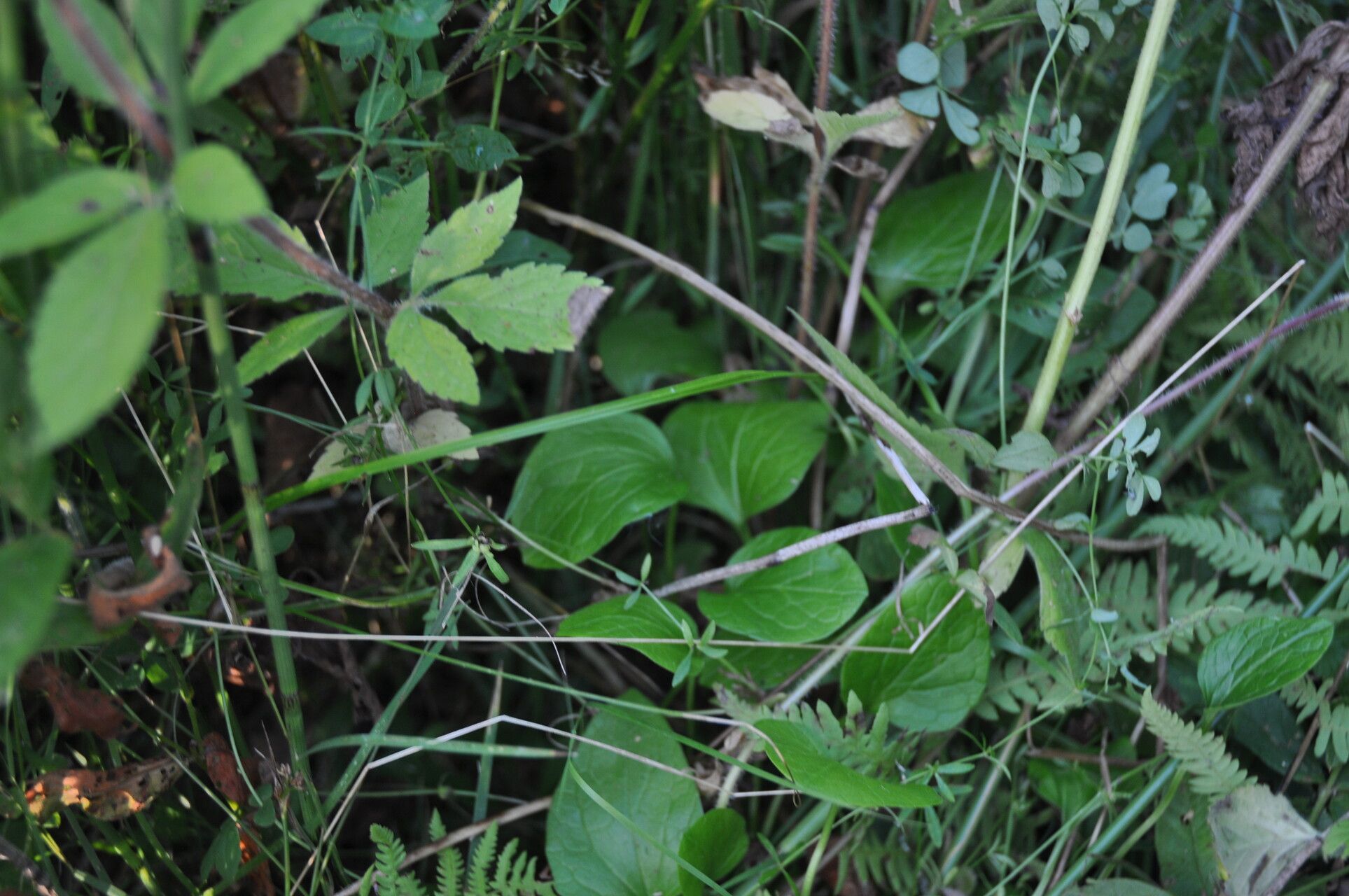
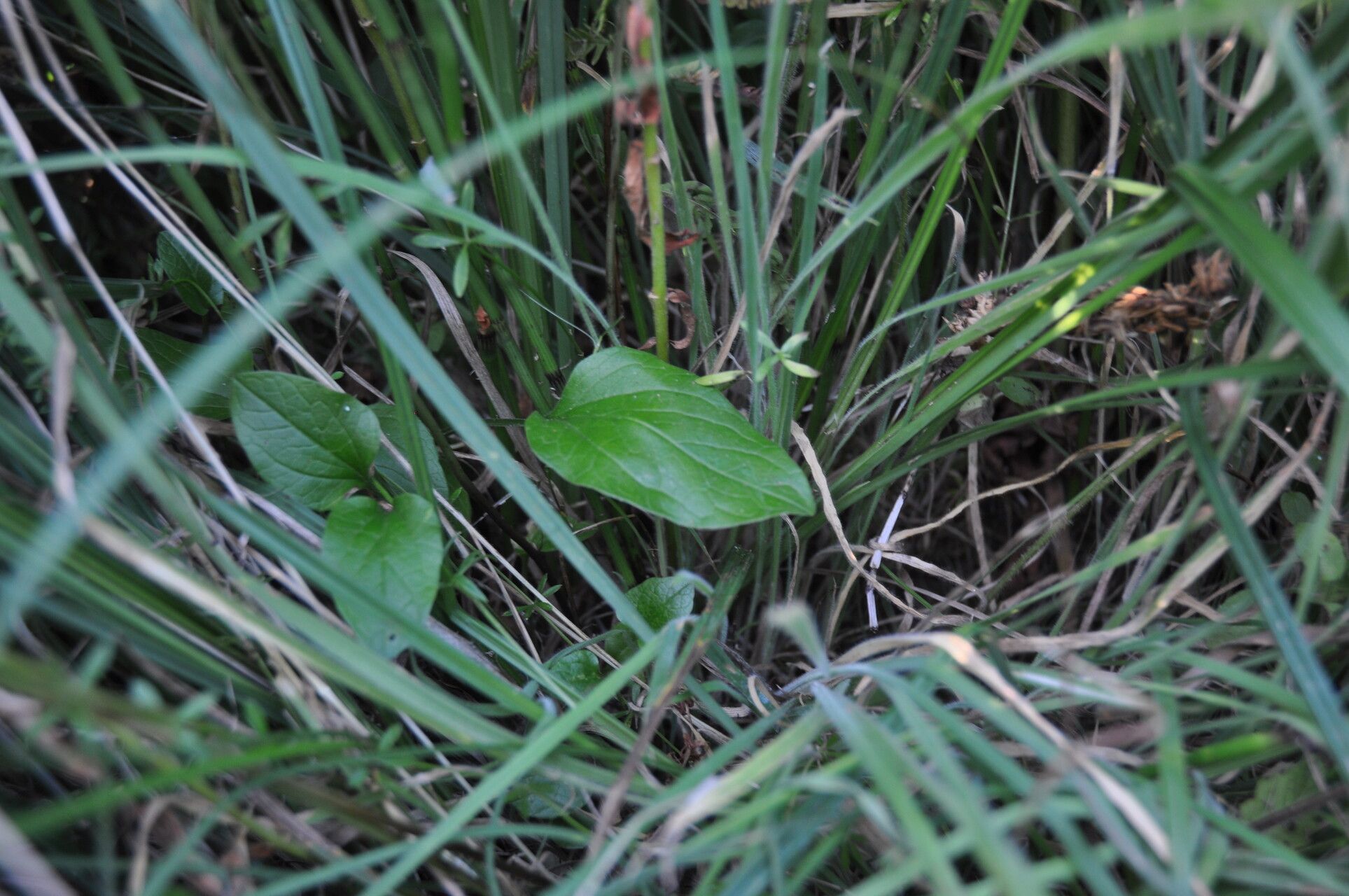
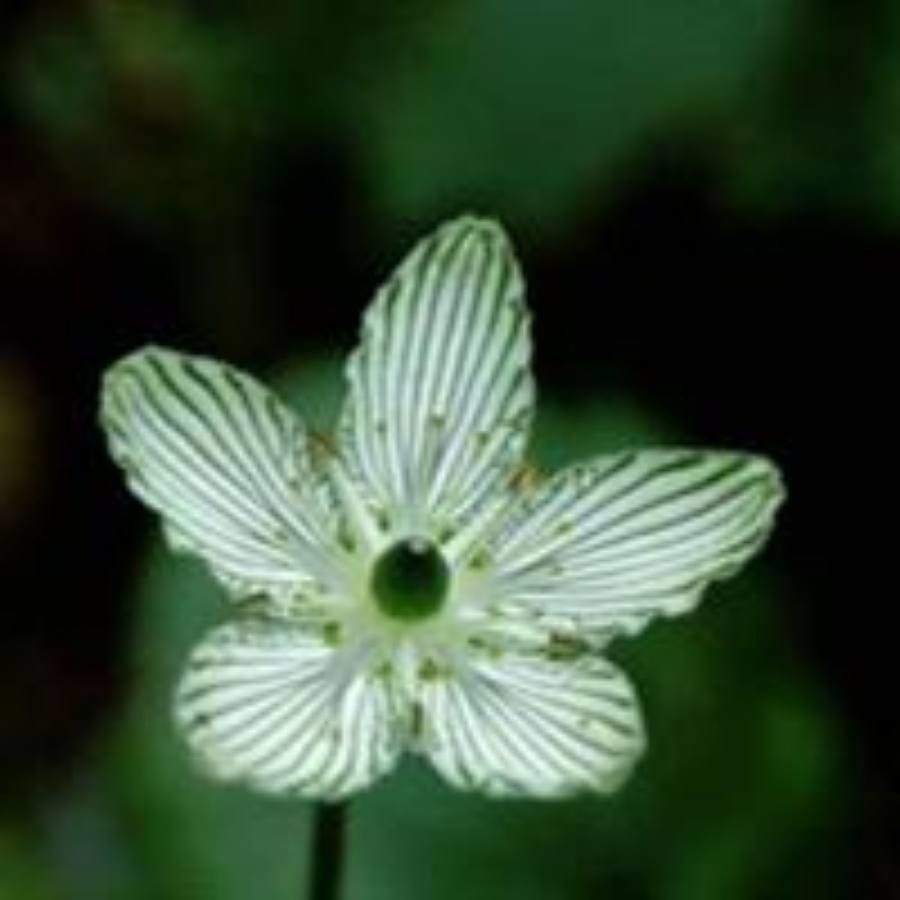
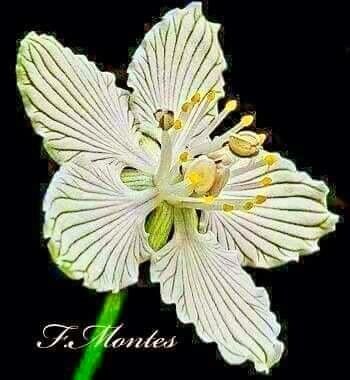
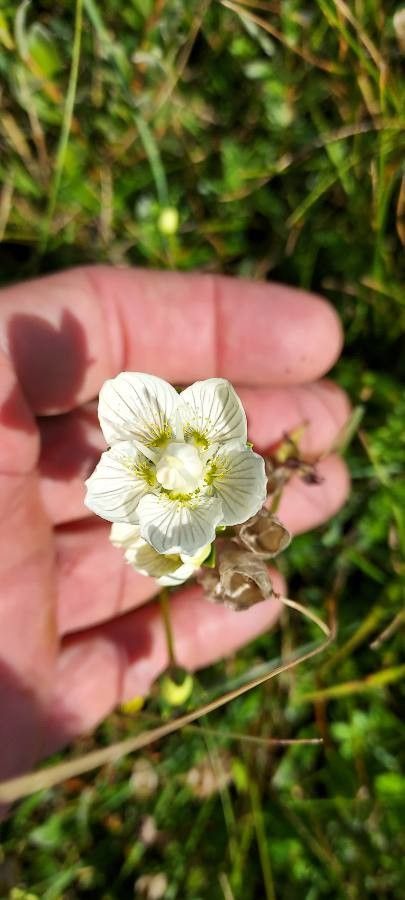
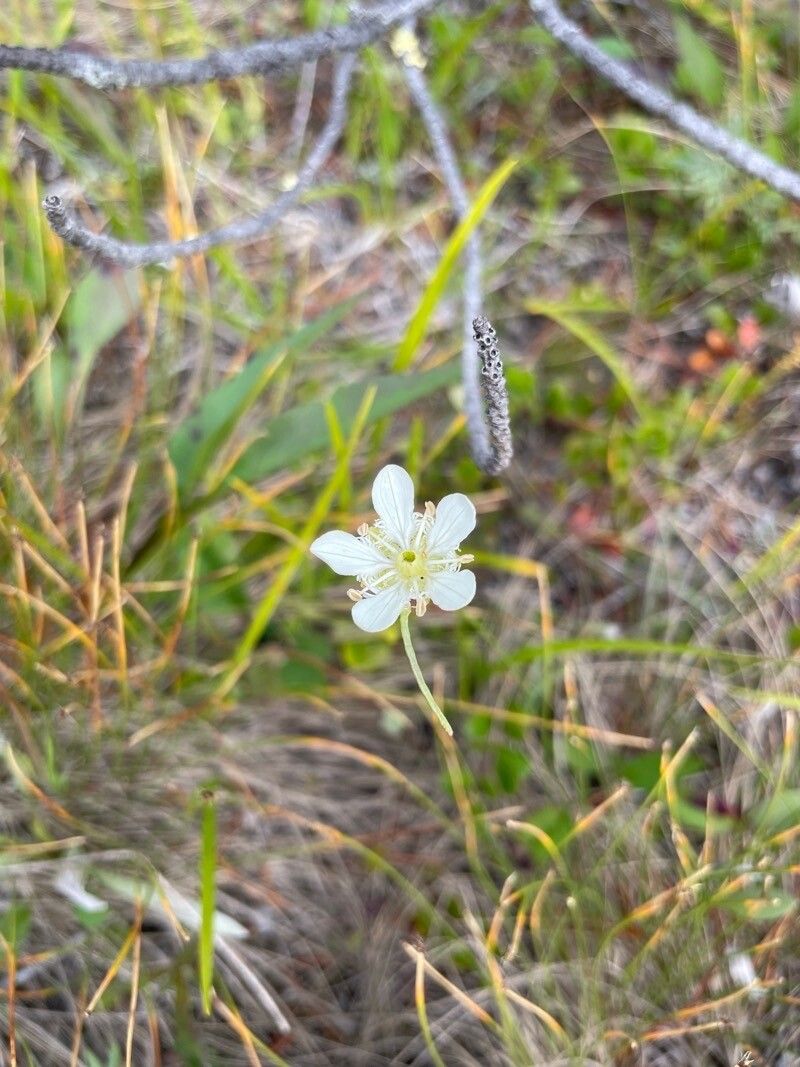
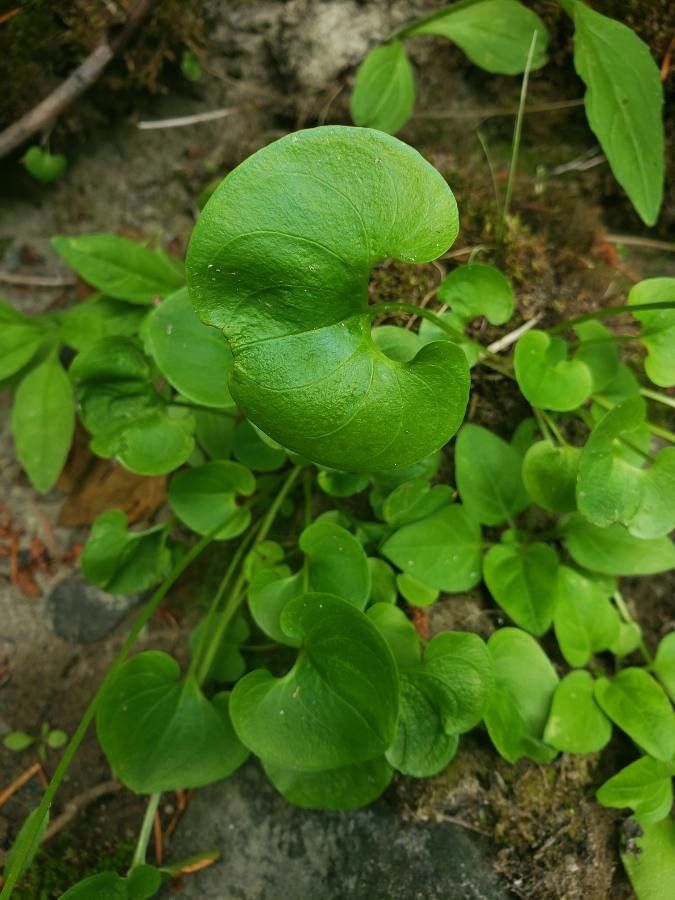
Parnassia grandifolia, also known as bigleaf grass of Parnassus, is a flowering herbaceous plant of the family Celastraceae. It is native to the southeastern United States, where it has a spotty distribution. Its primary habitat is open wet areas over calcareous soil, such as fens and gravelly seeps. However, in the Gulf Coastal Plain it is found in bogs and areas of wet savanna.Parnassia grandifolia is uncommon throughout its range, often having a low number of individuals at a given site. It is considered an indicator of high quality seepage communities, and does not tolerate habitat degradation. Its specialized wetland habitat has been destroyed in many areas due to development and agriculture. Because of this, this species is considered vulnerable.It is a rosette forming perennial that produces white flowers in late summer and fall.
Largeleaf grass of parnassus is fairly disease-resistant and is usually not prone to illnesses. However, it can be affected by pests and diseases present in its environment. These infections are typically not severe. Regarding care, this plant needs moderate maintenance. It should be pruned regularly to keep a good appearance and promote healthy growth. Fertilizing can also aid in encouraging flowering. Largeleaf grass of parnassus is suitable for anyone with an outdoor area, such as a garden or patio, and does not demand a lot of care experience. It may require more attention if grown indoors.
How to keep Parnassia Grandifolia.
Light
Largeleaf grass of parnassus is native to habitats like forest understories and rocky areas, where it occurs under natural shade. It prefers partial sun but can adapt to full sun or full shade, showing its versatile, hardy nature.
Water
The largeleaf grass of Parnassus thrives in consistently moist environments with evenly damp soil and is not tolerant of drought. For optimal hydration, it should be watered weekly. Typically grown indoors, this plant requires careful water management to ensure robust growth during its active growing season.
Fertilizer
One fertilizer application in spring is typically enough for Largeleaf grass of parnassus, although several feedings can maximize growth. Apply fertilizer once every month to a month and a half. Fertilization improves the leaves’ appearance and function, encouraging a consistent color and healthy texture. It also promotes root growth and nutrient uptake, supporting long-term plant health.
Pruning
The largeleaf grass of Parnassus is a perennial herb known for its large, heart-shaped leaves and white, veined flowers. To encourage growth and flowering, prune the plant in early to late spring by removing dead foliage. Be careful not to prune too heavily, as maintaining the plant's shape is important for enhancing air circulation and reducing the risk of disease.
Botanical profile.
- Plant Type
- Herb
- Life Cycle
- Perennial
- Genus
- Parnassia
- Family
- Celastraceae
- Hardiness Zone
- 4-8
- Leaf Type
- Deciduous
Other names.