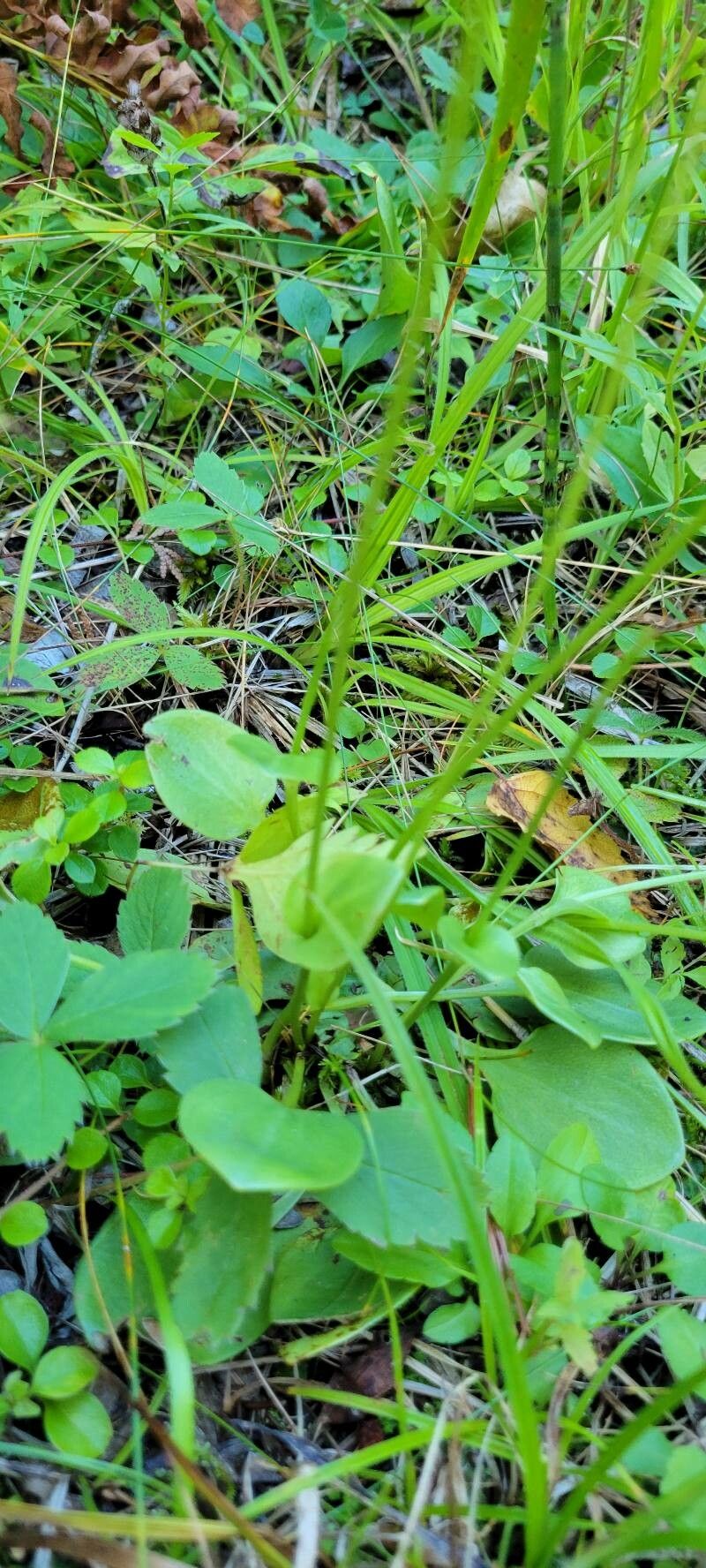
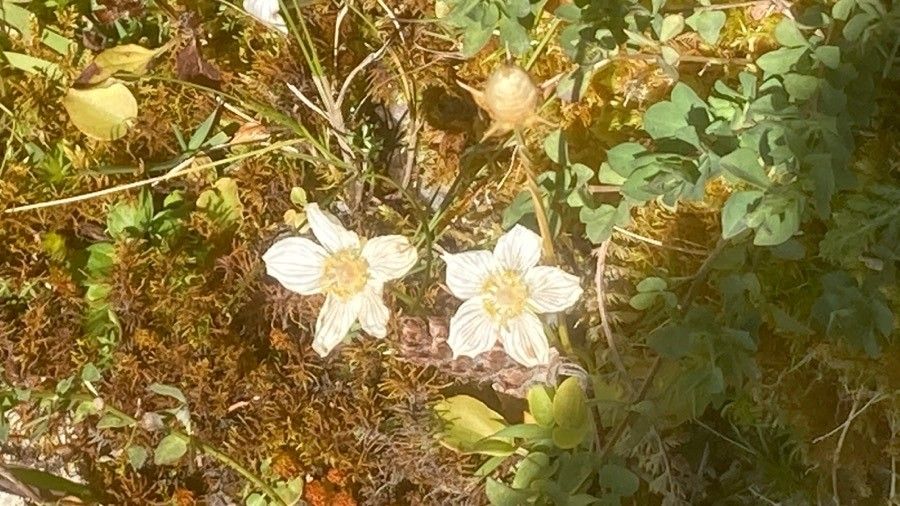
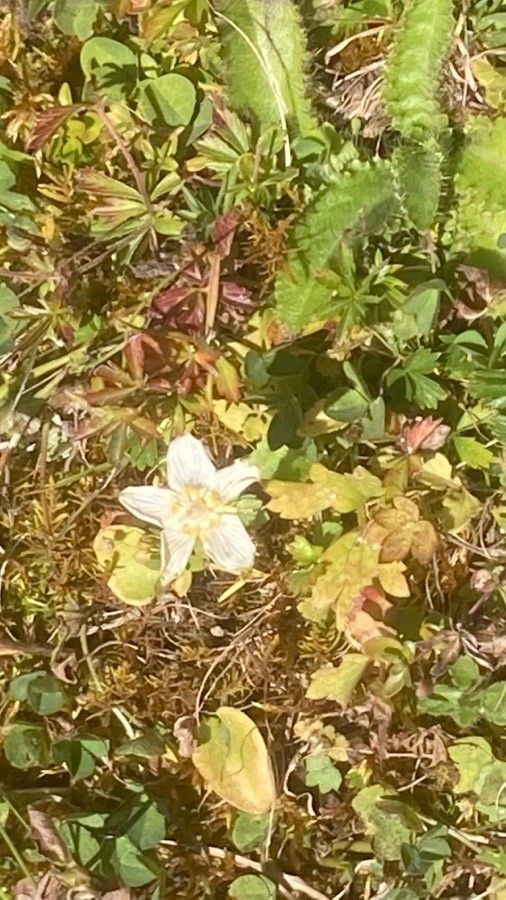
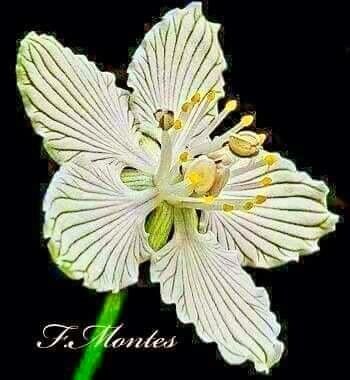
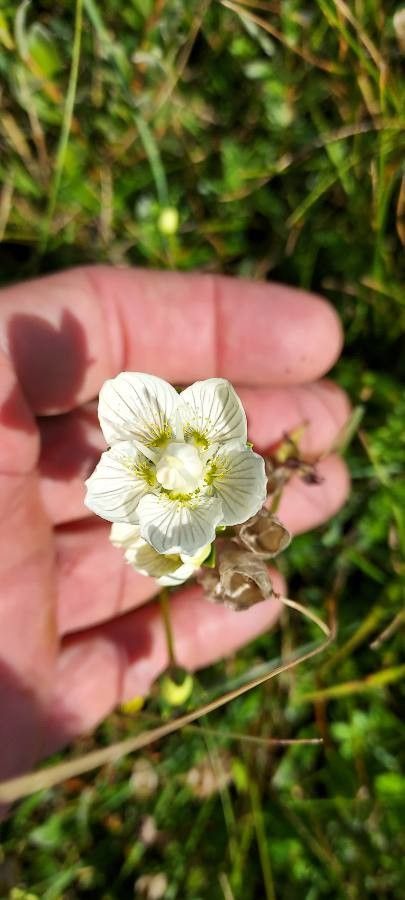
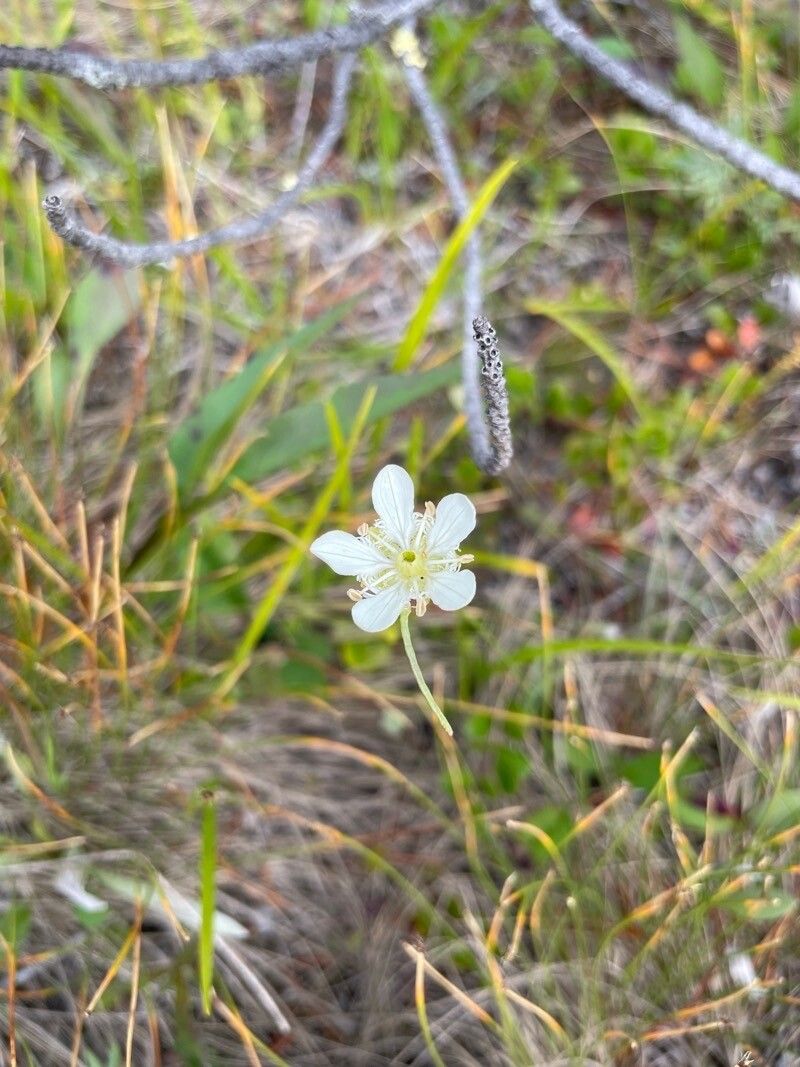
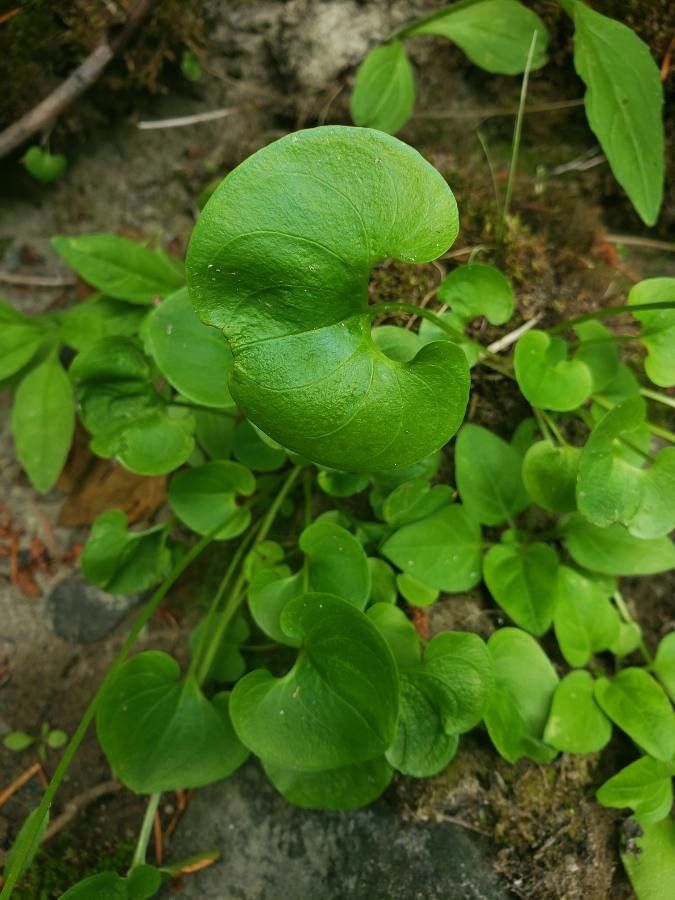
Parnassia glauca, also known as fen grass of Parnassus, is a flowering herb of the genus Parnassia.
Fen grass of parnassus has strong resistance to disease and is generally not prone to illnesses. Still, it can be vulnerable to pests and diseases present in its environment. Such infections are usually mild. Regarding care, this plant demands moderate maintenance. It requires regular pruning to maintain a tidy appearance and support healthy growth. Fertilizing can also encourage flowering. Fen grass of parnassus is appropriate for anyone with outdoor space, such as a garden or patio, and does not need extensive plant-care experience. When grown indoors, it may call for more attentive care.
How to keep Parnassia Glauca.
Light
Fen grass of parnassus performs best in sites where it gets full sun for the entire day. Not getting enough light can impede its growth and have a detrimental effect on its health and vigor. Its developmental stages do not demand different light conditions. However, overly intense exposure could be damaging.
Water
Fen grass of Parnassus thrives in wet environments, where there is a balance of consistent moisture and good drainage. For optimal growth, it should be watered weekly. Although it is primarily an outdoor plant, fen grass of Parnassus can adapt to different climate zones. However, during the growing season, it requires more water than usual.
Temperature
Fen grass of parnassus is native to temperate climates and requires temperatures between 32 and 77 °F (0 to 25 °C). It prefers cooler conditions and may require adjustments to cope with seasonal temperature variations.
Fertilizer
The best time to fertilize Fen grass of parnassus is in early spring, as it comes out of dormancy and begins active growth. Fertilization supplies essential nutrients for healthy growth. Although Fen grass of parnassus has relatively low fertilizer requirements, annual fertilization can improve its survival and encourage better, longer-lasting flowers.
Pruning
Prune fen grass of Parnassus from early to late spring to encourage new growth and improve its vigor. Remove any damaged stems and trim the plant after it has finished blooming. Be sure to use sanitized tools to prevent the spread of disease, and refer to local guides for specific care instructions. Regular pruning helps maintain good airflow and a neat appearance.
Botanical profile.
- Plant Type
- Herb
- Life Cycle
- Perennial
- Genus
- Parnassia
- Family
- Celastraceae
- Hardiness Zone
- 3-5
- Mature Height
- 20 cm to 40 cm
- Mature Spread
- 10 cm to 20 cm
- Leaf Color
- Green
- Leaf Type
- Semi-evergreen
- Flower Color
- White
- Flower Size
- 2.54 cm to 5.08 cm
- Bloom Time
- Mid summer, Late summer, Early fall
- Planting Time
- Spring, Summer
- Harvest Time
- Mid fall, Late fall
Other names.
Reader questions.
What are the sunlight requirements for Fen grass of parnassus?
Fen grass of parnassus requires full sun, which means it thrives in locations that receive above 6 hours of sunlight daily. Providing the right balance of light and shade is crucial for the plant's health, ensuring it receives adequate sunlight without the risk of overexposure. Watch how sunlight moves through your garden to pick spots that offer this balance to keep your plants happy.
What is the native climate for Fen grass of parnassus?
Fen grass of parnassus, botanically known as Parnassia glauca, thrives in temperate climates. It favors temperatures ranging from 32 to 77°F (0 to 25°C), preferring cooler conditions. To accommodate seasonal temperature changes, certain adjustments may be necessary to maintain its health. This plant is exceptionally cold-tolerant, eliminating the need for additional frost protection measures during winter. However, it is advisable to water the plant generously before the first freeze of autumn. Keeping the soil moist as it enters a frozen state can help prevent drought and water scarcity for the plant during winter and early spring.
How essential is sunlight for the growth of Fen grass of parnassus?
Sunlight is crucial for the growth and health of Fen grass of parnassus. This plant needs environments where it can receive full sunlight throughout the day. Insufficient light can lead to poor growth, affecting its health and vigor. The plant does not require varied light conditions at different growth stages, but excessive exposure to sunlight could potentially harm it. When natural sunlight is not enough, especially in winter or less sunny spaces, artificial lighting can be a vital solution for indoor plants to promote faster and healthier growth.
How does Fen grass of parnassus react to low temperatures?
Fen grass of parnassus is extremely cold-tolerant, capable of withstanding very low winter temperatures, provided they do not drop below -35°C. Though it may not show noticeable changes during the colder months, temperatures falling beneath this threshold can lead to a decreased sprouting rate or potentially no sprouting at all come springtime. The recommended solution for parts of the plant that fail to sprout in spring is simply to remove them.
What are some artificial lighting tips for Fen grass of parnassus?
For indoor Fen grass of parnassus, adequate lighting is essential for optimal growth. When sunlight is insufficient, artificial lights such as LEDs, chosen for their ability to provide specific wavelengths, can help. Full sun plants need 30-50W/sq ft, partial sun plants 20-30W/sq ft, and full shade plants 10-20W/sq ft of light. The lights should be positioned 12-36 inches above the plant and turned on for 8-12 hours per day to mimic natural light conditions effectively.
What should I do if Fen grass of parnassus is exposed to high temperatures?
Exposure to high temperatures can be detrimental to Fen grass of parnassus, particularly when the temperature exceeds 25°C. Under such conditions, the plant's growth will halt, and it becomes more prone to rot. To protect it, trim away any sunburned or dried-up parts of the plant. It's crucial to relocate the plant to a shaded area, especially during the midday and afternoon sun, or utilize a shade cloth. Additionally, watering the plant in the morning and evening will help keep the soil moist, aiding in its survival under high temperature stress.
What symptoms indicate Fen grass of parnassus is getting inadequate sunlight?
Symptoms of inadequate sunlight in Fen grass of parnassus include: smaller new leaves, leggy or sparse growth, faster leaf drop, slower or no new growth, lighter-colored new leaves, and symptoms of too much sunlight like chlorosis, sunscald, leaf curling, wilting, and leaf scorching. These signs suggest that the plant is not receiving the optimal amount of sunlight it needs for healthy growth and photosynthesis.
How can I adjust the lighting for my Fen grass of parnassus to ensure optimal growth?
For optimal growth of Fen grass of parnassus, gradually increase its sunlight exposure to at least 6 hours daily. If indoors and large or immovable, supplement with artificial light such as desk or ceiling lamps for at least 8 hours a day or use professional grow lights. Outdoors, adapt your plant to sunlight gradually to prevent sunburn, and consider pruning or relocating plants to reduce shade from obstructions like trees. For ground plants, transplant during dormant periods to spots with ample sunlight and good drainage. Note, parts of the plant damaged by insufficient light might not recover, but new growth will be healthy post-adjustment.