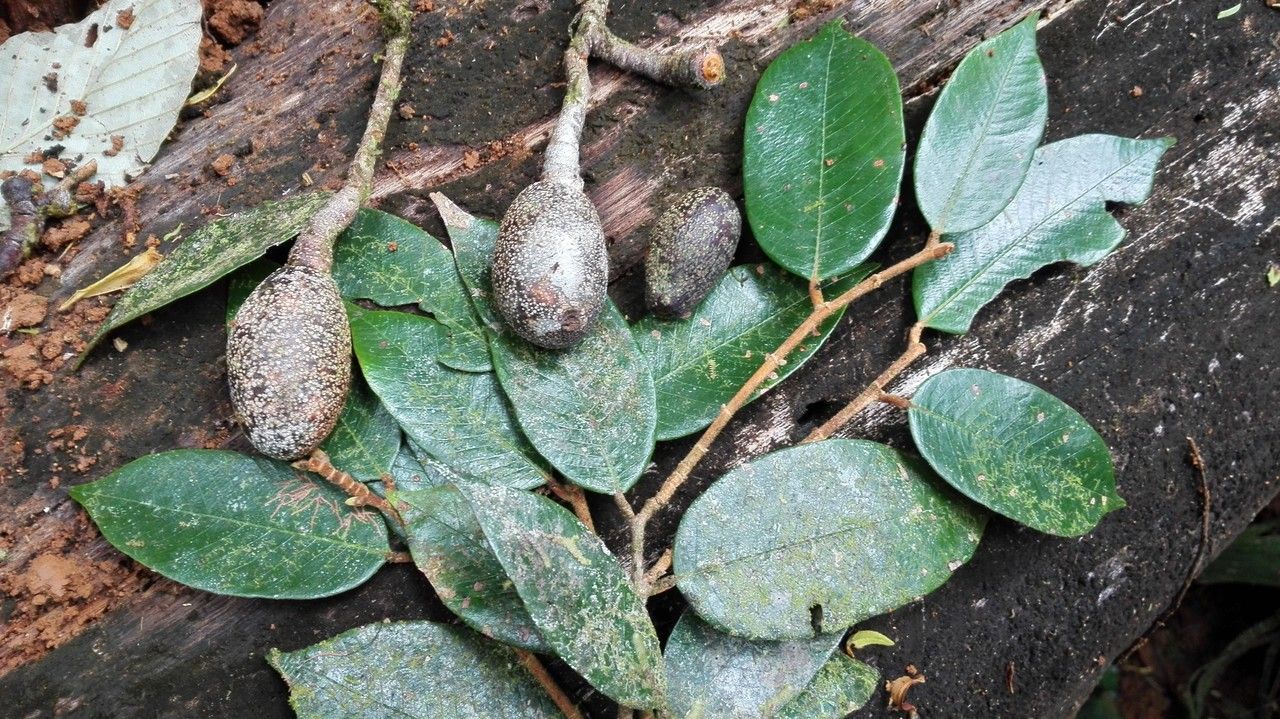
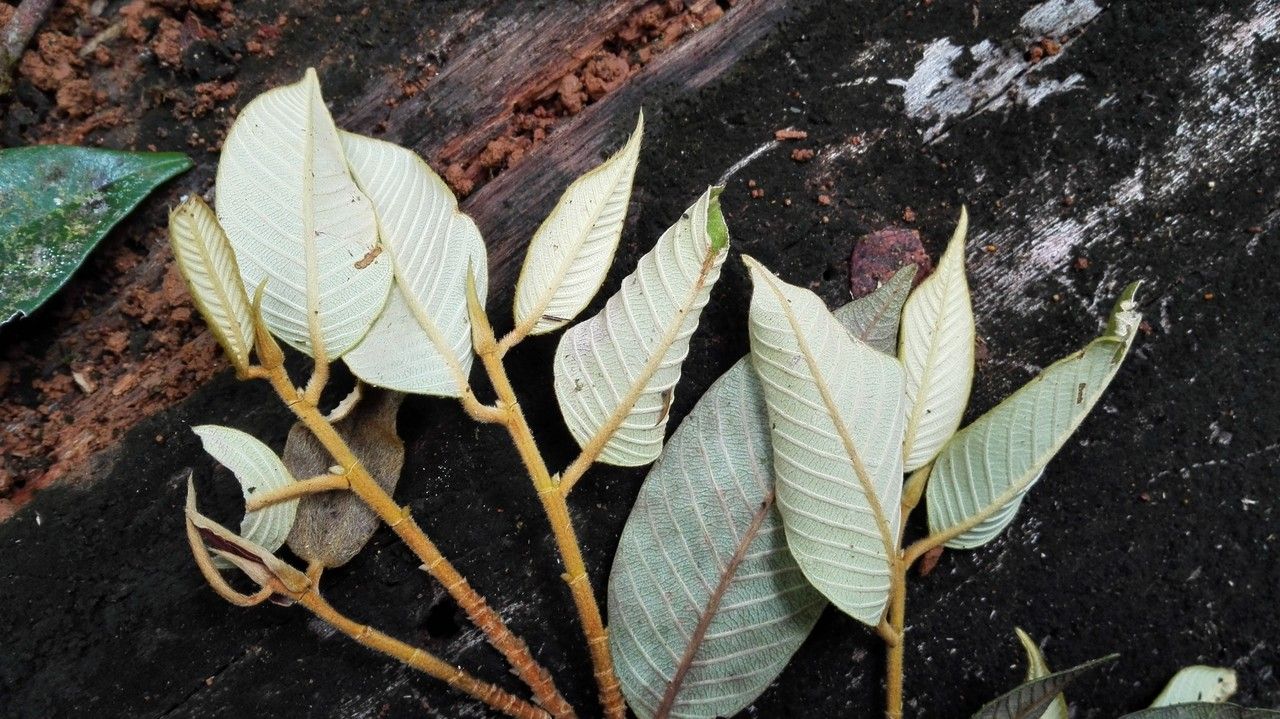
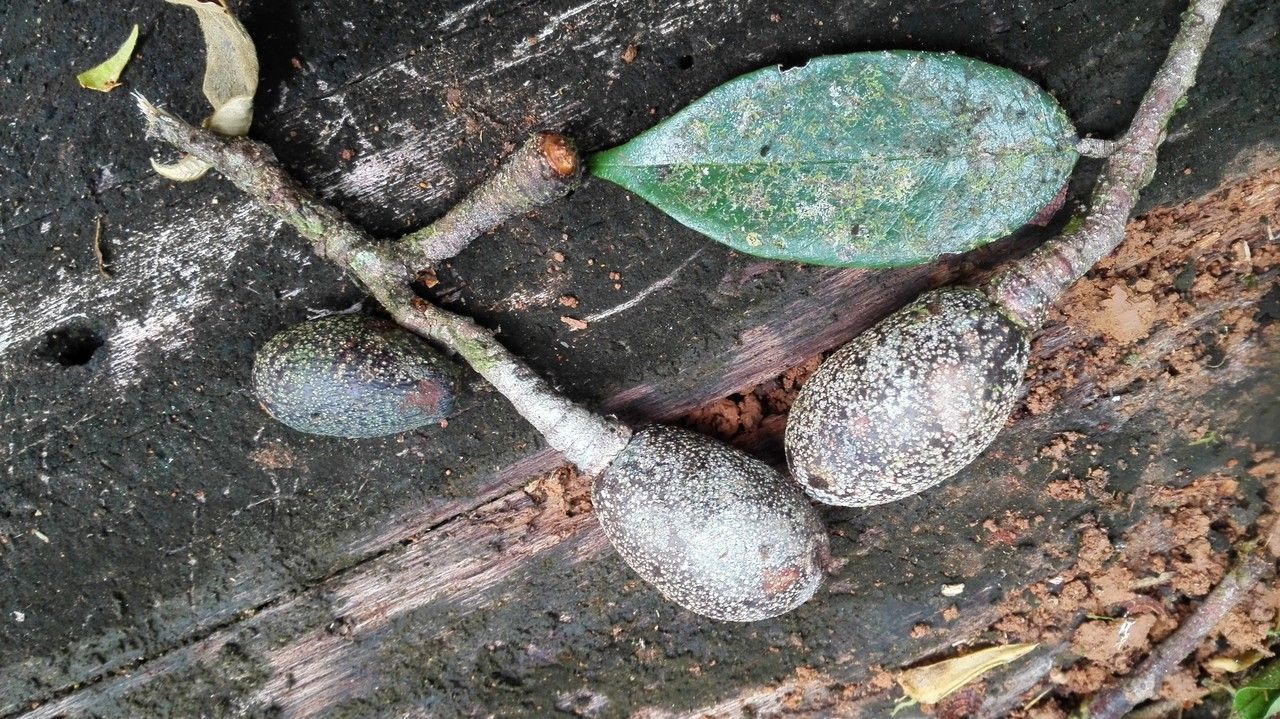
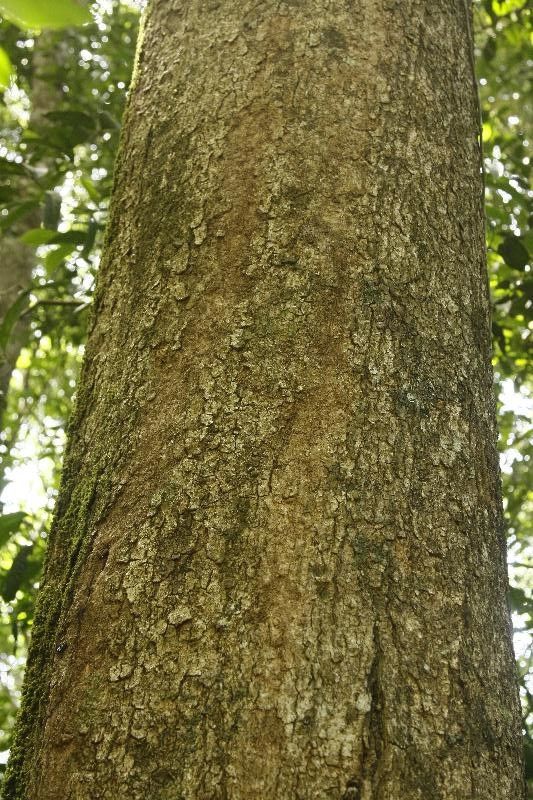
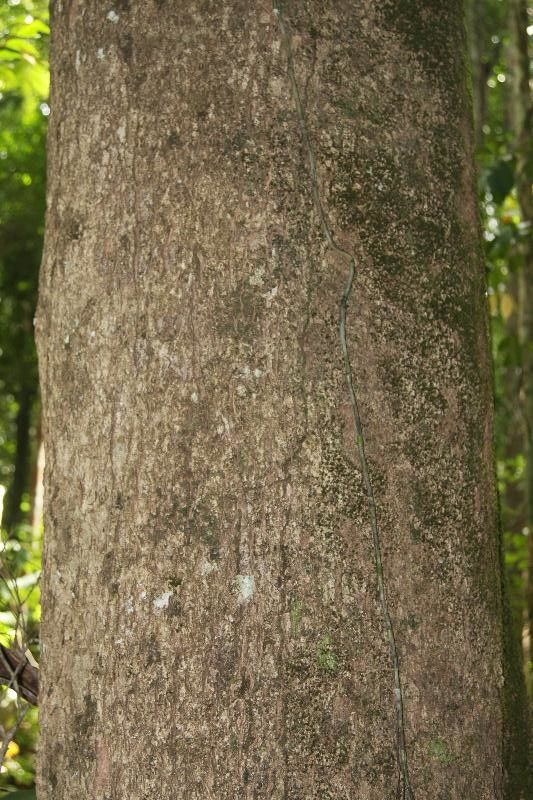
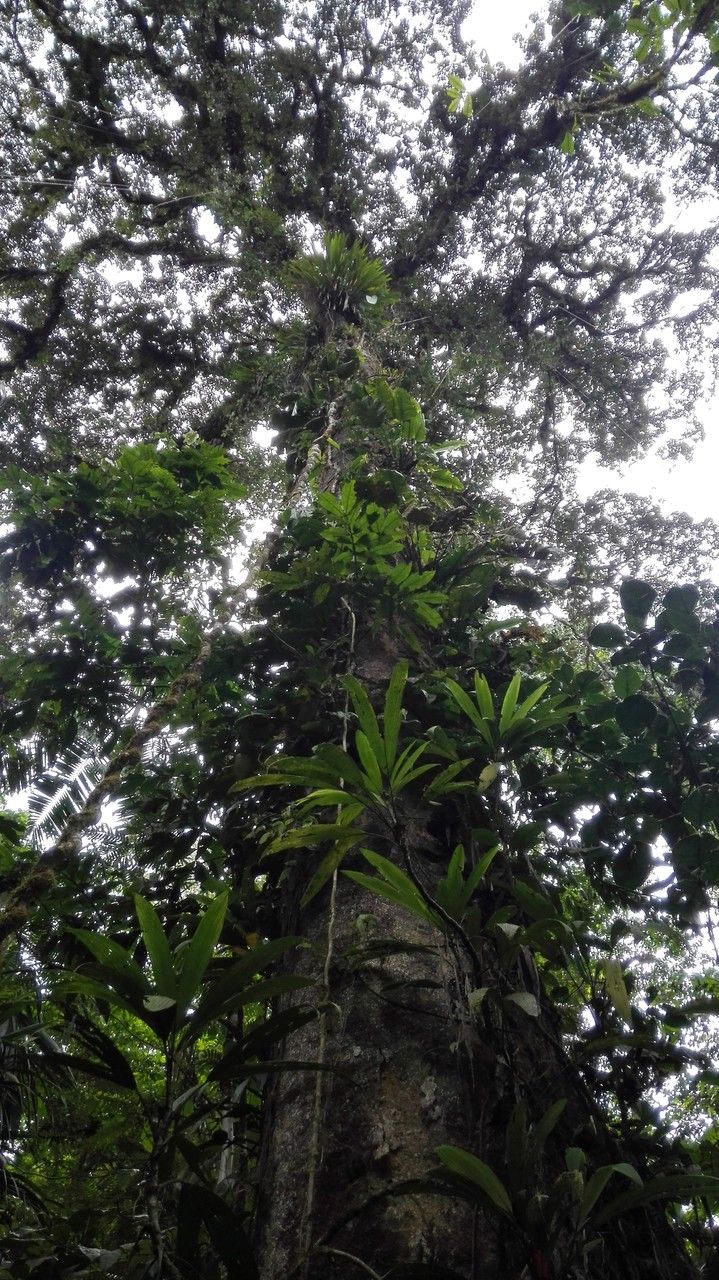
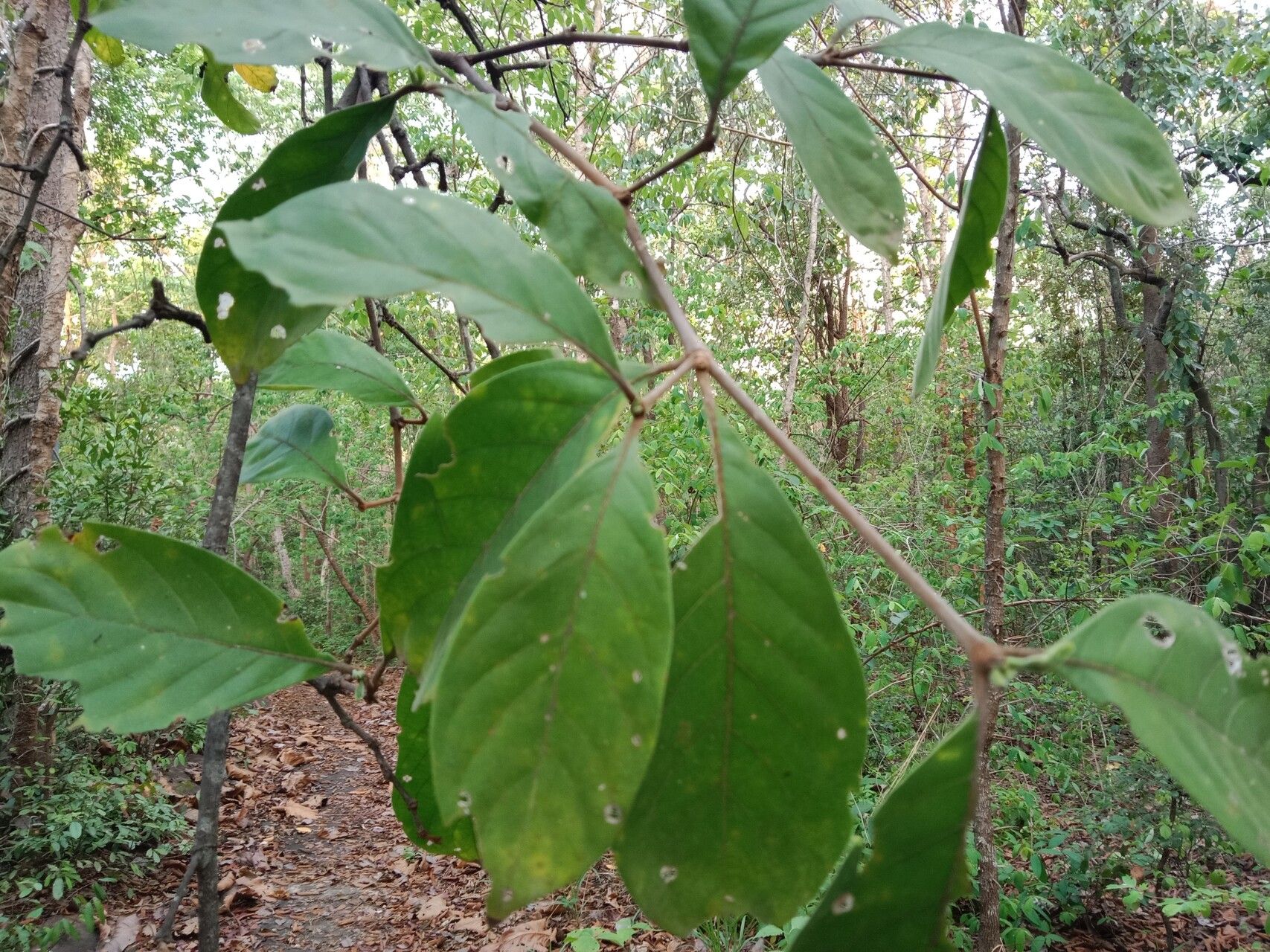
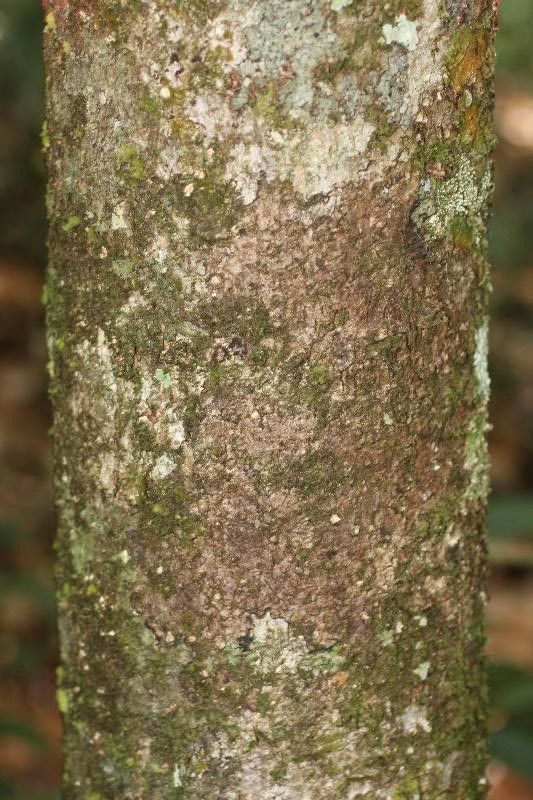
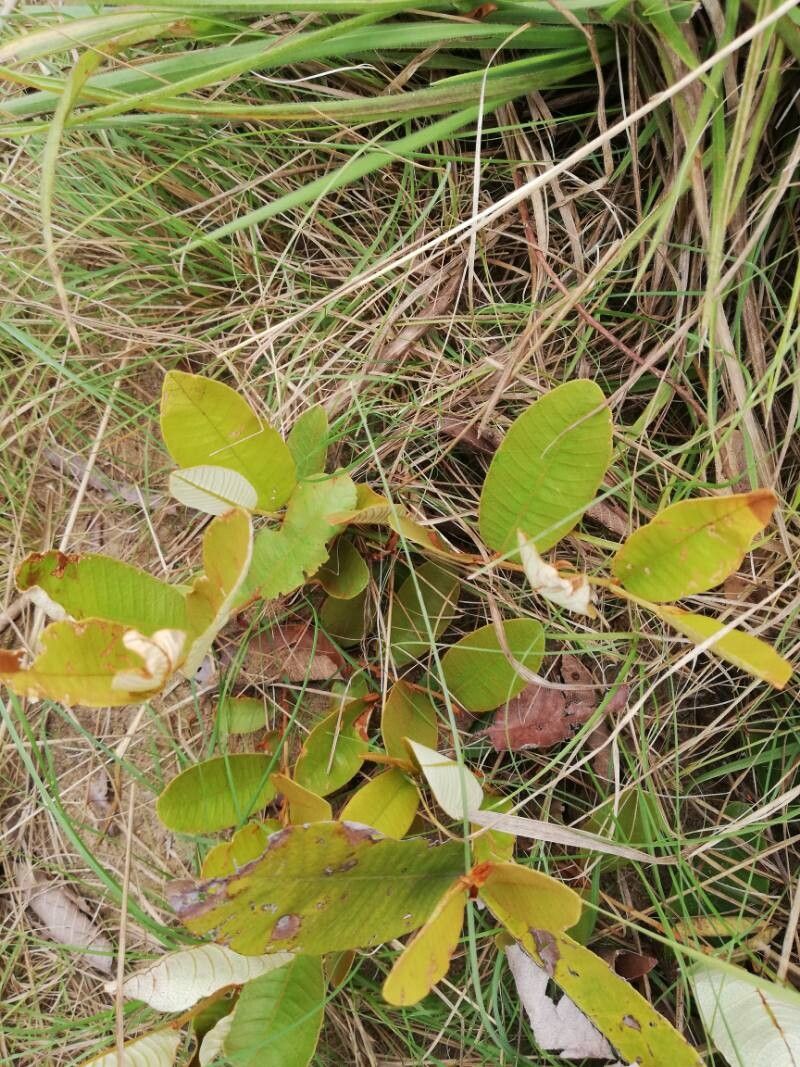
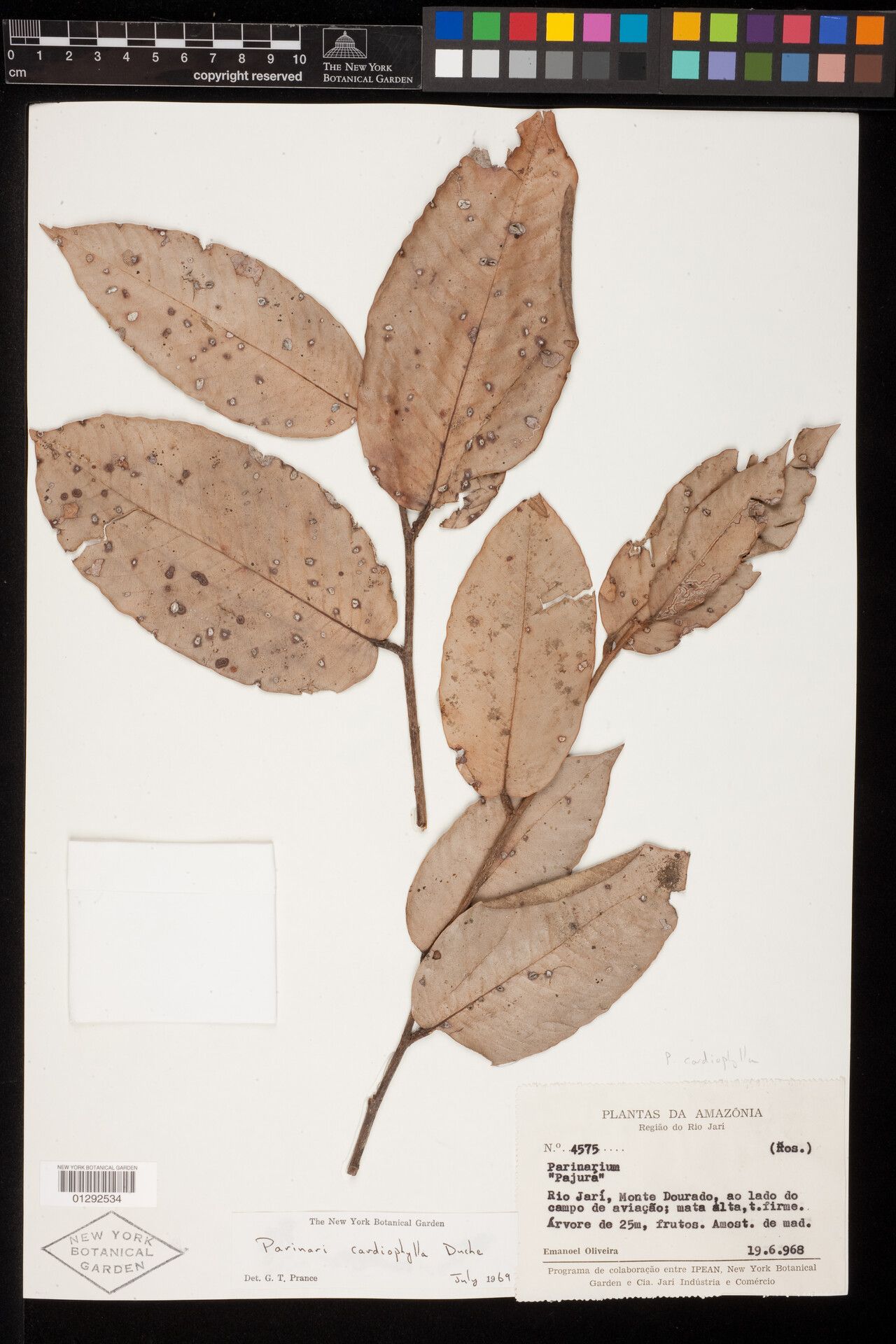
Parinari excelsa, commonly known as the African nutmeg or Congowood, is a large evergreen tree native to tropical Africa. It can grow up to 40 meters tall, with a straight trunk reaching diameters of up to 2 meters. The tree features dark green, glossy, leathery leaves that can be as long as 20 centimeters.
The African nutmeg produces small white flowers, which are followed by large fruit pods containing edible seeds. These seeds have an aromatic flavor reminiscent of nutmeg and are used as a spice in cooking.
The wood of the Parinari excelsa tree is highly valued for its durability and resistance to decay, making it a popular choice for construction and furniture making.
In traditional medicine, various parts of the plant have been used for their healing properties. The bark has been utilized as an antipyretic (fever-reducing) agent, while the leaves have been used for their antiseptic qualities.
Parinari excelsa plays an important ecological role in its native habitat by providing food and shelter for various animals, such as birds, monkeys, and elephants, among others. However, due to deforestation, its population is declining. Thus, conservation efforts are needed to preserve this important plant species.
Guinea plum is highly resistant to disease and is generally not susceptible to illnesses. Care-wise, this plant is relatively low maintenance. When grown outdoors it needs minimal watering, and larger plants typically do not require pruning. Smaller plants, however, should be pruned after they finish blooming. The Guinea plum is suitable for anyone with outdoor space, such as a garden or a deck, and does not require extensive care experience.
How to keep Parinari Excelsa.
Light
Guinea plum comes from open habitats, like sunny meadows and forest margins, which offer abundant light. It does best in Full Sun but will also tolerate Partial Sun, adjusting well to a range of sunlight conditions.
Temperature
Guinea plum comes from tropical areas, where the climate is usually warm and humid. Consequently, it is well suited to high temperatures and humidity. It does not tolerate sudden temperature swings and prefers a steady thermal environment, so avoiding temperature fluctuations indoors is important. It generally cannot withstand cold and needs higher temperatures to grow. If the surrounding temperature falls too low, the plant may stop growing or even die.
Fertilizer
Use organic fertilizers (e.g., fish emulsion, compost) instead of chemical ones for Guinea plum. Give young plants higher levels of nitrogen and phosphorus in spring. Mix compost or fertilizer into the soil either before or after planting. For mature plants, add a balanced fertilizer in spring or one specific to any identified nutrient deficiencies. Nutrient deficiency leads to small leaves, short branches, yellow or bronze foliage, acidic fruits, premature fruit drop, and fruit splitting.
Pruning
The Guinea plum is a tree known for its dense evergreen foliage and edible fruit. To promote healthy growth and fruiting, it's best to prune the tree in early spring. During pruning, remove any dead branches and thin out crowded areas to improve light and air circulation. Use clean, sharp tools to prevent disease and enhance the plant's shape and vigor.
Botanical profile.
- Plant Type
- Tree
- Life Cycle
- Perennial
- Genus
- Parinari
- Family
- Chrysobalanaceae
- Hardiness Zone
- 10-12
- Mature Height
- 29.87 m to 39.93 m
- Mature Spread
- 14.94 m to 20.12 m
- Leaf Color
- Dark Green, Forest Green
- Leaf Type
- Evergreen
- Flower Color
- White, Cream
- Flower Size
- 0.51 cm to 0.76 cm
- Bloom Time
- Summer
- Planting Time
- Spring, Summer, Autumn
- Harvest Time
- Late summer, Fall
- Native Area
- Burkina Faso, Malawi, Angola, Peru, Sudan, Zambia, Rwanda, Nigeria, Guinea, Gambia, Guinea-Bissau, Uganda, Tanzania, Central African Republic, Gabon, Colombia, Sierra Leone, Cameroon, Liberia, Mozambique, Venezuela, Burundi, Brazil, Bolivia, Ghana, Guyana, Senegal, Côte d'Ivoire, Costa Rica, Congo (DRC), Congo
Other names.