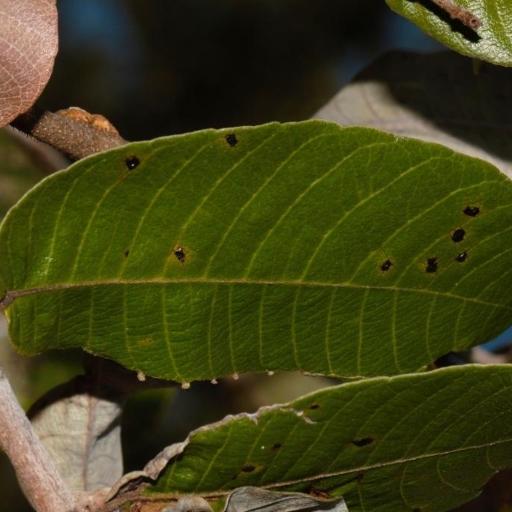
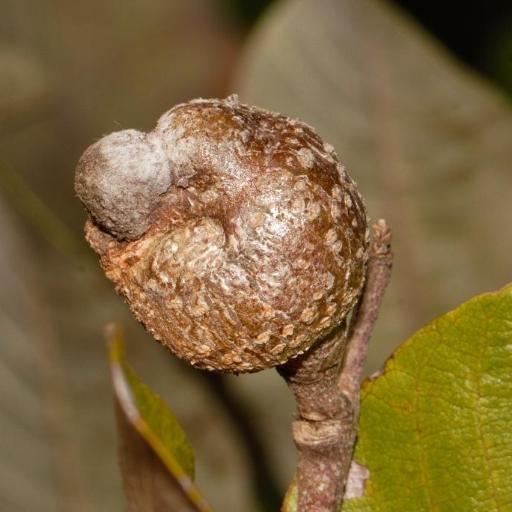
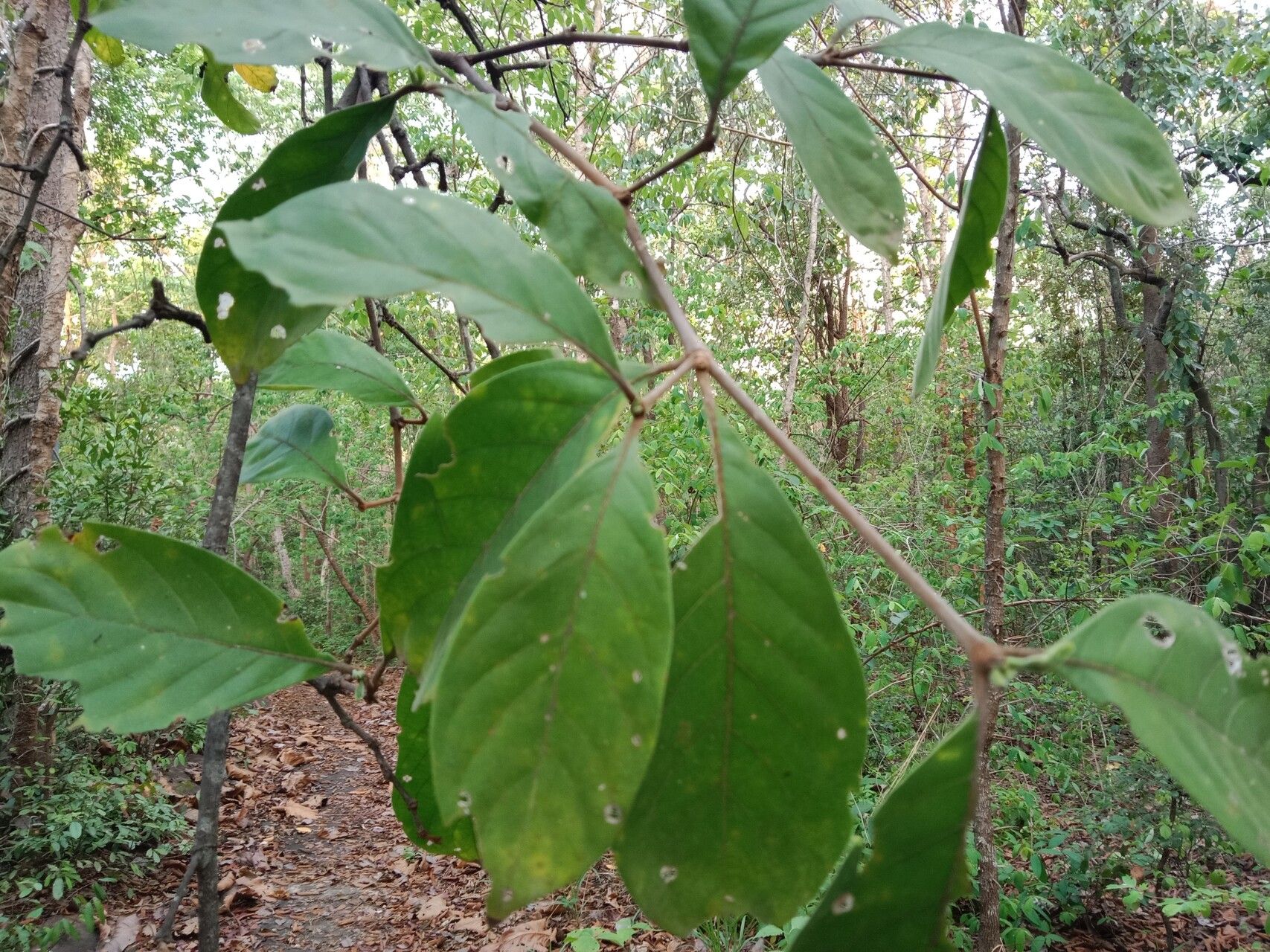
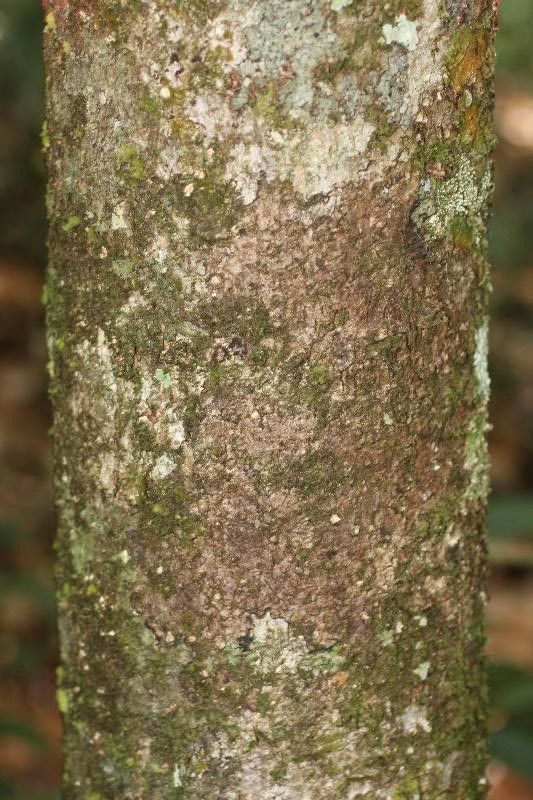
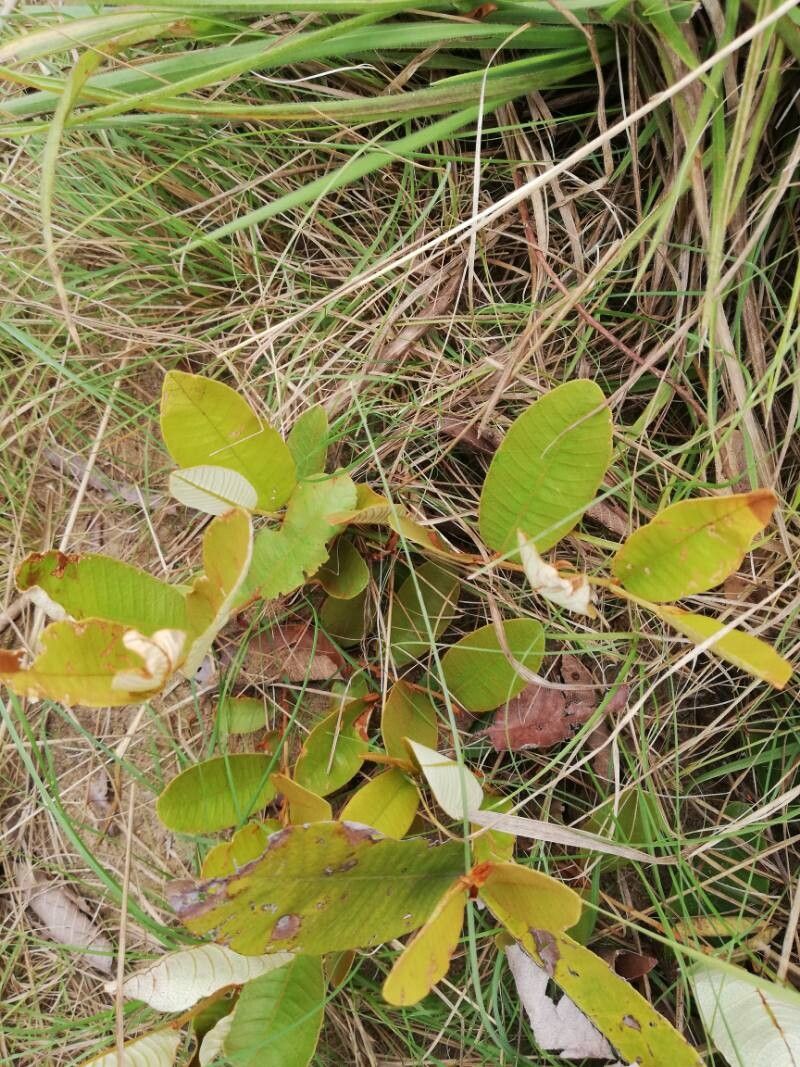
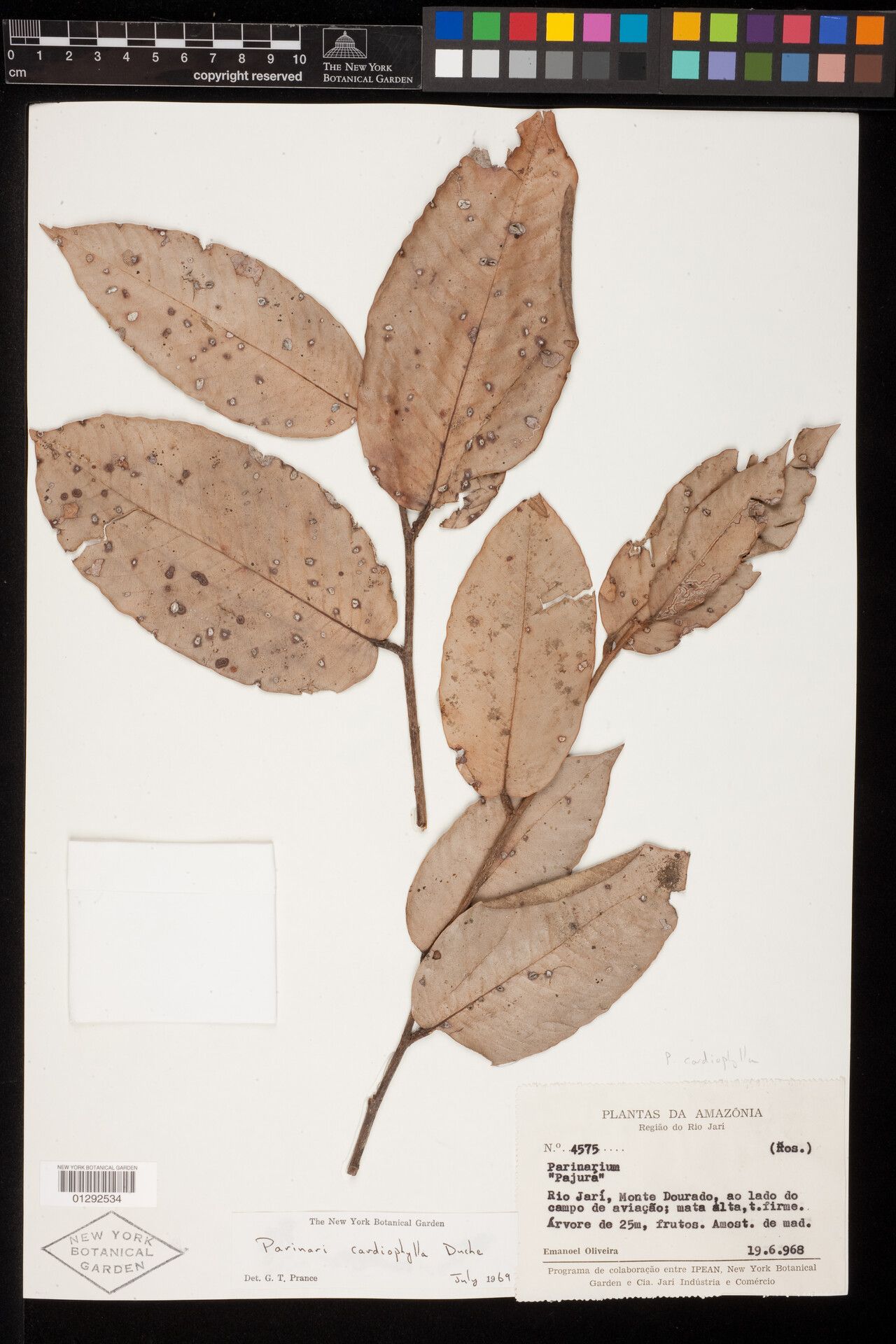
Parinari curatellifolia (Bambara: Tutu; Yoruba: Ìdòfún) is an evergreen tropical tree of Africa, found in various kinds of deciduous woodland most frequently in poorly drained areas and inland at moderate altitudes. It is also known as mmupudu (by Tswana speaking South Africans), mupundu or mobola plum after the fruit, which is considered tasty and causes the tree to be spared when woodland is cleared for cultivation.It grows in the Guinea Savanna region of West Africa from Senegal across to Chad and then in seasonal woodland across the Equator through Kenya and the eastern side of the continent in deciduous Miombo woodland inland to Zambia and Zimbabwe. Its southernmost reach is just outside the tropics in South Africa, at about 25°S.
Mobola plum is highly disease-resistant and is generally not prone to diseases. In terms of care, this plant is fairly low-maintenance. When grown outdoors it needs minimal watering, and larger plants typically do not require pruning. Smaller plants, however, should be pruned after they have finished blooming. Mobola plum is suitable for anyone with an outdoor space, such as a garden or deck, and does not require a lot of care experience.
How to keep Parinari Curatellifolia.
Light
The Mobola plum comes from open habitats, such as sunny meadows and forest edges, which offer abundant light. It does best in Full Sun but can also tolerate Partial Sun, adapting well to a range of sunlight conditions.
Temperature
Mobola plum adapts well to temperature, tolerating higher heat and larger temperature fluctuations. In hot weather, care should be taken with watering and providing appropriate shade to avoid sunburn. Conversely, Mobola plum is less tolerant of low temperatures. While it can endure some cold, excessively low temperatures can cause frost damage.
Fertilizer
The Mobola plum plant needs adequate nutrients to produce fruit at its best. Fertilize in early spring to support new growth and bloom development. Regular fertilization keeps the plant healthy, results in tastier fruit, and prevents nutrient-deficiency problems like yellowing leaves and poor fruit production.
Botanical profile.
- Plant Type
- Tree
- Life Cycle
- Perennial
- Genus
- Parinari
- Family
- Chrysobalanaceae
- Hardiness Zone
- 10-12
- Mature Height
- 0 m to 13 m
- Mature Spread
- 7.92 m to 14.94 m
- Leaf Color
- Green
- Leaf Type
- Evergreen
- Flower Color
- Yellow
- Flower Size
- 0.51 cm to 0.76 cm
- Bloom Time
- Mid spring, Late spring, Early summer
- Planting Time
- Spring, Summer
- Harvest Time
- Late summer, Early fall, Mid fall
- Native Area
- Burkina Faso, Angola, Namibia, Madagascar, Rwanda, Nigeria, Kenya, Niger, Uganda, Tanzania, Zimbabwe, Mali, Guinea-Bissau, Benin, Sierra Leone, Cameroon, Burundi, Mozambique, Ghana, Congo, Central African Republic, Malawi, South Africa, Zambia, Sudan, Guinea, Chad, Togo, Senegal, Eswatini, Congo (DRC), Gabon
Other names.