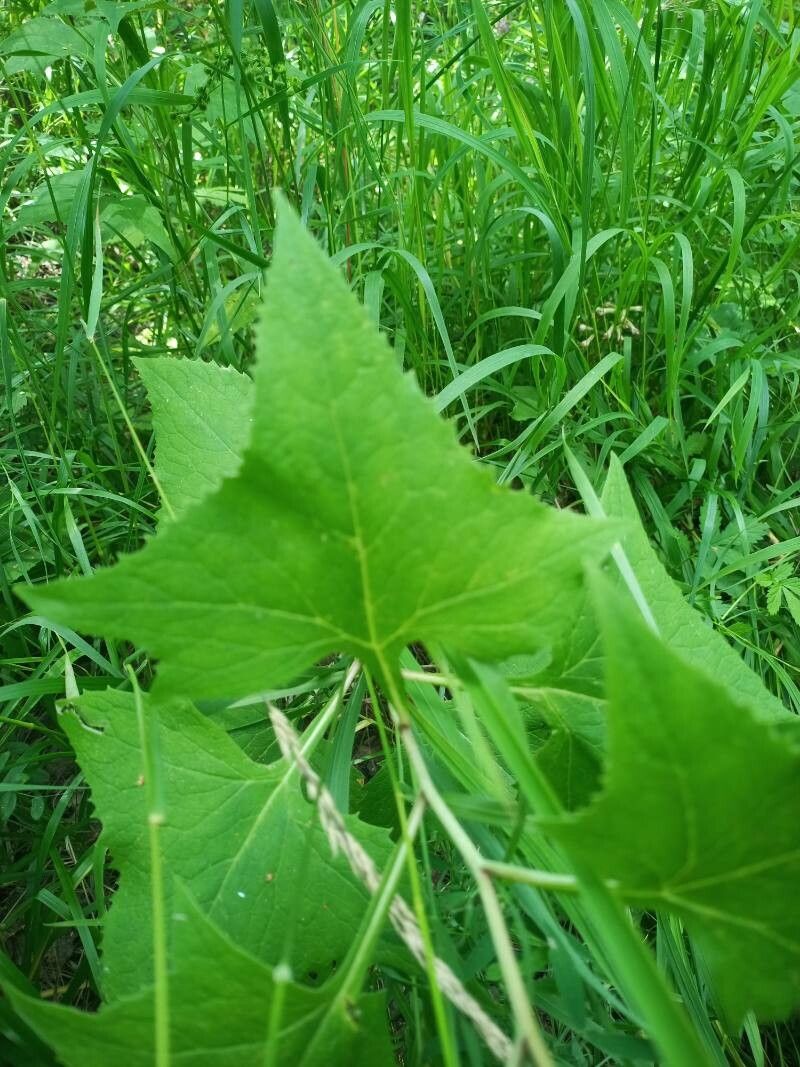
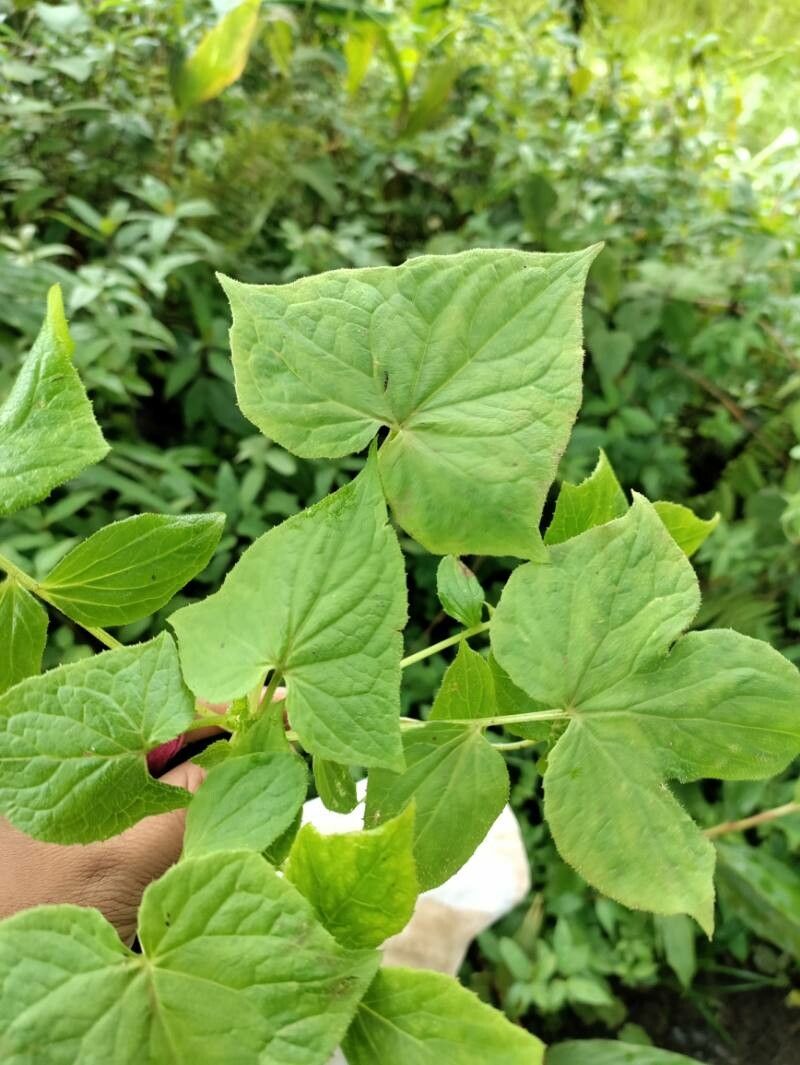
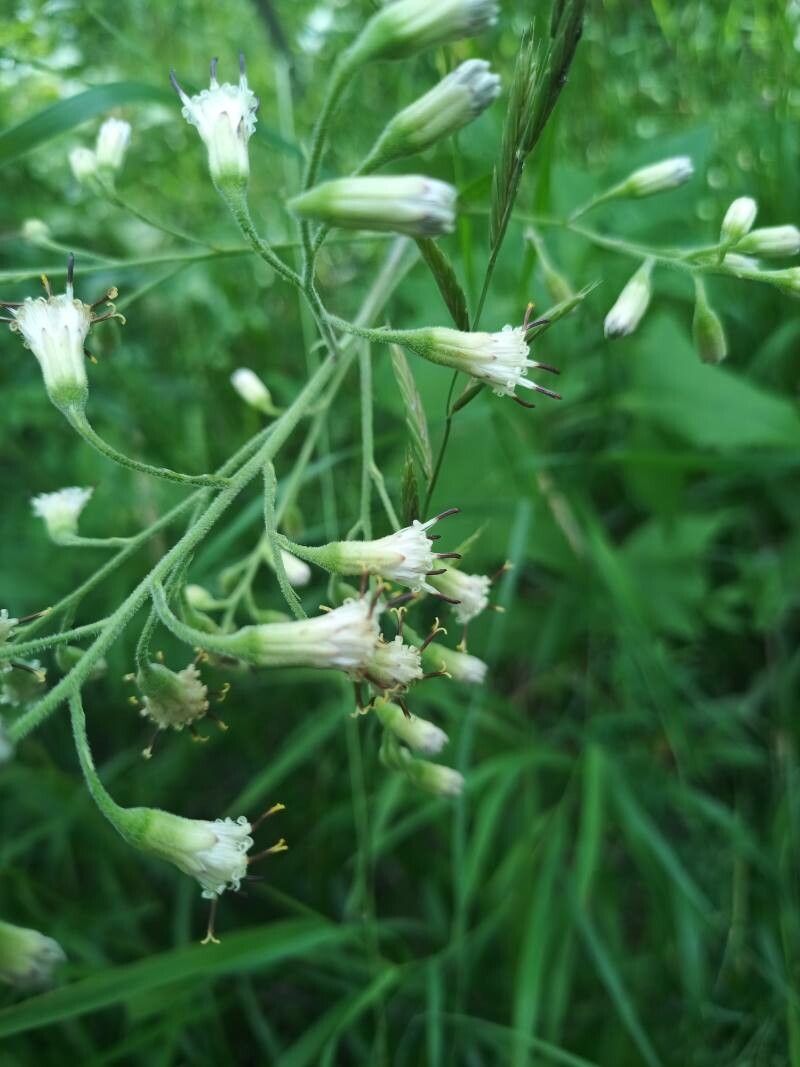
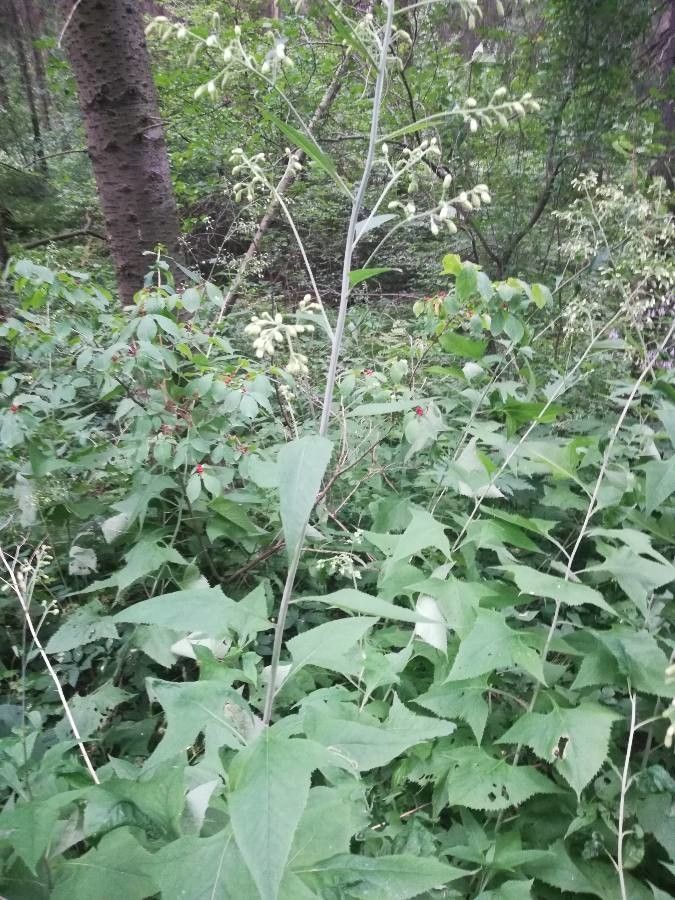
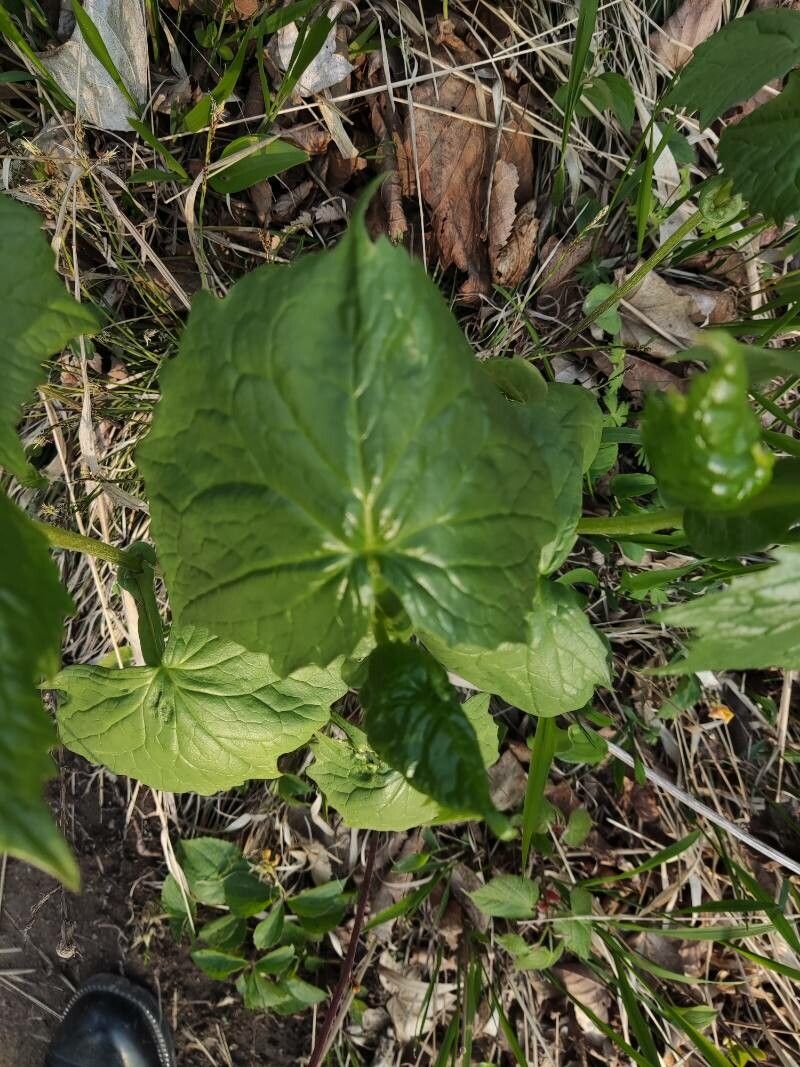
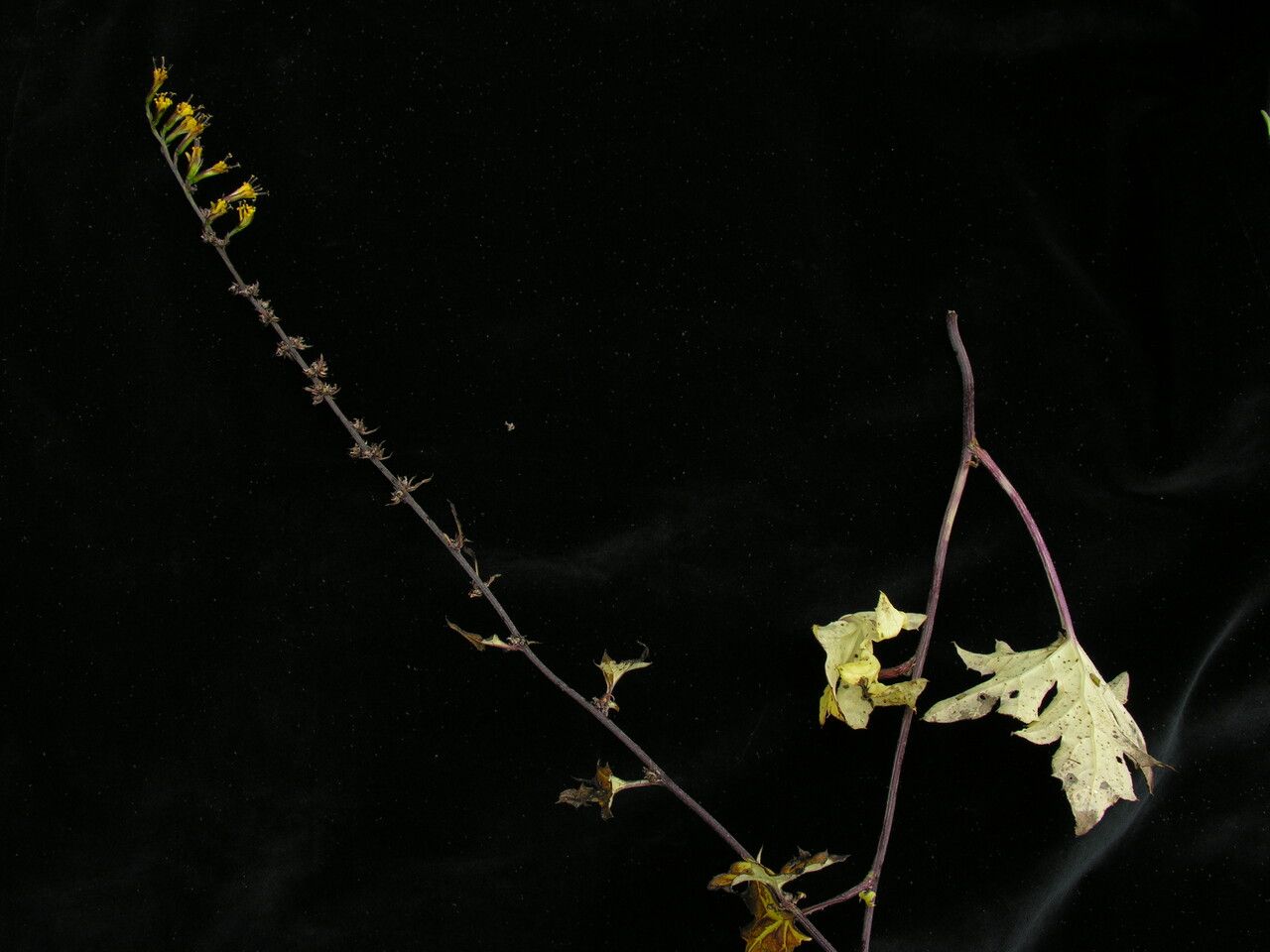
Parasenecio hastatus (Chinese: 山尖子, shānjiānzi) is a flowering plant species in the genus Parasenecio found in China and East Asia. It contains toxic pyrrolizidine alkaloids.
Parasenecio hastatus shows strong resistance to disease and generally does not tend to get sick. Still, it can be affected by pests and diseases present in its environment. These infections are typically not serious. Regarding care, this plant needs moderate maintenance. It should be pruned regularly to preserve a neat appearance and support healthy growth. Applying fertilizer can also encourage flowering. Parasenecio hastatus is appropriate for anyone with outdoor space, such as a garden or patio, and does not demand extensive plant-care experience. It may require more attention if cultivated indoors.
How to keep Parasenecio Hastatus.
Light
Parasenecio hastatus naturally occurs in habitats like forest understories and rocky areas, where it grows in natural shade. It prefers partial sun but can tolerate both full sun and full shade, showing its versatility and hardiness.
Water
Parasenecio hastatus thrives in moist environments and prefers consistent moisture levels. For optimal health, it requires moderate watering each week and can adapt to both well-watered conditions and mild drought. Extra care is needed during dry spells, especially since it is grown outdoors and relies on rainfall patterns.
Temperature
Parasenecio hastatus, comfortable in temperatures from 41 to 77 °F (5 to 25 ℃), is native to regions with temperate climates. Care should be taken to gradually adjust its surrounding temperature during extreme seasonal changes to avoid shocking the plant.
Fertilizer
One fertilizer application in spring is generally enough for Parasenecio hastatus, though repeated feedings can help it reach its full growth potential. Apply fertilizer every month to a month and a half. Fertilizing improves the leaves' appearance and function, encouraging even color and a healthy texture. It also promotes root development and nutrient uptake, supporting the plant's long-term health.
Pruning
Parasenecio hastatus is known for its lush foliage and delicate white flowers. To encourage growth and enhance flowering, prune the plant from early to late spring. Focus on removing dead wood and thinning out crowded branches. This not only improves the plant's aesthetic appeal but also reduces the risk of fungal diseases, ensuring a healthy and vigorous Parasenecio hastatus.
Botanical profile.
- Plant Type
- Herb
- Life Cycle
- Perennial
- Genus
- Parasenecio
- Family
- Asteraceae
- Hardiness Zone
- 4
- Mature Height
- 2.13 m
- Mature Spread
- 30 cm to 61 cm
- Leaf Color
- Green, Dark Green
- Leaf Type
- Deciduous
- Flower Color
- White
- Flower Size
- 0.51 cm to 0.76 cm
- Bloom Time
- Late summer, Early fall
- Planting Time
- Spring, Summer, Autumn
- Harvest Time
- Early fall, Mid fall
- Native Area
- Russia, Kazakhstan, Japan, Mongolia, Koppen, China
Other names.
Reader questions.
What is the ideal temperature range for Parasenecio hastatus?
Parasenecio hastatus thrives in temperatures ranging from 41 to 77 °F (5 to 25 °C). Originating from temperate climates, this plant is highly adaptable to various weather conditions. However, it is crucial to gradually adjust its surrounding temperature during the transition between seasons to prevent shock.
Does Parasenecio hastatus require any special care during winter?
Despite its high tolerance to cold, Parasenecio hastatus doesn't need extra frost protection in winter. It is advisable to water the plant abundantly before the first freeze of autumn. This ensures that the soil stays moist and enters into a frozen state, which helps in preventing drought and water scarcity during the colder months and early spring.
How does Parasenecio hastatus react to low temperatures?
Parasenecio hastatus is extremely cold-tolerant, capable of withstanding temperatures down to -30°C. However, if temperatures fall below this threshold, the plant may not show immediate damage in winter, but there could be a decrease in sprouting or a complete lack of sprouting in spring. It is recommended to remove any parts that have failed to sprout in spring.
What should I do if Parasenecio hastatus is exposed to high temperatures?
Parasenecio hastatus struggles in high temperatures, particularly those exceeding 25°C, leading to halted growth and increased risk of rot. To mitigate this, trim away any sunburned or dried parts, move the plant to a shaded location or use a shade cloth during the peak sun hours. Also, ensure the soil is kept moist by watering in the morning and evening.