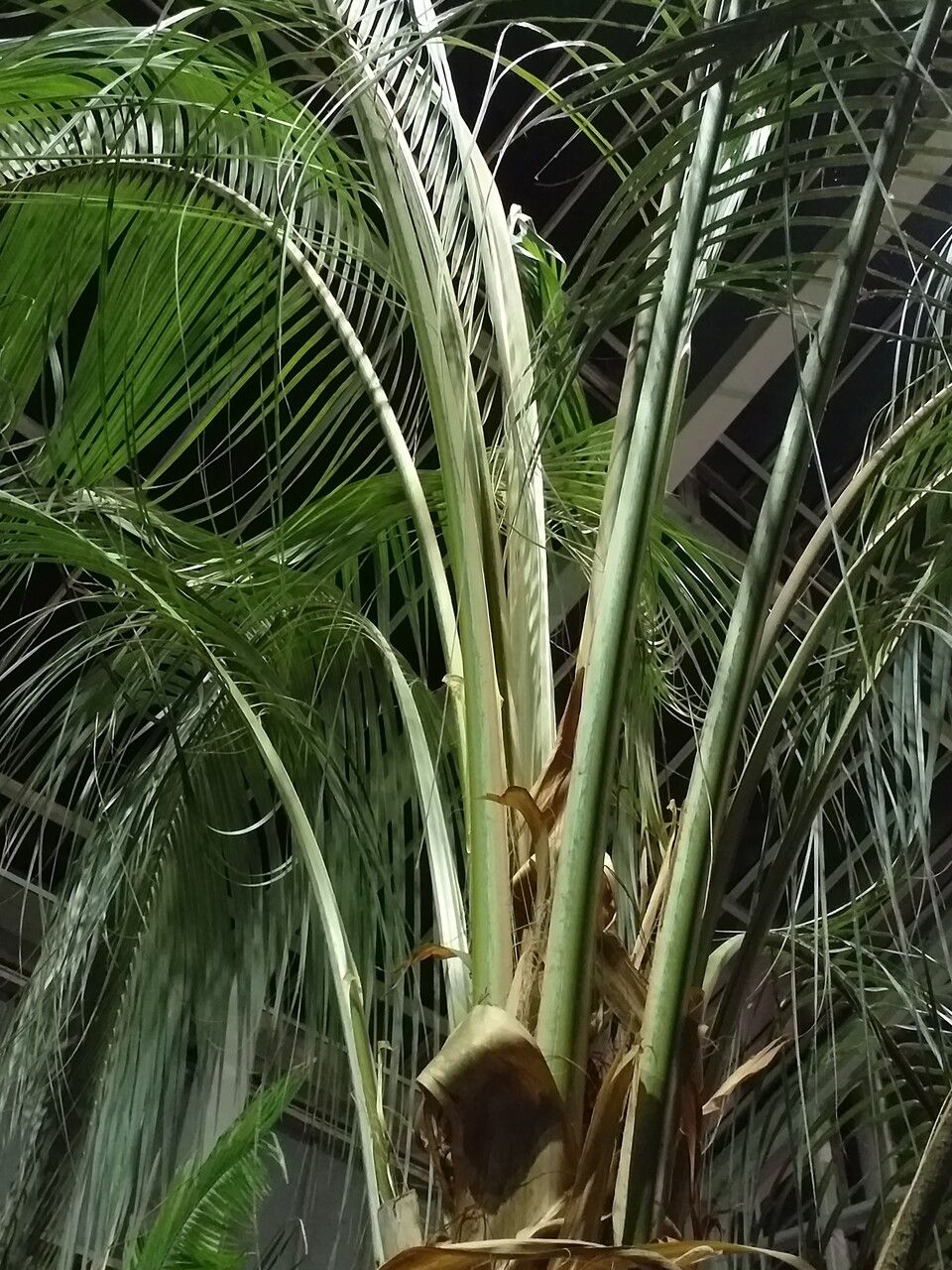
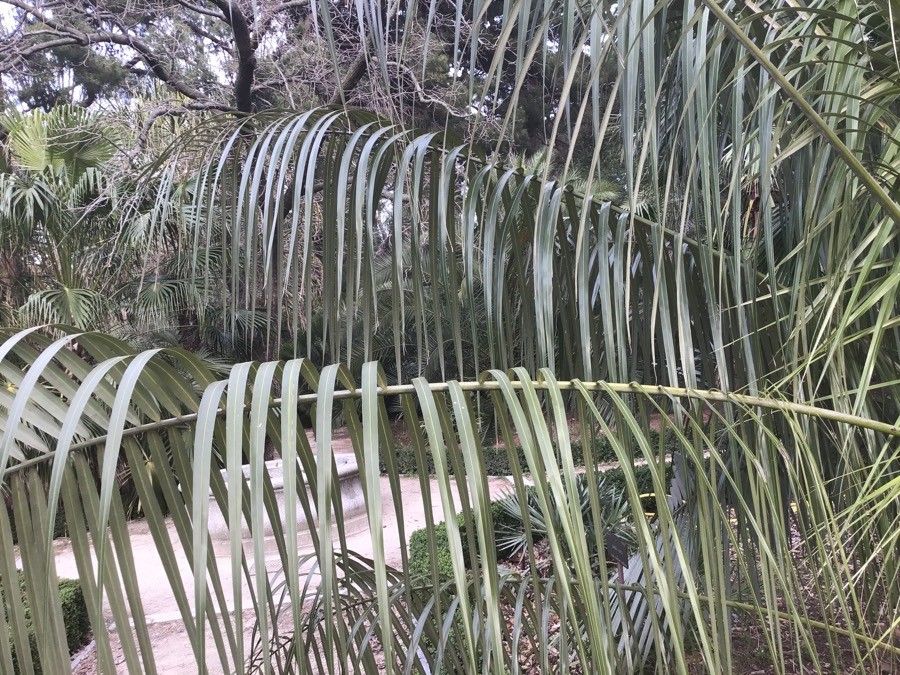
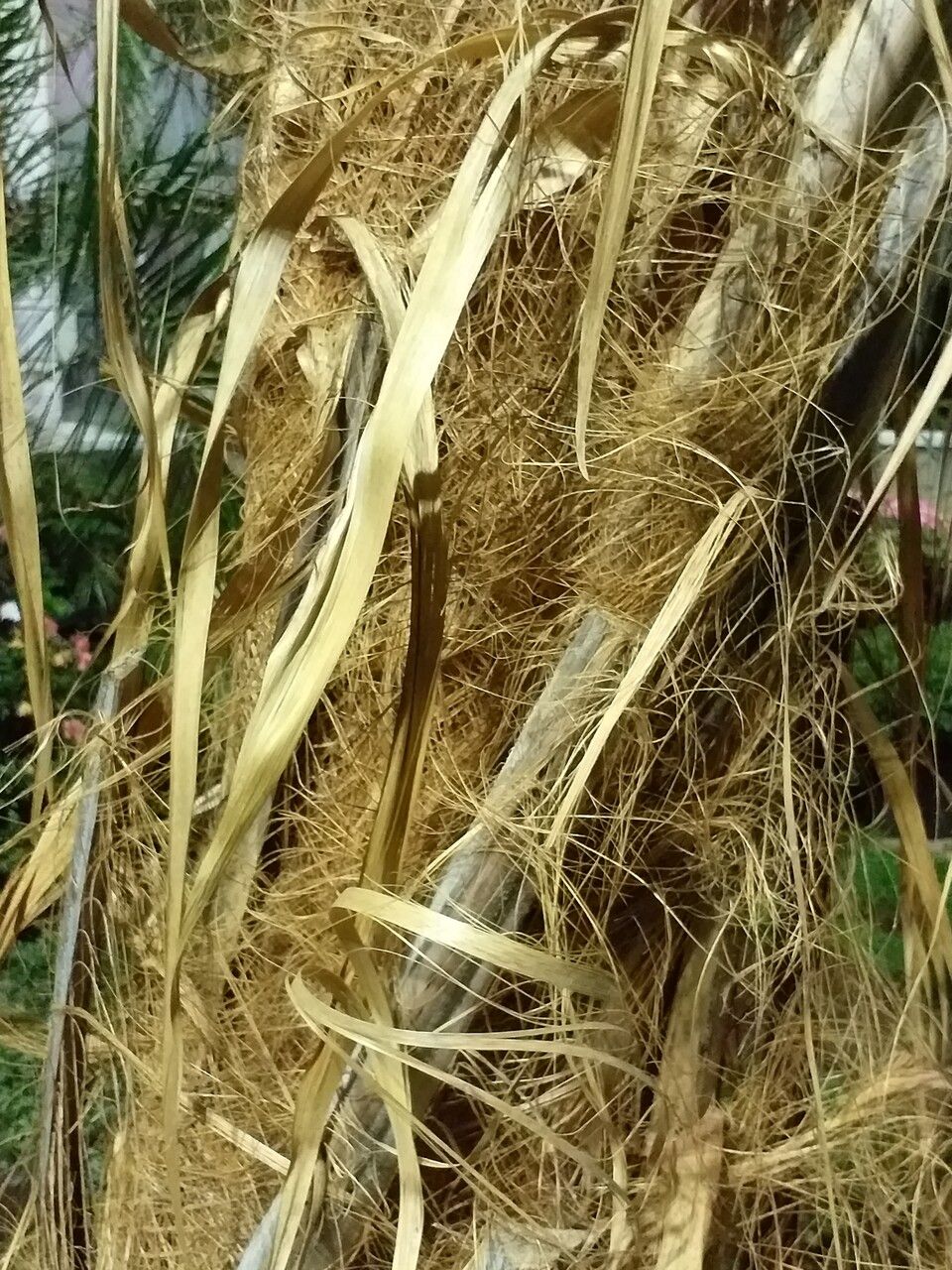
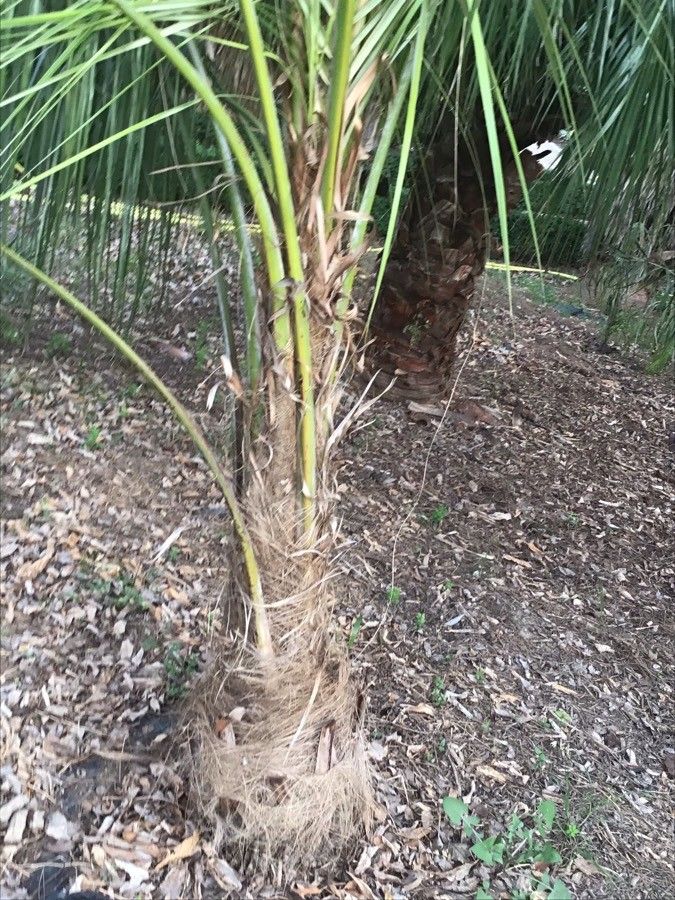
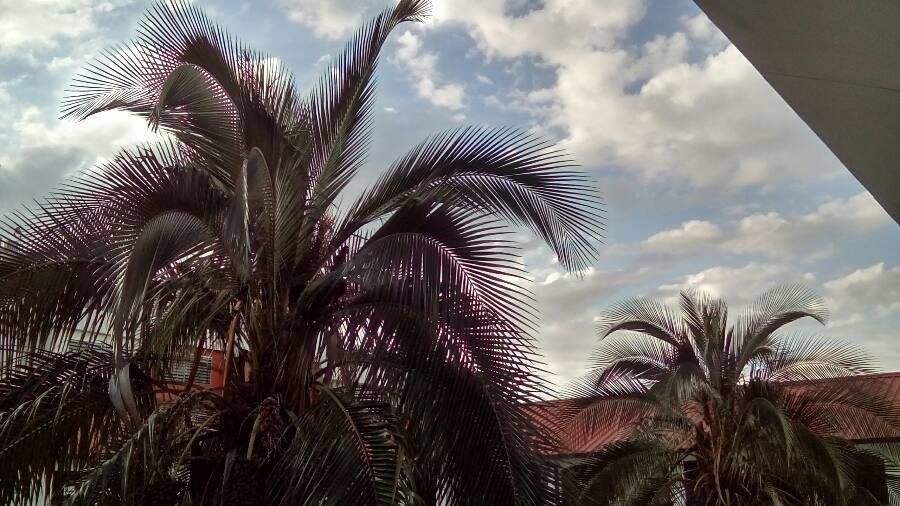
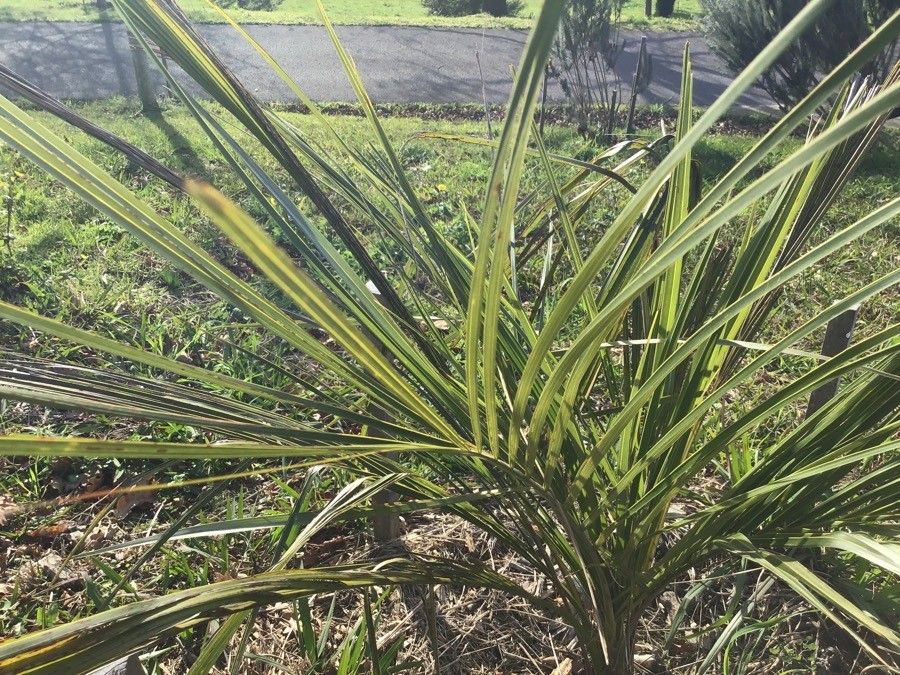
Parajubaea torallyi, commonly known as the Andean coconut palm, is a species of palm tree native to the Andean mountains of Bolivia and Peru. This slow-growing tree can reach heights of up to 20 meters and features a thick trunk covered in fibrous material. Its pinnate leaves can grow up to 5 meters long, with numerous leaflets that are green on top and silver underneath. The small flowers are yellowish-green, and the fruit is round or oval-shaped with a hard outer shell containing one or two seeds.
The Parajubaea torallyi is highly valued for its edible fruit, which has been used by indigenous people for centuries as a food source. It also provides habitat for various species of birds, insects, and mammals, such as monkeys.
This plant thrives in well-drained soil with plenty of sunlight but can tolerate some shade. It prefers warm temperatures but can withstand occasional frost if protected from strong winds.
The International Union for Conservation of Nature (IUCN) has listed Parajubaea torallyi as vulnerable due to habitat loss caused by deforestation and agricultural expansion in its native range. Conservation efforts are underway to protect this valuable species from extinction through seed collection programs aimed at preserving genetic diversity within its populations.
Botanical profile.
- Genus
- Parajubaea
- Family
- Arecaceae
Other names.