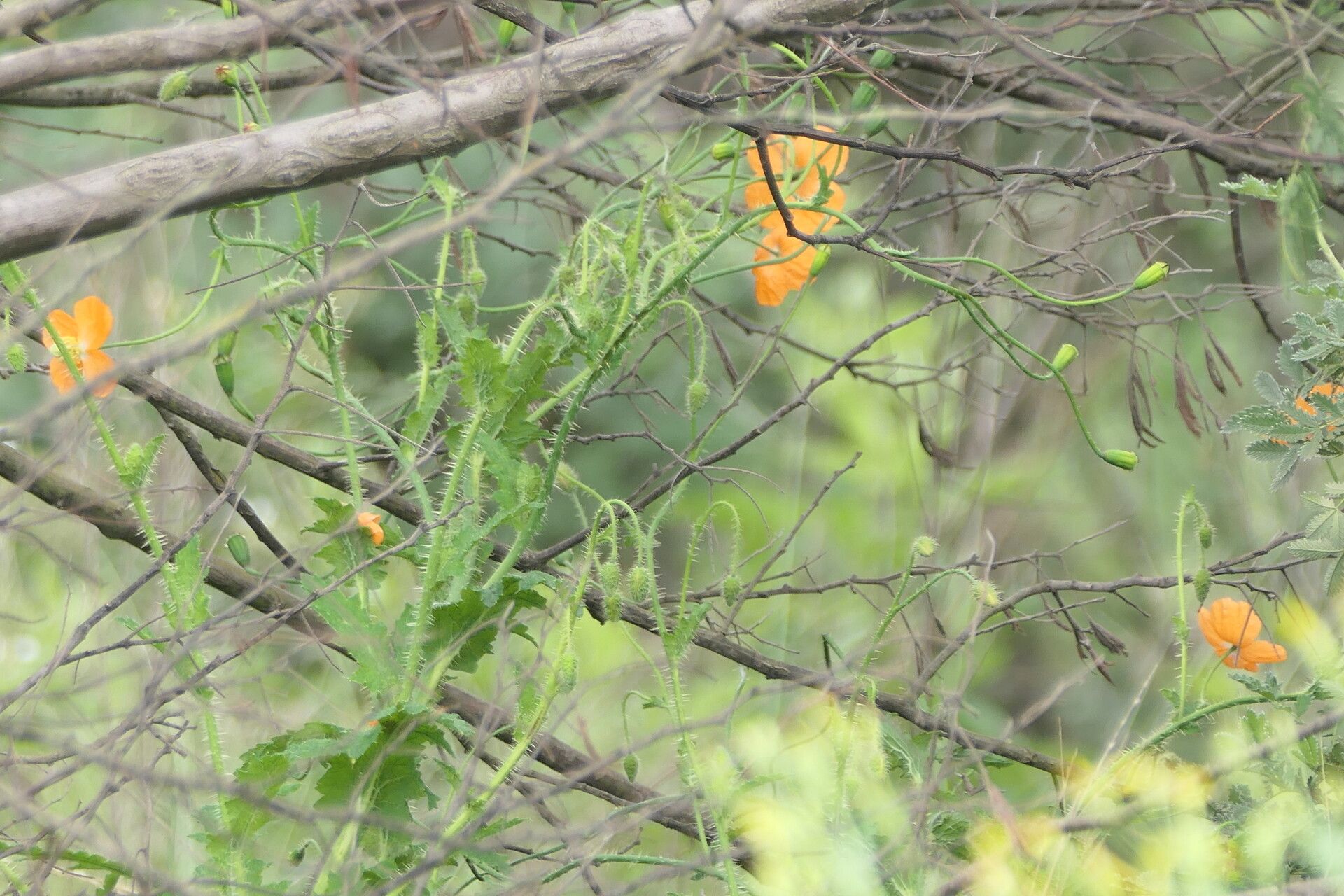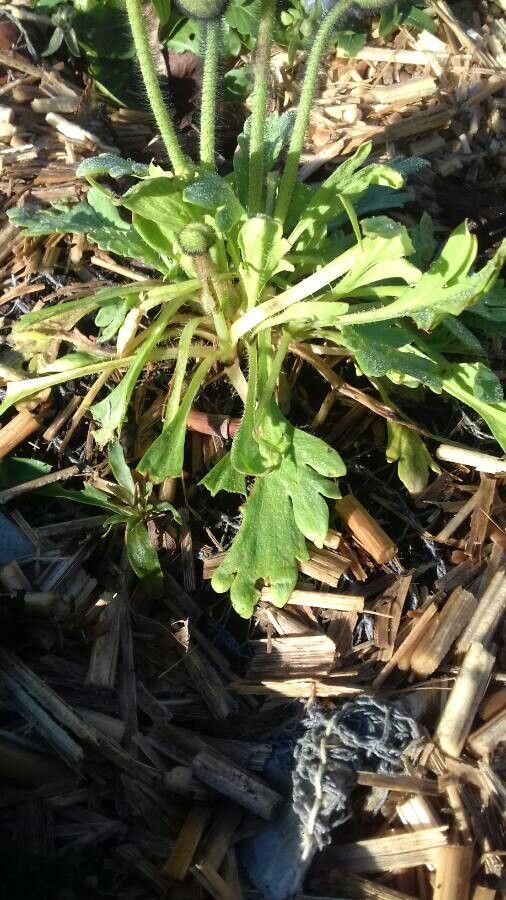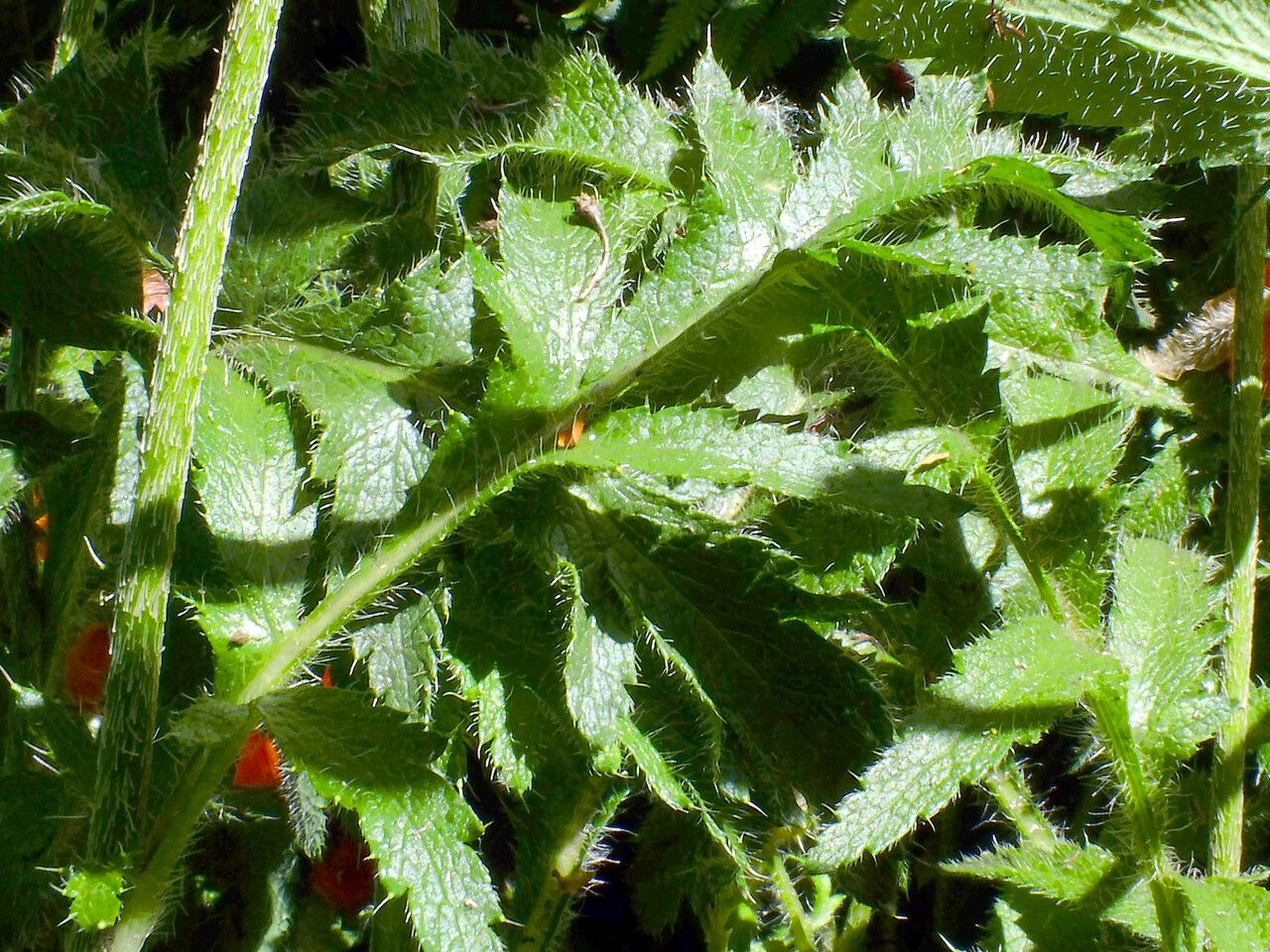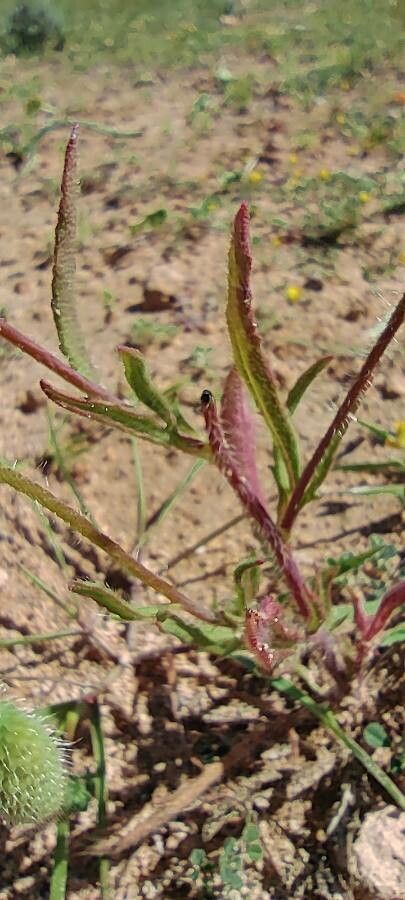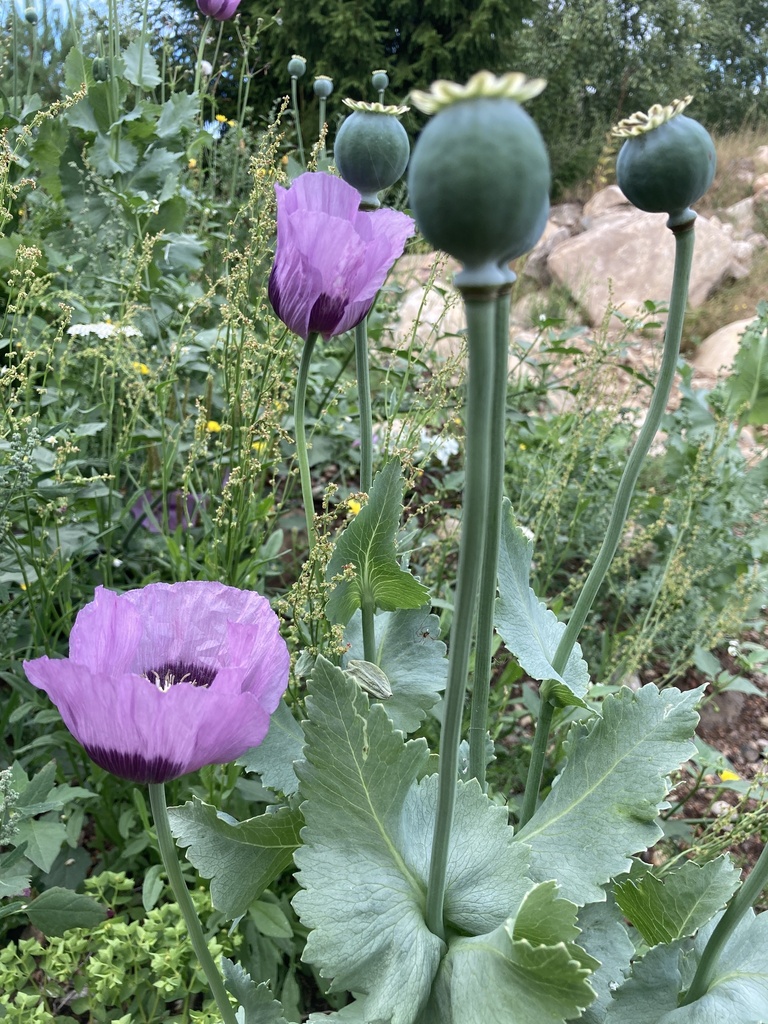
Papaver somniferum, commonly known as the opium poppy, is a flowering plant in the Papaveraceae family. Native to Western Asia and Southeastern Europe, it has been widely cultivated across the globe for its medicinal and recreational properties. The plant can grow up to 1 meter tall, featuring large, vibrant flowers that range in color from white to pink, red, or purple.
The opium poppy is renowned for its psychoactive alkaloids, such as morphine and codeine, which are extracted from its latex sap. These alkaloids have been used for centuries as painkillers and sedatives, as well as for recreational purposes. However, due to their addictive nature and potential side effects, including respiratory depression and the risk of overdose, their use is strictly regulated by law.
Beyond their medicinal applications, opium poppies are also cultivated for their ornamental value in gardens and fields. They prefer well-drained soil with full sun exposure but can tolerate partial shade as well.
In conclusion, Papaver somniferum is a fascinating plant with a rich history of both beneficial and detrimental human use, depending on how it is utilized. It is essential to continue researching this plant to better understand its potential and to ensure its safe use while minimizing the risks associated with its powerful substances.
How to keep Papaver Somniferum.
Light
The opium poppy flourishes in environments with plentiful sunlight exposure. It is originally from places with generous amounts of sunlight and therefore prospers optimally under these conditions. Ensuring it gets sufficient daily sunlight is key for its robust growth.
Water
The opium poppy grows best in moist environments and benefits from consistent watering, ideally once a week, while avoiding waterlogging. Although it can tolerate moderate drought conditions, it thrives in slightly damp soil. As an annual flowering plant, the opium poppy produces vibrant blooms throughout the growing season.
Humidity
This plant needs special care because it loves high humidity levels of 60-80% or more. The best way to achieve this is by placing a humidifier near the plant. Daily misting is also essential! Make sure the room has good ventilation.
Temperature
The ideal daily mean temperature for poppy development and growth is between 16 and 20 mC. (Acock, Pausch, and Acock, 1997). Low temperatures inhibit the growth of poppies (Bernath and Tetenyi, 1981). The poppy used for food is gathered when the moisture content is less than 10%. At harvest, the seed moisture typically falls between 6 and 10 percent.
Pruning
Annual poppies require little maintenance. Simply allow the plants to blossom and set seed as part of a wildflower display without staking or deadheading them. Pull up the parent plants and add them to the compost bin once the blossoms have faded and the seeds have germinated. Before removing, it's a good idea to shake the plants over the area to get any stubborn seeds out.
Pot & Repot
When growing opium poppy in pots, it’s crucial to provide excellent drainage. This helps ensure healthy growth and prevents root rot. Proper drainage maintains the right moisture levels, which is vital for the overall health of the plant.
Toxicity
It has been discovered that some opium contains lead contamination. The origin of the lead in opium is unknown, however, it may have come from opium processing equipment contamination, deliberate adulteration of opium with lead to increase its weight or opium poppy cultivation on polluted soil. Organ damage is one of the significant effects of lead poisoning on a person's health.
Further reading →
The toxicity and danger assessments provided are for reference only. We do not assure their accuracy, so it's crucial not to depend on them. Seek professional advice when necessary for accurate guidance.
Botanical profile.
- Plant Type
- Herb
- Life Cycle
- Annual
- Genus
- Papaver
- Family
- Papaveraceae
- Hardiness Zone
- 7-10
- Mature Height
- 91 cm
- Mature Spread
- 20 cm
- Leaf Color
- Green, Blue, Silver
- Leaf Type
- Deciduous
- Flower Color
- White, Pink, Red, Purple
- Flower Size
- 3.05 cm to 10.16 cm
- Bloom Time
- Late spring, Early summer
- Planting Time
- Spring, Autumn
- Harvest Time
- Mid summer, Late summer
- Native Area
- Indonesia, India