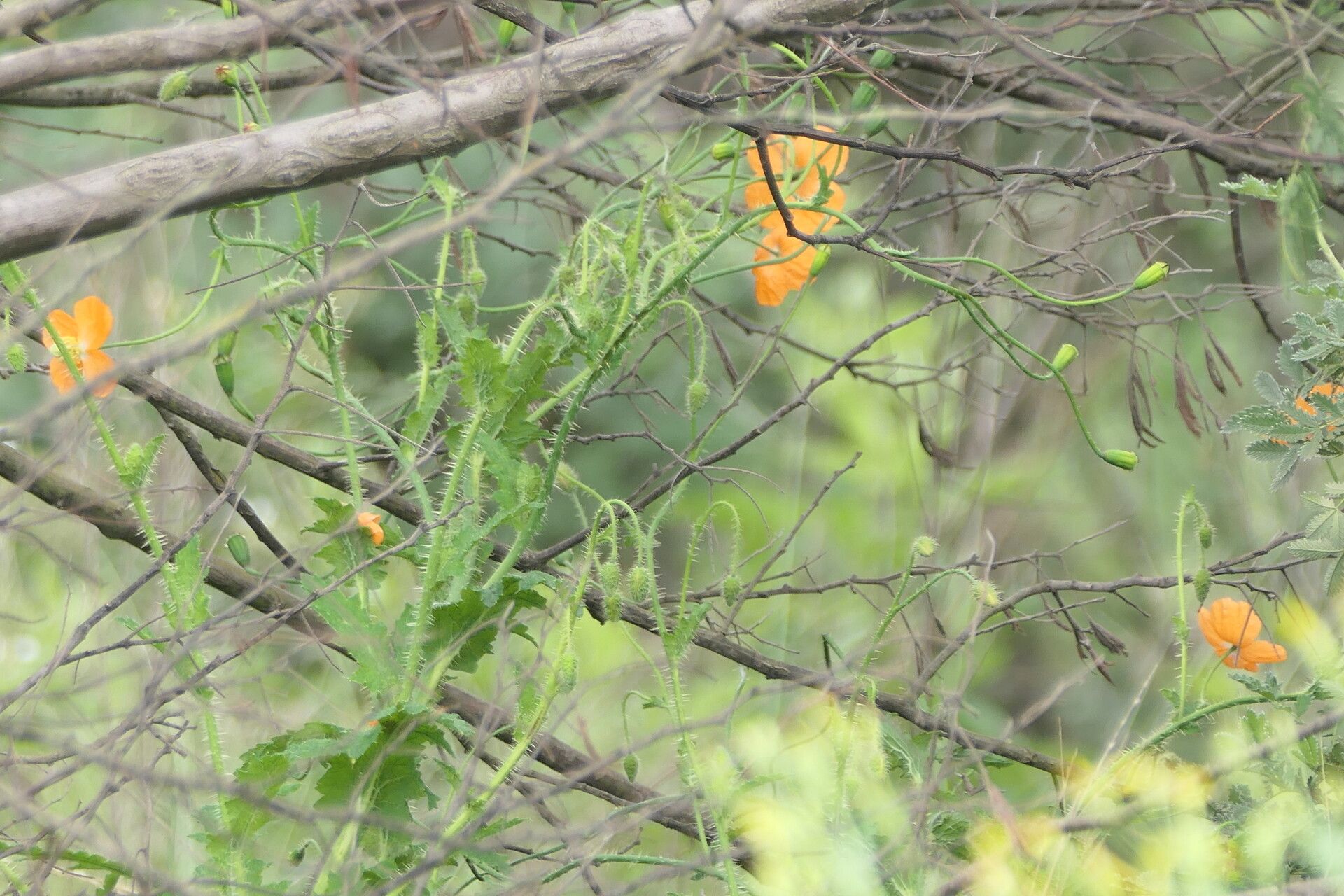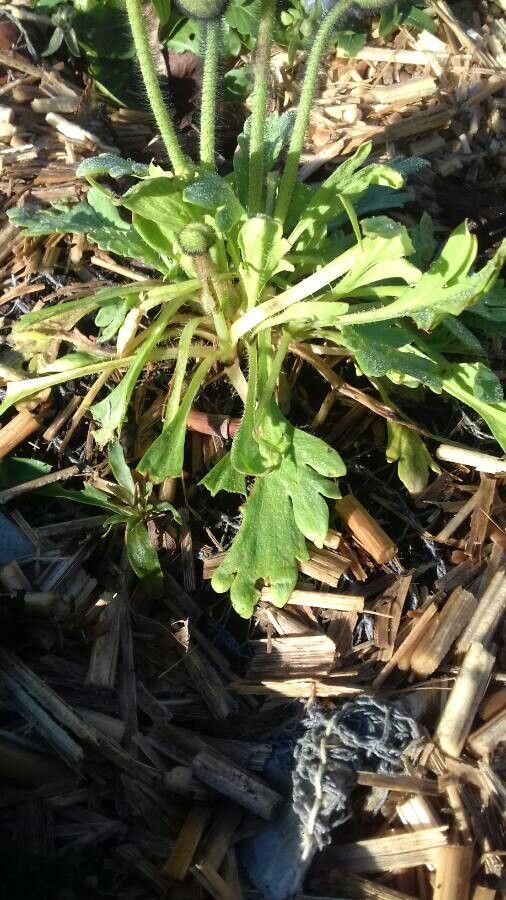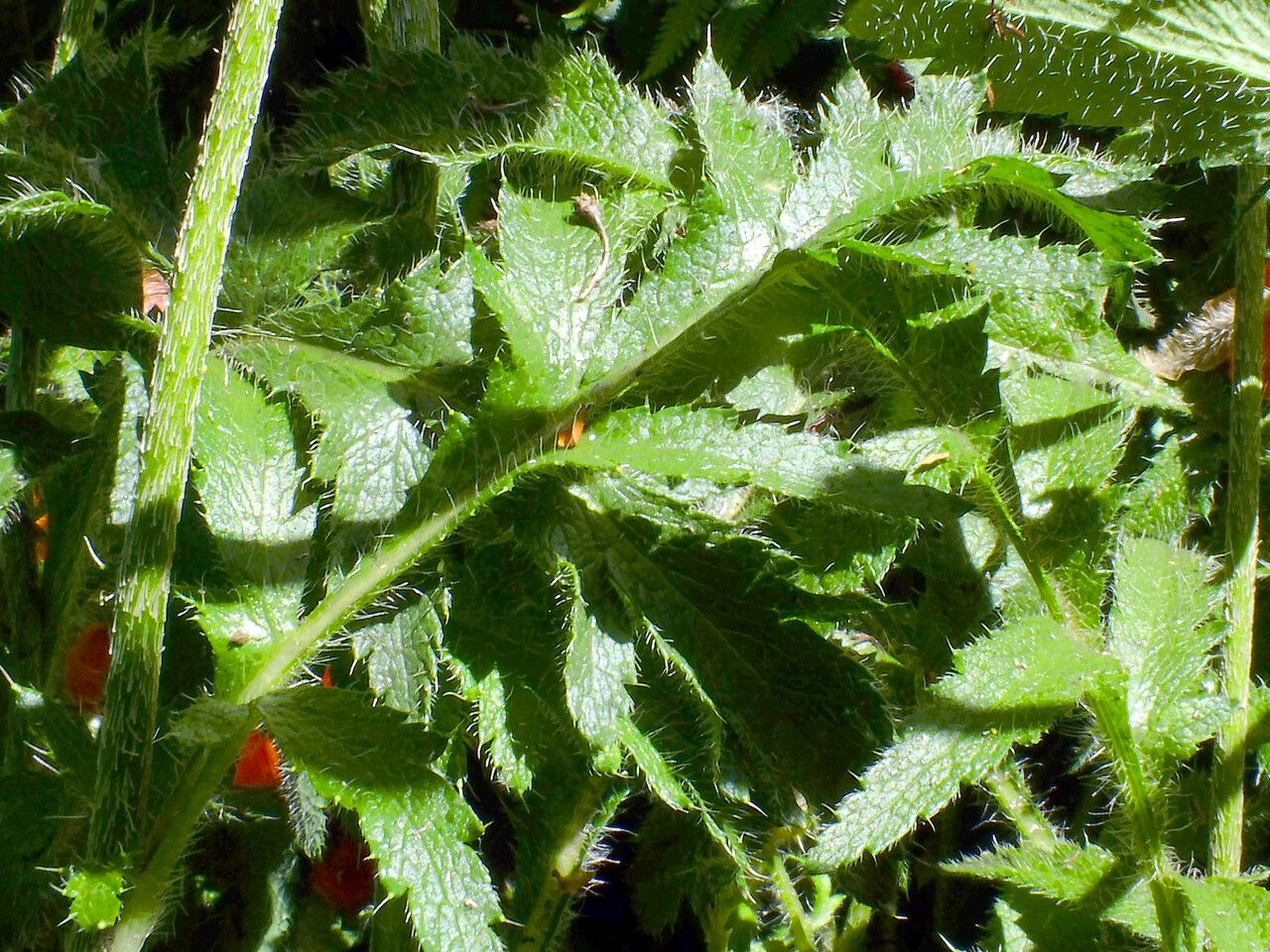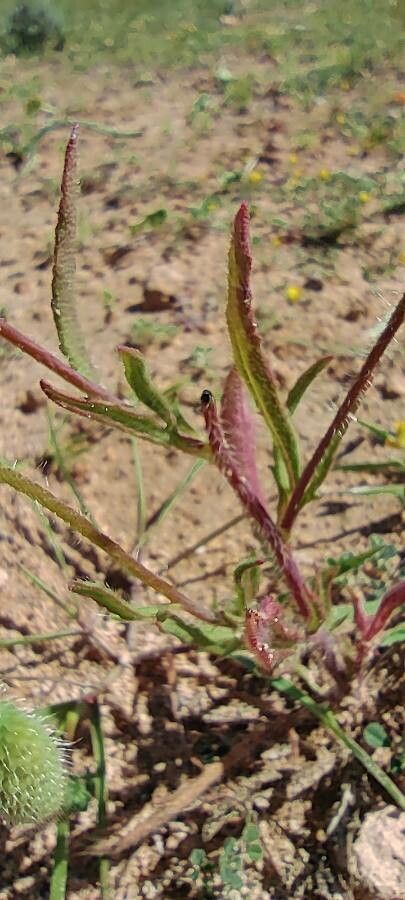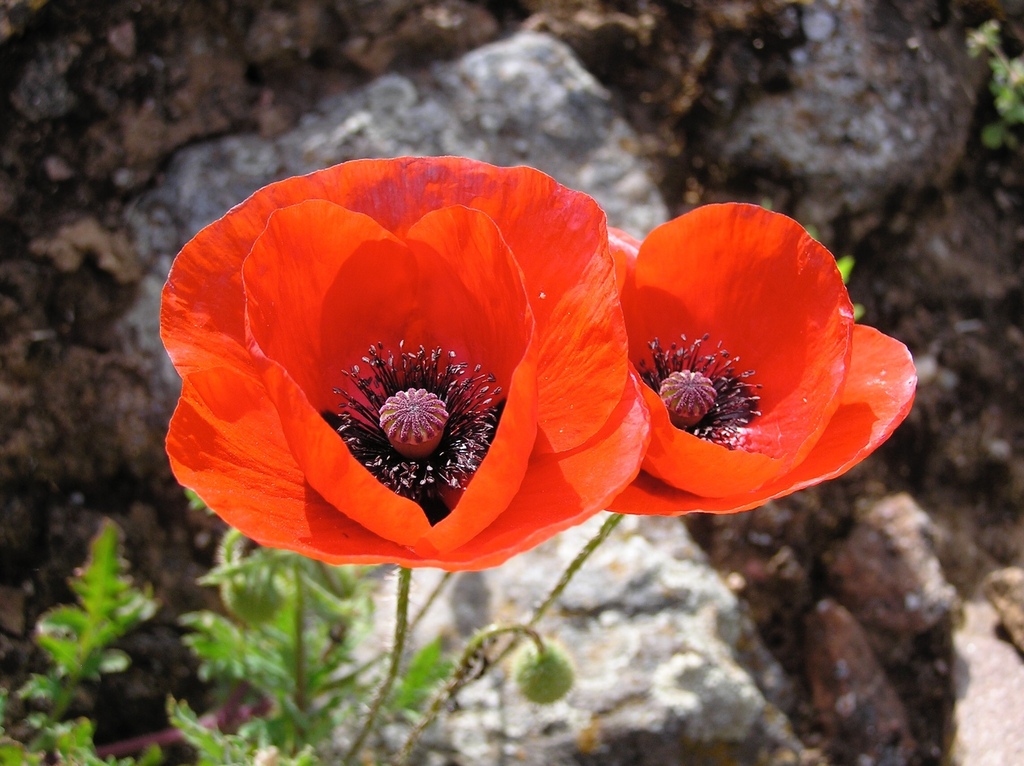
Papaver rhoeas, with common names including common poppy, corn poppy, corn rose, field poppy, Flanders poppy, and red poppy, is an annual herbaceous species of flowering plant in the poppy family Papaveraceae. It is a temperate native with a very wide distribution area, from Africa to temperate and tropical Asia and Europe. It is regarded as an agricultural weed (hence the common names including "corn" and "field"). As the plant thrives in areas of disturbed soil, it was often abundant in agricultural fields before the advent of herbicides. Flushes of poppies may still appear in fields where herbicides are not used, as well as those in fallow. The corn poppy and its cultivars such as the Shirley poppy are widely grown in gardens, and are frequently found in packets of seed labelled "wildflower mixes". Since World War I, it has been used in the Commonwealth as a symbol of remembrance for fallen soldiers.
Common poppy is fairly resistant to disease and generally does not tend to be affected by illnesses. However, it can still be vulnerable to pests and diseases present in its environment. Such infections are usually mild. Regarding care, this plant requires moderate maintenance. It should be pruned regularly to preserve a neat appearance and support healthy growth. Fertilizing can also help to encourage flowering. Common poppy is appropriate for anyone with an outdoor area, such as a garden or patio, and does not demand extensive experience in plant care. It may need additional attention when grown indoors.
How to keep Papaver Rhoeas.
Light
The common poppy flourishes with ample sunlight, which is crucial for its growth and photosynthesis. It can tolerate lower levels of sun, but that reduces its vigor and results in less-than-ideal growth. It comes from habitats that regularly receive full sun exposure.
Water
Corn poppies thrive in temperate regions and prefer well-drained soil with moderate drought tolerance. To keep them hydrated without causing waterlogging, it's best to water them weekly. Typically grown outdoors, corn poppies adapt to seasonal rainfall patterns that affect their growth and flowering cycles. Maintaining consistent moisture levels is key to supporting their development.
Humidity
This plant will thrive in moderate humidity, which is probably the level in your home. However, misting it a few times a week can be very beneficial. Make sure the room has good ventilation.
Temperature
The common poppy is native to temperate zones and prefers temperatures of 68 to 95 °F (20 to 35 ℃). When seasonal temperatures fall outside that span, its environment must be adjusted. Giving extra warmth in winter and sufficient cooling in summer improves its chances of survival.
Fertilizer
When most of the Common poppy's blooms have opened to full size, resume fertilizing. Around the time blooms reach peak output, fertilize again every three to four weeks, weather permitting. Once the Common poppy begins to produce fewer new blooms, stop fertilizing; there's no need to feed it when it can no longer produce additional blooms.
Pruning
The corn poppy showcases vibrant red flowers and needs very little pruning. To encourage blooming and prevent self-seeding, deadhead the flowers in spring. After flowering, cut back the stems to rejuvenate the plant. It's important to use clean tools to minimize damage, which helps promote the plant's health and extends the life of the flowers.
Pot & Repot
When repotting Common poppy, choose a pot that is 1–2 inches (2.5–5.1 cm) larger in diameter and make sure it has good drainage. Use a well-draining potting mix and consider adding perlite to improve drainage. Repot in spring or early summer, water thoroughly afterward, and keep it in a shady spot at first.
Botanical profile.
- Plant Type
- Herb
- Life Cycle
- Annual, Perennial, Biennial
- Genus
- Papaver
- Family
- Papaveraceae
- Hardiness Zone
- 6-9
- Mature Height
- 25 cm to 91 cm
- Mature Spread
- 30 cm to 91 cm
- Leaf Color
- Green
- Leaf Type
- Deciduous
- Flower Color
- Red
- Flower Size
- 2.54 cm to 4.57 cm
- Bloom Time
- Late spring, Early summer
- Planting Time
- Spring, Summer
- Harvest Time
- Early summer, Mid summer
- Native Area
- Cyprus
Other names.
Reader questions.
When Should I Water My Corn Poppy?
Watering corn poppy is essential for its growth, flowering, and disease resistance. The plant should be watered when the top 1 to 2 inches of the soil feel dry to the touch. Leaf condition is another indicator; if the leaves are wilted or losing their vibrant color, it probably needs water. During the pre-flowering stage, consistent watering is critical to prevent bud drop. Corn poppy requires more water in warm temperatures and under high sunlight exposure. Be cautious not to water too early if the soil is still moist to prevent root diseases and not too late to avoid wilting or stunt growth. Proper water management is imperative for maintaining the health and longevity of corn poppy.
Why should I put plant food on my Corn poppy?
Plants, including Corn poppy, require nutrients to survive. This is common knowledge for most gardeners, regardless of their experience. However, if Corn poppy does not receive enough food, it will die shortly after its first pollination. To ensure the plant thrives throughout the blooming season and produces large, beautiful flowers, it is crucial to provide the right nutrients in the correct amounts. Additionally, fertilizer is beneficial for Corn poppy's root system, which is thin and prone to damage. By fertilizing when planting, Corn poppy can establish a strong root structure that not only offers stability but also enhances its flowering performance. When timed properly, fertilization can significantly extend the period in which Corn poppy blooms.
What are the sunlight requirements for planting corn poppy?
Corn poppy thrives in full sun, requiring more than 6 hours of sunlight daily to maintain optimal growth and vitality. It can also grow in partial sun, with about 3-6 hours of sunlight, but with a compromise in its growth performance. It's crucial to observe the movement of sunlight in your garden to find the perfect balance of light and shade for your plants, ensuring their well-being.
What is the ideal temperature range for growing Corn Poppy?
Corn poppy, botanically known as Papaver rhoeas, thrives in temperate regions with ideal temperature ranges between 68 to 95 °F (20 to 35 °C). To ensure the plant's survival outside these temperatures, measures should be taken to provide additional warmth during winter and adequate coolness in summer. Despite its strong cold resistance, special frost protection should be considered if winter temperatures are expected to drop below the critical limit, using materials like soil or straw for coverage. Additionally, watering the plant abundantly before the first freeze in autumn is recommended to keep the soil moist, which aids in preventing drought and water scarcity during the colder months.
How Should I Water My Corn Poppy?
Corn poppy has specific watering needs that are best met through methods like bottom-watering or directly watering the soil at the plant base using a narrow spout watering can to avoid foliage moisture. Using a moisture meter can guide in maintaining optimal soil moisture levels without over or under-watering. The plant prefers its foliage dry to reduce disease risk, necessitating watering at the soil level. Adjust watering frequency based on soil moisture checks or a moisture meter's readings, ensuring the soil's top inch dries out before the next water. Mulching can help retain soil moisture and reduce watering frequency, while the plant’s slight drought tolerance should also be accounted for in watering practices.
When should I put fertilizer on my Corn poppy?
Corn poppy experiences rapid growth once the last frost has passed. This is the best time to fertilize the plant, ideally during planting. Whether you plant it in the ground or in planters, it is important to provide the initial dose of fertilizer at this stage. No further fertilization is needed until later in the year when the blooms are at their fullest. Once the season is fully underway and most of the blooms have opened, it is time to resume fertilizing. Start fertilizing every three to four weeks, depending on the weather, when the blooms are at their peak output. As the plant begins to produce fewer new blooms, it is no longer necessary to fertilize.
Why is sunlight important for corn poppy, and can it grow under artificial lighting?
Sunlight is essential for the growth and photosynthesis process of corn poppy, which it originates from environments accustomed to full sun exposure. In situations where natural sunlight is insufficient, especially during winter or in less sunny spaces, artificial lighting can be a viable solution. For optimal growth under artificial light, consider using LED lights as they can provide specific wavelengths needed by the plant. The amount of artificial light required varies depending on the type of plant: full sun plants need 30-50W/sq ft, partial sun plants require 20-30W/sq ft, and full shade plants need 10-20W/sq ft. Adjust the light source distance to 12-36 inches above the plant and mimic natural daylight hours, ensuring most plants receive 8-12 hours of light per day.
How does Corn Poppy react to temperatures outside its ideal range?
Corn poppy demonstrates strong resilience to varying temperatures. During colder winters, keeping the plant above the minimum tolerable growing temperature is essential. While it may withstand temperatures below this limit without noticeable immediate damage, such conditions can lead to decreased sprouting or even total absence of sprouting in the following spring. On the other hand, exposure to temperatures above the maximum suitable growth temperature during summer can cause the leaves to lighten in color, curl, become prone to sunburn, and, in extreme cases, result in the wilting and drying of the entire plant. For optimal care, it's advised to remove non-sprouting parts in spring and trim away sunburned or dried sections in summer, reposition the plant to shaded areas during intense sunlight, and ensure the soil remains moist through morning and evening watering.
How Much Water Does Corn Poppy Really Need?
The amount of water needed by a corn poppy depends on various factors like pot size, root depth, and plant size, aiming to keep the soil moist but not waterlogged. The optimal watering quantity is about 1 inch per week during the growing season. A good hydration indicator is moist soil that is not water-soaked. Signs of adequate hydration include a healthy green foliage and abundant flowering, whereas overwatering may cause root rot, and underwatering can lead to wilting and reduced flowering. The plant is somewhat tolerant of drought but performs best when regularly watered, especially during dry spells.
When should I not put fertilizer on my Corn poppy?
Regular fertilizing is important for Corn poppy, but it is crucial to apply it at the right time. In some situations, it may be necessary to hold back on fertilizing. These situations are usually related to climate, but there are also controllable factors to consider. When there is something wrong with the plant, soil, or climate, it is best to wait until the issues are resolved and the plant has recovered before fertilizing. For example, if there are severe or unexpected changes in the weather, it is not the right time to fertilize. If there is a sudden cold snap in the middle of summer, it is better to wait until it gets warm again before starting to fertilize. Similarly, if the soil is too dry or compacted to absorb anything, fertilizer will not be effectively distributed to the roots. This can harm the Corn poppy. During the hottest parts of the day when temperatures climb into the 90-degree Fahrenheit range, it is also important to refrain from applying fertilizer. High temperatures can break down fertilizer too quickly, which is not ideal. Additionally, it is necessary to treat and resolve any pest or disease issues before reapplying fertilizer.
What are the signs of insufficient light in indoor corn poppy plants?
When corn poppy is grown indoors under inadequate light, it may show several symptoms of light deficiency. These include smaller new leaves, leggy or sparse growth due to longer spaces between leaves or stems, faster dropping of older leaves, slowed or ceased growth as the plant enters survival mode, lighter-colored new leaves indicating a lack of chlorophyll, and symptoms like chlorosis, sunscald, leaf curling, wilting, and leaf scorching due to excessive sunlight or inadequate hydration.
What Kind of Water is Best for Corn Poppy?
Rainwater is ideal for corn poppy due to its balanced pH and freedom from chemicals. Distilled water and filtered water are also suitable, provided they are free from harmful contaminants. Although tap water can be used, it may contain chlorine and other chemicals that can harm the plant if the concentration is high. Letting tap water sit for 24 hours before use allows chlorine to evaporate, making it safer for the plant. Corn poppy prefers water at room temperature, around 68-72°F or 20-22°C, as extreme temperatures can shock the plant.