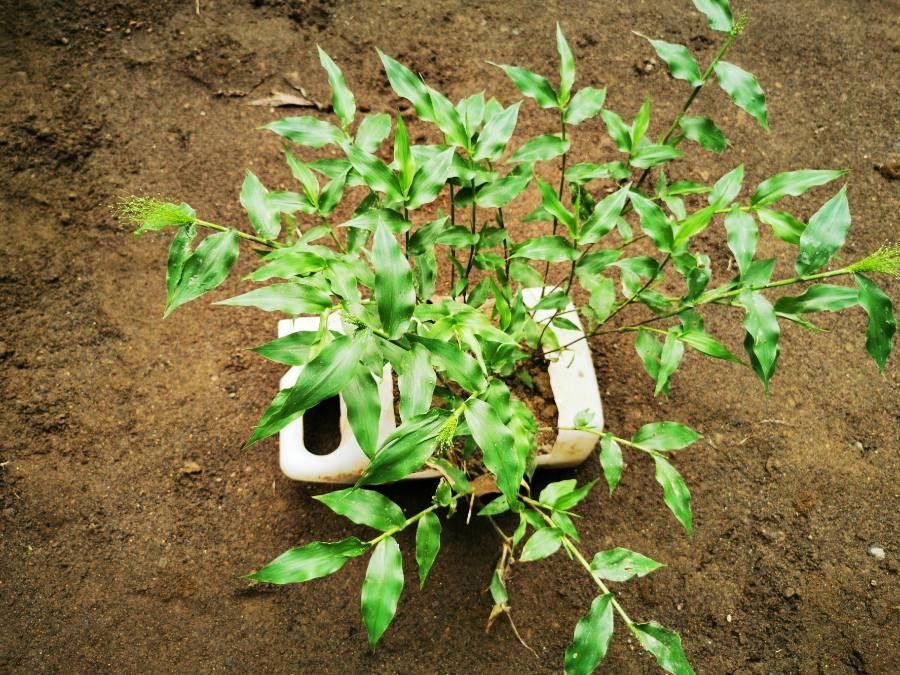
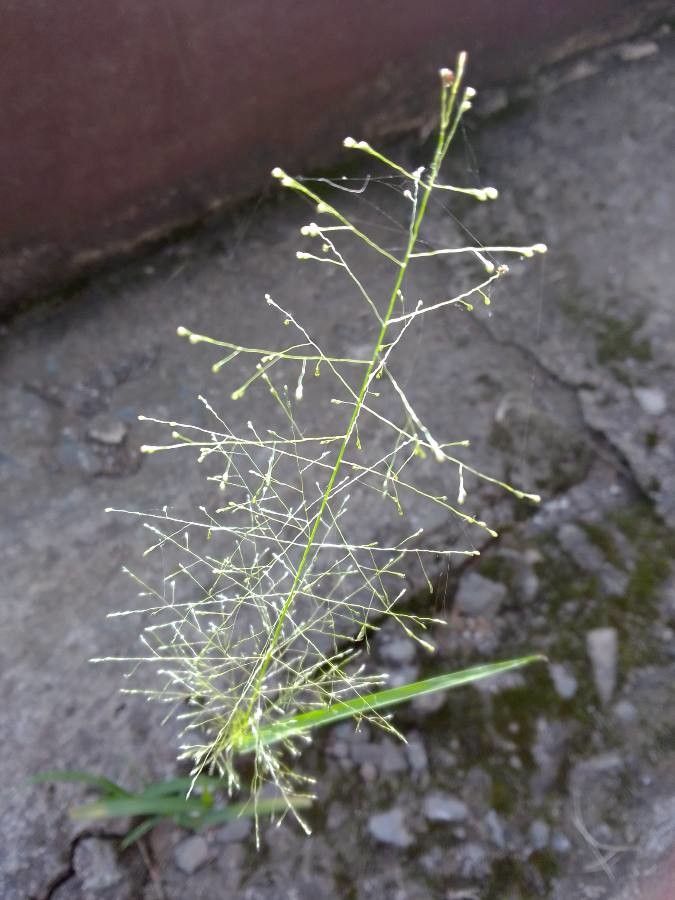
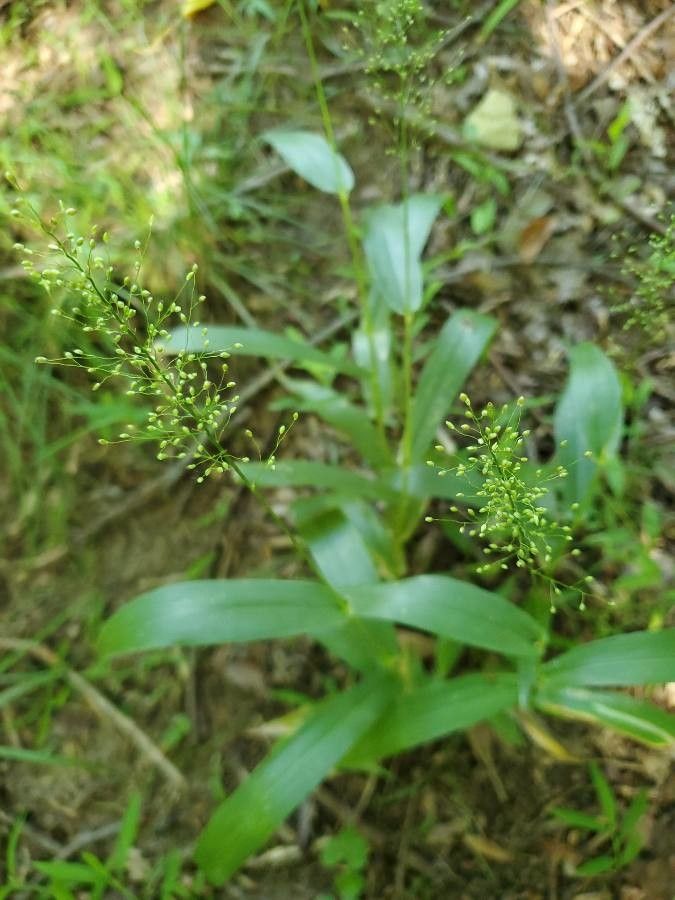
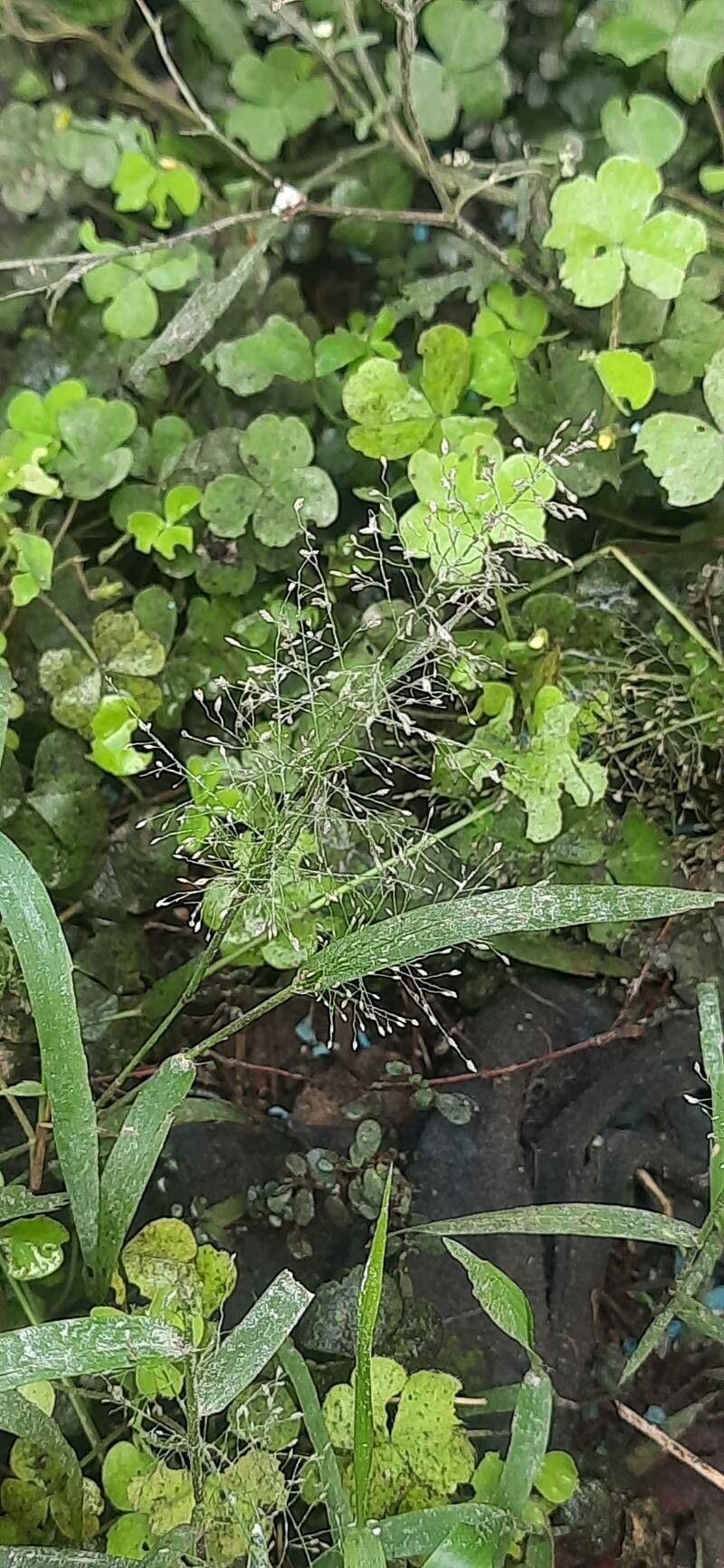
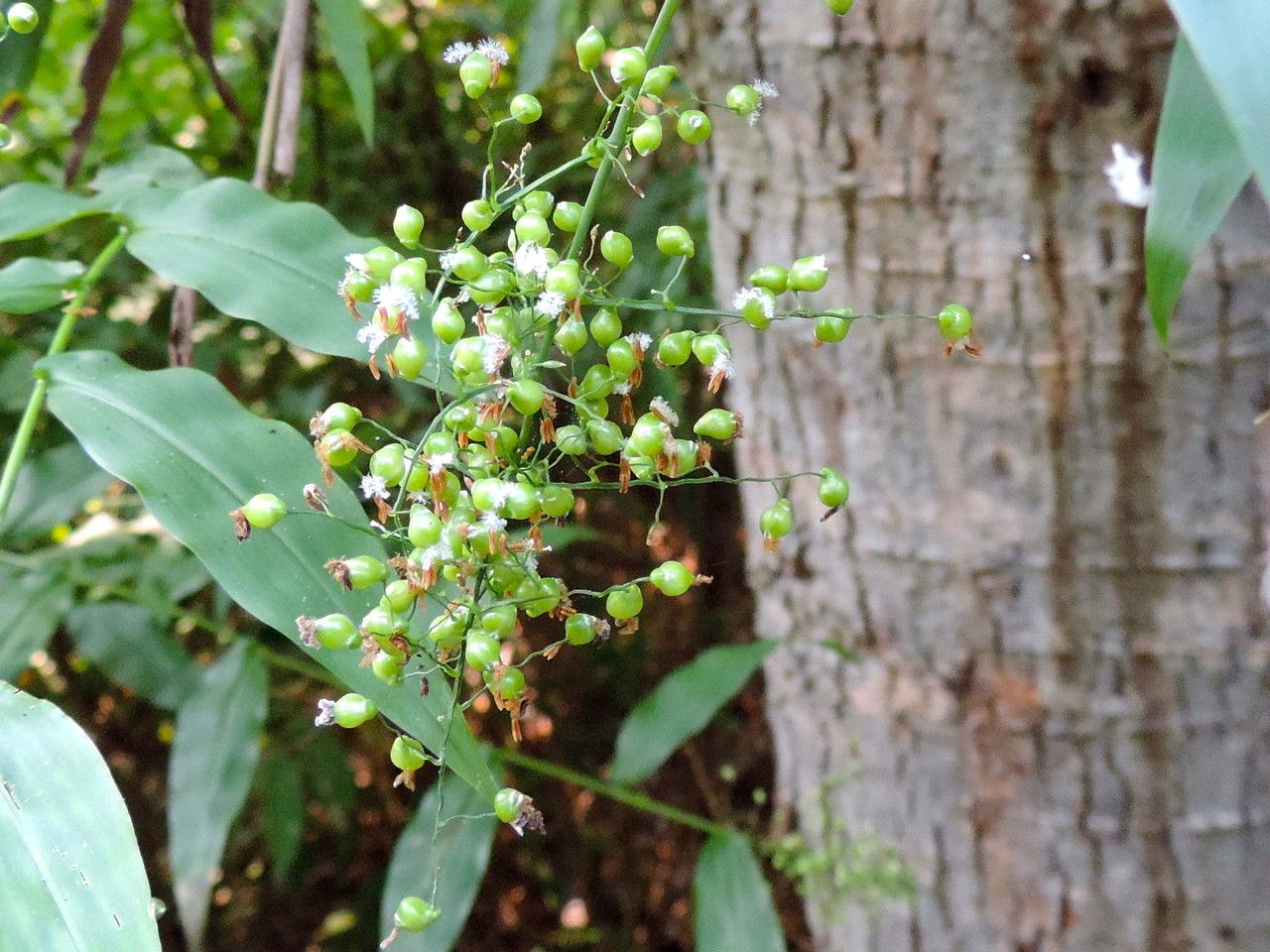
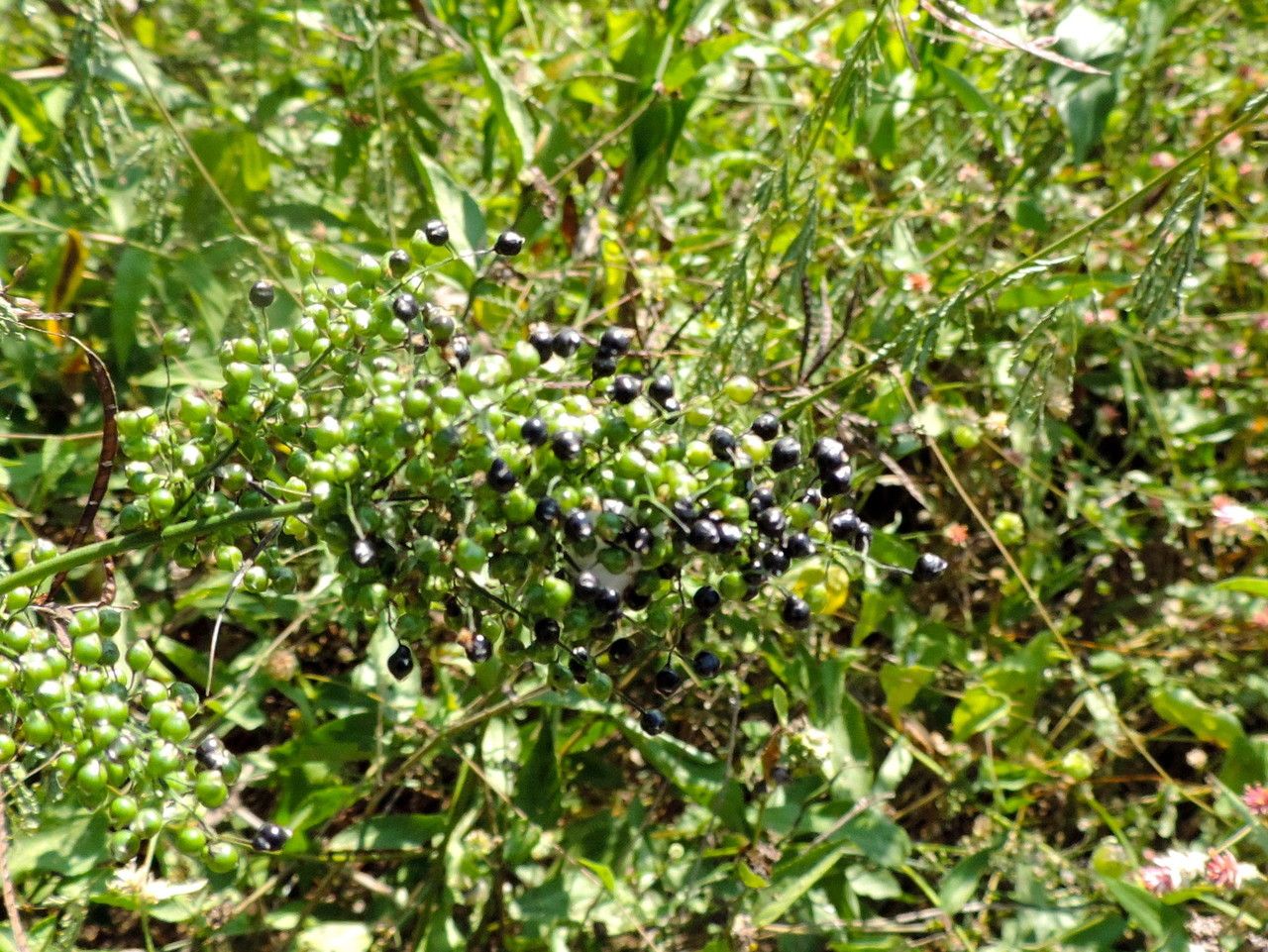
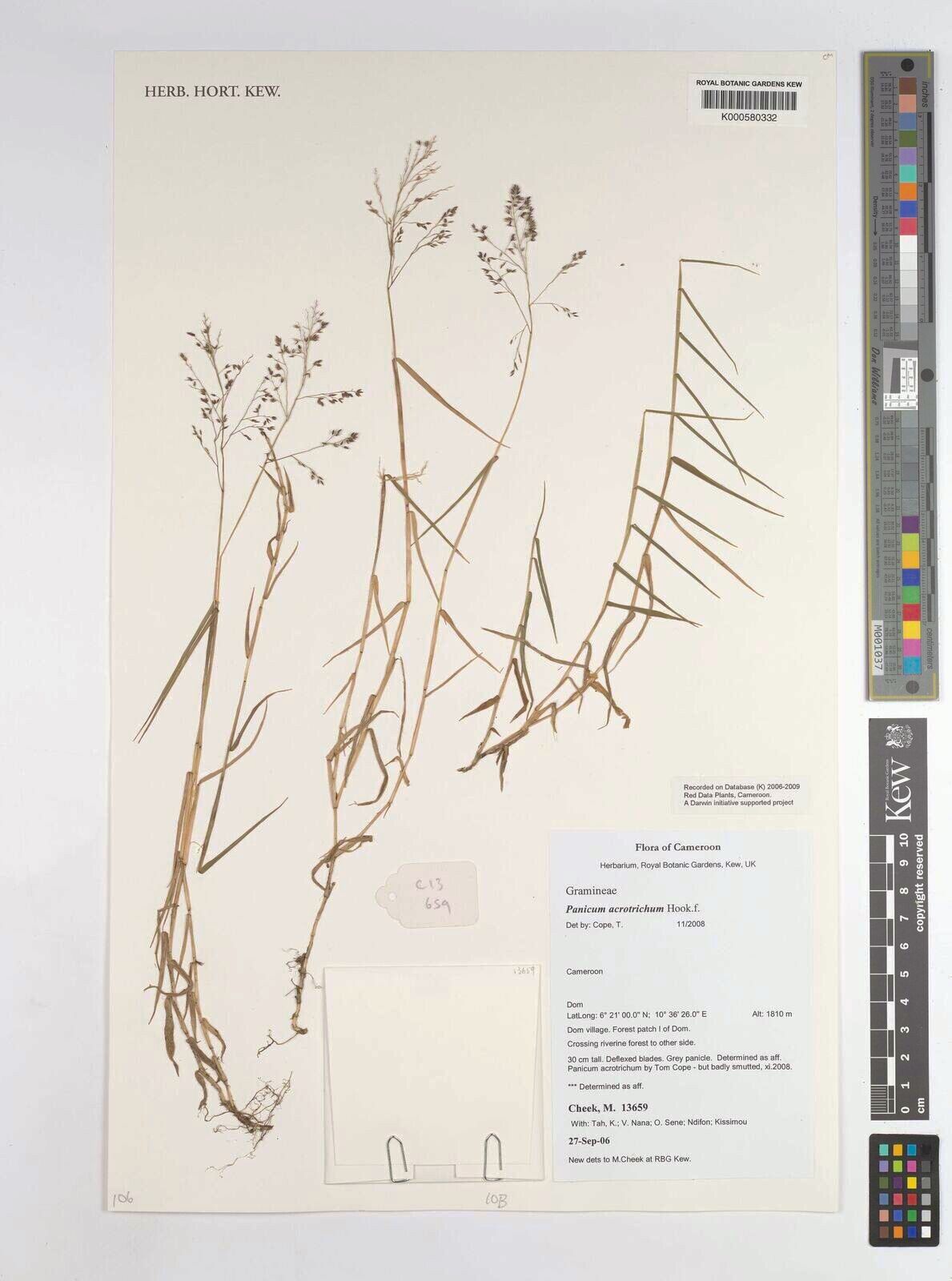
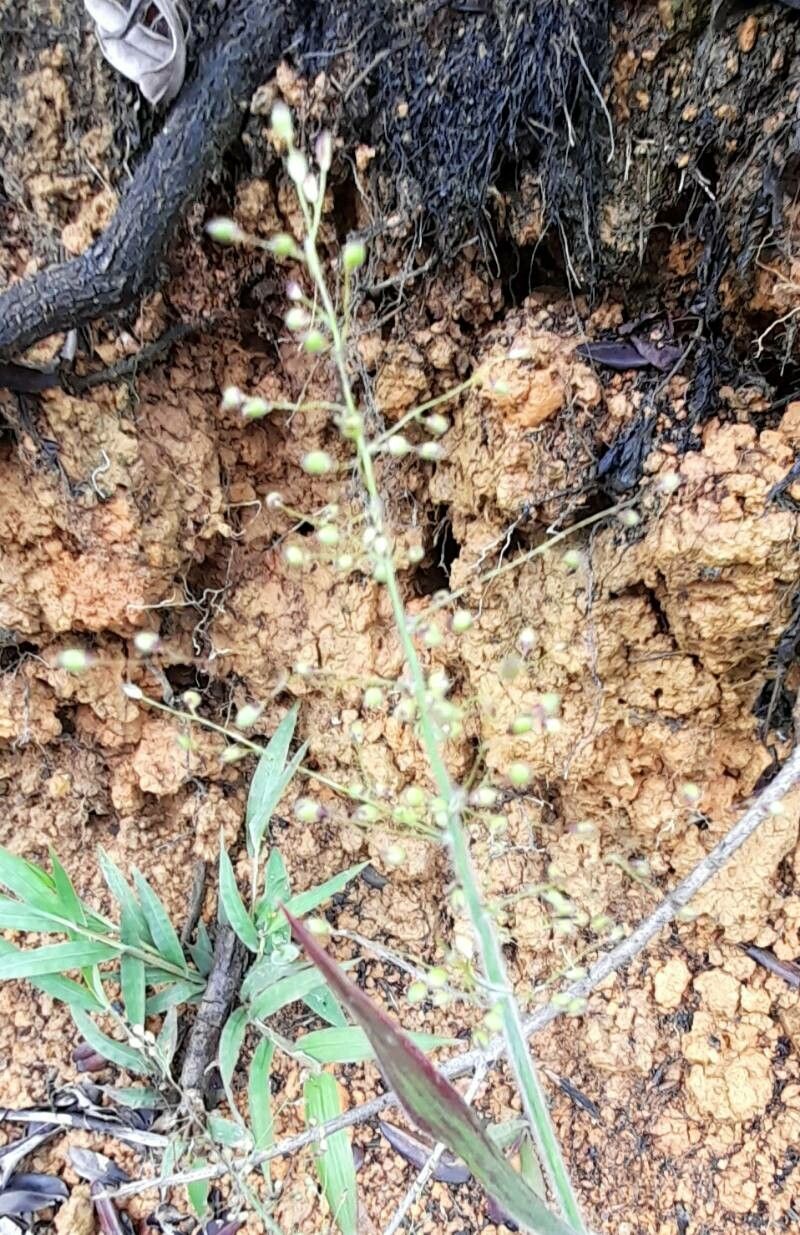
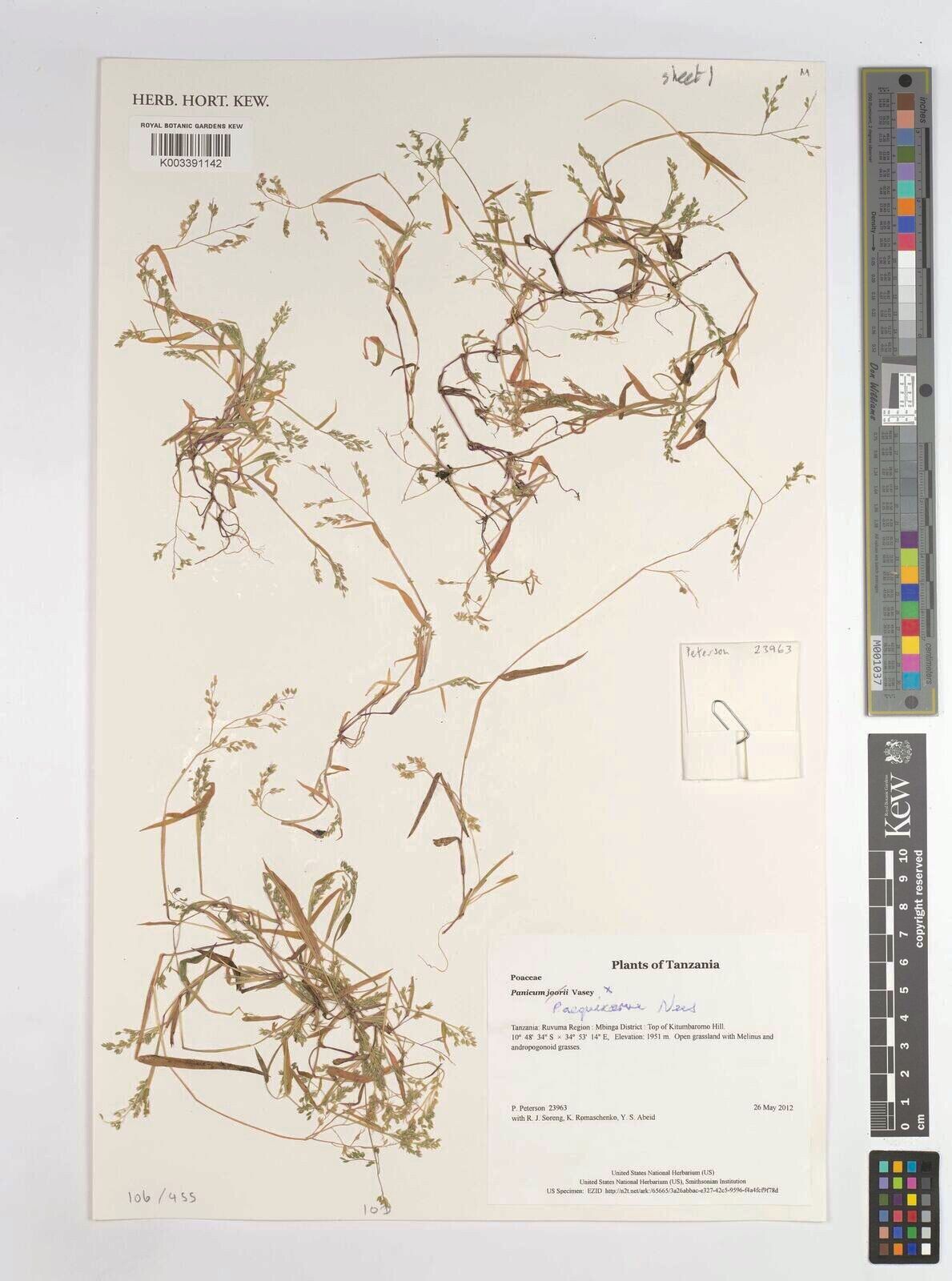
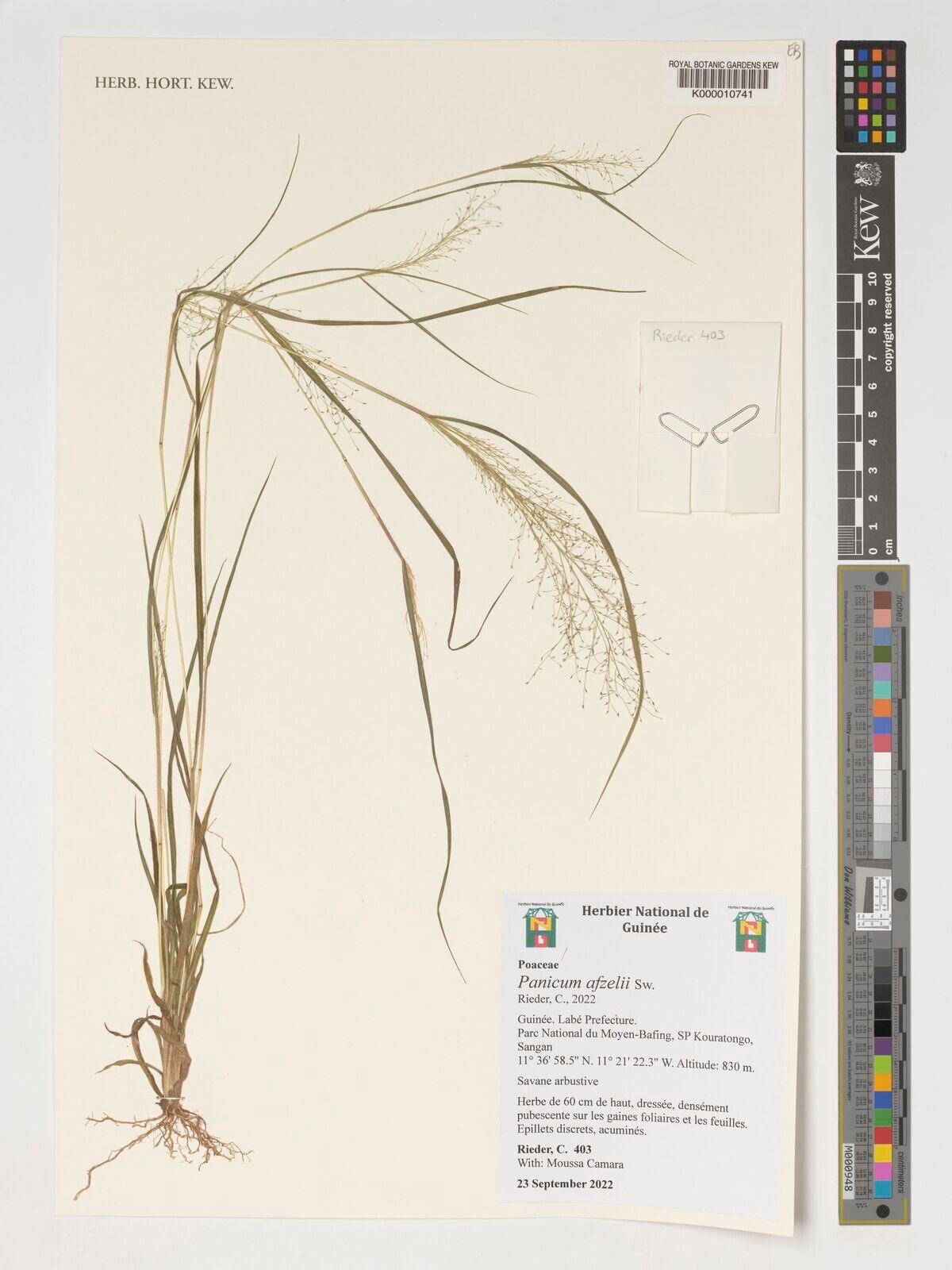
Tickle grass is highly resistant to disease and is generally rarely affected by illnesses. In terms of care, this plant is fairly low-maintenance. When planted outdoors it needs little watering, and larger specimens typically do not require pruning. Smaller plants, however, should be trimmed after they finish blooming. Tickle grass is suitable for anyone with an outdoor area, such as a garden or a deck, and does not call for extensive care experience.
How to keep Panicum Trichoides.
Light
Tickle grass is native to bright, open areas where it grows best in full sun. It can handle partial shade but favors direct sunlight for optimal growth. This plant, which can be annual or biennial, is recognized for its sun-loving nature.
Water
Tickle grass thrives in environments that are consistently moist, preferring to be watered regularly—about once a week. Although it can tolerate moderate drought, the plant benefits greatly from rainwater, which naturally irrigates and nourishes it, promoting healthy growth. To ensure optimal conditions for tickle grass, it is best to replicate the moisture levels of its natural habitat.
Temperature
Tickle grass comes from tropical areas, where the climate is generally warm and humid. Consequently, it is adapted to high temperatures and moisture. It does not tolerate abrupt temperature changes and prefers a steady thermal environment, so avoiding indoor temperature swings is important. It typically cannot withstand cold and needs warmer conditions to grow. If the surrounding temperature falls too low, the plant may stop growing or even die.
Pruning
To keep tickle grass healthy and in good shape, it's important to prune it regularly from early to late spring. Start by trimming away any dead leaves and thinning out crowded areas to improve air circulation and sunlight exposure. This not only promotes the plant's overall health but also reduces the risk of disease. Be sure to follow advice specific to your local climate and consult reliable horticultural resources for the best care practices.
Botanical profile.
- Plant Type
- Grass
- Life Cycle
- Annual
- Genus
- Panicum
- Family
- Poaceae
- Hardiness Zone
- 8-11
- Mature Height
- 30 cm to 76 cm
- Mature Spread
- 20 cm to 40 cm
- Leaf Color
- Light Green, Pale Green
- Leaf Type
- Deciduous
- Flower Color
- White, Green
- Flower Size
- 0.20 cm to 0.51 cm
- Bloom Time
- Summer, Early fall, Mid fall
- Planting Time
- Spring, Summer, Autumn
- Harvest Time
- Late summer, Fall, Early winter
- Native Area
- Belize, Honduras, Mexico, Guatemala, Peru, Panama, Jamaica, Colombia, Bahamas, Cuba, Bolivia, Venezuela, Guyana, El Salvador, Nicaragua, Brazil, Ecuador, Costa Rica
Other names.
Reader questions.
What are the sunlight requirements for Tickle grass?
Tickle grass, scientifically known as Panicum trichoides, thrives in bright, open environments and requires full sun, defined as over 6 hours of sunlight daily, to grow optimally. It can also tolerate partial sun, which means about 3-6 hours of sunlight. Observing how sunlight moves through your garden and choosing spots that provide a good balance of light and shade ensures the happiness of your plants.
How can artificial lighting benefit indoor Tickle grass plants?
Indoor Tickle grass plants can greatly benefit from artificial lighting, especially during winter or in spaces that don't get enough natural sunlight. Artificial lights, like LED lights tailored to provide specific wavelengths, can promote faster and healthier growth. Full sun plants need 30-50W/sq ft of light, partial sun plants need 20-30W/sq ft, and full shade plants 10-20W/sq ft. The light source should be placed 12-36 inches above the plant for 8-12 hours per day to mimic natural sunlight effectively.
What are the symptoms of incorrect light exposure for Tickle grass?
Tickle grass shows several symptoms when exposed to inadequate light. These include smaller new leaves, leggy or sparse growth, faster leaf drop, and slower or no new growth, indicating a survival mode due to poor light conditions. Insufficient sunlight also leads to lighter-colored new leaves and chlorosis, where leaves lose their green color. Excessive sunlight can cause sunscald, leaf curling or twisting as a defense mechanism, wilting due to increased water loss, and leaf scorching, where leaves develop brown, dry edges.
How can I ensure my Tickle grass gets enough sunlight?
To ensure your Tickle grass receives adequate sunlight, gradually move plants to sunnier locations each week until they reach at least 6 hours of direct sunlight daily. Use south-facing windows and keep curtains open during the day. If the plant is large or not easily movable, consider using artificial light by keeping a desk or ceiling lamp on for at least 8 hours daily. Outdoors, avoid sudden changes in light intensity to prevent sunburn, and if necessary, prune obstructions or transplant smaller plants during their dormant period to sunnier locations with good drainage.