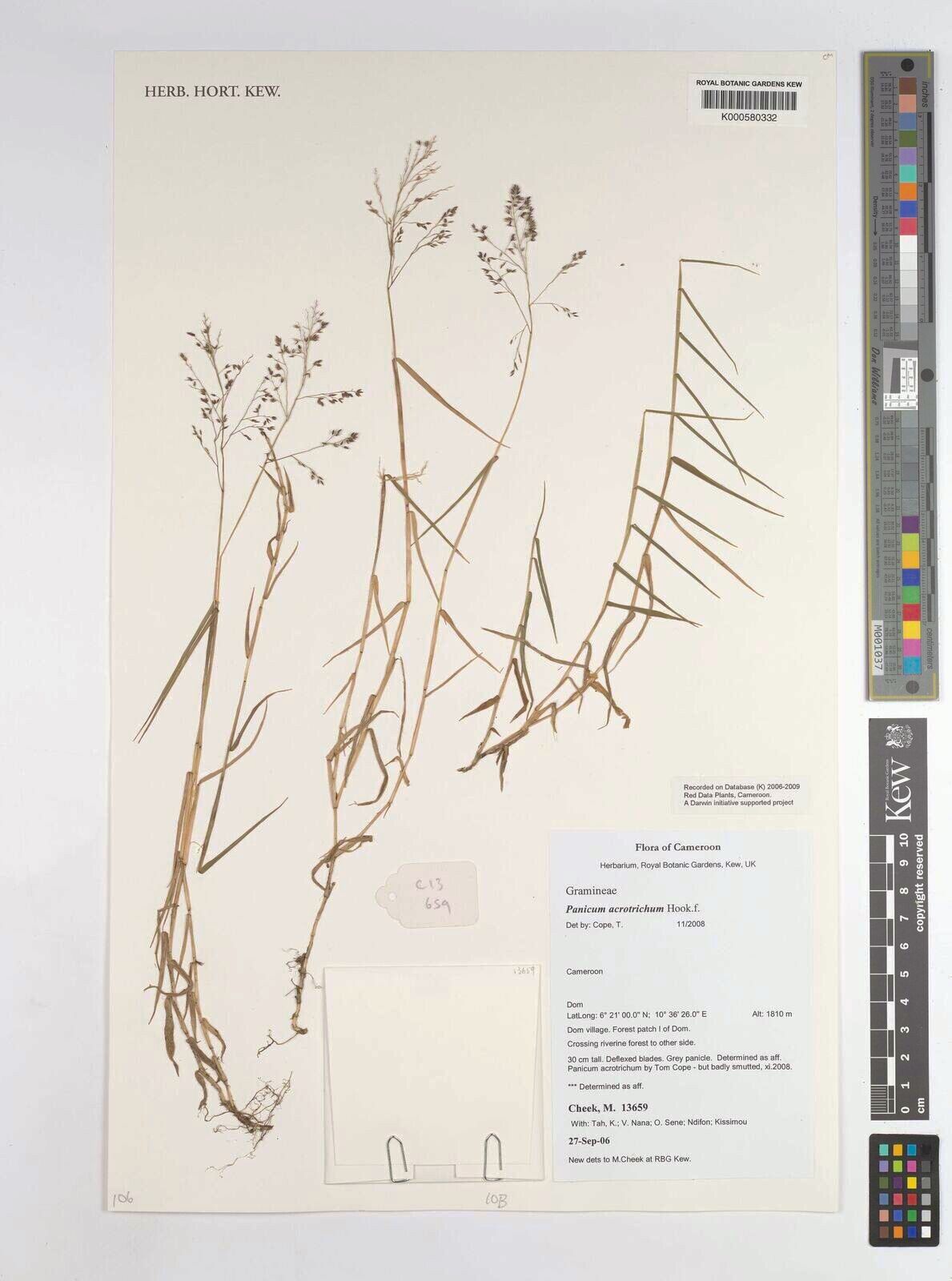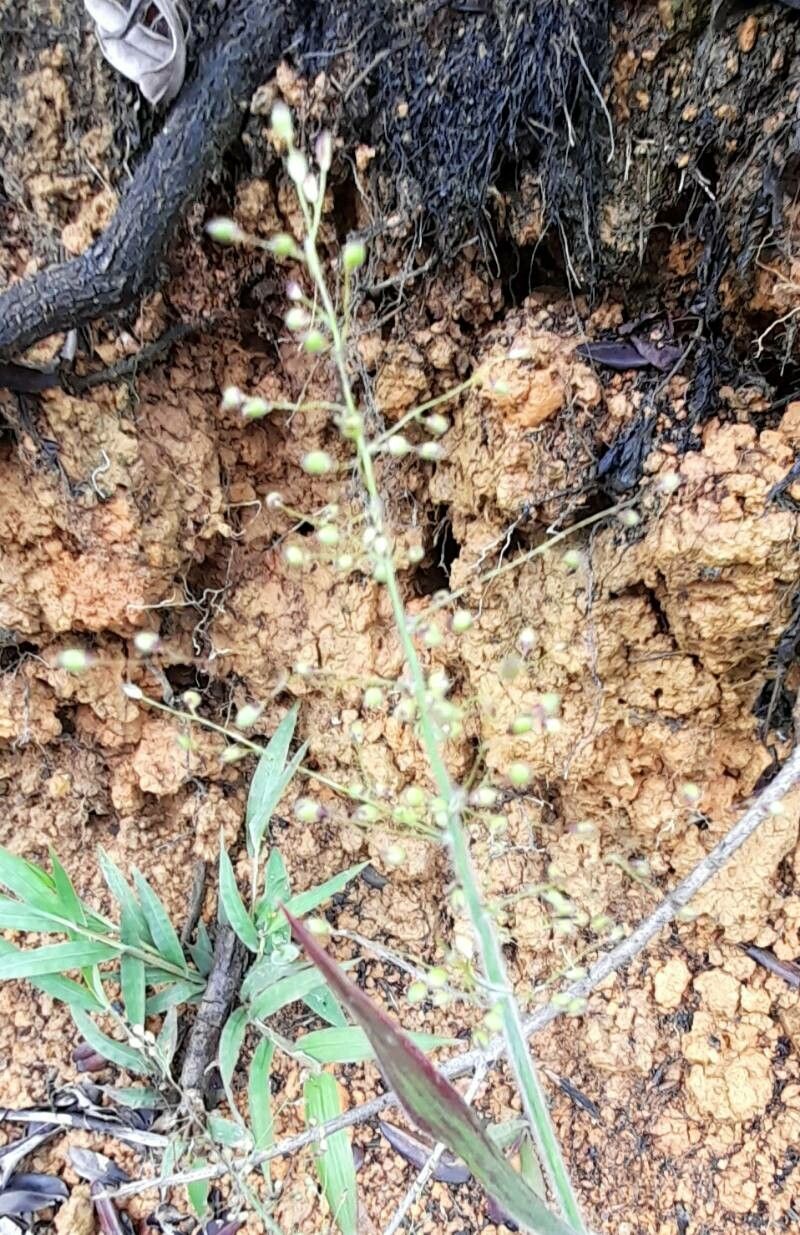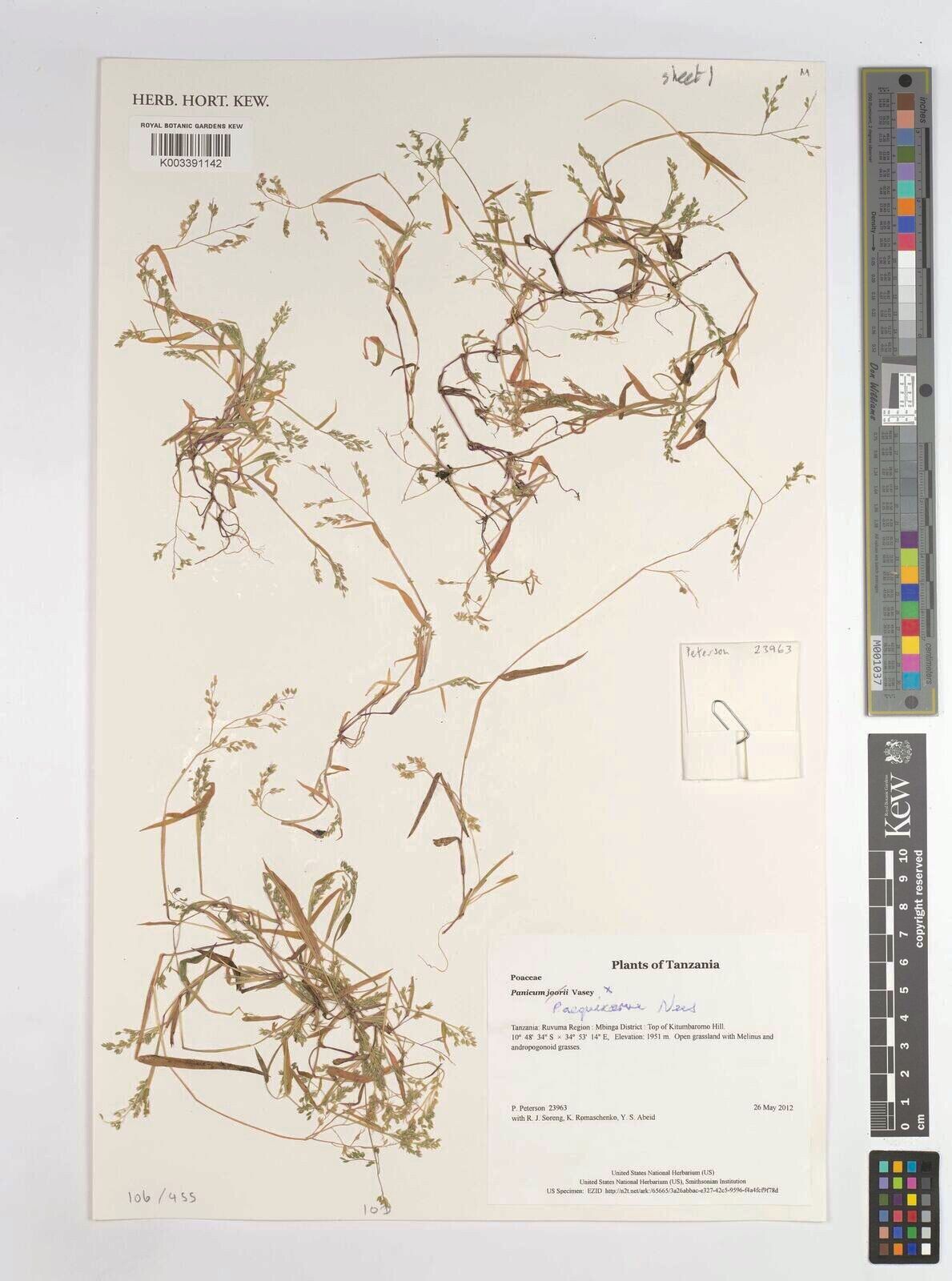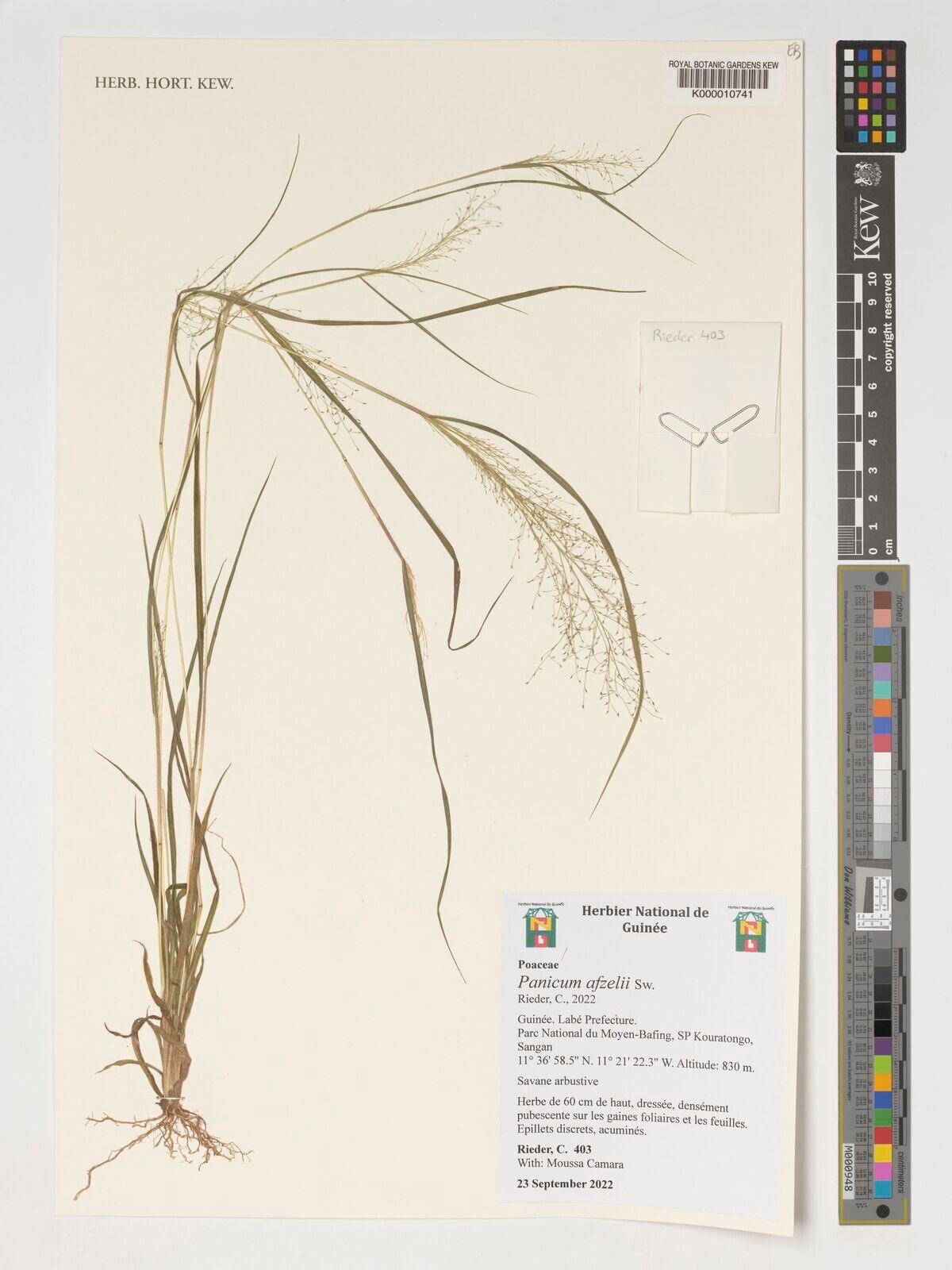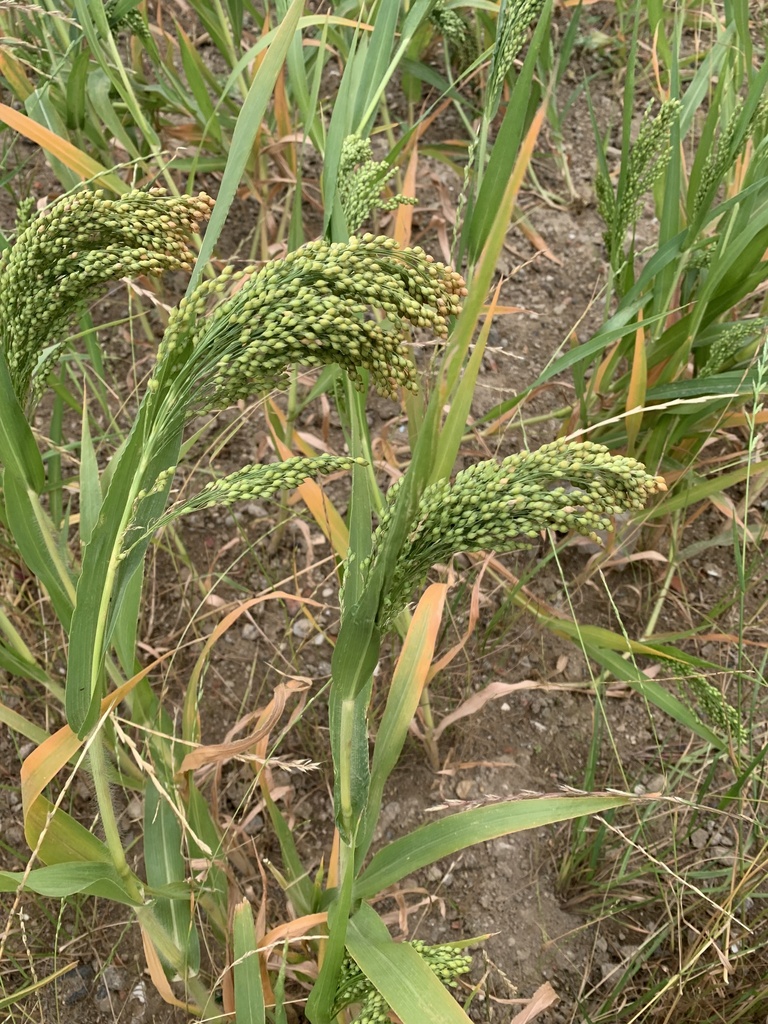
Panicum miliaceum is a grain crop with many common names, including proso millet, broomcorn millet, common millet, hog millet, Kashfi millet, red millet, and white millet. Archaeobotanical evidence suggests millet was first domesticated about 10,000 BP in Northern China. The crop is extensively cultivated in China, India, Nepal, Russia, Ukraine, Belarus, the Middle East, Turkey, Romania, and the United States, where about half a million acres are grown each year. The crop is notable both for its extremely short lifecycle, with some varieties producing grain only 60 days after planting, and its low water requirements, producing grain more efficiently per unit of moisture than any other grain species tested. The name "proso millet" comes from the pan-Slavic general and generic name for millet (Serbo-Croatian: proso/просо, Czech: proso, Polish: proso, Russian: просо). Proso millet is a relative of foxtail millet, pearl millet, maize, and sorghum within the grass subfamily Panicoideae. While all of these crops use C4 photosynthesis, the others all employ the NADP-ME as their primary carbon shuttle pathway, while the primary C4 carbon shuttle in proso millet is the NAD-ME pathway.
Proso millet is fairly resistant to disease and is usually not susceptible to illnesses. In terms of care, this plant is relatively low-maintenance. When grown outdoors it needs minimal watering, and larger plants typically do not require pruning. However, smaller plants should be pruned after they have finished blooming. Proso millet is suitable for anyone with outdoor space, such as a garden or deck, and does not demand a great deal of care experience.
How to keep Panicum Miliaceum.
Light
Proso millet prefers plentiful sunlight. It grows best when it receives a generous amount of light daily, though it can tolerate stretches with less sun. Its native environments are open and sunny, which underlies its sun-loving character. Both too little and too much sun can harm its healthy growth.
Water
Proso millet is a drought-tolerant crop with moderate water requirements. It benefits from weekly watering but should not be over-watered. When grown outdoors, it aligns its growth cycles with natural rainfall patterns, ensuring optimal hydration. This minimizes the need for frequent human intervention.
Temperature
Proso millet is indigenous to areas where temperatures range from 68 to 100.4 °F (20 to 38℃). It favors warm conditions, and temperature adjustments are required in colder seasons to sustain its growth.
Fertilizer
Proso millet needs three fertilizer applications for best growth: one before planting, a second about one month after the seedlings emerge, and a final one 1 to 1.5 months after that second application. Some Proso millet varieties also benefit from extra fertilizer at planting to promote rapid growth.
Botanical profile.
- Plant Type
- Grass
- Life Cycle
- Annual, Biennial, Perennial
- Genus
- Panicum
- Family
- Poaceae
- Hardiness Zone
- 2-11
- Mature Height
- 0.91 m to 1.22 m
- Mature Spread
- 15 cm
- Leaf Color
- Green, Yellow, Purple
- Leaf Type
- Deciduous
- Flower Color
- Green, Purple, Yellow
- Flower Size
- 2.54 cm
- Bloom Time
- Early summer, Mid summer
- Planting Time
- Spring
- Harvest Time
- Mid summer
Other names.
Reader questions.
What do I do if I give too much or too little water to my Proso millet?
To ensure optimal performance, it is crucial to water this beautiful ornamental grass properly. When planted in the ground, any watering issues can be resolved. However, in a container, incorrect watering can quickly lead to the demise of Proso millet. Insufficient water can cause growth stagnation, while excessive water results in yellow leaves with brown tips. Underwatering can cause drooping leaves, weak seed head production, and browned foliage. If you suspect improper watering, first determine whether the issue is too much or too little water. If overwatering is suspected, stop watering immediately. It may take a few weeks for heavy soils to dry out, so be patient. Once new growth is observed, test the soil for moisture and decide whether additional watering is needed. Conversely, if the problem is underwatering, simply give the grasses a thorough drink and see if they perk up. In any case, remember that deep, infrequent watering is more beneficial than shallow, frequent watering. This approach promotes deep root growth, making the grasses more resilient to drought and watering-related problems.
Why should I use fertilizer on my Proso millet?
Plants require nutrients to grow, but certain types are capable of obtaining all the necessary nutrients without the use of fertilizers. The primary purpose of fertilizing Proso millet is to enhance the yield during each harvest. Similar to other plants, Proso millet uses nutrients to facilitate growth and internal processes that lead to the development of edible seeds or grains. Nutrients enable plants to flourish and perform essential functions like photosynthesis, ultimately resulting in the production of seeds or fruits. A deficiency in nutrients can lead to reduced tillering (the growth of additional branches on a single stem), smaller seed size, and lower protein content in the final product.
How many hours of sunlight does Proso millet need each day to grow well?
To ensure proper growth and survival of the plants, it is important to provide them with a minimum of 6 to 8 hours of sunlight each day. These plants particularly thrive when exposed to morning light, especially during the summer season. The Proso millet specifically requires full sun and benefits from receiving as much sunlight as possible. The more light these species receive, the better their ability to produce food, display stunning blooms, and continue to thrive.
What are the ideal temperature conditions for proso millet growth?
Proso millet, scientifically known as Panicum miliaceum, is native to warm climates and thrives in temperatures ranging from 68 to 100.4 °F (20 to 38°C). Its strong cold resistance means it usually does not require special frost protection measures in winter. However, in extremely cold conditions where winter temperatures are expected to drop below -40°C, it's important to protect the plant from the cold by covering it with soil or straw and watering it abundantly before the first freeze to ensure the soil stays moist through winter and early spring.
How regularly should I water my Proso millet?
The watering needs of Proso millet vary depending on its planting location. In general, it should be watered once a week. However, in hot climates, watering it once or twice a week during the summer may be necessary. In moderate climates, watering once every seven days or more may be sufficient. Grass in containers usually requires more frequent watering compared to grasses planted in the ground. The location also plays a role, as shaded grasses require less frequent watering than those in the ground. Proso millet should only be watered when the soil is dry. You can check this by pressing your finger a few inches into the soil. For potted grass, you can weigh the grass or simply feel the weight of the pot to determine if it needs watering. Insufficient water may cause the grass blades to fold and appear thinner than usual. Despite its drought tolerance, regular and deep waterings will result in a beautiful color. In the wild, Proso millet grows in open scrubland, meaning it is exposed to extreme heat, bright sun, and intermittent rain. Although it is drought resistant, this grass still requires care and attention. Gardeners agree that it thrives best with consistent water. When first planted, Proso millet needs more frequent watering until it establishes deep roots. For potted millet, the soil dries out quickly, especially if the pot is in direct sun for most of the day. In this case, it's important to test the soil every 3 to 4 days and water only when it feels dry. Millet planted in the ground generally requires less watering, but this depends on the type of soil. Heavy clay soil retains moisture below the surface even when it feels dry on top, while sandy soils that drain quickly may need more frequent watering.
When should I fertilize my Proso millet?
Spring is generally the best time to fertilize Proso millet. It is recommended to have three major fertilizer treatments during the growing season. The first treatment should be done before planting the seeds, the second about a month after seedlings emerge, and the final treatment about 1 to 1.5 months after the second treatment. Additionally, certain types of Proso millet benefit from a fertilizer boost at the time of planting. Nutrients are necessary for all stages of the growth cycle, and it is especially important to ensure that Proso millet has enough nutrients to reach full size as quickly as possible since some types can be harvested in as little as a month.
What kind of sunlight does Proso millet require?
The Proso millet thrives in full sunlight, so it's important to avoid overcrowding them. This ensures that all the plants receive an even amount of sunlight and prevents the leaves from being deprived of sunlight. If you choose to plant the millet in pots, place them by windows with direct sun so the herbaceous flowers receive full sunlight throughout the year. It's important to note that the millet does not thrive in partial or filtered light, as this can lead to weak stems and unhealthy flowers. Ideally, the Proso millet should always be exposed to the sun.
How does proso millet respond to low temperature conditions, and what are the solutions?
Proso millet is cold-tolerant, preferring temperatures above 20°C and surviving winters above 0°C. Below -40°C, there may not be noticeable changes during the winter, but the plant could experience decreased sprouting or fail to sprout at all in spring. To address this, it's recommended to remove any parts of the plant that have failed to sprout come springtime.
What should I pay attention to when watering my Proso millet at different times of the year, in different weather conditions, or during different stages of growth?
The rate of growth of your grasses can indicate if you are watering enough. Proso millet, for example, tends to double in size during the hottest months of the year. If the weather is hot but the grass is not growing vigorously, you may need to adjust your watering schedule. In winter, you might only need to water once a month, but it's still important to check the soil for moisture. During the warm months, the grass will require more water, but during winter and cooler months, the need for water will decrease significantly. The key with Proso millet is to always let the soil dry out completely before watering again.
When is it not a good idea to fertilize my Proso millet?
Regular feeding is important for the health and strength of Proso millet, but there is a risk of over-fertilizing or fertilizing at the wrong time. Do not fertilize when the soil is very dry or during extreme hot or cold weather. Avoid fertilizers coming into indirect contact with seeds as it can prevent germination. Also, ensure that the fertilizer is safe to directly touch the plant, as it may damage leaves and fruits. Some fertilizers are only safe for use in the soil near the plants and should not be applied over actively growing plants.
Can the sun harm plants? How can Proso millet be protected from damage caused by the sun and heat?
When the temperature rises above 90℉(32℃), it can be damaging for the Proso millet, especially if they are exposed to many hours of sun. So, it's always a good idea to provide some shade in the afternoon during the summer. Remember, the sunlight in the summer is stronger and lasts 50% longer than in the winter. If the Proso millet is stressed by too much sunlight, make sure to keep them well hydrated. Water them when the top of the soil is about 2 inches dry. If it's too hot outside, consider moving the plants indoors, especially if they are planted in containers. During the day, it's normal for the plant leaves to wilt, but they usually recover at night. However, if you notice the Proso millet is still drooping, it means it's losing water quickly and needs to be watered.
What effects do high temperatures have on proso millet, and how can they be mitigated?
In summer, proso millet should be maintained below 38°C. Temperatures exceeding 43°C can cause the leaves to lighten in color, become prone to curling, suffer from sunburn, and in severe cases, the whole plant may wilt and dry out. To mitigate these effects, trim off the sunburned and dried-up parts, relocate the plant to a spot with shade during the midday and afternoon, or use a shade cloth. Watering the plant in the morning and evening can also help keep the soil moist and alleviate stress from high temperatures.