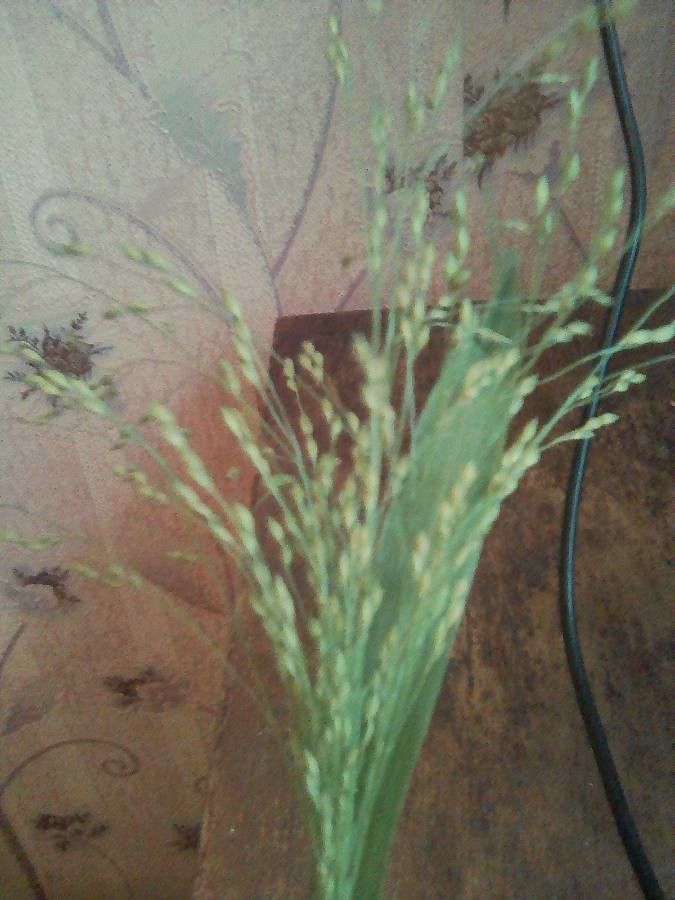
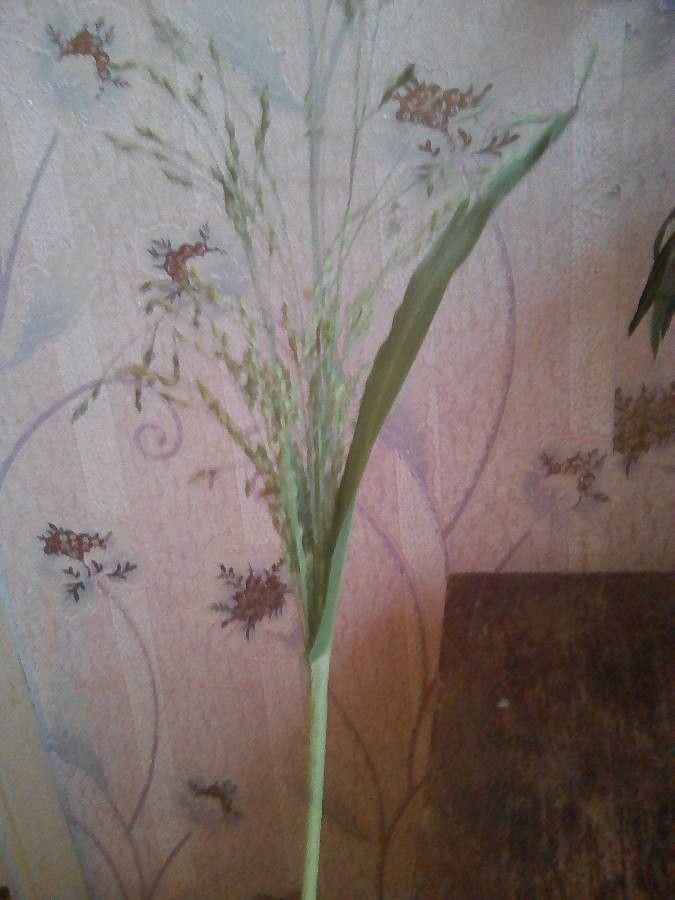
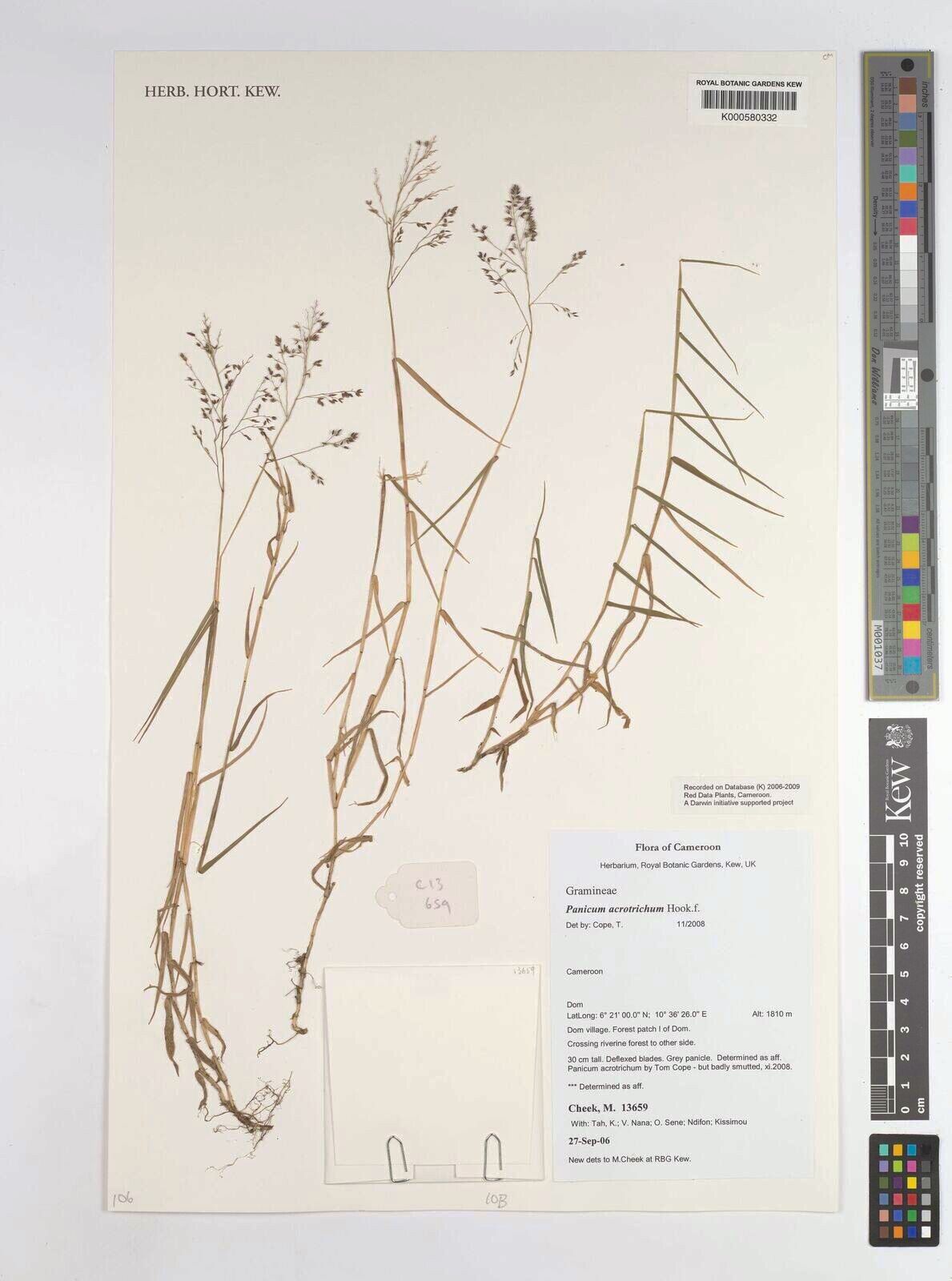
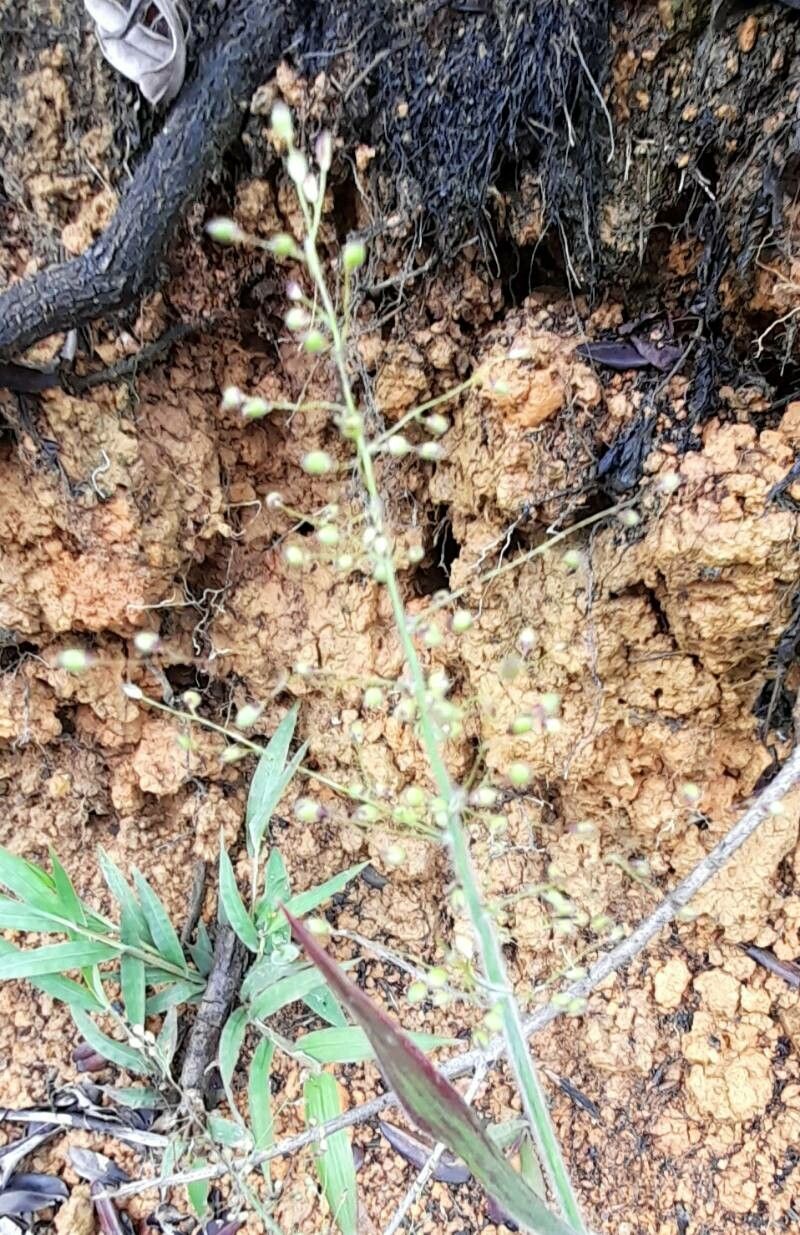
Broad-leaved panic grass is disease-resistant and typically not susceptible to illnesses. Regarding maintenance, this plant is fairly low-maintenance. When grown outdoors it needs only light watering, and larger specimens usually do not require pruning. Smaller specimens, however, should be trimmed after they finish flowering. Broad-leaved panic grass is appropriate for anyone with an outdoor area, such as a garden or deck, and does not demand extensive care experience.
How to keep Panicum Latifolium.
Light
The broad-leaved panic grass is a perennial herb that loves sunlight and originates from open environments, frequently flourishing in meadows and grasslands. It prefers full sunlight but is also capable of tolerating semi-shaded conditions.
Water
Broad-leaved panic grass flourishes in moist, humid environments and requires regular watering, ideally once a week, to maintain a consistent moisture balance. It is highly adaptable to different climates and rainfall patterns, making it versatile across various growing zones.
Temperature
The Broad-leaved panic grass has a remarkable capacity to adjust to a diverse spectrum of temperature situations; however, various mixtures of thermal and aquatic conditions might still confine its propagation. This plant is most prosperous in hot weather during summertime when there's sufficient rainfall or irrigation. Extended instances of overcast and rainy weather, combined with lengthy durations of high temperatures, may raise the chances of the Broad-leaved panic grass perishing. During winter, adequate defenses against the cold can enhance the survival chances of the plant.
Fertilizer
To encourage robust new growth, broad-leaved panic grass needs extra nutrients. Distributing some compost around the plant's base in the spring can adequately supply these essential nutrients. Fertilization assists in promoting strong growth and enhances the plant's ability to fend off diseases and pests.
Pruning
Broad-leaved panic grass is known for its wide leaves and dense growth. To help it thrive, consider pruning it in early spring. By removing any dead or damaged stems, you encourage new growth and can shape the plant effectively. Be sure to avoid heavy pruning during peak periods. This care routine improves air circulation, minimizes pests, and supports vibrant foliage throughout the growing season.
Botanical profile.
- Plant Type
- Grass
- Life Cycle
- Perennial
- Genus
- Panicum
- Family
- Poaceae
- Hardiness Zone
- 3-10
- Mature Height
- 0.46 m to 1.07 m
- Mature Spread
- 30 cm to 61 cm
- Leaf Color
- Green, Dark Green
- Leaf Type
- Deciduous
- Flower Color
- Yellow, Green, Purple
- Flower Size
- 0.20 cm to 0.25 cm
- Bloom Time
- Mid summer, Late summer, Early fall
- Planting Time
- Spring, Summer, Autumn
- Harvest Time
- Early fall, Mid fall
Other names.
Reader questions.
What conditions does Broad-leaved panic grass thrive in?
Broad-leaved panic grass adapts well to a variety of temperature conditions, ideally thriving in warm summer climates with sufficient rainfall or watering. It possesses strong cold resistance, making special frost protection measures unnecessary in most winter conditions. However, the plant's survival and distribution may be limited by extreme combinations of water scarcity and excessive heat. Ensuring the soil is moist before the first freeze in autumn can help the plant endure the winter and early spring by preventing drought and water scarcity.
How should Broad-leaved panic grass be protected in extreme winter conditions?
While Broad-leaved panic grass has notable cold resistance, in scenarios where winter temperatures are expected to plummet below -35°C, it is crucial to protect the plant. Cold protection can be provided by covering it with insulating materials like soil or straw. This effort aids in maintaining soil moisture through freezing conditions, which is vital for the plant’s survival during the cold months.
What are the symptoms and solutions for Broad-leaved panic grass under low temperature conditions?
Broad-leaved panic grass shows a high tolerance for cold, thriving best above 0°C while bearing temperatures down to -30°C. However, temperatures falling below -35°C may not initially change the plant's appearance in winter but could significantly reduce or even halt sprouting in spring. To manage this, it's recommended to remove any parts of the plant that fail to sprout as the weather warms.
What are the symptoms and solutions for Broad-leaved panic grass under high temperature conditions?
In summer, it's crucial to keep Broad-leaved panic grass’s temperature below 35°C. Exposure to temperatures above 41°C can cause the plant's leaves to lighten in color, curl, become susceptible to sunburn, or, in severe cases, cause the plant to wilt and dry out completely. To mitigate these issues, remove sunburned or dried parts of the plant, move it to a shaded area or use a shade cloth to protect it from midday and afternoon sun, and water it in the morning and evening to maintain soil moisture.