Pandorea jasminoides, commonly known as Bower Vine or Wonga Wonga Vine, is a fast-growing evergreen vine in the Bignoniaceae family. Native to Australia, this plant thrives in various habitats, including rainforests, woodlands, and coastal areas.
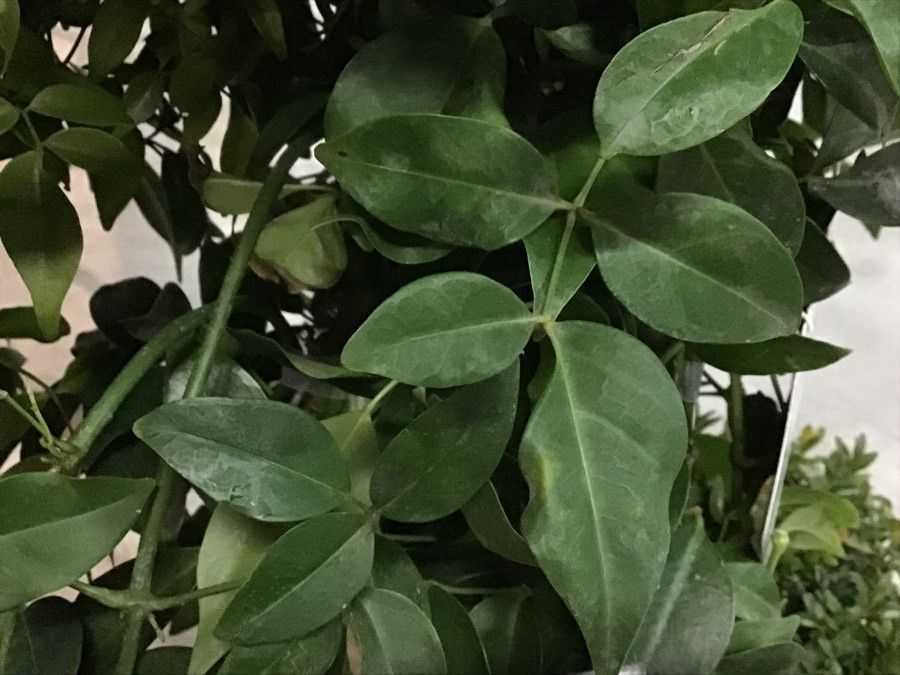
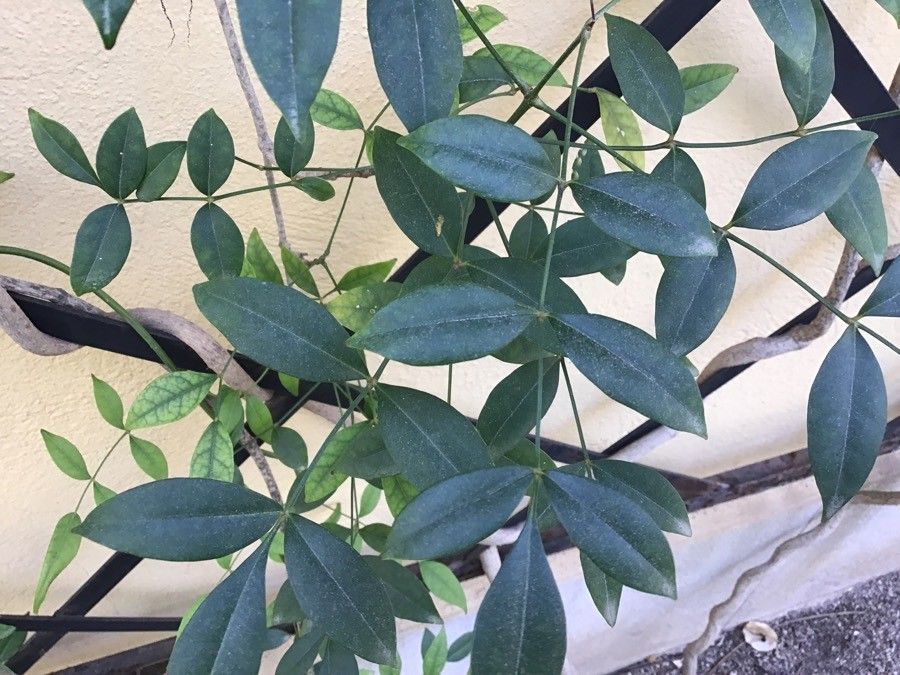
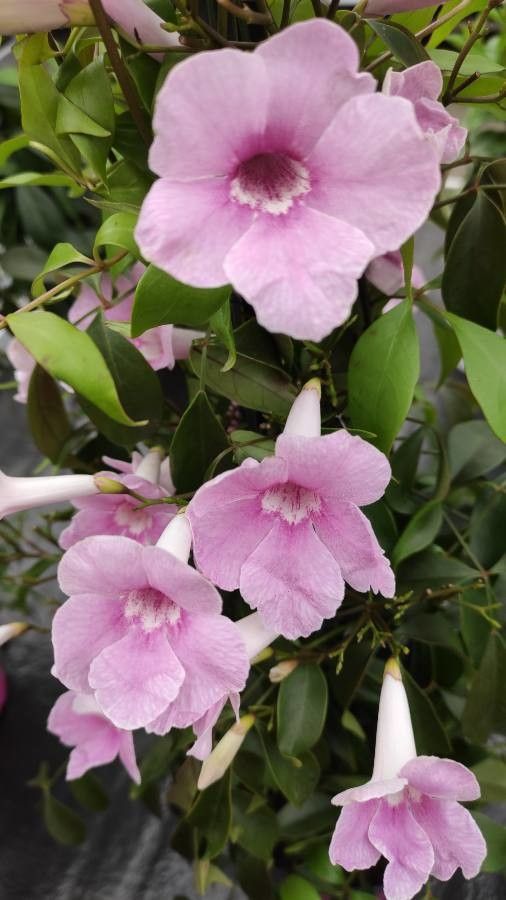
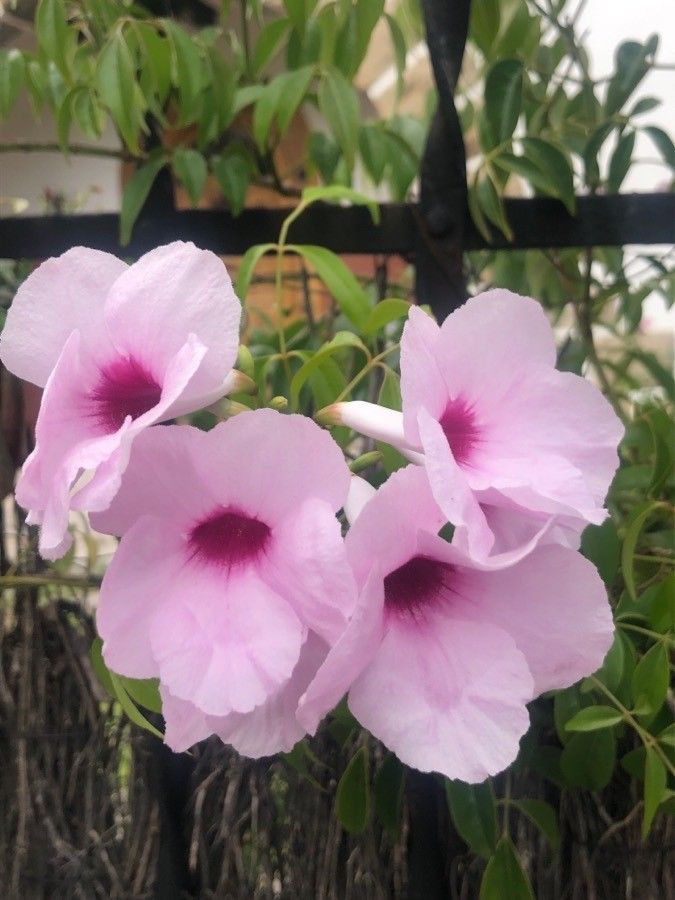
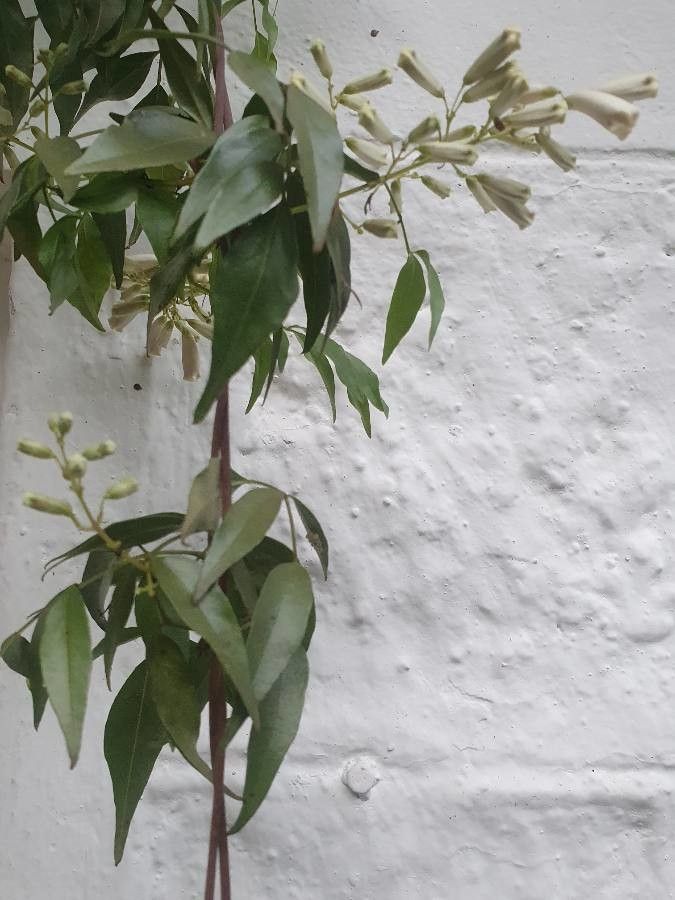
The vine features glossy green leaves divided into three leaflets and produces trumpet-shaped flowers in shades of pink or white, each accented with a yellow throat. These fragrant blooms appear from spring through summer, attracting bees, butterflies, and birds.
Pandorea jasminoides is a favored ornamental plant thanks to its attractive foliage and showy flowers. It can be grown on trellises or arbors for vertical interest in the garden, or used as ground cover when allowed to spread along the ground.
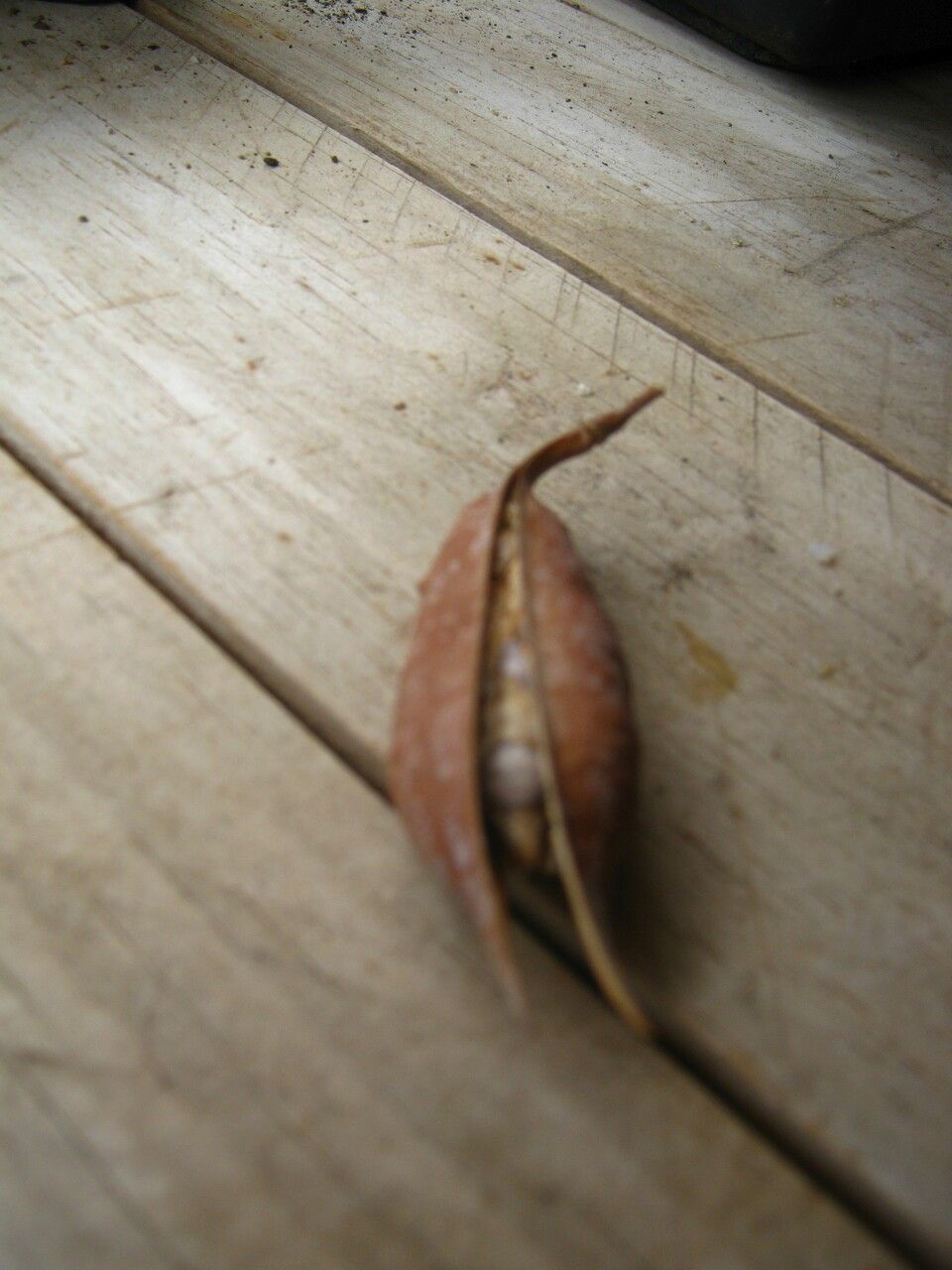
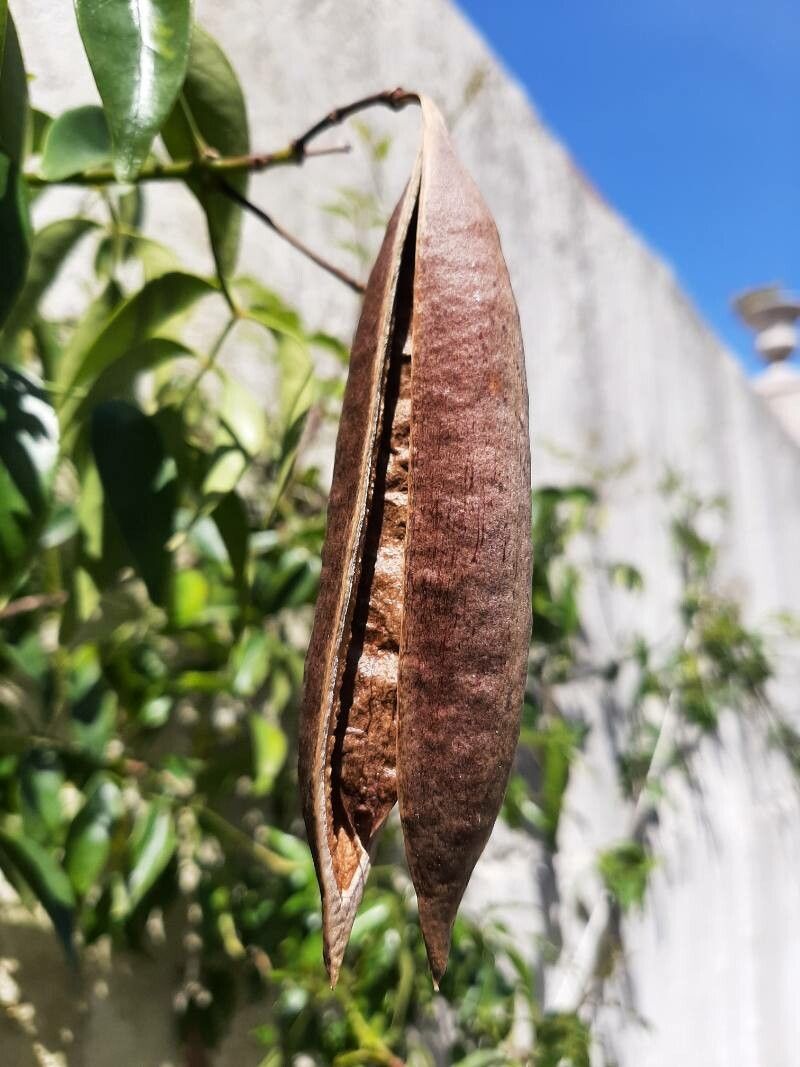
The botanical name of Pandorea jasminoides has an intriguing story behind it. According to reports, a botanist named the plant "Pandorea" because its seedpods reminded him of Pandora's box. When the pointed seedpods split open, they release peppery seeds, much like how the evils were unleashed upon the world from Pandora's box. FUN FACT · FROM THE LIBRARY
This plant prefers well-drained soil with regular watering but can withstand periods of drought once established. It thrives in full sun but can also tolerate partial shade.
Propagation is typically done through stem cuttings taken during the spring or summer months. Pruning after flowering may be necessary to maintain the plant’s shape.
In summary, Pandorea jasminoides is an easy-to-grow vine that enhances any garden setting with its lush foliage and stunning blooms throughout the growing season.
The Bower Vine, also known as the Pink Bower Vine, Bower of Beauty, or Bower Plant, derives its name from the word "bower," which refers to a pleasant, shady place under trees or climbing vines. In medieval times, Pandorea jasminoides was one of the captivating vines that provided not only shade and privacy but also a stunning display of beauty. This is why it is often referred to as the Bower Vine or Bower of Beauty.
Bower vine has strong resistance to disease and is generally not susceptible to illnesses. Regarding care, this plant is fairly low-maintenance. When grown outdoors it needs little watering, and larger specimens typically do not require pruning. Smaller plants, however, should be pruned after they finish blooming. Bower vine is appropriate for anyone with an outdoor area, such as a garden or deck, and does not demand much previous plant-care experience.
How to keep Pandorea Jasminoides.
Light
Bower vine grows best in areas with plenty of sunlight. Although it can tolerate a bit less light, insufficient light can cause stunted growth. Its natural habitat typically receives ample sun. However, too much sun can scorch the leaves, while too little can lead to sparse flowering.
Water
The Bower Vine flourishes in subtropical climates, where it thrives on consistent moisture and humidity, although it can withstand periods of drought. To encourage lush growth, it should be watered weekly. As an evergreen plant, when grown outdoors, it benefits from natural rainfall during the growing season, which helps keep it well-hydrated.
Temperature
The bower vine is a temperate woody plant that thrives at temperatures between 68 to 105 ℉ (20 to 41 ℃). It comes from areas with warm, humid conditions and can withstand short periods of cooler temperatures in winter. In the summer months, it is advisable to give plenty of shade or move it to a cooler spot to prevent heat stress.
Fertilizer
Fertilizing is essential for caring for Bower vine. Regular feeding during the growing season maintains energy for its showy leaves and promotes overall growth. Neglecting fertilization can lead to unhealthy leaves, reduced ornamental appeal, and stunted or weak growth that is prone to breakage.
Pruning
The Bower vine is known for its trumpet-shaped flowers and its vigorous climbing growth. For healthy growth, abundant flowering, and a manageable size, it is important to prune the vine annually in early spring. During pruning, remove any dead stems and trim long vines with clean cuts angled away from the buds. This will help improve airflow and reduce the risk of pests.
Pot & Repot
Repot the Bower vine in early spring, choosing a pot only slightly larger than the current one that has good drainage. Use a well-draining potting mix and position the root ball at the same level it was before. Gently loosen any roots that are root-bound. After repotting, water thoroughly and place the plant in a warm, shady spot. Prune regularly to keep its size in check and to encourage new growth.
Botanical profile.
- Plant Type
- Vine
- Life Cycle
- Perennial
- Genus
- Pandorea
- Family
- Bignoniaceae
- Hardiness Zone
- 9-13
- Mature Height
- 6.1 m to 9.14 m
- Mature Spread
- 49 cm
- Leaf Color
- Green
- Leaf Type
- Evergreen
- Flower Color
- White
- Flower Size
- 5.08 cm
- Bloom Time
- Mid spring, Late spring, Summer
- Planting Time
- Spring, Autumn
- Harvest Time
- Summer, Early fall
- Native Area
- Eastern Australia
Other names.
Reader questions.
What's the easiest way to water my Bower vine plant?
To promote excellent root development, place a garden hose at the base of the plant. Avoid spraying the leaves directly, as this may cause issues. Keep in mind that leaves exposed to direct sunlight will require more watering. You can use bubblers to moisten the roots of each plant. Soaker hoses are also useful to cover the entire garden or bed and ensure deep root growth when adding or removing plants. Make sure to drain any excess water and allow the soil to dry before watering again. It is best to water at ground level to prevent the development of diseases. On a sunny day, spraying the entire bush with water may be beneficial. Whether the plant is potted or in the ground, remember that Bower vine prefers deep watering rather than just light sprinkling.
Why should I put fertilizer on my Bower vine?
Regular fertilization is necessary for Bower vine because of its energy-demanding, showy leaves. Not only must the vine allocate enough energy to maintain its leaves, but it also needs energy for the growth of its stems, branches, roots, and other vital structures. Neglecting fertilization can lead to two likely outcomes. First, the leaves may lose their natural color and texture, becoming unhealthy-looking and diminishing the vine's ornamental appeal. Second, the vine's overall growth may slow down or produce weak growth that could easily break.
What are the sunlight requirements for bower vine (Pandorea jasminoides)?
Bower vine thrives in locations with plenty of sunlight, requiring above 6 hours of sunlight for full sun conditions and about 3-6 hours of sunlight for partial sun conditions. It's essential to observe how sunlight moves through your garden to ensure plants receive the ideal balance of light and shade, guaranteeing their growth and happiness. Though bower vine can survive with a bit less light, inadequate sunlight may lead to stunted growth, and its natural habitat usually has abundant sun exposure. Care should be taken as overexposure can cause leaf scorching, while insufficient light may result in minimal flowering.
What are the essential care requirements for Bower vine?
The Bower vine, known botanically as Pandorea jasminoides, thrives in temperate woody environments and prefers temperatures ranging from 68 to 105°F (20 to 41°C) to grow optimally. Native to regions with warm, humid climates, it can withstand brief cold spells during winter. In summer, it is crucial to provide shade or relocate the vine to cooler areas to avoid heat stress. The vine loves heat and can be adversely affected by cold. When autumn arrives, it's advisable to bring outdoor Bower vines indoors, positioning them near a well-lit window yet away from direct heat sources. Keeping the temperature above 20°C during winter benefits the plant, while temperatures nearing 0°C can harm it.
What should I do if I give Bower vine too much or too little water?
If a Bower vine is overwatered, its leaves may turn yellow, drop off, and wilt. The plant may also look dull and unhealthy with mushy stems. In such cases, it's best to adjust your watering schedule. Wilting can also be a sign of under watering, characterized by crispy and dry leaves. When the soil is dry and simple watering is not enough, give it a thorough watering. However, even with enough water, the plant may still appear dry with yellow leaves due to a damaged root system. Once it returns to normal, the yellowing of leaves will stop. When housing the Bower vine indoors, always check the moisture levels and avoid overwatering. Look out for signs of black spots, and if present, allow the soil to dry out for a few days. Overwatering may lead to root rot, so consider transferring the plant to a different pot if you notice discolored and slimy roots. Preventing root rot and avoiding excessively soggy soil is crucial. When planting the Bower vine outdoors, ensure the soil is adequately moist and water as needed for recovery.
When should I fertilize my Bower vine for the best results?
Bower vine thrives with occasional feedings, so there's no need for a set feeding schedule when you first plant it. A convenient way to fertilize your Bower vine is by applying the fertilizer while watering it occasionally. Throughout the growing season, your Bower vine will require a good amount of water. You can feed it once every two to three weeks, ensuring this feeding rate continues as long as the plant is producing new growth.
How can artificial lighting be used for bower vine indoors, especially during less sunny periods?
For bower vines grown indoors, artificial lighting can be crucial for optimal growth, particularly in winter or less sunny spaces. Adequate lighting promotes healthier, faster growth. LED lights are a recommended choice as they can be adjusted to provide specific wavelengths needed by the plants. The requirements for artificial light intensity vary depending on the type of plants: full sun plants need 30-50W/sq ft, partial sun plants 20-30W/sq ft, and full shade plants 10-20W/sq ft. The light source should be placed 12-36 inches above the plant to mimic natural sunlight. Most plants will thrive with 8-12 hours of artificial light per day.
How does low temperature affect Bower vine and what can I do?
Bower vine prefers warm environments and does not fare well under low temperatures, thriving best when the mercury stays above 20°C. During winter, maintaining the temperature above 0°C is essential to prevent cold damage. Exposure to temperatures below -5°C can cause the leaves to lighten and, following frost damage, to turn brown or black, accompanied by wilting and drooping. The solution is to trim off frost-affected parts and move the plant indoors to a warmer spot, ideally near a south-facing window to ensure it gets enough sunlight. Avoid placing the plant near heaters or air conditioning vents to prevent the air from getting too dry.
How frequently should I water my Bower vine?
The Bower vine prefers deep watering, especially when in pots, as the limited water storage in pots can cause the soil to dry out quickly. In cold regions, watering should be done every 3 to 5 days, preferably in the morning when the soil is dry. To determine if watering is needed, check the top 2-3 inches of soil; if it is dry, give the plant a full watering. During hot days, check the moisture daily as the heat can dry out the soil rapidly. If you have a garden, irrigation is necessary. In hot climates, water once a week, making sure that the top 2-3 inches of soil are not too dry. Take into account the amount of rainwater received to avoid overwatering and root rot. The Bower vine mainly grows during spring and fall, and when planted outdoors, adding mulch can help conserve water. Sandy soil drains quickly, so more frequent watering is required. In contrast, clay soil retains moisture better, allowing for longer intervals between watering. Keep track of watering dates and be vigilant for drooping leaves, as they may indicate the need for water.
When is it best to not apply fertilizer to my Bower vine?
For most of the year, you can fertilize your Bower vine regularly. This is especially true during the active growing season of spring, summer, and early fall. However, in the winter, you should not fertilize this plant at all. During the winter, the Bower vine enters a dormant growth phase, during which it either produces very little new growth or none at all. Since there is minimal growth during this time, the plant uses less energy overall, and therefore does not require fertilization.
What are the symptoms of light deficiency in bower vine?
When bower vine is cultivated indoors with insufficient lighting, several noticeable symptoms may include smaller new leaves, leggy or sparse growth, faster leaf drop, slower or halted growth, and pale or irregularly colored new leaves indicating a lack of chlorophyll. Conditions like chlorosis (yellowing leaves), sunscald (damaged leaves or stems from intense exposure), leaf curling, wilting, and leaf scorching due to excessive sunlight also negatively impact the plant's health.
What should I do if the Bower vine experiences high temperatures?
During the hot summer months, it is critical to ensure that the Bower vine's environment does not exceed 41°C. Temperatures above 45°C can lead to a lightening of leaf color and an increased risk of sunburn. To manage this, trim away the sunburned and dried parts of the plant. Relocate the vine to an area that provides shade during the intense midday and afternoon sun. It's also beneficial to water the plant in the morning and evening to maintain soil moisture and protect the plant from heat stress.