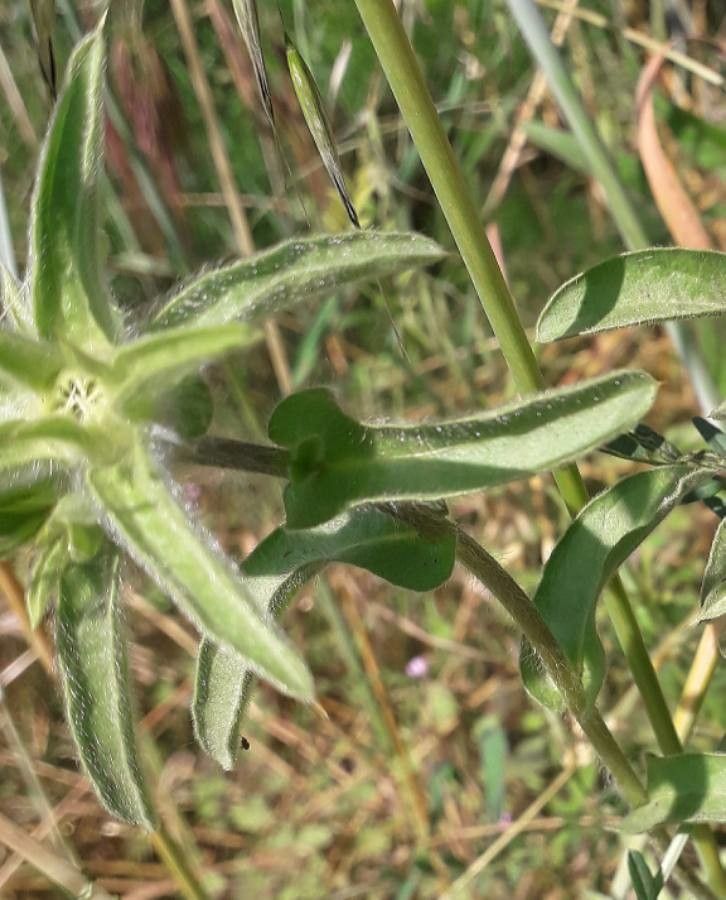
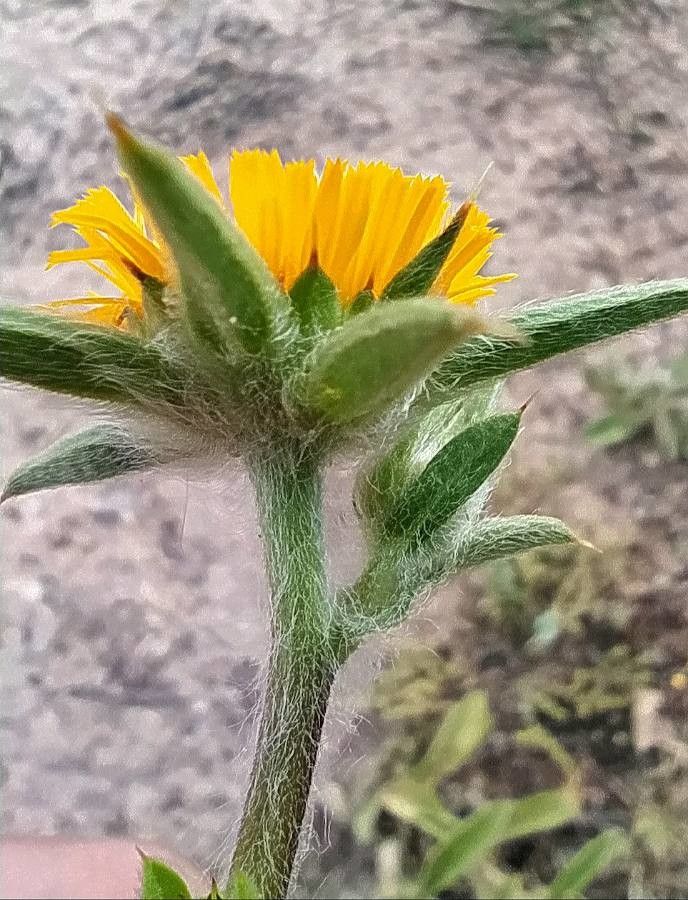
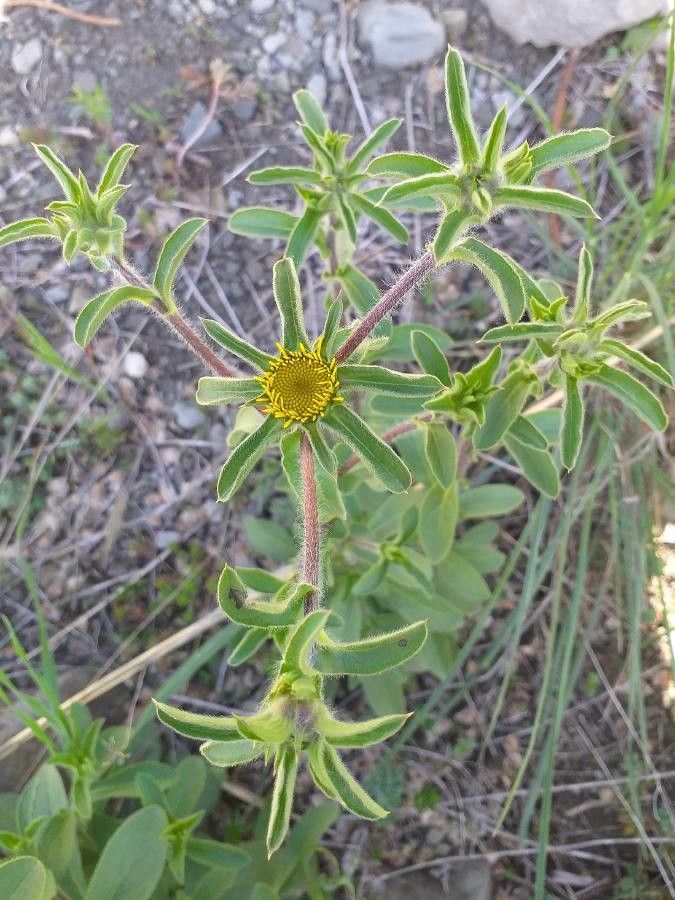
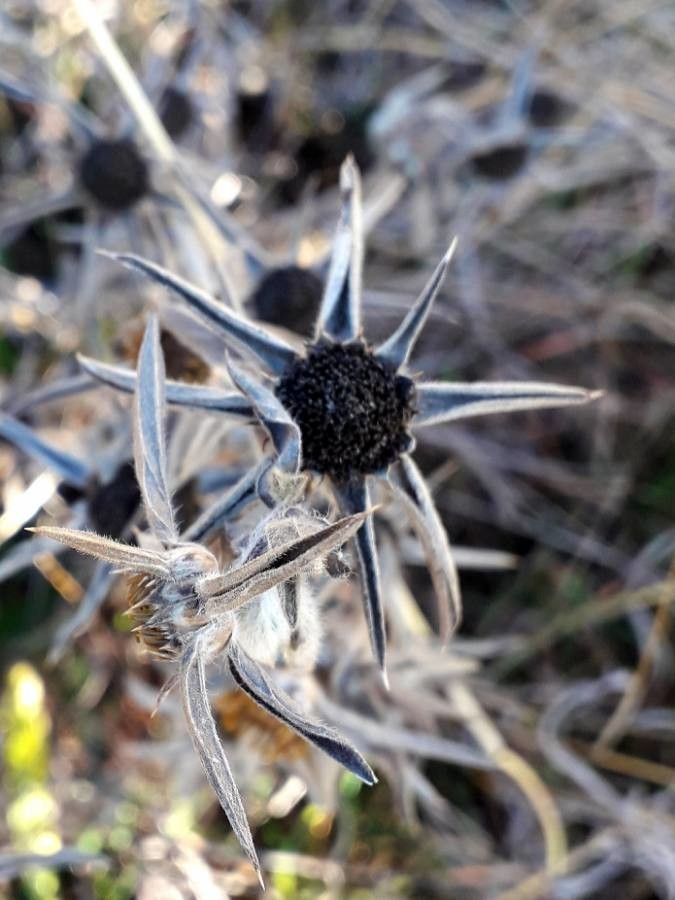
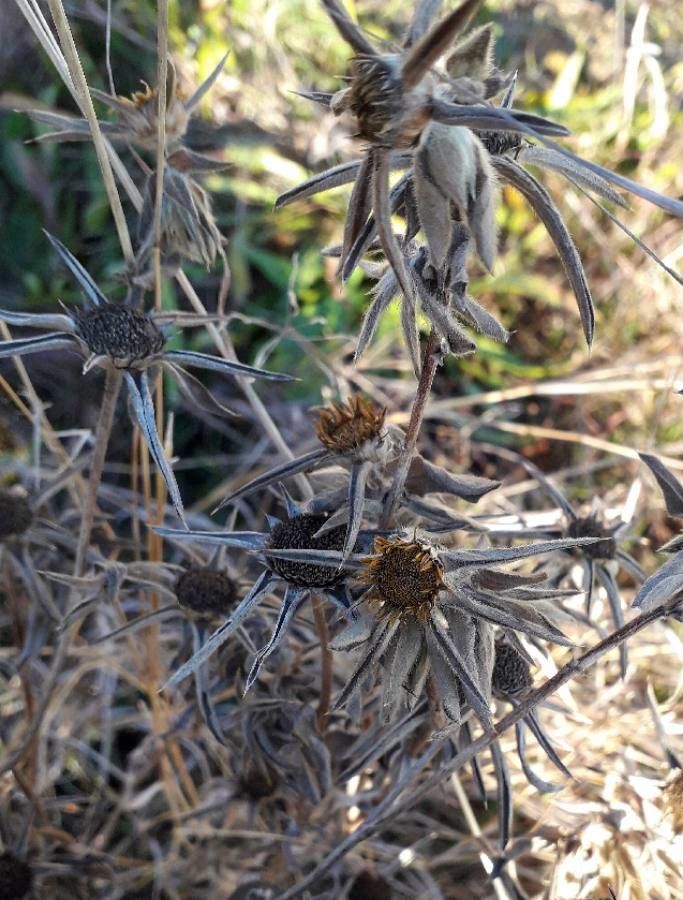
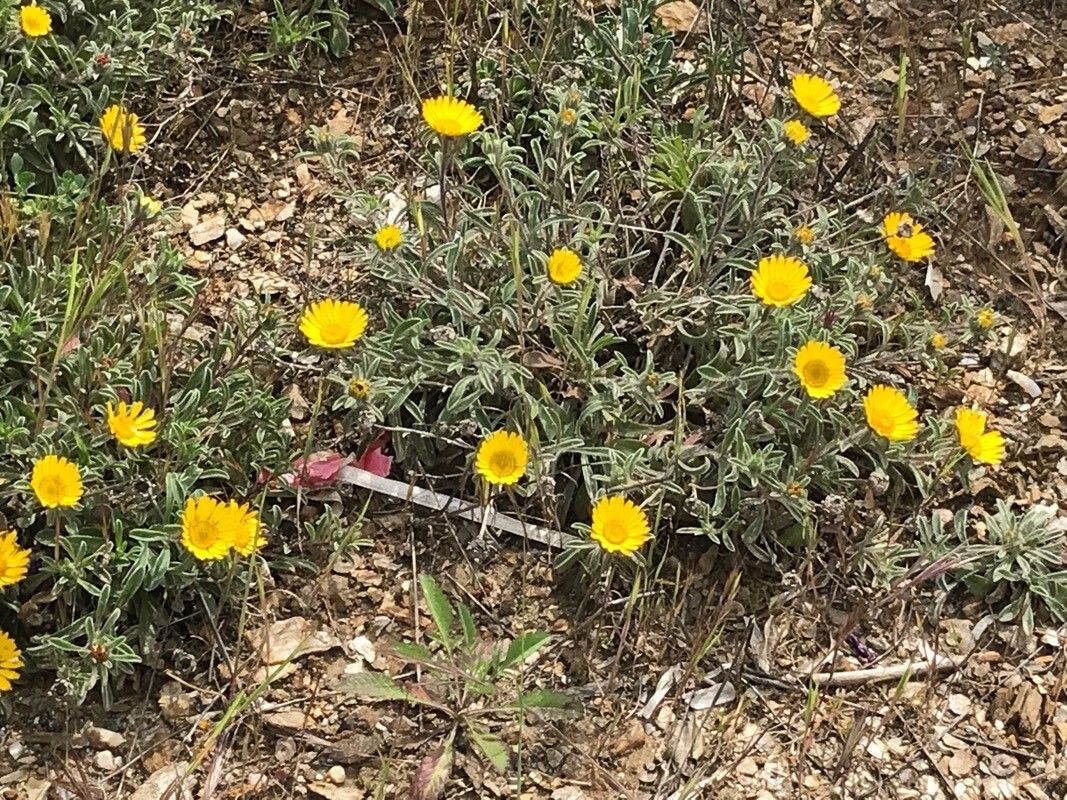
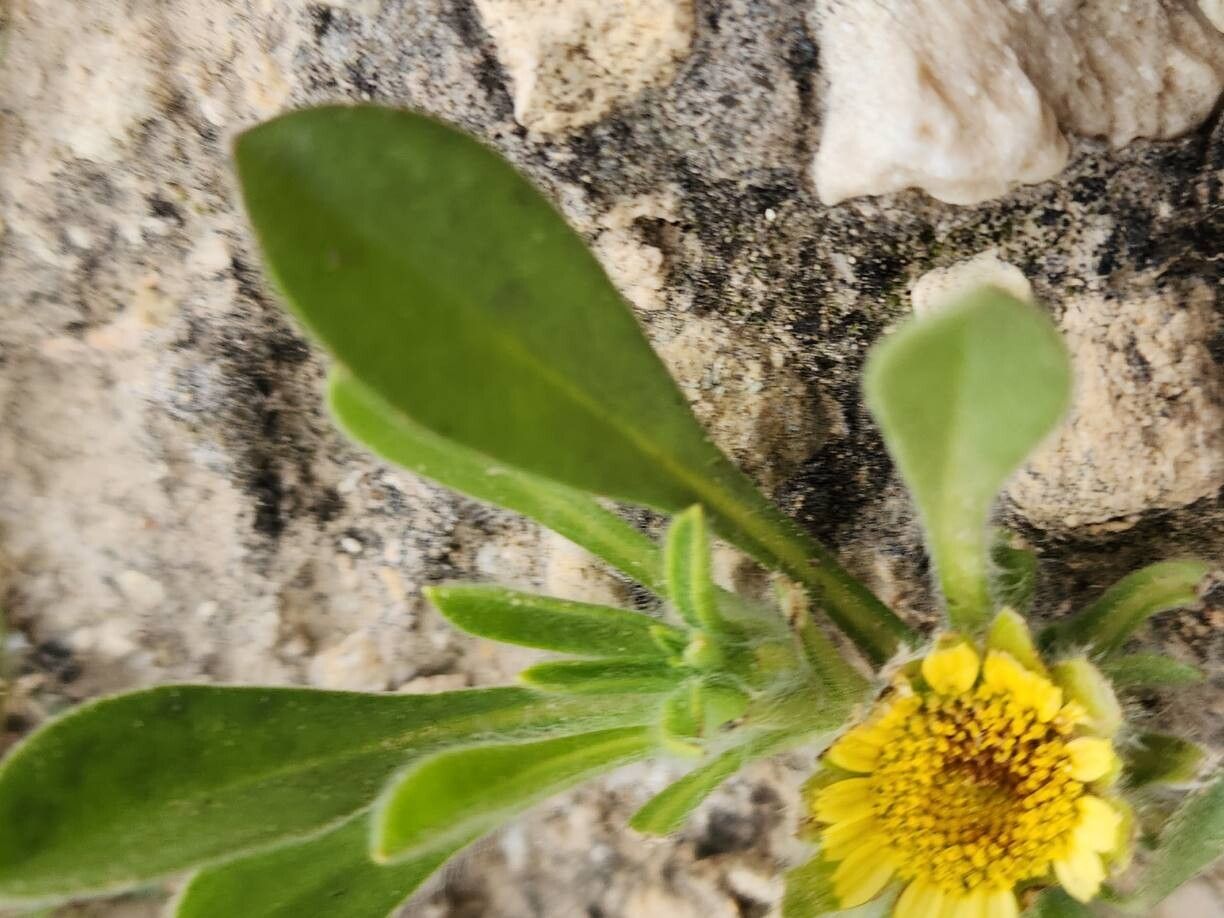
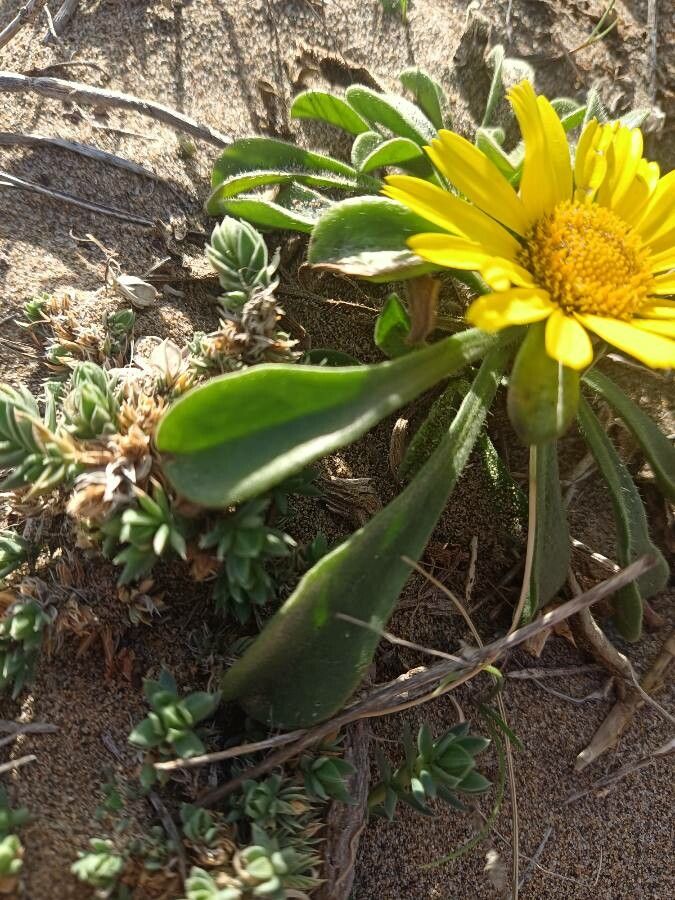
Pallenis spinosa, commonly known as thorned cudweed, is a perennial herbaceous plant from the Asteraceae family. Native to the Mediterranean region, it thrives in various habitats, including rocky slopes, dry meadows, and disturbed areas.
The plant can reach a height of up to 50 cm and features a woody stem with numerous branches. Its narrow, lance-shaped leaves have toothed edges and are covered in fine hairs. The small, yellowish-white flowers measure about 1 cm in diameter.
For centuries, Pallenis spinosa has been valued for its medicinal properties, particularly its anti-inflammatory effects. It has also been used as a herbal remedy for respiratory issues such as asthma.
Drought-tolerant and capable of thriving in poor soil conditions, this plant is an excellent choice for xeriscaping gardens or low-maintenance landscaping projects.
In summary, Pallenis spinosa is a noteworthy perennial herb that offers both ornamental appeal and medicinal benefits, making it a favored choice among gardeners worldwide.
Spiny starwort is fairly disease-resistant and typically not prone to illnesses. However, it can be affected by pests and diseases present in its surroundings. These infections are usually mild. In terms of care, the plant requires moderate maintenance. It should be pruned regularly to maintain a tidy appearance and healthy growth. Fertilizing can also help encourage flowering. Spiny starwort is suitable for people with outdoor space, such as a garden or patio, and does not demand extensive care experience. It may need more attention when grown indoors.
How to keep Pallenis Spinosa.
Light
Spiny starwort prefers an environment with abundant sunlight. It thrives when exposed to ample light but can tolerate less brightly lit conditions. Native to sunlit habitats, both excessive and insufficient light can hinder its growth, resulting in conditions that are unfavorable for its survival.
Water
Spiny starwort, a plant native to the Mediterranean, thrives in dry, well-drained soils. This drought-tolerant species needs to be watered only once a week and does best in full sunlight. It is resilient in high temperatures and efficiently conserves water.
Temperature
Spiny starwort can tolerate a wide range of temperatures, but its distribution may still be restricted by particular combinations of moisture and heat. It does best in warm summer climates with sufficient rainfall or watering. Extended stretches of cloudy, rainy weather or prolonged high temperatures can raise the chance of Spiny starwort dying. In winter, protecting it from the cold can increase its survival rate.
Fertilizer
When most of Spiny starwort's blooms have opened and reached full size, resume fertilizing. At the time of peak bloom, feed the plant every three to four weeks, weather permitting. Once Spiny starwort begins producing fewer new blooms, cease fertilizing; there's no need to feed it when it can no longer produce additional blooms.
Pruning
Spiny starwort benefits from pruning in early to late spring. Focus on removing dead stems and thinning overcrowded areas to improve air circulation. This practice enhances the plant's health, appearance, and blooming. By pruning at the right time, you can maximize these benefits.
Botanical profile.
- Plant Type
- Herb
- Life Cycle
- Annual
- Genus
- Pallenis
- Family
- Asteraceae
- Hardiness Zone
- 8-11
- Mature Height
- 61 cm
- Mature Spread
- 30 cm to 49 cm
- Leaf Color
- Green, Olive Drab
- Leaf Type
- Semi-evergreen
- Flower Color
- Yellow
- Flower Size
- 2.54 cm
- Bloom Time
- Summer
- Planting Time
- Spring, Summer
- Harvest Time
- Late summer, Early fall, Mid fall
Other names.
Reader questions.
How should I water my Spiny starwort plant?
Watering Spiny starwort is easy and flexible. You can use a garden hose with a spray nozzle, a watering can, or any other common watering tool. The plant is not picky about the type of water it receives – it can thrive on rainwater, tap water, or filtered water. However, it is best not to water the plant from above as it can harm the leaves, flowers, and potentially cause disease. A drip irrigation system is often the most effective way to water Spiny starwort, as it evenly and directly applies water to the soil. For container-grown Spiny starwort, simply use a cup, watering can, or tap water to water directly into the soil.
What are the sunlight requirements for Spiny Starwort?
Spiny Starwort thrives in environments with abundant sun exposure, flourishing in full sun conditions, which means it prefers above 6 hours of sunlight. It can also adapt to partial sun, requiring about 3-6 hours of sunlight. Observing how sunlight moves through your garden is crucial for choosing the best spots that provide a balance of light and shade, ensuring the plant's growth and happiness.
What is Spiny Starwort?
Spiny Starwort, known botanically as Pallenis spinosa, is a plant species whose essential details, symptoms related to its environment or cultivation, and additional noteworthy information were not specified in the provided data.
What do I need to do if I give my Spiny starwort too much or too little water?
To remedy underwatering for Spiny starwort, simply begin watering it more regularly when you notice it lacks moisture. Overwatering, on the other hand, is a more serious problem that can lead to diseases, decline, and death of the plant. To prevent this, choose a suitable location with ample sunlight to dry the soil and good drainage to prevent waterlogging. If your potted Spiny starwort is overwatered, consider changing it to a new pot with better drainage, using loose soil and an efficient draining pot.
How does Spiny Starwort respond to different light conditions?
Spiny Starwort originates from landscapes that receive a lot of sunlight. It prefers plenty of light but can survive in less illuminated conditions. Both overexposure and under-exposure to sunlight can negatively affect its growth. When natural sunlight is not enough, especially during winter or in less sunny spaces, artificial lighting can be a vital solution. Indoor plants benefit from artificial lights, promoting faster, healthier growth. LED lights are recommended for indoor plants as they can be customized to provide specific wavelengths needed by the plants. The amount of artificial light needed varies with the plant's natural sunlight requirements.
How much water should I give my Spiny starwort?
Spiny starwort requires regular watering throughout the growing season. In spring, it should be watered once a week. As the season progresses and temperatures rise, you may need to water it two to three times a week. However, watering it more often than that can harm the plant. It's important to keep the soil moist but not wet. When it comes to Spiny starwort in a pot, it needs more frequent watering compared to those planted in the ground. The soil in a pot can heat up and dry out faster, so watering a container-grown Spiny starwort a few times a week is usually necessary, instead of just once a week for an in-ground plant.
What symptoms indicate light deficiency in Spiny Starwort?
When Spiny Starwort does not get enough light, it may display symptoms such as smaller new leaves, leggy or sparse growth, faster leaf drop, slower or halted new growth, and lighter-colored new leaves. Adequate light is crucial for the plant's health, and spotting these symptoms early can help prevent further damage.
How much water does my Spiny starwort require?
Determining how much water to give to your Spiny starwort can be done in a few different ways. Some gardeners prefer to rely on their senses and feel the soil to determine its moisture level. In this method, you should water until the first six inches of soil feel moist. Alternatively, you can use a specific measurement to guide your watering. Typically, giving your Spiny starwort around two gallons of water per week is recommended, adjusted based on factors like temperature and soil drying speed. However, it's important to remember that sticking strictly to this guideline may result in overwatering if your plant requires less than two gallons per week. When growing Spiny starwort in a container, a different approach is needed. You should aim to moisten all layers of dry soil, which can be tested by inserting your finger into the soil to feel for moisture. Another method is to water until you observe a small amount of excess water draining from the pot's drainage holes.
What are the symptoms of excessive sunlight in Spiny Starwort and how can they be treated?
Excessive sunlight exposure can cause conditions like chlorosis, where leaves lose their green color, sunscald, leaf curling, wilting, and leaf scorching. To mitigate these issues, ensure that your Spiny Starwort receives an optimal amount of sunlight. If symptoms of overexposure occur, adjusting the plant's positioning and monitoring its exposure to sunlight can help alleviate the problem and promote healthier growth.
How do I know if I'm giving enough water to my Spiny starwort?
It can be tricky to avoid overwatering your Spiny starwort because it has deep roots that need to be moistened weekly. However, these plants are highly susceptible to root rot and browning from overwatering. Underwatering is less likely, as they can survive without watering for a while. But if you wait too long, the plant will begin to wilt and its leaves may become dry.
How can lighting issues be resolved for Spiny Starwort, both indoors and outdoors?
To address lighting issues for Spiny Starwort, gradually increasing exposure to direct sunlight is key. For indoor plants, this can be achieved by positioning them near a south-facing window or utilizing artificial lighting such as desk lamps or professional grow lights for at least 8 hours daily. Outdoor plants should be moved incrementally to sunnier locations to avoid shock. If sunlight is blocked by objects like trees, consider pruning to allow more light to reach the plants. For smaller plants that can be moved, transplanting them to a sunnier location with good drainage is recommended, ideally during their dormant period.
How do I water my Spiny starwort throughout the year?
As the season progresses, your Spiny starwort's water needs will increase. In spring, watering once a week is sufficient. However, during the summer heat, you may need to increase the frequency to about three times a week, especially for container-grown Spiny starwort. Containers tend to dry out faster than ground soil in warm weather. In autumn, when the temperature drops and the sun is less intense, your blooming Spiny starwort may require slightly less water.