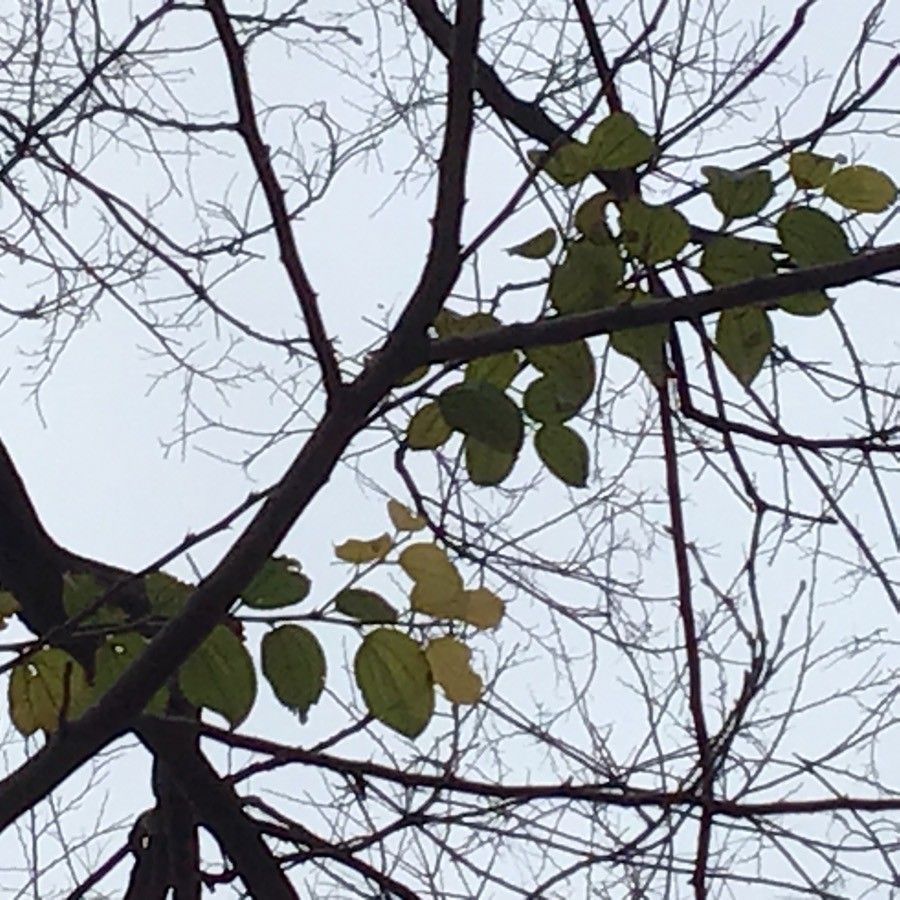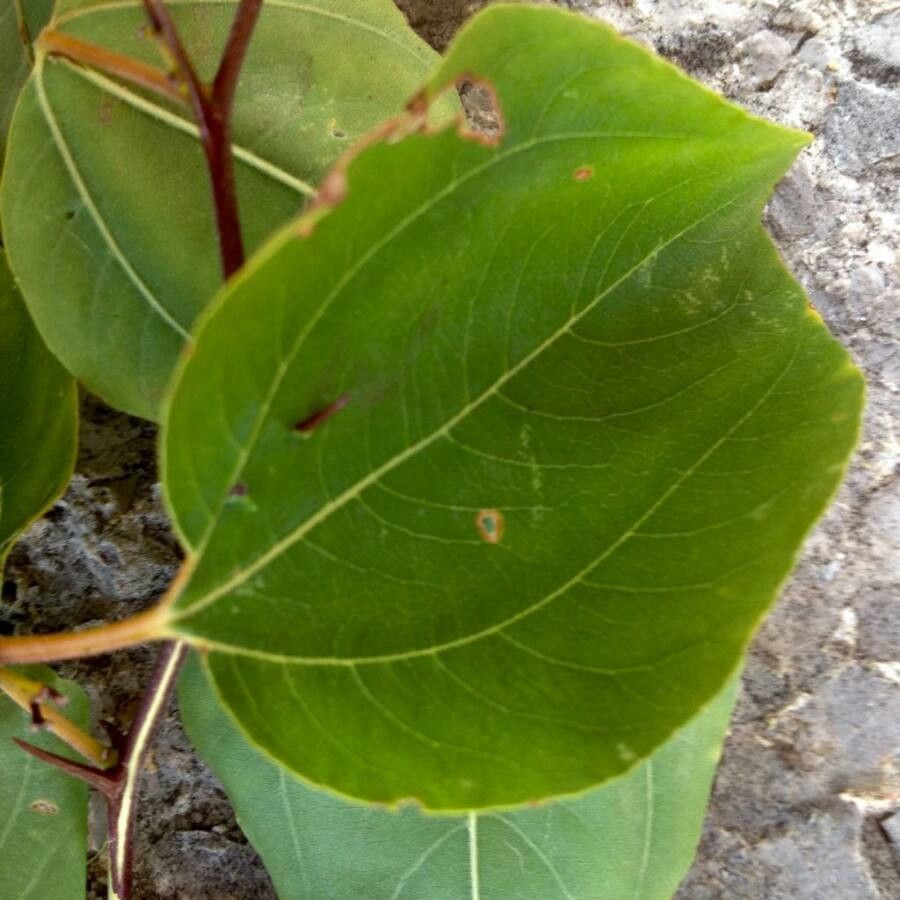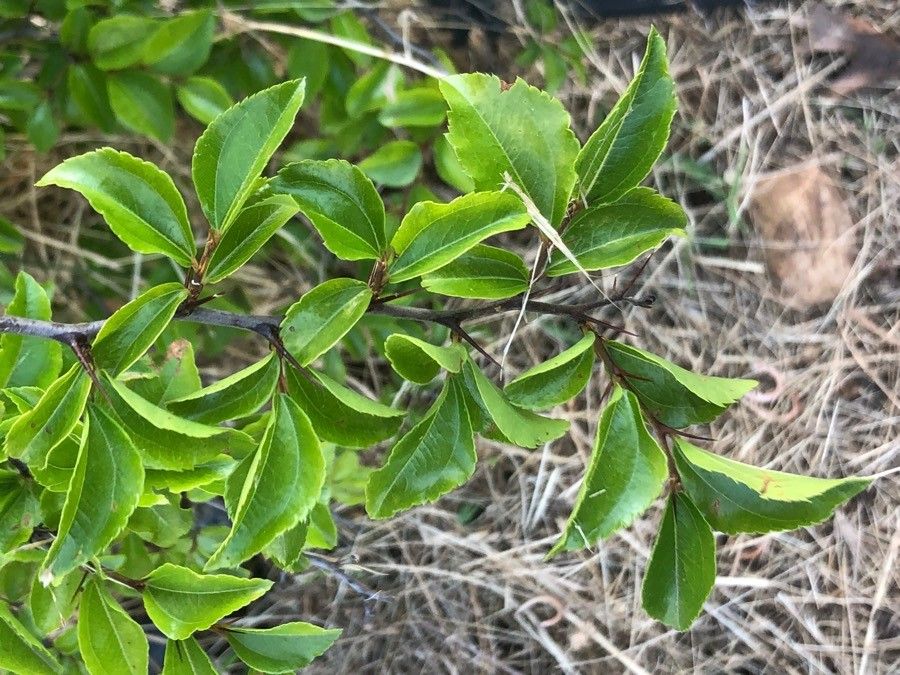
Ma jia zi is highly resistant to disease and generally does not easily get sick. As for care, this plant is fairly low-maintenance. When grown outdoors it needs only minimal watering, and larger plants usually do not need pruning. Smaller plants, however, should be pruned after they finish blooming. Ma jia zit is well suited to anyone who has an outdoor area, such as a garden or deck, and it does not demand much prior care experience.
How to keep Paliurus Ramosissimus.
Light
Ma jia zi thrives in open settings, like bright fields and the borders of forests, where there's plenty of sunlight. It can flourish under Full Sun and yet is capable of handling Partial Sun, demonstrating good adaptability to different levels of sunlight.
Water
Ma jia zi thrives in semi-arid conditions and requires watering only every 2-3 weeks. It is drought-tolerant and prefers well-draining soil to prevent waterlogging. This outdoor plant is ideal for temperate regions due to its low water requirements during the growing season.
Temperature
Ma jia zi thrives in habitats where the temperatures are typically mild, falling between 50 and 95 °F (10 to 35 ℃). Throughout various seasons, precautions might be needed to shelter ma jia zi from temperatures that drop below freezing.
Fertilizer
It's vital to time your fertilization of Ma jia zi correctly. Start fertilizing at the beginning of spring and continue on a monthly basis until the start of summer. Not only does the fertilizer assist in generating attractive blossoms, but it also supplies energy during periods of dormancy and active growth.
Pruning
Ma Jia Zi exhibits dense, thorny branches and shiny leaves. To maintain its health and encourage growth, prune it in early spring to remove any damaged wood. Thinning out overcrowded areas will improve air circulation and allow more light to reach the plant. Be cautious of heavy pruning during the growing season, as this can stress the plant. Instead, promote healthier flowering and structure by pruning at the recommended time.
Botanical profile.
- Plant Type
- Shrub
- Life Cycle
- Perennial
- Genus
- Paliurus
- Family
- Rhamnaceae
- Hardiness Zone
- 6-9
- Mature Height
- 6.1 m
- Mature Spread
- 2.13 m to 3.05 m
- Leaf Color
- Green, Dark Green
- Leaf Type
- Deciduous
- Flower Color
- Yellow
- Flower Size
- 0.51 cm to 0.76 cm
- Bloom Time
- Late spring, Early summer
- Planting Time
- Spring, Summer, Autumn
- Harvest Time
- Late summer, Early fall, Mid fall
- Native Area
- South Korea, Vietnam, Japan, China
Other names.
Reader questions.
What are the sunlight requirements for Ma jia zi?
Ma jia zi, known botanically as Paliurus ramosissimus, thrives in environments that offer ample light. It does best in locations that receive full sun, which is above 6 hours of direct sunlight daily, but can also adapt to partial sun conditions, receiving about 3 to 6 hours of sunlight. Originating from open areas like sunny meadows and edges of forests, Ma jia zi is capable of adapting to various sunlight conditions efficiently, ensuring its growth and happiness. It is important to watch how sunlight moves through your garden to select spots that provide the right balance of light and shade.
What is the ideal temperature range for Ma jia zi?
Ma jia zi thrives in moderate temperature environments, with the ideal temperature range being between 50 to 95 °F (10 to 35 °C). It is important to adjust care seasonally to protect the plant against temperatures that drop below freezing, although it has strong cold resistance.
What artificial lighting needs does Ma jia zi have?
For Ma jia zi growing indoors or in areas with insufficient natural light, especially during winter or in less sunny spaces, artificial lighting becomes essential for optimal growth. Adequate artificial lighting promotes healthier, faster growth. LED lights are recommended as they can be customized to provide specific wavelengths needed by your plants. Full sun plants, including Ma jia zi, should have 30-50W per square foot of artificial light, while partial sun plants require 20-30W per square foot. The artificial light source should be placed 12-36 inches above the plant to mimic natural sunlight as closely as possible, and plants generally need 8-12 hours of light per day.
How should Ma jia zi be protected during very cold winters?
During winters where temperatures are expected to drop below -25°C, it is vital to provide cold protection for Ma jia zi even though it has strong cold resistance. Protection can be achieved by wrapping the trunk and branches with materials such as non-woven fabric or cloth. Additionally, watering the plant abundantly before the first freeze in autumn to ensure the soil remains moist can help prevent drought and water scarcity during winter and early spring.
How does limited sunlight affect Ma jia zi and what are the solutions?
When Ma jia zi is grown in conditions with suboptimal lighting, it may exhibit several symptoms indicating light deficiency. These include smaller new leaves, leggy or sparse growth, faster leaf drop, slower or stopped new growth, lighter-colored new leaves or chlorosis, sunscald, leaf curling, wilting, and leaf scorching. To address these issues, gradually move your plant to a location with more sunlight, aiming for at least 6 hours of direct sunlight daily. If moving the plant isn’t feasible, consider using artificial lighting, such as a desk or ceiling lamp for at least 8 hours daily, or invest in professional grow lights. For outdoor plants, ensure they are gradually adapted to sunnier spots to avoid shock or sunburn. Additionally, for plants on the ground, you may need to reduce obstructions like pruning trees to allow more sunlight through, or transplant smaller plants during their dormant period to a location with better light and drainage.
What should be done if Ma jia zi experiences temperatures below its cold tolerance?
If Ma jia zi is exposed to temperatures below its cold tolerance, specifically below -25°C, there may not be noticeable changes during winter, but the branches might become brittle and dry by spring, failing to produce new shoots. The solution is to prune away any dead branches that have failed to produce new leaves come spring.
How does high temperature affect Ma jia zi and what are the solutions?
High temperatures, especially above 35°C, can cause issues for Ma jia zi such as leaves becoming lighter in color, tips becoming dry and withered, and increased susceptibility to sunburn. To mitigate these effects, trim away the sunburned and dried-up parts, move the plant to a shadier location, or use a shade cloth to provide protection from the midday and afternoon sun. Ensuring that the plant is watered in the morning and evening to keep the soil moist is also crucial.
What is the botanical name of Ma jia zi?
The botanical name of Ma jia zi is Paliurus ramosissimus.