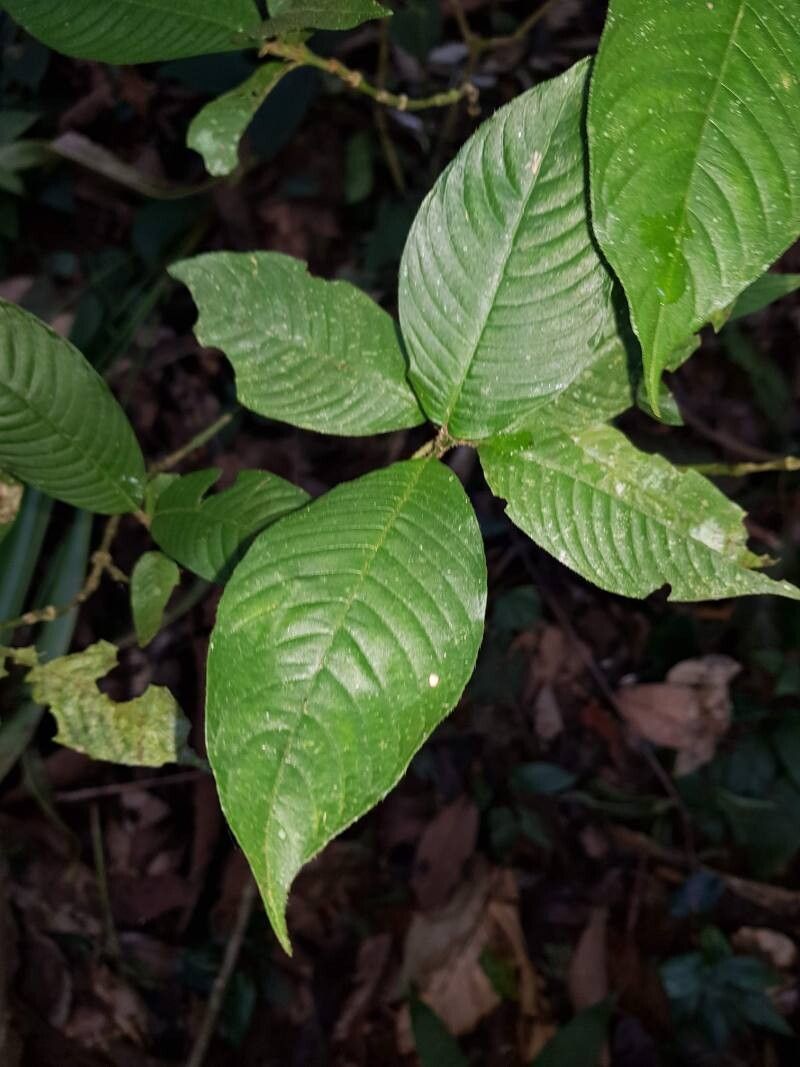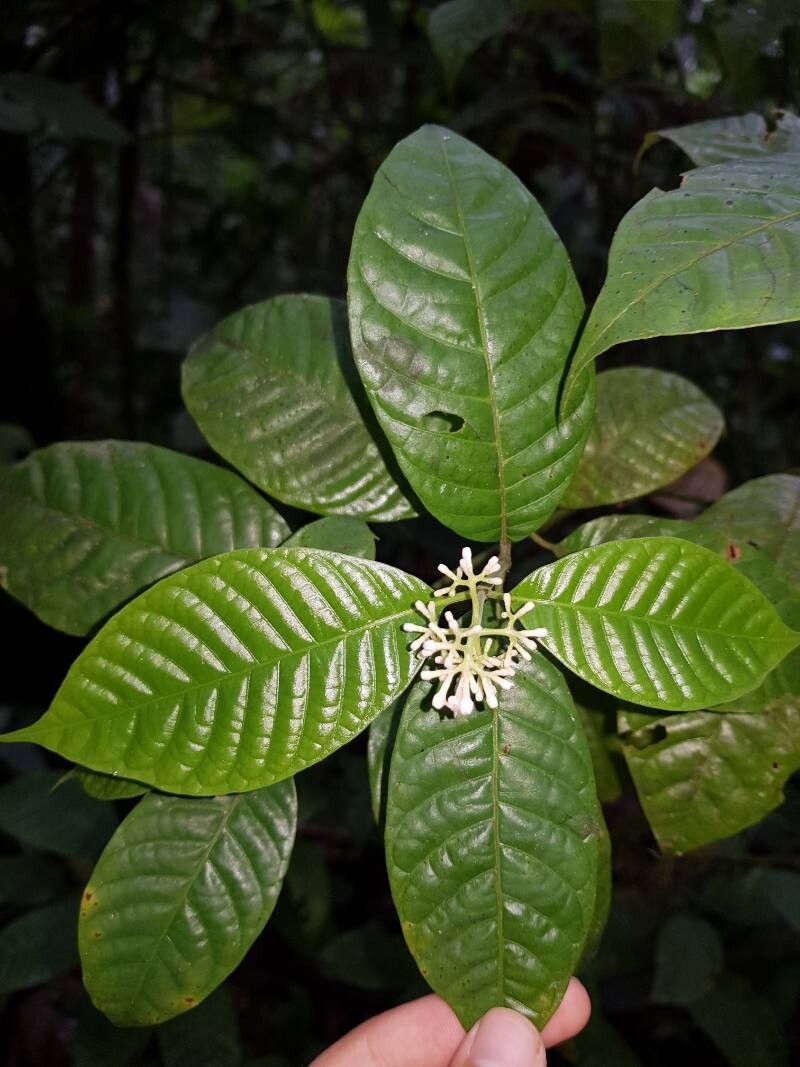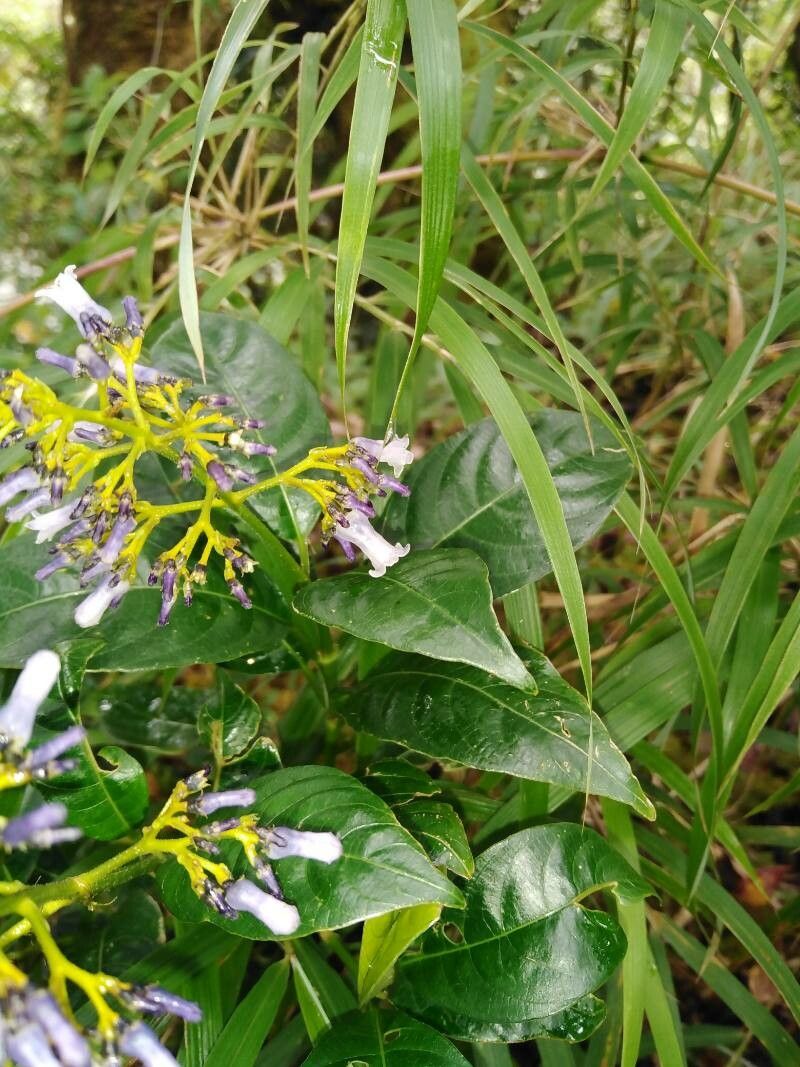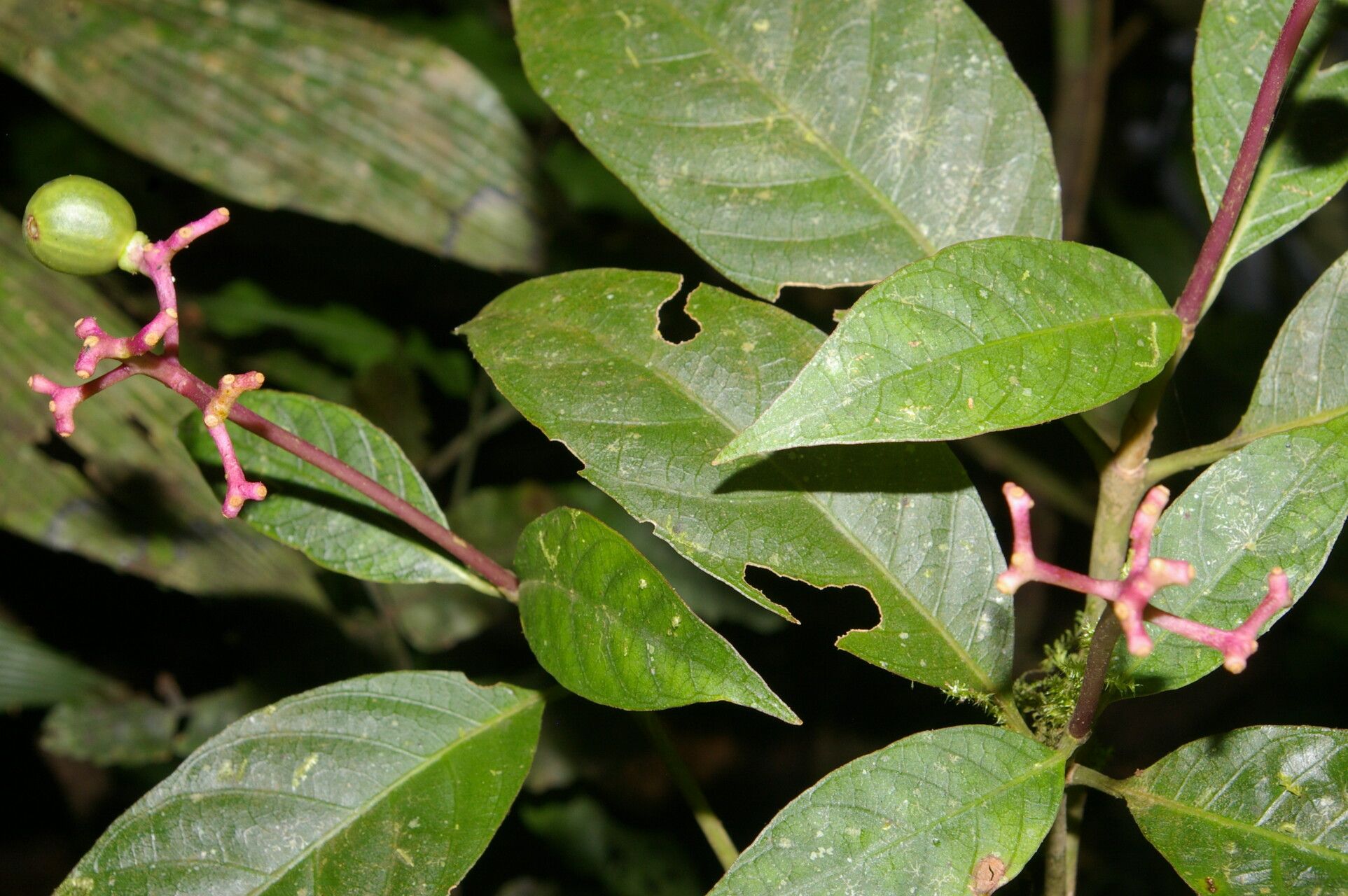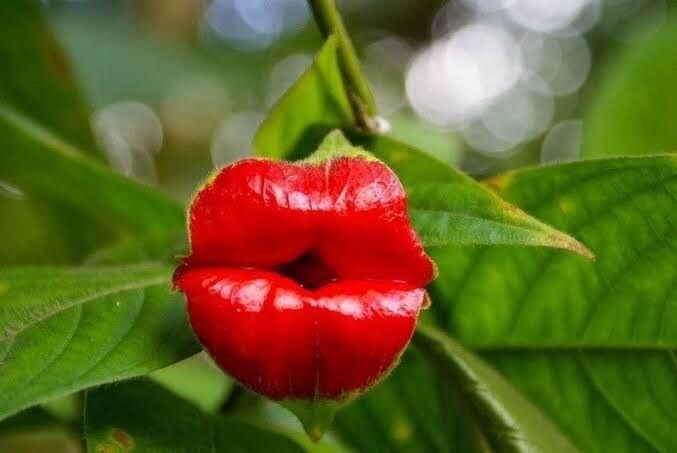
Palicourea elata, formerly Psychotria elata, commonly known as girlfriend kiss and labios de puta, is a tropical plant that ranges from Central to South American rain forests in countries such as Mexico, Costa Rica, Ecuador, Panama, and Colombia.
Palicourea elata is resistant to disease and is generally not susceptible to illnesses. With regard to care, this plant is fairly low-maintenance. Planted outdoors, it needs only light watering and larger specimens usually do not require pruning. Nevertheless, smaller plants should be trimmed after they finish blooming. Palicourea elatat is suitable for anyone with an outdoor area, such as a garden or deck, and does not call for extensive care experience.
How to keep Palicourea Elata.
Light
Palicourea elata naturally occurs in habitats like forest understories and rocky sites, where it grows in naturally shaded conditions. It prefers partial sun but is capable of tolerating both full sun and complete shade, showing that it is adaptable and hardy.
Water
Palicourea elata thrives in high humidity environments and prefers soil that is consistently moist, reflecting its tropical rainforest origins. To maintain the necessary moisture levels, it should be watered weekly. This evergreen plant is often grown indoors to better control humidity and ensure it receives enough moisture to keep its foliage vibrant throughout the year.
Temperature
Palicourea elata comes from tropical areas where the climate is generally warm and humid. Consequently, it is well suited to high temperatures and humidity. It does not tolerate abrupt temperature changes and prefers a steady thermal environment, so avoiding temperature fluctuations indoors is important. It usually cannot withstand cold temperatures and needs warmer conditions to grow. If the surrounding temperature falls too low, the plant may stop growing or even die.
Fertilizer
The best time to fertilize a Palicourea elata is in early spring, as it breaks dormancy. This encourages overall growth and flower development. Fertilization improves the foliage, stems, and branches, while encouraging large, vibrant, long-lasting flowers. It helps transfer nutrients from the roots to the flowers and boosts the plant's health and resistance to disease.
Pruning
Palicourea elata displays bright red flowers and lush green leaves. To maintain its health and encourage vibrant growth, prune the plant each year in early spring. Use clean, sharp tools to remove dead branches and improve air circulation. Aim to cut back to healthy, outward-facing buds, which will promote growth and ensure vibrant blooms all season long.
Botanical profile.
- Plant Type
- Shrub
- Life Cycle
- Perennial
- Genus
- Palicourea
- Family
- Rubiaceae
- Hardiness Zone
- 10-12
- Mature Height
- 0.91 m to 3.05 m
- Mature Spread
- 0.91 m to 2.13 m
- Leaf Color
- Dark Green, Forest Green
- Leaf Type
- Evergreen
- Flower Color
- Red
- Flower Size
- 1.02 cm to 2.03 cm
- Bloom Time
- All year round
- Planting Time
- Summer, Autumn
- Harvest Time
- All year round
- Native Area
- Colombia, Belize, Honduras, Mexico, Guatemala, Peru, Nicaragua, Ecuador, Costa Rica, Panama, Jamaica