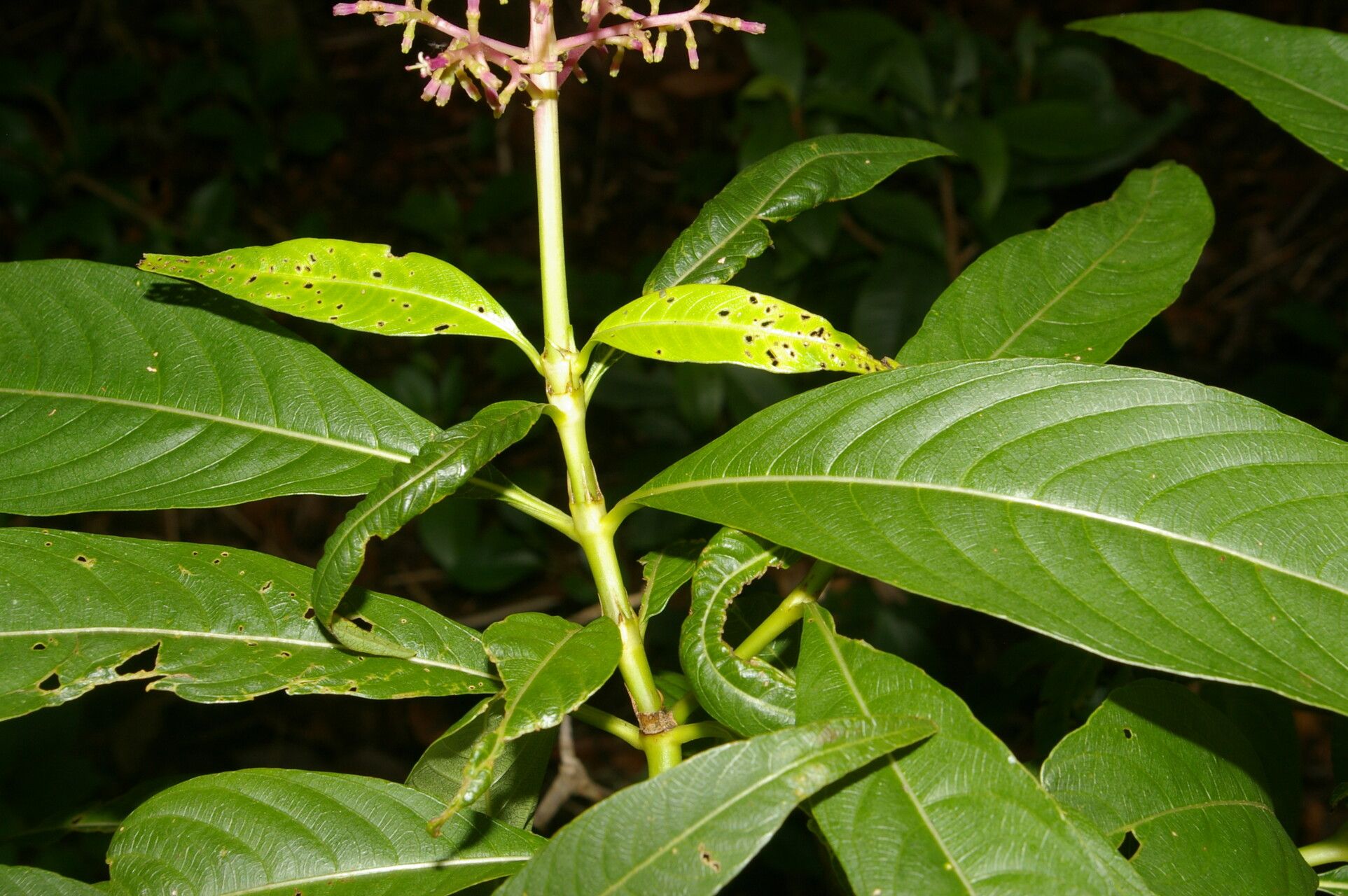
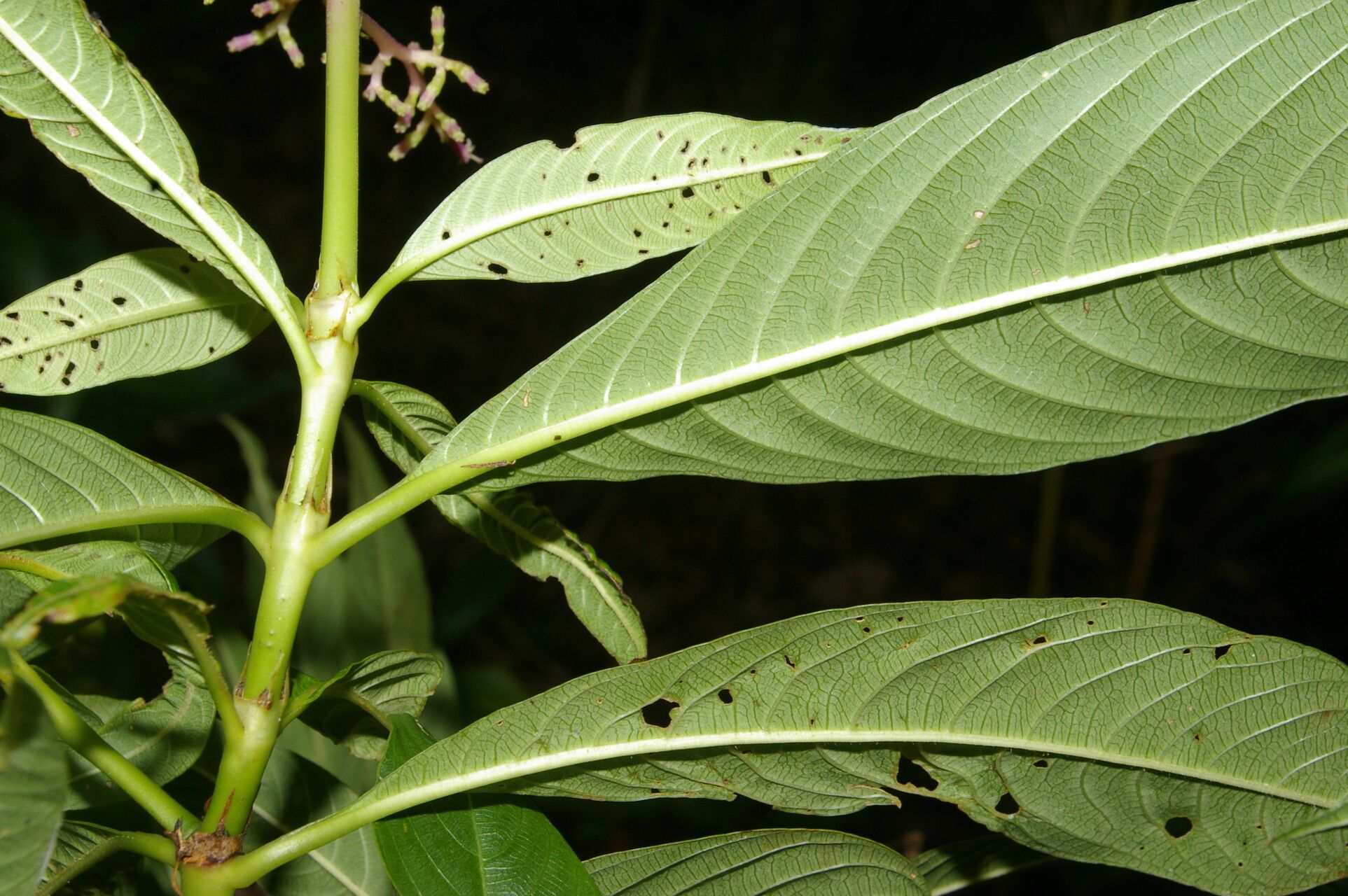
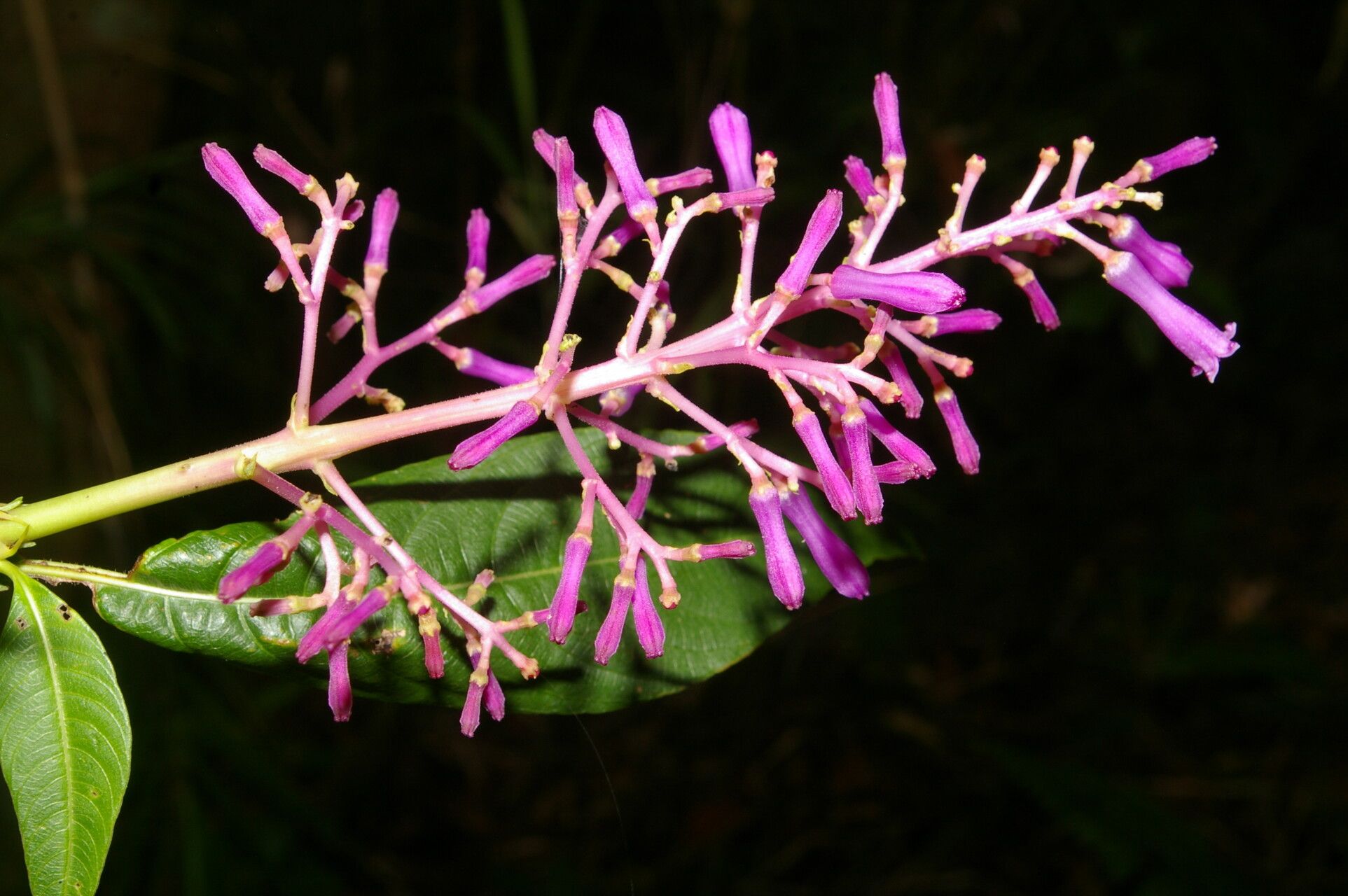
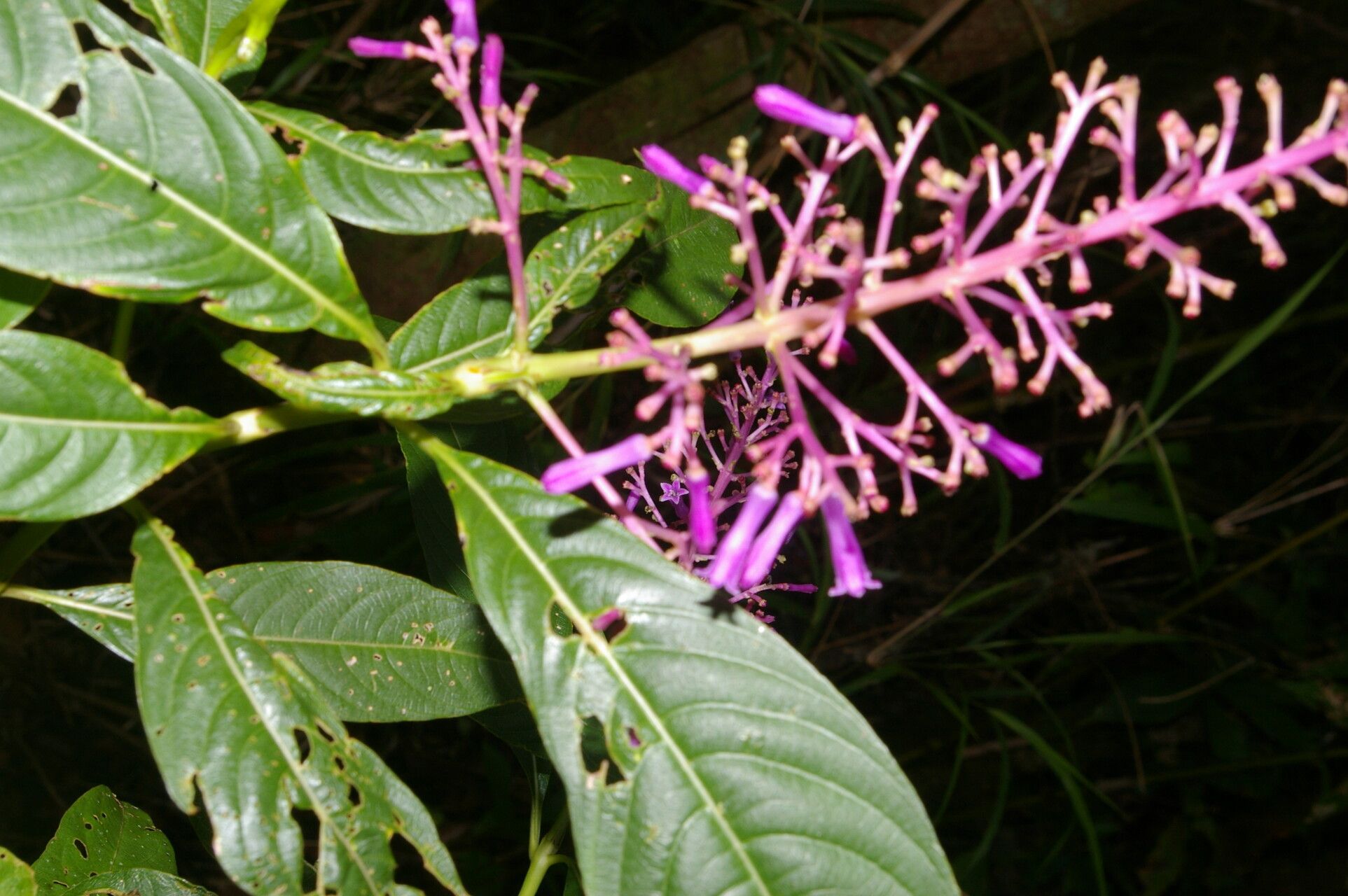
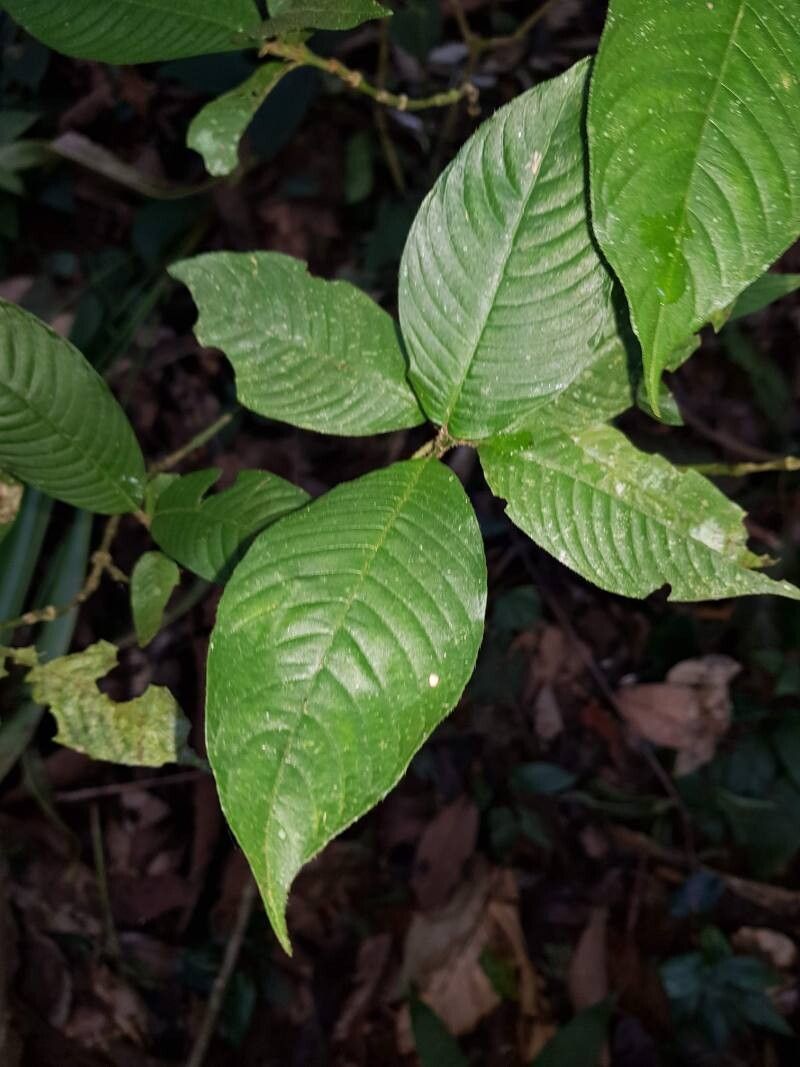
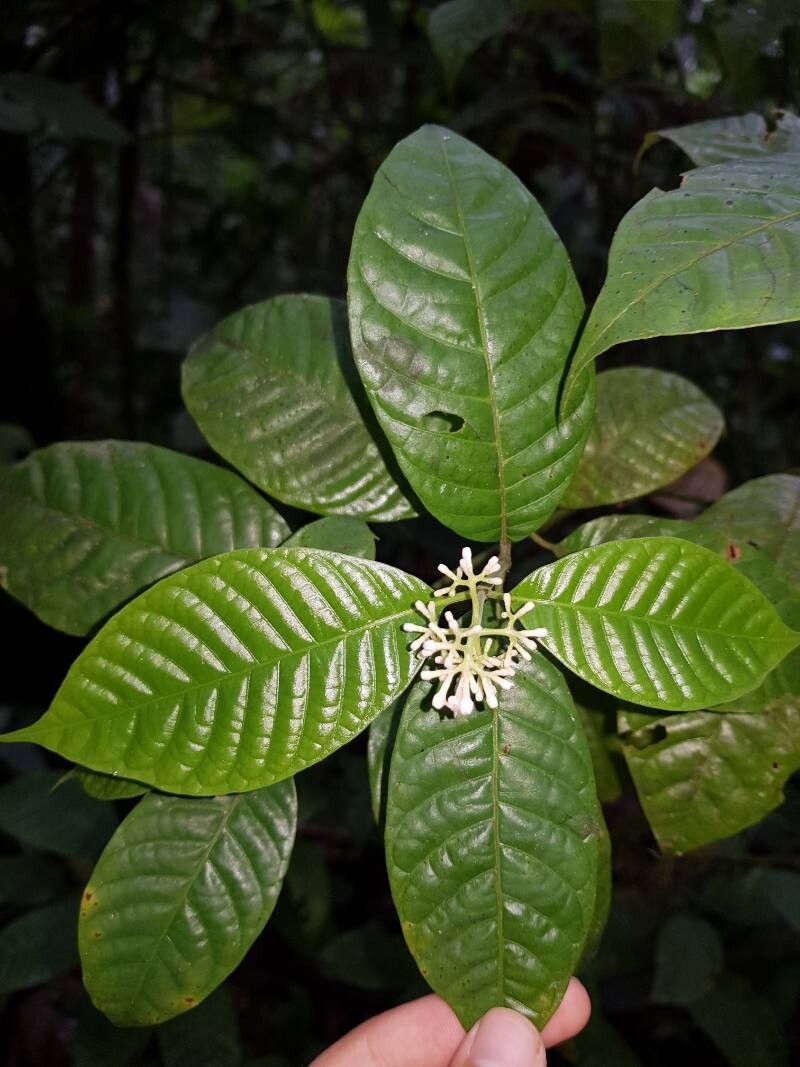
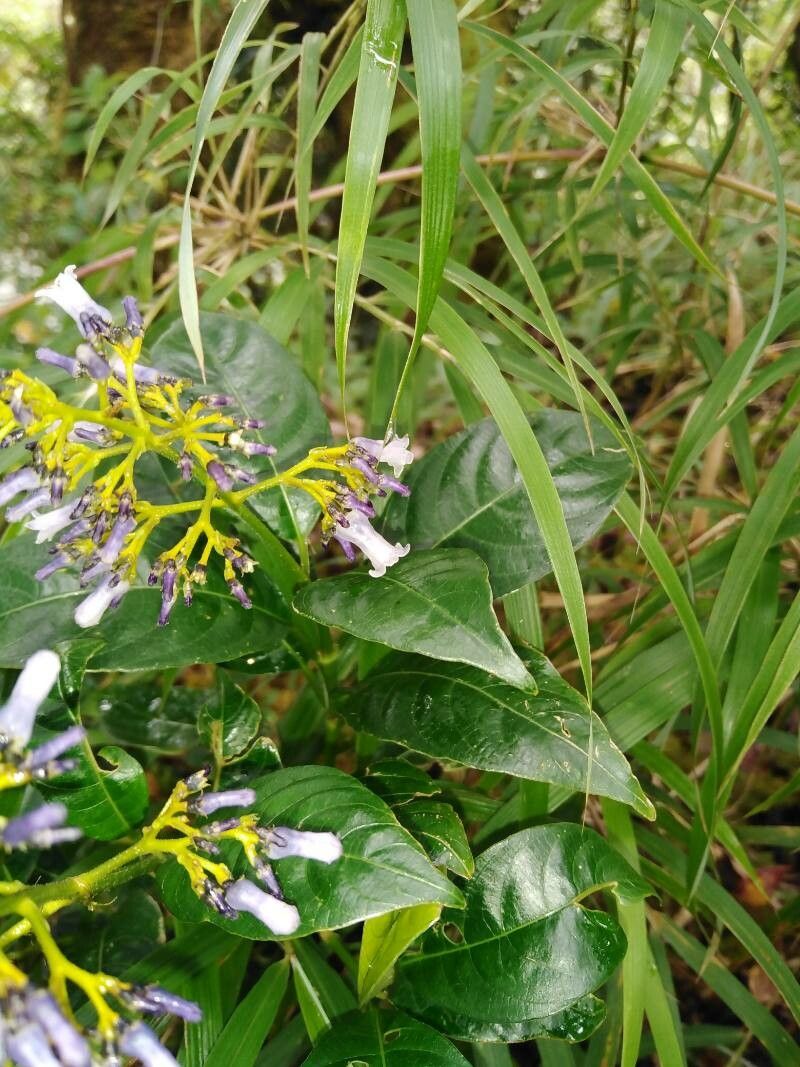
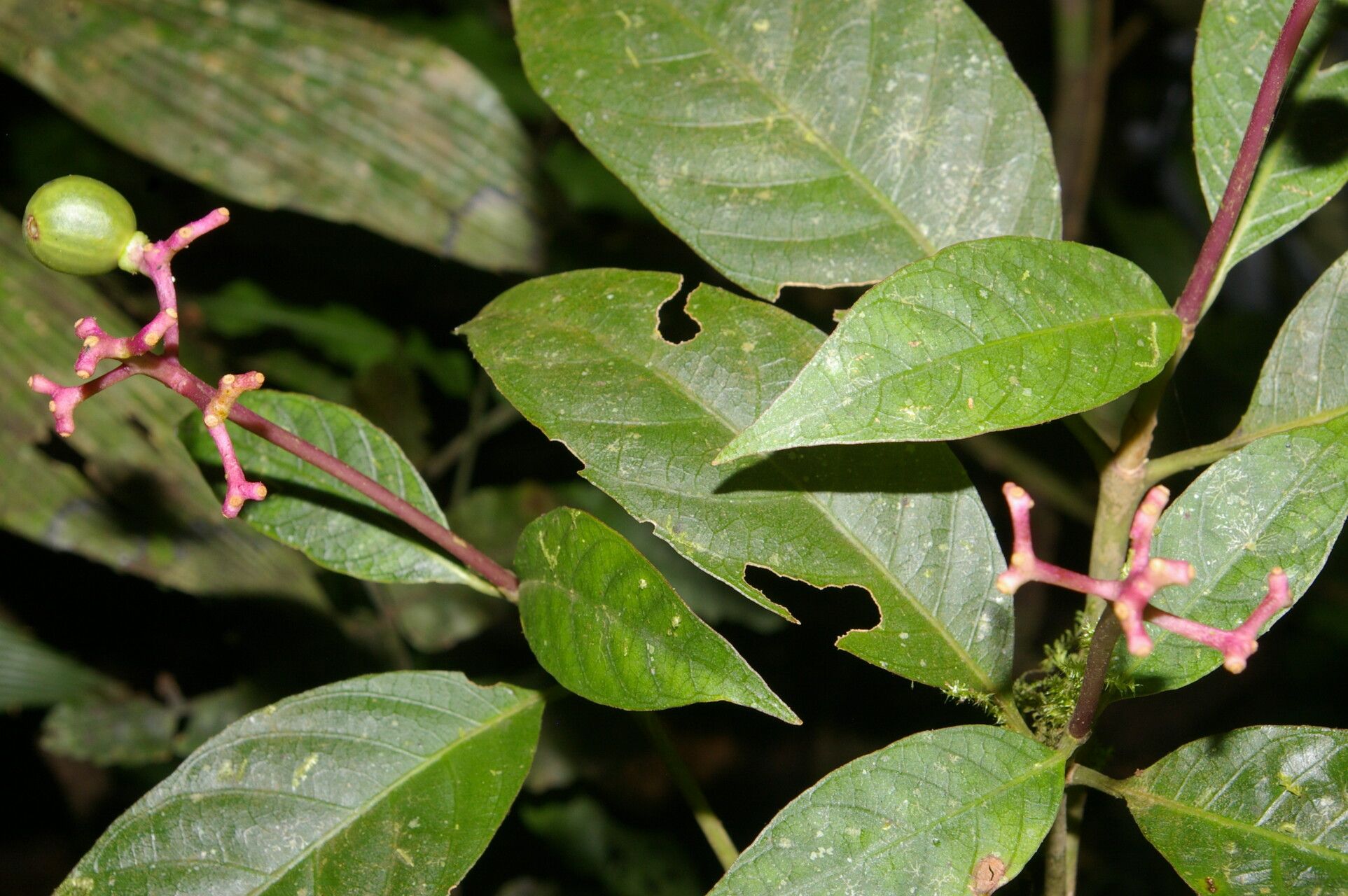
Palicourea angustifolia has strong disease resistance and is generally not susceptible to illnesses. In terms of care, this plant is fairly low maintenance. When grown outdoors, it needs minimal watering, and larger plants typically do not require pruning. Smaller plants should be pruned after they have finished blooming. Palicourea angustifoliat is appropriate for anyone with an outdoor area, like a garden or deck, and does not need extensive care experience.
How to keep Palicourea Angustifolia.
Light
Palicourea angustifolia originates from habitats like the understory of forests or stony regions where it naturally encounters shade. It thrives best under partial sunlight, yet it is capable of adjusting to complete sun or total shade, showcasing its adaptability and resilient characteristics.
Temperature
The plant, Palicourea angustifolia, is native to tropical regions that typically have hot and moist climates. This means it is well-suited for environments with high temperatures and humidity. Abrupt changes in temperature are not favorable for this plant and it thrives best in areas with consistent thermal conditions, indicating that indoor temperature changes should be kept to a minimum. The plant generally does not withstand cold well and necessitates higher temperatures to grow properly. An excessive drop in the surrounding temperature could result in the plant halting its growth or even perishing.
Fertilizer
The optimal period to fertilize a Palicourea angustifolia is at the beginning of spring, as it wakes up from its dormant state. This increases growth overall and fosters flower formation. Fertilization improves the leaves, stems, and branches, while encouraging the development of big, lively, and enduring blossoms. It assists in conveying nutrients from the roots to the flowers, boosting the plant's health and its ability to resist diseases.
Pruning
Palicourea angustifolia benefits greatly from pruning in early spring, which encourages robust growth and flowering. The main techniques include removing dead branches, thinning the plant for better air circulation, and shaping it for improved aesthetics. These practices not only enhance the plant's health but also help control its size. Trusted sources recommend these methods for achieving optimal growth.
Botanical profile.
- Plant Type
- Shrub
- Life Cycle
- Perennial
- Genus
- Palicourea
- Family
- Rubiaceae
- Hardiness Zone
- 10-12
- Mature Height
- 0.91 m to 3.05 m
- Mature Spread
- 0.91 m to 2.13 m
- Leaf Color
- Forest Green, Dark Green
- Leaf Type
- Evergreen
- Flower Size
- 1.02 cm to 1.52 cm
- Bloom Time
- All year round
- Planting Time
- Spring, Summer, Autumn
- Harvest Time
- All year round
- Native Area
- Colombia, Venezuela, Peru, Ecuador, Costa Rica, Panama