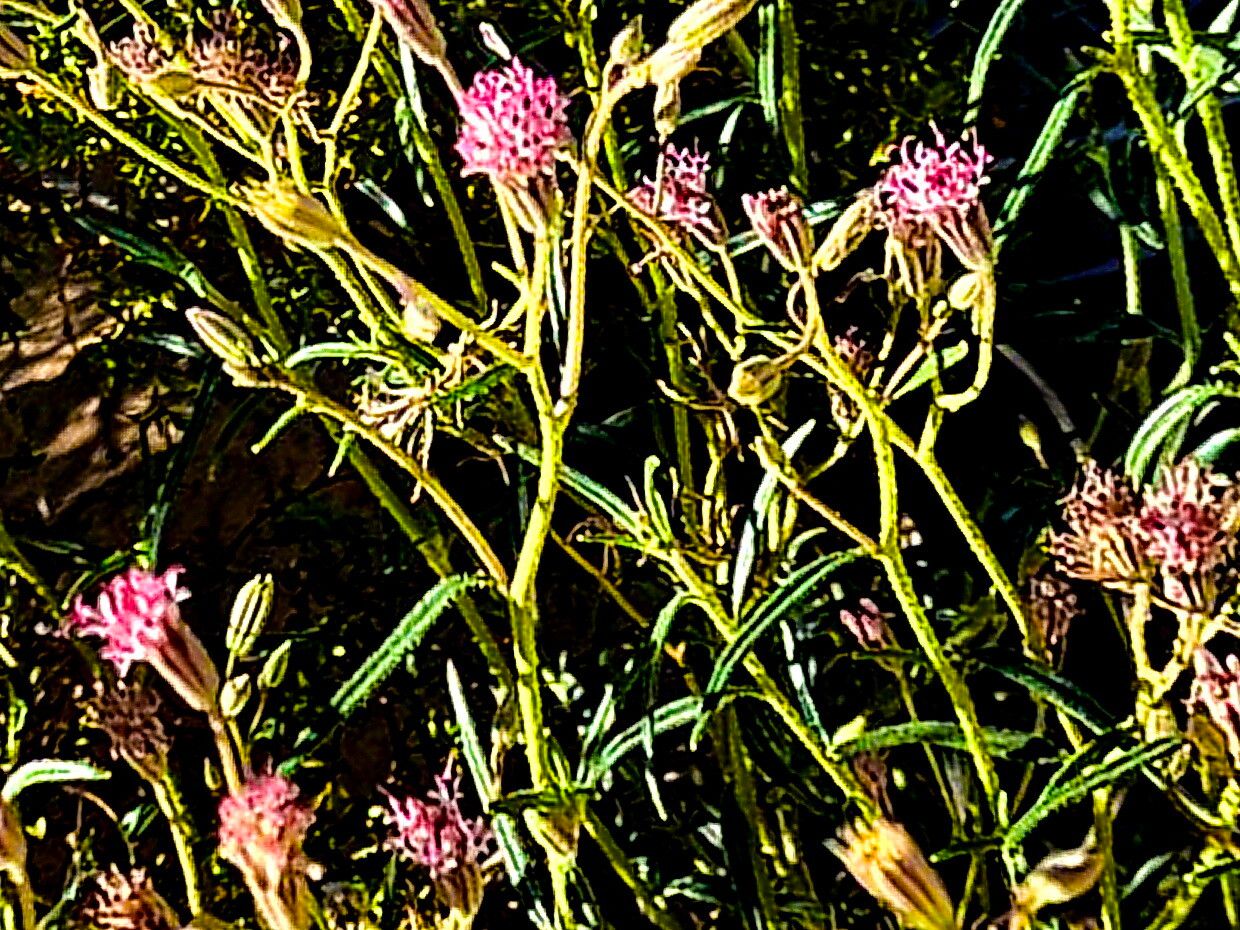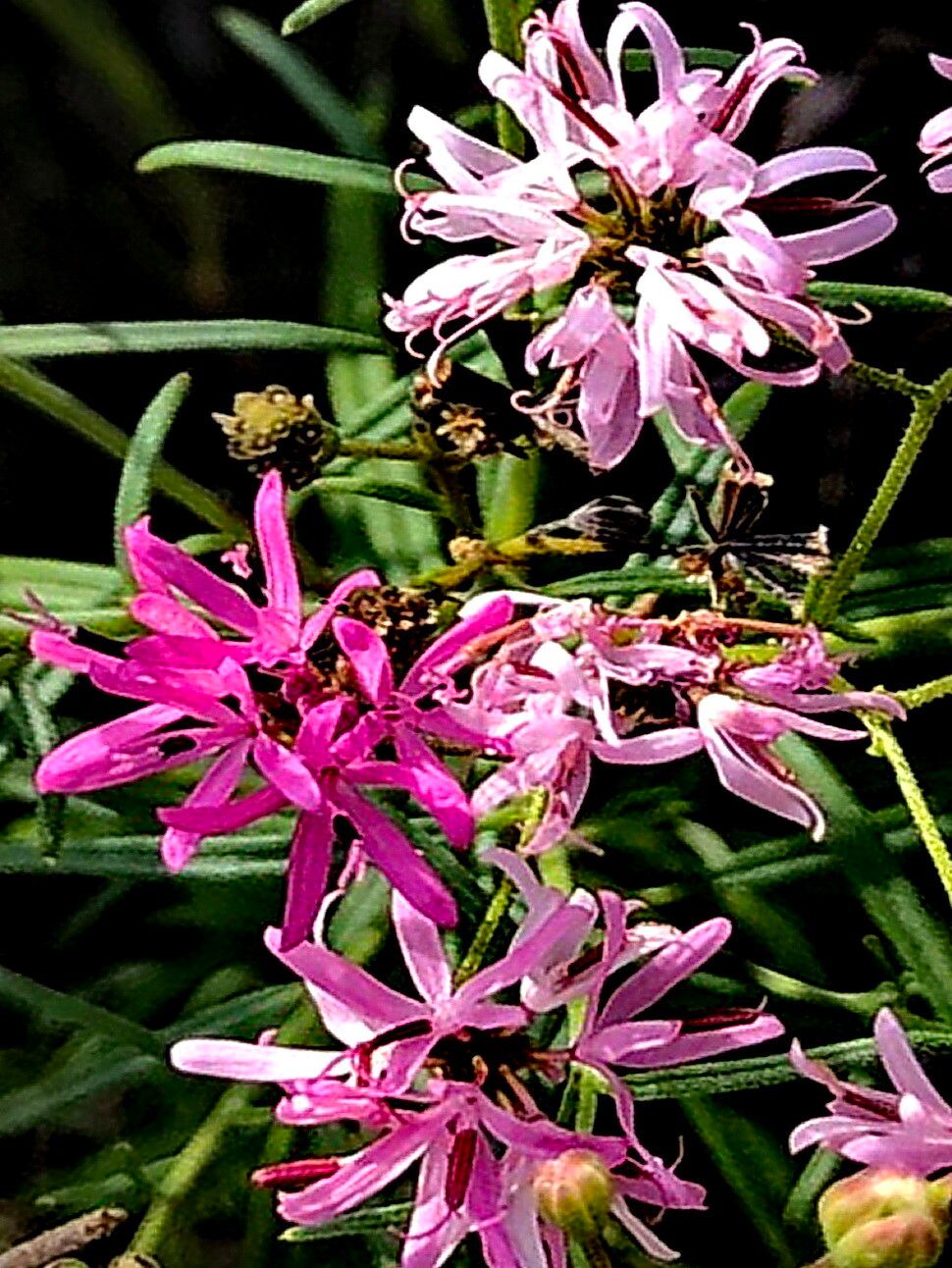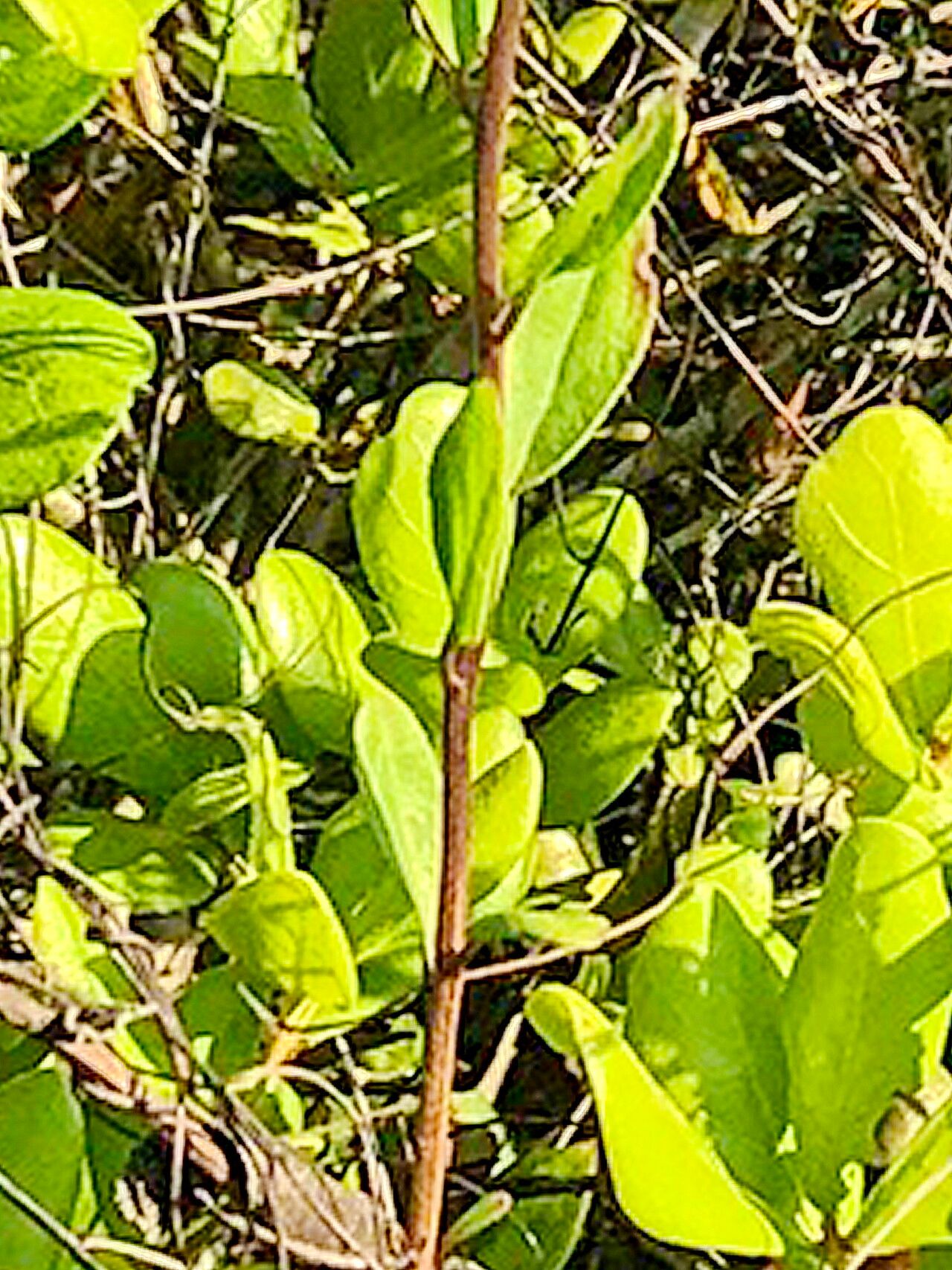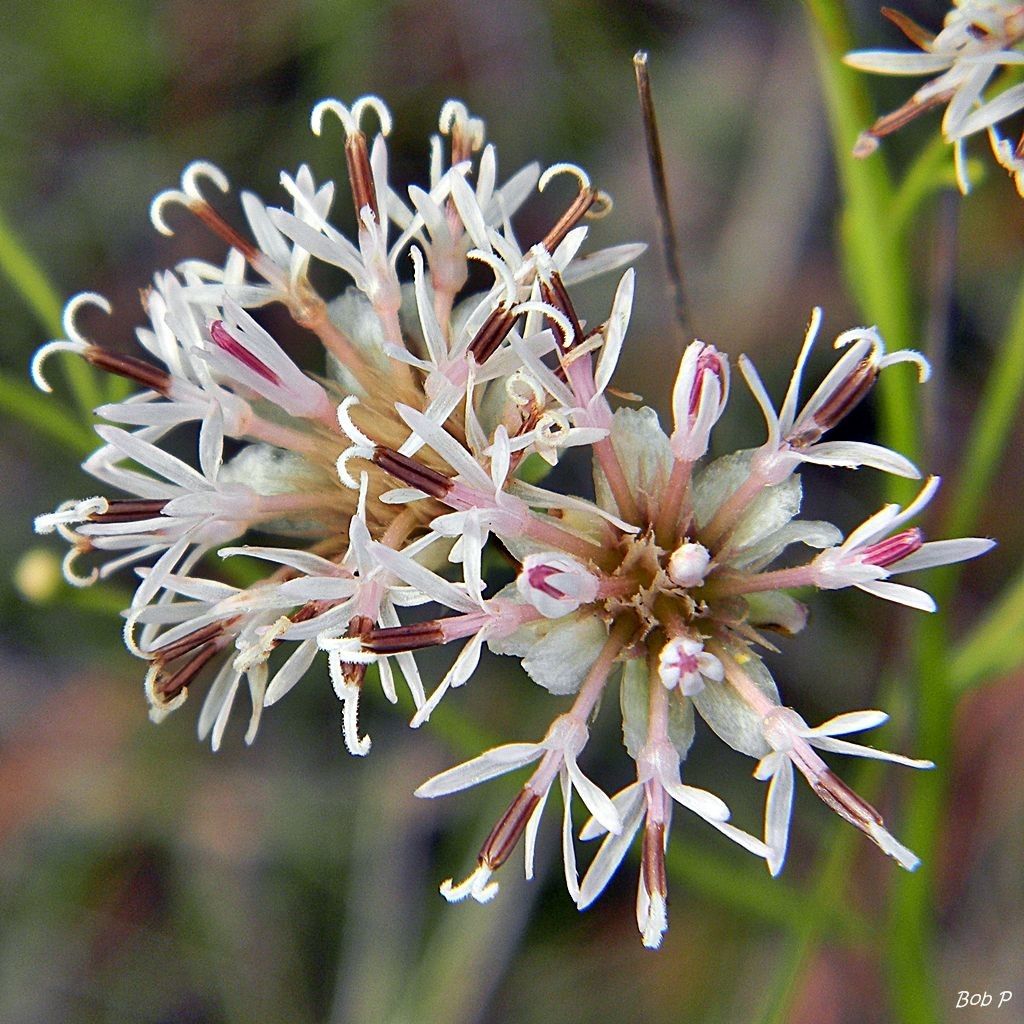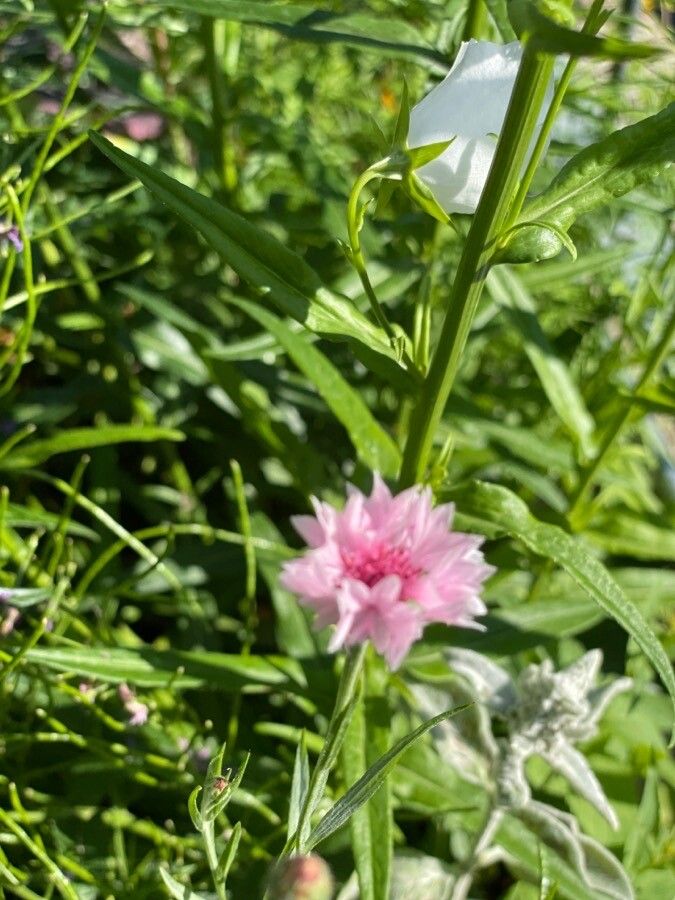
Sand palafox has strong resistance to disease and is typically not vulnerable to illnesses. That said, it can be affected by pests and diseases present in its environment. These problems are generally mild. Regarding maintenance, this plant needs a moderate level of care. It should be pruned on a regular basis to preserve an attractive appearance and healthy growth. Applying fertilizer can also encourage blooming. Sand palafox is appropriate for anyone with outdoor areas like a garden or patio and does not demand extensive gardening experience. It may need more attention if kept indoors.
How to keep Palafoxia Hookeriana.
Light
Sand palafox comes from bright, open habitats and thrives in full sun. It can tolerate partial sun but favors direct sunlight for optimal growth. This annual or biennial plant is recognized for its sun-loving nature.
Water
Sand palafox thrives in arid climates due to its remarkable drought tolerance. It only requires weekly watering, which makes it easy to care for. As a plant native to deserts, sand palafox can endure temperature fluctuations and low rainfall, making it perfect for xeriscaping.
Temperature
Sand palafox can tolerate a wide range of temperature conditions, but its distribution may still be restricted by various combinations of water and heat. It grows best in warm summer climates with adequate rainfall or watering. Extended periods of cloudy, rainy weather, as well as sustained high temperatures, can raise the likelihood of Sand palafox dying. In winter, proper protection against cold can increase the plant’s survival rate.
Fertilizer
When most of Sand palafox's blooms have opened to full size, resume fertilizing. At the peak of bloom production, apply fertilizer once every three to four weeks, weather permitting. Then, when Sand palafox begins to produce fewer new blooms, stop fertilizing; there is no need to feed the plant once it can no longer produce additional blooms.
Pruning
Sand palafox benefits greatly from pruning in early to late spring, which encourages bushier growth and more abundant blooms. To maintain the plant's health, remove any dead parts to improve airflow and minimize the risk of disease. Be sure to sterilize your tools before pruning to prevent the spread of pathogens. This will help ensure that your sand palafox remains healthy and vibrant throughout its growing season.
Botanical profile.
- Plant Type
- Herb
- Life Cycle
- Annual
- Genus
- Palafoxia
- Family
- Asteraceae
- Hardiness Zone
- 8-11
- Mature Height
- 0.4 m to 1.07 m
- Mature Spread
- 20 cm to 40 cm
- Leaf Color
- Green
- Leaf Type
- Semi-evergreen
- Flower Color
- Pink
- Flower Size
- 1.27 cm
- Bloom Time
- Summer
- Planting Time
- Spring, Summer, Autumn
- Harvest Time
- Late summer, Early fall, Mid fall
Other names.
Reader questions.
What are the sunlight requirements for Sand palafox?
Sand palafox, known botanically as Palafoxia hookeriana, thrives in environments with bright, open spaces. It requires full sun, defined as over 6 hours of sunlight a day, for optimal growth but can also tolerate partial sun, which amounts to about 3-6 hours of sunlight. Despite its ability to adapt to different lighting conditions, Sand palafox prefers direct sunlight to ensure healthy development. It's essential to watch how sunlight moves through your garden to choose spots that offer a good balance of light and shade, aiding in the plant's overall happiness and growth.
How can artificial lighting support Sand palafox growth indoors?
When growing Sand palafox indoors where natural sunlight may be insufficient, artificial lighting can be a valuable solution to support its growth. Indoor plants require adequate lighting for optimal development, and during periods like winter or in less sunny spaces, artificial lights can promote healthier, faster growth. LED lights are recommended for their ability to provide specific wavelengths needed by plants. The intensity and duration of artificial light should mimic natural conditions as closely as possible; full sun plants need 30-50W/sq ft, partial sun plants need 20-30W/sq ft, and the light source should be placed 12-36 inches above the plant for 8-12 hours per day, ensuring they receive the necessary amount of light for healthy growth.
What are common symptoms of light deficiency in Sand palafox?
When Sand palafox does not receive enough light, especially when cultivated indoors, it may exhibit several symptoms indicative of light deficiency. These include smaller new leaves, leggy or sparse growth, faster leaf drop, slower or halted growth, and leaves that are lighter in color or suffer from chlorosis - a condition where leaves lose their green color and turn yellow. Additionally, when the plant is overexposed to sunlight, it could experience sunscald, leaf curling, wilting, or leaf scorching, each symptom reflecting the plant's struggle to adapt to inadequate or excessive light conditions.
How can you remedy light deficiency or excess sunlight exposure for Sand palafox?
Addressing light deficiency in Sand palafox involves gradually increasing its exposure to sunlight if the plant is kept indoors by either moving it closer to a south-facing window or using artificial lights for at least 8 hours daily. If the plant is large, utilizing desk, ceiling lamps, or investing in grow lights can help. For outdoor plants, similarly, gradually relocating them to sunnier spots each week is advisable. To prevent issues from excessive sunlight, take steps to reduce obstructions like pruning obstructive branches. For smaller plants, consider transplanting them during their dormant period to areas with better sunlight access and drainage. Note that parts of the plant damaged by insufficient light may not recover, but providing adequate light moving forward will result in healthy new growth.