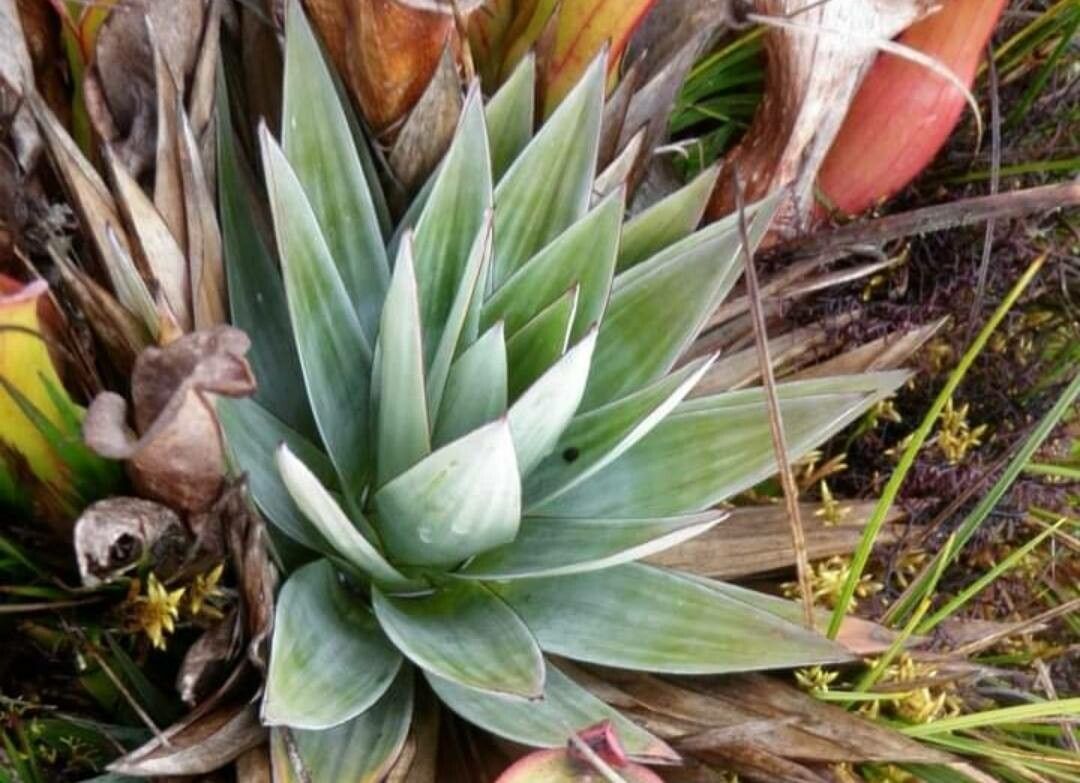
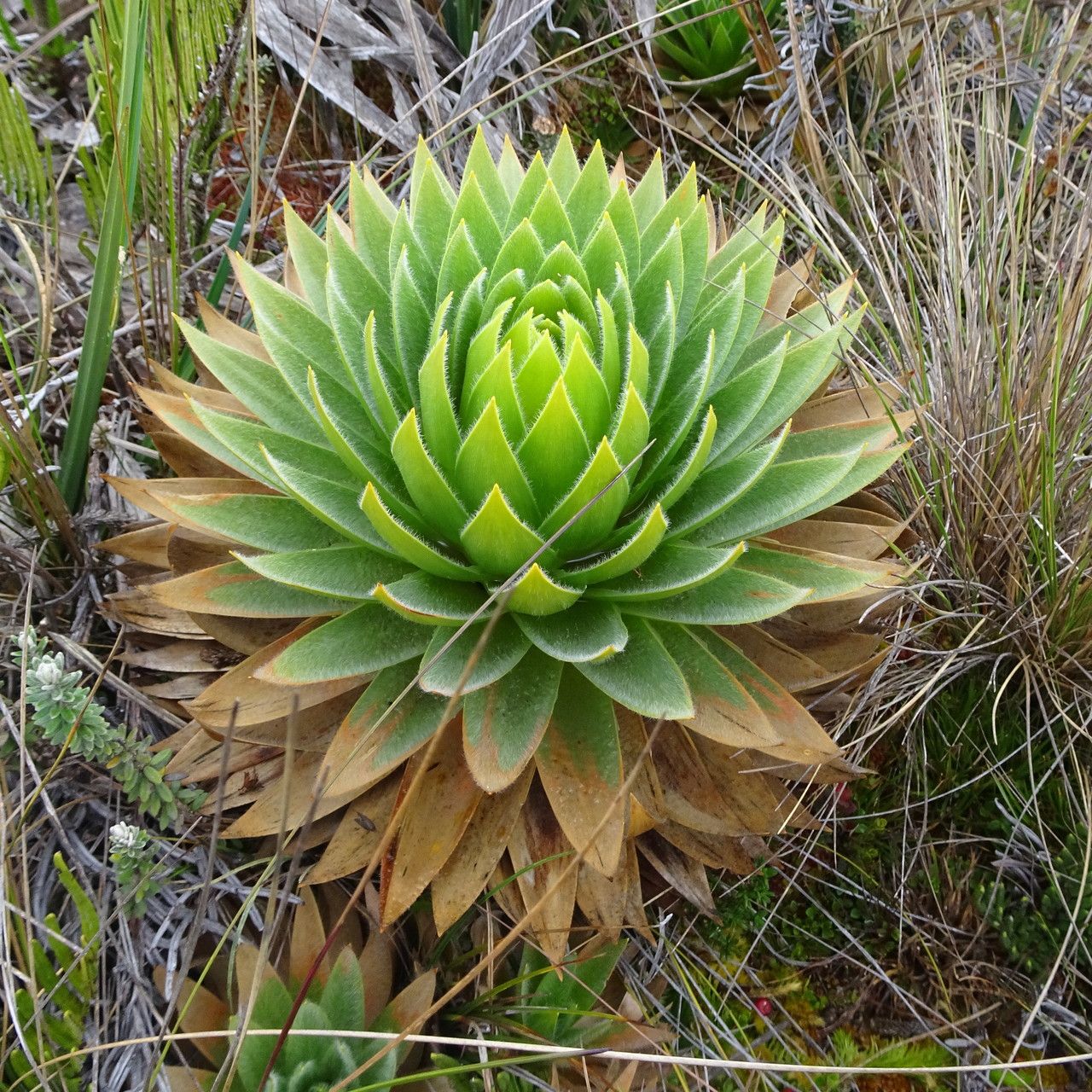
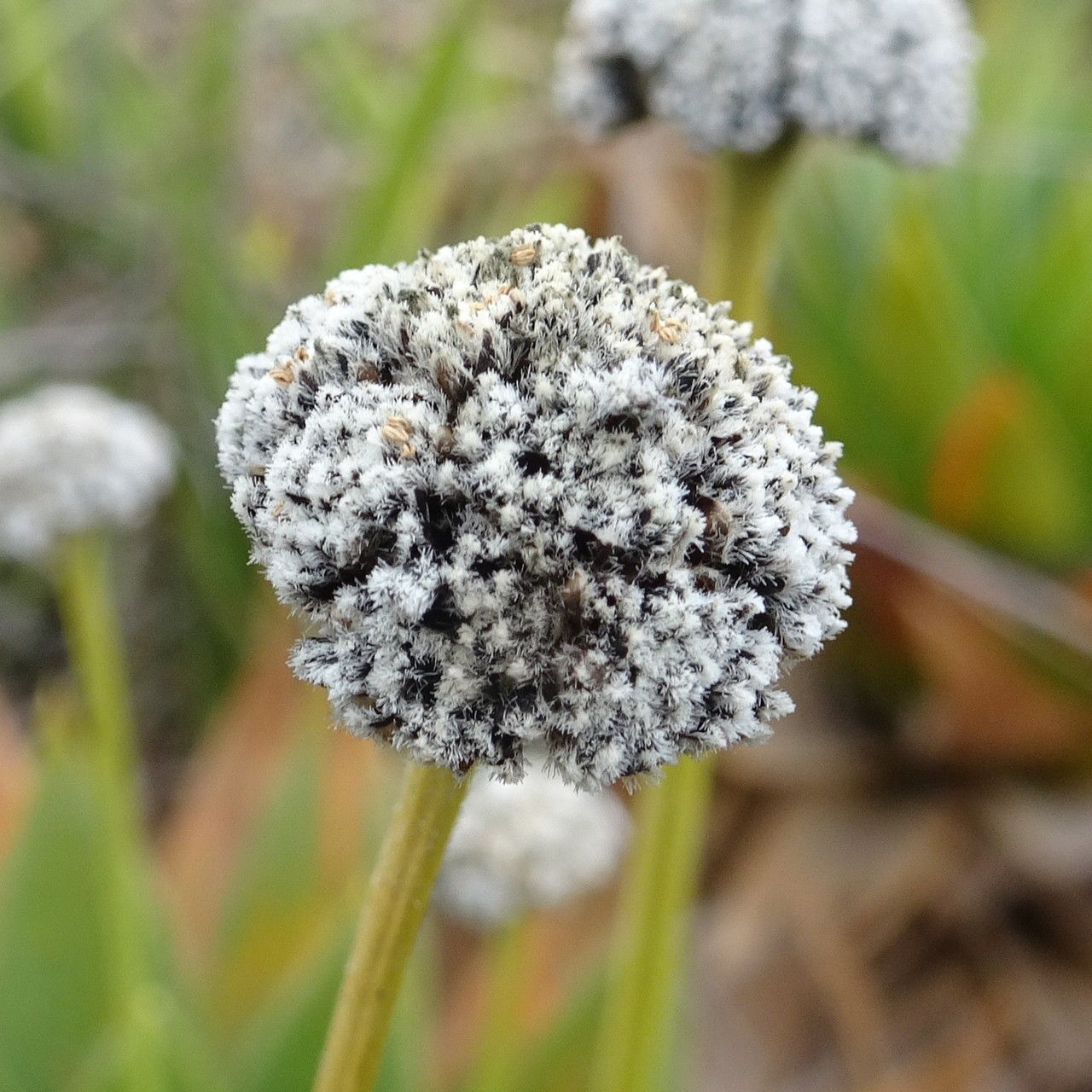
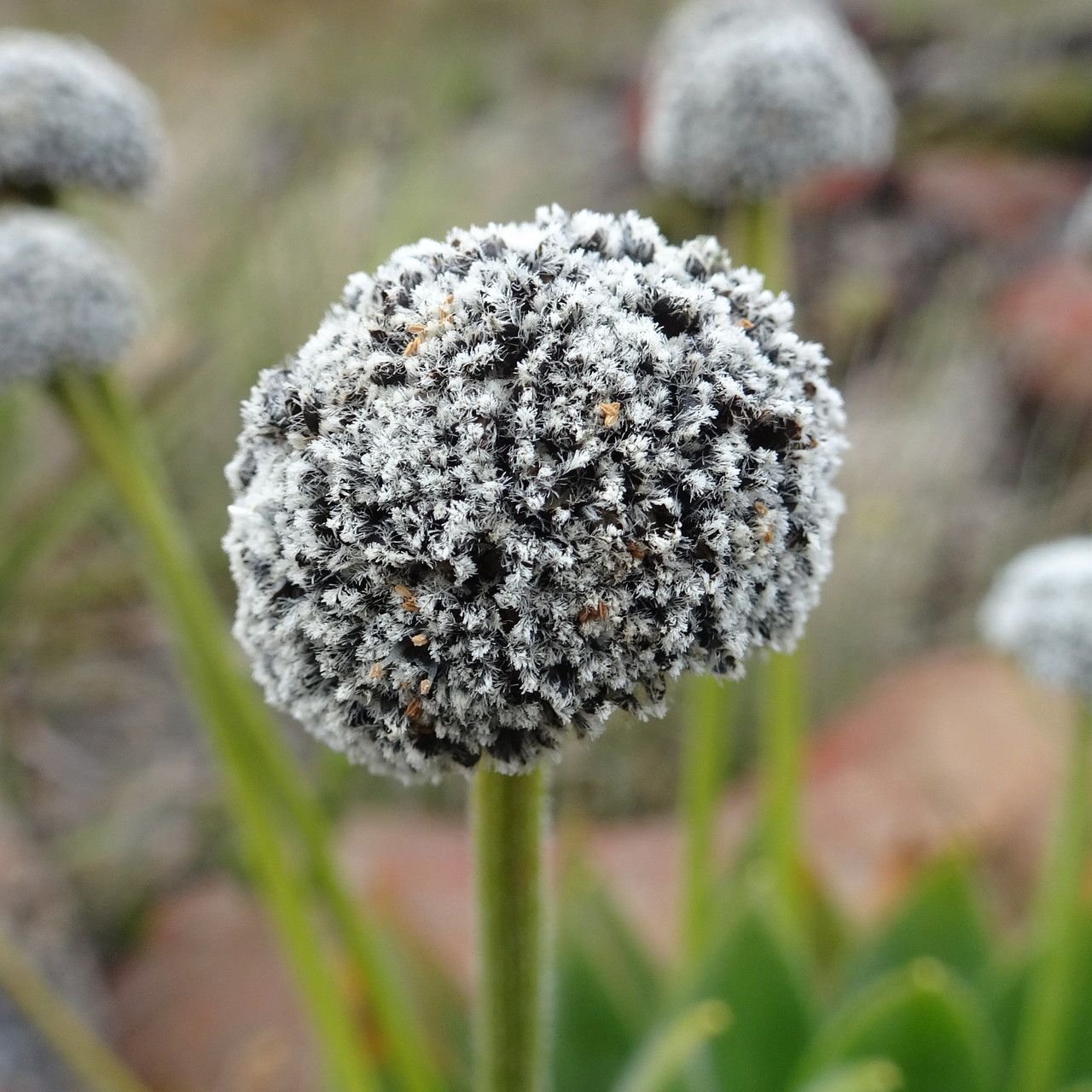
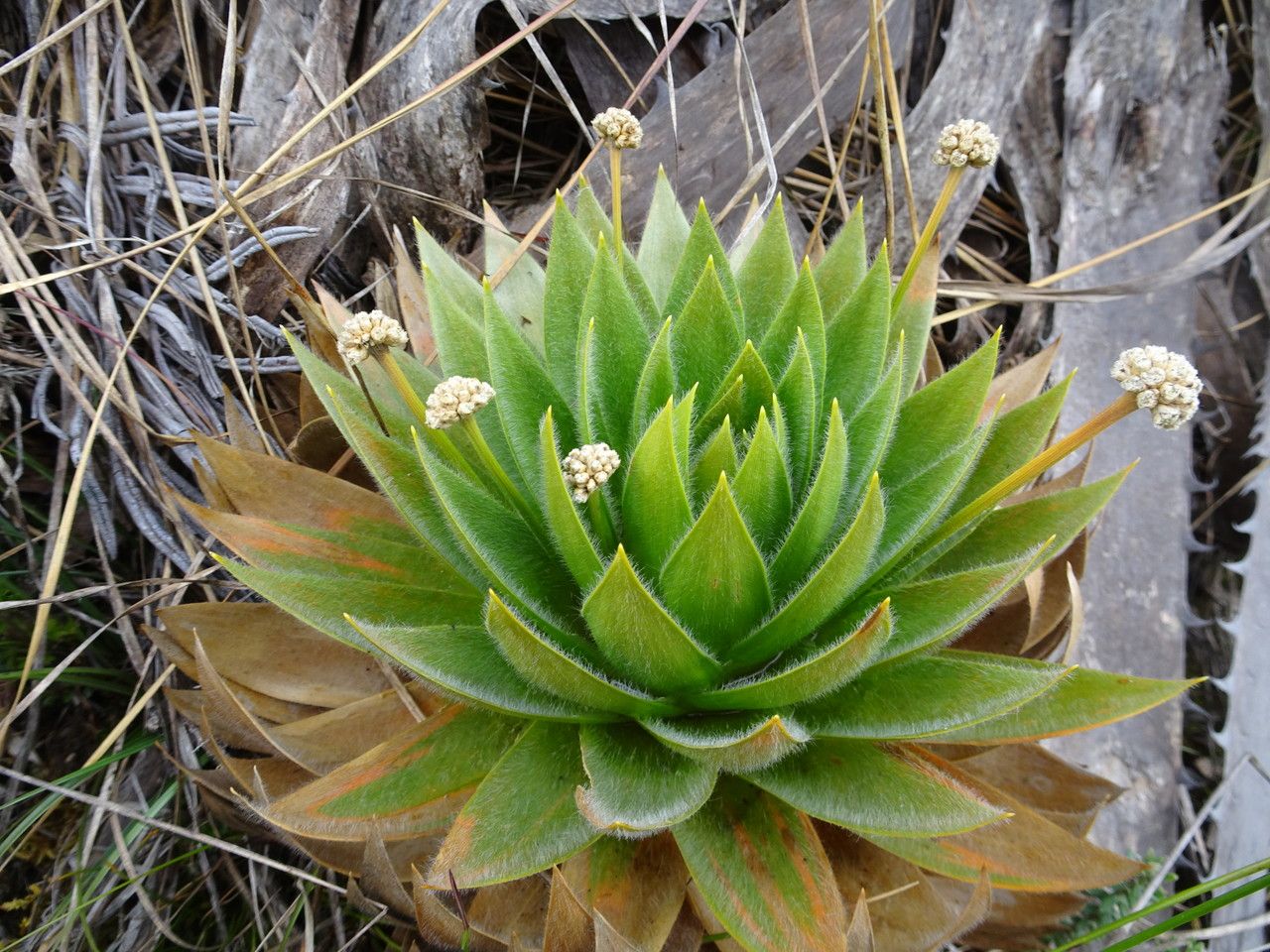
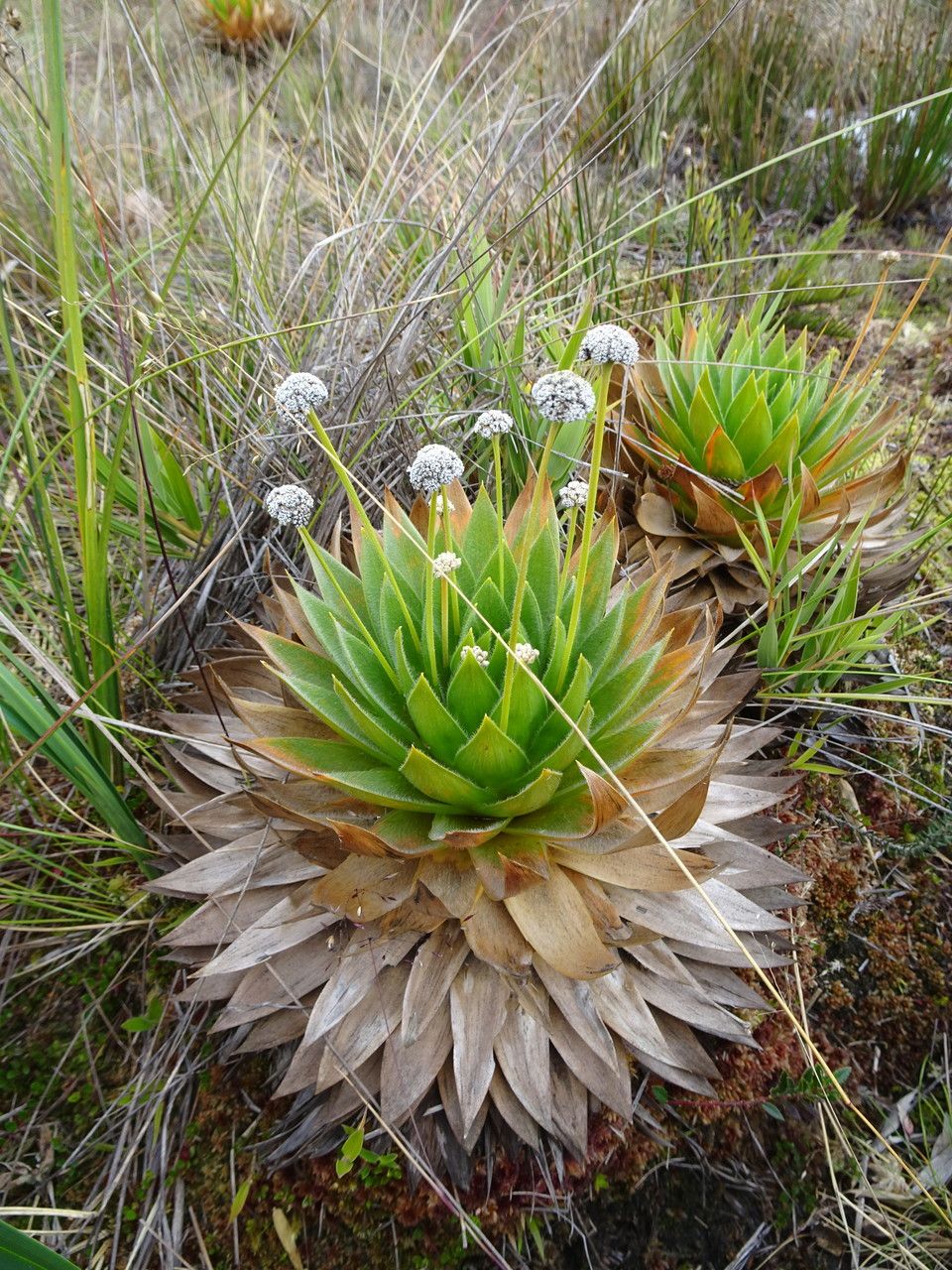
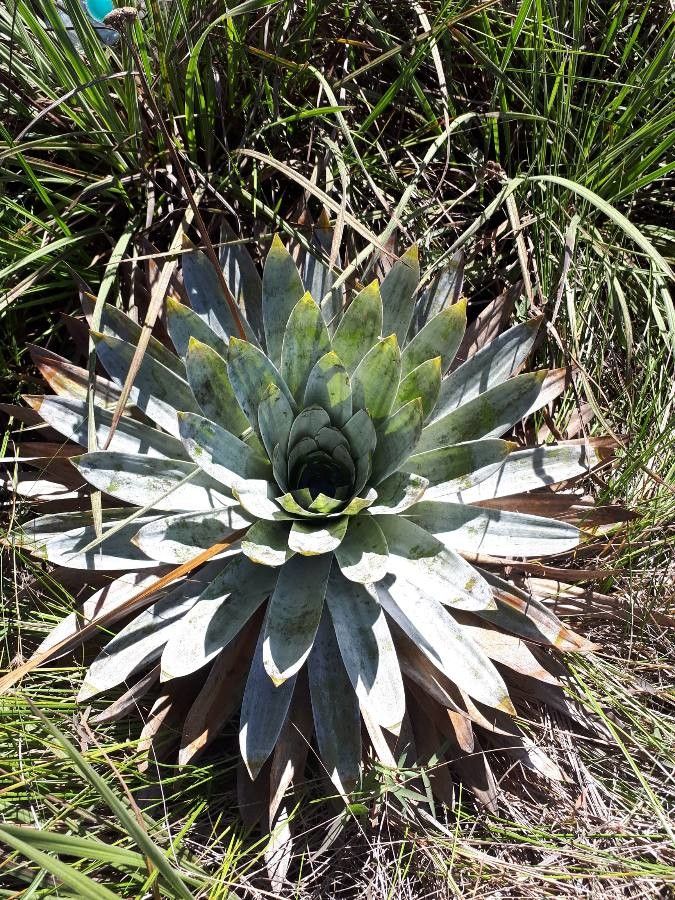
Star of the Paramo has strong disease resistance and is generally not susceptible to diseases. Regarding care, this plant is fairly low maintenance. When grown outdoors it needs only minimal watering, and larger plants typically do not require pruning. Smaller plants, however, should be pruned after they have finished blooming. Star of the Paramot is suitable for anyone with outdoor space, such as a garden or deck, and does not demand extensive plant-care experience.
How to keep Paepalanthus Alpinus.
Light
Star of the Paramo is found naturally in settings like forest understories and rocky sites, where it receives natural shade. It prefers partial sun but can tolerate both full sun and deep shade, showing its adaptable and hardy character.
Water
Originating from high-altitude environments, the star of the Paramo is moderately drought-tolerant and thrives best with balanced moisture. When cultivating this plant, it should be watered weekly. As an alpine plant, it has adapted to maximize water uptake during brief summer rains, efficiently preparing itself for harsher conditions.
Fertilizer
Star of the Paramo needs extra nutrients to encourage healthy new growth. In spring, adding some compost around the base of the plant will effectively provide the nutrition it requires. Fertilizing supports vigorous growth and helps the plant resist diseases and pests.
Pruning
"Star of the Paramo is known for its vibrant, star-shaped blooms and requires minimal pruning. To promote better growth and airflow, it's important to remove dead foliage and spent flowers in early spring. Using clean tools can help prevent infections, enhancing both flowering and the plant's overall aesthetic appeal."
Botanical profile.
- Plant Type
- Grass
- Life Cycle
- Perennial
- Genus
- Paepalanthus
- Family
- Eriocaulaceae
- Hardiness Zone
- 9-11
- Mature Height
- 10 cm to 30 cm
- Mature Spread
- 5 cm to 15 cm
- Leaf Color
- Light Green, Olive Drab
- Leaf Type
- Semi-evergreen
- Flower Color
- White
- Flower Size
- 0.51 cm to 1.02 cm
- Bloom Time
- Late spring, Early summer, Mid summer
- Planting Time
- Spring, Summer, Autumn
- Harvest Time
- Mid summer, Late summer, Early fall
- Native Area
- Colombia, Venezuela
Reader questions.
What are the sunlight requirements for Star of the Paramo?
Star of the Paramo thrives in partial sun, requiring about 3-6 hours of sunlight per day. However, it can also tolerate full shade, where it receives less than 3 hours of sunlight daily. It's important to monitor the sunlight movement in your garden to ensure that the plants get the ideal balance of light and shade for optimal growth.
What essential conditions are needed for the Star of the Paramo?
Native to environments like forest understories or rocky areas, the Star of the Paramo prefers partial sun but is adaptable enough to endure full shade. This versatility makes it an excellent perennial herbaceous plant for various garden spots. For indoor plants lacking sufficient natural sunlight, artificial lighting, particularly LED lights, can provide necessary wavelengths. Full sun plants require 30-50W/sq ft, partial sun plants need 20-30W/sq ft, and full shade plants should have 10-20W/sq ft of artificial light. It's essential to place these lights 12-36 inches above the plant and keep them on for 8-12 hours daily to mimic natural sunlight conditions.
What are the symptoms of insufficient light for Star of the Paramo?
Indoor Star of the Paramo plants might show signs of light deficiency that include smaller new leaves, leggy or sparse growth, faster leaf drop, delayed or halted growth, and leaves becoming lighter or showing signs of chlorosis. Excessive sunlight can cause symptoms like sunscald, leaf curling, wilting, leaf scorching, and even chlorosis from the breakdown of chlorophyll. These signs indicate that the plant's exposure to light should be adjusted for better health.
What solutions can mitigate the symptoms of insufficient or excessive light for Star of the Paramo?
To address insufficient light, gradually increase the plant's exposure to sunlight or use artificial light sources. Moving plants to sunnier locations each week can help them adapt without causing sunburn. If direct sunlight adjustments are not feasible, especially for indoor plants, consider artificial lighting solutions, ensuring they're on for at least 8 hours a day. For symptoms of excessive sunlight, reducing obstructions, like pruning trees, to improve light quality or transplanting the plant during its dormant period to a location with better sunlight conditions and drainage can be beneficial. Remember, though, that parts of the plant damaged by poor light conditions may not recover, but new growth should be healthy with proper care.