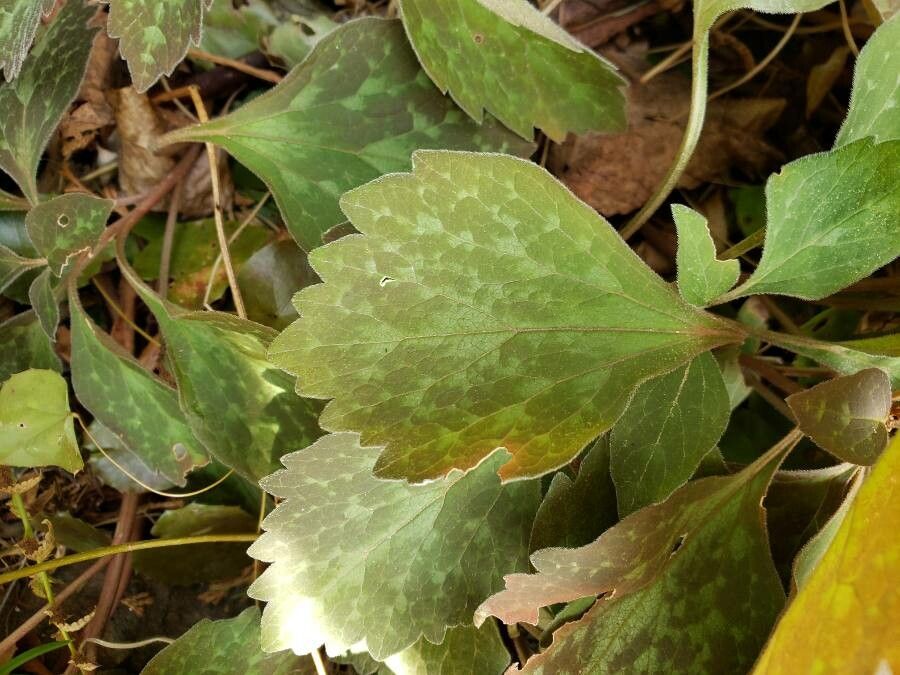
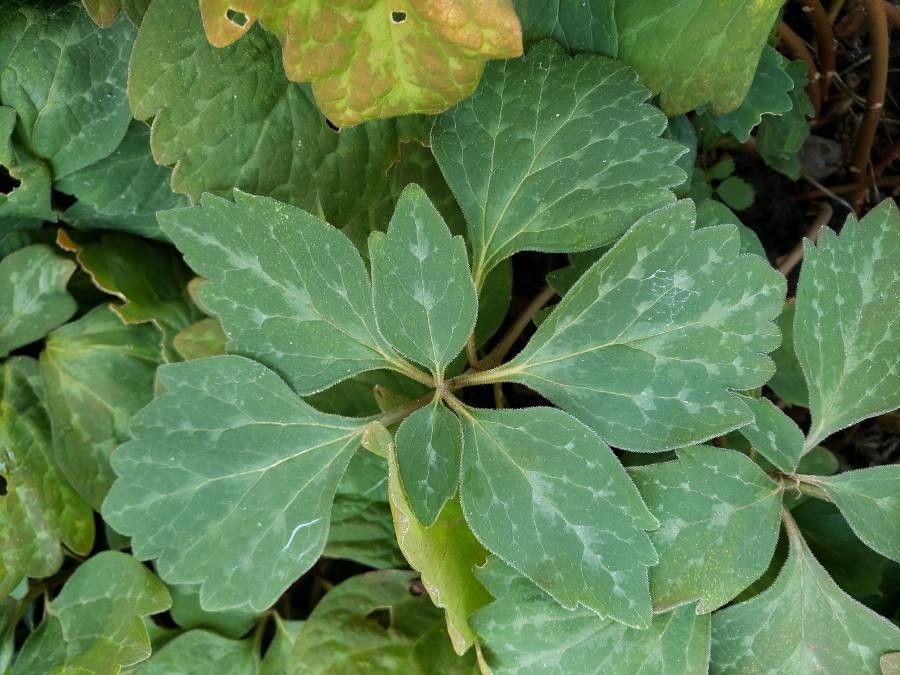
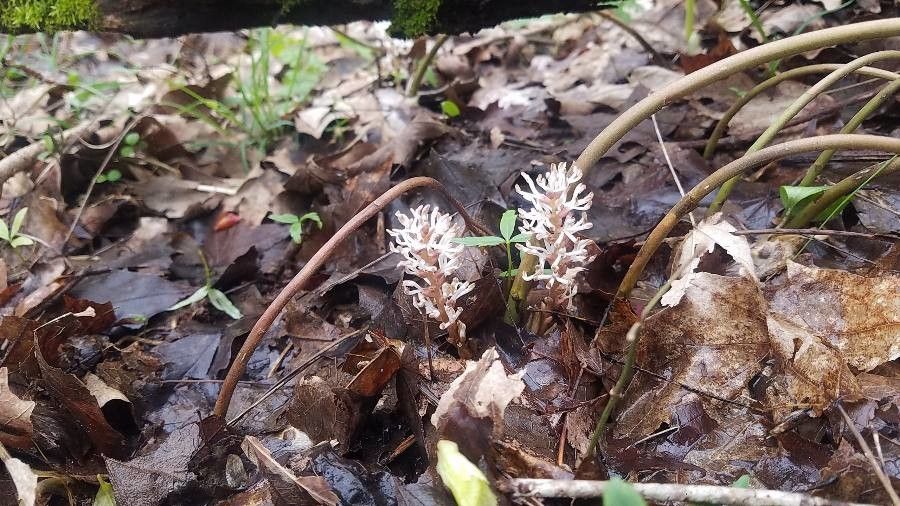
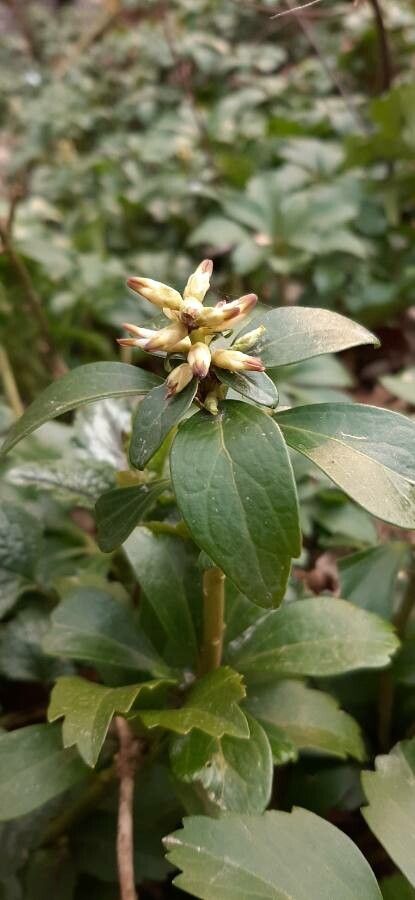
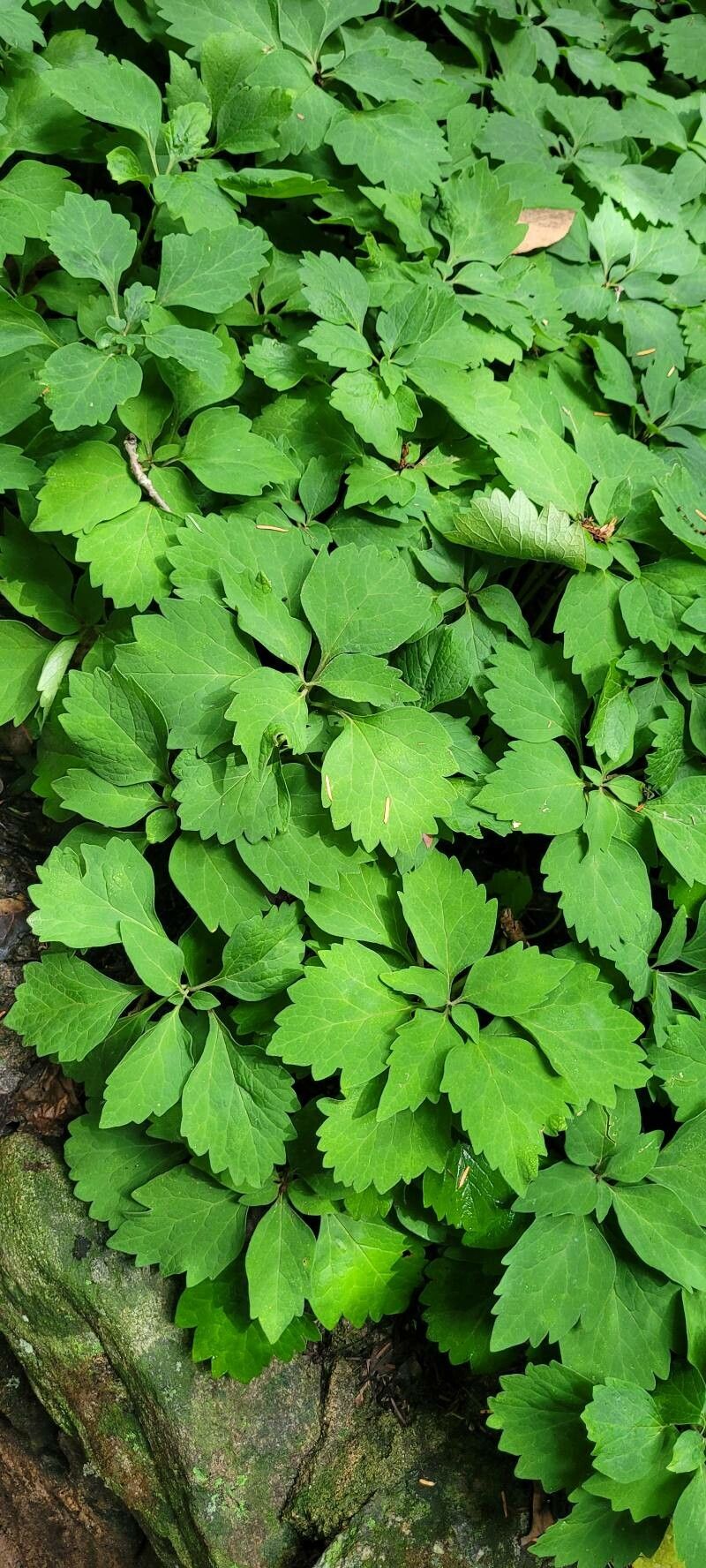
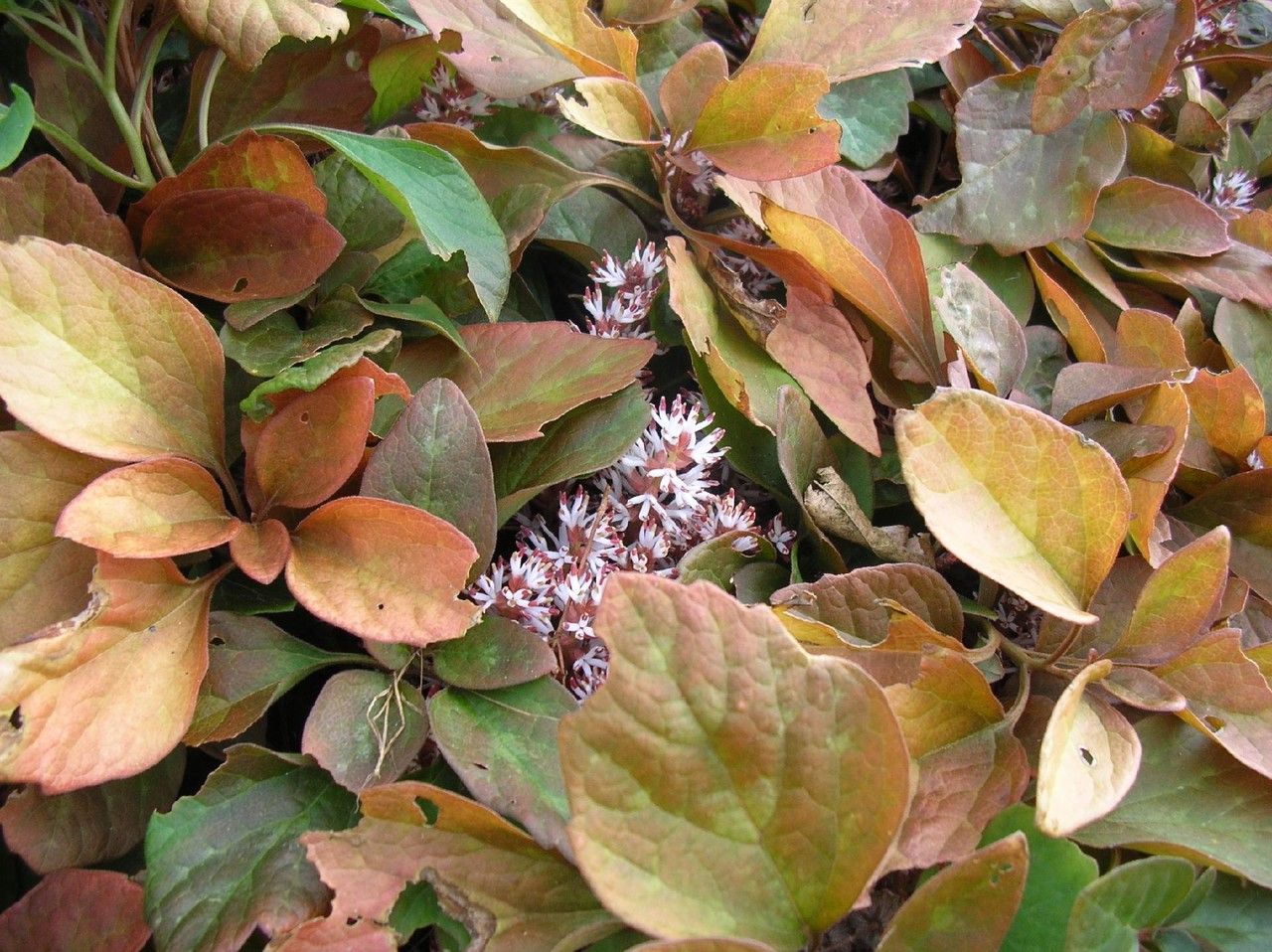
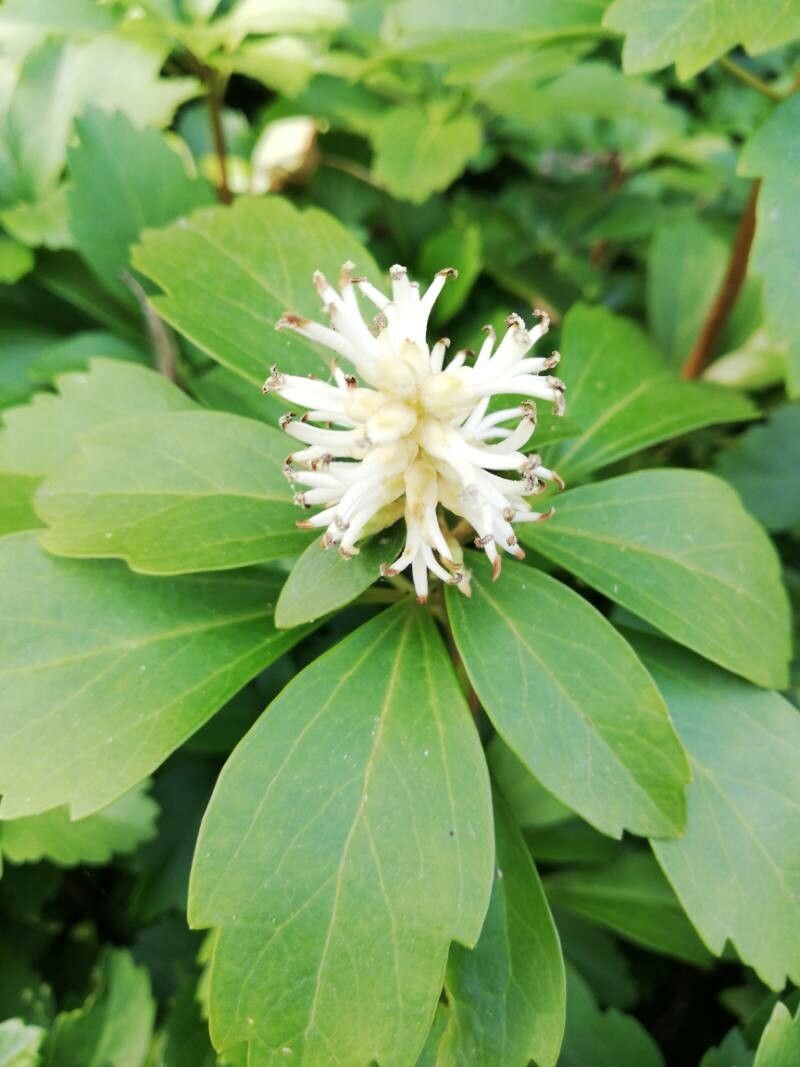
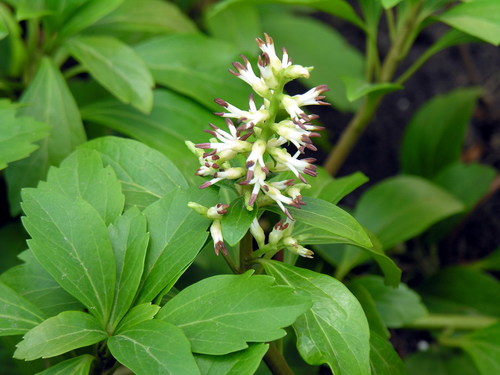
Pachysandra procumbens, commonly known as Allegheny Spurge, is an evergreen ground cover plant native to the eastern United States. It typically grows to a height of 6–10 inches and spreads by underground rhizomes to form dense mats of glossy green foliage. The leathery leaves have a distinctive rounded shape with toothed edges. In early spring, small white or pinkish flowers appear in spikes above the foliage, followed by small red berries that persist into the winter.
Pachysandra procumbens prefers moist, well-drained soils in partial to full shade and is often used as an ornamental ground cover in woodland gardens or shady landscape areas. It is also noted for its ability to tolerate deer browsing and air pollution.
Beyond its aesthetic appeal, Pachysandra procumbens has medicinal uses attributed to Native American practices, including treatments for ailments such as rheumatism and skin conditions, thanks to its anti-inflammatory properties.
Overall, Pachysandra procumbens is an attractive evergreen ground cover that thrives in shady areas and offers both ornamental and medicinal benefits.
Allegheny-spurge is fairly resistant to disease and typically not prone to illness. However, it can be vulnerable to pests and diseases present in its surroundings. These problems are usually not serious. For care, the plant requires a moderate amount of maintenance. It should be pruned regularly to keep a good appearance and support healthy growth. Fertilizing can also help encourage flowering. Allegheny-spurge is well suited to anyone with outdoor space, such as a garden or patio, and does not demand extensive experience in plant care. It may need more attention when cultivated indoors.
How to keep Pachysandra Procumbens.
Light
Allegheny-spurge prefers moderate light exposure and is usually found in places where sunlight is partly filtered by tree canopies. Excessive sun can damage its leaves, while insufficient light can inhibit its growth. It shows some tolerance for lower-light conditions and is often seen thriving in denser woodlands.
Water
Allegheny-spurge thrives in the moist, dappled light conditions typical of its natural understory habitat. It prefers soil that remains evenly moist, needing watering every 1 to 2 weeks. As an evergreen groundcover, it is crucial to maintain consistent soil moisture, especially during dry periods. Allegheny-spurge is well-suited to temperate climates with adequate rainfall.
Temperature
Allegheny-spurge originates from temperate areas and requires temperatures of 41 to 90 °F (5 to 32 ℃) for ideal growth. In colder months, use protective measures such as mulching to conserve warmth.
Fertilizer
The best time to fertilize an Allegheny-spurge is in early spring, as it comes out of dormancy and starts active growth. Fertilizing supplies essential nutrients needed for healthy growth. While Allegheny-spurge has relatively low fertilizer requirements, applying fertilizer annually can improve its survival and encourage better, longer-lasting flowers.
Pruning
Allegheny spurge benefits greatly from pruning, which should be done from early to late spring. Focus on removing old stems to encourage new growth. By pruning after flowering, you can help retain the blooms. Additionally, thinning the plant improves air circulation, reducing the risk of disease and ensuring a neat and attractive garden appearance.
Botanical profile.
- Plant Type
- Herb, Shrub
- Life Cycle
- Perennial
- Genus
- Pachysandra
- Family
- Buxaceae
- Hardiness Zone
- 5-8
- Mature Height
- 15 cm to 30 cm
- Mature Spread
- 30 cm to 61 cm
- Leaf Color
- Green, Blue, Gray, Variegated, Silver
- Leaf Type
- Semi-evergreen
- Flower Color
- White
- Flower Size
- 2.54 cm
- Bloom Time
- Early spring, Mid spring
- Planting Time
- Spring
- Harvest Time
- Early summer, Mid summer
Other names.
Reader questions.
What are the sunlight requirements for Allegheny-spurge?
Allegheny-spurge thrives best in partial sun, requiring about 3-6 hours of sunlight per day. It can also tolerate full shade conditions, where it receives less than 3 hours of sunlight. It's important to observe the movement of sunlight in your garden to find spots that offer a good balance of light and shade, ensuring the best growth for your plants.
What temperature range is ideal for the growth of Allegheny-spurge?
Allegheny-spurge, or Pachysandra procumbens, thrives in temperate regions, favoring a temperature range between 41 to 90 °F (5 to 32 °C) for optimal growth. Being native to these climates, it has developed a strong resistance to cold, making it a hardy choice for gardeners within these temperature bands. To ensure its health during the colder seasons, gardeners are advised to undertake measures such as mulching to help conserve warmth, aiding in the plant's continued vigor despite the cold.
How does Allegheny-spurge react to different light conditions?
Allegheny-spurge prefers moderate light exposure, typically found in areas where sunlight is partially filtered through tree canopies. Excessive sunlight can damage its leaves, while insufficient light might stunt its growth. However, it shows resilience under dim conditions, often thriving in dense woodlands. Indoor plants benefit from adequate artificial lighting, especially when natural sunlight is insufficient, with options such as LED lights providing the necessary wavelengths for optimal growth.
How should Allegheny-spurge be protected from extreme cold?
Although Allegheny-spurge boasts significant cold resistance, extraordinary frigid temperatures, especially those dipping below -25°C, necessitate protective actions. Covering the plant with soil or straw can offer cold protection in these extreme conditions. Furthermore, a strategic move of watering the plant abundantly before the first freeze arrives in autumn is recommended. This approach helps to keep the soil moist, allowing it to enter a frozen state more favorably. Such preparation ensures that the plant is less likely to suffer from drought and water scarcity throughout the winter and early spring months.
What are the signs of light deficiency or excess in Allegheny-spurge?
Insufficient light may cause Allegheny-spurge to develop smaller leaves, experience leggy or sparse growth, drop leaves prematurely, halt new growth, and present paler or chlorotic leaves. Conversely, excess sunlight can lead to symptoms like chlorosis, sunscald, leaf curling, wilting, and leaf scorching, indicating damage from overexposure. These signs help in identifying whether the plant is receiving too little or too much light.
What should be done if Allegheny-spurge experiences temperatures below its cold tolerance?
In the event that temperatures fall below the cold tolerance level of Allegheny-spurge, specifically under -25°C, there may not be immediate visible impacts during the winter. Yet, such conditions can lead to diminished sprouting or potentially no sprouting in the following spring. To address this, gardeners should inspect the plant as the warmer weather returns, removing any parts of the plant that have failed to sprout. This proactive step can help in managing the plant's health and ensuring its recovery for the next growth cycle.
How can I optimize light conditions for indoor Allegheny-spurge?
To optimize growth for indoor Allegheny-spurge, gradually expose it to more sunlight until it receives 3-6 hours daily. If the plant is too large or immovable, supplement with artificial light, such as turning on a desk or ceiling lamp for at least 8 hours daily or using professional grow lights. Artificial lighting, including LED lights, can be adjusted to provide the specific wavelengths needed for healthy plant growth.
How does high temperature affect Allegheny-spurge, and what are the solutions?
During the hotter parts of the year, when temperatures soar above 32°C, Allegheny-spurge may show signs of stress such as leaves becoming lighter in color, prone to curling, and susceptible to sunburn. In severe cases, the plant might wilt and dry up entirely. To combat these adverse effects, gardeners are encouraged to trim away sunburned and dried parts of the plant. Moving the plant to a shaded location or utilizing a shade cloth can provide relief from direct sunlight during peak heat. Additionally, watering the plant in the cooler morning and evening hours helps maintain soil moisture, further aiding in the plant's well-being under high temperatures.
What solutions are available for Allegheny-spurge experiencing insufficient sunlight outdoors?
For outdoor plants suffering from insufficient sunlight, gradually move them to sunnier spots each week to prevent sunburn while allowing them to adapt to brighter conditions. Trimming obstructions like branches can help increase sunlight exposure. If possible, transplant smaller plants during their dormant period to a location with better sunlight and drainage, ensuring healthier growth.