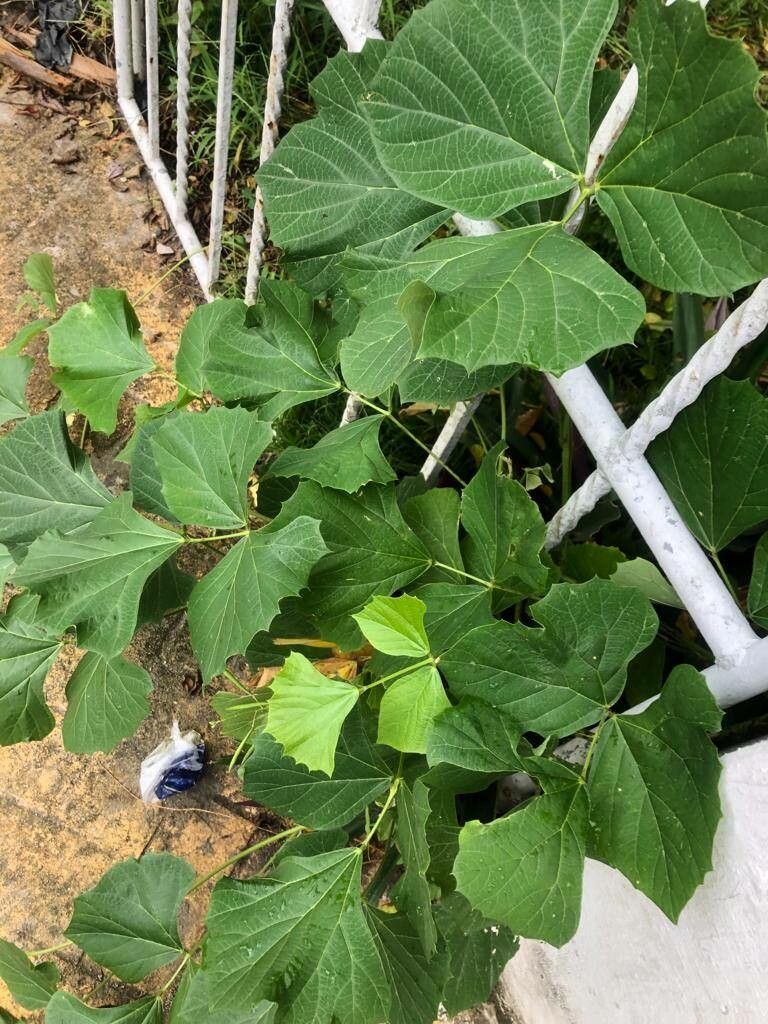
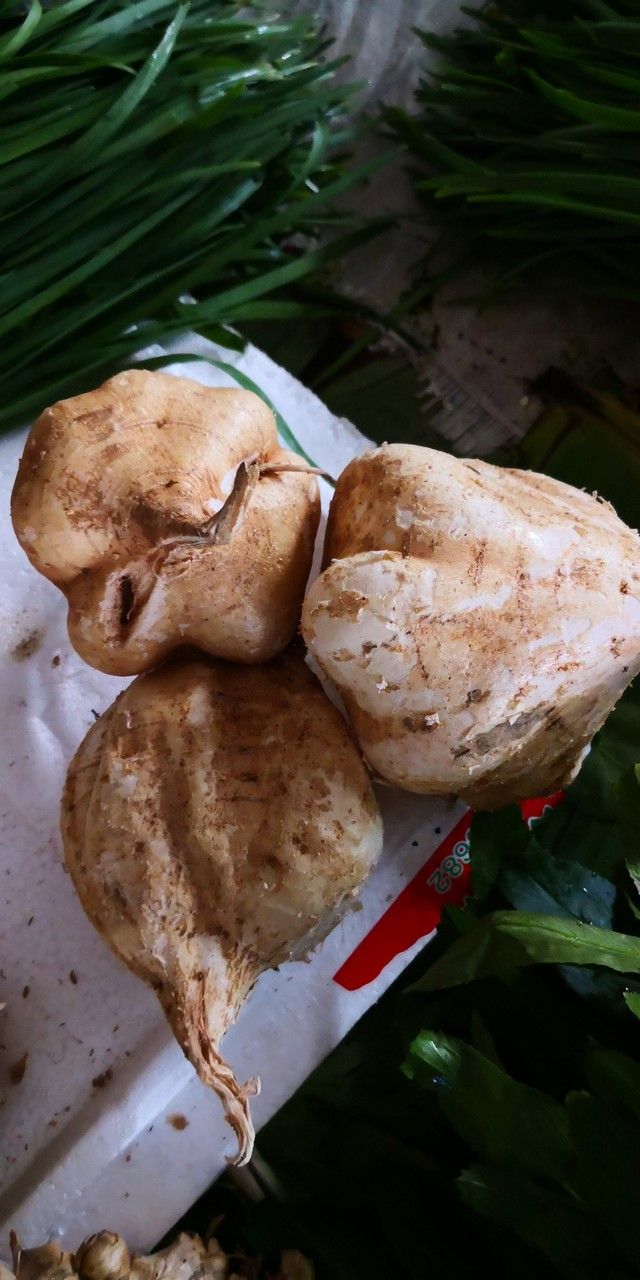
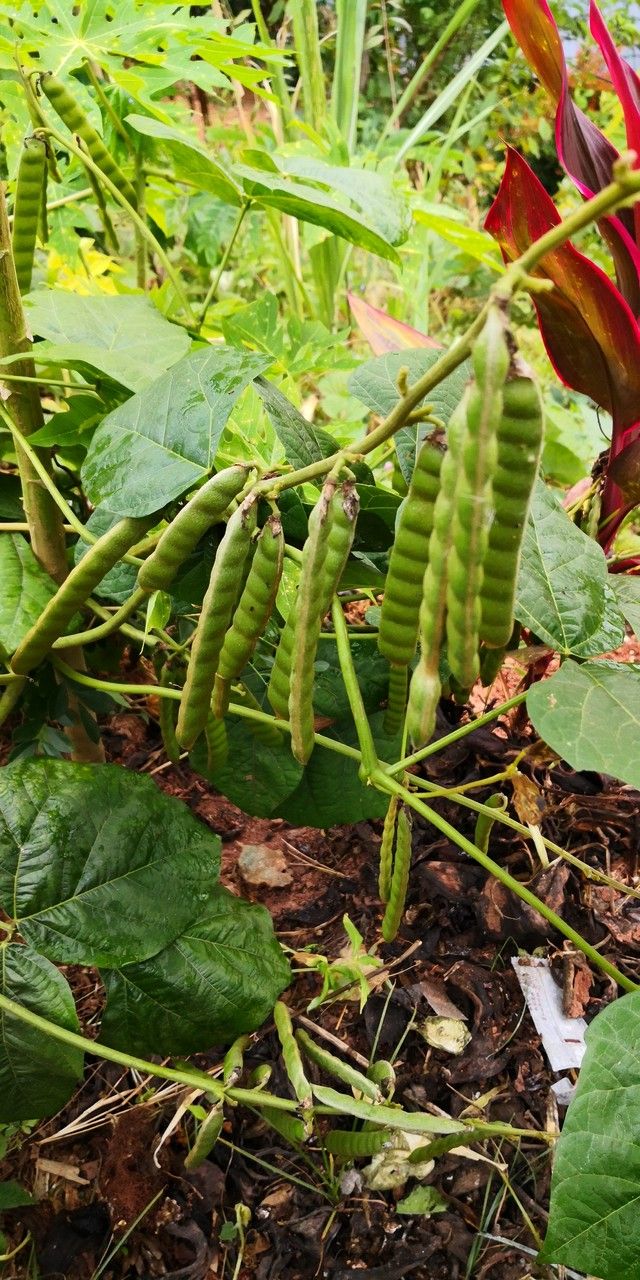
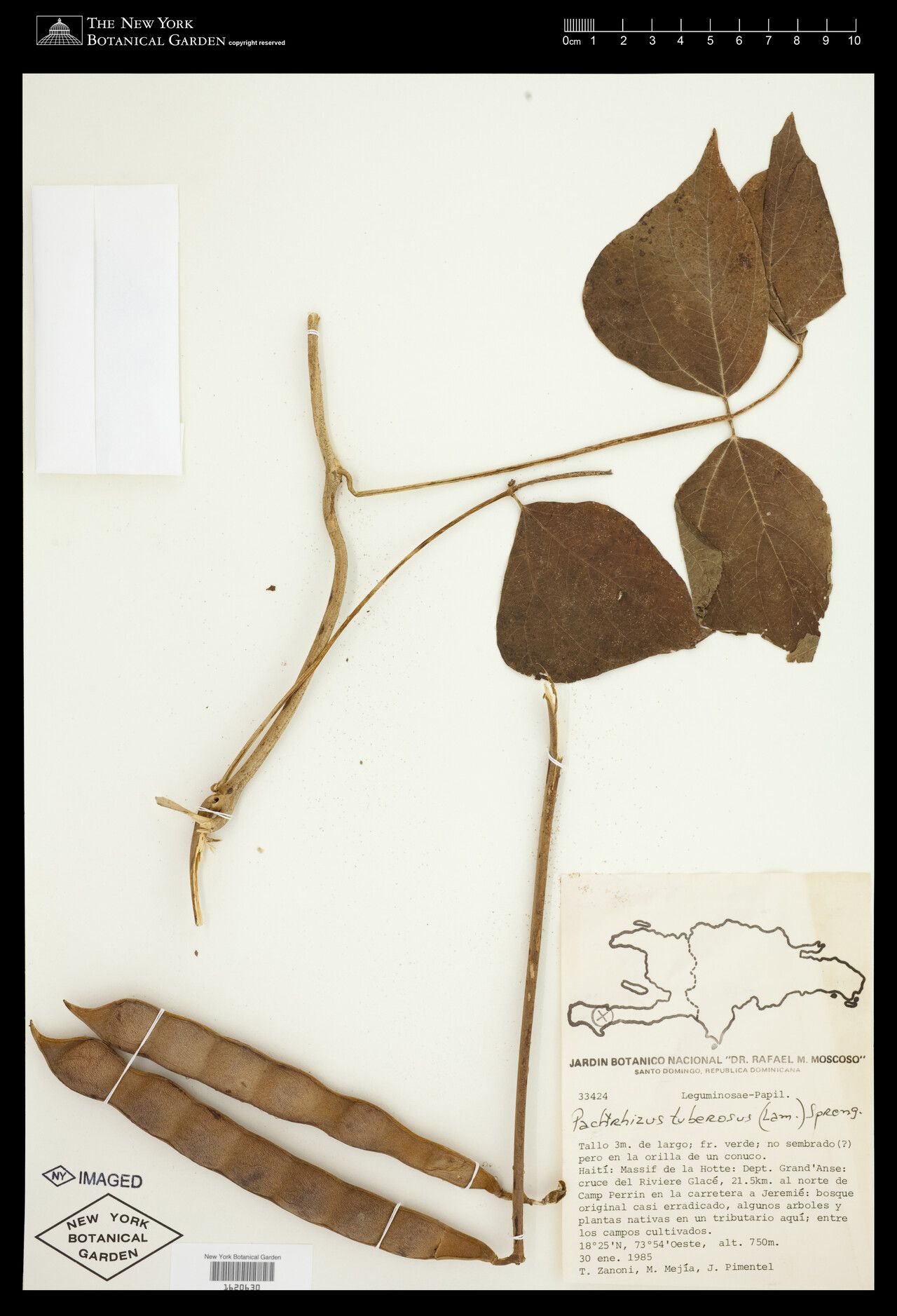
Pachyrhizus erosus, commonly known as jicama or yam bean, is a root vegetable native to Mexico and Central America. It belongs to the legume family and is a climbing vine that can reach up to 4 meters in height. The plant produces large, tuberous roots that are crisp, juicy, and slightly sweet in taste. Jicama is low in calories and high in fiber, making it an excellent addition to a healthy diet.
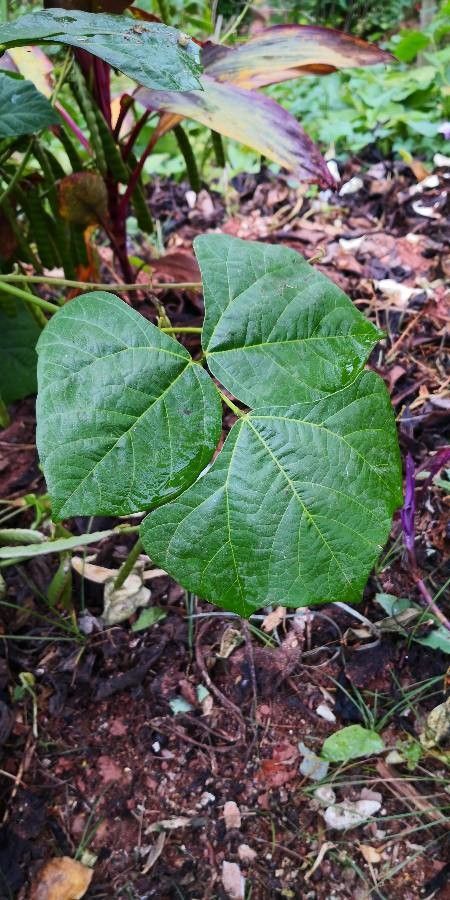
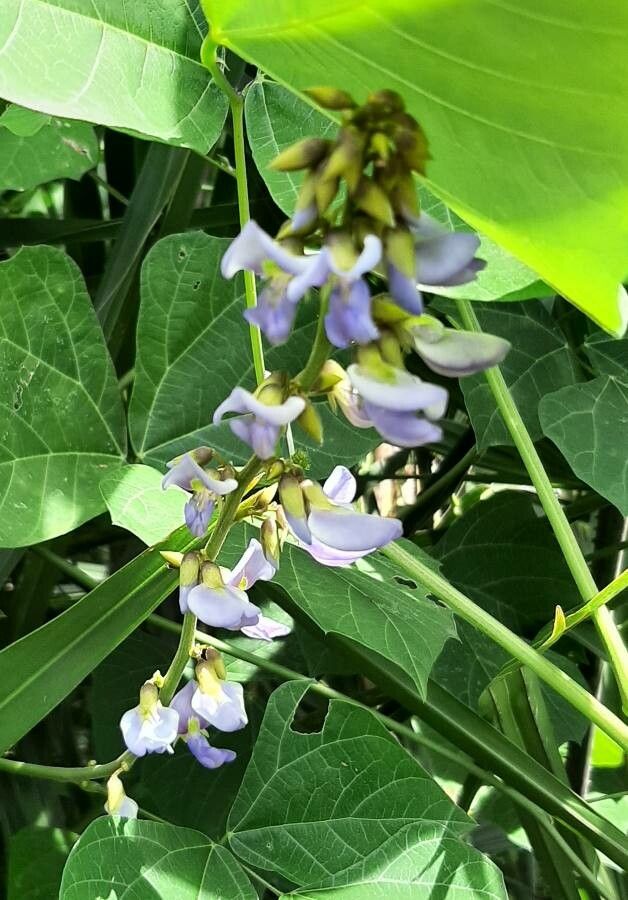
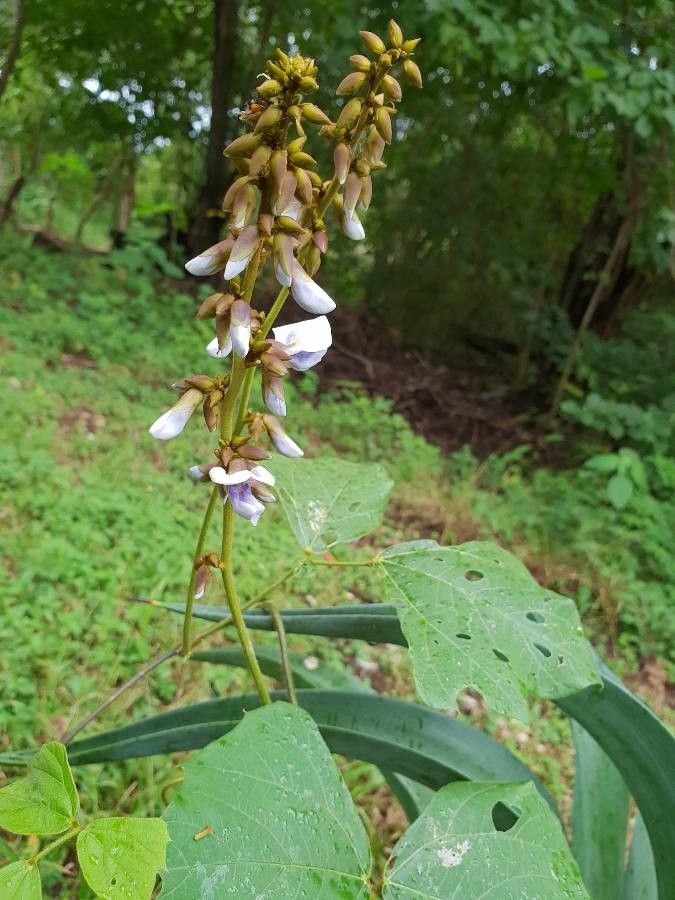
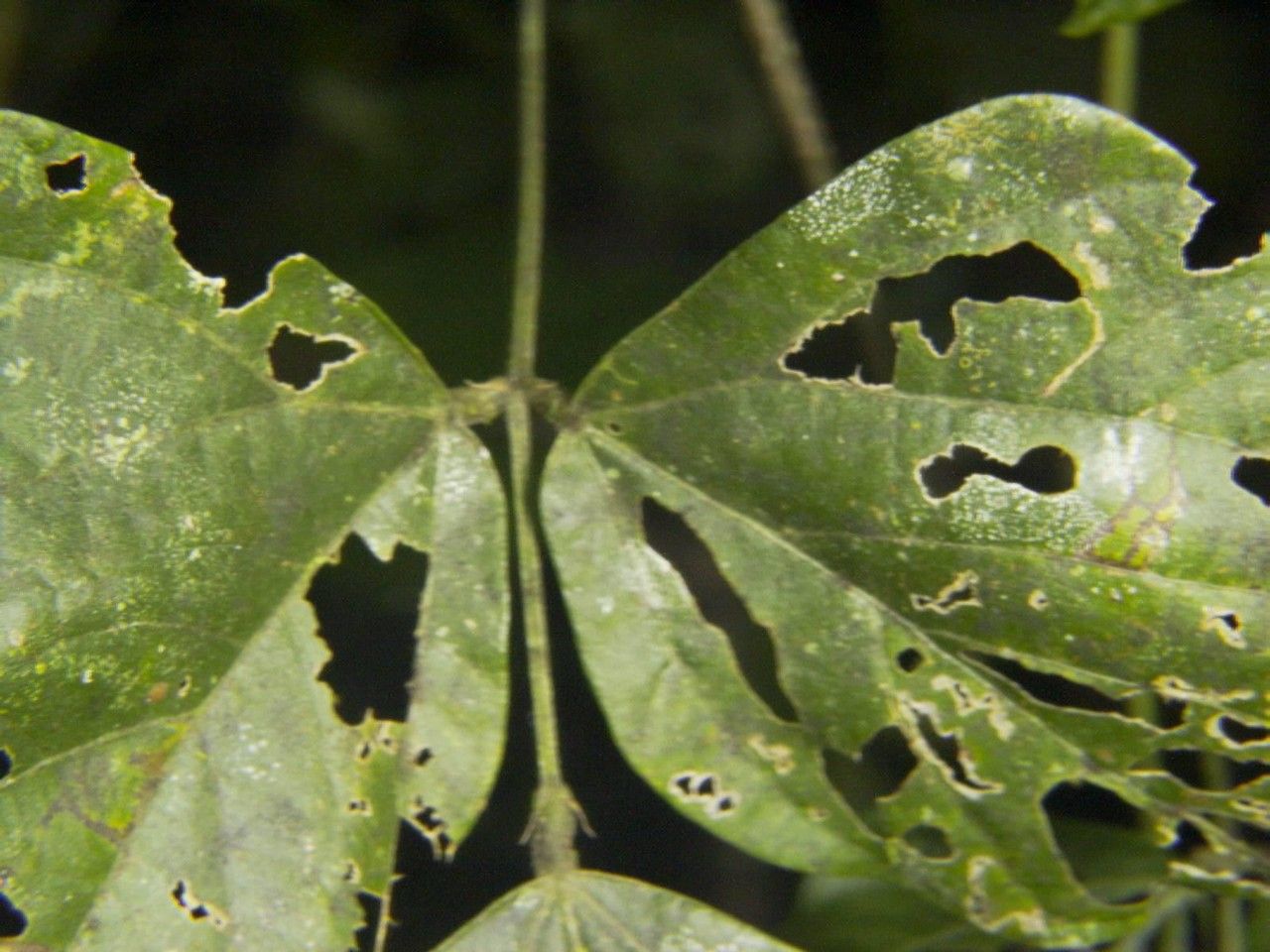
The jicama plant has trifoliate leaves with oval-shaped leaflets that have serrated edges. The flowers are small and vary in color from white to pinkish-purple, featuring five petals arranged in clusters on long stalks.
Jicama has been cultivated for thousands of years for its edible roots, which can be eaten raw or cooked. It is commonly used as an ingredient in salads, stir-fries, soups, and stews, or as a snack when sliced into sticks.
In addition to its culinary uses, jicama has also been utilized for medicinal purposes by indigenous people of Mexico, who believed it had healing properties for various ailments such as coughs and colds.
Overall, the Pachyrhizus erosus plant offers both nutritional benefits and medicinal properties, making it an important crop across many cultures around the world today.
Botanical profile.
- Plant Type
- Herb, Vine
- Life Cycle
- Perennial
- Genus
- Pachyrhizus
- Family
- Fabaceae
- Hardiness Zone
- 10-12
- Mature Height
- 30 cm to 61 cm
- Mature Spread
- 6.1 m to 7.62 m
- Leaf Color
- Dark Green
- Leaf Type
- Deciduous
- Flower Color
- White
- Flower Size
- 15.24 cm to 30.48 cm
- Bloom Time
- Summer, Early fall, Mid fall
- Planting Time
- Spring
- Harvest Time
- Late summer, Fall, Early winter
- Native Area
- Belize, Honduras, Mexico, Guatemala, Venezuela, Brazil, El Salvador, Nicaragua, Ecuador, Costa Rica, Panama
Other names.