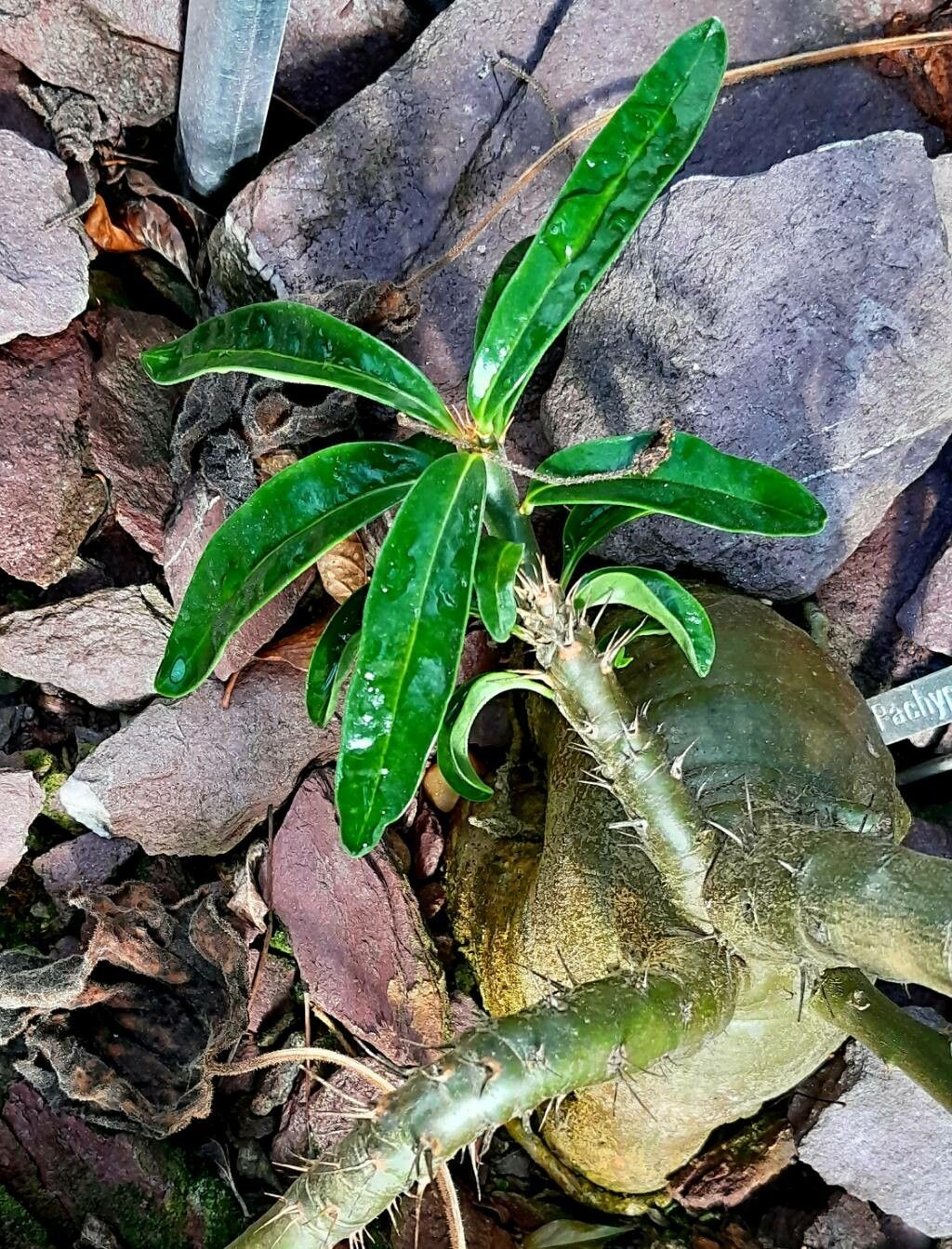
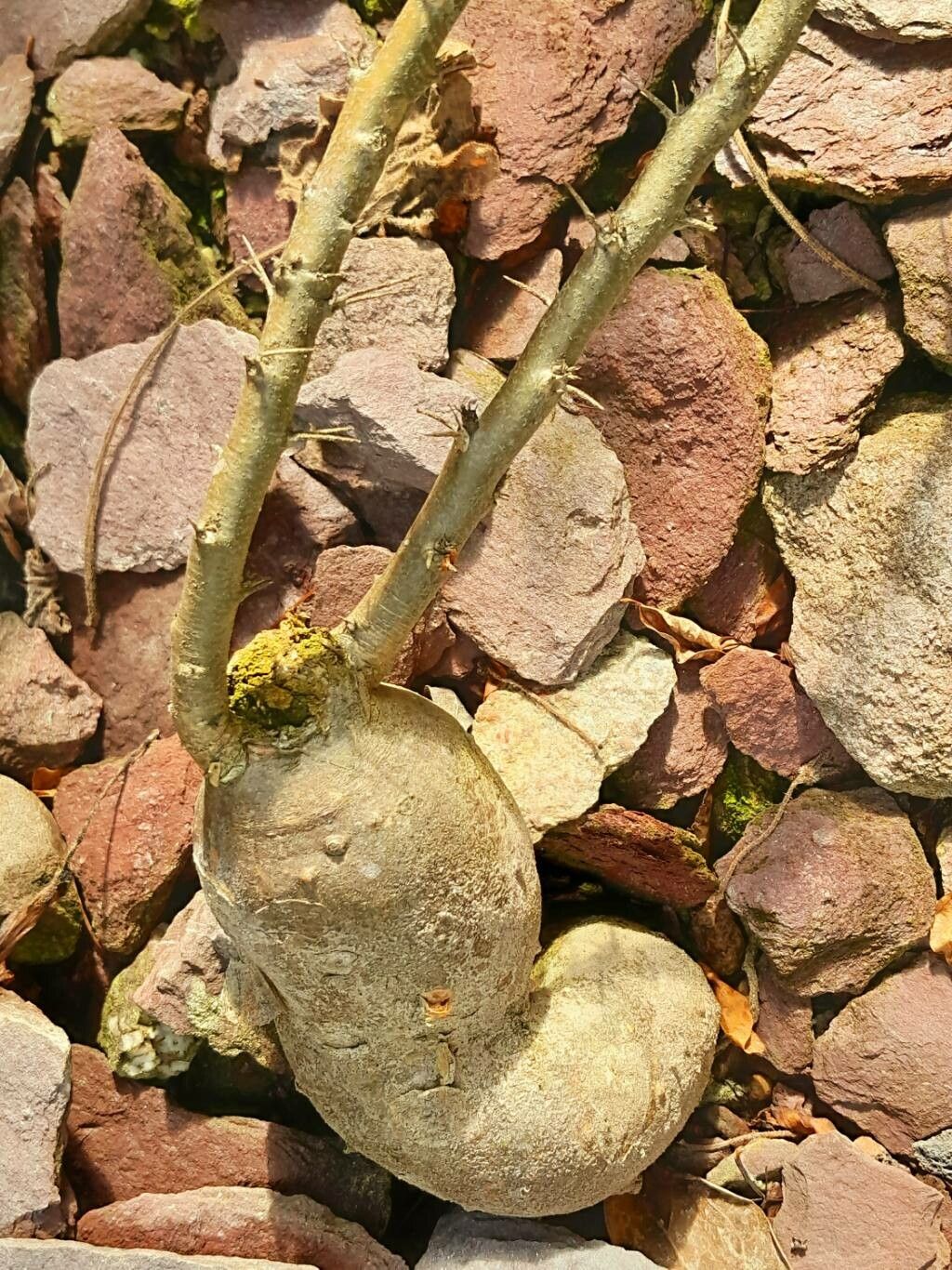
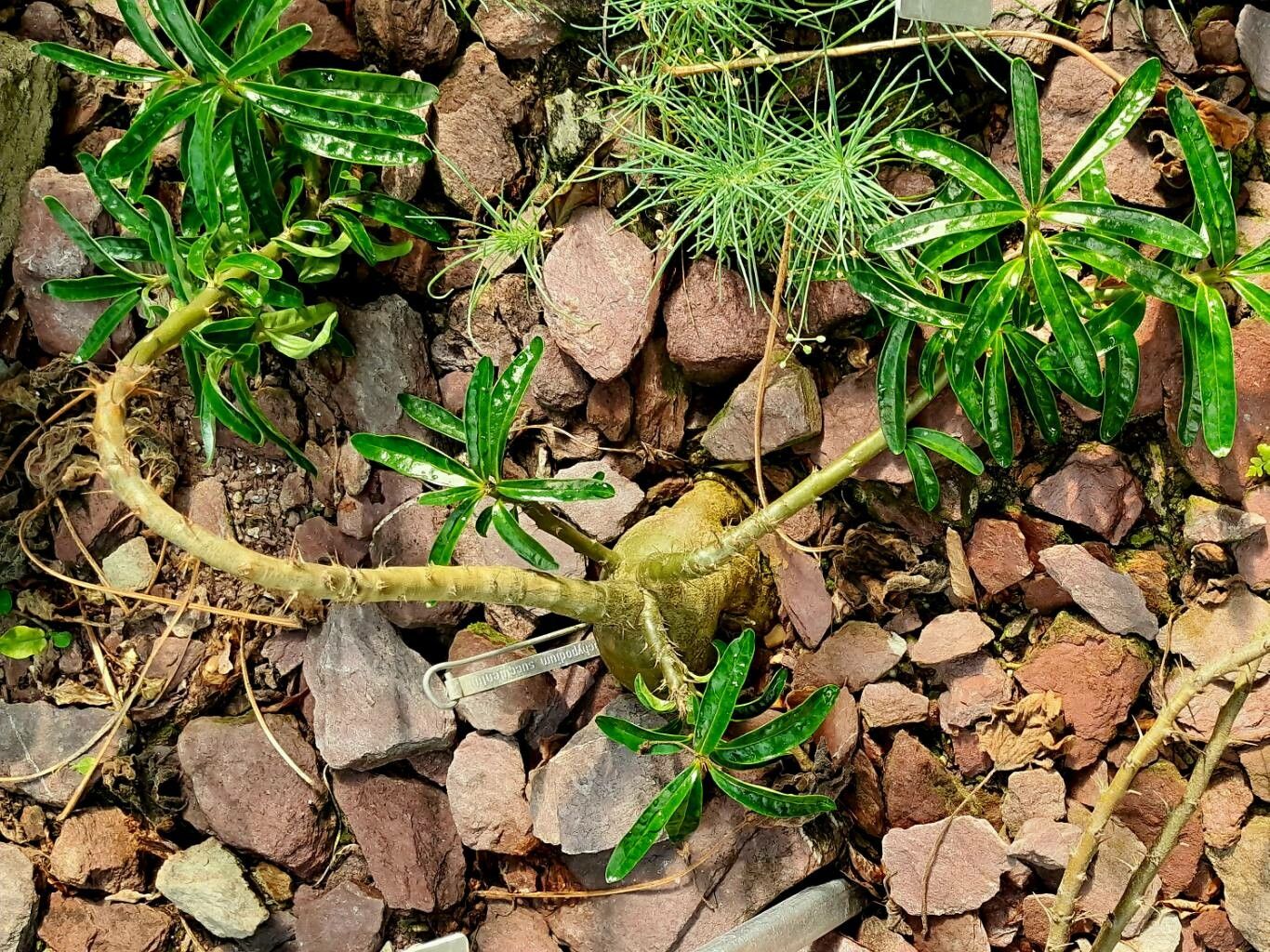
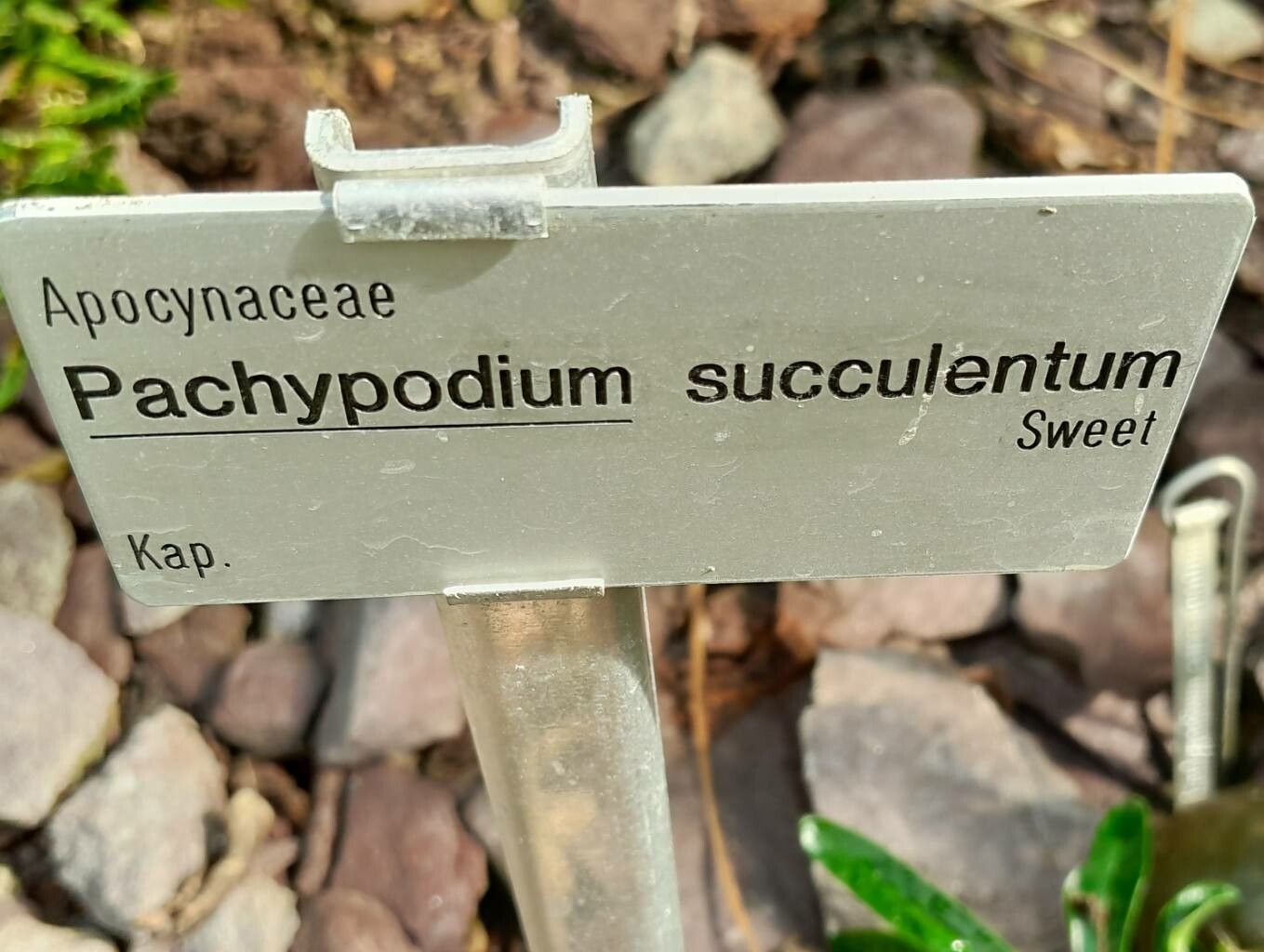
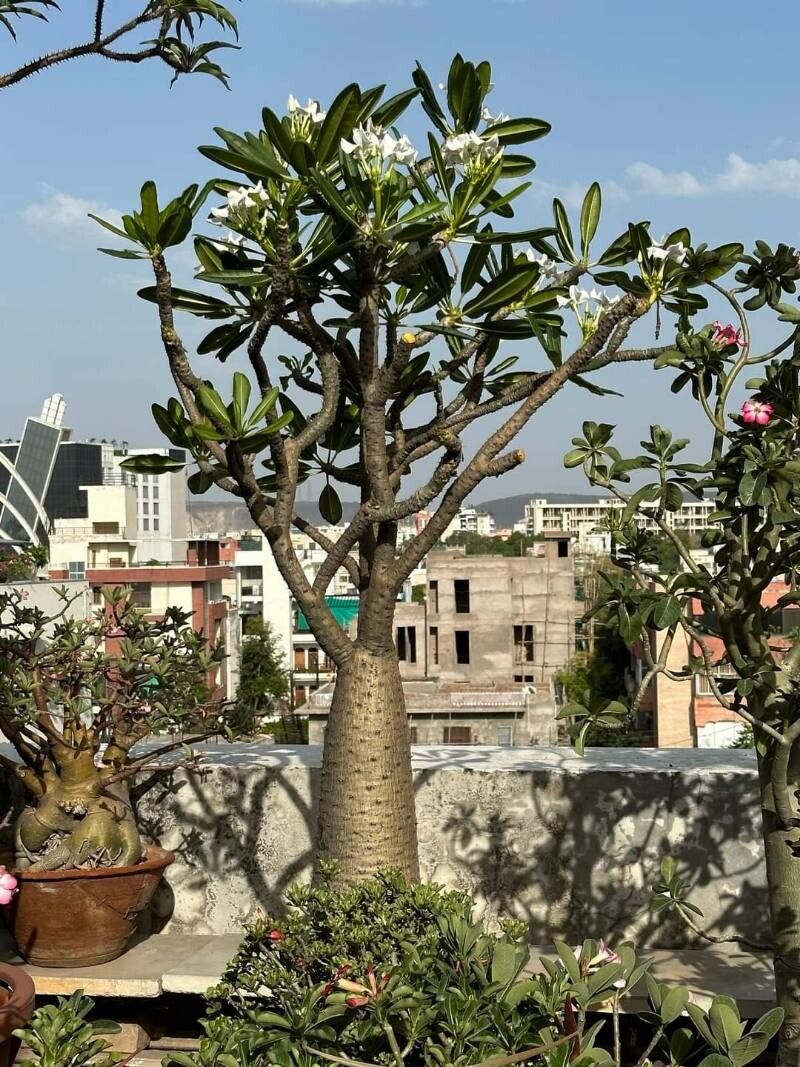
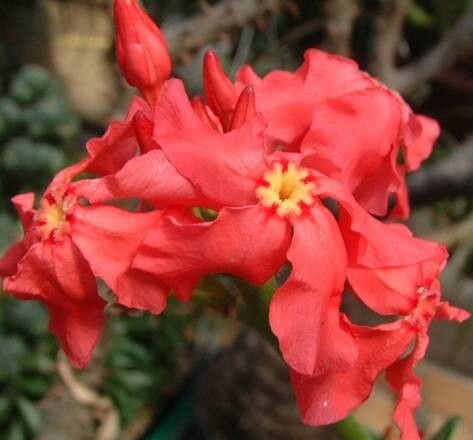
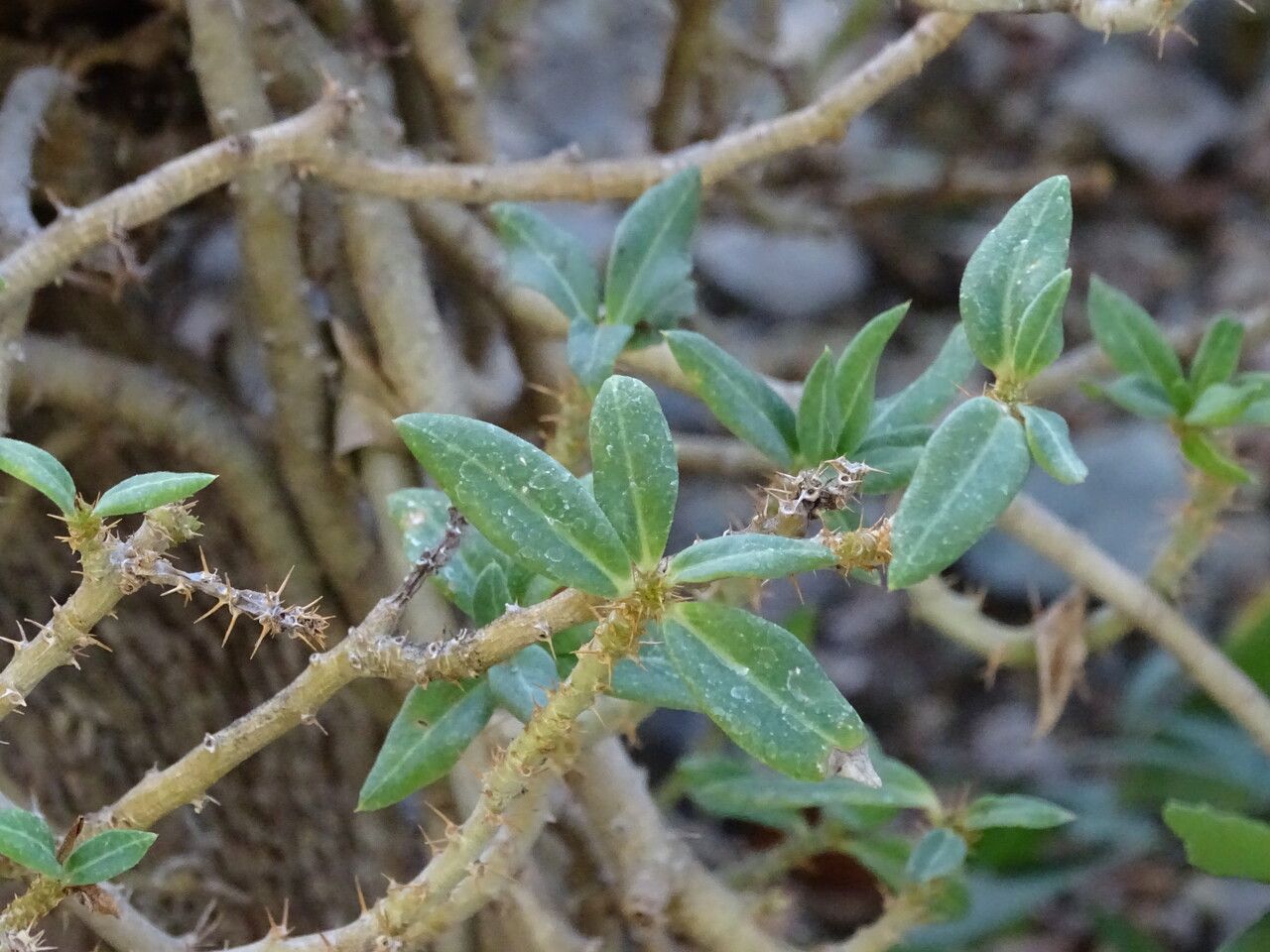
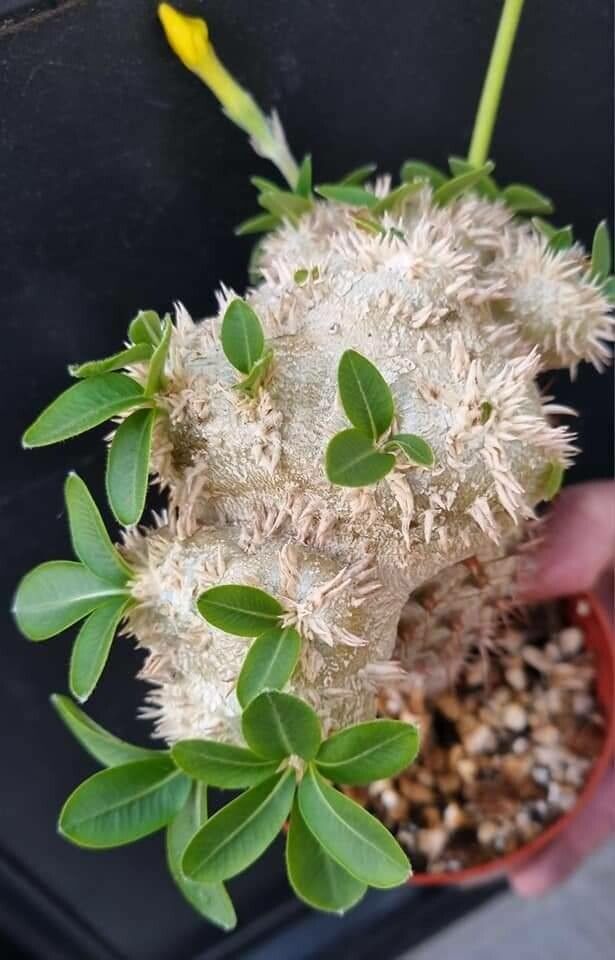
Pachypodium succulentum is a member of the family Apocynaceae native to the Cape Provinces and the Free State province of South Africa.
kambroo has moderate disease resistance but is more sensitive to humidity and overwatering. It is also more prone to disease when it gets little light and is overwatered. In terms of care, kambroo is drought-tolerant and can withstand long periods without watering. It needs little fertilizer and only occasional pruning. This makes it suitable for people of all experience levels, especially those who prefer to spend less time on plant care and who may sometimes be away from home for extended periods. It is a good option for those who do not want to spend a great deal of time caring for their plants but still want an easy-to-maintain plant.
How to keep Pachypodium Succulentum.
Light
Kambroo, which comes from dry regions, does best in full sun; its native habitat features intense sunlight and very little shade. It will also tolerate partial sun, providing some flexibility in its growth.
Water
Pachypodium succulentum thrives in arid environments due to its excellent drought tolerance. It needs watering only once every three weeks. The plant prefers well-drained soil, which makes it ideal for indoor cultivation where the water supply can be easily controlled.
Temperature
kambroo performs best in warm conditions and needs higher temperatures during the growing season to support growth and metabolism. It prefers abundant sunlight, proper moisture levels, and good airflow. However, it can be harmed by very low temperatures and by overwatering. It’s important to maintain a balance and avoid both excessively high temperatures and overly dry conditions.
Fertilizer
Light doses of fertilizer applied 1-2 times a year during the growing season are sufficient for kambroo. Do not fertilize in winter or in summer when the plant is dormant. Use less fertilizer for repotted plants and wait a couple of months after repotting before you start fertilizing. Fertilizing helps maintain healthy growth and encourages blooms.
Botanical profile.
- Plant Type
- Succulent
- Life Cycle
- Perennial
- Genus
- Pachypodium
- Family
- Apocynaceae
- Hardiness Zone
- 9-11
- Mature Height
- 30 cm to 61 cm
- Mature Spread
- 30 cm to 49 cm
- Leaf Color
- Dark Green
- Leaf Type
- Deciduous
- Flower Color
- White, Pink
- Flower Size
- 5.08 cm to 6.35 cm
- Bloom Time
- Mid spring, Late spring, Early summer
- Planting Time
- Spring, Summer
- Harvest Time
- Summer
- Native Area
- South Africa
Reader questions.
What are the sunlight requirements for Pachypodium succulentum?
Pachypodium succulentum, native to arid regions, thrives in full sun, requiring above 6 hours of sunlight to flourish in its natural strong sunlight and minimal shade environment. However, it can also adapt to partial sun, needing about 3-6 hours of sunlight. When planning your garden or placing your Pachypodium succulentum, it's crucial to watch how sunlight moves through the area to find spots that offer the perfect balance of light and shade, ensuring the plant's health and happiness.
Can artificial lighting be used for Pachypodium succulentum and how?
Yes, artificial lighting can be used for Pachypodium succulentum, especially when natural sunlight is insufficient, such as in winter or less sunny spaces. LED lights are a popular choice for indoor plant lighting as they can provide specific wavelengths needed by the plants. For full sun plants, 30-50W/sq ft of artificial light is required, partial sun plants need 20-30W/sq ft, and full shade plants need 10-20W/sq ft. The light source should be placed 12-36 inches above the plant to mimic natural sunlight and set for 8-12 hours per day to replicate natural daylight hours.
What symptoms indicate light deficiency in Pachypodium succulentum?
Symptoms of light deficiency in Pachypodium succulentum include smaller new leaves compared to previous ones, leggy or sparse growth with longer spaces between leaves or stems, faster leaf drop, slower or no new growth, lighter-colored new leaves, and symptoms of overexposure like chlorosis (loss of leaf greenness), sunscald, leaf curling, wilting, and leaf scorching. These symptoms demonstrate the plant's struggle with suboptimal lighting conditions and its various mechanisms to adapt or signal distress.
What are the solutions for addressing light-related issues in Pachypodium succulentum?
To address light-related issues in Pachypodium succulentum, gradually increase its sunlight exposure to at least 6 hours daily for those kept indoors by moving it to a sunnier location each week or using artificial lighting such as a desk or ceiling lamp for at least 8 hours daily. For outdoor plants, also move them to sunnier spots gradually to avoid sunburn. If sunlight is obstructed by trees or buildings, consider pruning or replanting in more sun-exposed areas. Remember, parts of the plant affected by insufficient sunlight might not recover, but new growth after adjusting light exposure will be healthy.