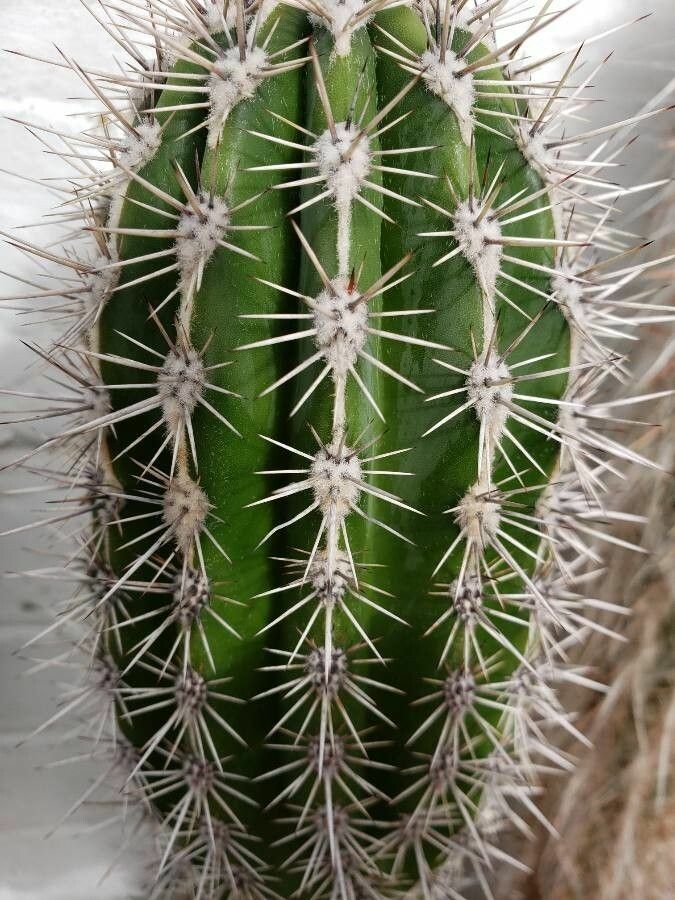
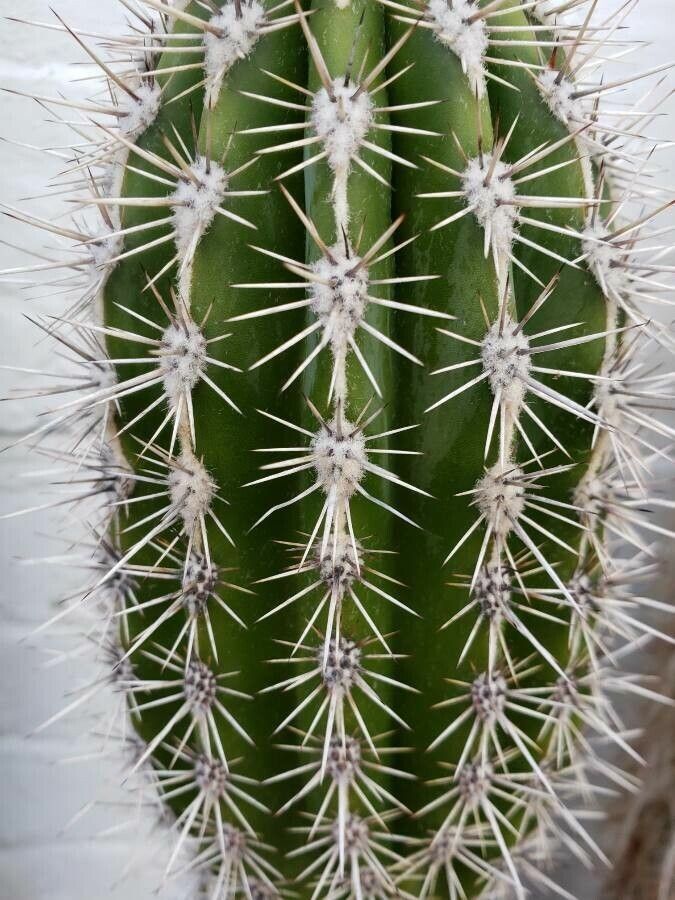
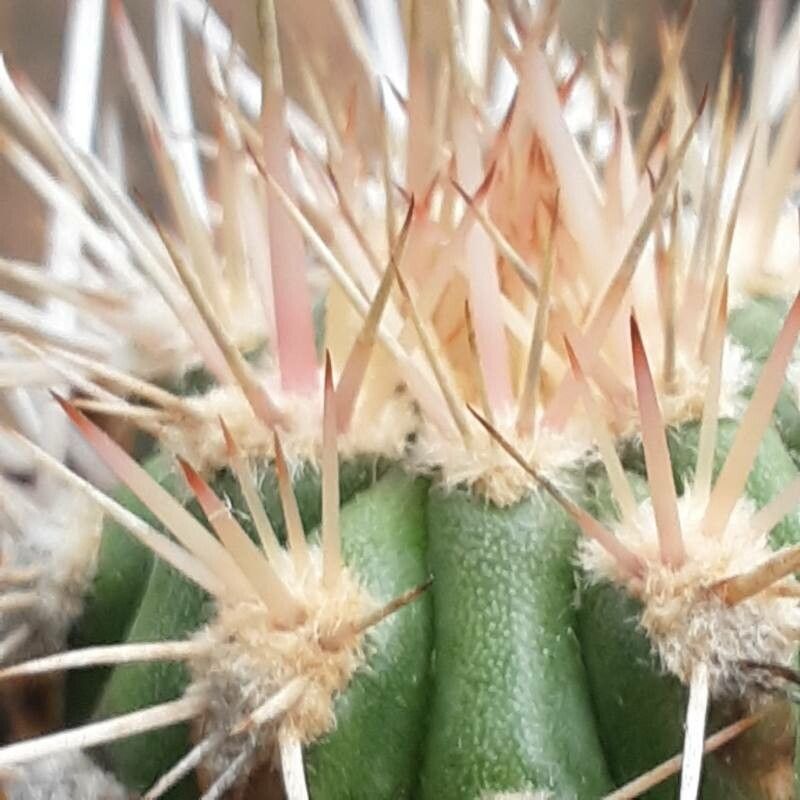
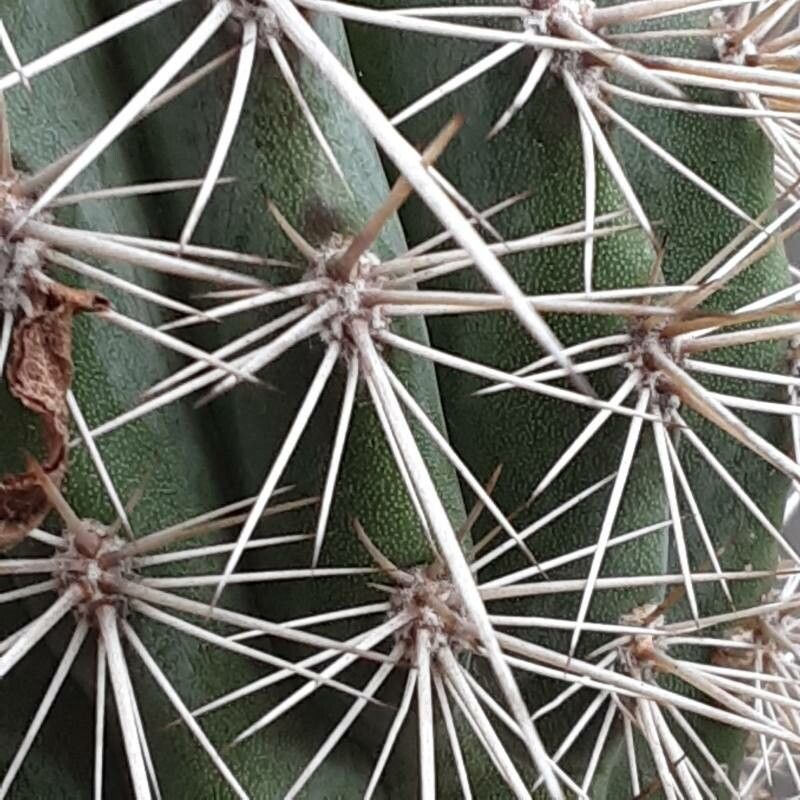
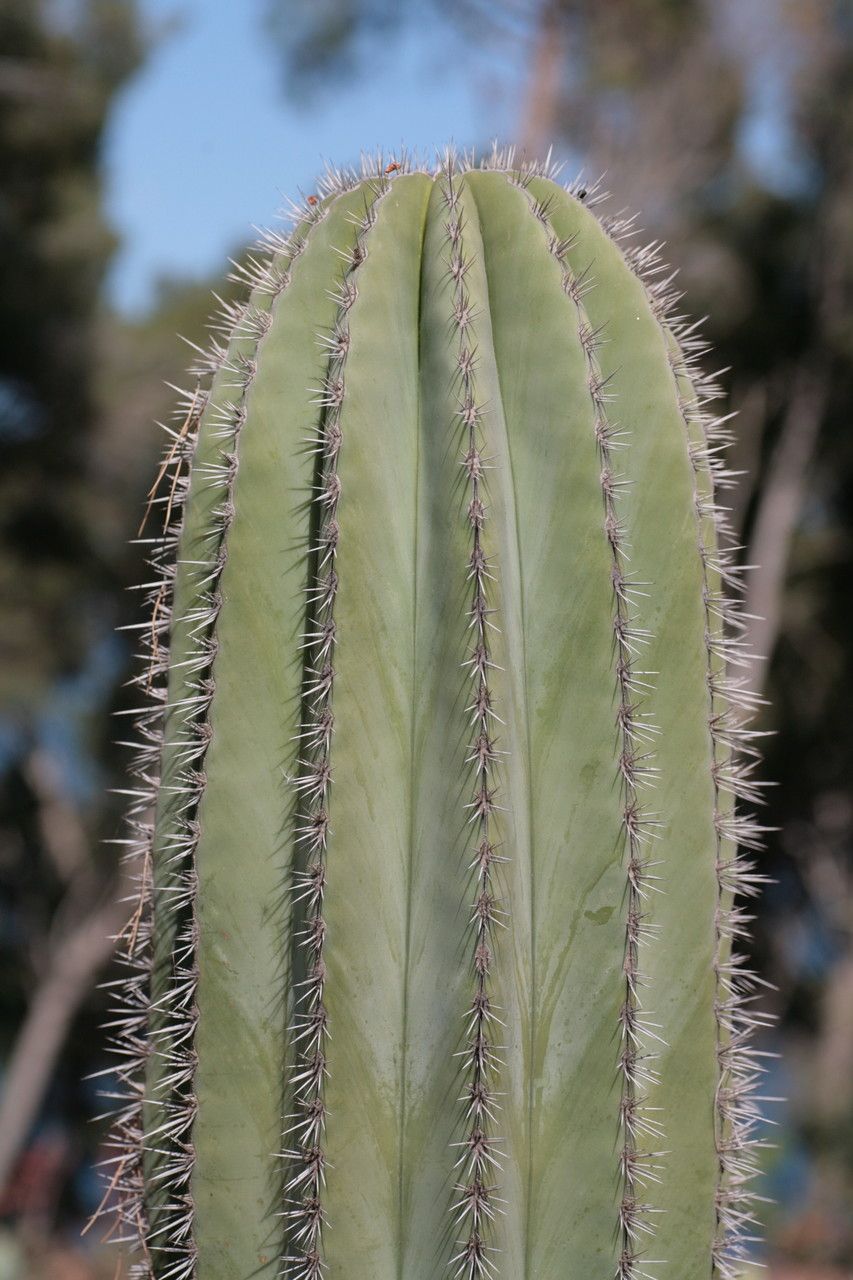
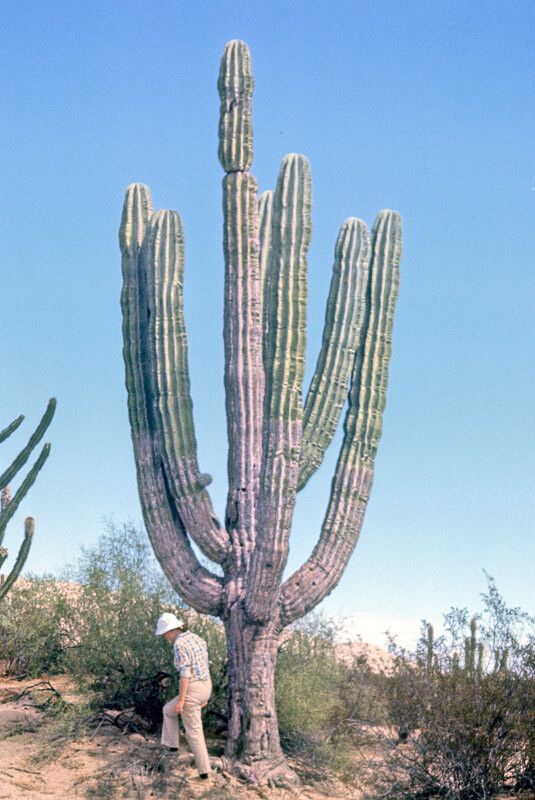
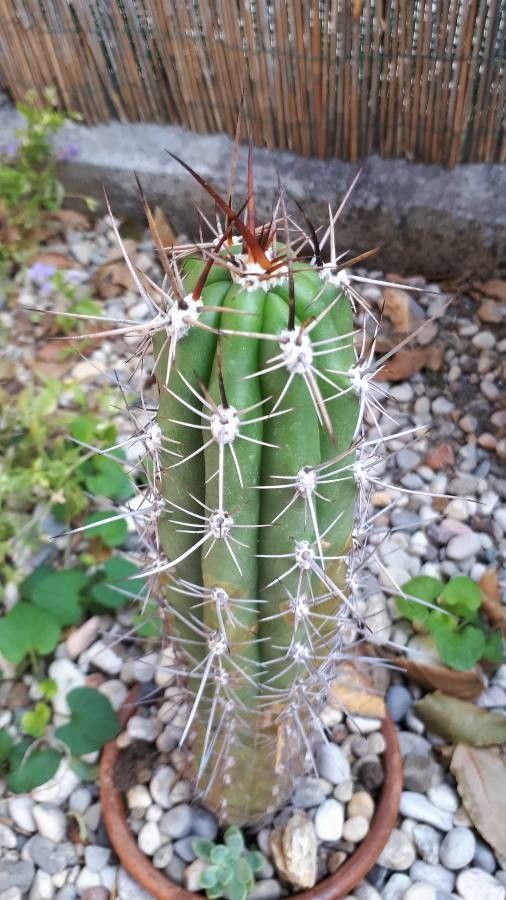
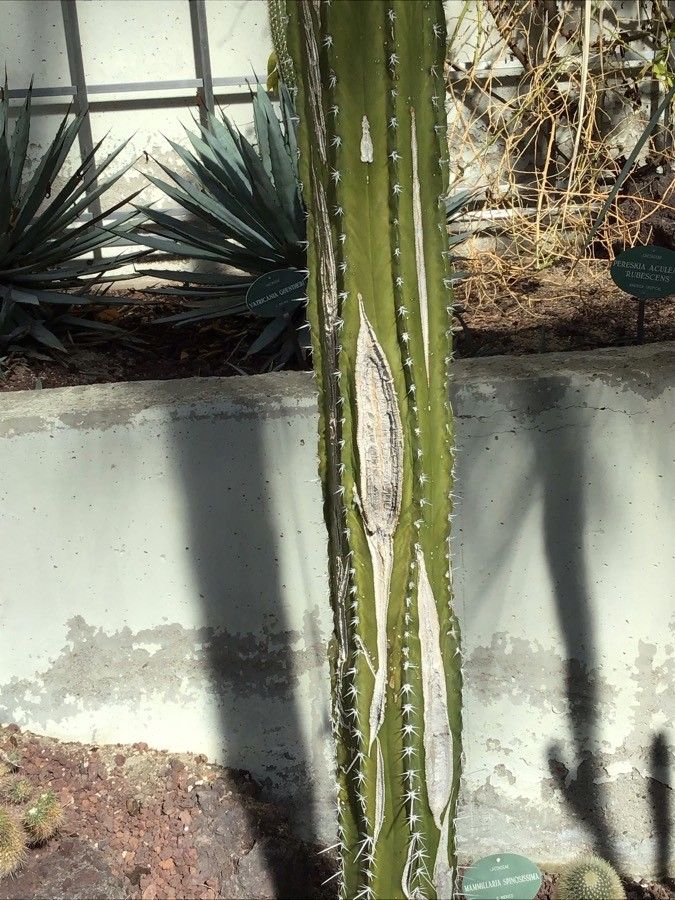
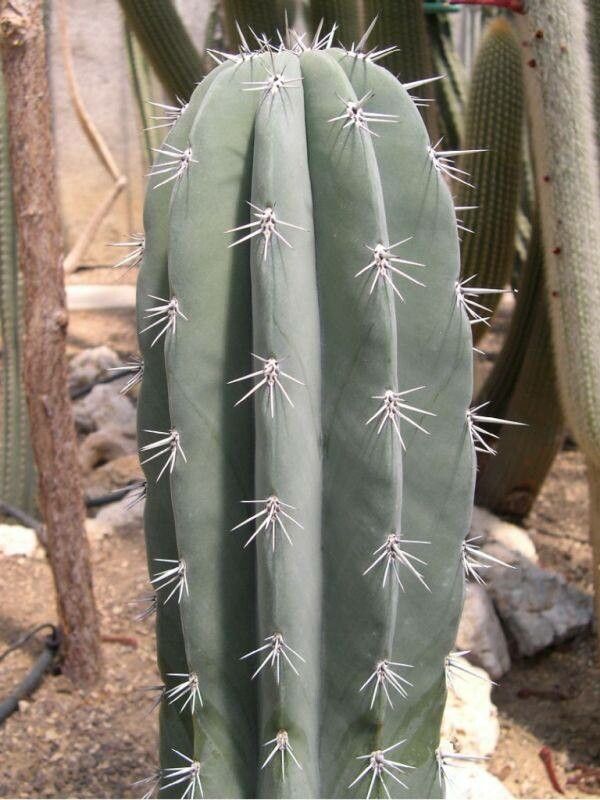
Pachycereus pringlei, commonly known as the Mexican giant cardon, is a significant cactus species native to the Sonoran Desert in Mexico and parts of California. Renowned as one of the largest cacti in the world, it can grow up to 60 feet tall and have a trunk diameter of up to 3 feet. The plant features a columnar shape with branches that emerge near its base. Its stem is characterized by vertical ridges and spines that can reach lengths of up to 6 inches.
In the spring, the Mexican giant cardon blooms with large white flowers that open at night and close during the day. These blossoms are followed by edible fruit enjoyed by birds, mammals, and humans alike.
Pachycereus pringlei plays a crucial role in its ecosystem by providing shelter for various animals, including birds, bats, insects, and reptiles. Additionally, its extensive root system aids in preventing soil erosion by anchoring the soil on steep slopes.
Despite its iconic status in the Sonoran Desert ecosystem and its cultural significance to indigenous communities in Mexico—for medicinal uses and religious ceremonies—Pachycereus pringlei faces numerous threats. These threats include habitat loss from urbanization and agricultural expansion, over-harvesting for ornamental purposes or illegal trade, and climate change impacts such as droughts and wildfires. If not managed through conservation efforts like habitat restoration programs, these factors could jeopardize the survival of this unique plant species.
The Mexican giant cactus has strong resistance to disease and generally remains healthy under normal care. Still, it can be vulnerable to mealybugs; these pests may cause some harm but typically are not a major danger. Regarding care, the Mexican giant cactus tolerates drought and does not need frequent watering. It can go long stretches without water and requires little fertilizer. However, if light levels are low and it is given too much water, it is very prone to root rot. In summary, the Mexican giant cactus is a good choice for people who prefer low-maintenance plants, though its basic needs should be met. It is especially appropriate for those who are away for long periods and might forget to water regularly.
How to keep Pachycereus Pringlei.
Light
Native to dry regions, the Mexican giant cactus prospers in full sun, as its native habitat has intense sunlight and very little shade. It can also tolerate partial sun, giving it some flexibility in its growth.
Water
The Mexican giant cactus is perfectly adapted to arid climates, boasting exceptional drought tolerance due to its ability to store moisture in its thick tissues. It needs watering only once every four weeks and thrives in full sun, preferring well-draining soil. This remarkable plant even manages to bloom under harsh conditions.
Temperature
The Mexican giant cactus flourishes in warm settings and needs elevated temperatures during the growing season to encourage growth and metabolic processes. It prefers abundant sunlight, suitable moisture, and good air circulation. However, it is vulnerable to harm from very low temperatures and from overwatering. Maintaining a balance is crucial, avoiding both excessively high heat and overly dry conditions.
Fertilizer
For the Mexican giant cactus, small amounts of fertilizer applied once or twice a year during the growing season are adequate. Do not fertilize in winter or in summer while it is dormant. Reduce fertilizer for plants that have been repotted and wait a couple of months after repotting before feeding. Fertilizing helps maintain healthy growth and encourages flowering.
Pruning
The Mexican giant cactus requires very little pruning. However, it is important to remove any withered flowers and branches. Doing so helps the plant allocate nutrients to healthier parts, promoting better growth.
Pot & Repot
Repot your Mexican giant cactus every 2 to 3 years in early spring to accommodate its growth and support its height. Use a slightly larger and deeper pot to prevent it from tipping over. After repotting, ensure the cactus receives bright light and provide minimal water. This will help it recover and reduce the risk of root rot.
Botanical profile.
- Plant Type
- Succulent
- Life Cycle
- Perennial
- Genus
- Pachycereus
- Family
- Cactaceae
- Hardiness Zone
- 9-11
- Mature Height
- 3.96 m
- Mature Spread
- 46 cm
- Leaf Color
- Dark Green, Gray
- Leaf Type
- Evergreen
- Flower Size
- 7.62 cm to 10.16 cm
- Bloom Time
- Late spring, Early summer, Mid summer
- Planting Time
- Spring, Summer, Autumn
- Harvest Time
- Mid summer, Late summer, Early fall
- Native Area
- Mexico
Other names.
Reader questions.
What should I do if I give my Mexican giant cactus too much water or not enough water?
Mexican giant cacti and other succulents are known for their ability to survive without much water, so it's rare to see one suffering from underwatering. However, if you forget to water your Mexican giant cactus for a month or more, you'll notice that it looks thirsty or damaged. An underwatered cactus appears dull and wrinkled, some parts may have dried up or turned brown, and the soil will be completely dried out. To remedy this, give your cactus plenty of water by submerging the pot in water for 5-10 minutes until you feel moisture on the soil's surface. On the other hand, overwatering is dangerous for Mexican giant cacti and can lead to root rot, which prevents the roots from absorbing nutrients and water. Root rot happens when fungi and bacteria thrive in the overly moist soil and feed on the roots. Signs of overwatering include yellow, swollen, and translucent organs that may burst open, and if left untreated, the plant may turn brown or black and fall off easily. It's important to check the soil to confirm overwatering as the cause, as similar symptoms can be caused by other issues. Saving an overwatered plant is difficult but not impossible if caught early. Start by removing the cactus from its pot and gently cleaning the roots with room-temperature water to remove any fungus. If the roots appear dark brown or black, soft, mushy, or slimy, it's likely the plant has already developed root rot and may not be salvageable. However, if only some roots are affected, there is a chance it can be saved. Remove any unhealthy roots with sterilized tools, dip the remaining firm and pale roots in a fungicide, and repot the cactus in fresh, well-draining soil. While this method doesn't guarantee success, most plants will recover and start new growth in the next growing season.
What are the sunlight requirements for Mexican giant cactus?
Mexican giant cactus thrives in environments that mimic its native arid regions, necessitating full sun exposure, defined as above 6 hours of sunlight per day, for optimal growth. It can, however, adapt to partial sun conditions, which entail about 3-6 hours of sunlight daily. To ensure the health and happiness of your plants, it's essential to observe the movement of sunlight through your garden and choose locations that offer an ideal balance of light and shade.
How does the Mexican giant cactus thrive?
The Mexican giant cactus, scientifically known as Pachycereus pringlei, thrives in warm environments that emulate its natural habitat. It requires higher temperatures during its growing season to promote effective growth and metabolism. This heat-loving plant enjoys ample sunlight, appropriate moisture levels, and good ventilation to remain healthy. Despite its preference for warmer conditions, it is crucial to avoid exposing the cactus to excessively low temperatures and overwatering to prevent damage. Additionally, while the cactus can tolerate high temperatures, extremely hot and dry conditions should also be avoided to maintain its wellbeing. During winter, as temperatures drop below 0°C, the cactus enters a dormant state, necessitating its move indoors if cultivated outdoors, ideally near a south-facing window to ensure sufficient sunlight. Supplemental lighting can be introduced if natural light is insufficient.
How frequently should I give water to my Mexican giant cactus?
Determining how often to water Mexican giant cactus doesn't have a strict rule. The best method is to check the soil and only water when it's completely dry. You can use either your finger or a moisture meter to check the soil beneath the surface. If you're using a deep pot, a stick or chopstick can be used for this purpose. If the soil feels slightly moist, it's recommended to wait a few days and check again. Generally, most people will need to water Mexican giant cactus every two weeks during summer and once a month in winter. However, there are various factors that can influence the watering frequency. To determine how often you should water, consider the factors listed below.
How can artificial lighting be used for Mexican giant cactus indoors?
Indoor plants like the Mexican giant cactus may require artificial lighting to compensate for inadequate natural sunlight, especially during winter or in spaces that receive less sun. The appropriate type of artificial light, including popular LED lights, should be selected to provide the specific wavelengths needed for plant growth. Indoor guidelines suggest 30-50W/sq ft for full sun plants, 20-30W/sq ft for partial sun, and 10-20W/sq ft for full shade plants. Lights should be positioned 12-36 inches above the plants, mimicking natural sunlight conditions for 8-12 hours per day to promote healthier, faster growth.
What should be done when the Mexican giant cactus experiences low temperatures?
The Mexican giant cactus is not tolerant of low temperatures, growing best when the thermometer reads above 20°C. To protect it during the winter's chill, especially when temperatures dip below 0°C, the plant should be shifted indoors to a warmer setting, preferably near a south-facing window to maximize sunlight exposure. In circumstances where temperatures fall below -5°C, the cactus is at risk of becoming weak, wilting, and succumbing to root rot. Should frostbite occur, it's advised to trim away the affected areas carefully, check for and remove rotted roots, and if necessary, propagate through cuttings to salvage the plant. Ensuring ample sunlight through natural or artificial means is crucial during this time.
What do I need to think about when watering my Mexican giant cactus?
The watering needs of your Mexican giant cactus are influenced by various environmental factors, including container size, soil type, temperature, and humidity. The size of the container and the type of soil used will determine how frequently and how much water should be given to the cactus. It is important to use a container with sufficient drainage holes to allow excess water to escape. Smaller containers hold less soil and moisture, requiring more frequent watering, while larger pots retain moisture for longer periods and necessitate less frequent watering. Avoid using an oversized pot as this can lead to overwatering. When repotting, choose a container only one size larger than the current one, and opt for a shallow container as Mexican giant cactus has shallow roots. During the winter, the Mexican giant cactus enters a period of reduced growth and water demand. With lower evaporation rates in cooler winter air, the soil retains moisture for longer, hence watering requirements are reduced. The same applies to the general climate of your area. If you live in a humid region with ample rainfall, you will need to water less frequently compared to living in a dry, arid climate. Remember that even within the same geographical location, conditions can vary significantly with the season and the use of indoor heating or air conditioning. For outdoor planting, a Mexican giant cactus planted in the ground generally does not require additional watering once its root system is established. It relies on natural precipitation and dew for moisture. However, during extended dry periods, occasional watering may be necessary. In regions where Mexican giant cactus can only be grown in containers, the plant can be moved outside during the suitable spring and summer temperatures and brought indoors when temperatures begin to drop. Potted Mexican giant cacti kept outside typically require more water because of increased sun exposure, even if placed on a shaded porch.
What are the symptoms of light deficiency in Mexican giant cactus?
Mexican giant cactus suffering from insufficient light may exhibit various symptoms indicative of stress, such as smaller new leaves, leggy or sparse growth, faster leaf drop, slowed or halted growth, and lighter-colored or pale leaves. Chlorosis, or the yellowing of leaves due to chlorophyll breakdown from excessive sunlight is another symptom, along with sunscald, leaf curling, wilting, and leaf scorching. These symptoms underscore the importance of providing sufficient light to maintain plant health.
How to care for the Mexican giant cactus in high temperatures?
During summer, it's essential to monitor the Mexican giant cactus closely as it should be kept below 38°C to prevent adverse effects. Exposure to temperatures exceeding 43°C halts its growth, leads to significant water loss, wilting, and increases susceptibility to sunburn. To aid recovery from such stress, remove any sunburned or rotten parts of the plant and shield it from the harsh afternoon sunlight until it shows signs of recovery and begins growing again. If root rot has developed due to excessive heat and moisture, withhold watering until new roots form, to encourage recovery.
How do you water a Mexican giant cactus?
To water the Mexican giant cactus effectively, it is recommended to thoroughly soak it and then allow it to dry out before watering again. This cactus can tolerate drought, so you can wait until it becomes quite dry before watering. It's important to ensure the soil gets soaked throughout the entire pot by watering around the rim, rather than pouring water in one spot. The amount of water needed depends on the container size and soil absorption. Drain the water out from the pot's drainage holes and let it sit in the saucer for 20-30 minutes to absorb into dry pockets of soil. Remove any excess water to prevent waterlogging. Bottom-watering is also a good method for thoroughly moistening the soil. In this process, place the pot in a saucer of water and allow the soil to absorb moisture through the drainage holes. The soil has absorbed enough water when the top layer is moist. This method takes longer but ensures even water distribution. The original habitat of the Mexican giant cactus is relatively dry with occasional thorough moisture from rain. You can replicate this by bottom-watering when the soil is completely dry. Deep soil bathing is better than frequent light watering for this cactus.
What solutions exist for light deficiency in Mexican giant cactus?
For indoor Mexican giant cacti, improving light intake involves gradually moving the plants to sunnier spots until they receive at least 6 hours of direct sunlight daily, utilizing south-facing windows and keeping curtains open. If the plant is large or not easily movable, supplementing with artificial light for at least 8 hours daily is advisable. For outdoor plants, similarly, gradually increase exposure to sunlight to avoid sunburn. Removing obstructions and considering transplanting during the dormant period can help ensure ample sunlight. Note that while parts of the plant already affected by insufficient sunlight may not recover, new growth should be healthy with increased light exposure.